news

Home / News / Industry News / "Hard-core base" for semiconductor equipment

"Hard-core base" for semiconductor equipment


2026-04-21


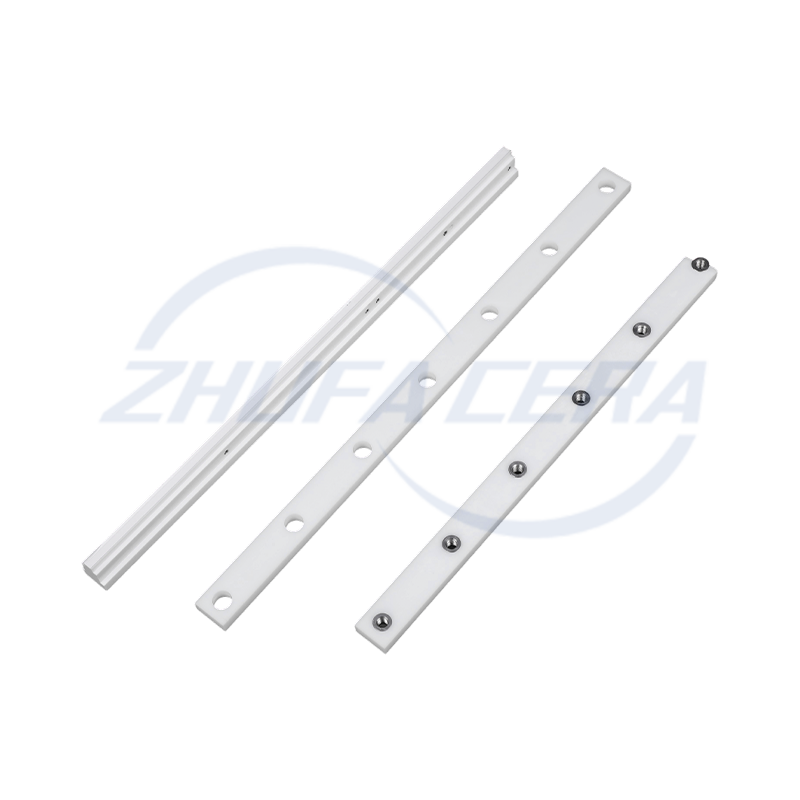
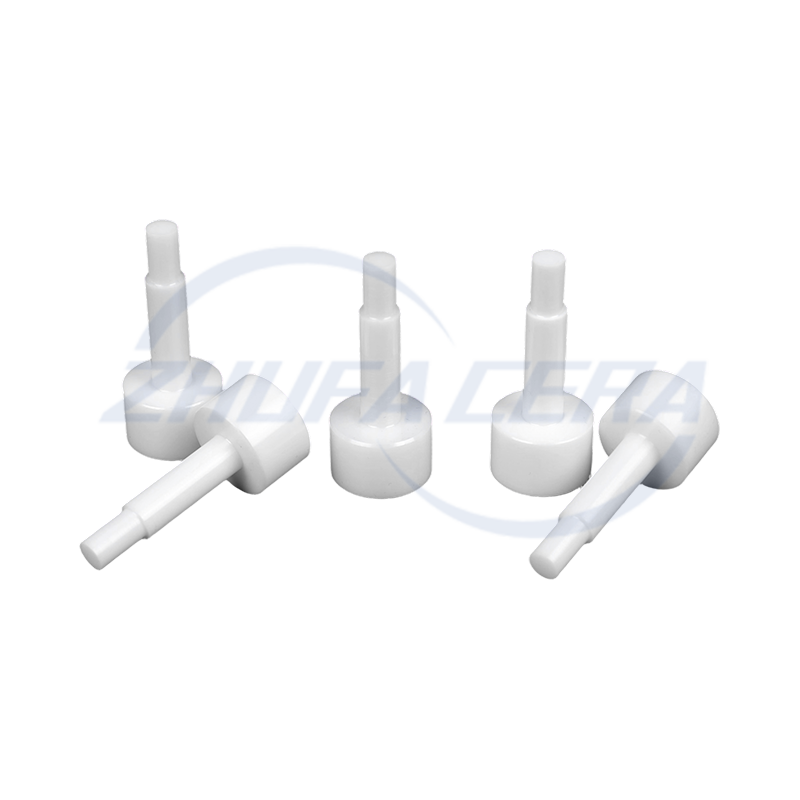
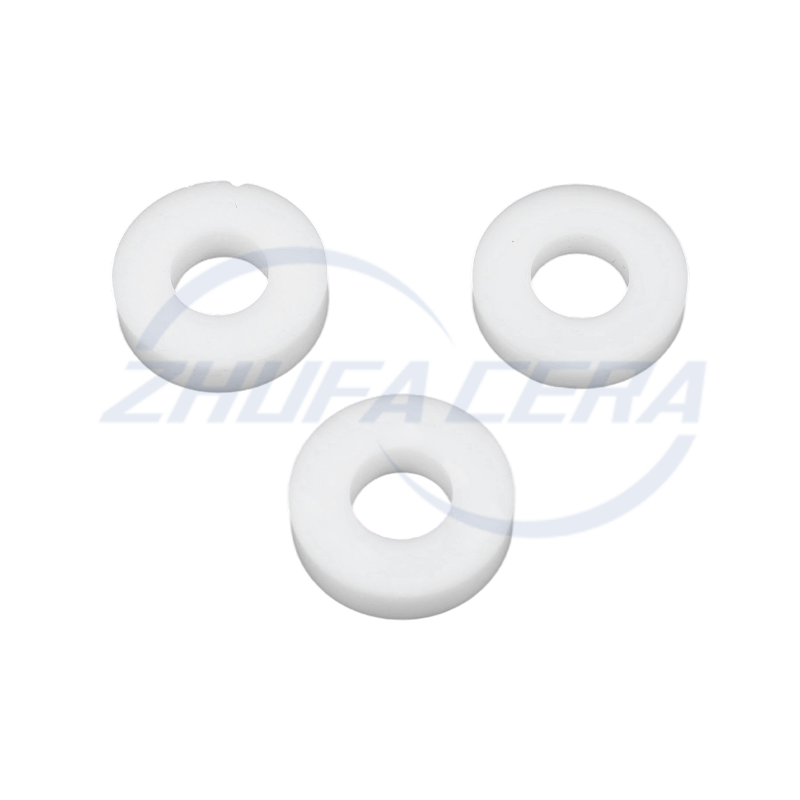
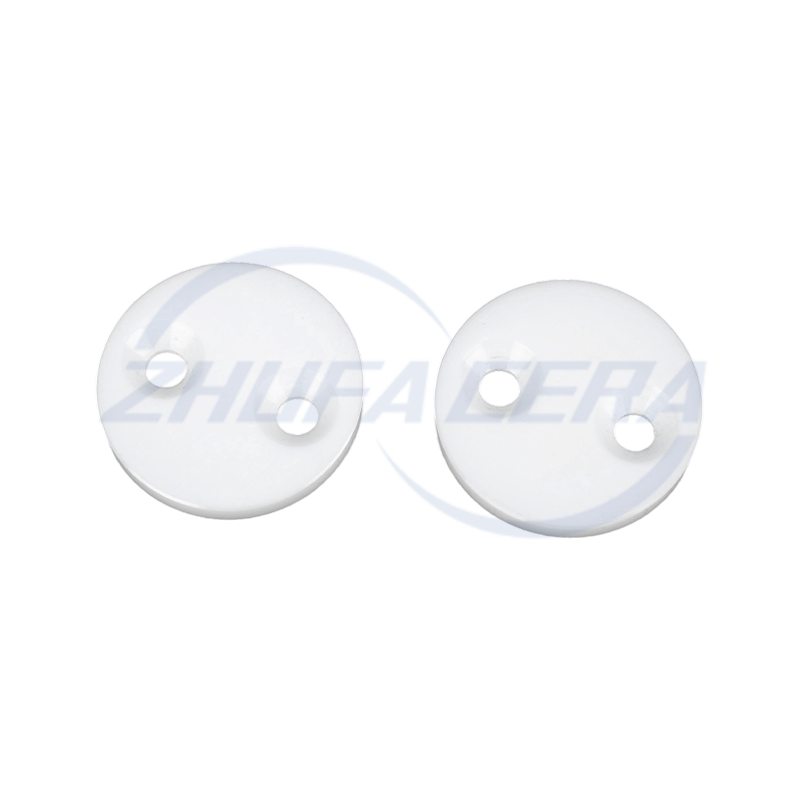
Today, as semiconductor manufacturing processes continue to move down to 3nm and 2nm, the performance limits of semiconductor equipment largely depend on the physical boundaries of the material. Under extreme working conditions such as vacuum, high temperature, strong corrosion, and high-frequency vibration, precision ceramic components have become the "hard-core base" to support chip production due to their excellent stability. According to industry statistics, the value of precision ceramics in semiconductor equipment has reached about 16%. From the front-end etching, thin film deposition, photolithography, to the back-end packaging and testing, the application breadth and depth of precision ceramics are constantly expanding with the evolution of the process.

1. An all-rounder from cavity protection to precision load bearing

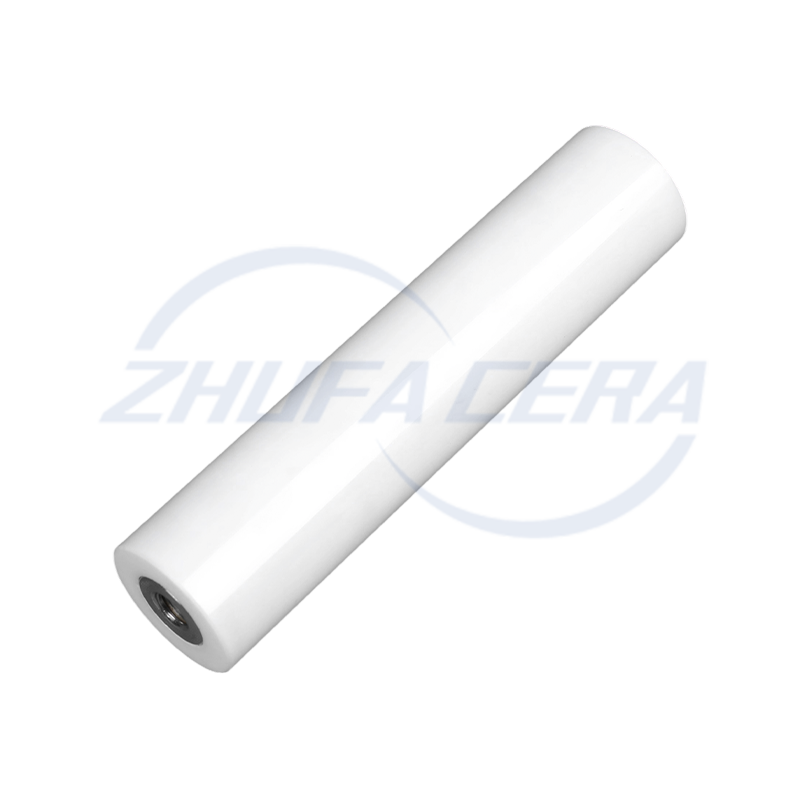
Alumina is currently the most widely used and technically mature oxide ceramic in semiconductor equipment. Its core advantages are high hardness, high temperature resistance and excellent chemical stability.
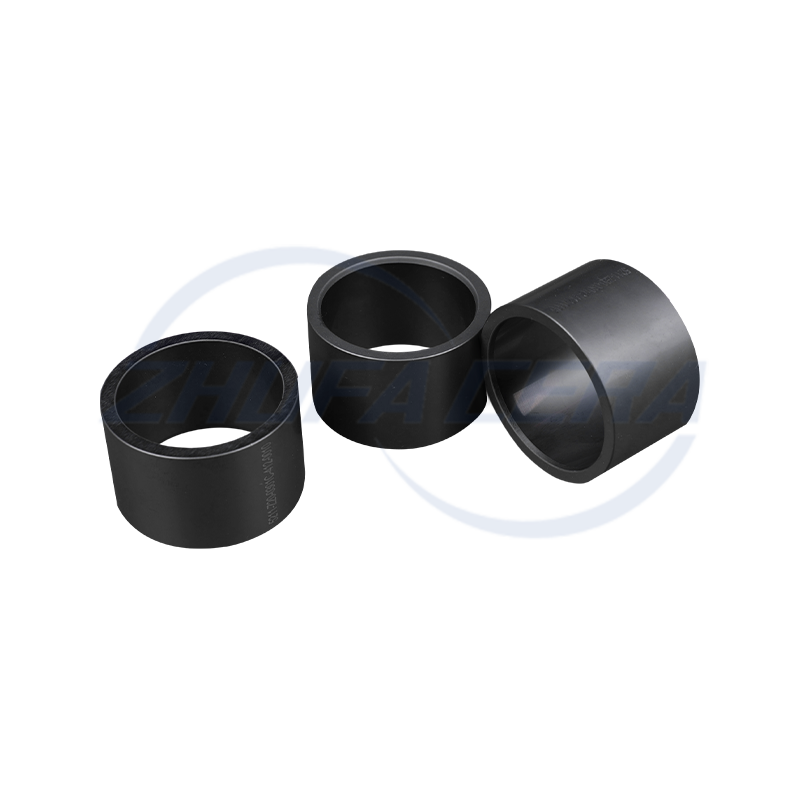
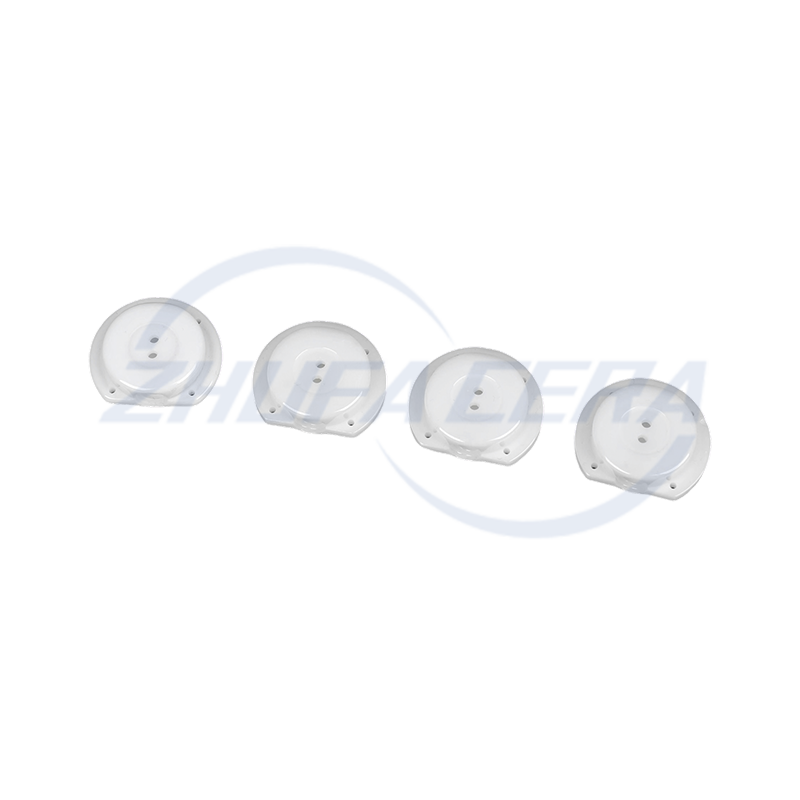
During the plasma etching process, components within the cavity face severe erosion by halogen gases. High-purity alumina ceramics exhibit extremely strong corrosion resistance. Common applications include etch chamber liners, plasma gas distribution plates, gas nozzles, and retaining rings to hold wafers. In order to further improve performance, cold isostatic pressing and hot pressing sintering processes are often used in the industry to ensure the uniformity of the internal microstructure of the material and prevent wafer contamination caused by impurity overflow.
In addition, with the development of optical applications, transparent alumina ceramics also perform well in the field of semiconductor observation windows. Compared with traditional quartz materials, YAG ceramics or high-purity alumina ceramics show longer life in terms of resistance to plasma erosion, effectively solving the pain point of obscuring the observation window due to erosion, thereby affecting process monitoring.

2. Peak performance of thermal management and electrostatic adsorption

If alumina is a "universal" player, then aluminum nitride is a "special force" for high power and high heat flux scenarios.
Semiconductor manufacturing is extremely sensitive to the control of "heat". The thermal conductivity of aluminum nitride ceramics is usually 170-230 W/(m·K), which is much higher than that of alumina. More importantly, its thermal expansion coefficient is highly matched with that of single crystal silicon material. This property makes aluminum nitride the material of choice for electrostatic chucks and heating pads. During the processing of 12-inch wafers, electrostatic chucks need to firmly adsorb the wafers through Coulomb force or Johnson-Laback effect, while performing precise temperature control. Aluminum nitride ceramics can not only withstand high-frequency and high-voltage electric fields, but also maintain extremely high dimensional stability during rapid temperature rise and cooling, ensuring that the wafer does not shift or warp.
In the field of optical communications, with the explosive demand for 800G and even 1.6T high-speed optical modules in AI and data centers, aluminum nitride multi-layer thin and thick film substrates have also ushered in explosive growth. It provides excellent heat dissipation and air-tight protection in high-frequency and high-speed signal transmission, and is an indispensable physical support for the packaging process.

3. Resilient support of the micro world

Precision ceramics are often criticized for being "brittle", but in the semiconductor back-end process, zirconia solves this problem with its "ceramic steel" toughness.
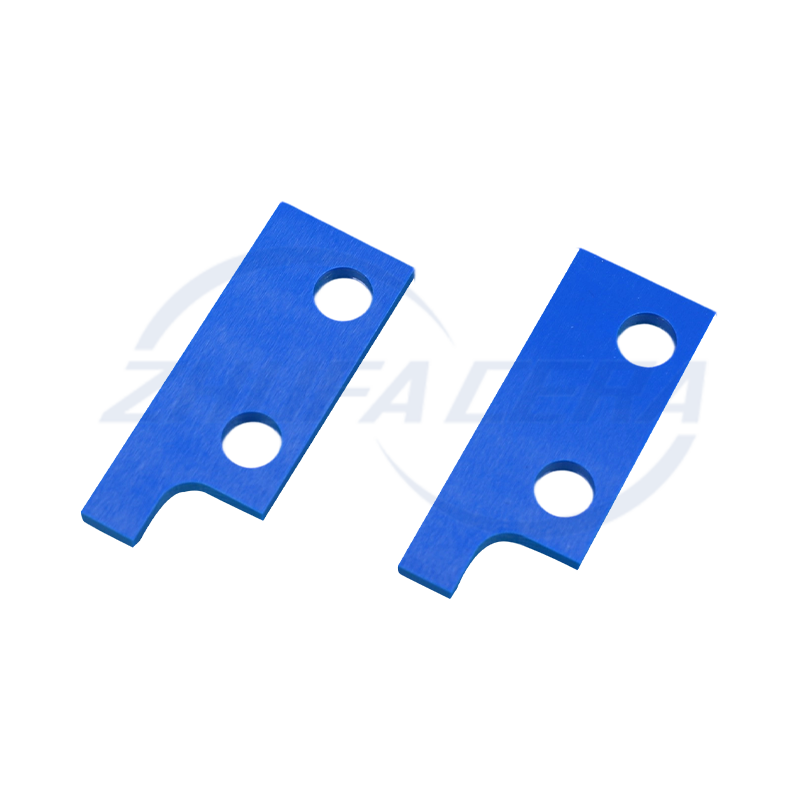
The toughening effect produced by the phase transformation process of zirconia ceramics gives it extremely high bending strength and wear resistance. This feature is epitomized in the ceramic cleaver. The ceramic riving knife is the core consumable in the wire bonding process. Under the reciprocating impact several times per second, ordinary materials are easily chipped or worn. Alumina enhanced by zirconium doping
The material has a density of up to 4.3g/cm³, which greatly improves the life of the riving knife tip and ensures the reliability of gold or copper wire bonding.

4. The transition between domestic substitution and high purification

From a global perspective, the high-end market for precision ceramics has long been dominated by Japanese, American, and European companies. Japanese companies' accumulation in electronic ceramic powders and molding processes allows them to maintain advantages in ceramic substrates and fine structural parts, while the United States occupies an important position in the field of high-temperature structural ceramics such as silicon carbide and silicon nitride.
It is gratifying that the domestic precision ceramics industry is going through a critical stage from "catching up" to "running parallel". In terms of molding technology, processes such as tape casting, injection molding, and gel injection molding have become mature. In the field of sintering technology, domestic large-size gas pressure sintering (GPS) silicon nitride ceramics have broken through the technical blockade and achieved domestic substitution.
For equipment engineers and procurement personnel, future technical concerns will focus on the following three dimensions: The first is ultra high purification , the localized preparation of 5N (99.999%) grade powder will become the key to reducing supply chain risks; The second is Functional integration , such as complex integrated ceramic parts with sensor channels and heating loops, will put forward higher requirements for additive manufacturing (3D printing) ceramic technology; The third is Large size , with the full popularity of the 12-inch process, how to ensure the deformation control of large-sized ceramic parts (such as suction cups above 450mm) during the sintering process is the ultimate expression of process capabilities.

Conclusion

Advanced precision ceramics are not only structural parts of semiconductor equipment, but also the core variable that determines process yield. From the protection of the etching cavity, to the temperature control of the electrostatic chuck, to the heat dissipation of the packaging substrate, the purity of each ceramic particle and the fluctuation of each sintering curve are closely related to the performance of the chip.
In the context of the "safe and controllable" semiconductor industry chain, it has become a consensus for equipment manufacturers to improve their core competitiveness by choosing partners with deep materials research and development background and precision processing capabilities.

Business consulting and technical support
We have been deeply involved in the field of precision ceramics for many years and are committed to providing semiconductor equipment manufacturers with one-stop solutions for high-purity alumina, aluminum nitride, zirconia and silicon carbide ceramics.
If you are facing:
The problem of short component life in extreme plasma environments
Thermal bottleneck in high-power packaging
Domestic substitution verification of precision ceramic parts
Welcome to scan the QR code below to submit your requirements online. Our senior application engineers will provide you with technical advice and material evaluation solutions within 24 hours.