
 中文简体
中文简体 русский
 Español
 عربى
عربى Português
 日本語
日本語 한국어
한국어

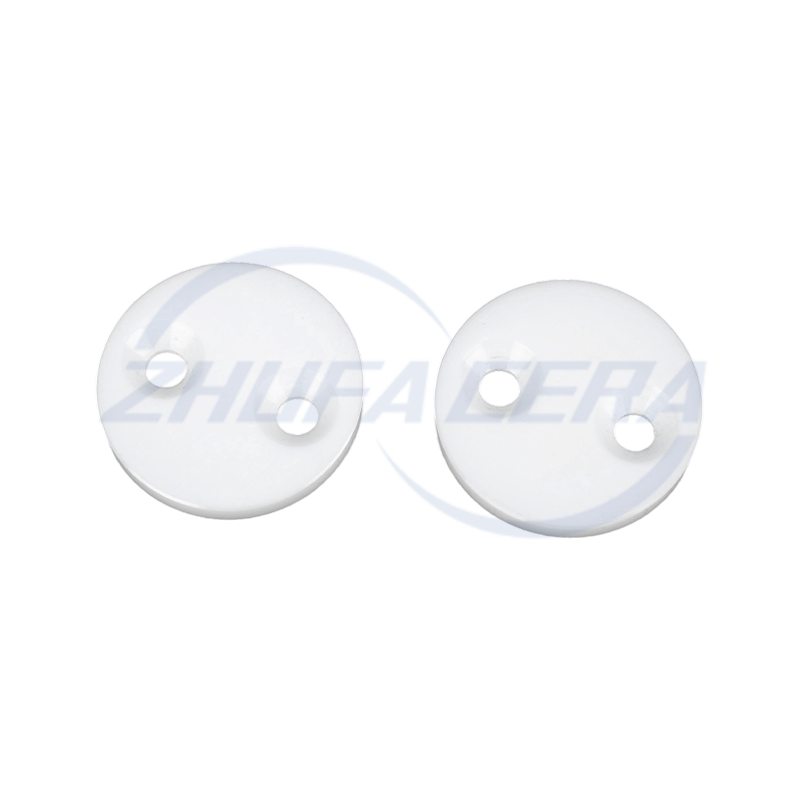
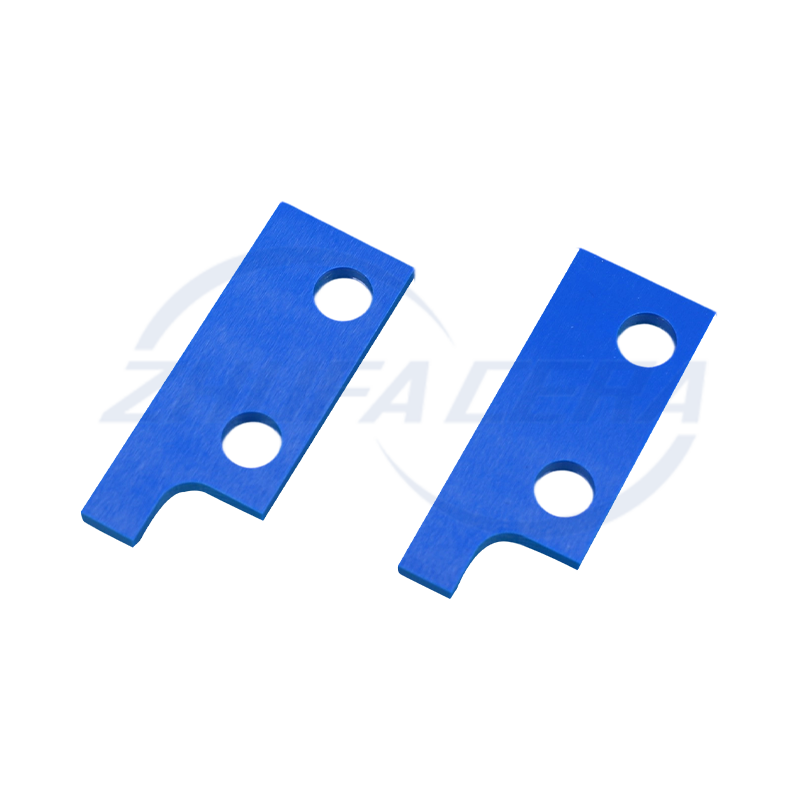
Zirconia ceramic sheets have become functional core components in various fields thanks to their unique properties. With a flexural strength of 900–1200 MPa and a fracture toughness of 6–10 MPa・m¹/², they can protect the core components of equipment from damage in environments subject to severe impact. its high-temperature resistance allows it to maintain structural stability at 600°C, serving as a thermal barrier to block heat conduction and ensuring the normal operation of precision instruments under high-temperature conditions. Its ionic conductivity enables precise transmission of oxygen ions, providing an efficient ionic transport pathway for energy conversion equipment; its chemical inertness protects against corrosion from acids, alkalis, and molten metals, safeguarding the integrity of fluid handling systems. Its low thermal conductivity reduces heat loss, maintaining system thermal balance in scenarios with significant temperature differences. These properties collectively make it a critical material for ensuring stable equipment operation and extending service life.
In practical applications, zirconia ceramic sheets play a pivotal role across multiple core industries. In the electronics industry, it serves as an insulating substrate to prevent current leakage, ensuring uninterrupted signal transmission in high-frequency equipment; In mechanical manufacturing, its wear resistance is 15 times that of ordinary alumina ceramics, enabling it to withstand material erosion, reduce equipment wear, and minimize production line downtime for maintenance. In energy systems, it serves as the “ion channel” in solid oxide fuel cells, accelerating oxygen ion migration to enhance power generation efficiency; In the biomedical field, its biocompatibility allows it to harmoniously coexist with human tissues, functioning as dental restorations that ensure both functional stability and aesthetic appeal. In aerospace, it serves as a thermal barrier coating to block engine high temperatures and protect metal components from ablation; in chemical equipment, it forms a corrosion-resistant barrier to prevent acid-alkali liquids from corroding pipelines, ensuring production safety. This material leverages its inherent properties to play a crucial role in ensuring operational reliability, enhancing efficiency, and reducing losses across various industries.