

 中文简体
中文简体 русский
 Español
 عربى
عربى Português
 日本語
日本語 한국어
한국어
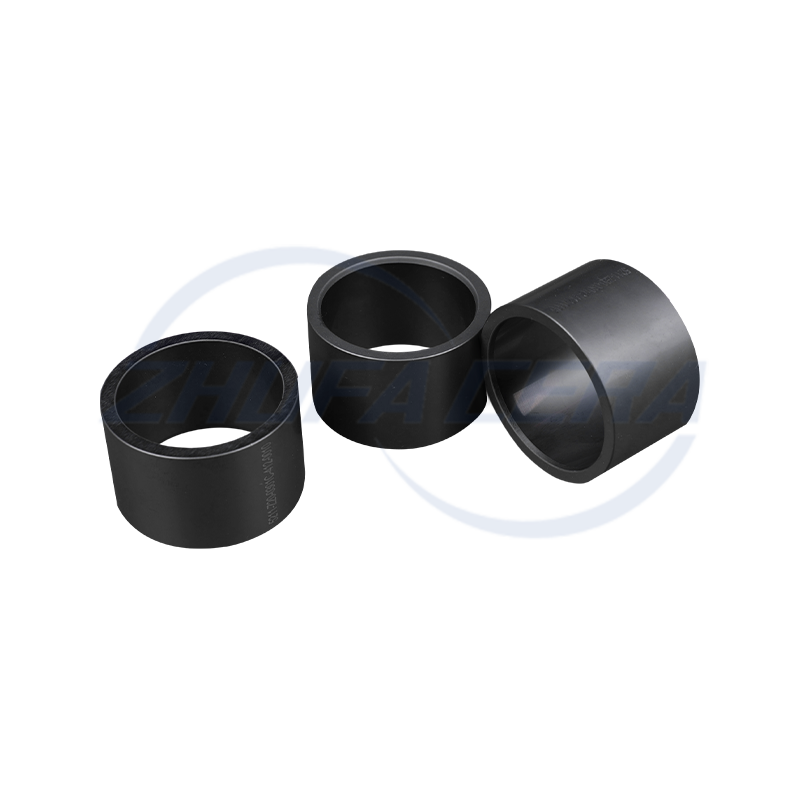
Black silicon carbide ceramic ring is a high-performance engineered ceramic assembly made of high-purity silicon carbide by precision molding and high temperature sintering. Its quadrangular crystal s...
See Details
FOLLOW US :


 Email: zf@zfcera.com
 Telephone: +86-188 8878 5188

In which industrial sectors are ZTA Ceramics primarily used?
2026-01-16
Content
ZTA Ceramics, short for Zirconia Toughened Alumina ceramics, have gained significant attention in various industries due to their remarkable combination of hardness, toughness, and wear resistance. Unlike conventional ceramics, ZTA Ceramics offer a unique balance between strength and fracture toughness, making them highly suitable for demanding industrial applications.
What Makes ZTA Ceramics Special?
ZTA Ceramics consist of alumina (Al₂O₃) reinforced with zirconia (ZrO₂) particles. This composition results in a material that exhibits:
- High hardness: Resistant to abrasion and mechanical wear.
- Enhanced toughness: The addition of zirconia improves fracture resistance.
- Chemical stability: Suitable for use in corrosive environments.
- Thermal resistance: Maintains structural integrity at elevated temperatures.
These properties make ZTA Ceramics ideal for applications that require both durability and precision under harsh conditions.
Main Industrial Fields Utilizing ZTA Ceramics
1. Automotive Industry
The automotive sector extensively uses ZTA Ceramics in components that demand high wear resistance and structural reliability. Typical applications include:
- Engine components such as valve seats and piston rings
- Wear-resistant bearings
- Fuel injection systems
Compared to traditional metal parts, ZTA Ceramics provide longer service life, reduced maintenance costs, and improved performance under high temperatures and friction.
2. Aerospace Industry
In aerospace, weight reduction and durability are critical. ZTA Ceramics are used in:
- Turbine components for jet engines
- Seals and bearings in aerospace machinery
- Thermal protection systems
Compared with standard alumina ceramics, ZTA offers better fracture toughness, which is essential for high-stress applications in aerospace environments.
3. Medical and Dental Equipment
Medical applications demand biocompatibility, wear resistance, and chemical stability. ZTA Ceramics are widely applied in:
- Dental crowns and implants
- Orthopedic joint replacements, such as hip and knee prostheses
- Surgical tools and cutting instruments
Unlike traditional metals, ZTA Ceramics minimize the risk of allergic reactions and provide longer-lasting performance with reduced wear particles in the body.
4. Electronics and Semiconductor Industry
ZTA Ceramics play a crucial role in electronics due to their high dielectric strength and thermal stability. Applications include:
- Insulating substrates for electronic components
- Precision mechanical parts in semiconductor manufacturing
- High-performance sensors
Compared to conventional ceramics, ZTA offers improved resistance to thermal shock and wear, ensuring reliability in sensitive electronic devices.
5. Industrial Machinery and Manufacturing
Heavy-duty machinery often faces extreme wear and mechanical stress. ZTA Ceramics enhance equipment durability in applications such as:
- Cutting tools and abrasives
- Pumps and valves handling corrosive fluids
- Wear-resistant liners and nozzles
When compared to stainless steel or tungsten carbide, ZTA Ceramics provide superior wear resistance and longer operational life in corrosive or abrasive environments.
Advantages of Using ZTA Ceramics Across Industries
- Extended service life: Reduced wear and tear lowers replacement frequency.
- Enhanced performance: Maintains mechanical strength under high-stress conditions.
- Corrosion and chemical resistance: Suitable for aggressive industrial environments.
- Lightweight alternatives: Especially beneficial in aerospace and automotive industries.
- Biocompatibility: Safe for medical and dental applications.
Comparing ZTA Ceramics with Other Ceramic Materials
| Property | Alumina (Al₂O₃) | Zirconia (ZrO₂) | ZTA Ceramics |
|---|---|---|---|
| Hardness | High | Moderate | High |
| Fracture Toughness | Low | High | Moderate to High |
| Wear Resistance | High | Moderate | High |
| Chemical Resistance | Excellent | Good | Excellent |
| Cost | Low | High | Moderate |
ZTA Ceramics combine the hardness of alumina with the toughness of zirconia, offering a balanced solution where traditional ceramics might fail due to brittleness.
Frequently Asked Questions (FAQ) About ZTA Ceramics
Q1: Are ZTA Ceramics suitable for high-temperature applications?
Yes, ZTA Ceramics can withstand elevated temperatures while maintaining their mechanical properties, making them ideal for automotive, aerospace, and industrial machinery components.
Q2: How do ZTA Ceramics compare with metals in wear resistance?
ZTA Ceramics outperform most metals in wear resistance, especially in abrasive and corrosive environments, reducing maintenance costs and extending operational life.
Q3: Can ZTA Ceramics be used in medical implants?
Absolutely. ZTA Ceramics are biocompatible and highly wear-resistant, making them suitable for dental and orthopedic implants with long-term reliability.
Q4: Are ZTA Ceramics cost-effective?
While the initial cost may be higher than standard metals or alumina, their longevity and reduced maintenance requirements often result in overall cost savings.
Q5: What industries benefit the most from ZTA Ceramics?
ZTA Ceramics are most beneficial in automotive, aerospace, medical, electronics, and heavy machinery industries due to their combination of toughness, wear resistance, and chemical stability.
Conclusion
ZTA Ceramics have emerged as a versatile material bridging the gap between hardness and toughness. Their applications span multiple industrial sectors including automotive, aerospace, medical, electronics, and heavy machinery. By providing superior wear resistance, fracture toughness, and chemical stability, ZTA Ceramics offer a reliable and efficient solution for demanding industrial needs. As technology advances, their adoption is expected to grow, offering sustainable and high-performance alternatives to traditional materials.
Related products
-
-
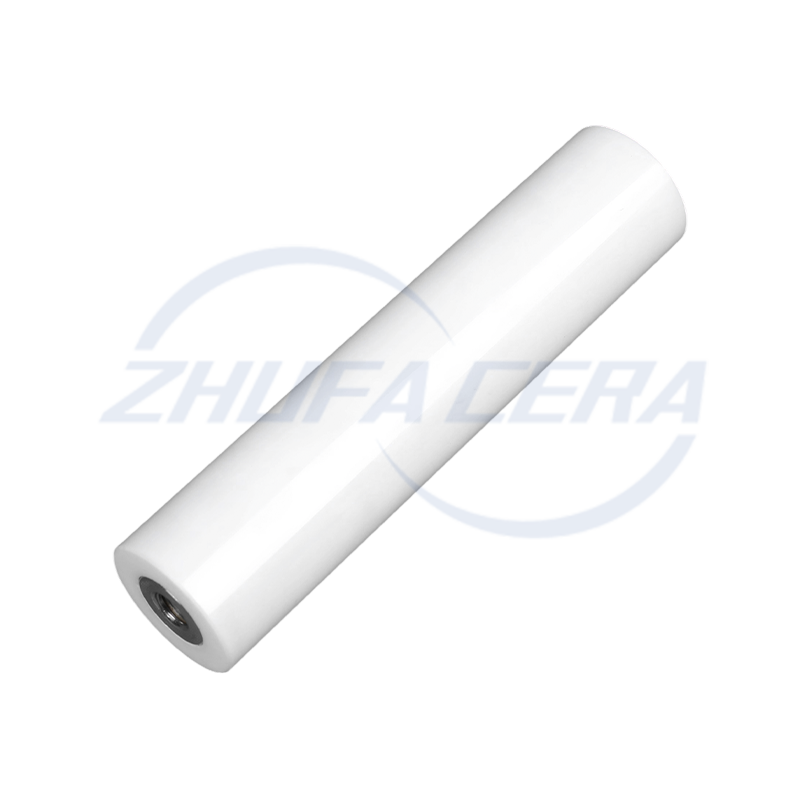
Zirconia Ceramic Rod is a high-performance ceramic material rod, mainly made of zirconium oxide, with excellent mechanical strength and chemical stability. It exhibits extremely high hardness and wear...
See Details -
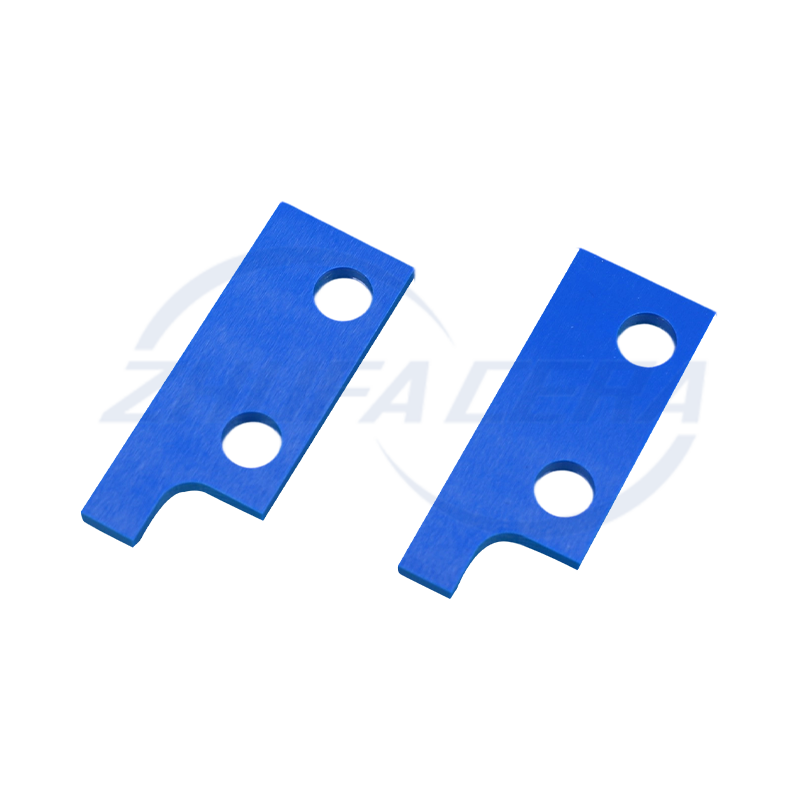
Blue zirconia ceramic sheets are precision components made of advanced zirconia ceramics. They are stained with cobalt, iron or copper to form a blue color. This color not only serves as a visual i...
See Details -

This blue zirconia ceramic pin is made of advanced zirconia ceramic material, providing excellent durability and performance. Zirconia ceramics are known for their high strength, good wear resistan...
See Details -

Zirconia Ceramic Gear is made of zirconium oxide ceramic material, which has excellent high strength and high hardness. This material property enables it to effectively resist wear during the transmis...
See Details -
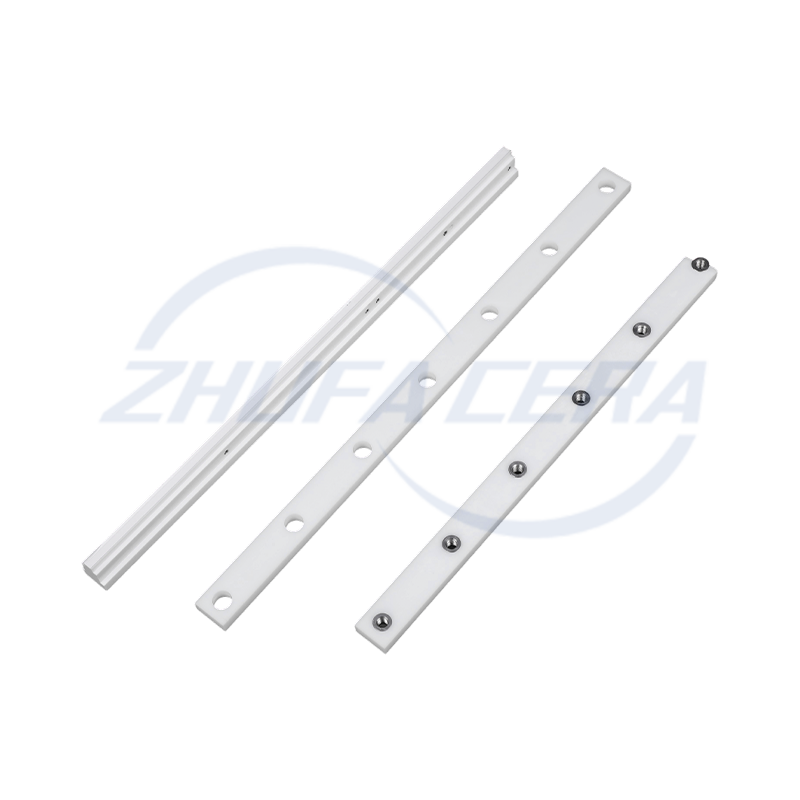
Zirconia Ceramic Guide Rail is a high-performance precision mechanical component made of zirconium oxide ceramic material. Its core characteristics are derived from the excellent physical and chemical...
See Details -
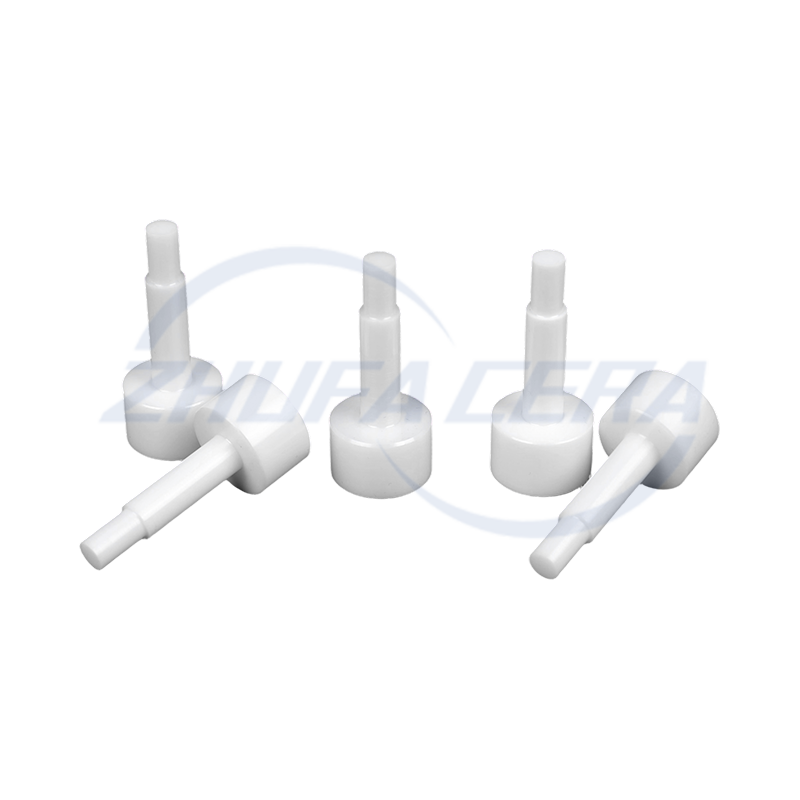
Zirconia Ceramic Locating Pin is a high-precision positioning element made of advanced zirconium oxide ceramic material with excellent physical and chemical properties. Its main characteristics includ...
See Details -
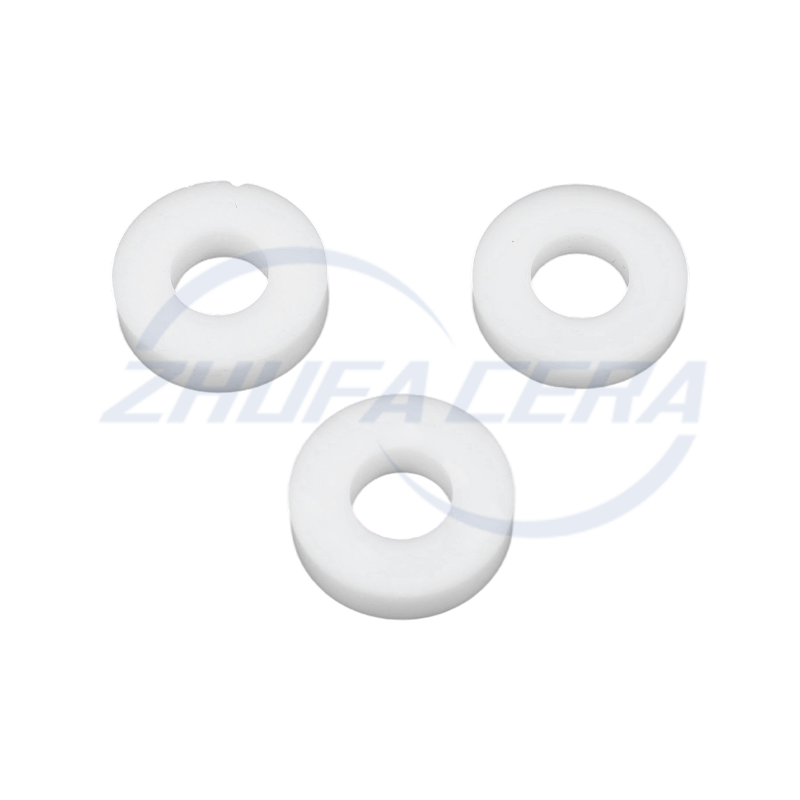
Zirconia Ceramic Ring is a high-performance ceramic product known for its excellent physical and chemical properties. It has extremely high hardness and strength, with a Mohs hardness of more than 8.5...
See Details -
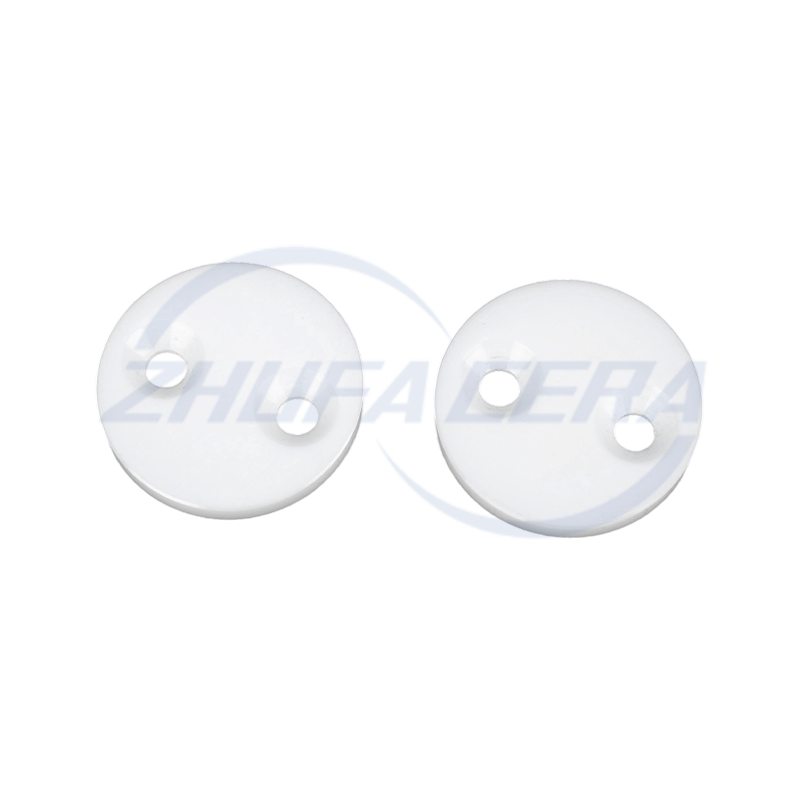
Zirconia ceramic sheets have become functional core components in various fields thanks to their unique properties. With a flexural strength of 900–1200 MPa and a fracture toughness of 6–10 MPa・m¹/², ...
See Details -

Zirconia Ceramic Strip is a strip material made of high-performance zirconium oxide ceramic with excellent physical and chemical properties. It has extremely high hardness and flexural strength, can e...
See Details -
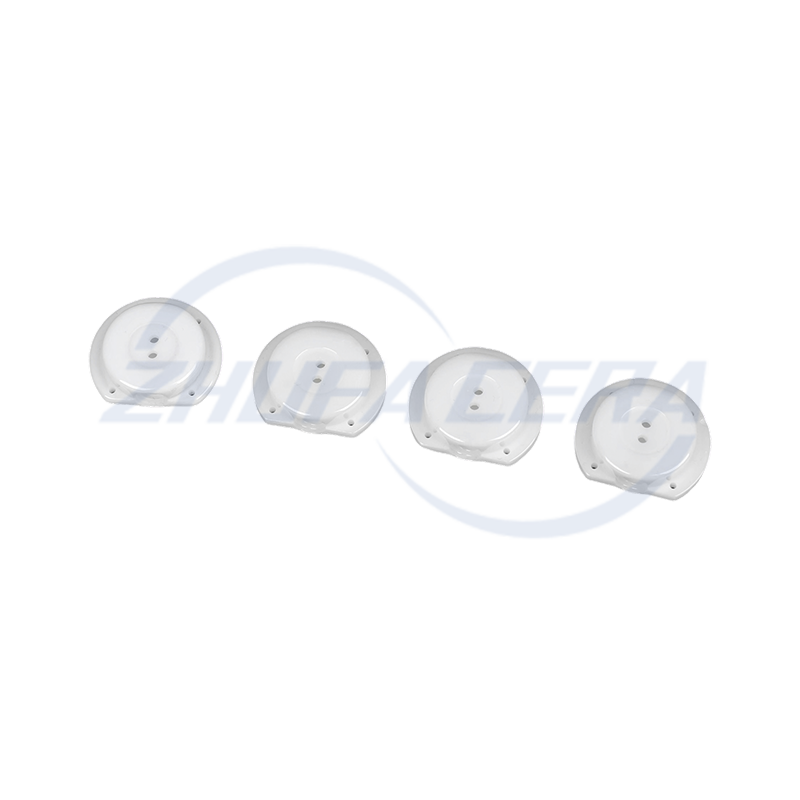
Zirconia ceramic wafers are representative products in the field of high-performance structural ceramics. Compared with traditional alumina ceramics or metal materials, its comprehensive performanc...
See Details -
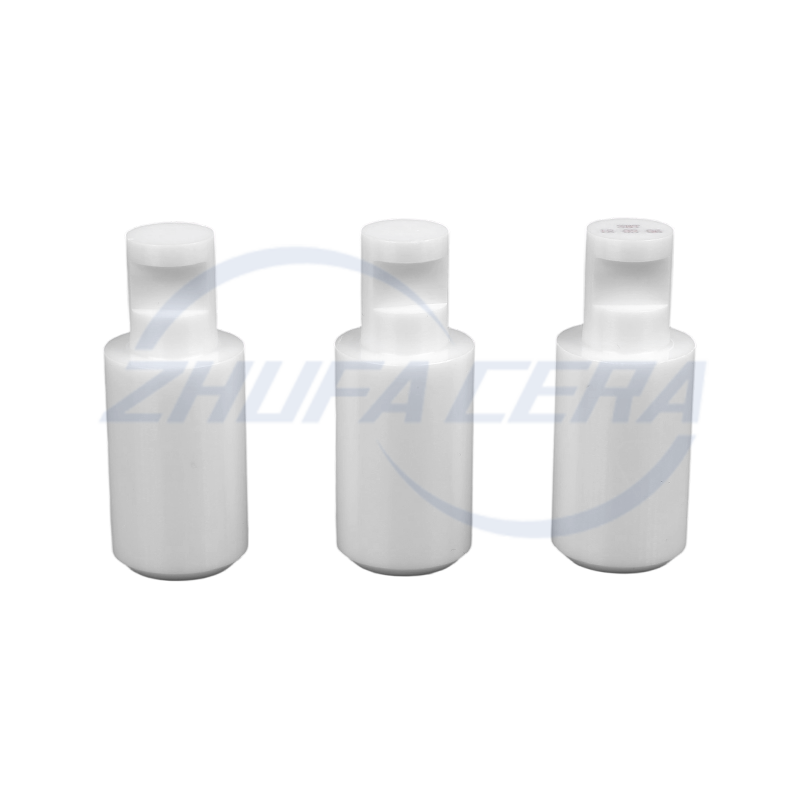
Zirconia Ceramic Plunger is a high-performance component designed for harsh industrial environments. Compared with similar ceramic or metal plunger products, it stands out with its unique material adv...
See Details


-
Quick Links
Home Products About Us Services Technology News Contact Us -
Products
Ceramic Structural Parts Zirconia Ceramics Alumina Ceramics ZTA Ceramics Silicon Nitride Ceramics Silicon Carbide Ceramics Ceramic Injection Molded Parts -
About Us
Factory Tour Honor FAQ -
Contact info
+86-188 8878 5188zf@zfcera.comNo. 1, Xinggong Road, Anchang Industrial Park, Keqiao District, Shaoxing City, Zhejiang Province, China -
WhatsApp

Copyright © Zhejiang Zhufa Precision Ceramics Technology Co., Ltd. All Rights Reserved.
China precision ceramics manufacturer
wholesale precision ceramics supplier
