

 中文简体
中文简体 русский
 Español
 عربى
عربى Português
 日本語
日本語 한국어
한국어
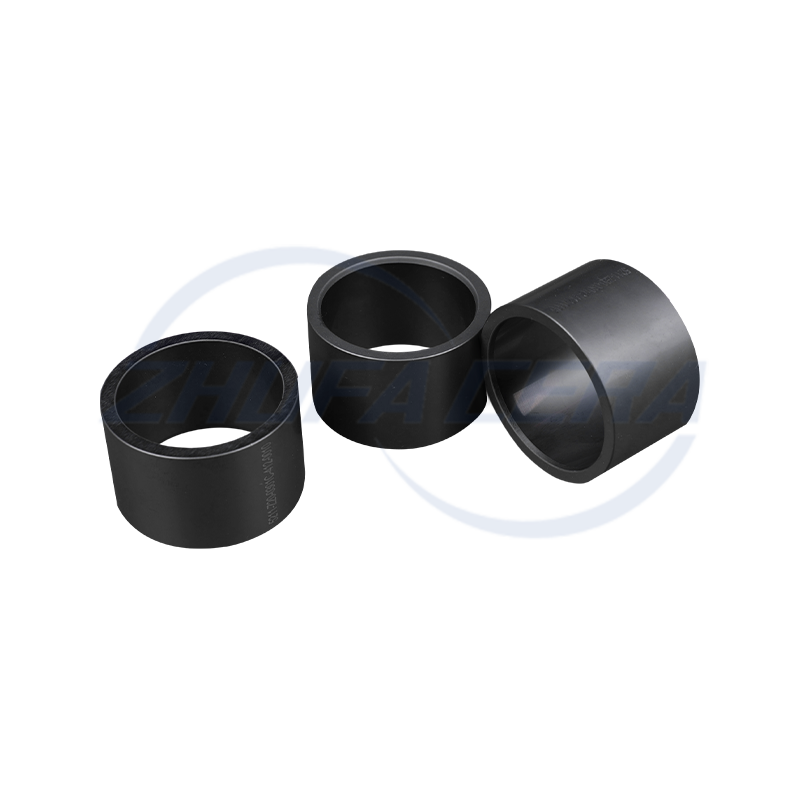
Black silicon carbide ceramic ring is a high-performance engineered ceramic assembly made of high-purity silicon carbide by precision molding and high temperature sintering. Its quadrangular crystal s...
See Details
FOLLOW US :


 Email: zf@zfcera.com
 Telephone: +86-188 8878 5188

What Level of Fracture Toughness Can ZTA Ceramics Achieve?
2026-01-09
Content
ZTA Ceramics, short for zirconia-toughened alumina ceramics, have gained significant attention in high-performance engineering and industrial applications due to their remarkable combination of hardness, wear resistance, and toughness. Understanding the fracture toughness of ZTA Ceramics is crucial for industries ranging from aerospace to medical devices, where material reliability under stress can determine both safety and performance.
Understanding Fracture Toughness
Fracture toughness, often denoted as KIC, measures a material's resistance to crack propagation. For engineering ceramics, which are inherently brittle, high fracture toughness is essential to prevent catastrophic failure during mechanical loading or thermal shock. Unlike metals, ceramics do not exhibit plastic deformation, so the ability to resist crack growth is the key indicator of durability.
Factors Influencing Fracture Toughness in Ceramics
- Microstructure: The size, shape, and distribution of grains in ZTA Ceramics directly affect toughness. Fine-grained alumina provides hardness, while dispersed zirconia particles help inhibit crack propagation.
- Phase Transformation Toughening: ZTA Ceramics exploit the stress-induced transformation of zirconia from tetragonal to monoclinic phase, which absorbs energy and reduces crack growth.
- Porosity and Defects: Lower porosity levels enhance fracture toughness. Any microcracks or voids can serve as stress concentrators, lowering overall performance.
- Temperature and Environment: High temperatures and moisture can affect crack propagation, though ZTA shows better thermal stability compared to pure alumina ceramics.
Fracture Toughness Levels of ZTA Ceramics
Typical ZTA Ceramics exhibit fracture toughness values in the range of 5–10 MPa·m1/2, significantly higher than pure alumina, which usually ranges around 3–4 MPa·m1/2. Advanced ZTA formulations can even reach levels exceeding 12 MPa·m1/2 under optimized processing conditions.
This improvement is mainly due to the zirconia content, which usually ranges from 10% to 20% by volume. The zirconia particles induce a transformation toughening mechanism: when a crack approaches a zirconia grain, the stress triggers a volume expansion in the zirconia, effectively “pinching” the crack and absorbing fracture energy.
Comparing ZTA Ceramics with Other Ceramics
| Ceramic Type | Fracture Toughness (MPa·m1/2) | Key Characteristics |
|---|---|---|
| Alumina (Al2O3) | 3–4 | High hardness, low toughness, excellent wear resistance |
| Zirconia (ZrO2) | 8–12 | High toughness due to transformation toughening, moderate hardness |
| ZTA Ceramics | 5–10 (sometimes >12) | Balanced hardness and toughness, superior wear resistance, controlled crack propagation |
| Silicon Carbide (SiC) | 3–5 | Extremely hard, brittle, excellent thermal conductivity |
As shown, ZTA Ceramics offer an optimal balance between hardness and fracture toughness, outperforming pure alumina and SiC in applications where both wear resistance and mechanical reliability are essential.
Applications Benefiting from ZTA Ceramics' Fracture Toughness
The enhanced fracture toughness of ZTA Ceramics enables a wide range of applications:
- Medical Devices: Dental implants and orthopedic components benefit from high toughness and biocompatibility.
- Aerospace Components: Engine parts and thermal barrier applications rely on ZTA for crack resistance under high stress and temperature.
- Industrial Tools: Cutting tools, wear-resistant liners, and pump components require materials that resist fracture while maintaining hardness.
- Electronics: Substrates and insulators in high-voltage environments benefit from ZTA’s stability and toughness.
Enhancing Fracture Toughness in ZTA Ceramics
Several strategies can improve the fracture toughness of ZTA Ceramics:
- Optimizing Zirconia Content: Maintaining zirconia at 10–20% enhances transformation toughening without compromising hardness.
- Grain Size Control: Reducing alumina grain size while maintaining adequate zirconia particle distribution improves toughness.
- Advanced Sintering Techniques: Hot isostatic pressing (HIP) and spark plasma sintering (SPS) reduce porosity and improve mechanical properties.
- Composite Layering: Combining ZTA with other toughening layers or coatings can enhance fracture resistance further.
FAQ on ZTA Ceramics and Fracture Toughness
1. How does ZTA compare to pure zirconia in toughness?
While pure zirconia exhibits higher fracture toughness (8–12 MPa·m1/2), ZTA Ceramics provide a more balanced combination of hardness and toughness, making them ideal for wear-resistant applications.
2. Can ZTA Ceramics withstand high temperatures?
Yes, ZTA Ceramics are thermally stable up to around 1200–1400°C, and their fracture toughness is less sensitive to thermal cycling compared to pure alumina.
3. What is the role of zirconia in ZTA?
Zirconia acts as a toughening agent. Under stress, zirconia grains undergo a phase transformation that absorbs energy and slows crack propagation, significantly enhancing fracture toughness.
4. Are there limitations to ZTA Ceramics?
Although ZTA Ceramics have improved toughness, they are still brittle compared to metals. High impact or extreme shock loading can still cause fracture.
5. How is fracture toughness measured?
Standard methods include single-edge notched beam (SENB) tests, indentation fracture tests, and compact tension (CT) tests. These quantify the KIC value, which indicates resistance to crack propagation.
ZTA Ceramics achieve a fracture toughness typically ranging from 5–10 MPa·m1/2, bridging the gap between the extreme hardness of alumina and the high toughness of zirconia. This unique balance enables applications in medical devices, aerospace, industrial tools, and electronics, where both durability and performance are crucial. Through careful control of zirconia content, microstructure, and sintering methods, ZTA Ceramics can be optimized to achieve even higher fracture toughness, positioning them as one of the most versatile engineering ceramics available today.
Related products
-
-
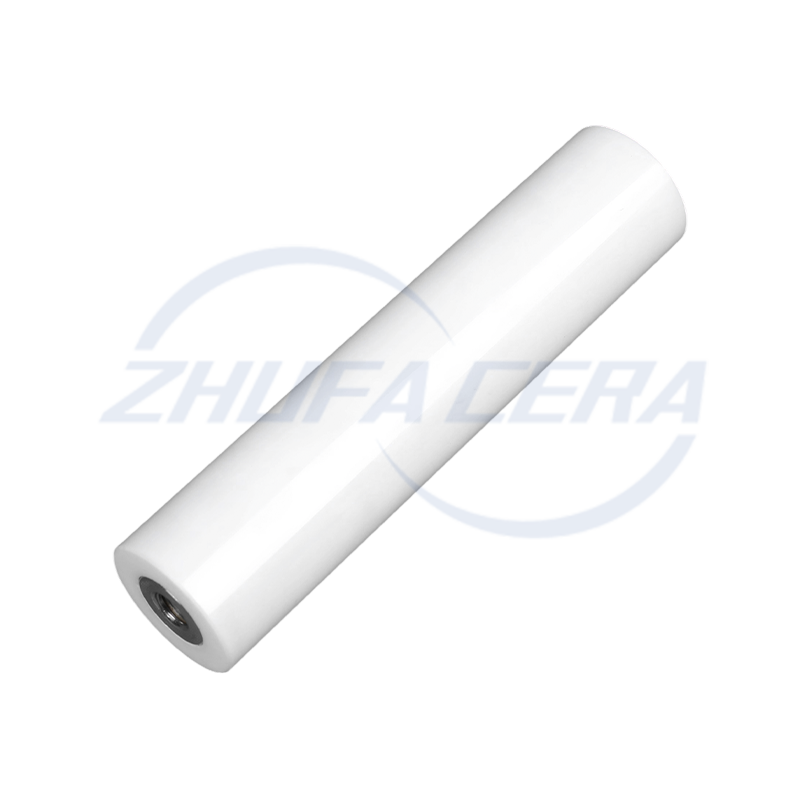
Zirconia Ceramic Rod is a high-performance ceramic material rod, mainly made of zirconium oxide, with excellent mechanical strength and chemical stability. It exhibits extremely high hardness and wear...
See Details -
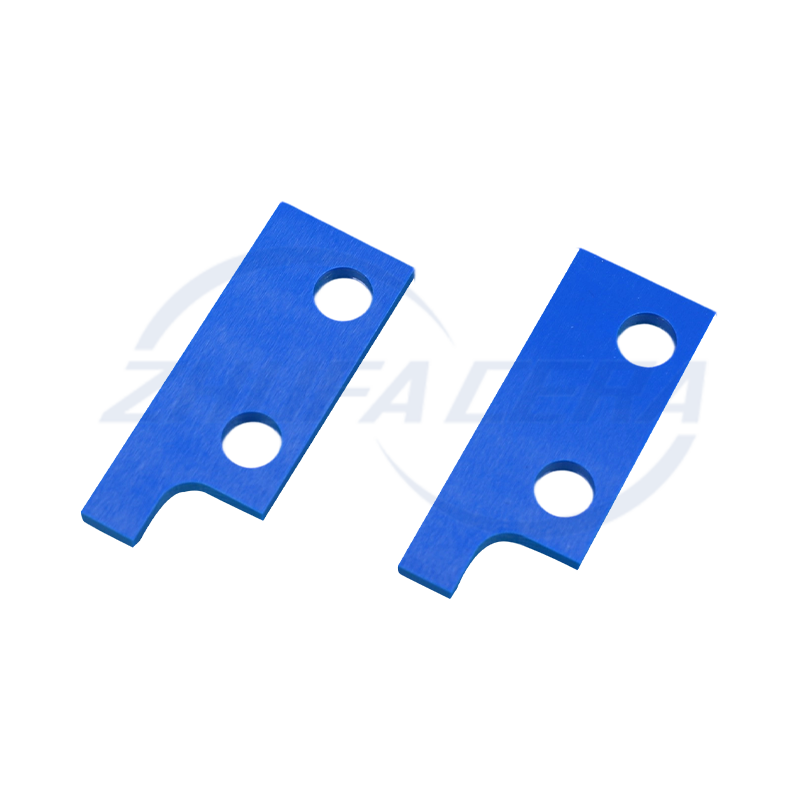
Blue zirconia ceramic sheets are precision components made of advanced zirconia ceramics. They are stained with cobalt, iron or copper to form a blue color. This color not only serves as a visual i...
See Details -

This blue zirconia ceramic pin is made of advanced zirconia ceramic material, providing excellent durability and performance. Zirconia ceramics are known for their high strength, good wear resistan...
See Details -

Zirconia Ceramic Gear is made of zirconium oxide ceramic material, which has excellent high strength and high hardness. This material property enables it to effectively resist wear during the transmis...
See Details -

Zirconia Ceramic Guide Rail is a high-performance precision mechanical component made of zirconium oxide ceramic material. Its core characteristics are derived from the excellent physical and chemical...
See Details -
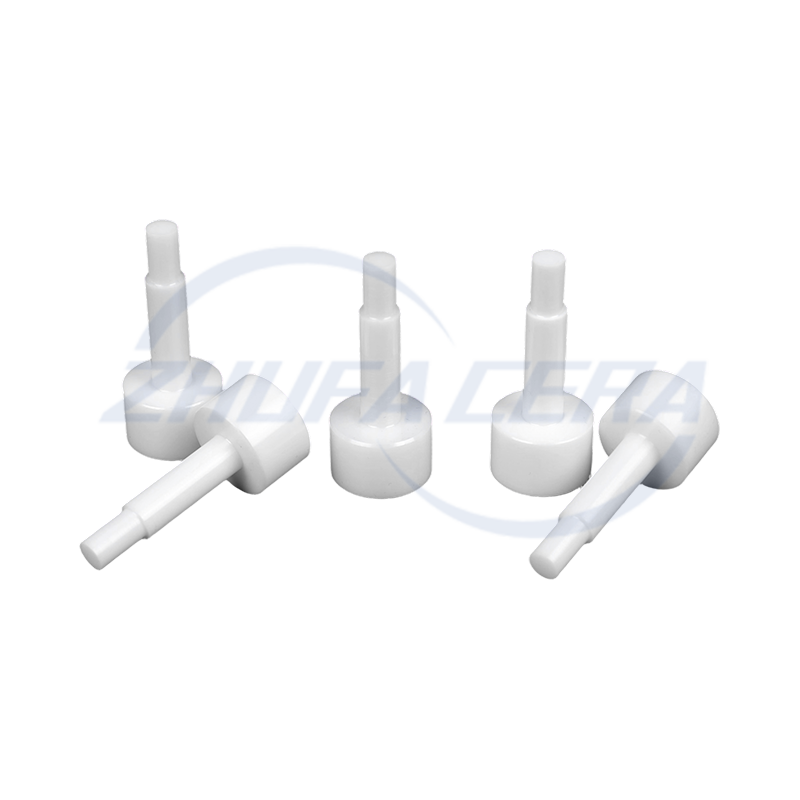
Zirconia Ceramic Locating Pin is a high-precision positioning element made of advanced zirconium oxide ceramic material with excellent physical and chemical properties. Its main characteristics includ...
See Details -

Zirconia Ceramic Ring is a high-performance ceramic product known for its excellent physical and chemical properties. It has extremely high hardness and strength, with a Mohs hardness of more than 8.5...
See Details -
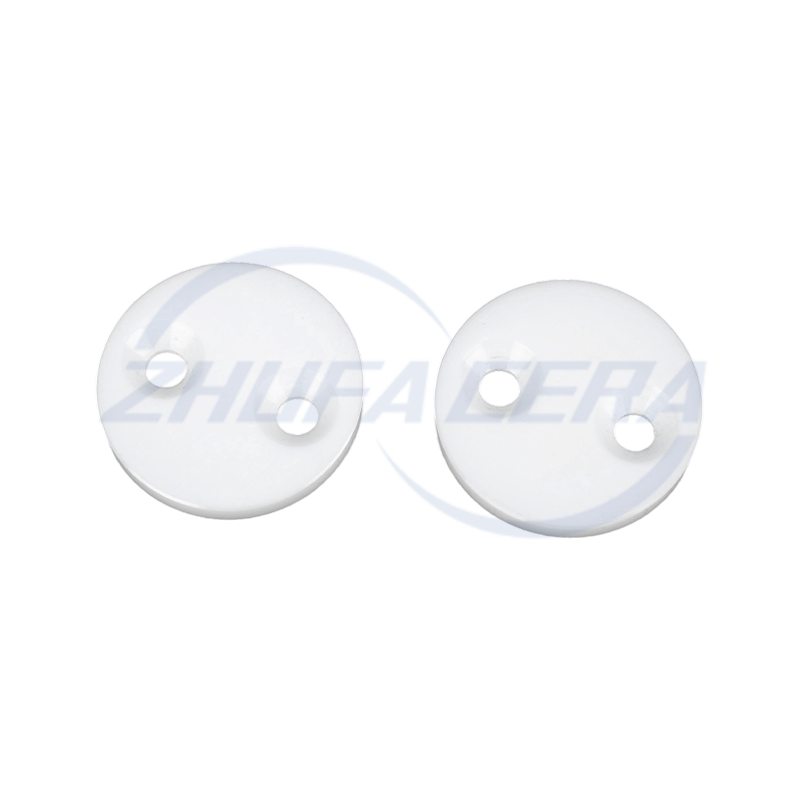
Zirconia ceramic sheets have become functional core components in various fields thanks to their unique properties. With a flexural strength of 900–1200 MPa and a fracture toughness of 6–10 MPa・m¹/², ...
See Details -

Zirconia Ceramic Strip is a strip material made of high-performance zirconium oxide ceramic with excellent physical and chemical properties. It has extremely high hardness and flexural strength, can e...
See Details -
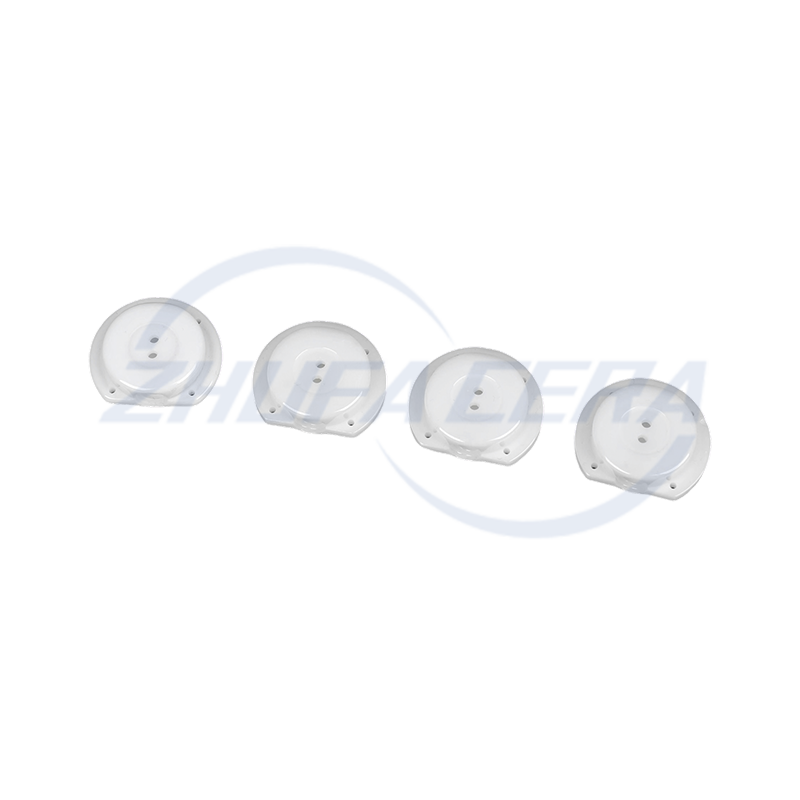
Zirconia ceramic wafers are representative products in the field of high-performance structural ceramics. Compared with traditional alumina ceramics or metal materials, its comprehensive performanc...
See Details -
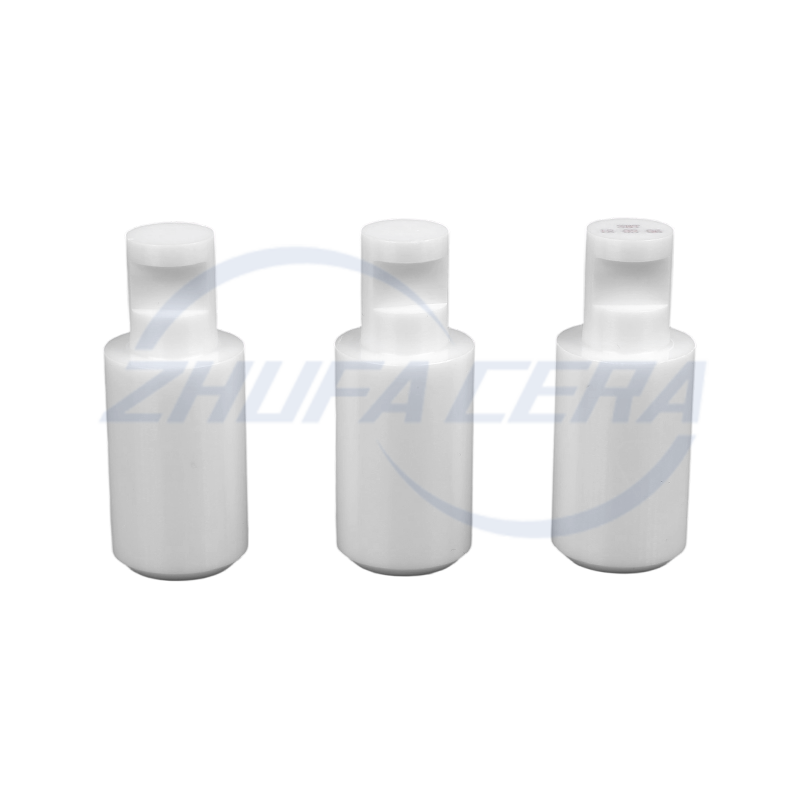
Zirconia Ceramic Plunger is a high-performance component designed for harsh industrial environments. Compared with similar ceramic or metal plunger products, it stands out with its unique material adv...
See Details


-
Quick Links
Home Products About Us Services Technology News Contact Us -
Products
Ceramic Structural Parts Zirconia Ceramics Alumina Ceramics ZTA Ceramics Silicon Nitride Ceramics Silicon Carbide Ceramics Ceramic Injection Molded Parts -
About Us
Factory Tour Honor FAQ -
Contact info
+86-188 8878 5188zf@zfcera.comNo. 1, Xinggong Road, Anchang Industrial Park, Keqiao District, Shaoxing City, Zhejiang Province, China -
WhatsApp

Copyright © Zhejiang Zhufa Precision Ceramics Technology Co., Ltd. All Rights Reserved.
China precision ceramics manufacturer
wholesale precision ceramics supplier
