

 中文简体
中文简体 русский
 Español
 عربى
عربى Português
 日本語
日本語 한국어
한국어
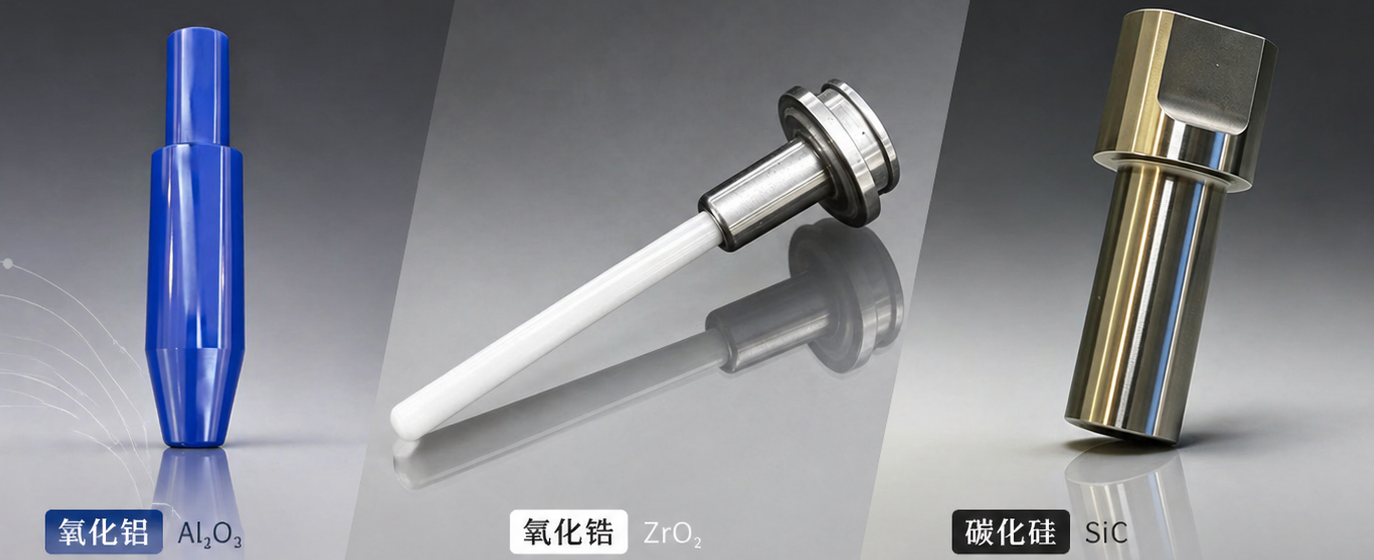
Black silicon carbide ceramic ring is a high-performance engineered ceramic assembly made of high-purity silicon carbide by precision molding and high temperature sintering. Its quadrangular crystal s...
See Details
FOLLOW US :


 Email: zf@zfcera.com
 Telephone: +86-188 8878 5188

Precision ceramic customization case analysis | Adaptation logic in different application scenarios
2026-04-29
Content
- Application scenarios
- Customized needs
- Material and parameter selection
- Adaptation logic analysis
- Use feedback
- Application scenarios
- Customized needs
- Material and parameter selection
- Adaptation logic analysis
- Use feedback
- Application scenarios
- Customized needs
- Material and parameter selection
- Use feedback
- 1. Look at the core contradictions of working conditions
- 2. Depend on usage environment
- 3. See Testing and Verification
|
In the field of precision manufacturing, the choice of materials often directly determines the upper performance limit of the product. As functional materials with high hardness, wear resistance, high temperature resistance, corrosion resistance and other properties, precision ceramics are increasingly used in industry. But truly "easy to use" depends not only on the material itself, but also on reasonable customization and matching. This article combines several typical precision ceramic customization cases we have undertaken recently (customer information has been withheld), from Application scenarios, customization requirements, key parameters and actual effects Starting from the article, we objectively analyze the adaptation logic in different scenarios to help everyone understand more intuitively how to "use precision ceramics in the right place". ". 1. Case 1: Wear-resistant guide parts in automation equipmentApplication scenariosThe high-frequency reciprocating motion module in an automation equipment requires long-term stable dimensional accuracy and wear resistance of the guide parts. Customized needs
Material and parameter selection
Adaptation logic analysisCombined with the early material selection principles: High hardness → reduced wear rate Low coefficient of friction → reduced risk of sticking High density → improve structural stability Alumina achieves a good balance between cost and performance and is suitable for such "high frequency and medium load" scenarios. Use feedbackThe service life is approximately 3 times longer than that of original metal parts Equipment maintenance frequency dropped significantly No abnormal wear or chipping 2. Case 2: Insulating structural parts in semiconductor equipmentApplication scenariosInside the cavity of semiconductor equipment, structural components with high purity and strong insulation performance are required. Customized needs
Material and parameter selection
Adaptation logic analysisBased on testing and selection experience: Higher purity → fewer impurities → reduced risk of contamination Electrical performance indicators → determine equipment stability Surface treatment → affects particle precipitation In such scenarios, "performance stability" takes priority over cost control. Use feedbackMeet long-term stable operation requirements of equipment No abnormal particle contamination detected Good compatibility with the system 3. Case 3: Corrosion-resistant seals in chemical equipmentApplication scenariosIn chemical fluid transportation systems, the medium is highly corrosive, posing challenges to seal materials. Customized needs
Material and parameter selection
Use feedbackImproved sealing stability The service life is extended by about 2 times No obvious corrosion or cracking 4. Case Summary: Key Selection Keys in Different ScenariosAs can be seen from the above cases, precision ceramics are not "the more expensive, the better", but need to be matched based on specific working conditions. 1. Look at the core contradictions of working conditionsWear Dominant → Prioritize Hardness Impact Dominance → Prioritize Resilience Electrical properties dominate → Prioritize purity and insulation 2. Depend on usage environmentHigh temperature/vacuum/corrosion → material stability is priority Precision assembly → Dimensions and processing capabilities are key 3. See Testing and VerificationDimensional inspection (CMM/projector) Material testing (density/composition) Use mock or real testing 5. Our practical principles in customizationIn actual projects, we pay more attention to “adaptability” rather than pure performance superposition. Do not blindly recommend high-cost materials Provide selection suggestions based on actual working conditions Support the plan through data and test results Continuously track usage feedback and optimize solutions ConclusionThe value of precision ceramics does not lie in the parameters themselves, but in Whether it is truly suitable for application scenarios . It can be seen from the cases that every link from selection and design to processing and testing affects the final effect. Only customized solutions based on real working conditions and data can exert stable value in practical applications. If you have specific application scenarios or selection questions, please feel free to communicate and we will provide more targeted suggestions based on actual needs. |
Related products
-
-
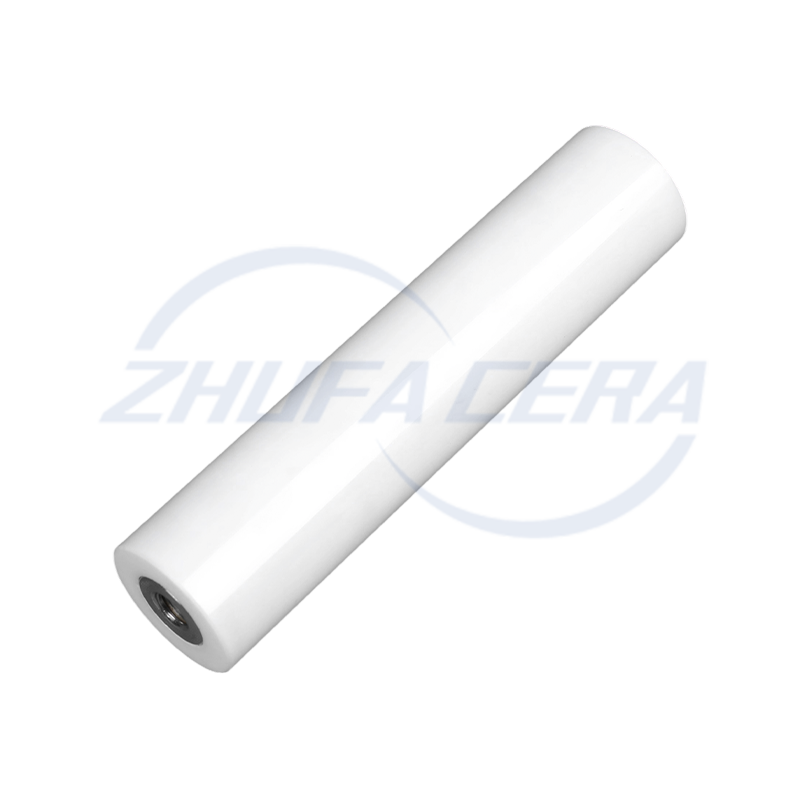
Zirconia Ceramic Rod is a high-performance ceramic material rod, mainly made of zirconium oxide, with excellent mechanical strength and chemical stability. It exhibits extremely high hardness and wear...
See Details -
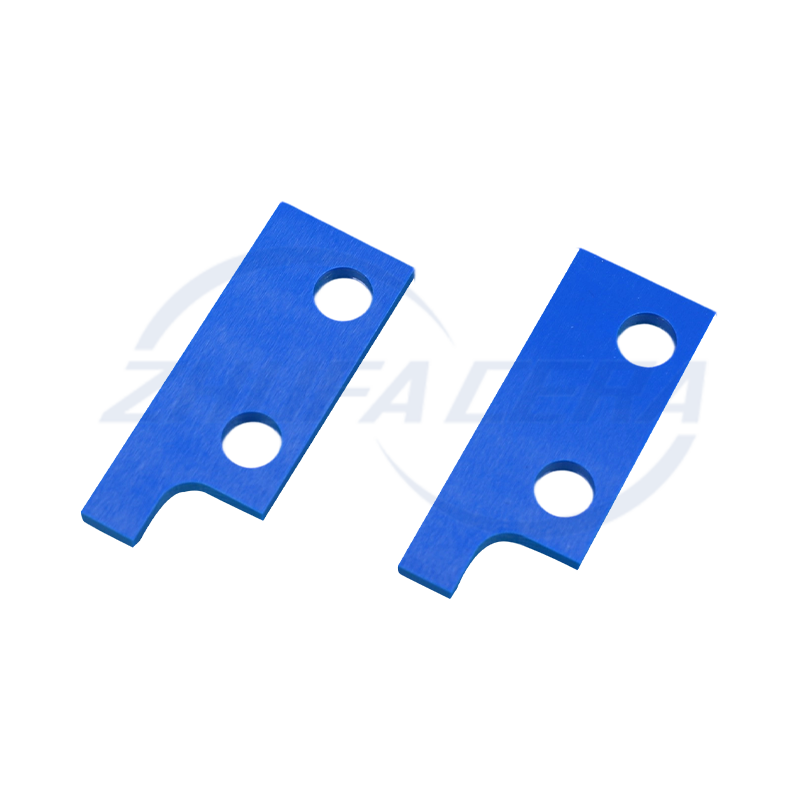
Blue zirconia ceramic sheets are precision components made of advanced zirconia ceramics. They are stained with cobalt, iron or copper to form a blue color. This color not only serves as a visual i...
See Details -

This blue zirconia ceramic pin is made of advanced zirconia ceramic material, providing excellent durability and performance. Zirconia ceramics are known for their high strength, good wear resistan...
See Details -

Zirconia Ceramic Gear is made of zirconium oxide ceramic material, which has excellent high strength and high hardness. This material property enables it to effectively resist wear during the transmis...
See Details -
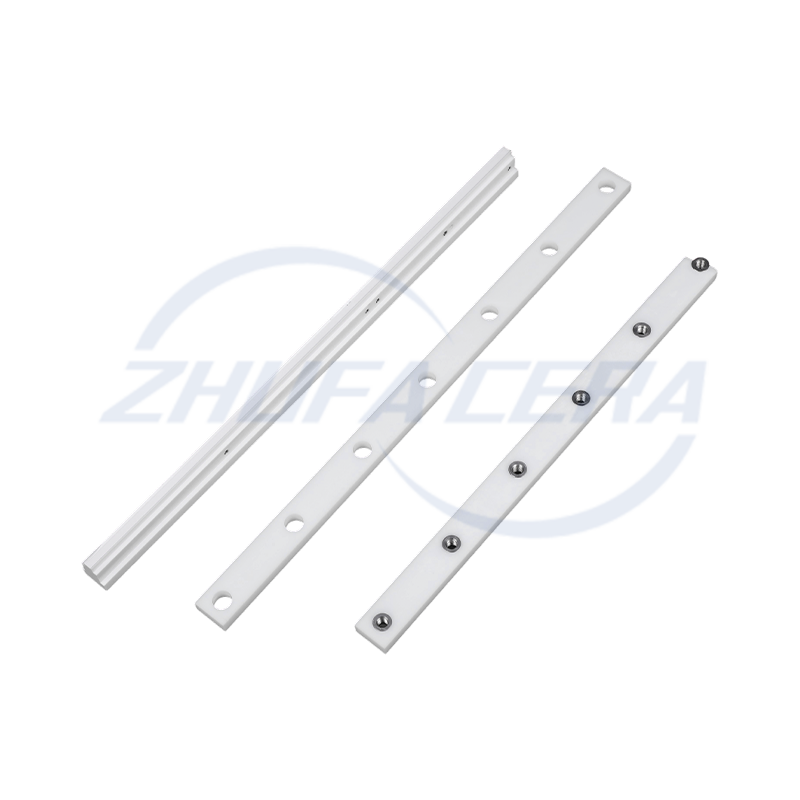
Zirconia Ceramic Guide Rail is a high-performance precision mechanical component made of zirconium oxide ceramic material. Its core characteristics are derived from the excellent physical and chemical...
See Details -
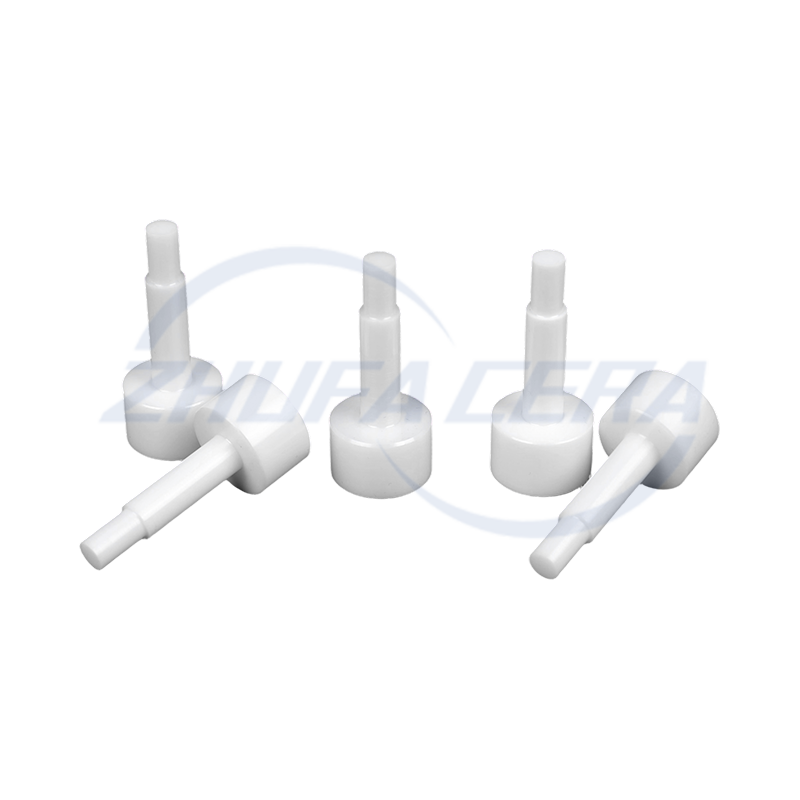
Zirconia Ceramic Locating Pin is a high-precision positioning element made of advanced zirconium oxide ceramic material with excellent physical and chemical properties. Its main characteristics includ...
See Details -
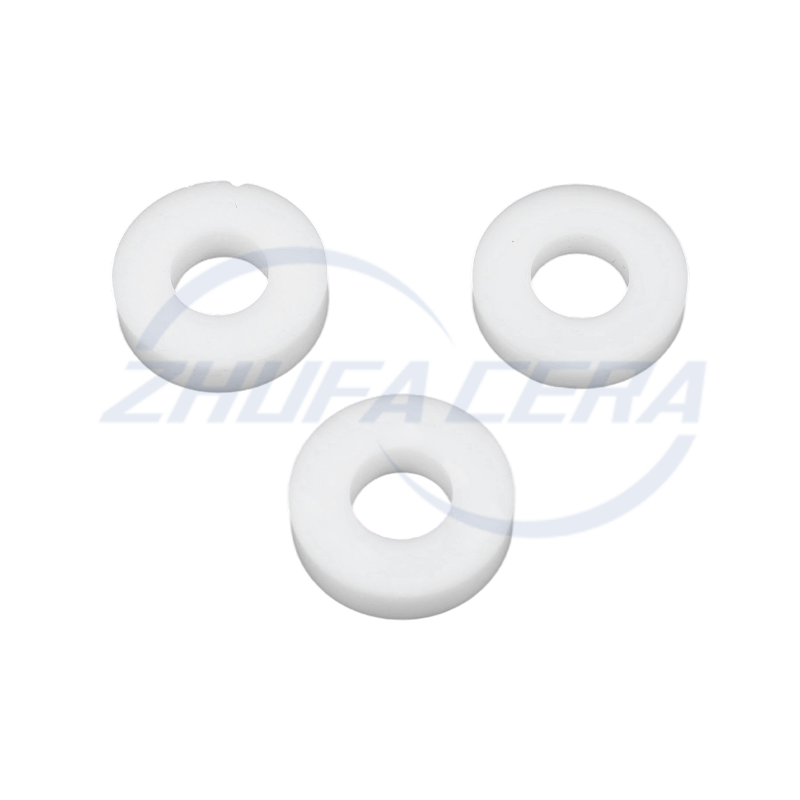
Zirconia Ceramic Ring is a high-performance ceramic product known for its excellent physical and chemical properties. It has extremely high hardness and strength, with a Mohs hardness of more than 8.5...
See Details -
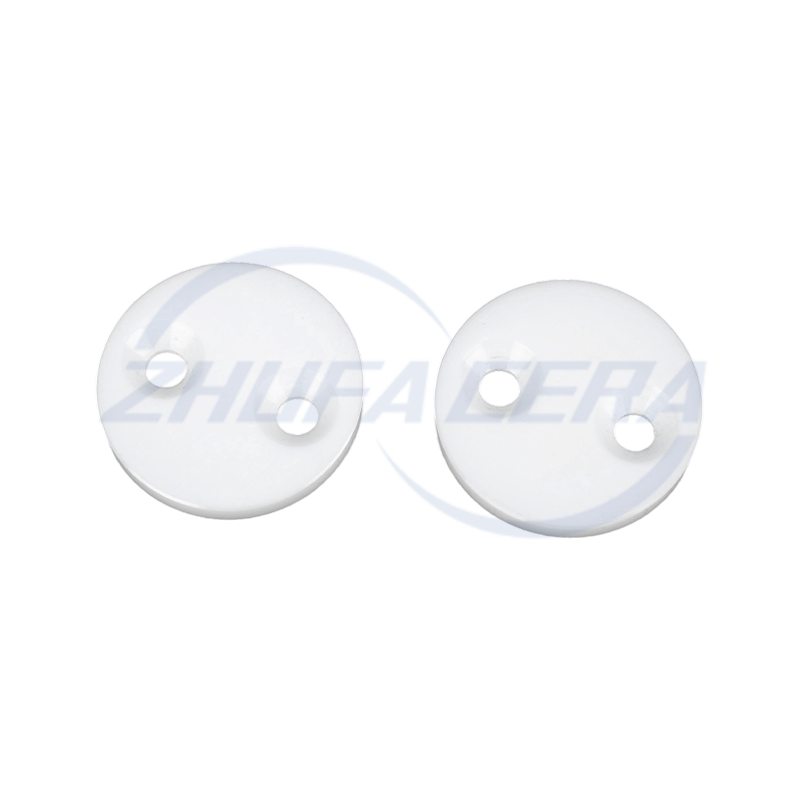
Zirconia ceramic sheets have become functional core components in various fields thanks to their unique properties. With a flexural strength of 900–1200 MPa and a fracture toughness of 6–10 MPa・m¹/², ...
See Details -

Zirconia Ceramic Strip is a strip material made of high-performance zirconium oxide ceramic with excellent physical and chemical properties. It has extremely high hardness and flexural strength, can e...
See Details -
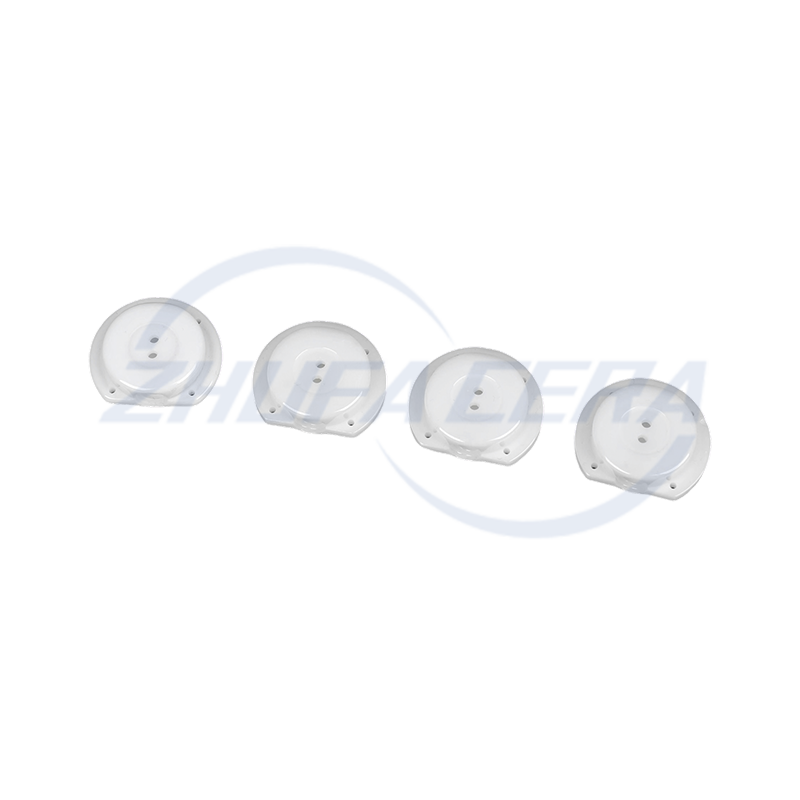
Zirconia ceramic wafers are representative products in the field of high-performance structural ceramics. Compared with traditional alumina ceramics or metal materials, its comprehensive performanc...
See Details -
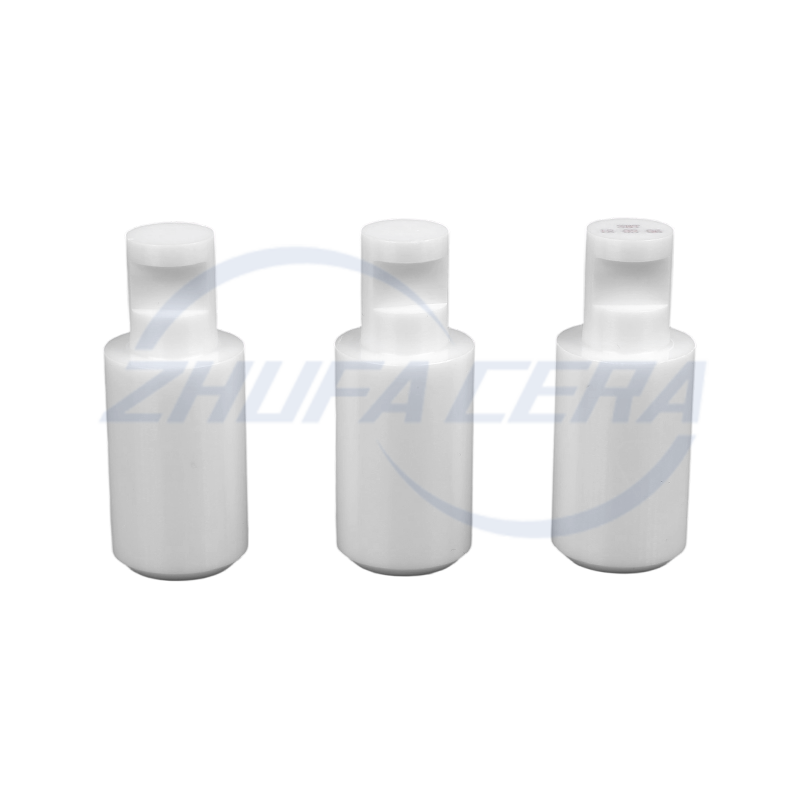
Zirconia Ceramic Plunger is a high-performance component designed for harsh industrial environments. Compared with similar ceramic or metal plunger products, it stands out with its unique material adv...
See Details


-
Quick Links
Home Products About Us Services Technology News Contact Us -
Products
Ceramic Structural Parts Zirconia Ceramics Alumina Ceramics ZTA Ceramics Silicon Nitride Ceramics Silicon Carbide Ceramics Ceramic Injection Molded Parts -
About Us
Factory Tour Honor FAQ -
Contact info
+86-188 8878 5188zf@zfcera.comNo. 1, Xinggong Road, Anchang Industrial Park, Keqiao District, Shaoxing City, Zhejiang Province, China -
WhatsApp

Copyright © Zhejiang Zhufa Precision Ceramics Technology Co., Ltd. All Rights Reserved.
China precision ceramics manufacturer
wholesale precision ceramics supplier
