

 中文简体
中文简体 русский
 Español
 عربى
عربى Português
 日本語
日本語 한국어
한국어
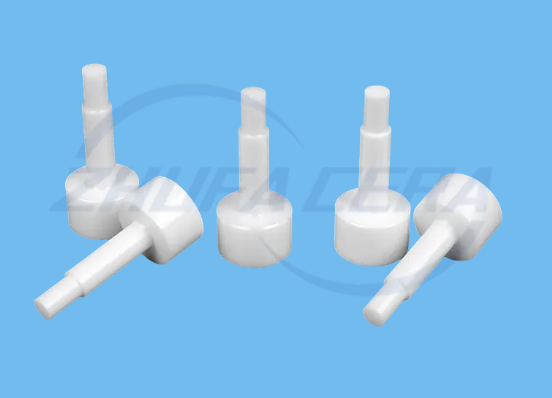
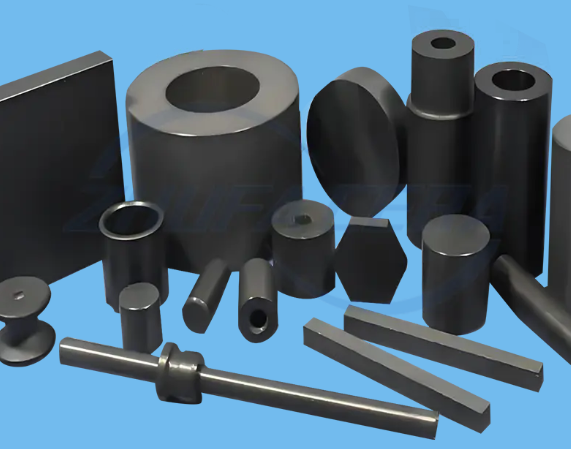
Black silicon carbide ceramic ring is a high-performance engineered ceramic assembly made of high-purity silicon carbide by precision molding and high temperature sintering. Its quadrangular crystal s...
See Details
FOLLOW US :


 Email: zf@zfcera.com
 Telephone: +86-188 8878 5188

Understand the secrets of molding, sintering and shape control of zirconia and silicon nitride in one article
2026-05-21
1. Basic process of industrial ceramic production process
The production of industrial ceramics (also known as advanced ceramics or engineering ceramics) is a rigorous process of converting loose inorganic non-metallic powders into precision parts with high strength, wear resistance, high temperature resistance or special electrical properties. . Its standard core manufacturing process usually includes the following Five main stages.
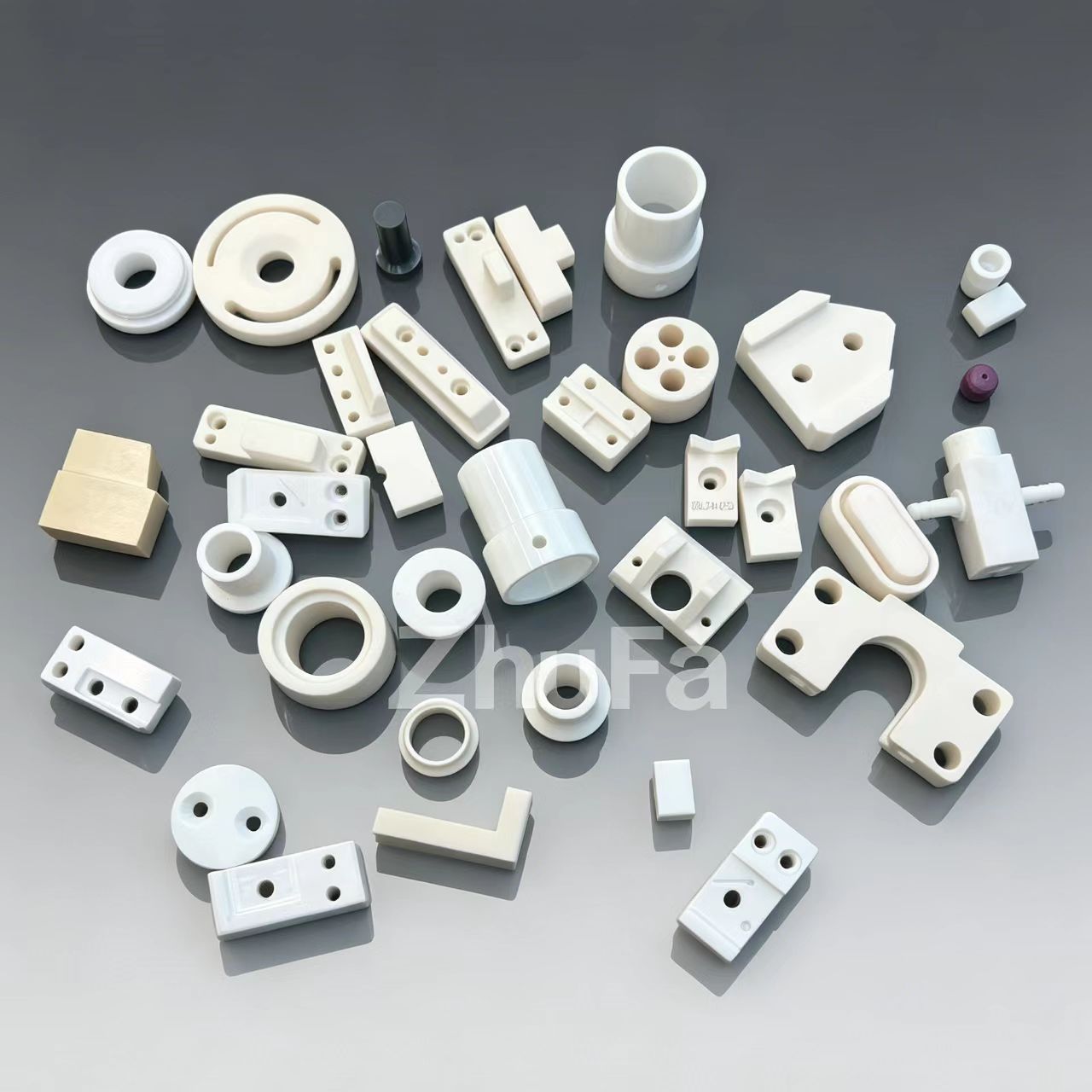
- Powder preparation Precisely mix high-purity raw materials. In order to make the powder have good fluidity and binding force in subsequent molding, it is necessary to add an appropriate amount of organic binder, lubricant and dispersant. After high-performance ball mill mixing and spray drying, a granulated powder with uniform particle size distribution is produced.
- Green body forming According to the geometric shape and mass production scale of the product, the granulated powder is pressed or injected into the mold through mechanical means. The main molding methods include dry pressing and cold isostatic pressing ( CIP ), ceramic injection molding ( CIM ) and tape casting.
- Green processing and debinding The formed green body contains a large amount of organic binders. Before formal sintering, it must be placed in a debinding furnace and slowly heated in the air to cause pyrolysis or volatilization (degreasing). The hardness of the green body after debinding is low and it is easy to perform preliminary mechanical processing such as drilling and cutting.
- High temperature sintering This is a critical step in achieving the final mechanical properties of the ceramic. The debonded green body is placed into a high-temperature sintering furnace. Mass transfer and bonding occur between the grains. The pores are gradually discharged. The green body undergoes severe volume shrinkage and finally achieves densification.
- Precision machining and inspection Since ceramics after sintering have extremely high hardness (usually second only to diamond) and have a certain degree of sintering deformation, if they want to achieve micron-level dimensional tolerances or mirror-level surface roughness, they must be hard-stated and precision processed through diamond grinding wheels and grinding pastes, and finally comprehensive quality inspection through high-precision instruments such as three-dimensional coordinates.
2. Comparison of process characteristics between zirconium oxide and silicon nitride
Among modern advanced structural ceramics, zirconia and silicon nitride Two systems are represented. The former is a typical oxide ceramic with excellent high toughness and aesthetics; silicon nitride It is a non-oxide ceramic with high covalent bond and has excellent performance in hardness, thermal shock stability and extreme high temperature environment. The following is a comparison of the key production process parameters of the two.
| Process dimension | Zirconia Ceramic (ZrO₂) | silicon nitride陶瓷 (Si₃N₄) |
| classic sintering temperature Degree | 1350°C - 1500°C Densification can be completed under normal pressure air atmosphere, and the equipment cost is low. | 1700°C - 1850°C High-pressure nitrogen (1-10 MPa) must be introduced for air pressure sintering to inhibit high-temperature decomposition. |
| Line shrinkage control | 20% - 22% (large and stable) The powder packing density is uniform, and the mold amplification factor calculation is extremely regular. | 15% - 18% (relatively small but highly volatile) Affected by the diffusion and phase change speed of liquid phase additives, size control technology is difficult. |
| Phase changes and volume effects | There is phase change stress When cooling, the tetragonal phase transforms into the monoclinic phase with a volume expansion of 3%-5%, and stabilizers such as yttrium oxide need to be introduced to prevent cracking. | Phase change modification During sintering, the α phase transforms into the β phase, forming an interlocking columnar crystal intertwined structure, which can significantly improve the toughness of the matrix. |
| Mainstream molding process | Dry pressing/cold isostatic pressing, ceramic injection molding (CIM) The powder has high density, good fluidity, easy compaction and mass production of special shapes. | Cold isostatic pressing (CIP), molding The intrinsic density of powder is low, fluffy and difficult to compact, so multi-directional high-pressure CIP is often used. |
| ��Industrial landing production tips: The heart of industrial ceramic manufacturing lies in Perfect fit between ‘temperature-time curve’ and ‘shrinkage compensation’. The difficulty of zirconia mainly lies in the superhard grinding stage after sintering (high tool loss and low efficiency); while the core barrier of silicon nitride lies in its rigorous ultra-high temperature air pressure/hot isostatic pressing sintering process and the confidential formula of sintering aids for low melting point covalent bond liquid phase mass transfer. |
Related products
-
-
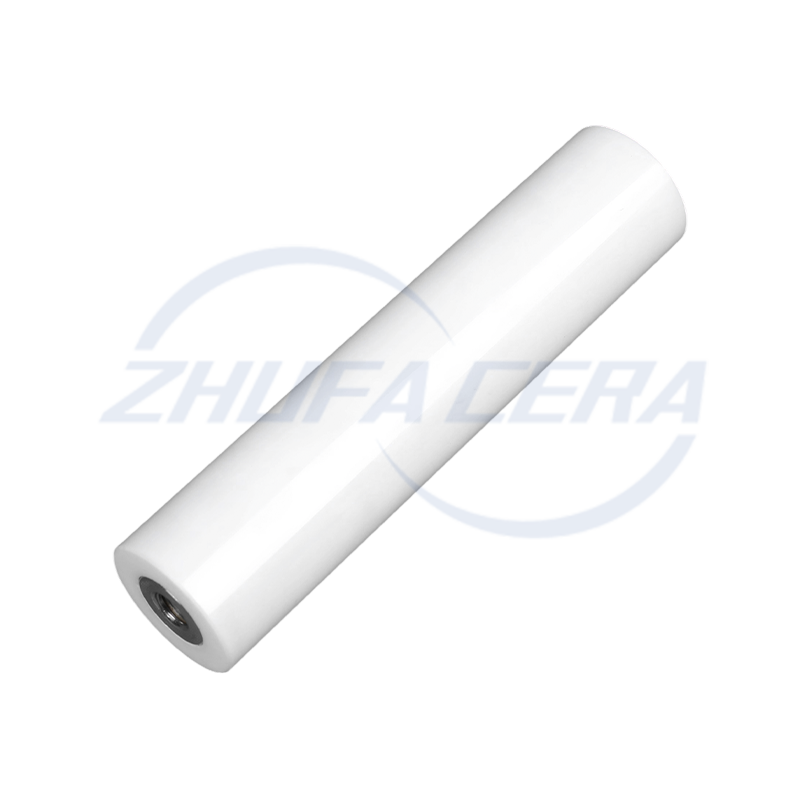
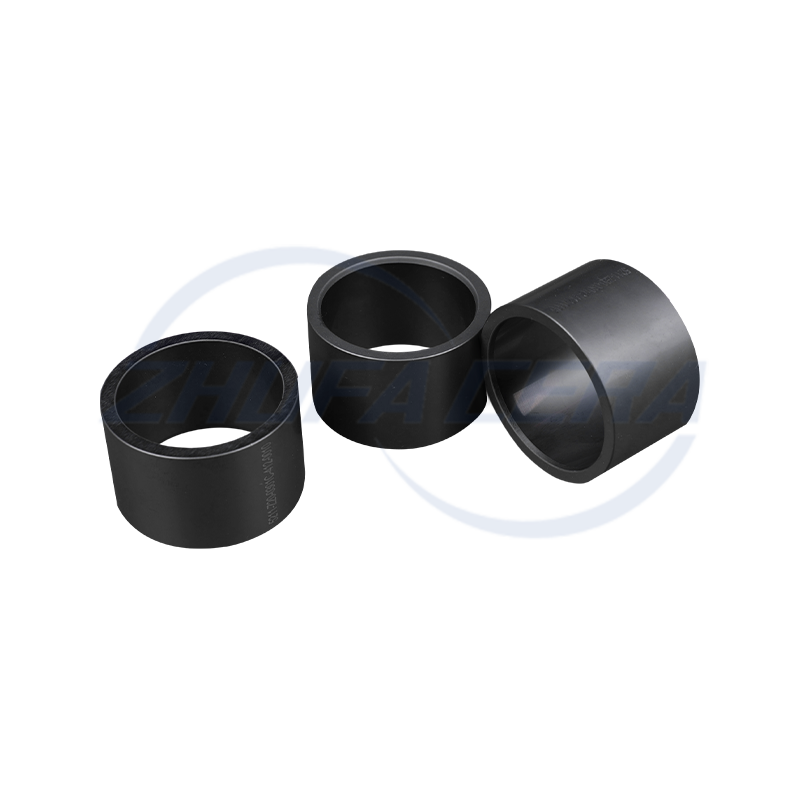
Zirconia Ceramic Rod is a high-performance ceramic material rod, mainly made of zirconium oxide, with excellent mechanical strength and chemical stability. It exhibits extremely high hardness and wear...
See Details -
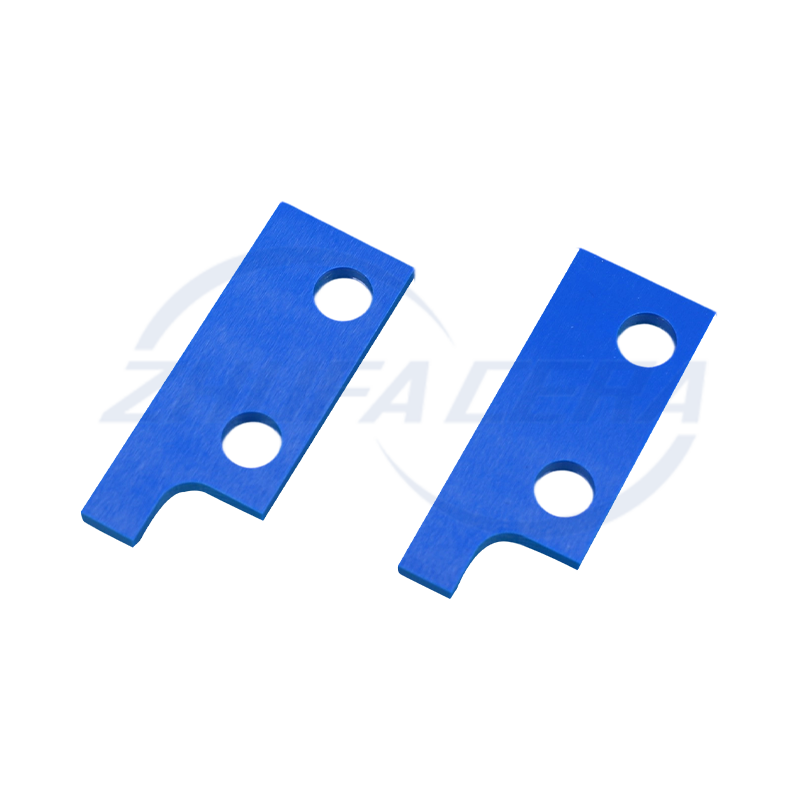
Blue zirconia ceramic sheets are precision components made of advanced zirconia ceramics. They are stained with cobalt, iron or copper to form a blue color. This color not only serves as a visual i...
See Details -

This blue zirconia ceramic pin is made of advanced zirconia ceramic material, providing excellent durability and performance. Zirconia ceramics are known for their high strength, good wear resistan...
See Details -

Zirconia Ceramic Gear is made of zirconium oxide ceramic material, which has excellent high strength and high hardness. This material property enables it to effectively resist wear during the transmis...
See Details -
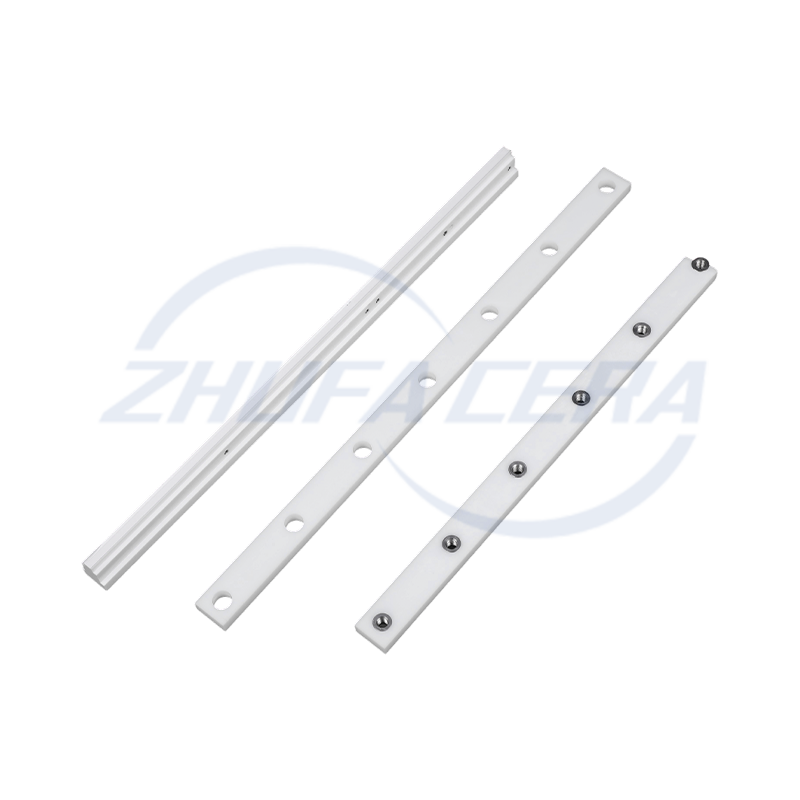
Zirconia Ceramic Guide Rail is a high-performance precision mechanical component made of zirconium oxide ceramic material. Its core characteristics are derived from the excellent physical and chemical...
See Details -
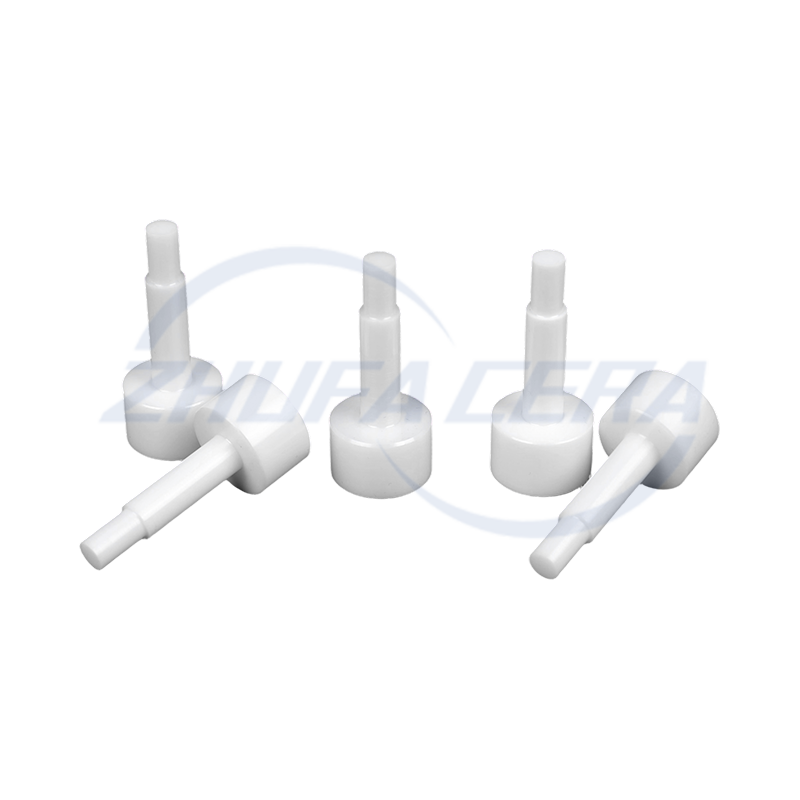
Zirconia Ceramic Locating Pin is a high-precision positioning element made of advanced zirconium oxide ceramic material with excellent physical and chemical properties. Its main characteristics includ...
See Details -

Zirconia Ceramic Ring is a high-performance ceramic product known for its excellent physical and chemical properties. It has extremely high hardness and strength, with a Mohs hardness of more than 8.5...
See Details -
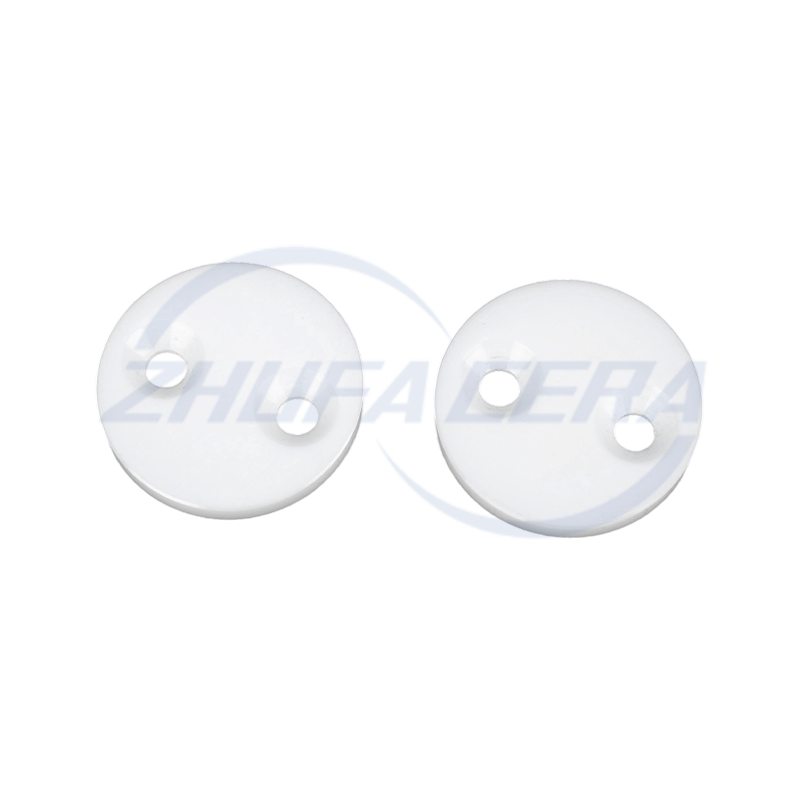
Zirconia ceramic sheets have become functional core components in various fields thanks to their unique properties. With a flexural strength of 900–1200 MPa and a fracture toughness of 6–10 MPa・m¹/², ...
See Details -

Zirconia Ceramic Strip is a strip material made of high-performance zirconium oxide ceramic with excellent physical and chemical properties. It has extremely high hardness and flexural strength, can e...
See Details -
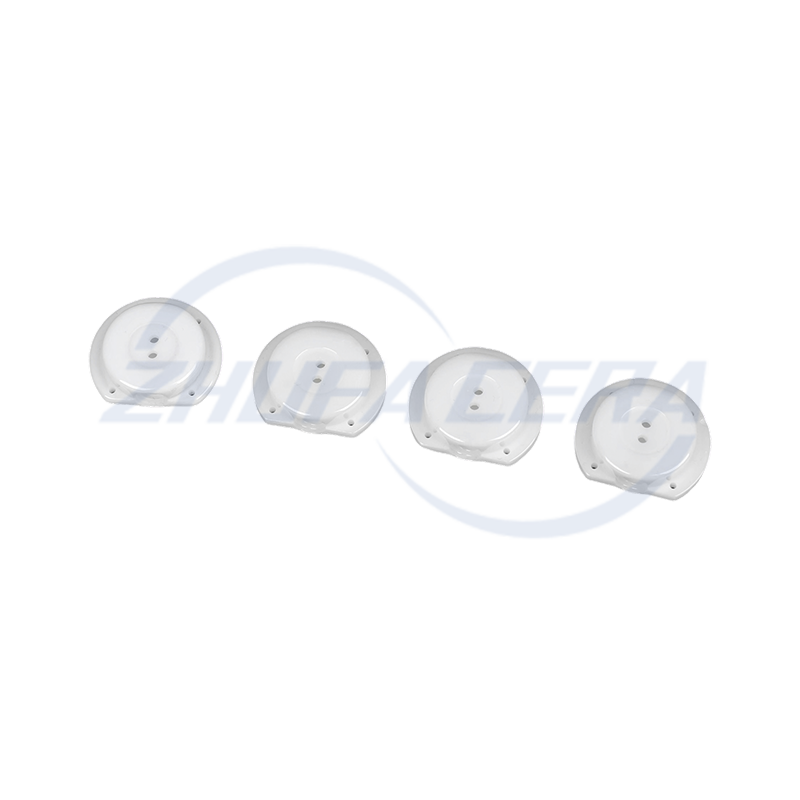
Zirconia ceramic wafers are representative products in the field of high-performance structural ceramics. Compared with traditional alumina ceramics or metal materials, its comprehensive performanc...
See Details -
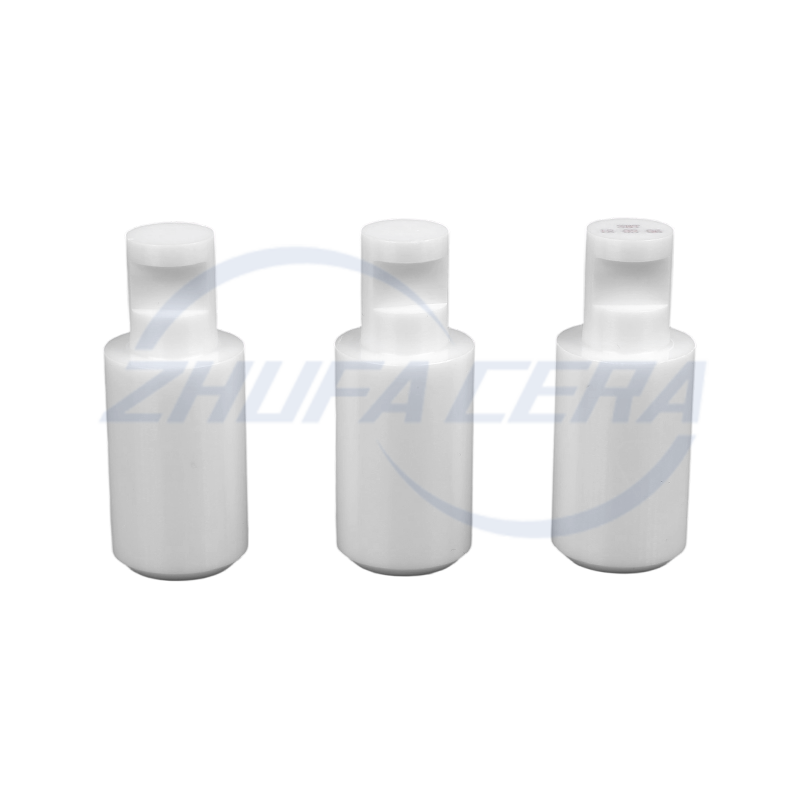
Zirconia Ceramic Plunger is a high-performance component designed for harsh industrial environments. Compared with similar ceramic or metal plunger products, it stands out with its unique material adv...
See Details


-
Quick Links
Home Products About Us Services Technology News Contact Us -
Products
Ceramic Structural Parts Zirconia Ceramics Alumina Ceramics ZTA Ceramics Silicon Nitride Ceramics Silicon Carbide Ceramics Ceramic Injection Molded Parts -
About Us
Factory Tour Honor FAQ -
Contact info
+86-188 8878 5188zf@zfcera.comNo. 1, Xinggong Road, Anchang Industrial Park, Keqiao District, Shaoxing City, Zhejiang Province, China -
WhatsApp

Copyright © Zhejiang Zhufa Precision Ceramics Technology Co., Ltd. All Rights Reserved.
China precision ceramics manufacturer
wholesale precision ceramics supplier
