FOLLOW US :


 Email: zf@zfcera.com
 Telephone: +86-188 8878 5188


 中文简体
中文简体 русский
 Español
 عربى
عربى Português
 日本語
日本語 한국어
한국어

About Us
Zhejiang Zhufa Precision Ceramics Technology Co., Ltd.
Zhejiang Zhufa Precision Ceramics Technology Co., Ltd. is China Ceramic Nozzle Supplier and Ceramic Nozzle Factory, a manufacturing enterprise focusing on customized processing of advanced ceramic materials and precision ceramic structural parts. Its headquarters is located in Shaoxing, Zhejiang, the core area of the Yangtze River Delta in China. Since its establishment in 2022, Zhufa has always adhered to the concept of "strict selection of excellent materials, intelligent manufacturing, meticulous inspection, and sincere service", and is committed to providing stable and reliable ceramic products and personalized solutions for global industrial customers. The company has 30,000 square meters of modern plant and more than 50 core equipment, including dry pressing molding machine, isostatic pressing equipment, injection molding machine, high temperature sintering furnace, CNC engraving machine, surface grinder, centerless grinder, punch machine, honing machine, etc., with full-process production capacity from raw materials to finished products, and realizes independent control of the whole process.
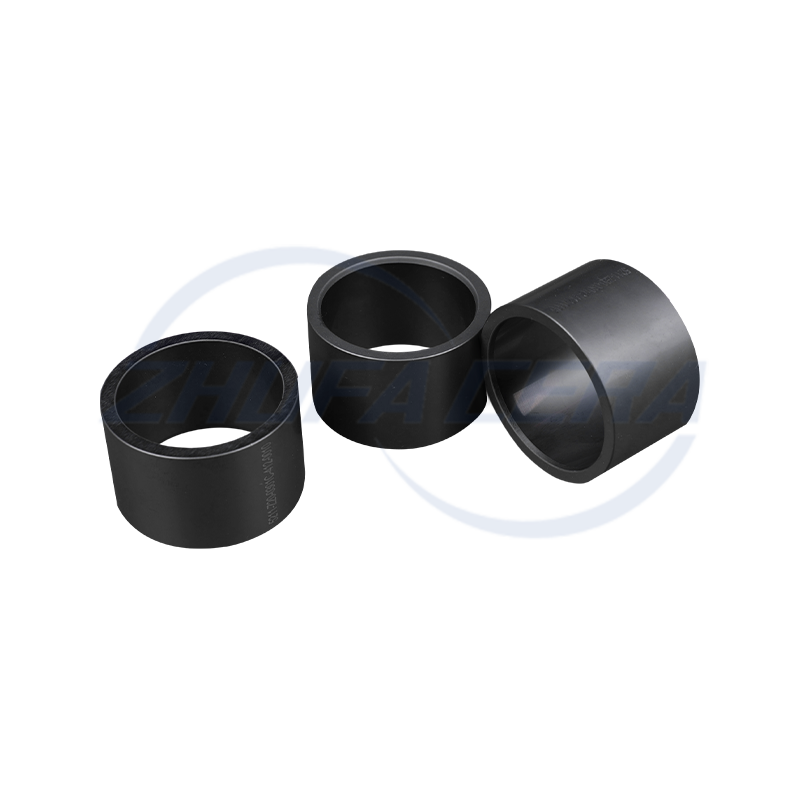
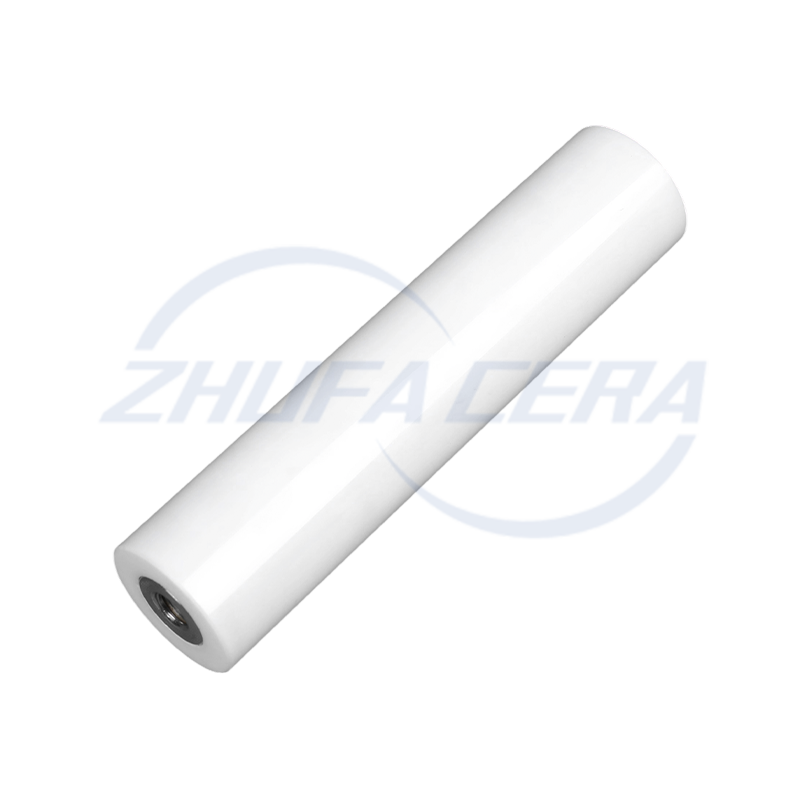
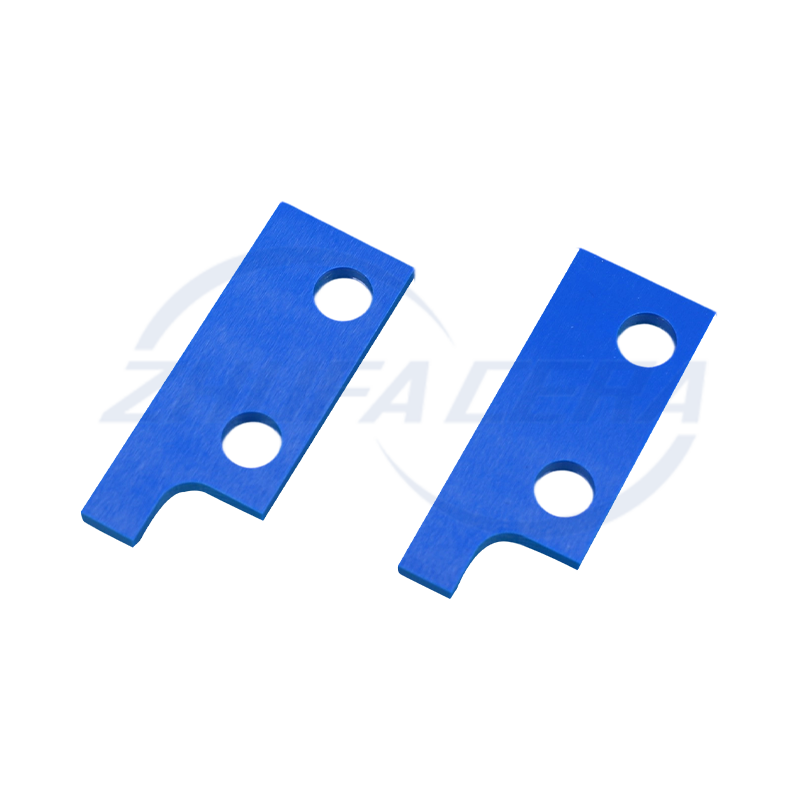
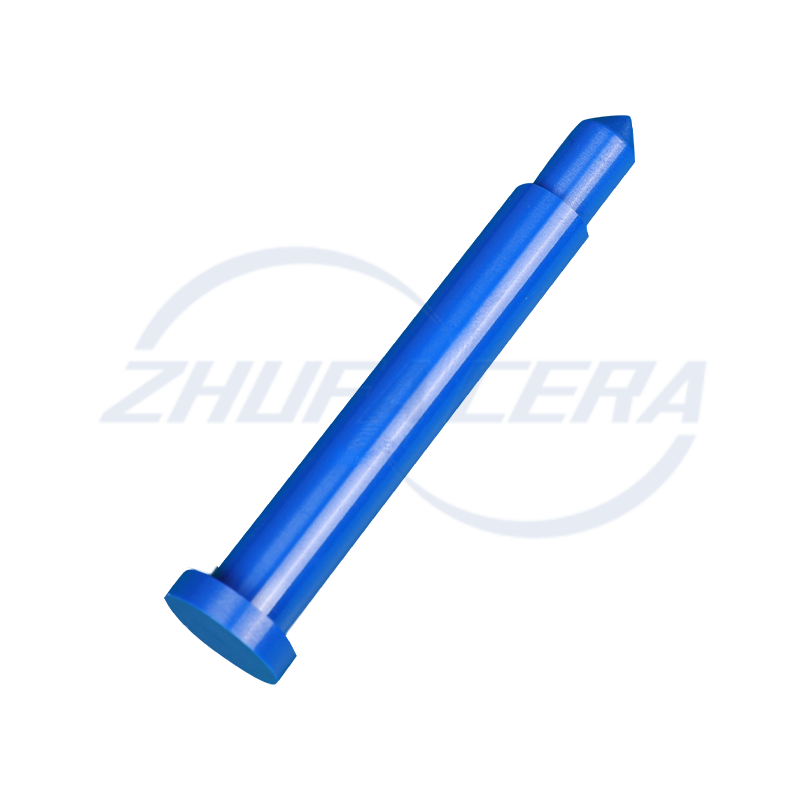
The company's main structural ceramic products cover a variety of materials such as zirconium oxide, aluminum oxide, silicon nitride, silicon carbide, aluminum nitride, etc. The types of parts include ceramic rods, ceramic tubes, ceramic sheets, seals and complex special-shaped parts, which are widely used in semiconductors, medical, new energy, automation equipment, laser technology, military industry and precision instruments. As a source factory integrating industry and trade, Zhufa supports customization, rapid prototyping, small batch flexible production and OEM cooperation. Since its establishment, the company has invested more than 10 million yuan in research and development, and continues to optimize material formulations and processing technology, always taking quality as the core, delivery as the guarantee, and service as the driving force to create long-term value for customers.
Message Feedback

Ceramic Nozzle Industry knowledge
What New Ceramic Materials Dominate Industrial Ceramic Nozzle Manufacturing?
Ceramic nozzles rely heavily on advanced ceramic materials, each tailored to specific industrial demands, with key options defined by their unique performance profiles.
Alumina ceramics stand as a cost-effective staple, valued for high thermal stability and hardness, making them suitable for welding and general industrial spraying. Zirconia ceramics excel in toughness and wear resistance—critical for handling abrasive media like sandblasting materials or high-pressure cleaning fluids—and offer strong corrosion resistance against acids and alkalis. Silicon nitride ceramics deliver exceptional mechanical strength (with flexural strength reaching up to 677Mpa) and thermal shock resistance, paired with good wear performance ideal for semiconductor wafer handling and high-precision fluid control. Silicon carbide ceramics, particularly when processed via hot pressing, boast Mohs hardness above 9.5, extreme temperature resistance (melting point ~2700°C), and superior anti-sulfide corrosion, making them indispensable for harsh environments like petrochemical reactors and flue gas desulfurization systems.
Manufacturers like Zhejiang Zhufa Precision Ceramics Technology Co., Ltd. specialize in these core materials—including zirconia, alumina, silicon nitride, and silicon carbide—offering customized solutions that align with diverse industrial needs for performance and precision.
How Are High-Performance Ceramic Nozzles Manufactured End-to-End?
The production of reliable ceramic nozzles follows a rigorous, multi-step process that integrates material refinement, precision forming, and strict quality control—with equipment and workflow design directly impacting final performance.
Raw Material Preparation: High-purity ceramic powders (often enhanced with additives like nano-sized reinforcements or sintering aids) are milled to uniform particle sizes (typically 20-30μm for fine-grained, dense structures) and mixed with binders or dispersants. For example, silicon nitride nozzle production may incorporate nano-titanium acid calcium or Yttrium oxide to boost sintering density and mechanical strength. Facilities like Zhejiang Zhufa’s 30,000㎡ manufacturing base handle this step with specialized processing equipment to ensure powder consistency.
Forming: Molding techniques are selected based on nozzle complexity and volume. Dry pressing and cold isostatic pressing are common for simple shapes, while injection molding suits intricate geometries with tight tolerances. Zhejiang Zhufa employs all three methods, leveraging advanced equipment to shape blanks that will later become precision nozzles.
Sintering: This critical step densifies the ceramic body, with temperatures and pressures tailored to the material. Silicon carbide nozzles require hot pressing at 1800-2200°C under 20-50MPa, while silicon nitride variants sinter at 1650-1850°C for 5-10 hours to achieve over 98% density. High-temperature furnaces are essential here, and quality-focused manufacturers maintain strict thermal control to avoid porosity.
Precision Finishing: Post-sintering, nozzles undergo CNC engraving, surface grinding, or honing to achieve exact dimensions and smooth internal tunnel —vital for consistent spray patterns. Zhejiang Zhufa uses centerless grinders and pin grinders to meet the high-precision demands of sectors like automotive and semiconductors.
Quality Inspection: Non-destructive testing checks for internal defects, while dimensional measurements and performance tests (e.g., corrosion resistance in acid mixtures) ensure compliance. Reliable manufacturers validate key metrics like flexural strength and surface smoothness before delivery.
How to Match Ceramic Nozzle Materials to Specific Industrial Applications?
Selecting the right ceramic material depends on three core factors: operational environment, fluid/media properties, and performance requirements. Below is a practical matching guide tied to common industrial uses:
Automotive & New Energy: Zirconia and silicon nitride nozzles excel in engine components and fuel cells, thanks to their wear resistance and thermal stability. They withstand high temperatures in braking systems and ensure precise fluid control in electronic units—areas where Zhejiang Zhufa supplies customized structural parts.
Petrochemical Industry: Silicon carbide nozzles are non-negotiable for pumps, valves, and reactor spray systems. Their resistance to sulfuric acid and high temperatures prevents corrosion in harsh chemical environments, reducing maintenance costs significantly.
Semiconductors: High-purity alumina and silicon nitride nozzles are preferred for wafer etching and deposition equipment. Their insulation and low particle generation maintain process accuracy, a requirement Zhejiang Zhufa addresses through its precision manufacturing capabilities.
Photovoltaics: Alumina nozzles support wafer cutting and coating processes, offering the wear resistance and thermal stability needed to handle abrasive slurries and high-temperature sintering steps—critical for maximizing equipment uptime.
For non-standard applications, manufacturers with in-house engineering support (such as Zhejiang Zhufa) can optimize material selection and design, even for small-batch requirements, ensuring alignment with unique operational needs.
What Quality Control Measures Ensure Ceramic Nozzle Reliability?
Consistent performance of ceramic nozzles hinges on rigorous quality control (QC) throughout production, with key checkpoints targeting material integrity, dimensional accuracy, and functional performance.
Raw Material QC: Powder purity testing (e.g., verifying silicon carbide content>99%) and particle size analysis prevent batch-to-batch variations. Additives like Yttrium oxide are precisely measured to ensure sintering efficiency.
In-Process Inspection: Formed blanks are checked for uniform density before sintering, while sintered bodies undergo porosity testing—porosity above 2% can drastically reduce wear resistance. Zhejiang Zhufa’s structured workflow includes in-line checks during pressing and sintering stages.
Dimensional Precision: Coordinate measuring machines (CMMs) validate critical dimensions like tunnel diameter and surface tolerance, ensuring compliance with ±0.005mm standards common in precision industries.
Functional Testing: Nozzles are subjected to application-specific trials: corrosion testing in acid/alkali mixtures, wear testing with abrasive media, and flow rate verification to ensure consistent spray patterns. For example, silicon nitride nozzles may be tested in 150g/L nitric acid solutions to confirm 60+ day service life.
These QC protocols, paired with advanced manufacturing equipment, are why manufacturers like Zhejiang Zhufa can deliver millions of reliable ceramic parts annually, supporting both prototyping and large-scale production needs.


-
Quick Links
Home Products About Us Services Technology News Contact Us -
Products
Ceramic Structural Parts Zirconia Ceramics Alumina Ceramics ZTA Ceramics Silicon Nitride Ceramics Silicon Carbide Ceramics Ceramic Injection Molded Parts -
About Us
Factory Tour Honor FAQ -
Contact info
+86-188 8878 5188zf@zfcera.comNo. 1, Xinggong Road, Anchang Industrial Park, Keqiao District, Shaoxing City, Zhejiang Province, China -
Qrcode
Copyright © Zhejiang Zhufa Precision Ceramics Technology Co., Ltd. All Rights Reserved.
China Ceramic Nozzle Supplier Ceramic Nozzle Factory
