

 中文简体
中文简体 русский
 Español
 عربى
عربى Português
 日本語
日本語 한국어
한국어
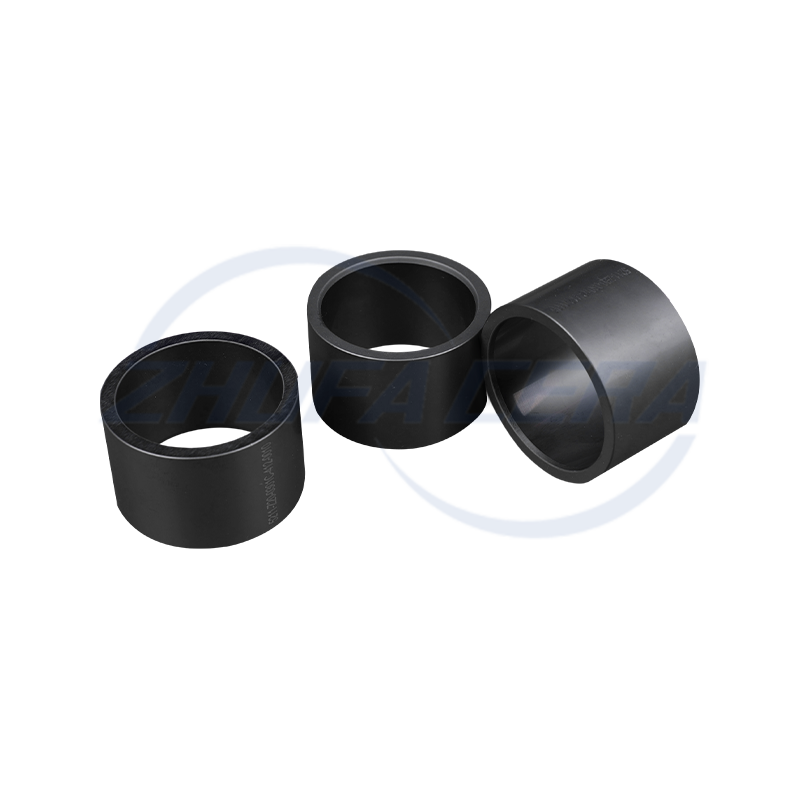
Black silicon carbide ceramic ring is a high-performance engineered ceramic assembly made of high-purity silicon carbide by precision molding and high temperature sintering. Its quadrangular crystal s...
See Details
FOLLOW US :


 Email: zf@zfcera.com
 Telephone: +86-188 8878 5188

What Are the Key Factors to Consider During ZTA Ceramics Sintering?
2026-03-05
Content
- 1. Sintering Temperature: The Most Critical Variable
- 2. Sintering Atmosphere and Pressure Environment
- 3. Zirconia Phase Stability During Sintering
- 4. Powder Quality and Green Body Preparation
- 5. Sintering Duration (Soaking Time)
- 6. Sintering Aids and Additives
- Comparison: Sintering Methods for ZTA Ceramics
- 7. Microstructure Characterization and Quality Control
- Frequently Asked Questions About ZTA Ceramics Sintering
- Summary: Key Sintering Factors at a Glance
ZTA Ceramics — short for Zirconia-Toughened Alumina — represent one of the most advanced structural ceramic materials in modern manufacturing. Combining the hardness of alumina (Al₂O₃) with the fracture toughness of zirconia (ZrO₂), ZTA ceramics are widely used in cutting tools, wear-resistant components, biomedical implants, and aerospace parts. However, the exceptional properties of ZTA ceramics are entirely dependent on the quality of the sintering process.
Sintering is the thermal consolidation process by which powder compacts are densified into a solid, cohesive structure through atomic diffusion — without fully melting the material. For ZTA ceramics, this process is particularly nuanced. A deviation in temperature, atmosphere, or sintering duration can result in abnormal grain growth, incomplete densification, or undesirable phase transformations, all of which compromise mechanical performance.
Mastering the sintering of ZTA ceramics requires a thorough understanding of multiple interacting variables. The following sections examine each critical factor in depth, providing engineers, materials scientists, and procurement specialists with the technical grounding needed to optimize production outcomes.
1. Sintering Temperature: The Most Critical Variable
Temperature is the single most influential parameter in the sintering of ZTA ceramics. The sintering window for ZTA typically ranges from 1450°C to 1650°C, but the optimal target depends on zirconia content, dopant additives, and desired final density.
1.1 Under-Sintering vs. Over-Sintering
Both extremes are detrimental. Under-sintering leaves residual porosity, reducing strength and reliability. Over-sintering promotes excessive grain growth in the alumina matrix, which lowers fracture toughness and can trigger unwanted tetragonal-to-monoclinic (t→m) phase transformation in the zirconia phase.
| Condition | Temperature Range | Primary Issue | Effect on Properties |
| Under-sintering | < 1450°C | Residual porosity | Low density, poor strength |
| Optimal sintering | 1500°C – 1580°C | — | High density, excellent toughness |
| Over-sintering | > 1620°C | Abnormal grain growth | Reduced toughness, phase instability |
1.2 Heating and Cooling Rates
Rapid heating can generate thermal gradients within the compact, leading to differential densification and internal cracking. For ZTA ceramics, a controlled heating rate of 2–5°C/min is generally recommended through the critical densification zone (1200–1500°C). Similarly, rapid cooling can lock in residual stresses or trigger phase transformation in zirconia particles — a cooling rate of 3–8°C/min through the 1100–800°C range is typically employed to minimize these risks.
2. Sintering Atmosphere and Pressure Environment
The atmosphere surrounding ZTA ceramics during sintering profoundly affects densification behavior, phase stability, and surface chemistry.
2.1 Air vs. Inert Atmospheres
Most ZTA ceramics are sintered in air because alumina and zirconia are both stable oxides. However, if the composition includes sintering aids with reducible components (e.g., certain rare-earth dopants or transition metal oxides), an inert argon atmosphere may be preferred to prevent unintended oxidation state changes.
Moisture in the atmosphere can inhibit surface diffusion and cause hydroxylation of surface species, slowing densification. Industrial sintering furnaces should maintain controlled humidity — typically below 10 ppm H₂O — for consistent results.
2.2 Pressure-Assisted Sintering Techniques
Beyond conventional pressureless sintering, several advanced methods are used to achieve higher density and finer grain sizes in ZTA ceramics:
- Hot Pressing (HP): Applies uniaxial pressure (10–40 MPa) simultaneously with heat. Produces very high-density compacts (>99.5% theoretical density) but is limited to simple geometries.
- Hot Isostatic Pressing (HIP): Uses isostatic pressure via inert gas (up to 200 MPa). Eliminates closed porosity, improves uniformity — ideal for critical applications in aerospace and biomedical sectors.
- Spark Plasma Sintering (SPS): Applies pulsed electrical current with pressure. Achieves rapid densification at lower temperatures, preserving fine microstructure and retaining the tetragonal ZrO₂ phase more effectively.
3. Zirconia Phase Stability During Sintering
The defining toughening mechanism in ZTA ceramics is transformation toughening: metastable tetragonal zirconia particles transform to the monoclinic phase under stress at a crack tip, absorbing energy and resisting crack propagation. This mechanism only functions if the tetragonal phase is retained after sintering.
3.1 Role of Stabilizing Dopants
Pure zirconia is fully monoclinic at room temperature. To retain the tetragonal phase in ZTA ceramics, stabilizing oxides are added:
| Stabilizer | Typical Addition | Effect | Common Use |
| Yttria (Y₂O₃) | 2–3 mol% | Stabilizes tetragonal phase | Most common in ZTA |
| Ceria (CeO₂) | 10–12 mol% | Higher toughness, lower hardness | High-toughness applications |
| Magnesia (MgO) | ~8 mol% | Partially stabilizes cubic phase | Industrial wear parts |
Excessive stabilizer content shifts zirconia toward the fully cubic phase, eliminating the transformation toughening effect. Insufficient stabilizer leads to spontaneous t→m transformation during cooling, causing microcracking. Precise dopant control is therefore non-negotiable in ZTA ceramics manufacturing.
3.2 Critical Particle Size of ZrO₂
The tetragonal-to-monoclinic transformation is also size-dependent. ZrO₂ particles must be kept below a critical size (typically 0.2–0.5 µm) to remain metastably tetragonal. Larger particles transform spontaneously during cooling and contribute to volume expansion (~3–4%), inducing microcracking. Controlling starting powder fineness and preventing grain growth during sintering is essential.
4. Powder Quality and Green Body Preparation
The quality of the sintered ZTA ceramics product is fundamentally determined before the part ever enters the furnace. Powder characteristics and green body preparation set the upper limit on achievable density and microstructural uniformity.
4.1 Powder Characteristics
- Particle size distribution: Narrow distributions with sub-micron median particle sizes (D50 < 0.5 µm) promote uniform packing and lower sintering temperatures.
- Surface area (BET): Higher surface area (15–30 m²/g) increases sinterability but also agglomeration tendency.
- Phase purity: Contaminants such as SiO₂, Na₂O, or Fe₂O₃ can form liquid phases at grain boundaries, compromising high-temperature mechanical properties.
- Homogeneous mixing: Al₂O₃ and ZrO₂ powders must be intimately and homogeneously mixed — wet ball milling for 12–48 hours is standard practice.
4.2 Green Density and Defect Control
Higher green (pre-sintered) density reduces the shrinkage required during sintering, lowering the risk of warping, cracking, and differential densification. Green density targets of 55–60% theoretical density are typical for ZTA ceramics. Binder burnout must be thorough (typically at 400–600°C) before the sintering ramp begins — residual organics cause carbon contamination and bloating defects.
5. Sintering Duration (Soaking Time)
Holding time at peak sintering temperature — commonly called the "soak time" — allows diffusion-driven densification to approach completion. For ZTA ceramics, soak times of 1–4 hours at peak temperature are typical, depending on component thickness, green density, and target final density.
Extended soak times beyond the densification plateau do not significantly increase density but accelerate grain growth, which is generally undesirable. The soak time should be optimized empirically for each specific ZTA ceramics composition and geometry.
6. Sintering Aids and Additives
Small additions of sintering aids can dramatically lower the required sintering temperature and improve densification kinetics in ZTA ceramics. Common aids include:
- MgO (0.05–0.25 wt%): Inhibits abnormal grain growth in the alumina phase by segregating to grain boundaries.
- La₂O₃ / CeO₂: Rare-earth oxides stabilize grain boundaries and refine microstructure.
- TiO₂: Acts as a sintering accelerator via liquid phase formation at grain boundaries but can reduce high-temperature stability if overused.
- SiO₂ (trace): Can activate liquid phase sintering at lower temperatures; however, excess amounts compromise creep resistance and thermal stability.
The selection and dosage of sintering aids must be carefully calibrated, as their effects are strongly composition- and temperature-dependent.
Comparison: Sintering Methods for ZTA Ceramics
| Method | Temperature | Pressure | Final Density | Cost | Best For |
| Conventional (Air) | 1500–1600°C | None | 95–98% | Low | General industrial parts |
| Hot Pressing | 1400–1550°C | 10–40 MPa | >99% | Medium | Flat/simple geometries |
| HIP | 1400–1500°C | 100–200 MPa | >99.9% | High | Aerospace, medical implants |
| SPS | 1200–1450°C | 30–100 MPa | >99.5% | High | R&D, fine microstructure |
7. Microstructure Characterization and Quality Control
After sintering, the microstructure of ZTA ceramics should be carefully characterized to verify process success. Key metrics include:
- Relative density: Archimedes method; target ≥ 98% theoretical density for most applications.
- Grain size (SEM/TEM): Average Al₂O₃ grain size should be 1–5 µm; ZrO₂ inclusions 0.2–0.5 µm.
- Phase composition (XRD): Quantify tetragonal vs. monoclinic ZrO₂ ratio — tetragonal should dominate (>90%) for maximum toughness.
- Hardness and fracture toughness (Vickers indentation): Typical ZTA values: hardness 15–20 GPa, K_Ic 6–12 MPa·m^0.5.
Frequently Asked Questions About ZTA Ceramics Sintering
Q1: What is the ideal sintering temperature for ZTA ceramics?
The optimal sintering temperature for most ZTA ceramics falls between 1500°C and 1580°C, depending on the ZrO₂ content (typically 10–25 vol%), the type and amount of stabilizer, and the sintering method used. Compositions with higher ZrO₂ content or finer powders may sinter fully at lower temperatures.
Q2: Why is phase stability so important in ZTA ceramics sintering?
The toughening mechanism in ZTA ceramics depends on the retention of metastable tetragonal ZrO₂. If this phase transforms to monoclinic during sintering or cooling, volume expansion (~4%) induces microcracking, and the transformation toughening effect is lost or reversed, severely degrading fracture toughness.
Q3: Can ZTA ceramics be sintered in a standard box furnace?
Yes, conventional pressureless sintering in a box furnace with accurate temperature control is sufficient for many ZTA ceramics applications. However, for critical components requiring >99% density or superior fatigue resistance (e.g., biomedical or aerospace parts), HIP post-sintering treatment or SPS is strongly recommended.
Q4: How does ZrO₂ content affect the sintering behavior of ZTA ceramics?
Increasing ZrO₂ content generally lowers the densification temperature slightly but also narrows the sintering window before grain growth becomes excessive. Higher ZrO₂ content also increases toughness but may reduce hardness. The most common ZTA compositions contain 10–20 vol% ZrO₂, balancing both properties.
Q5: What causes cracking in ZTA ceramics after sintering?
Common causes include: excessive heating/cooling rates causing thermal shock; residual binder causing gas bloating; spontaneous t→m ZrO₂ transformation during cooling due to oversized ZrO₂ particles or insufficient stabilizer; and differential densification due to non-homogeneous powder mixing or non-uniform green density in the compact.
Q6: Is atmosphere control necessary during ZTA ceramics sintering?
For standard yttria-stabilized ZTA ceramics, sintering in air is fully adequate. Atmosphere control (inert gas or vacuum) becomes necessary when the composition contains dopants with variable valence states, or when extremely low contamination levels are required for ultra-pure technical applications.
Summary: Key Sintering Factors at a Glance
| Factor | Recommended Parameter | Risk if Ignored |
| Sintering Temperature | 1500–1580°C | Poor density or grain coarsening |
| Heating Rate | 2–5°C/min | Thermal cracking |
| Soak Time | 1–4 hours | Incomplete densification |
| ZrO₂ Particle Size | < 0.5 µm | Spontaneous t→m transformation |
| Stabilizer Content (Y₂O₃) | 2–3 mol% | Phase instability |
| Green Density | 55–60% TD | Warping, cracking |
| Atmosphere | Air (<10 ppm H₂O) | Surface contamination, slow densification |
The sintering of ZTA ceramics is a precisely orchestrated thermal process where every variable — temperature, time, atmosphere, powder quality, and composition — interacts to determine the final microstructure and performance of the component. Engineers who understand and control these factors can reliably produce ZTA ceramics parts with densities above 98%, fracture toughness exceeding 8 MPa·m^0.5, and Vickers hardness in the 17–19 GPa range.
As demand for high-performance ceramics grows across cutting, medical, and defense sectors, mastery of ZTA ceramics sintering will remain a key competitive differentiator for manufacturers worldwide. Investment in precise process control, high-quality raw materials, and systematic microstructural characterization is the foundation of a reliable ZTA ceramics production operation.
Related products
-
-
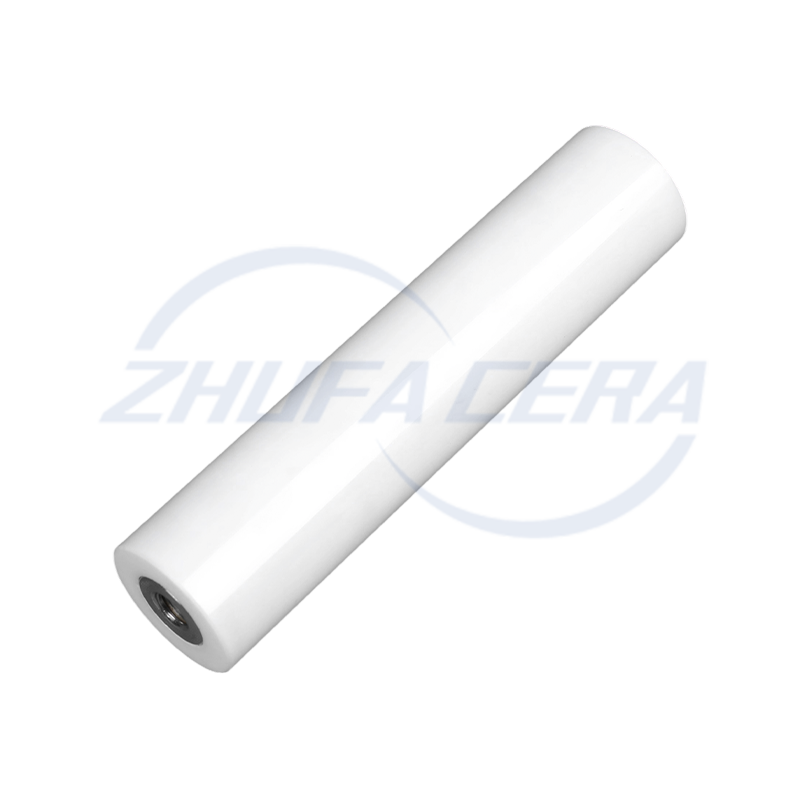
Zirconia Ceramic Rod is a high-performance ceramic material rod, mainly made of zirconium oxide, with excellent mechanical strength and chemical stability. It exhibits extremely high hardness and wear...
See Details -
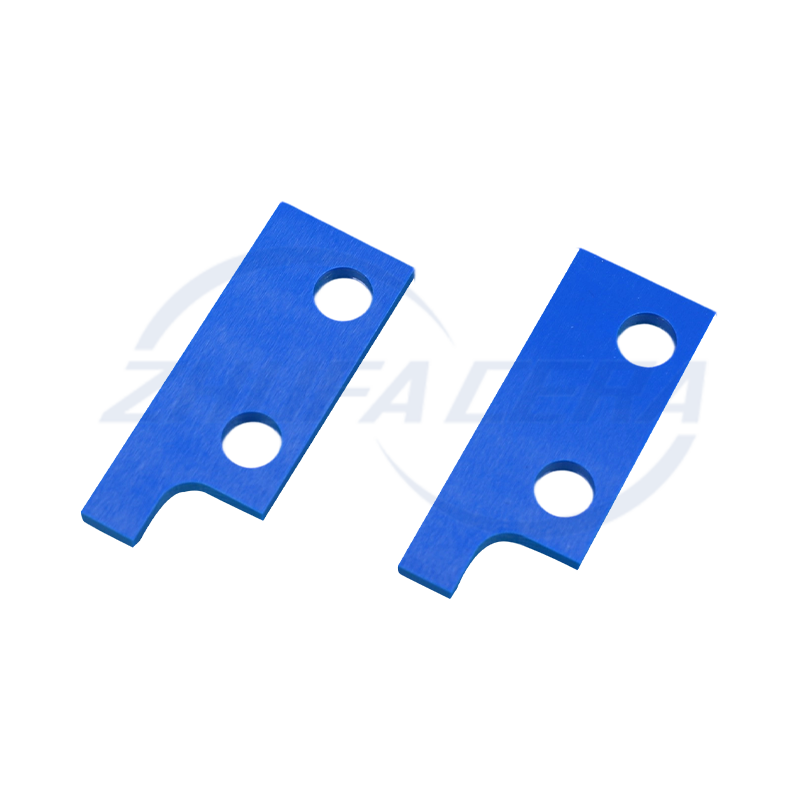
Blue zirconia ceramic sheets are precision components made of advanced zirconia ceramics. They are stained with cobalt, iron or copper to form a blue color. This color not only serves as a visual i...
See Details -

This blue zirconia ceramic pin is made of advanced zirconia ceramic material, providing excellent durability and performance. Zirconia ceramics are known for their high strength, good wear resistan...
See Details -

Zirconia Ceramic Gear is made of zirconium oxide ceramic material, which has excellent high strength and high hardness. This material property enables it to effectively resist wear during the transmis...
See Details -
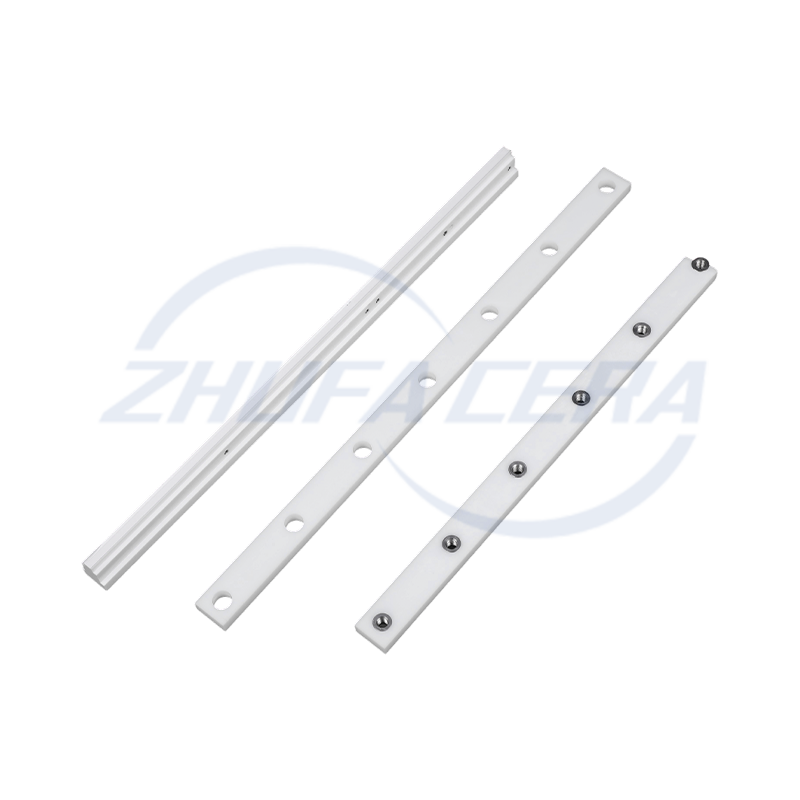
Zirconia Ceramic Guide Rail is a high-performance precision mechanical component made of zirconium oxide ceramic material. Its core characteristics are derived from the excellent physical and chemical...
See Details -
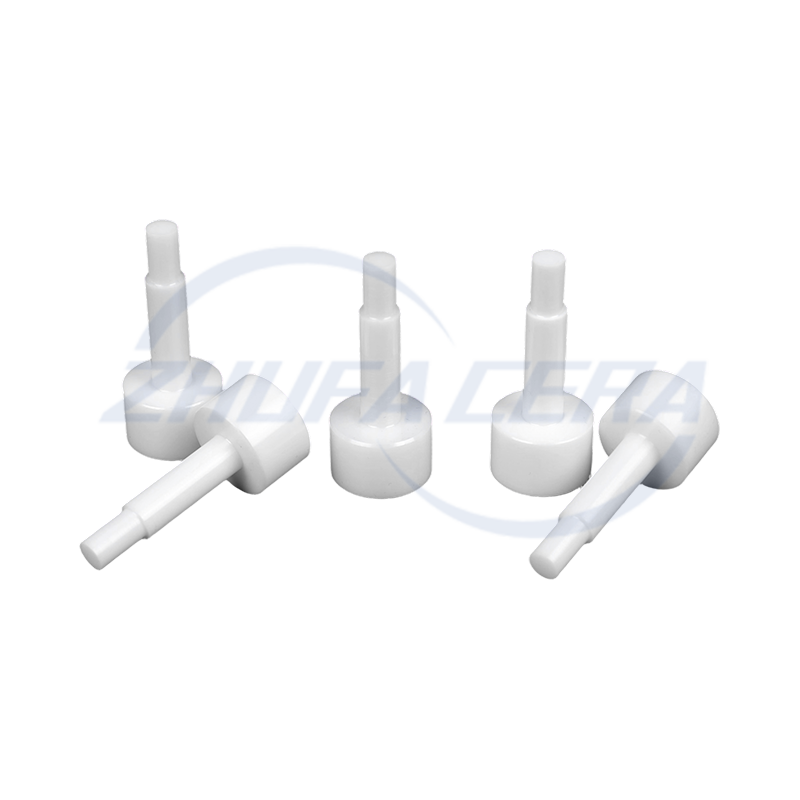
Zirconia Ceramic Locating Pin is a high-precision positioning element made of advanced zirconium oxide ceramic material with excellent physical and chemical properties. Its main characteristics includ...
See Details -

Zirconia Ceramic Ring is a high-performance ceramic product known for its excellent physical and chemical properties. It has extremely high hardness and strength, with a Mohs hardness of more than 8.5...
See Details -
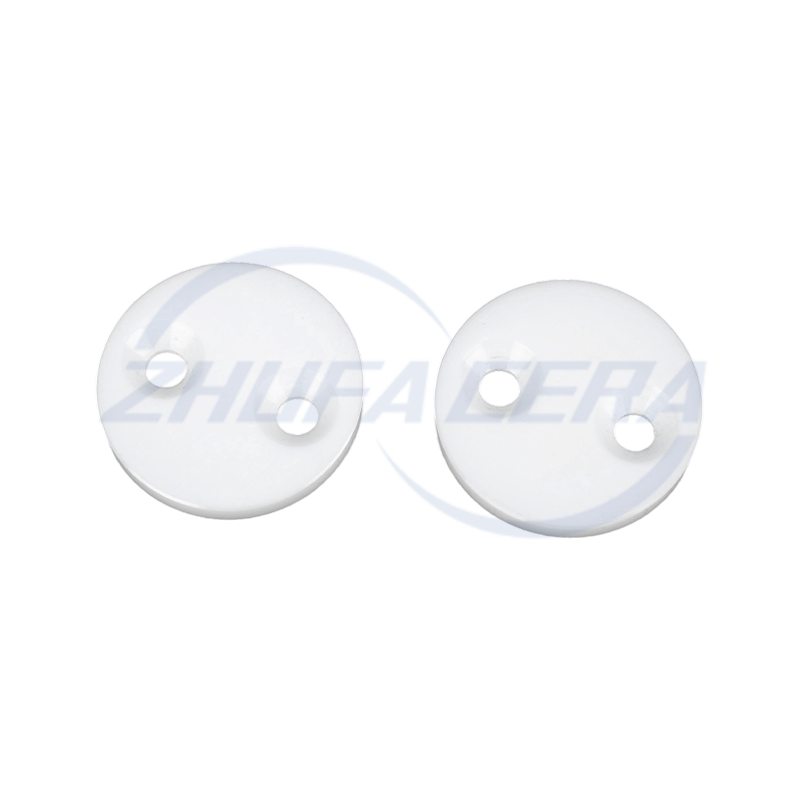
Zirconia ceramic sheets have become functional core components in various fields thanks to their unique properties. With a flexural strength of 900–1200 MPa and a fracture toughness of 6–10 MPa・m¹/², ...
See Details -

Zirconia Ceramic Strip is a strip material made of high-performance zirconium oxide ceramic with excellent physical and chemical properties. It has extremely high hardness and flexural strength, can e...
See Details -
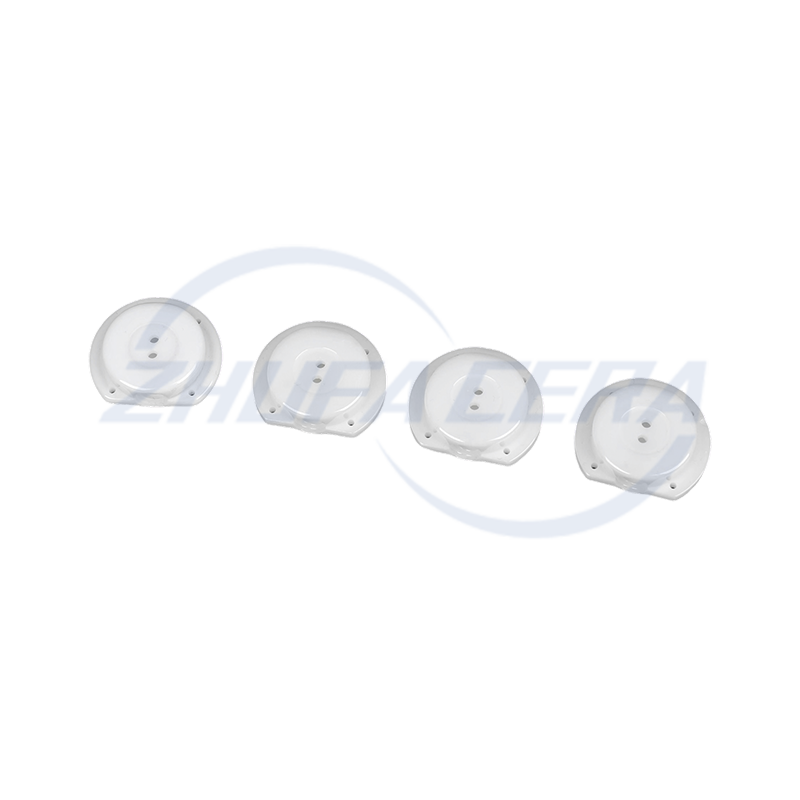
Zirconia ceramic wafers are representative products in the field of high-performance structural ceramics. Compared with traditional alumina ceramics or metal materials, its comprehensive performanc...
See Details -
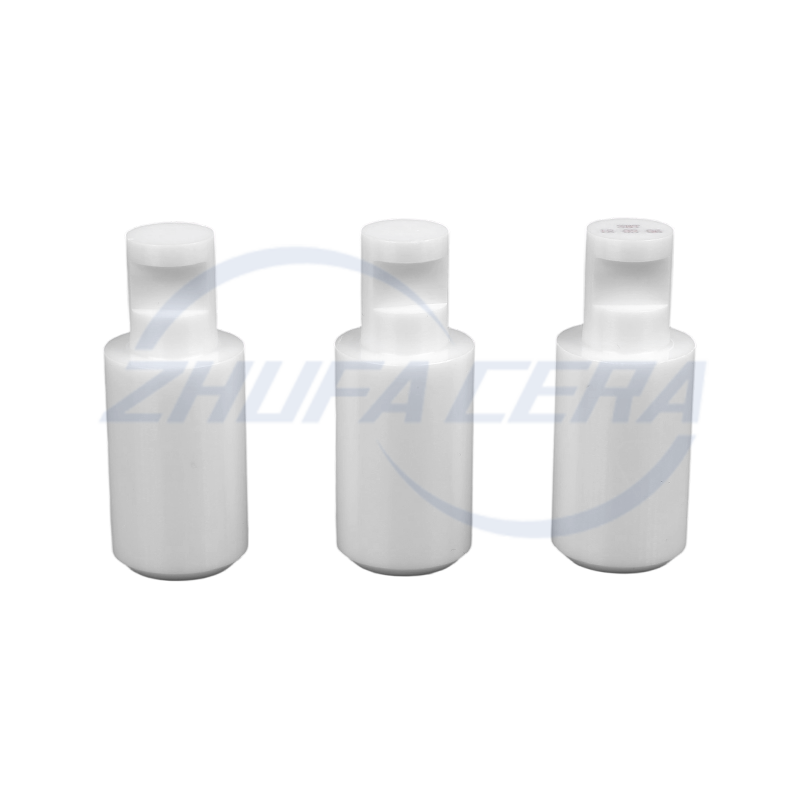
Zirconia Ceramic Plunger is a high-performance component designed for harsh industrial environments. Compared with similar ceramic or metal plunger products, it stands out with its unique material adv...
See Details


-
Quick Links
Home Products About Us Services Technology News Contact Us -
Products
Ceramic Structural Parts Zirconia Ceramics Alumina Ceramics ZTA Ceramics Silicon Nitride Ceramics Silicon Carbide Ceramics Ceramic Injection Molded Parts -
About Us
Factory Tour Honor FAQ -
Contact info
+86-188 8878 5188zf@zfcera.comNo. 1, Xinggong Road, Anchang Industrial Park, Keqiao District, Shaoxing City, Zhejiang Province, China -
WhatsApp

Copyright © Zhejiang Zhufa Precision Ceramics Technology Co., Ltd. All Rights Reserved.
China precision ceramics manufacturer
wholesale precision ceramics supplier
