

 中文简体
中文简体 русский
 Español
 عربى
عربى Português
 日本語
日本語 한국어
한국어
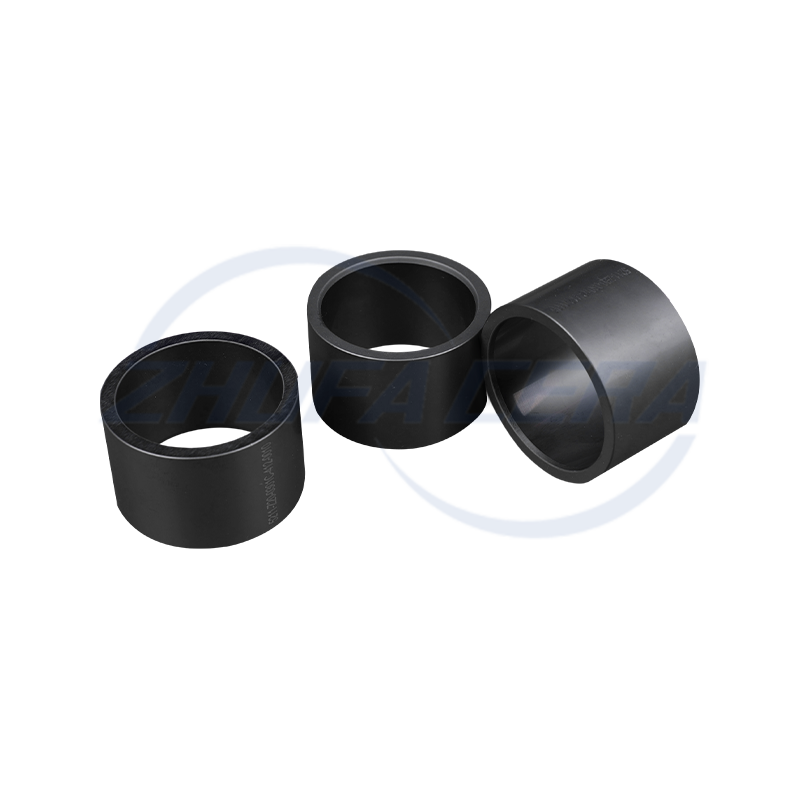
Black silicon carbide ceramic ring is a high-performance engineered ceramic assembly made of high-purity silicon carbide by precision molding and high temperature sintering. Its quadrangular crystal s...
See Details
FOLLOW US :


 Email: zf@zfcera.com
 Telephone: +86-188 8878 5188

ZTA Ceramics vs SiC: Which Is Better for Wear-Resistant Applications?
2026-03-12
Content
- What Are ZTA Ceramics?
- What Is Silicon Carbide (SiC)?
- ZTA Ceramics vs SiC: Head-to-Head Property Comparison
- Why ZTA Ceramics Often Win in Wear-Resistant Applications
- When SiC Is the Better Choice
- Industry Application Matrix: ZTA Ceramics vs SiC
- Key Advantages of ZTA Ceramics at a Glance
- Frequently Asked Questions (FAQ)
- Q1: Is ZTA Ceramics harder than alumina?
- Q2: Can ZTA Ceramics replace SiC in all wear applications?
- Q3: What is the typical service life of ZTA Ceramics in slurry applications?
- Q4: How is ZTA manufactured?
- Q5: Are ZTA Ceramics food-safe and chemically inert?
- Q6: How do I choose the right ZTA formulation for my application?
- Conclusion
Quick Answer
In most wear-resistant applications — particularly those involving impact loads, thermal cycling, and complex geometries — ZTA Ceramics (Zirconia Toughened Alumina) offer a superior balance of toughness, machinability, and cost-effectiveness compared to Silicon Carbide (SiC). While SiC excels in extreme hardness and thermal conductivity, ZTA ceramics consistently outperform in real-world industrial wear scenarios that demand resilience over sheer hardness.
When engineers and procurement specialists face the challenge of selecting materials for wear-resistant components, the debate often narrows to two leading candidates: ZTA Ceramics and Silicon Carbide (SiC). Both materials offer exceptional resistance to abrasion and degradation — but they are engineered for different performance profiles. This article presents a comprehensive comparison to help you make an informed decision.
What Are ZTA Ceramics?
ZTA Ceramics, or Zirconia Toughened Alumina, are advanced composite ceramics formed by dispersing zirconia (ZrO₂) particles within an alumina (Al₂O₃) matrix. This microstructural design exploits a stress-induced phase transformation mechanism: when a crack propagates toward a zirconia particle, the particle transforms from the tetragonal to the monoclinic phase, expanding slightly and generating compressive stresses that arrest the crack.
The result is a ceramic material with significantly higher fracture toughness than pure alumina — while retaining the hardness, chemical resistance, and thermal stability that make alumina a trusted wear material in demanding environments.
What Is Silicon Carbide (SiC)?
Silicon Carbide is a covalently bonded ceramic compound known for its extreme hardness (Mohs 9–9.5), very high thermal conductivity, and outstanding high-temperature strength. It is widely used in abrasive blasting nozzles, pump seals, armor, and semiconductor substrates. SiC's properties make it a natural candidate for applications involving severe abrasive wear or temperatures exceeding 1,400°C.
However, SiC's inherent brittleness — combined with its high manufacturing difficulty and cost — often limits its suitability in applications involving cyclic loading, vibration, or complex part geometries.
ZTA Ceramics vs SiC: Head-to-Head Property Comparison
The following table provides a direct comparison of key material properties relevant to wear-resistant applications:
| Property | ZTA Ceramics | Silicon Carbide (SiC) |
| Vickers Hardness (HV) | 1,400 – 1,700 | 2,400 – 2,800 |
| Fracture Toughness (MPa·m½) | 6 – 10 | 2 – 4 |
| Density (g/cm³) | 4.0 – 4.3 | 3.1 – 3.2 |
| Flexural Strength (MPa) | 500 – 900 | 350 – 500 |
| Thermal Conductivity (W/m·K) | 18 – 25 | 80 – 200 |
| Max. Operating Temp. (°C) | 1,200 – 1,400 | 1,400 – 1,700 |
| Machinability | Good | Difficult |
| Relative Material Cost | Moderate | High |
| Impact Resistance | High | Low |
| Chemical Resistance | Excellent | Excellent |
Why ZTA Ceramics Often Win in Wear-Resistant Applications
1. Superior Fracture Toughness Under Real-World Conditions
The most critical failure mode in industrial wear applications is not gradual abrasion — it is catastrophic cracking under impact or thermal shock. ZTA Ceramics achieve fracture toughness values of 6–10 MPa·m½, roughly two to three times higher than SiC. This means wear components made from ZTA can survive mechanical shocks, vibration, and uneven loading without sudden failure.
In applications such as ore chutes, grinding mill liners, slurry pump components, and cyclone liners, ZTA's toughness translates directly to longer service life and reduced emergency downtime.
2. Better Flexural Strength for Complex Geometries
ZTA Ceramics exhibit flexural strengths of 500–900 MPa, outperforming SiC's typical range of 350–500 MPa. When wear components must be engineered in thin cross-sections, curved profiles, or intricate shapes, ZTA's structural strength provides engineers with much greater design freedom without compromising durability.
3. Cost-Effectiveness Over Full Lifecycle
SiC is considerably more expensive to manufacture due to its high sintering temperatures and extreme hardness, which makes grinding and shaping difficult and costly. ZTA Ceramics offer competitive raw material costs and are far easier to machine into complex shapes before final sintering, dramatically reducing fabrication costs. When total cost of ownership is considered — including replacement frequency, installation time, and downtime — ZTA components often provide substantially better value.
4. Excellent Abrasion Resistance Adequate for Most Applications
While SiC is harder on the Vickers scale, ZTA Ceramics still achieve hardness values of 1,400–1,700 HV, which is more than sufficient to resist abrasion from most industrial media including silica sand, bauxite, iron ore, coal, and cement clinker. Only in applications involving extreme abrasives harder than 1,700 HV — such as boron carbide or diamond dust — does SiC's hardness advantage become practically significant.
When SiC Is the Better Choice
Fairness demands acknowledging that SiC remains the superior choice in specific scenarios:
- Ultra-high temperature environments above 1,400°C where ZTA's alumina matrix begins to soften
- Applications requiring maximum thermal conductivity, such as heat exchangers, crucibles, or heat spreaders
- Extremely aggressive abrasive wear involving ultra-hard particles at high velocity (e.g., abrasive waterjet components)
- Semiconductor and electronic applications where SiC's electrical properties are required
- Ballistic armor where weight-to-hardness ratio is the primary design criterion
Industry Application Matrix: ZTA Ceramics vs SiC
| Application | Recommended Material | Reason |
| Slurry pump liners | ZTA Ceramics | Toughness + corrosion resistance |
| Cyclone separators | ZTA Ceramics | Complex shape + impact zones |
| Grinding mill liners | ZTA Ceramics | Superior toughness under impact |
| Pipe elbows / chute liners | ZTA Ceramics | Abrasion + impact combined |
| Abrasive blasting nozzles | SiC | Ultra-high abrasive particle velocity |
| Chemical processing (seals) | ZTA Ceramics | Cost + excellent chemical resistance |
| High-temperature kiln furniture | SiC | Operating temp. exceeds 1,400°C |
| Food & pharmaceutical equipment | ZTA Ceramics | Non-toxic, inert, easy to clean |
Key Advantages of ZTA Ceramics at a Glance
- Transformation toughening mechanism — crack arrest through zirconia phase transformation
- High wear resistance — Vickers hardness of 1,400–1,700 HV covers the majority of industrial abrasion scenarios
- Thermal shock resistance — better than pure alumina, suitable for environments with temperature cycling
- Chemical inertness — resistant to acids, alkalis, and organic solvents across a wide pH range
- Machinability — can be precision ground and finished into complex shapes more economically than SiC
- Scalable production — commercially available in tiles, blocks, tubes, and custom molded forms
- Proven long-term performance — widely adopted in mining, cement, power generation, and chemical processing industries
Frequently Asked Questions (FAQ)
Q1: Is ZTA Ceramics harder than alumina?
Yes. By incorporating zirconia into the alumina matrix, ZTA Ceramics achieve hardness comparable to or slightly higher than standard 95% alumina ceramics, while significantly improving fracture toughness — a property that standard alumina lacks.
Q2: Can ZTA Ceramics replace SiC in all wear applications?
Not universally. ZTA Ceramics are the preferred choice in the majority of industrial wear scenarios, but SiC remains superior for extreme temperature applications (above 1,400°C), very high-velocity abrasive streams, and applications where thermal conductivity is essential.
Q3: What is the typical service life of ZTA Ceramics in slurry applications?
In mining slurry pump applications with moderate-to-high abrasive content, ZTA Ceramics components typically last 3–8 times longer than steel or rubber alternatives, and generally outperform standard alumina ceramics in high-impact zones by 20–50%.
Q4: How is ZTA manufactured?
ZTA Ceramics are typically manufactured through powder processing routes including dry pressing, isostatic pressing, casting, or extrusion, followed by high-temperature sintering at 1,550–1,700°C. The zirconia content (typically 10–25 wt%) and particle size distribution are carefully controlled to optimize the toughening effect.
Q5: Are ZTA Ceramics food-safe and chemically inert?
Yes. ZTA Ceramics are non-toxic, biologically inert, and chemically stable across a broad range of acids and alkalis. They are widely used in food processing, pharmaceutical equipment, and medical device applications where contamination must be avoided.
Q6: How do I choose the right ZTA formulation for my application?
Selection depends on the abrasive type, particle size, velocity, temperature, and whether impact loading is expected. Higher zirconia content improves toughness but may reduce hardness slightly. It is recommended to consult with a materials engineer and request application-specific testing of ZTA Ceramics formulations before committing to a full installation.
Conclusion
For the vast majority of industrial wear-resistant applications — including mining, mineral processing, cement production, chemical handling, and bulk material transport — ZTA Ceramics represent the more practical, cost-effective, and mechanically reliable choice over SiC.
The combination of transformation toughening, excellent abrasion resistance, strong flexural strength, and favorable machinability makes ZTA Ceramics an engineered solution that performs reliably even under the unpredictable conditions of real industrial environments. SiC remains unmatched in niche applications requiring extreme hardness or ultra-high temperature stability — but these scenarios are far less common than the broad landscape of wear challenges where ZTA excels.
As industries continue to seek materials that deliver longer service intervals, lower total cost of ownership, and improved safety, ZTA Ceramics are increasingly the material of choice for engineers who need wear solutions that hold up in the field.
Related products
-
-
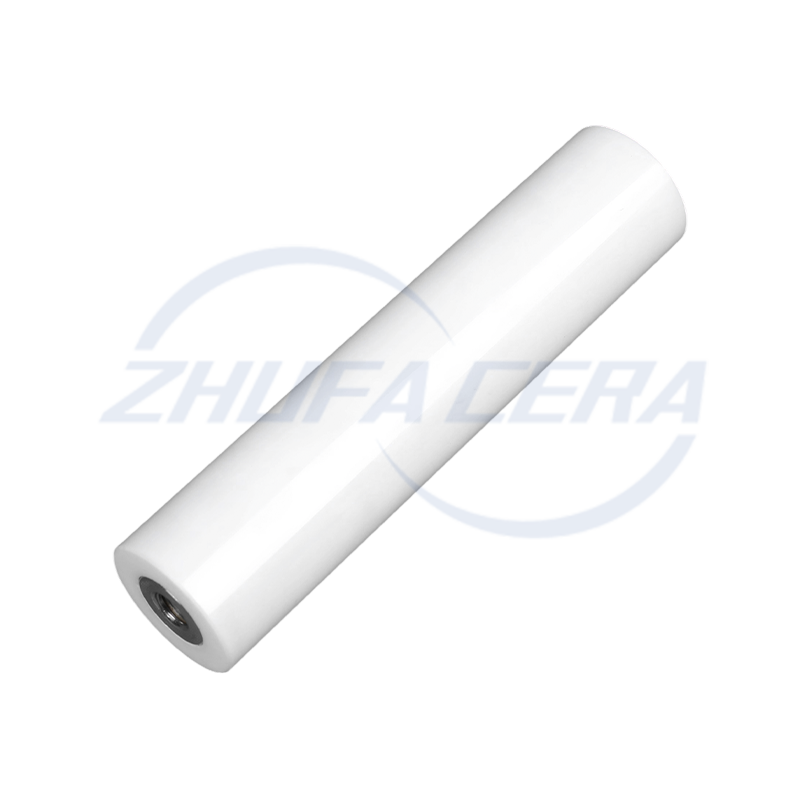
Zirconia Ceramic Rod is a high-performance ceramic material rod, mainly made of zirconium oxide, with excellent mechanical strength and chemical stability. It exhibits extremely high hardness and wear...
See Details -
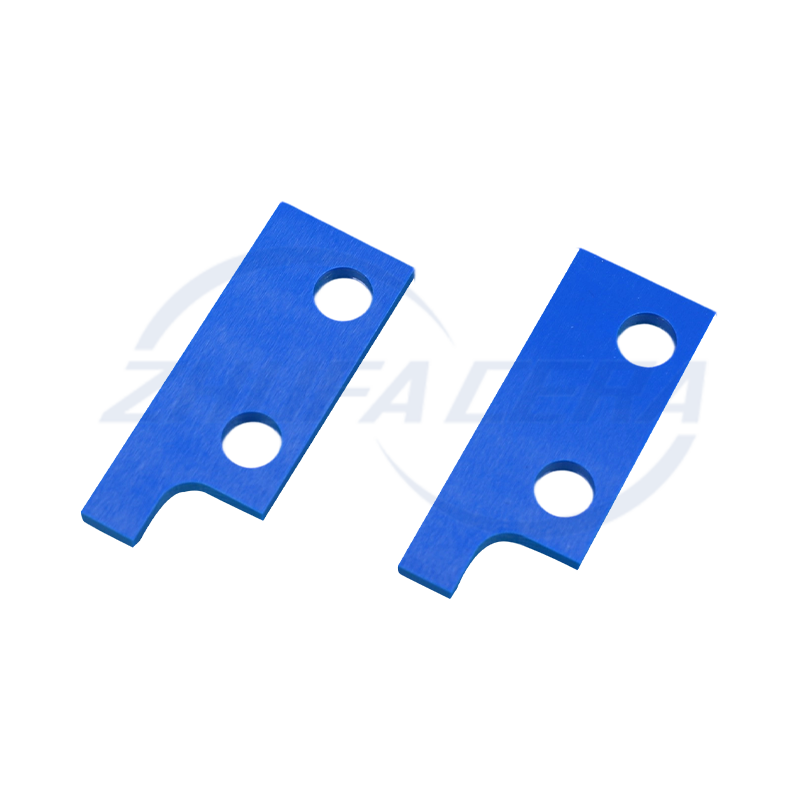
Blue zirconia ceramic sheets are precision components made of advanced zirconia ceramics. They are stained with cobalt, iron or copper to form a blue color. This color not only serves as a visual i...
See Details -
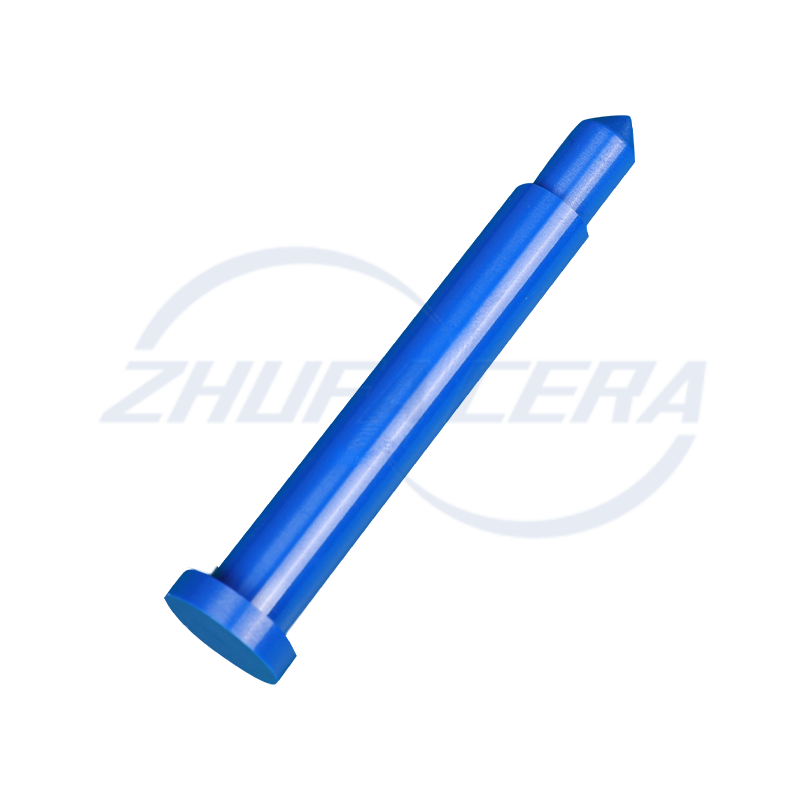
This blue zirconia ceramic pin is made of advanced zirconia ceramic material, providing excellent durability and performance. Zirconia ceramics are known for their high strength, good wear resistan...
See Details -

Zirconia Ceramic Gear is made of zirconium oxide ceramic material, which has excellent high strength and high hardness. This material property enables it to effectively resist wear during the transmis...
See Details -
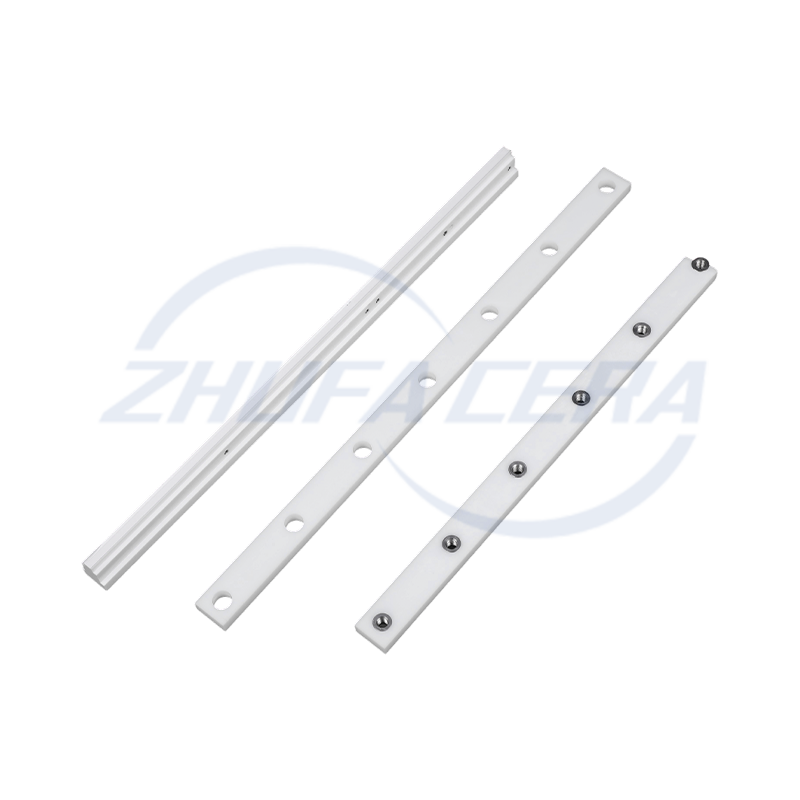
Zirconia Ceramic Guide Rail is a high-performance precision mechanical component made of zirconium oxide ceramic material. Its core characteristics are derived from the excellent physical and chemical...
See Details -
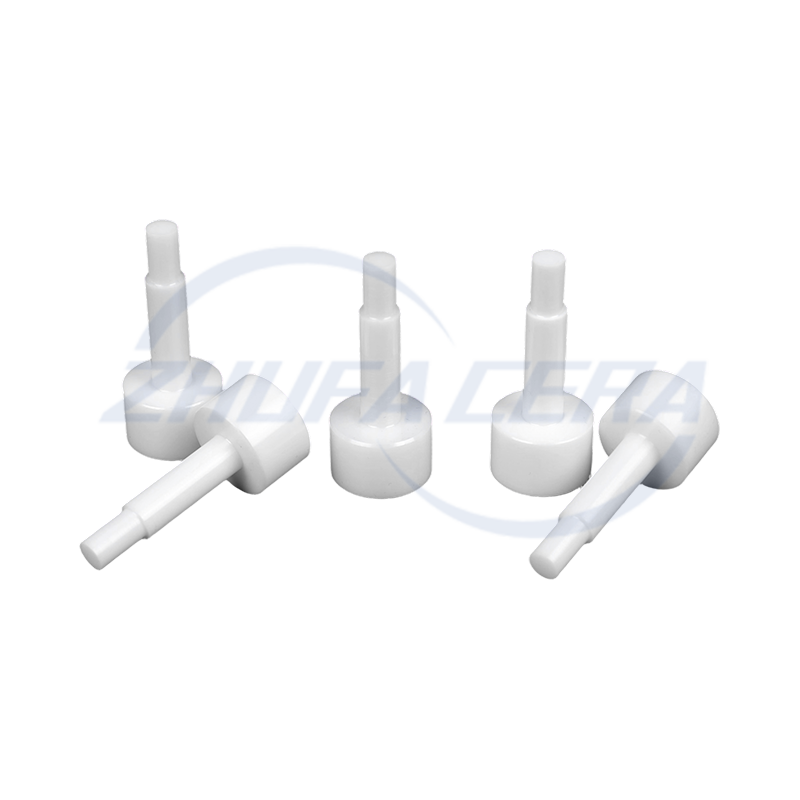
Zirconia Ceramic Locating Pin is a high-precision positioning element made of advanced zirconium oxide ceramic material with excellent physical and chemical properties. Its main characteristics includ...
See Details -
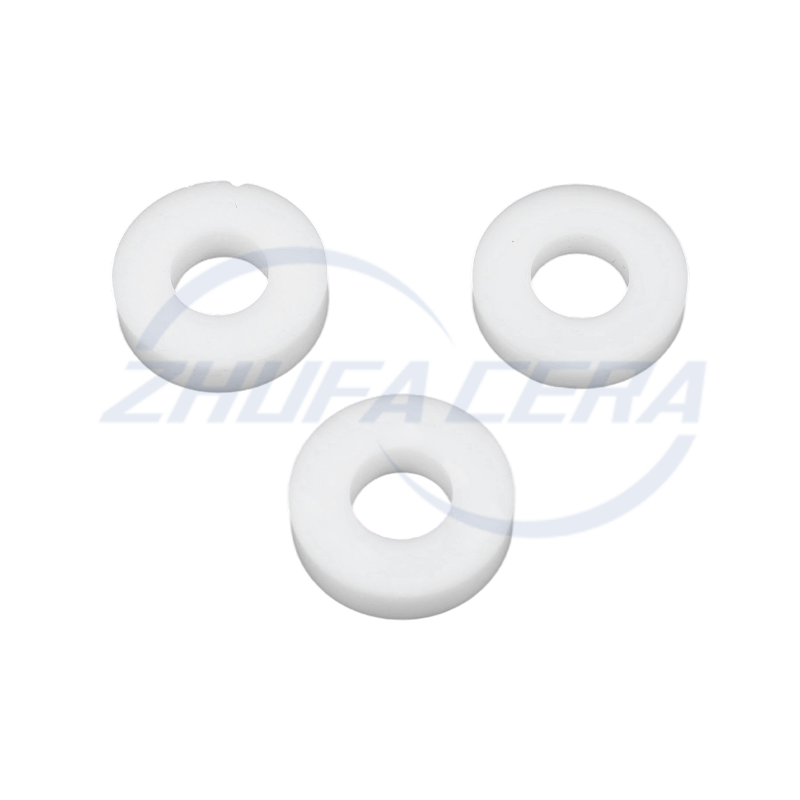
Zirconia Ceramic Ring is a high-performance ceramic product known for its excellent physical and chemical properties. It has extremely high hardness and strength, with a Mohs hardness of more than 8.5...
See Details -
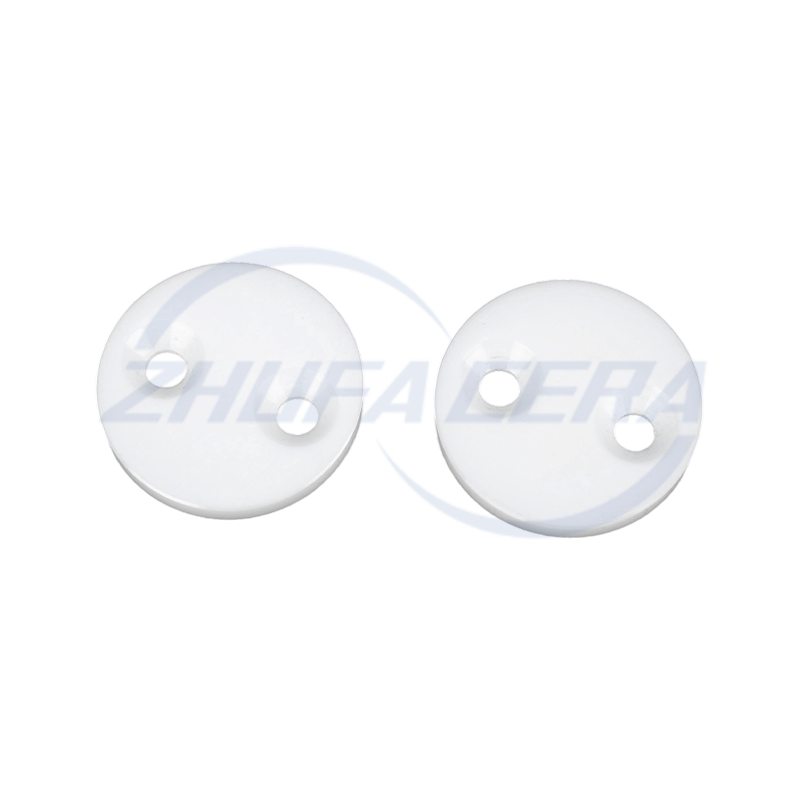
Zirconia ceramic sheets have become functional core components in various fields thanks to their unique properties. With a flexural strength of 900–1200 MPa and a fracture toughness of 6–10 MPa・m¹/², ...
See Details -

Zirconia Ceramic Strip is a strip material made of high-performance zirconium oxide ceramic with excellent physical and chemical properties. It has extremely high hardness and flexural strength, can e...
See Details -
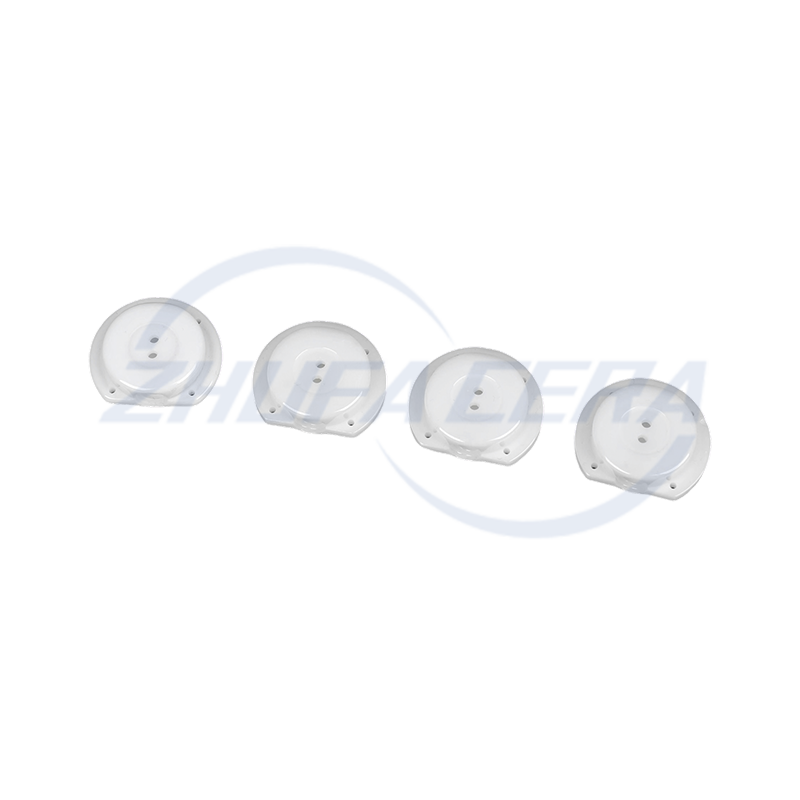
Zirconia ceramic wafers are representative products in the field of high-performance structural ceramics. Compared with traditional alumina ceramics or metal materials, its comprehensive performanc...
See Details -
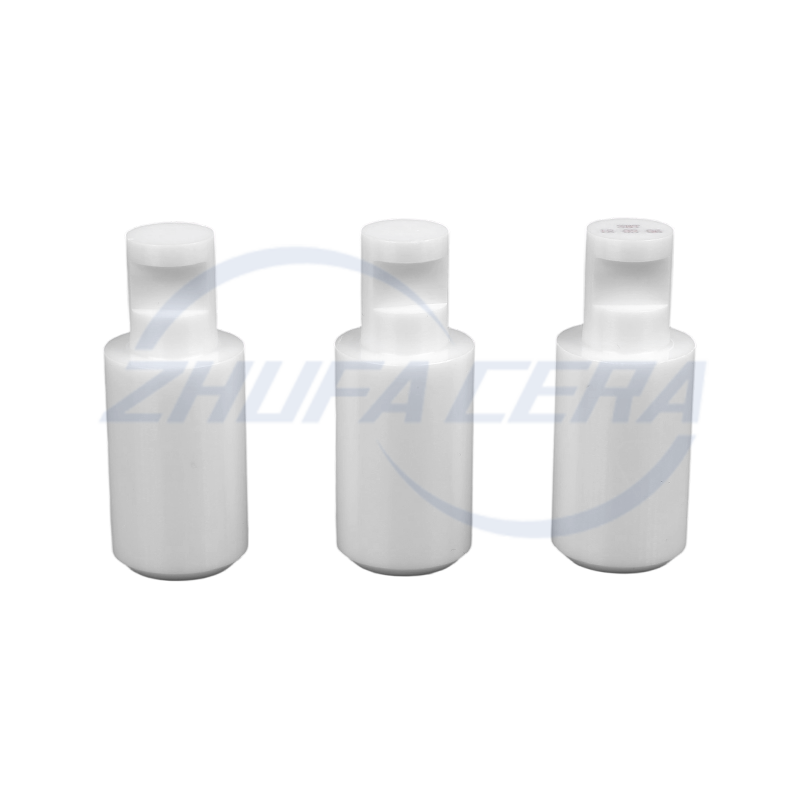
Zirconia Ceramic Plunger is a high-performance component designed for harsh industrial environments. Compared with similar ceramic or metal plunger products, it stands out with its unique material adv...
See Details


-
Quick Links
Home Products About Us Services Technology News Contact Us -
Products
Ceramic Structural Parts Zirconia Ceramics Alumina Ceramics ZTA Ceramics Silicon Nitride Ceramics Silicon Carbide Ceramics Ceramic Injection Molded Parts -
About Us
Factory Tour Honor FAQ -
Contact info
+86-188 8878 5188zf@zfcera.comNo. 1, Xinggong Road, Anchang Industrial Park, Keqiao District, Shaoxing City, Zhejiang Province, China -
WhatsApp

Copyright © Zhejiang Zhufa Precision Ceramics Technology Co., Ltd. All Rights Reserved.
China precision ceramics manufacturer
wholesale precision ceramics supplier
