

 中文简体
中文简体 русский
 Español
 عربى
عربى Português
 日本語
日本語 한국어
한국어
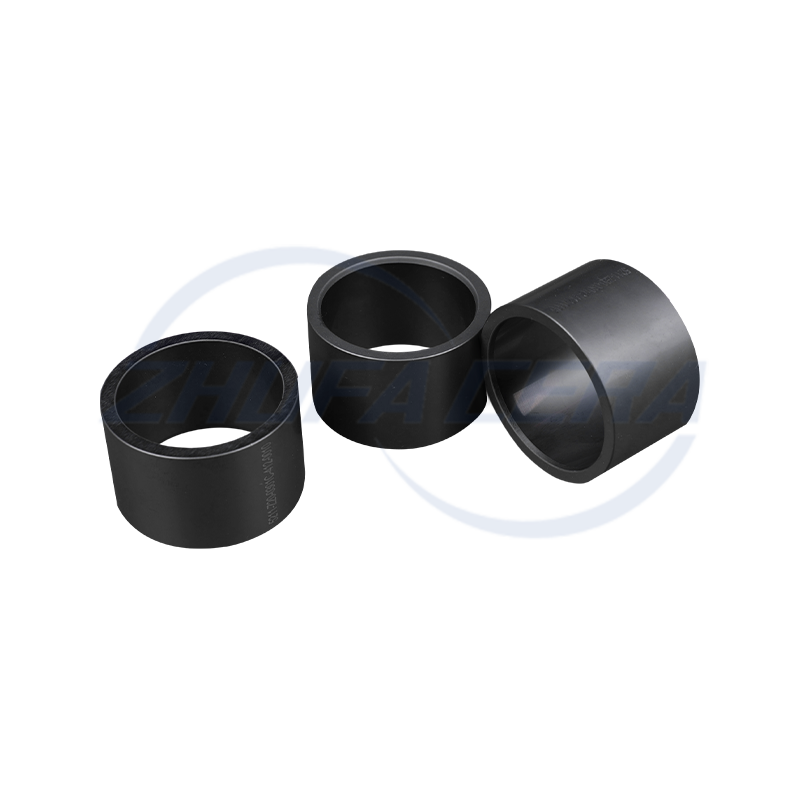
Black silicon carbide ceramic ring is a high-performance engineered ceramic assembly made of high-purity silicon carbide by precision molding and high temperature sintering. Its quadrangular crystal s...
See Details
FOLLOW US :


 Email: zf@zfcera.com
 Telephone: +86-188 8878 5188

Why Are Precision Ceramics Suitable for High-Temperature Applications?
2026-03-19
Content
- The Fundamental Properties That Enable High-Temperature Performance
- Precision Ceramics vs. Competing High-Temperature Materials
- Key Types of High-Temperature Precision Ceramics and Their Properties
- Industrial Applications of Precision Ceramics in High-Temperature Environments
- Ceramic Grade Selection Guide for High-Temperature Use
- Challenges and Limitations of Precision Ceramics at High Temperatures
- Frequently Asked Questions (FAQ)
- Q: What temperature can precision ceramics withstand?
- Q: Are precision ceramics better than superalloys for high-temperature use?
- Q: Which precision ceramic is best for thermal insulation?
- Q: Can precision ceramics conduct heat as well as metals?
- Q: Why do ceramics not melt like metals at high temperatures?
- Q: How are precision ceramic components manufactured for high-temperature use?
- Conclusion: Why Precision Ceramics Remain the Gold Standard for High-Temperature Applications
Precision ceramics are suitable for high-temperature applications because they maintain exceptional structural integrity, dimensional stability, and chemical resistance at temperatures exceeding 1,600 °C — far beyond the limits of metals and polymers. Their covalent and ionic atomic bonds resist thermal degradation, making them indispensable in aerospace, semiconductor, energy, and industrial manufacturing sectors.
In modern industry, the demand for materials that perform reliably under extreme heat has never been higher. From jet engine components to semiconductor fabrication equipment, engineers need materials that do not warp, oxidize, or lose mechanical strength when temperatures soar. Advanced precision ceramics — including alumina, zirconia, silicon carbide, silicon nitride, and aluminum nitride — have emerged as the definitive solution.
Unlike metals, which begin to soften and creep under sustained thermal load, technical ceramics retain their shape, hardness, and resistance to chemical attack even under extreme thermal cycling. This article explores the precise reasons why high-temperature ceramics outperform competing materials, what types are available, and how they are applied across critical industries.
The Fundamental Properties That Enable High-Temperature Performance
The suitability of precision ceramics for high-temperature use stems from their atomic structure. Ceramic materials are built from strong covalent or ionic bonds between metallic and non-metallic elements. These bonds require significantly more energy to break than the metallic bonds found in steels or superalloys, which is why ceramics resist thermal degradation so effectively.
1. Exceptional Thermal Stability
Thermal stability is the primary reason ceramics are chosen for heat-intensive environments. Materials such as silicon carbide (SiC) can operate continuously at temperatures up to 1,650 °C, while alumina (Al₂O₃) remains structurally sound up to approximately 1,750 °C. This far exceeds the upper limits of most nickel-based superalloys, which typically become unreliable above 1,100 °C.
2. Low Thermal Expansion Coefficient
When components are heated and cooled repeatedly, materials expand and contract. Excessive thermal expansion causes mechanical stress, dimensional inaccuracy, and eventual failure. Precision ceramic components exhibit a very low coefficient of thermal expansion (CTE), meaning they change size minimally over large temperature ranges. This is critical in precision instruments, optical systems, and microelectronics.
3. High Hardness and Wear Resistance at Elevated Temperatures
Metals lose their hardness rapidly as temperatures rise — a phenomenon called hot hardness loss. Advanced ceramics, by contrast, retain their hardness even at elevated temperatures. Silicon nitride (Si₃N₄), for example, maintains high flexural strength above 1,000 °C, making it ideal for cutting tools, bearing components, and turbine blades.
4. Outstanding Chemical and Oxidation Resistance
In high-temperature industrial environments, corrosive gases, molten metals, and reactive chemicals are common. High-temperature ceramic materials are largely inert to acids, alkalis, and oxidizing atmospheres. Alumina, for example, is highly resistant to oxidation up to its melting point, while silicon carbide forms a protective silica layer in oxidizing conditions that prevents further degradation.
5. High Thermal Conductivity in Select Grades
Certain technical ceramics such as aluminum nitride (AlN) and silicon carbide offer remarkably high thermal conductivity — in some cases comparable to metals — while simultaneously acting as electrical insulators. This combination is unique and makes them indispensable in power electronics, heat exchangers, and semiconductor substrates where heat must be efficiently managed without electrical conduction.
Precision Ceramics vs. Competing High-Temperature Materials
To understand why precision ceramics are chosen over metals and composites in demanding thermal environments, a direct property comparison is essential:
| Property | Precision Ceramics | Nickel Superalloys | Stainless Steel | Carbon Composites |
| Max Use Temperature | Up to 1,750 °C | ~1,100 °C | ~870 °C | ~400 °C (in air) |
| Oxidation Resistance | Excellent | Good (with coatings) | Moderate | Poor in air |
| Density (g/cm³) | 2.3 – 6.1 | 8.0 – 9.0 | 7.7 – 8.0 | 1.5 – 2.0 |
| Electrical Insulation | Excellent (most grades) | Conductive | Conductive | Conductive |
| Corrosion Resistance | Outstanding | Moderate–Good | Moderate | Variable |
| Machinability | Moderate (requires diamond tools) | Difficult | Good | Good |
| Cost (relative) | Medium–High | Very High | Low–Medium | High |
Table 1: Comparative material properties for high-temperature applications.
Key Types of High-Temperature Precision Ceramics and Their Properties
Alumina (Al₂O₃) — The Versatile Workhorse
Alumina ceramics are the most widely used type of precision technical ceramics. Available in purity grades from 95% to 99.9%, alumina offers a compelling balance of high-temperature strength, electrical insulation, wear resistance, and affordability. It is the standard choice for thermocouple sheaths, furnace tube components, crucibles, and insulating substrates.
- Continuous use temperature: up to 1,750 °C
- Hardness: 15–19 GPa (Vickers)
- Excellent electrical resistivity
- Biocompatible in certain grades
Silicon Carbide (SiC) — Superior Thermal Shock Resistance
Silicon carbide ceramics stand out for their excellent thermal shock resistance and high thermal conductivity. They are used extensively in kiln furniture, heat exchangers, burner nozzles, and semiconductor process equipment. SiC can handle rapid temperature changes without fracturing — a critical property in cyclic thermal environments.
- Operating temperature: up to 1,650 °C
- Thermal conductivity: 120–200 W/m·K
- High resistance to abrasion and chemical attack
- Excellent rigidity and stiffness
Silicon Nitride (Si₃N₄) — Strength Under Extreme Conditions
Silicon nitride is prized for maintaining high fracture toughness at elevated temperatures, a rare combination in ceramic materials. It is the preferred material for gas turbine blades, cutting inserts, and automotive engine components. Its self-reinforcing microstructure of interlocking elongated grains provides resistance to crack propagation.
- Flexural strength retained above 1,000 °C
- Superior thermal shock resistance vs. alumina
- Low density (3.2 g/cm³), enabling lightweight designs
- Used in rolling element bearings for extreme environments
Zirconia (ZrO₂) — Toughness and Insulation Combined
Zirconia ceramics, particularly in yttria-stabilized (YSZ) form, are used as thermal barrier coatings in jet engines and gas turbines precisely because of their extremely low thermal conductivity. This property makes YSZ one of the best ceramic insulators available, protecting metal substrates from damaging heat flux.
- Operating temperature: up to 2,200 °C (short term)
- Very low thermal conductivity (~2 W/m·K for YSZ)
- High fracture toughness for a ceramic
- Used in oxygen sensors and solid oxide fuel cells
Aluminum Nitride (AlN) — The Thermal Management Champion
Aluminum nitride bridges the gap between thermal conductors and electrical insulators. With thermal conductivity reaching 180–200 W/m·K and excellent dielectric properties, AlN substrates are used in power semiconductors, LED lighting modules, and high-frequency electronics where heat dissipation and electrical isolation must coexist.
Industrial Applications of Precision Ceramics in High-Temperature Environments
Aerospace and Defense
The aerospace sector relies heavily on high-temperature precision ceramics for components in jet turbine engines, rocket nozzles, and re-entry vehicle thermal protection systems. Ceramic matrix composites (CMCs) based on silicon carbide fibers in an SiC matrix can replace nickel superalloys in turbine hot sections, reducing component weight by 30–40% while tolerating higher operating temperatures.
Semiconductor Fabrication
In semiconductor manufacturing, process chambers operate at high temperatures in corrosive plasma environments. Precision ceramic components — including alumina and yttria-stabilized zirconia parts — are used for wafer carriers, electrostatic chucks, gas distribution plates, and focus rings. Their chemical purity prevents contamination of sensitive semiconductor processes.
Energy Generation
Power generation equipment — including gas turbines, coal gasifiers, and nuclear reactors — subjects materials to extraordinary combinations of heat, pressure, and radiation. Technical ceramics used here include silicon carbide for heat exchangers and fuel cladding materials in next-generation nuclear reactors. ZrO₂ is deployed as a thermal barrier coating on turbine blades, allowing turbine inlet temperatures to exceed metal melting points.
Metal Processing and Foundry
In foundry and metal processing applications, ceramic crucibles, ladles, and thermocouple protection tubes must withstand direct contact with molten metal while remaining chemically inert. High-purity alumina and magnesia ceramics are the standard choice for these applications due to their high melting points and non-reactivity with most molten alloys.
Automotive and Transportation
High-performance automotive engines and exhaust systems use ceramic components to manage extreme temperatures. Silicon nitride is used in turbocharger rotors and valve train components; the material's low density reduces inertia, improving throttle response. Catalytic converter substrates made from cordierite ceramics must handle rapid heating cycles from cold start to operating temperature without cracking.
Ceramic Grade Selection Guide for High-Temperature Use
| Ceramic Type | Max Temp (°C) | Best For | Key Advantage |
| Alumina (99.9%) | 1,750 | Insulators, crucibles, tubes | Cost-effective, versatile |
| Silicon Carbide | 1,650 | Heat exchangers, kiln furniture | Thermal shock resistance |
| Silicon Nitride | 1,400 | Bearings, cutting tools, turbines | High toughness at temperature |
| YSZ Zirconia | 2,200 (short) | TBCs, fuel cells, sensors | Excellent thermal insulation |
| Aluminum Nitride | 900 | Power electronics, substrates | High thermal conductivity + insulation |
Table 2: Selection guide for precision ceramic grades in high-temperature applications.
Challenges and Limitations of Precision Ceramics at High Temperatures
While precision ceramics excel in thermal environments, they are not without challenges. Understanding these limitations is essential for engineers selecting materials for high-temperature applications:
- Brittleness: Ceramics have low fracture toughness compared to metals. They can fracture under sudden mechanical shock or tensile stress, which must be accounted for in component design.
- Thermal shock sensitivity (some grades): While SiC excels in this area, alumina-based ceramics can crack if subjected to extreme, rapid temperature changes. Grade selection and component geometry must be carefully considered.
- Machining complexity: Precision ceramic machining requires diamond grinding tools and specialized equipment, which increases manufacturing cost and lead time compared to metal machining.
- Complex joining: Bonding ceramics to metals or other ceramics at high temperature requires specialized brazing or glass-ceramic joining techniques.
- Design constraints: Complex geometries and internal features that are simple to machine in metals may require green-state machining or advanced sintering processes for ceramics.
Despite these limitations, advances in ceramic processing technology — including hot isostatic pressing (HIP), spark plasma sintering, and ceramic injection molding — are continually expanding the design freedom and performance envelope of high-temperature ceramic components.
Frequently Asked Questions (FAQ)
Q: What temperature can precision ceramics withstand?
Most precision ceramic materials can withstand continuous operating temperatures between 1,200 °C and 1,750 °C depending on the grade. Short-term peak exposure for certain zirconia-based ceramics can reach beyond 2,000 °C. By comparison, most engineering metals become unusable above 1,000–1,100 °C.
Q: Are precision ceramics better than superalloys for high-temperature use?
It depends on the specific application. Precision ceramics offer higher maximum use temperatures, lower density, better oxidation resistance, and electrical insulation that superalloys cannot match. However, superalloys offer higher fracture toughness and easier machinability. In applications requiring both high temperature and impact resistance, ceramic matrix composites often bridge the gap.
Q: Which precision ceramic is best for thermal insulation?
Yttria-stabilized zirconia (YSZ) is the premier high-temperature ceramic insulator. Its extremely low thermal conductivity of approximately 2 W/m·K makes it the standard thermal barrier coating material in aerospace turbines, protecting underlying metallic components from extreme heat flux.
Q: Can precision ceramics conduct heat as well as metals?
Most ceramics are thermal insulators. However, certain technical ceramics — notably aluminum nitride (AlN) and silicon carbide (SiC) — have thermal conductivity comparable to or exceeding many metals. AlN can reach 180–200 W/m·K, which is comparable to aluminum metal, while remaining an excellent electrical insulator. This makes them indispensable in electronics thermal management.
Q: Why do ceramics not melt like metals at high temperatures?
Precision ceramics are held together by strong covalent or ionic bonds, which require far more energy to break than the metallic bonds in steel or aluminum. This gives ceramics extremely high melting points — alumina melts at approximately 2,072 °C, silicon carbide at 2,730 °C, and hafnium carbide at over 3,900 °C. This atomic-level stability is the root cause of their high-temperature performance.
Q: How are precision ceramic components manufactured for high-temperature use?
Manufacturing routes include dry pressing, isostatic pressing, injection molding, slip casting, and extrusion — followed by sintering at high temperatures to achieve full density. For tight-tolerance precision ceramic parts, green-state machining or final diamond grinding ensures dimensional accuracy. Hot pressing and HIP (hot isostatic pressing) are used to produce the highest-density ceramics with minimal porosity and maximum mechanical properties.
Conclusion: Why Precision Ceramics Remain the Gold Standard for High-Temperature Applications
The case for precision ceramics in high-temperature applications is compelling and multi-dimensional. Their unmatched combination of thermal stability, low thermal expansion, chemical inertness, electrical insulation, and mechanical hardness at elevated temperatures positions them above any single competing material class.
Whether the requirement is a crucible that withstands molten steel, a wafer chuck in a semiconductor plasma chamber, a turbine blade coating that sees 1,500 °C gas temperatures, or a bearing in a high-speed engine, advanced precision ceramics deliver performance that metals simply cannot match. As manufacturing technology continues to advance — enabling more complex geometries, tighter tolerances, and improved toughness — the role of high-temperature precision ceramics in critical industrial systems will only grow.
For engineers designing systems that must operate reliably at the thermal extremes of modern technology, precision ceramics are not merely an option — they are often the only viable solution.
Related products
-
-
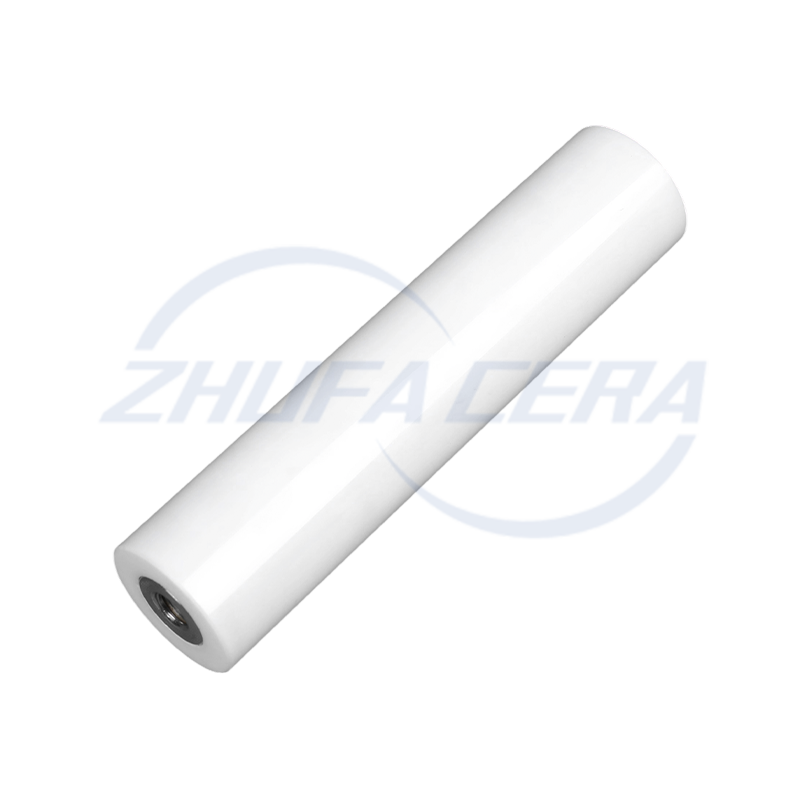
Zirconia Ceramic Rod is a high-performance ceramic material rod, mainly made of zirconium oxide, with excellent mechanical strength and chemical stability. It exhibits extremely high hardness and wear...
See Details -
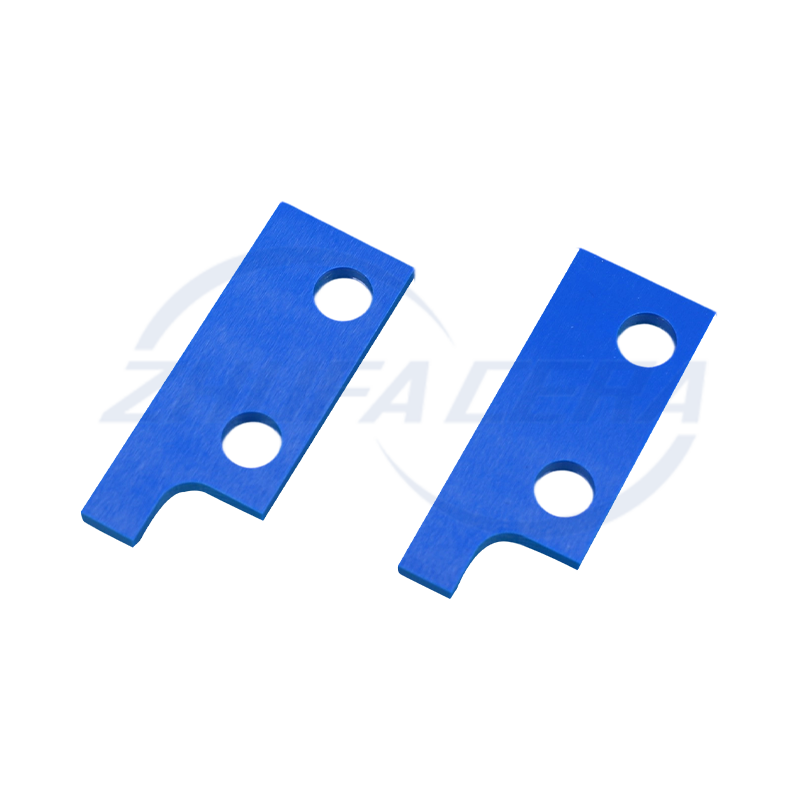
Blue zirconia ceramic sheets are precision components made of advanced zirconia ceramics. They are stained with cobalt, iron or copper to form a blue color. This color not only serves as a visual i...
See Details -

This blue zirconia ceramic pin is made of advanced zirconia ceramic material, providing excellent durability and performance. Zirconia ceramics are known for their high strength, good wear resistan...
See Details -

Zirconia Ceramic Gear is made of zirconium oxide ceramic material, which has excellent high strength and high hardness. This material property enables it to effectively resist wear during the transmis...
See Details -
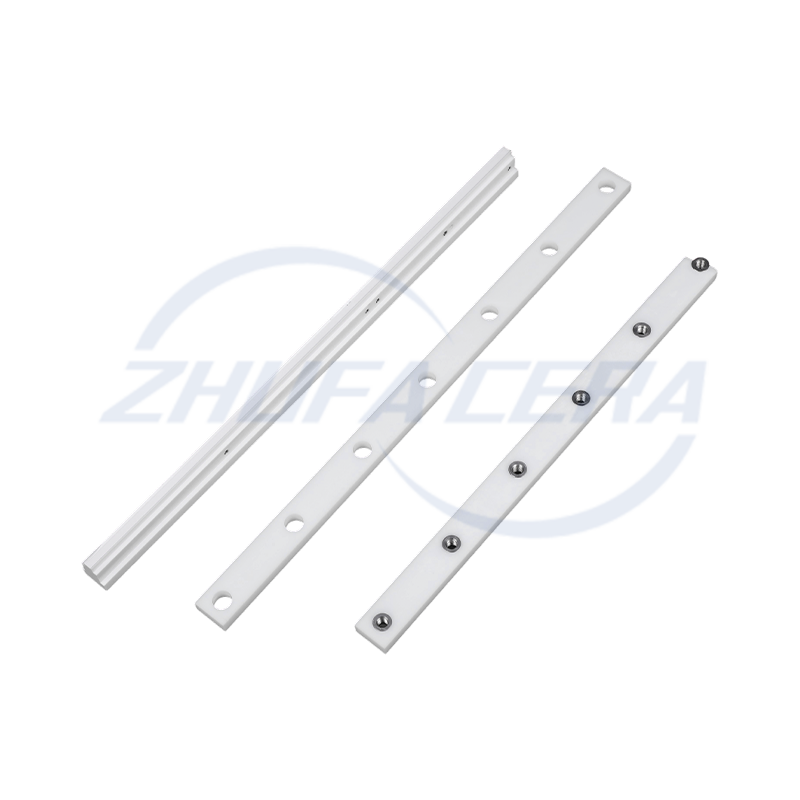
Zirconia Ceramic Guide Rail is a high-performance precision mechanical component made of zirconium oxide ceramic material. Its core characteristics are derived from the excellent physical and chemical...
See Details -
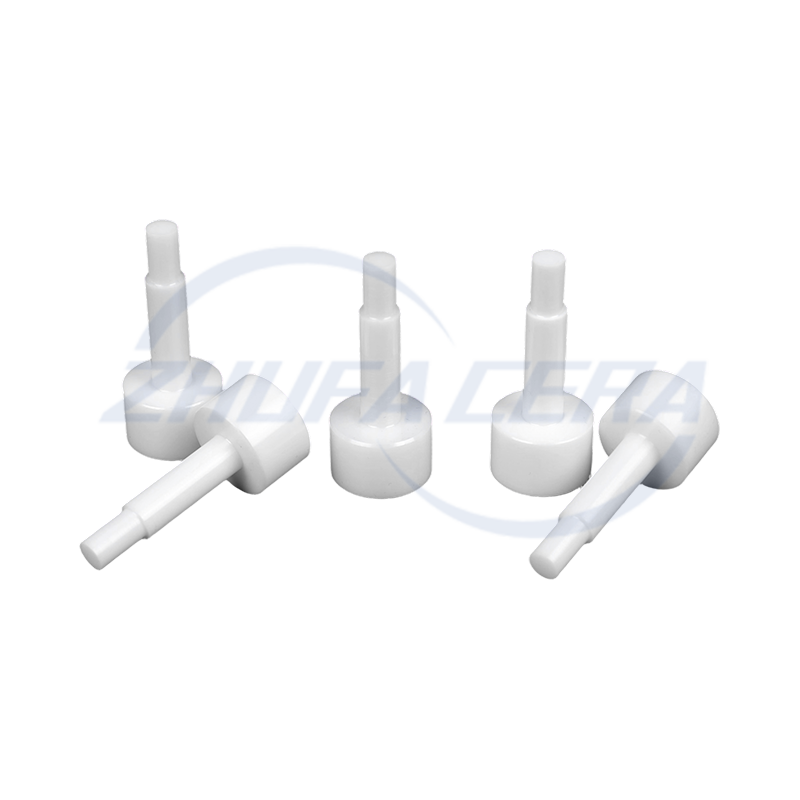
Zirconia Ceramic Locating Pin is a high-precision positioning element made of advanced zirconium oxide ceramic material with excellent physical and chemical properties. Its main characteristics includ...
See Details -
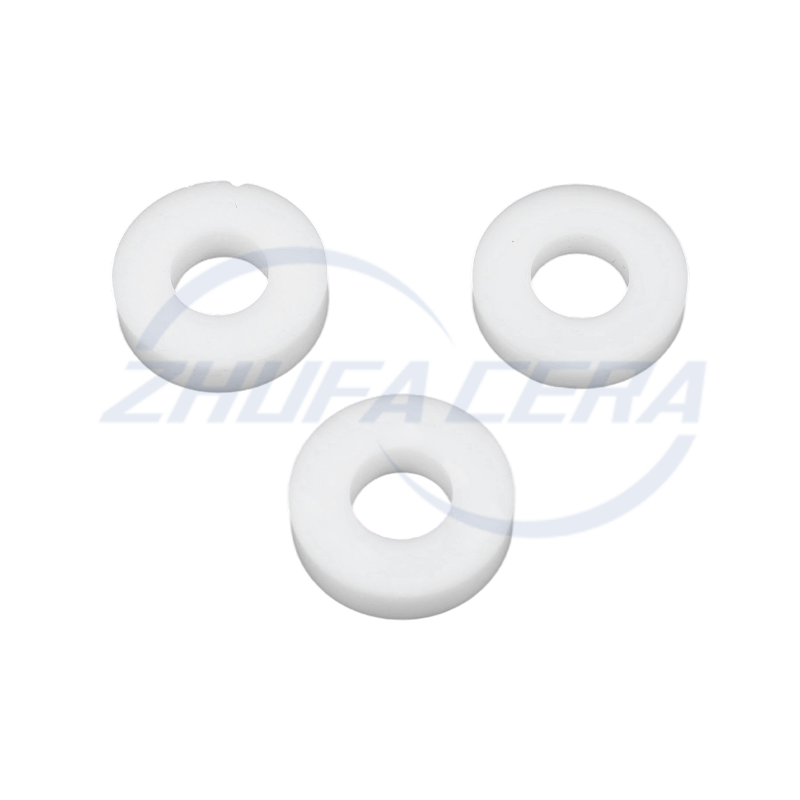
Zirconia Ceramic Ring is a high-performance ceramic product known for its excellent physical and chemical properties. It has extremely high hardness and strength, with a Mohs hardness of more than 8.5...
See Details -
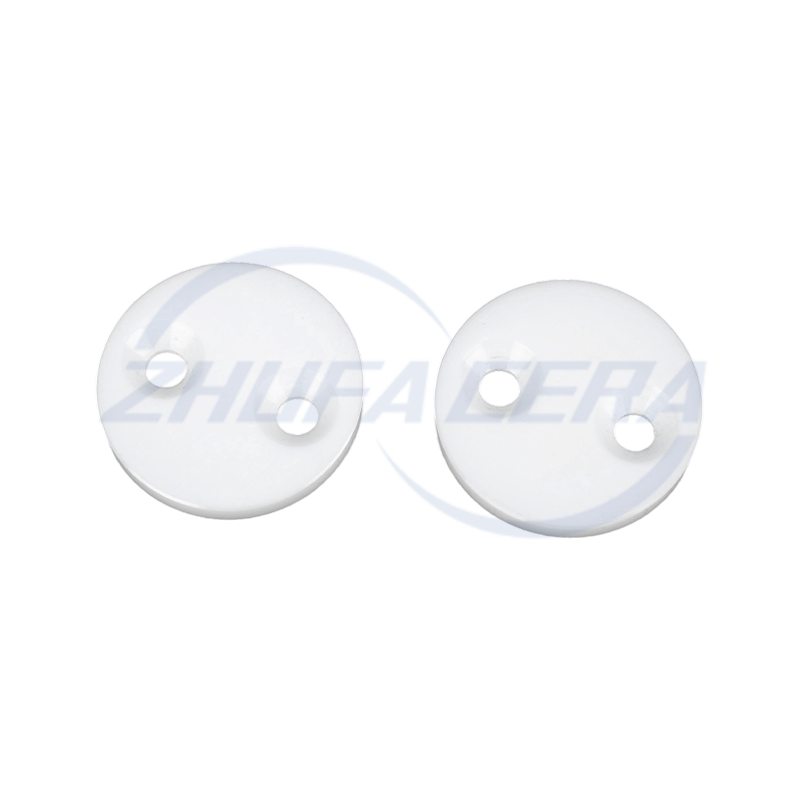
Zirconia ceramic sheets have become functional core components in various fields thanks to their unique properties. With a flexural strength of 900–1200 MPa and a fracture toughness of 6–10 MPa・m¹/², ...
See Details -

Zirconia Ceramic Strip is a strip material made of high-performance zirconium oxide ceramic with excellent physical and chemical properties. It has extremely high hardness and flexural strength, can e...
See Details -
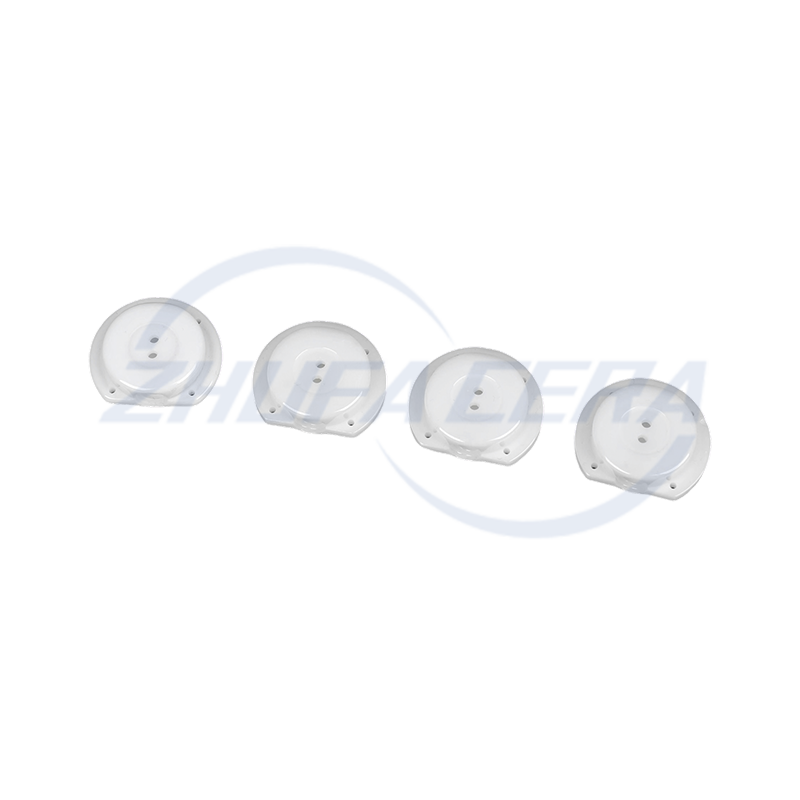
Zirconia ceramic wafers are representative products in the field of high-performance structural ceramics. Compared with traditional alumina ceramics or metal materials, its comprehensive performanc...
See Details -
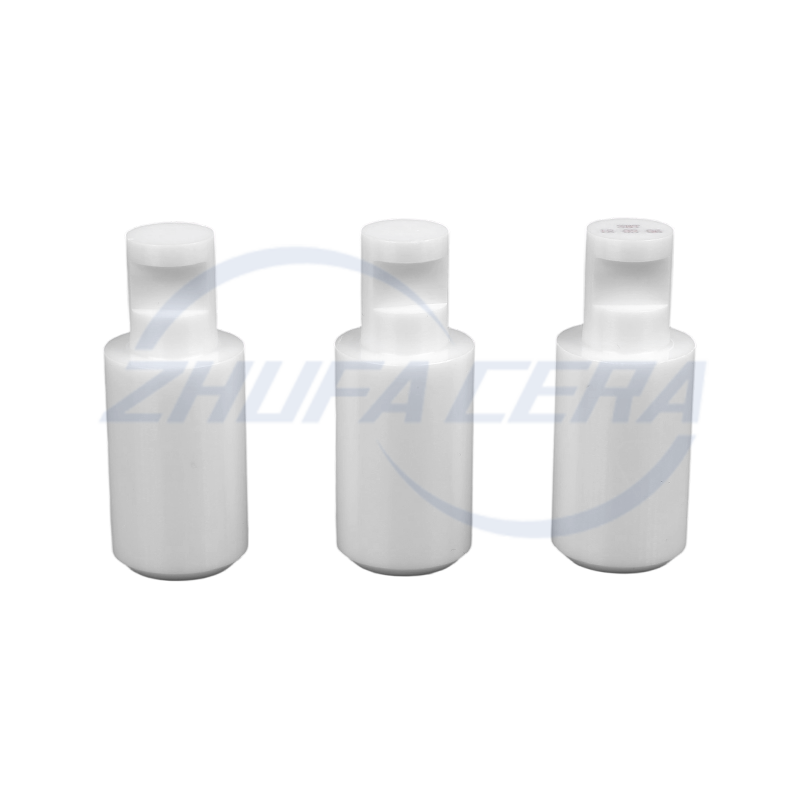
Zirconia Ceramic Plunger is a high-performance component designed for harsh industrial environments. Compared with similar ceramic or metal plunger products, it stands out with its unique material adv...
See Details


-
Quick Links
Home Products About Us Services Technology News Contact Us -
Products
Ceramic Structural Parts Zirconia Ceramics Alumina Ceramics ZTA Ceramics Silicon Nitride Ceramics Silicon Carbide Ceramics Ceramic Injection Molded Parts -
About Us
Factory Tour Honor FAQ -
Contact info
+86-188 8878 5188zf@zfcera.comNo. 1, Xinggong Road, Anchang Industrial Park, Keqiao District, Shaoxing City, Zhejiang Province, China -
WhatsApp

Copyright © Zhejiang Zhufa Precision Ceramics Technology Co., Ltd. All Rights Reserved.
China precision ceramics manufacturer
wholesale precision ceramics supplier
