

 中文简体
中文简体 русский
 Español
 عربى
عربى Português
 日本語
日本語 한국어
한국어
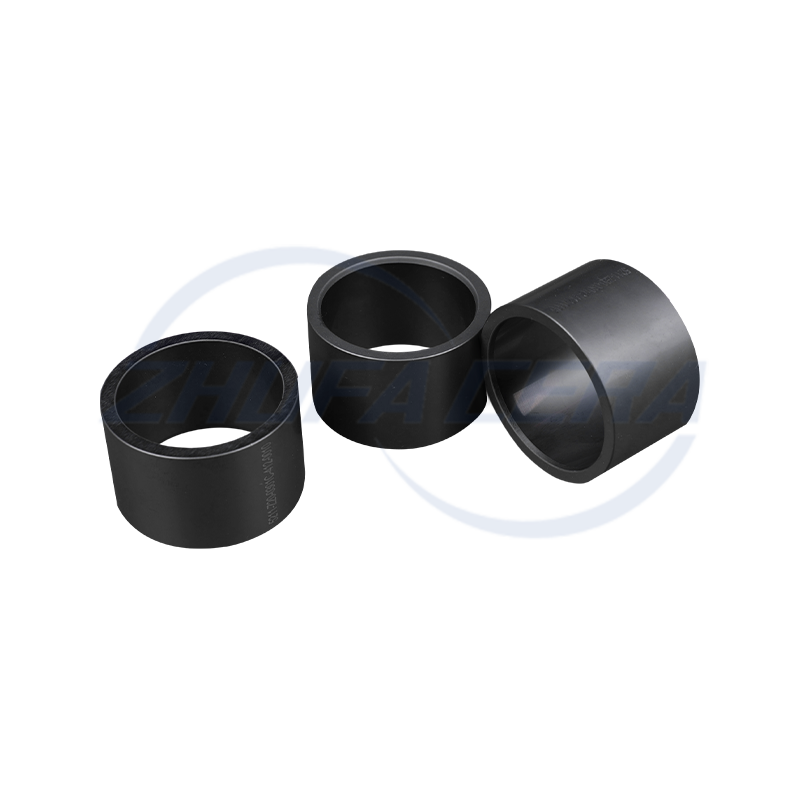
Black silicon carbide ceramic ring is a high-performance engineered ceramic assembly made of high-purity silicon carbide by precision molding and high temperature sintering. Its quadrangular crystal s...
See Details
FOLLOW US :


 Email: zf@zfcera.com
 Telephone: +86-188 8878 5188

What Are High Performance Ceramics and Why Are They Transforming Modern Industry?
2026-03-24
Content
- The Core Types of High Performance Ceramics
- High Performance Ceramics vs. Metals vs. Polymers: A Direct Comparison
- Key Industry Applications of High Performance Ceramics
- How Are High Performance Ceramics Manufactured?
- The Global High Performance Ceramics Market: Growth Drivers
- Challenges and Limitations of High Performance Ceramics
- Innovation Frontiers: What's Next for High Performance Ceramics?
- Frequently Asked Questions About High Performance Ceramics
- Conclusion: Why High Performance Ceramics Are an Engineering Priority
High performance ceramics — also called advanced ceramics or technical ceramics — are engineered inorganic, non-metallic materials manufactured to deliver exceptional mechanical, thermal, electrical, and chemical properties far beyond those of traditional ceramics. They are actively transforming industries including aerospace, medical devices, semiconductors, energy, and automotive manufacturing by offering solutions that metals and polymers simply cannot match.
Unlike conventional ceramics used in pottery or construction, high performance ceramics are precision-engineered at the microstructural level. The result is a class of materials that can withstand extreme temperatures exceeding 1,600°C, resist corrosion from harsh chemicals, maintain electrical insulation or conductivity on demand, and endure mechanical stress with minimal deformation.
The Core Types of High Performance Ceramics
Understanding the landscape of advanced ceramics begins with recognizing that there are several distinct families, each optimized for different applications.
1. Oxide Ceramics
Oxide-based high performance ceramics include alumina (Al₂O₃), zirconia (ZrO₂), and magnesia (MgO). Alumina is among the most widely used due to its excellent hardness, good thermal conductivity, and chemical inertness. Zirconia is prized for its toughness and thermal shock resistance, making it a staple in cutting tools and dental implants.
2. Non-Oxide Ceramics
Silicon carbide (SiC), silicon nitride (Si₃N₄), and boron carbide (B₄C) fall into this category. Silicon carbide ceramics are exceptional in high-temperature environments and are heavily used in semiconductor processing equipment and wear-resistant components. Silicon nitride offers superior fracture toughness and is used in engine components.
3. Piezoelectric and Functional Ceramics
These specialized technical ceramics convert mechanical energy to electrical energy and vice versa. Lead zirconate titanate (PZT) is the most commercially significant, found in ultrasonic sensors, medical imaging equipment, and precision actuators.
4. Ceramic Matrix Composites (CMCs)
CMCs embed ceramic fibers within a ceramic matrix to dramatically improve toughness — historically a weak point for ceramics. Aerospace manufacturers now use CMC components in jet engine hot sections, reducing weight by up to 30% compared to nickel superalloys while tolerating temperatures above 1,400°C.
High Performance Ceramics vs. Metals vs. Polymers: A Direct Comparison
To appreciate why engineers increasingly specify high performance ceramics, consider how they stack up against traditional engineering materials:
| Property | High Performance Ceramics | Metals (Steel/Ti) | Engineering Polymers |
| Max Service Temp. | Up to 1,600°C+ | ~600–1,200°C | ~150–350°C |
| Hardness | Extremely high (HV 1,500–2,500) | Moderate (HV 150–700) | Low |
| Density | Low (2.5–6 g/cm³) | High (4.5–8 g/cm³) | Very low (1–1.5 g/cm³) |
| Corrosion Resistance | Excellent | Variable (requires coating) | Good but degrades with UV |
| Electrical Insulation | Excellent (most types) | Conductive | Good |
| Fracture Toughness | Lower (brittle risk) | High | Moderate |
| Machinability | Difficult (requires diamond tools) | Good | Easy |
Key Industry Applications of High Performance Ceramics
Aerospace and Defense
The aerospace sector is one of the largest consumers of high performance ceramic materials. Ceramic thermal barrier coatings protect turbine blades from combustion temperatures that would otherwise melt metal substrates. Ceramic matrix composites are now standard in next-generation aircraft engines, reducing fuel burn while improving thrust-to-weight ratios. Ballistic armor using boron carbide and silicon carbide ceramics provides lightweight yet highly effective protection for military vehicles and personnel.
Medical and Biomedical Devices
Bioceramics represent a critical subset of high performance ceramics. Hydroxyapatite and zirconia are biocompatible materials used extensively in orthopedic implants, dental crowns, femoral heads in hip replacements, and spinal fusion devices. Their bio-inertness means the human body does not reject them, while their hardness ensures decades of reliable service.
Semiconductors and Electronics
The microelectronics industry depends on technical ceramics for substrate materials, chip packaging, and insulating components. Aluminum nitride (AlN) ceramics offer a rare combination of high thermal conductivity and electrical insulation — essential for power electronics and LED substrates. As the semiconductor industry pushes toward smaller nodes and higher power densities, demand for advanced ceramic components continues to surge.
Energy and Power Generation
In solid oxide fuel cells, nuclear reactors, and concentrated solar power plants, high temperature ceramics serve as critical structural and functional components. Zirconia-based electrolytes enable efficient ion transport in fuel cells. Silicon carbide components line high-temperature industrial furnaces and chemical reactors where metals would rapidly corrode.
Automotive Manufacturing
From ceramic brake pads and turbocharger rotors to oxygen sensors and catalytic converter substrates, advanced ceramics are integral to modern vehicles. Electric vehicle (EV) manufacturers increasingly specify ceramic components for battery thermal management systems and high-voltage insulators, as the industry shifts away from internal combustion systems.
How Are High Performance Ceramics Manufactured?
The production of high performance ceramic components is a multi-stage, tightly controlled process that distinguishes them from mass-produced traditional ceramics.
- Powder Synthesis: Ultra-pure ceramic powders are synthesized or sourced, with particle size distribution and purity being critical quality parameters.
- Shaping / Forming: Methods include dry pressing, isostatic pressing, injection molding, tape casting, and extrusion depending on the geometry required.
- Sintering: Green (unfired) parts are densified at high temperatures (1,200–2,000°C) in controlled atmospheres to achieve target density and microstructure.
- Post-Processing: Diamond grinding and lapping achieve tight dimensional tolerances. Many applications require surface finishes below 0.1 μm Ra.
- Inspection & Testing: Non-destructive testing including X-ray, ultrasonic, and dye penetrant inspection ensures zero defects in critical applications.
Additive manufacturing (3D printing) of ceramics is an emerging frontier. Ceramic 3D printing technologies such as stereolithography (SLA) of ceramic slurries and binder jetting now enable complex geometries previously impossible with conventional forming — opening new design possibilities for aerospace and medical applications.
The Global High Performance Ceramics Market: Growth Drivers
The global advanced ceramics market is valued at over $10 billion and continues to grow at a compound annual rate exceeding 7%, driven by several converging trends:
| Growth Driver | Impact on High Performance Ceramics | Key Sectors |
| EV & Electrification | High demand for thermal management and insulation | Automotive, Energy |
| Semiconductor Miniaturization | Need for precision ceramic substrates and packaging | Electronics |
| Next-Gen Aerospace | CMC adoption in engines reduces fuel burn by up to 15% | Aerospace, Defense |
| Aging Populations | Rising implant and prosthetics demand | Medical |
| Clean Energy Transition | Fuel cells, nuclear, and hydrogen applications | Energy |
Challenges and Limitations of High Performance Ceramics
Despite their remarkable properties, high performance ceramics are not without drawbacks. Awareness of these challenges is essential for engineers selecting materials for demanding applications.
- Brittleness: Ceramics generally have low fracture toughness. A sudden impact or thermal shock can cause catastrophic fracture without warning — unlike metals which deform plastically before failure.
- High Manufacturing Cost: The precision required in powder preparation, forming, and sintering makes advanced ceramics significantly more expensive than metals or polymers for equivalent volumes.
- Difficult Machining: The extreme hardness of technical ceramics makes post-sintering machining slow and costly, requiring diamond-tipped tooling and specialized equipment.
- Design Complexity: Ceramics cannot be easily welded or formed into complex shapes after sintering. Near-net-shape manufacturing during forming is critical.
- Variability and Reliability: Microstructural defects from processing can cause statistical variation in strength, requiring large safety factors in critical structural applications.
Research into toughened ceramics, including transformation-toughened zirconia and fiber-reinforced CMCs, directly addresses brittleness. Meanwhile, additive manufacturing is beginning to lower geometric complexity barriers.
Innovation Frontiers: What's Next for High Performance Ceramics?
The field of advanced ceramics research is advancing rapidly, with several emerging technologies poised to redefine what is possible:
Ultra-High Temperature Ceramics (UHTCs)
Hafnium diboride (HfB₂) and zirconium diboride (ZrB₂) are being developed for hypersonic vehicle leading edges and atmospheric re-entry applications. These ultra-high temperature ceramics maintain structural integrity at temperatures exceeding 2,000°C — a regime where no metal survives.
Ceramic Additive Manufacturing
3D printing of high performance ceramics is enabling on-demand production of geometrically complex components such as ceramic heat exchangers with internal lattice structures, patient-specific implants, and conformal cooling channels in industrial tooling.
Nanostructured Ceramics
Engineering ceramics at the nanoscale improves both toughness and strength simultaneously — overcoming the traditional trade-off. Nanoceramics show promise in transparent armor, optical windows, and ultra-wear-resistant coatings.
Smart and Multifunctional Ceramics
Integrating sensing, actuation, and structural functions into a single ceramic component is an active research area. Embedded piezoelectric layers in structural ceramics could enable real-time health monitoring of aerospace structures.
Frequently Asked Questions About High Performance Ceramics
Q: What is the difference between high performance ceramics and regular ceramics?
Regular ceramics (such as brick, pottery, or porcelain) use naturally occurring clays and are fired at relatively low temperatures. High performance ceramics use ultra-pure, synthetically processed powders, are fired at much higher temperatures, and are engineered to deliver specific, tightly controlled mechanical, thermal, or electrical properties for industrial applications.
Q: Which high performance ceramic is the hardest?
Diamond aside, boron carbide (B₄C) is one of the hardest known materials (Vickers hardness ~2,900 HV), followed by silicon carbide and alumina. This extreme hardness makes these ceramics ideal for cutting tools, abrasives, and ballistic armor.
Q: Are high performance ceramics biocompatible?
Yes — several bioceramics, including alumina, zirconia, and hydroxyapatite, are fully biocompatible and approved for implantable medical devices. Their chemical inertness means they do not leach ions or trigger immune responses in the human body.
Q: Why are high performance ceramics expensive?
The cost reflects the purity of raw materials, the energy-intensive sintering process, the specialized equipment required, and the tight tolerances maintained throughout manufacturing. Advanced ceramic components often command a 5–20× price premium over equivalent metal parts, justified by superior service life and performance.
Q: Can high performance ceramics conduct electricity?
Most technical ceramics are excellent electrical insulators, which is why they are used in electronic substrates and high-voltage components. However, some ceramics like silicon carbide and certain titanium oxides are semiconductors or conductors, and piezoelectric ceramics can generate or respond to electric fields.
Q: What is the future of high performance ceramics in electric vehicles?
Electric vehicles are a major growth driver for high performance ceramics. Applications include ceramic separators in lithium-ion batteries (improving thermal stability and safety), ceramic capacitors in power electronics, aluminum nitride substrates for power inverters, and ceramic brake components that reduce particulate emissions — a growing regulatory concern in urban environments.
Conclusion: Why High Performance Ceramics Are an Engineering Priority
High performance ceramics have moved from niche laboratory materials to mainstream engineering solutions across the world's most demanding industries. Their unique combination of extreme temperature tolerance, hardness, chemical resistance, and electrical versatility makes them irreplaceable in applications where no other material class can perform reliably.
As industries face ever more demanding operating environments — higher temperatures in aircraft engines, smaller feature sizes in semiconductors, longer service life in medical implants — the role of advanced ceramic materials will only expand. Coupled with breakthroughs in additive manufacturing, nanotechnology, and composite design, the next decade promises to unlock ceramic properties and applications that are today still on the drawing board.
For engineers, procurement specialists, and industry decision-makers, understanding and specifying high performance ceramics correctly is not merely a competitive advantage — it is increasingly a fundamental requirement for achieving the performance, reliability, and sustainability targets that modern markets demand.
Tags: high performance ceramics, advanced ceramics, technical ceramics, silicon carbide, alumina ceramics, ceramic matrix composites, bioceramics, high temperature ceramics
Related products
-
-
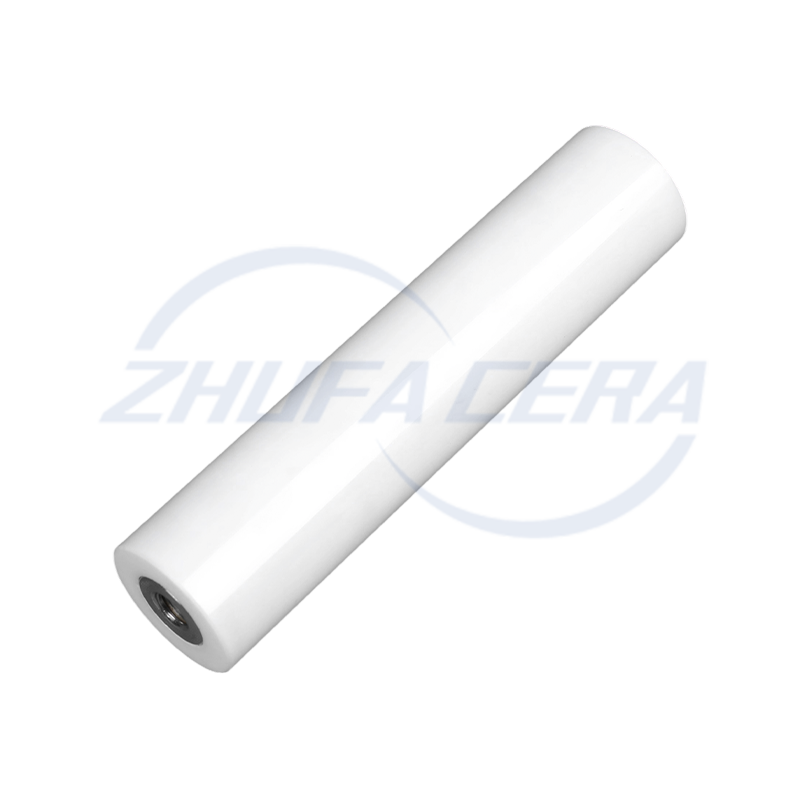
Zirconia Ceramic Rod is a high-performance ceramic material rod, mainly made of zirconium oxide, with excellent mechanical strength and chemical stability. It exhibits extremely high hardness and wear...
See Details -

Blue zirconia ceramic sheets are precision components made of advanced zirconia ceramics. They are stained with cobalt, iron or copper to form a blue color. This color not only serves as a visual i...
See Details -

This blue zirconia ceramic pin is made of advanced zirconia ceramic material, providing excellent durability and performance. Zirconia ceramics are known for their high strength, good wear resistan...
See Details -

Zirconia Ceramic Gear is made of zirconium oxide ceramic material, which has excellent high strength and high hardness. This material property enables it to effectively resist wear during the transmis...
See Details -

Zirconia Ceramic Guide Rail is a high-performance precision mechanical component made of zirconium oxide ceramic material. Its core characteristics are derived from the excellent physical and chemical...
See Details -
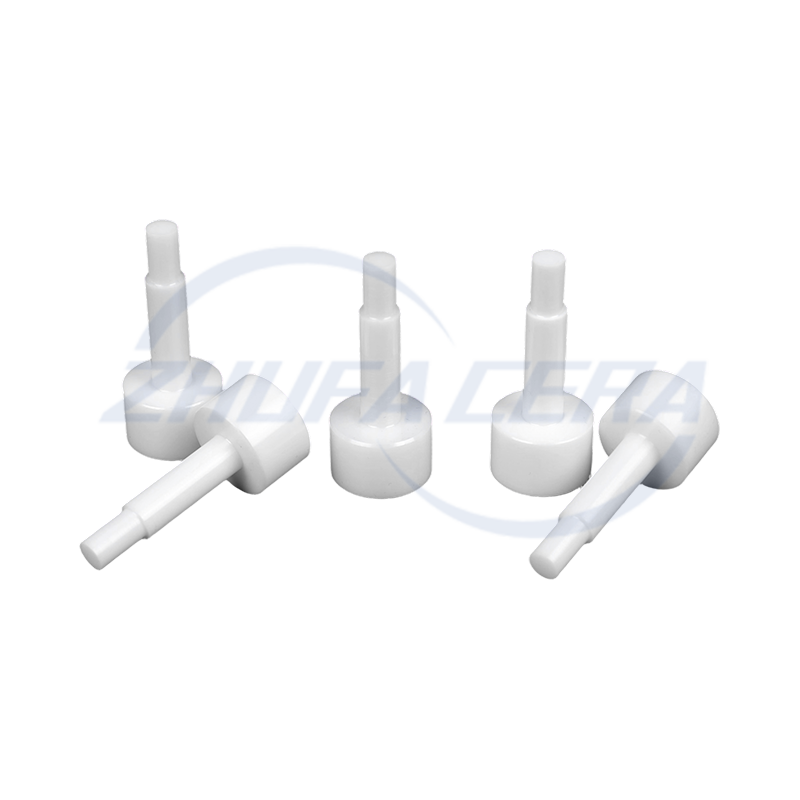
Zirconia Ceramic Locating Pin is a high-precision positioning element made of advanced zirconium oxide ceramic material with excellent physical and chemical properties. Its main characteristics includ...
See Details -

Zirconia Ceramic Ring is a high-performance ceramic product known for its excellent physical and chemical properties. It has extremely high hardness and strength, with a Mohs hardness of more than 8.5...
See Details -
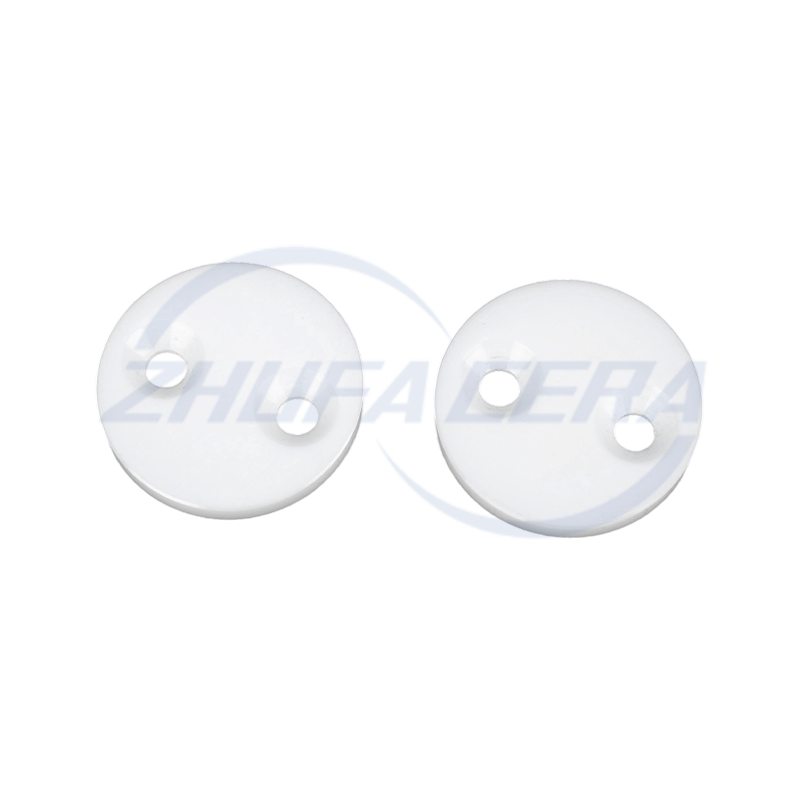
Zirconia ceramic sheets have become functional core components in various fields thanks to their unique properties. With a flexural strength of 900–1200 MPa and a fracture toughness of 6–10 MPa・m¹/², ...
See Details -

Zirconia Ceramic Strip is a strip material made of high-performance zirconium oxide ceramic with excellent physical and chemical properties. It has extremely high hardness and flexural strength, can e...
See Details -
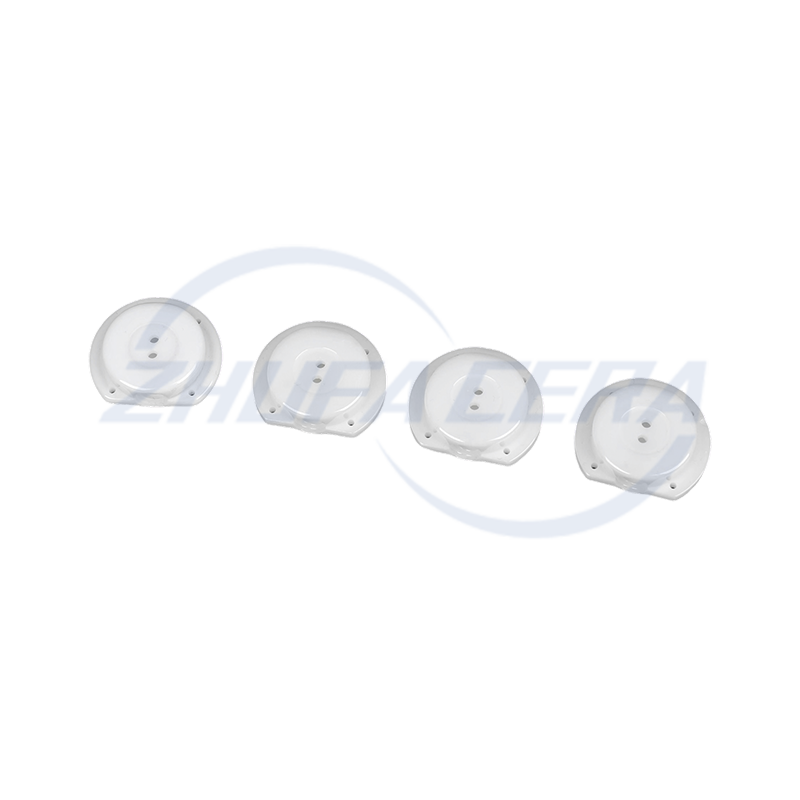
Zirconia ceramic wafers are representative products in the field of high-performance structural ceramics. Compared with traditional alumina ceramics or metal materials, its comprehensive performanc...
See Details -
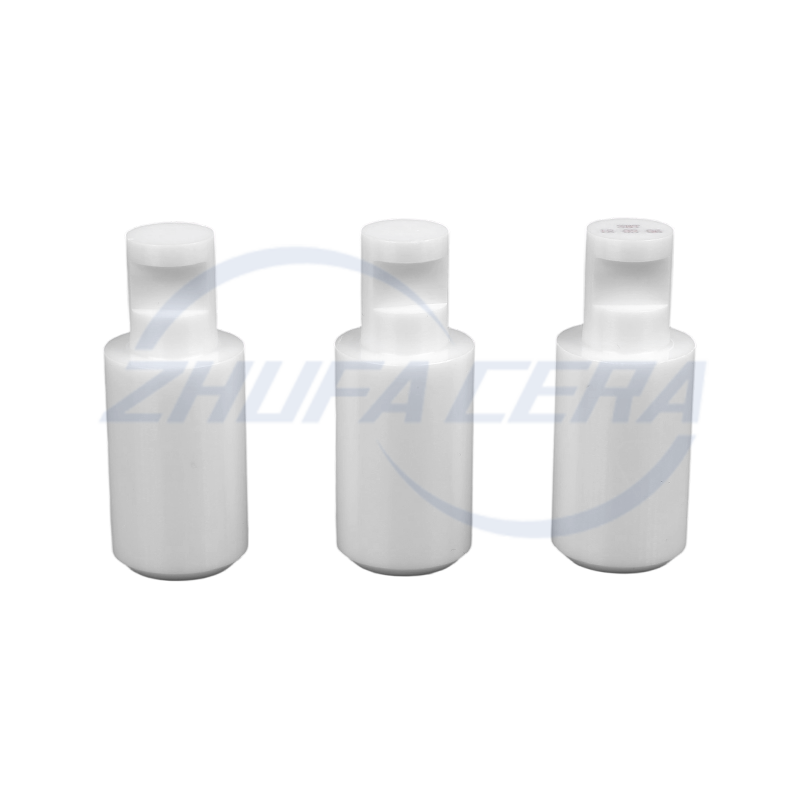
Zirconia Ceramic Plunger is a high-performance component designed for harsh industrial environments. Compared with similar ceramic or metal plunger products, it stands out with its unique material adv...
See Details


-
Quick Links
Home Products About Us Services Technology News Contact Us -
Products
Ceramic Structural Parts Zirconia Ceramics Alumina Ceramics ZTA Ceramics Silicon Nitride Ceramics Silicon Carbide Ceramics Ceramic Injection Molded Parts -
About Us
Factory Tour Honor FAQ -
Contact info
+86-188 8878 5188zf@zfcera.comNo. 1, Xinggong Road, Anchang Industrial Park, Keqiao District, Shaoxing City, Zhejiang Province, China -
WhatsApp

Copyright © Zhejiang Zhufa Precision Ceramics Technology Co., Ltd. All Rights Reserved.
China precision ceramics manufacturer
wholesale precision ceramics supplier
