FOLLOW US :


 Email: zf@zfcera.com
 Telephone: +86-188 8878 5188


 中文简体
中文简体 русский
 Español
 عربى
عربى Português
 日本語
日本語 한국어
한국어

Silicon Carbide Ceramics Manufacturers
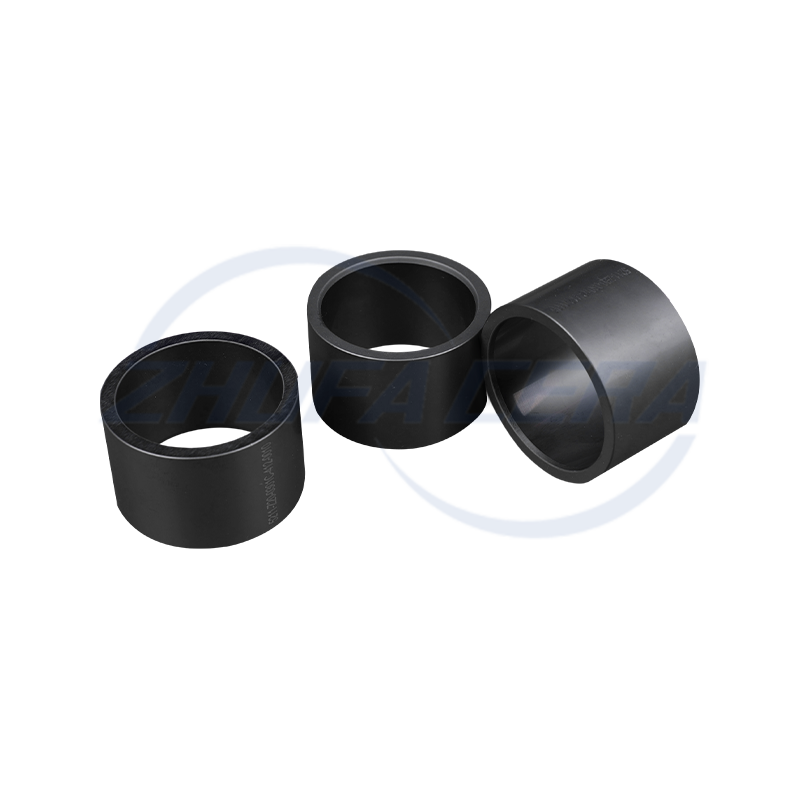

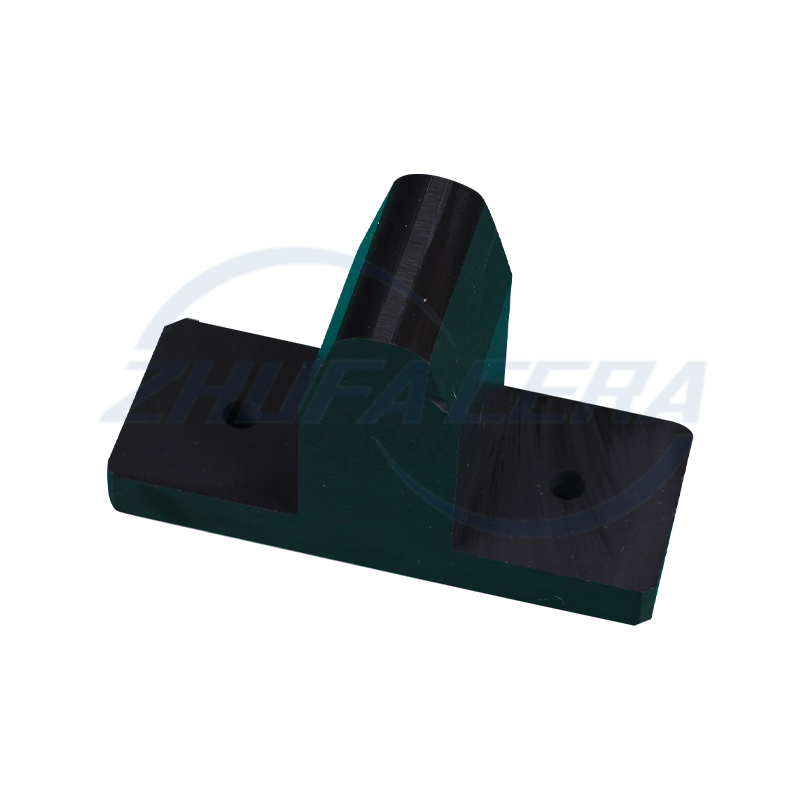
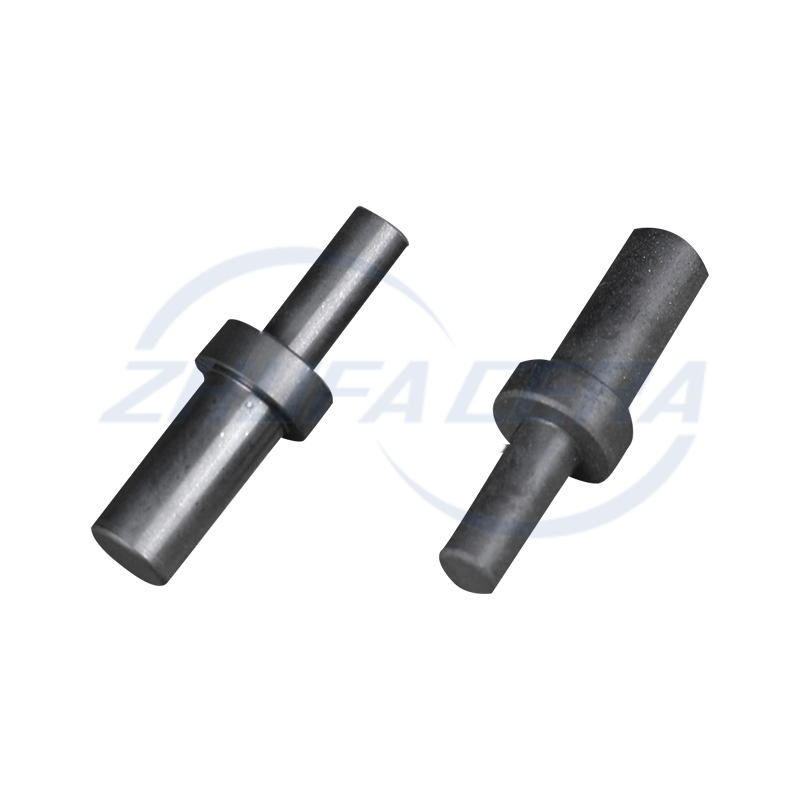
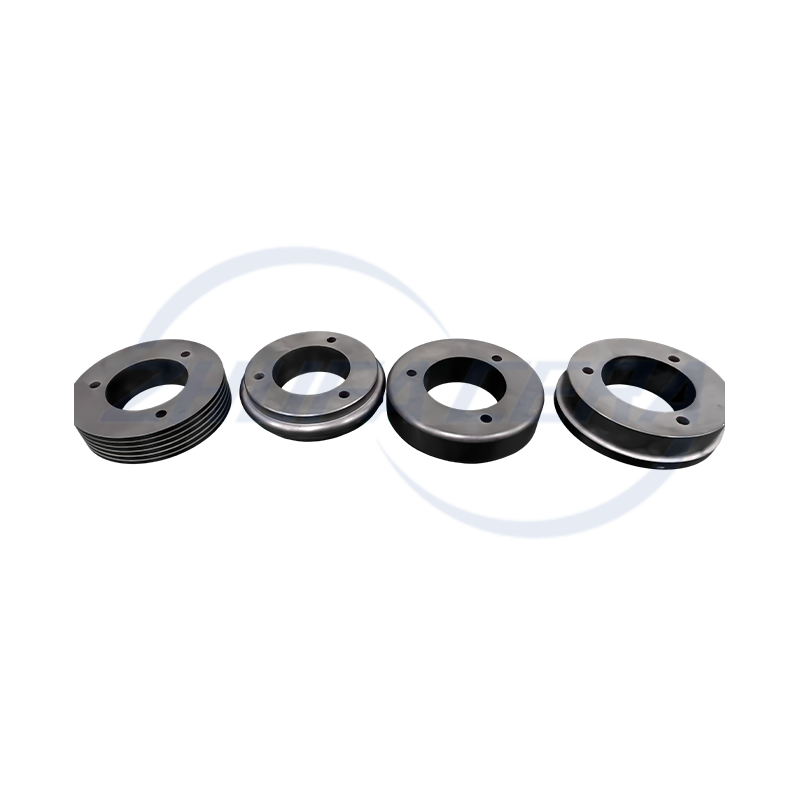
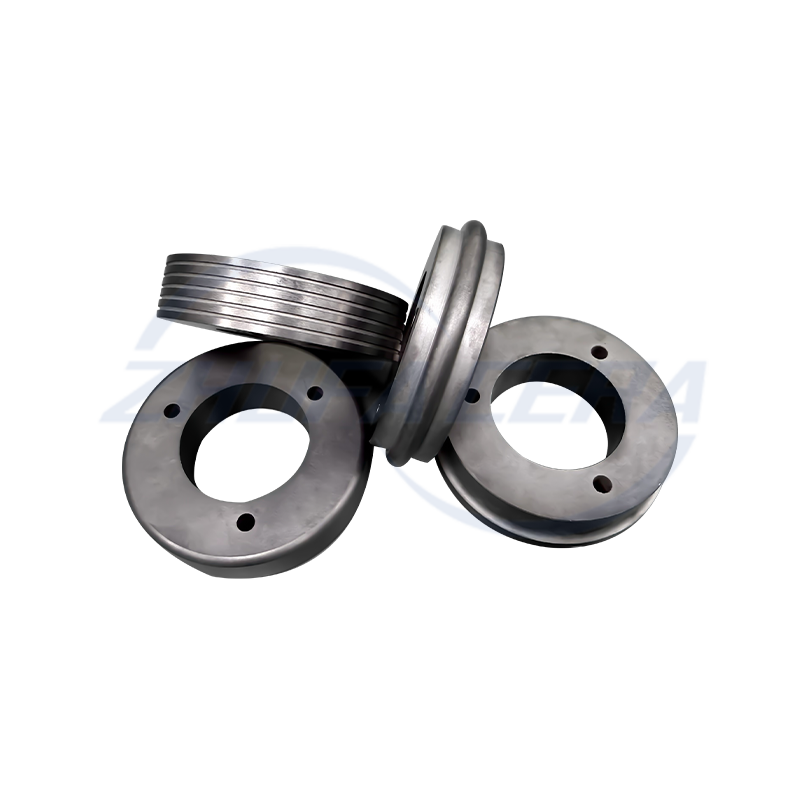
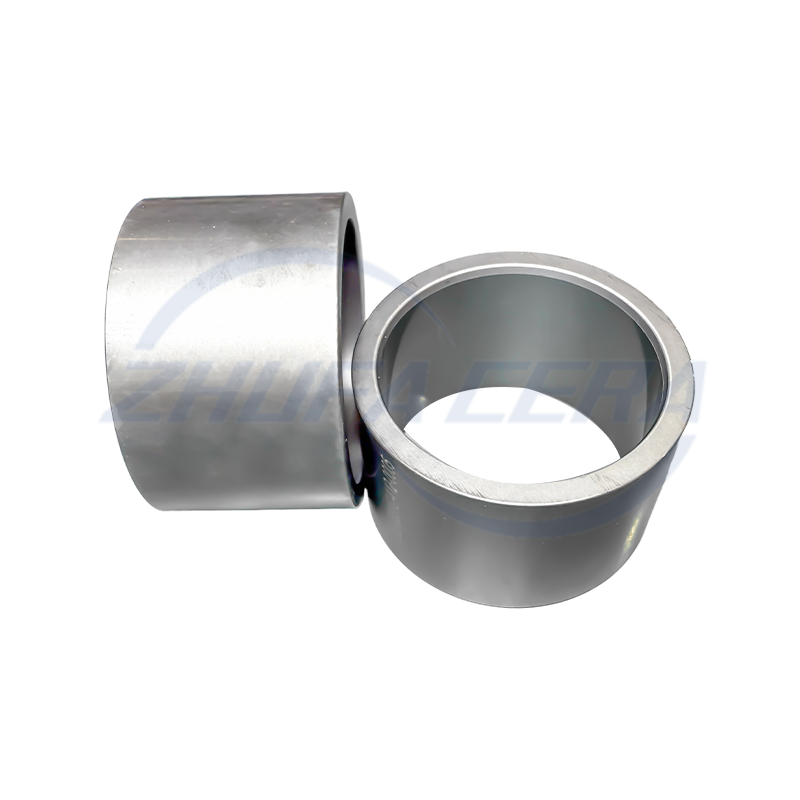
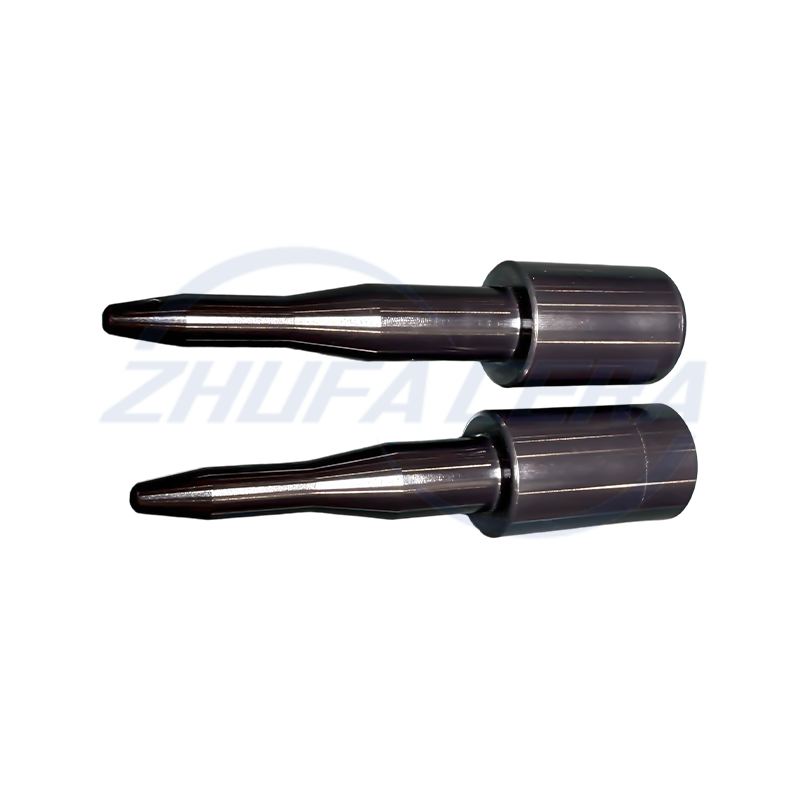
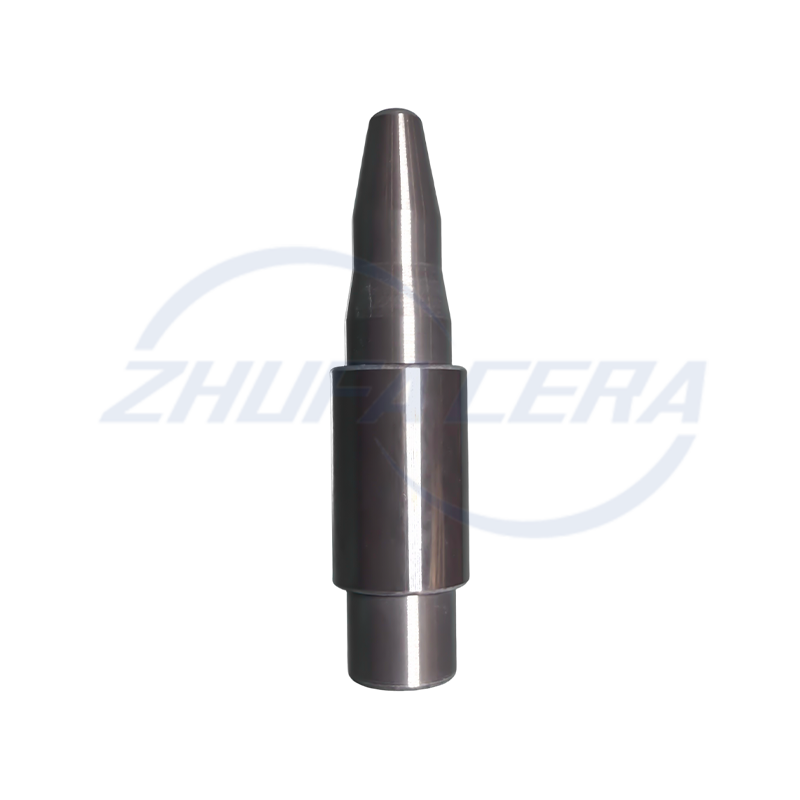
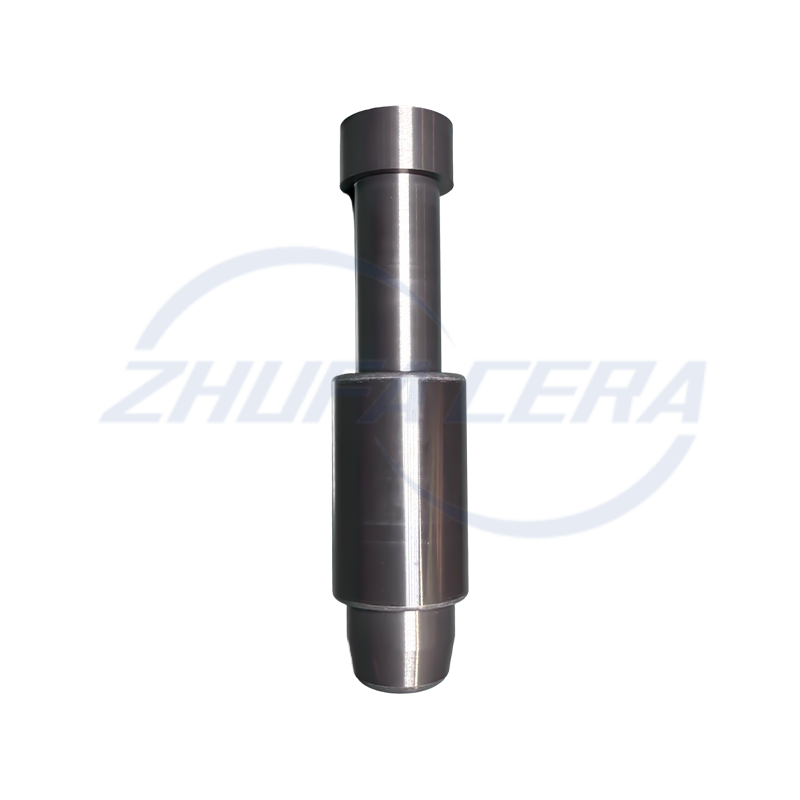
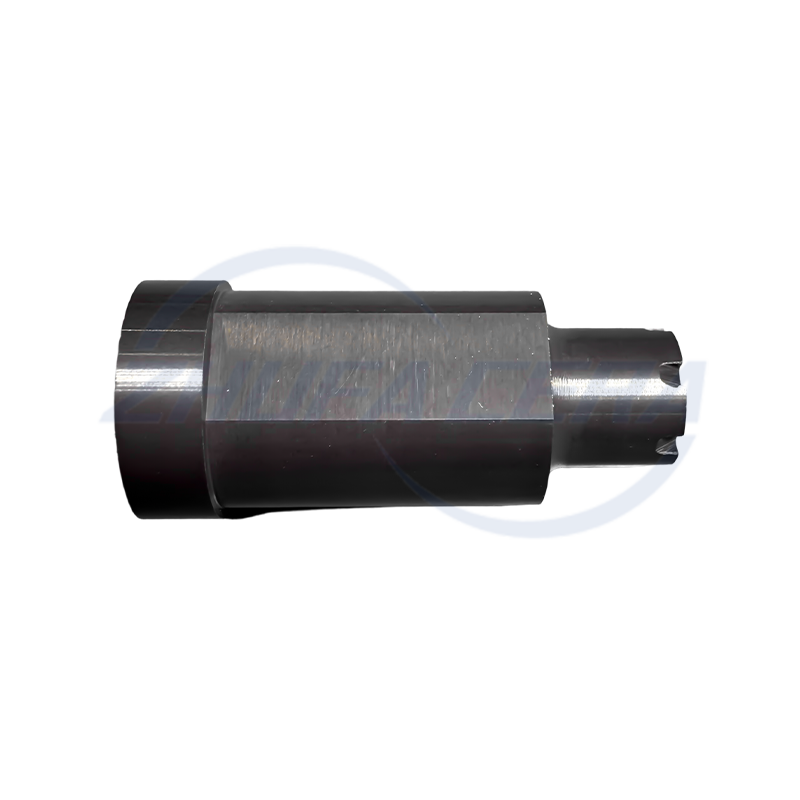
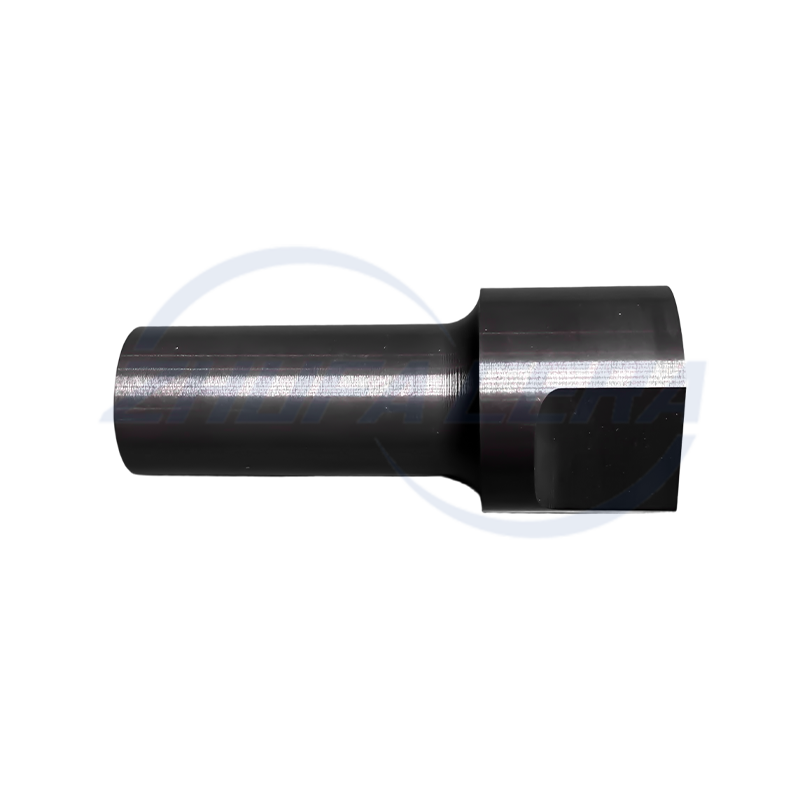
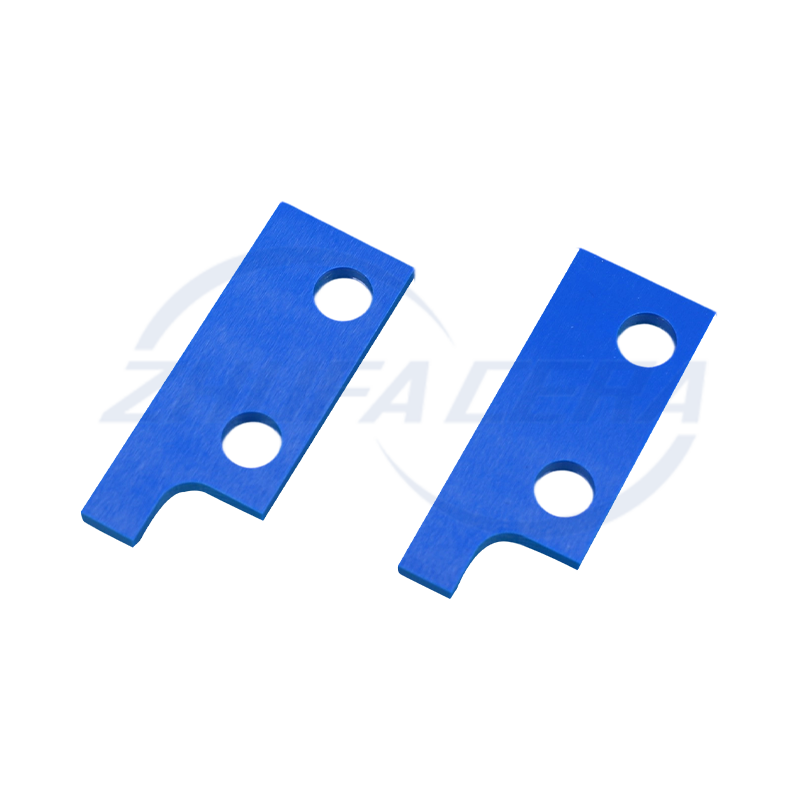
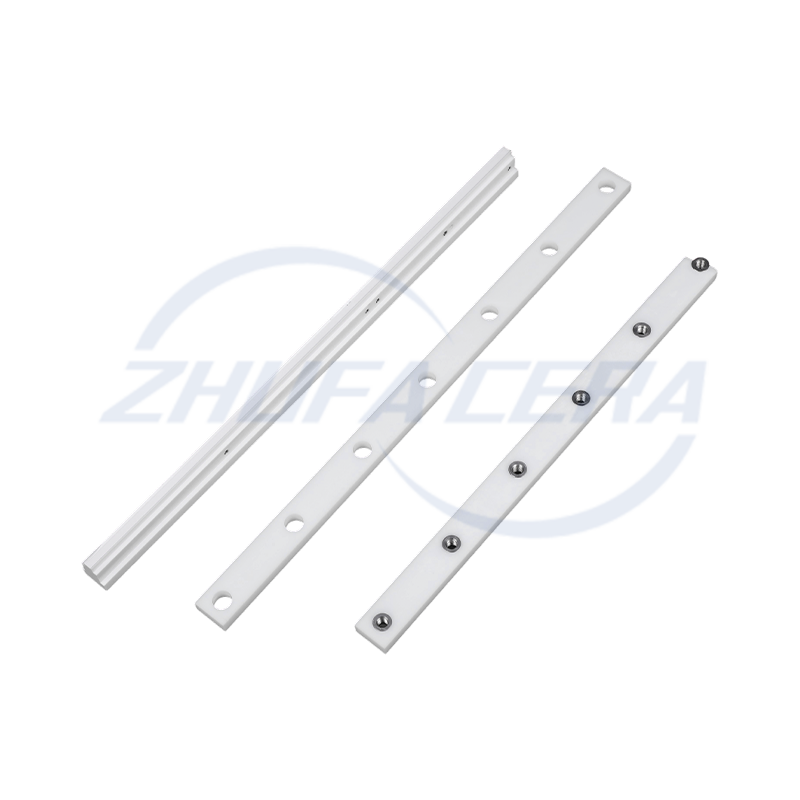
Silicon Carbide Ceramics represents a key category of advanced ceramic materials, known for its excellent comprehensive performance in extreme environments. The most notable features of this type of high-performance ceramics are its extremely high hardness (second only to diamond), excellent wear resistance, excellent chemical corrosion resistance, excellent high-temperature stability (melting point over 1900°C), good thermal conductivity and low thermal expansion coefficient. With these unique properties, Silicon Carbide Ceramics has found core applications in many demanding industrial fields, such as: as high-temperature and plasma-etching resistant components in semiconductor manufacturing equipment; high-temperature kiln furniture, heat exchangers and burner nozzles; high-performance mechanical seals and bearings, especially in corrosive, non-lubricated or high-temperature conditions; and bulletproof armor materials. Whether facing extreme temperatures, strong wear, corrosive media or high-load impact, Silicon Carbide Ceramics has demonstrated its reliability and long life as a key engineering material, becoming an important technology enabler to promote modern industry to improve efficiency, reliability and break through technical bottlenecks.
About Us
Zhejiang Zhufa Precision Ceramics Technology Co., Ltd.
Zhejiang Zhufa Precision Ceramics Technology Co., Ltd. is China Silicon Carbide Ceramics Manufacturers and Silicon Carbide Ceramics Company, a manufacturing enterprise focusing on customized processing of advanced ceramic materials and precision ceramic structural parts. Its headquarters is located in Shaoxing, Zhejiang, the core area of the Yangtze River Delta in China. Since its establishment in 2022, Zhufa has always adhered to the concept of "strict selection of excellent materials, intelligent manufacturing, meticulous inspection, and sincere service", and is committed to providing stable and reliable ceramic products and personalized solutions for global industrial customers. The company has 30,000 square meters of modern plant and more than 50 core equipment, including dry pressing molding machine, isostatic pressing equipment, injection molding machine, high temperature sintering furnace, CNC engraving machine, surface grinder, centerless grinder, punch machine, honing machine, etc., with full-process production capacity from raw materials to finished products, and realizes independent control of the whole process.
The company's main structural ceramic products cover a variety of materials such as zirconium oxide, aluminum oxide, silicon nitride, silicon carbide, aluminum nitride, etc. The types of parts include ceramic rods, ceramic tubes, ceramic sheets, seals and complex special-shaped parts, which are widely used in semiconductors, medical, new energy, automation equipment, laser technology, military industry and precision instruments. As a source factory integrating industry and trade, Zhufa supports customization, rapid prototyping, small batch flexible production and OEM cooperation. Since its establishment, the company has invested more than 10 million yuan in research and development, and continues to optimize material formulations and processing technology, always taking quality as the core, delivery as the guarantee, and service as the driving force to create long-term value for customers.
Message Feedback


Silicon Carbide Ceramics Industry knowledge
Silicon Carbide Ceramics: Practical Manufacturing & Application Insights
What Core Properties Make Silicon Carbide Ceramics Indispensable for Industrial Use?
Silicon carbide ceramics stand out in advanced ceramic materials due to a unique combination of performance characteristics that address critical industrial pain points. Chemically stable with a molecular formula of SiC, it exhibits exceptional mechanical strength—boasting a flexural strength of 400-600 MPa and a Mohs hardness of 9.2, second only to diamond—making it highly resistant to wear and impact. Its thermal properties are equally remarkable: it can withstand temperatures up to 1600℃ in oxidizing environments and has a low thermal expansion coefficient (3.5-4.8×10⁻⁶/℃), ensuring minimal deformation even under rapid temperature fluctuations. Additionally, it offers excellent electrical insulation (volume resistivity >10¹² Ω·cm at room temperature) and corrosion resistance to most acids, alkalis, and molten salts, except for strong oxidizing acids like concentrated nitric acid.
These properties align with the diverse needs of industrial customers for performance, precision, and efficiency—requirements that Zhejiang Zhufa Precision Ceramics Technology Co., Ltd. addresses through its customized advanced ceramic solutions, which include silicon carbide alongside other materials like zirconia and alumina. For applications demanding durability in harsh conditions, SiC ceramics’ inherent strengths make them a go-to choice, and manufacturers like Zhufa leverage these traits to develop components that outperform traditional metal or plastic alternatives.
What Key Steps Determine the Quality of Silicon Carbide Ceramic Manufacturing?
The manufacturing process of silicon carbide ceramics is a precision-driven sequence, with each step directly influencing the final product’s performance. Raw material preparation is the first critical stage: high-purity SiC powder (typically 99% purity or higher) must be uniformly mixed with sintering aids (such as boron carbide and carbon) to lower the sintering temperature and improve densification. Uneven mixing can lead to voids or inconsistent grain growth, compromising strength.
Next, molding methods are selected based on component shape and precision requirements. Zhejiang Zhufa Precision Ceramics Technology Co., Ltd. utilizes advanced equipment like dry pressing, cold isostatic pressing, and injection molding in its 30,000㎡ manufacturing base to cater to different needs: dry pressing is ideal for simple shapes (e.g., washers, plates) with high production efficiency; cold isostatic pressing ensures uniform density for complex structural parts; injection molding enables the creation of intricate components like semiconductor wafer handling fixtures.
Sintering is the most critical step, requiring high-temperature furnaces (1900-2200℃) and precise atmosphere control (often argon or vacuum) to avoid oxidation. Even a 50℃ deviation from the optimal sintering temperature can reduce the material’s relative density from over 95% (required for industrial use) to below 90%, drastically lowering its mechanical performance. Post-sintering finishing, using CNC engraving machines, surface grinders, and centerless grinders—equipment that Zhufa also equips its facility with—ensures dimensional precision (up to ±0.005mm) and smooth surface quality, meeting the strict standards for precision structural components.
How to Match Silicon Carbide Ceramic Components to Specific Industrial Applications?
Selecting the right silicon carbide ceramic specifications for an application requires aligning the material’s properties with the industry’s unique operating conditions. Here are practical adaptation guidelines for key sectors:
Automotive Industry: For engine parts, fuel cell components, and braking systems, SiC ceramics’ high-temperature resistance and wear resistance reduce component degradation. For example, SiC seals in automotive water pumps withstand 120-150℃ temperatures and frequent friction, improving the pump’s service life by 3-5 times compared to rubber seals. Zhejiang Zhufa Precision Ceramics supports non-standard processing for such automotive components, ensuring they fit specific engine or braking system designs while enhancing safety and durability—key factors in new energy and smart car development.
Photovoltaic Industry: In wafer cutting and high-temperature sintering processes, SiC ceramic parts (e.g., cutting blades, sintering trays) resist the abrasive wear of silicon wafers and maintain stability at 800-1200℃. Their low thermal expansion coefficient prevents tray warping, ensuring consistent wafer positioning and reducing production defects. Zhufa’s ability to provide small-batch proofing allows PV equipment manufacturers to test and validate SiC components before large-scale deployment, optimizing production efficiency.
Petrochemical Industry: Pumps, valves, and reactor internals made of SiC ceramics withstand corrosive media like sulfuric acid and hydrochloric acid at 200-500℃. For instance, SiC valve cores in chemical pipelines reduce leakage risks and extend maintenance intervals from 6 months (for metal cores) to 2 years. Zhufa’s cross-industry expertise helps petrochemical clients select the right SiC grade (e.g., reaction-bonded vs. sintered SiC) based on their specific chemical environment, ensuring reliable operation.
Semiconductor Industry: Wafer handling and etching equipment require SiC ceramics with high purity (99.9% or higher) to avoid contamination. Their insulation and thermal stability prevent electrostatic damage to wafers and ensure consistent performance during deposition processes. Zhufa’s in-house manufacturing capabilities, from raw material processing to precision finishing, enable the production of ultra-pure SiC components that meet semiconductor industry standards for cleanliness and precision.
What Quality Control Measures Ensure Consistent Performance of Silicon Carbide Ceramics?
Consistency in silicon carbide ceramic performance relies on strict quality control (QC) throughout the manufacturing cycle—an area where Zhejiang Zhufa Precision Ceramics Technology Co., Ltd. adheres to strict control standards. Raw material QC involves testing powder purity via X-ray fluorescence (XRF) and particle size distribution using laser diffraction, ensuring no impurities exceed 0.1% (which could weaken the final product).
During sintering, real-time temperature monitoring with thermocouples and atmosphere control systems prevents oxidation or incomplete densification. Post-production testing includes measuring relative density via the Archimedes method (requiring ≥95% for industrial use), flexural strength testing with a universal testing machine, and dimensional inspection using coordinate measuring machines (CMMs) to verify precision. For corrosion-resistant applications, samples undergo 1000-hour immersion tests in target media to confirm no weight loss or structural damage.
Zhufa’s well-structured production workflow and QC system ensure that even for non-standard or small-batch orders, each silicon carbide component meets performance and reliability requirements. This attention to detail is critical for industrial customers, as inconsistent ceramic quality can lead to equipment downtime, increased maintenance costs, and compromised safety—risks that strict QC mitigates.
Why Choose Custom Silicon Carbide Services, and What Advantages Do They Offer?
For many industrial applications, off-the-shelf silicon carbide components fail to meet unique size, shape, or performance requirements—making custom services a practical necessity. Providers like Zhejiang Zhufa Precision Ceramics offer key advantages that address these needs:
Fully in-house manufacturing eliminates reliance on third-party suppliers, reducing lead times and ensuring better control over production quality. Low-volume & multi-type capabilities allow for small-batch proofing (even 1-10 pieces), enabling clients to validate designs without large upfront investments. Direct engineering support helps optimize component design—for example, adjusting a SiC pump impeller’s geometry to improve fluid flow while maintaining structural strength—reducing costs and shortening development cycles.
Zhufa’s customer-centric approach, which includes full-process services from prototyping to large-scale production, ensures that custom silicon carbide components align with clients’ exact specifications. This flexibility is particularly valuable for industries like new energy vehicles or semiconductors, where unique component designs are often required to improve equipment performance. By leveraging custom services, clients can enhance their own market competitiveness while benefiting from the inherent strengths of silicon carbide ceramics.


-
Quick Links
Home Products About Us Services Technology News Contact Us -
Products
Ceramic Structural Parts Zirconia Ceramics Alumina Ceramics ZTA Ceramics Silicon Nitride Ceramics Silicon Carbide Ceramics Ceramic Injection Molded Parts -
About Us
Factory Tour Honor FAQ -
Contact info
+86-188 8878 5188zf@zfcera.comNo. 1, Xinggong Road, Anchang Industrial Park, Keqiao District, Shaoxing City, Zhejiang Province, China -
Qrcode
Copyright © Zhejiang Zhufa Precision Ceramics Technology Co., Ltd. All Rights Reserved.
China Silicon Carbide Ceramics Manufacturers Silicon Carbide Ceramics Company
