

 中文简体
中文简体 русский
 Español
 عربى
عربى Português
 日本語
日本語 한국어
한국어
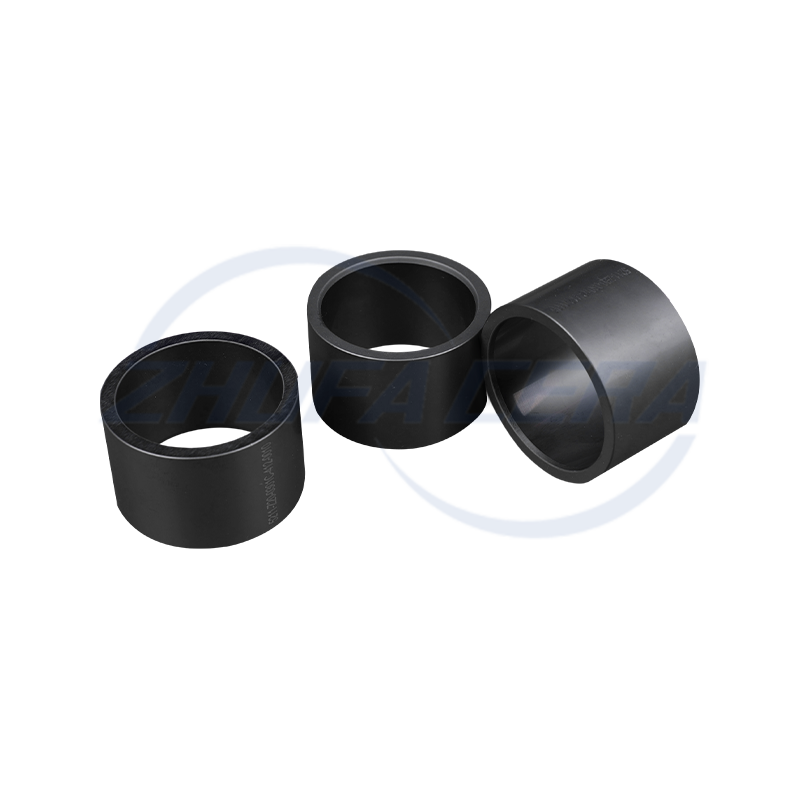
Black silicon carbide ceramic ring is a high-performance engineered ceramic assembly made of high-purity silicon carbide by precision molding and high temperature sintering. Its quadrangular crystal s...
See Details
FOLLOW US :


 Email: zf@zfcera.com
 Telephone: +86-188 8878 5188

Alumina Ceramics: Why Is This 'All-Round Material' Hidden in Industry a Must-Have?
2025-10-11
Content
- I. How Impressive Are Its Performance Indicators? Unlocking Three Core Advantages
- II. Which Fields Cannot Do Without It? The Truth About Applications in Five Scenarios
- III. How Is Technology Upgrading? The Breakthrough from "Usable" to "Good to Use"
- IV. Are There Skills for Selection and Use? Check These Points for Avoiding Pitfalls
- V. What to Do When Failures Occur During Use? Emergency Solutions for Common Problems
- VI. Is the Investment Cost Worth It? Benefit Calculation Methods for Different Scenarios
- VII. How to Choose for Different Scenarios? A Targeted Selection Guide
- VIII. How Does It Compare to Other Materials? An Analysis of Alternative Materials
- IX. How to Install and Maintain? Practical Procedures and Maintenance Points
- X. Conclusion: The Indispensable Role of Alumina Ceramics in Industrial Evolution
I. How Impressive Are Its Performance Indicators? Unlocking Three Core Advantages
As an "invisible champion" in the industrial field, alumina ceramics derive their core competitiveness from performance data that outperforms traditional materials such as metals and plastics, with clear practical support across different scenarios.
In terms of hardness and wear resistance, its Mohs hardness reaches level 9—second only to diamond (level 10) and far exceeding ordinary steel (level 5-6). After nanocrystalline sintering, its grain size can be controlled between 50-100 nm, and surface roughness drops below Ra 0.02 μm, further enhancing wear resistance. A gold mine’s slurry transportation project demonstrates that replacing steel-lined pipes with nanocrystalline alumina ceramic liners reduced the wear rate to 1/20 of that of steel. Even after 5 years of continuous use, the liners still had less than 0.5 mm of wear, whereas traditional steel liners require replacement every 3-6 months. In cement plants, alumina ceramic elbows have a service life of 8-10 years—6-8 times longer than high-manganese steel elbows—cutting annual maintenance times by 3-4 and saving enterprises nearly one million yuan in maintenance costs each year.
Its high-temperature resistance is equally outstanding. Pure alumina ceramics have a melting point of approximately 2050°C and can operate stably at 1400°C for extended periods. With a thermal expansion coefficient of only 7.5×10⁻⁶/°C (within the 20-1000°C range), they can be perfectly matched with carbon steel and stainless steel through transition layer design, preventing cracking caused by thermal cycles. In a thermal power plant’s 800°C high-temperature ash transportation system, replacing 1Cr18Ni9Ti alloy liners with 95% alumina ceramic liners extended the service life from 6-8 months to 3-4 years—a fivefold increase. Additionally, the smooth surface of the ceramics reduces ash adhesion, lowering transportation resistance by 15% and saving 20% in energy loss annually.
In terms of chemical stability, alumina ceramics are inert materials with strong resistance to acids, alkalis, and salts. Laboratory tests show that a 99% purity ceramic sample immersed in 30% sulfuric acid for 1 year had a weight loss of less than 0.01 g and no visible corrosion. In contrast, a 316L stainless steel sample under the same conditions lost 0.8 g and showed obvious rust spots. In chemical plants, alumina ceramic liners used in 37% concentrated hydrochloric acid tanks have remained leak-free after 10 years of use, doubling the service life of traditional FRP (fiber-reinforced plastic) liners and eliminating safety hazards associated with FRP aging.
II. Which Fields Cannot Do Without It? The Truth About Applications in Five Scenarios
The "all-round properties" of alumina ceramics make them irreplaceable in key industrial and medical fields, effectively solving critical pain points in these sectors.
In the mining industry, beyond slurry transportation pipes, alumina ceramics are widely used in crusher liners and ball mill grinding media. A copper mine that replaced steel balls with 80 mm alumina ceramic balls reduced energy consumption by 25%—thanks to the ceramic balls’ density being only 1/3 that of steel. This replacement also eliminated iron ion contamination of the slurry, increasing the copper concentrate grade by 2% and boosting annual copper output by 300 tons. Coating the impellers of flotation machines with alumina ceramics tripled their wear resistance, extending the service life from 2 months to 6 months and reducing unplanned downtime for maintenance.
In the electric power sector, alumina ceramics play a vital role in protecting boiler pipes, insulating transformers, and transporting high-temperature ash. A thermal power plant that applied 0.3 mm thick plasma-sprayed alumina ceramic coatings to its economizer pipes reduced the pipe wear rate by 80% and the corrosion rate from 0.2 mm/year to 0.04 mm/year. This extended the pipe service life from 3 years to 10 years, saving approximately 500,000 yuan per boiler in annual replacement costs. For 500 kV substations, 99.5% purity alumina ceramic insulators have an insulation strength of 20 kV/mm and can withstand temperatures up to 300°C, reducing the lightning trip rate by 60% compared to traditional insulators.
In the semiconductor industry, 99.99% purity alumina ceramics—with metal impurity content below 0.1 ppm—are essential for manufacturing lithography machine stages. These ceramics ensure that the iron content in processed wafers remains below 5 ppm, meeting the strict requirements of 7 nm chip manufacturing. Additionally, the shower heads in semiconductor etching equipment are made of alumina ceramics with a surface precision of ±0.005 mm, ensuring uniform distribution of etching gas and controlling the etching rate deviation within 3%, thereby improving chip production yield.
In new energy vehicles, 0.5 mm thick alumina ceramic heat-conducting sheets are used in battery thermal management systems. These sheets have a thermal conductivity of 30 W/(m·K) and a volume resistivity exceeding 10¹⁴ Ω·cm, effectively stabilizing the battery pack temperature within ±2°C and preventing thermal runaway. Alumina ceramic bearings (99% purity) have a friction coefficient of only 0.0015—1/3 that of traditional steel bearings—and a service life of 500,000 km (three times longer than steel bearings). Using these bearings reduces vehicle weight by 40% and cuts electricity consumption per 100 km by 1.2 kWh.
In the medical field, the excellent biocompatibility of alumina ceramics makes them ideal for implantable devices. For example, 28 mm diameter alumina ceramic femoral heads for artificial hip joints undergo ultra-precision polishing, resulting in a surface roughness of Ra <0.01 μm. This low friction coefficient enables patients to achieve a 120° range of motion after surgery. Clinical data shows that 5 years after implantation, 92% of patients retain this mobility, and the prosthetic loosening rate is only 3%—far lower than the 8% loosening rate of traditional metal prostheses. For dental implants, alumina ceramic surfaces are treated with sandblasting and acid etching to form a porous structure, promoting osteocyte adhesion and achieving a 95% osseointegration rate within 3 months. The ceramic’s color also closely matches that of natural teeth, meeting aesthetic requirements.
III. How Is Technology Upgrading? The Breakthrough from "Usable" to "Good to Use"
Recent advancements in alumina ceramic manufacturing have focused on three key areas: process innovation, intelligent upgrading, and material compounding—all aimed at enhancing performance, reducing costs, and expanding application scenarios.
Process Innovation: 3D Printing and Low-Temperature Sintering
3D printing technology addresses the challenges of manufacturing complex-shaped ceramic components. Photocurable 3D printing for alumina ceramic cores enables the integrated forming of curved flow channels as small as 2 mm in diameter. This process improves dimensional precision to ±0.1 mm and reduces surface roughness from Ra 1.2 μm (traditional slip casting) to Ra 0.2 μm, lowering the wear rate of components by 20%. An engineering machinery company used this technology to produce ceramic valve cores for hydraulic systems, cutting the delivery time from 45 days (traditional processing) to 25 days and reducing the rejection rate from 8% to 2%.
Low-temperature sintering technology—achieved by adding nanoscale sintering aids such as MgO or SiO₂—reduces the sintering temperature of alumina ceramics from 1800°C to 1400°C, resulting in a 40% reduction in energy consumption. Despite the lower temperature, the sintered ceramics maintain a density of 98% and a Vickers hardness (HV) of 1600, comparable to high-temperature sintered products. A ceramic manufacturer adopting this technology saved 200,000 yuan in annual electricity costs for producing wear-resistant liners, while also reducing exhaust emissions associated with high-temperature sintering.
Intelligent Upgrading: Sensor Integration and AI-Driven Maintenance
Intelligent alumina ceramic components embedded with sensors enable real-time monitoring of operating conditions. For example, ceramic liners with built-in 0.5 mm thick pressure sensors can transmit data on surface pressure distribution and wear status to a central control system with an accuracy of over 90%. A coal mine implemented these intelligent liners on its scraper conveyors, shifting from a fixed 3-month maintenance cycle to a dynamic 6-12 month cycle based on actual wear data. This adjustment reduced maintenance costs by 30% and minimized unplanned downtime. Additionally, AI algorithms analyze historical wear data to optimize parameters such as material flow rate and transportation speed, further extending the service life of ceramic components by 15%.
Material Compounding: Enhancing Functionalities
Compounding alumina ceramics with other nanomaterials expands their functional range. Adding 5% graphene to alumina ceramics (via hot-pressing sintering) increases their thermal conductivity from 30 W/(m·K) to 85 W/(m·K) while maintaining excellent insulation performance (volume resistivity >10¹³ Ω·cm). This composite ceramic is now used as a heat dissipation substrate for LED chips, improving heat dissipation efficiency by 40% and extending the LED service life by 20,000 hours.
Another innovation is MXene (Ti₃C₂Tₓ)-alumina composite ceramics, which achieve an electromagnetic shielding effectiveness of 35 dB in the 1-18 GHz frequency band and can withstand temperatures up to 500°C. These composites are used in 5G base station signal shields, effectively blocking external interference and ensuring stable signal transmission—reducing the signal bit error rate from 10⁻⁶ to 10⁻⁹.
IV. Are There Skills for Selection and Use? Check These Points for Avoiding Pitfalls
Scientific selection and proper use of alumina ceramics are critical to maximizing their value and avoiding common mistakes that lead to premature failure or unnecessary costs.
1. Purity Matching Based on Application Scenarios
The purity of alumina ceramics directly affects their performance and cost, so it should be selected based on specific needs:
High-end fields such as semiconductors and precision electronics require ceramics with a purity of over 99% (preferably 99.99% for semiconductor components) to ensure low impurity content and high insulation.
Industrial wear scenarios (e.g., mining slurry pipes, power plant ash transport) typically use 95% purity ceramics. These offer sufficient hardness and wear resistance while costing only 1/10 of 99.99% purity ceramics.
For strong corrosion environments (e.g., concentrated acid tanks in chemical plants), ceramics with a purity of over 99% are recommended, as higher purity reduces porosity and improves corrosion resistance.
Weak corrosion environments (e.g., neutral water treatment pipelines) can use 90% purity ceramics to balance performance and cost.
2. Process Identification for Optimal Performance
Understanding ceramic manufacturing processes helps identify products suitable for specific scenarios:
3D printed ceramics are ideal for complex shapes (e.g., custom flow channels) and have no parting lines, ensuring better structural integrity.
Low-temperature sintered ceramics are cost-effective for non-extreme scenarios (e.g., ordinary wear liners) and offer 15-20% lower prices than high-temperature sintered alternatives.
Surface treatment should align with application needs: Polished surfaces (Ra <0.05 μm) are suitable for fluid transport to reduce resistance; sandblasted surfaces increase friction and are ideal for anti-slip installations (e.g., wear-resistant floors).
3. Installation Norms to Ensure Durability
Improper installation is a major cause of early ceramic failure. Follow these guidelines:
For ceramic liners: Grind the substrate surface to a flatness of <0.5 mm/m, removing rust (with sandpaper) and oil (with a degreaser) to ensure good adhesion. Use high-temperature adhesives (≥200°C) for high-heat scenarios (e.g., kilns) and acid-resistant adhesives for corrosive environments. Apply the adhesive in a 0.1-0.2 mm thick layer (too thick causes cracking, too thin reduces bonding strength) and cure at 80°C for 24 hours.
For ceramic pipes: Use ceramic seals or flexible graphite gaskets at joints to prevent leakage. Set supports every ≤3 m to avoid pipe bending under its own weight. After installation, conduct a pressure test at 1.2 times the working pressure to ensure no leaks.
4. Storage and Maintenance Practices
Proper storage and maintenance extend ceramic service life:
Storage: Keep ceramics in a dry (relative humidity ≤60%) and cool (temperature ≤50°C) environment to prevent adhesive aging (for pre-bonded components) or moisture absorption that affects performance.
Regular Inspection: Conduct weekly inspections for high-wear scenarios (e.g., mining, power) to check for wear, cracks, or loosening. For precision scenarios (e.g., semiconductors, medical), monthly inspections using ultrasonic testing equipment can detect internal defects early.
Cleaning: Use high-pressure water (0.8-1 MPa) to clean slurry or ash buildup on ceramic surfaces in industrial settings. For electronic or medical ceramics, use dry, lint-free cloths to avoid scratching or contaminating the surface—never use corrosive cleaners (e.g., strong acids) that damage the ceramic.
Replacement Timing: Replace wear-resistant liners when their thickness decreases by 10% (to prevent substrate damage) and precision components (e.g., semiconductor carriers) at the first sign of cracks (even minor ones) to avoid performance errors.
5. Recycling for Sustainability
Choose alumina ceramics with modular designs (e.g., detachable liners, separable metal-ceramic composites) to facilitate recycling:
Ceramic components can be crushed and reused as raw materials for low-purity ceramics (e.g., 90% purity wear liners).
Metal parts (e.g., mounting brackets) can be separated and recycled for metal recovery.
Contact ceramic manufacturers or professional recycling institutions for proper disposal, as improper handling (e.g., landfilling) wastes resources and may cause environmental harm.
V. What to Do When Failures Occur During Use? Emergency Solutions for Common Problems
Even with proper selection and installation, unexpected failures (e.g., wear, cracks, detachment) may occur. Timely and correct emergency treatment can minimize downtime and extend temporary service life.
1. Excessive Local Wear
First, identify the cause of accelerated wear and take targeted action:
If caused by oversized material particles (e.g., quartz sand >5 mm in mining slurry), install temporary polyurethane gaskets (5-10 mm thick) at the worn area to protect the ceramic. Simultaneously, replace worn screens in the material processing system to prevent large particles from entering the pipeline.
If due to excessive flow rate (e.g., >3 m/s in ash transport pipes), adjust the control valve to reduce the flow rate to 2-2.5 m/s. For severely worn elbows, use a "deflector + quick-dry ceramic patch" repair method: Attach the patch with a high-temperature quick-dry adhesive (curing time ≤2 hours) to redirect flow and reduce direct impact. This repair can maintain normal operation for 1-2 months, allowing time for a full replacement.
2. Ceramic Cracks
Crack handling depends on severity to avoid further damage:
Minor cracks (length <50 mm, width <0.2 mm): Grind the crack into a V-shaped groove (2-3 mm deep) to remove stress points. Clean the groove with acetone, then fill it with an alumina-based repair agent (heat resistance ≥1200°C for high-heat scenarios). After curing, polish the surface to restore flatness and conduct a leak test (e.g., applying a leak detection solution to check for bubbles). This repair can extend service life by 3-6 months.
Severe cracks (length >100 mm or penetrating the component): Immediately shut down the equipment to prevent material leakage or component breakage. Before replacing the ceramic, set up a temporary bypass (e.g., a flexible hose for fluid transport) to minimize production disruption.
3. Liner Detachment
Liner detachment is often caused by adhesive aging or substrate deformation. Address it as follows:
Clean the residual adhesive and debris from the detachment area using a scraper and acetone. If the substrate surface is flat, reapply a high-strength adhesive (bonding strength ≥15 MPa) and press the new liner with a weight (0.5-1 MPa pressure) for 24 hours to ensure full curing.
If the substrate is deformed (e.g., a dented steel plate), first reshape it using a hydraulic jack to restore flatness (error ≤0.5 mm) before reattaching the liner.
For high-vibration scenarios (e.g., ball mills), install metal pressing strips along the liner edges and secure them with bolts to reduce vibration-induced detachment.
VI. Is the Investment Cost Worth It? Benefit Calculation Methods for Different Scenarios
While alumina ceramics have higher initial costs than traditional materials, their long service life and low maintenance requirements result in significant long-term cost savings. Using the "whole-life cycle cost method"—which considers initial investment, service life, maintenance costs, and hidden losses—reveals their true value, as shown in the table below:
Table 3: Cost-Benefit Comparison (5-Year Cycle)
|
Application |
Material |
Initial Cost (Per Unit) |
Annual Maintenance Cost |
Total 5-Year Cost |
5-Year Output/Service Gain |
Net Benefit (Relative) |
|
Mine Slurry Pipe (1m) |
Steel-Lined |
CNY 800 |
CNY 4,000 (2-4 Replacements) |
CNY 23,200 |
Basic slurry transport; risk of iron contamination |
Low (-CNY 17,700) |
|
Ceramic-Lined |
CNY 3,000 |
CNY 500 (routine inspections) |
CNY 5,500 |
Stable transport; no contamination; fewer shutdowns |
High (+CNY 17,700) |
|
|
Auto Bearing (1 Set) |
Steel |
CNY 200 |
CNY 300 (3 Replacements + Labor) |
CNY 1,500 |
150,000 km service; frequent replacement downtime |
Low (-CNY 700) |
|
Alumina Ceramic |
CNY 800 |
CNY 0 (no replacement needed) |
CNY 800 |
500,000 km service; low failure rate |
High (+CNY 700) |
|
|
Medical Hip Joint |
Metal Prosthesis |
CNY 30,000 |
CNY 7,500 (15% Revision Probability) |
CNY 37,500 |
10-15 years use; 8% loosening rate; potential revision pain |
Medium (-CNY 14,000) |
|
Ceramic Prosthesis |
CNY 50,000 |
CNY 1,500 (3% Revision Probability) |
CNY 51,500 |
20-25 years use; 3% loosening rate; minimal revision need |
High (+CNY 14,000 in Long-Term) |
Key Considerations for Cost Calculation:
Regional Adjustments: Labor costs (e.g., maintenance workers’ wages) and raw material prices vary by region. For example, in high-labor-cost areas, the cost of replacing steel-lined pipes (which requires frequent shutdowns and labor) will be even higher, making ceramic-lined pipes more cost-effective.
Hidden Costs: These are often overlooked but critical. In semiconductor manufacturing, a single wafer scrapped due to metal contamination from low-quality components can cost thousands of dollars—alumina ceramics’ low impurity content eliminates this risk. In medical settings, a hip joint revision surgery not only costs more but also reduces a patient’s quality of life, a "social cost" that ceramic prostheses minimize.
Energy Savings: In new energy vehicles, ceramic bearings’ low friction coefficient reduces electricity consumption, which translates to long-term savings for fleet operators or individual users (especially as energy prices rise).
By focusing on the full life cycle rather than just initial cost, it becomes clear that alumina ceramics offer superior value in most high-demand scenarios.
VII. How to Choose for Different Scenarios? A Targeted Selection Guide
Selecting the right alumina ceramic product requires aligning its properties with the specific demands of the application. The following table summarizes key parameters for common scenarios, and additional guidance for special cases is provided below.
Table 2: Scenario-Based Selection Parameters for Alumina Ceramics
|
Application Scenario |
Required Purity (%) |
Surface Treatment |
Dimensional Tolerance |
Key Performance Focus |
Recommended Structure |
|
Mine Slurry Pipes |
92-95 |
Sandblasting |
±0.5 mm |
Wear resistance; impact resistance |
Curved lining plates (to fit pipe inner walls) |
|
Semiconductor Carriers |
99.99 |
Precision Polishing (Ra <0.02 μm) |
±0.01 mm |
Low impurity; insulation; flatness |
Thin flat plates with pre-drilled mounting holes |
|
Medical Hip Joints |
99.5 |
Ultra-Precision Polishing (Ra <0.01 μm) |
±0.005 mm |
Biocompatibility; low friction; wear resistance |
Spherical femoral heads; acetabular cups |
|
High-Temp Kiln Liners |
95-97 |
Sealing Coating (to fill pores) |
±1 mm |
Heat shock resistance; high-temperature stability |
Rectangular blocks (interlocking design for easy installation) |
|
New Energy Bearings |
99 |
Polishing (Ra <0.05 μm) |
±0.05 mm |
Low friction; corrosion resistance |
Cylindrical rings (with precision-ground inner/outer diameters) |
Guidance for Special Scenarios:
Strong Corrosion Environments (e.g., Chemical Acid Tanks):
Choose ceramics with surface sealing treatment (e.g., silicone-based sealants) to block tiny pores that could trap corrosive media.
Pair with acid-resistant adhesives (e.g., epoxy resins modified with fluoropolymers) to ensure the bond between ceramic and substrate does not degrade.
Avoid low-purity ceramics (<95%), as their higher porosity increases the risk of corrosion penetration.
High-Vibration Scenarios (e.g., Ball Mills, Vibrating Screens):
Select ceramics with higher toughness (e.g., 95% purity alumina with 5% zirconia addition), which can withstand repeated impacts without cracking.
Use mechanical fasteners (e.g., stainless steel bolts) in addition to adhesive to secure liners—vibration can weaken adhesive bonds over time.
Opt for thicker ceramics (≥10 mm) to absorb impact energy, as thinner ceramics are more prone to chipping.
Fluid Transport with High Viscosity (e.g., Sludge, Molten Plastic):
Specify mirror-polished inner surfaces (Ra <0.05 μm) to prevent fluid from sticking and causing blockages.
Choose smooth, seamless structures (e.g., one-piece ceramic pipes instead of segmented liners) to eliminate gaps where fluid can accumulate.
Ensure dimensional tolerance is tight (±0.1 mm) at pipe joints to avoid leaks or flow restrictions.
VIII. How Does It Compare to Other Materials? An Analysis of Alternative Materials
Alumina ceramics compete with metals, engineering plastics, and other ceramics in many applications. Understanding their relative strengths and weaknesses helps in making informed decisions. The table below compares key performance indicators, and detailed analysis follows.
Table 1: Alumina Ceramics vs. Alternative Materials (Key Performance Indicators)
|
Material Type |
Mohs Hardness |
Service Life (Typical) |
Temperature Resistance (Max) |
Corrosion Resistance |
Density (g/cm³) |
Cost Level (Relative) |
Suitable Scenarios |
|
Alumina Ceramics |
9 |
5-10 Years |
1400°C |
Excellent |
3.6-3.9 |
Medium |
Mining; power; semiconductors; medical |
|
Carbon Steel |
5-6 |
0.5-2 Years |
600°C |
Poor (rusts in moisture) |
7.85 |
Low |
General structural parts; low-wear static applications |
|
316L Stainless Steel |
5.5-6 |
1-3 Years |
800°C |
Good (resists mild acids) |
8.0 |
Medium-Low |
Food processing equipment; mild corrosion environments |
|
Polyurethane |
2-3 |
1-2 Years |
120°C |
Moderate (resists oils, mild chemicals) |
1.2-1.3 |
Low |
Light-wear conveyor belts; low-temperature pipe liners |
|
Zirconia Ceramics |
8.5 |
8-15 Years |
1200°C |
Excellent |
6.0-6.2 |
High |
Medical knee joints; high-impact industrial parts |
|
Silicon Carbide Ceramics |
9.5 |
10-20 Years |
1600°C |
Excellent |
3.2-3.3 |
Very High |
Sandblasting nozzles; ultra-high-temperature kiln parts |
Detailed Comparisons:
Alumina Ceramics vs. Metals (Carbon Steel, 316L Stainless Steel):
Advantages of Ceramics: Hardness is 3-5 times higher, so service life is 5-10 times longer in wear scenarios. They are completely corrosion-resistant (unlike steel, which rusts or degrades in acids). Their lower density (1/3-1/2 that of steel) reduces equipment weight and energy use.
Disadvantages of Ceramics: Lower toughness—ceramics can crack under severe impact (e.g., a heavy metal object hitting a ceramic liner). Metals are easier to shape for complex structural parts (e.g., custom brackets).
Compromise Solution: Ceramic-metal composites (e.g., a steel shell with a ceramic inner liner) combine the ceramic’s wear resistance with the metal’s toughness.
Alumina Ceramics vs. Engineering Plastics (Polyurethane):
Advantages of Ceramics: Can withstand temperatures 11 times higher (1400°C vs. 120°C) and have 10-20 times higher compressive strength, making them suitable for high-heat, high-pressure applications (e.g., kiln liners, hydraulic valves). They do not creep (deform over time under pressure) like plastics.
Disadvantages of Ceramics: Higher initial cost and weight. Plastics are more flexible, making them better for applications requiring bending (e.g., lightweight conveyor belts).
Alumina Ceramics vs. Other Ceramics (Zirconia, Silicon Carbide):
vs. Zirconia: Zirconia has better toughness (2-3 times higher), which is why it is used for knee joints (which experience more impact than hip joints). However, alumina is harder, cheaper (1/2-2/3 the cost of zirconia), and more heat-resistant (1400°C vs. 1200°C), making it better for industrial wear and high-temperature scenarios.
vs. Silicon Carbide: Silicon Carbide is harder and more heat-resistant, but it is extremely brittle (prone to cracking if dropped) and very expensive (5-8 times the cost of alumina). It is only used in extreme cases (e.g., sandblasting nozzles that need to withstand constant abrasive impact).
IX. How to Install and Maintain? Practical Procedures and Maintenance Points
Proper installation and maintenance are critical to maximizing alumina ceramics’ service life. Poor installation can lead to premature failure (e.g., liners falling off, cracks from uneven pressure), while neglecting maintenance can reduce performance over time.
1. Standardized Installation Process
The installation process varies slightly by product type, but the following steps apply to most common applications (e.g., lining plates, pipes):
Step 1: Pre-Installation Inspection
Substrate Check: Ensure the substrate (e.g., steel pipe, concrete wall) is clean, flat, and structurally sound. Remove rust with 80-grit sandpaper, oil with a degreaser (e.g., isopropyl alcohol), and any protrusions (e.g., weld beads) with a grinder. The substrate’s flatness should not exceed 0.5 mm/m—uneven surfaces will cause uneven pressure on the ceramic, leading to cracks.
Ceramic Check: Inspect each ceramic component for defects: cracks (visible to the naked eye or via tapping—clear, crisp sounds indicate no cracks; dull sounds mean internal cracks), chips (which reduce wear resistance), and size mismatches (use a caliper to verify dimensions match the design).
Step 2: Adhesive Selection and Preparation
Choose an adhesive based on the scenario:
High-Temperature (≥200°C): Use inorganic adhesives (e.g., sodium silicate-based) or high-temperature epoxy resins (rated for ≥1200°C for kiln applications).
Corrosive Environments: Use acid-resistant adhesives (e.g., epoxy modified with boron nitride).
Room Temperature (≤200°C): General-purpose high-strength epoxy adhesives (shear strength ≥15 MPa) work well.
Mix the adhesive according to the manufacturer’s instructions—over-mixing or under-mixing will reduce bond strength. Use the adhesive within its pot life (usually 30-60 minutes) to avoid curing before installation.
Step 3: Application and Bonding
For Liners: Apply a thin, uniform layer of adhesive (0.1-0.2 mm thick) to both the ceramic and substrate. Too much adhesive will squeeze out and create gaps when pressed; too little will result in poor bonding. Press the ceramic firmly onto the substrate, and tap gently with a rubber mallet to ensure full contact (no air bubbles). Use clamps or weights (0.5-1 MPa pressure) to hold the ceramic in place during curing.
For Pipes: Insert ceramic seals or flexible graphite gaskets into the pipe joints to prevent leaks. Align the flanges carefully, and tighten the bolts symmetrically (use a torque wrench to follow the recommended torque—over-tightening can crack the ceramic).
Step 4: Curing and Post-Installation Testing
Allow the adhesive to cure fully: 24-48 hours at room temperature (20-25°C) for epoxy adhesives; longer (72 hours) for high-temperature adhesives. Avoid moving or applying pressure to the ceramic during curing.
Test the installation:
For pipes: Conduct a pressure test at 1.2 times the working pressure (hold for 30 minutes) to check for leaks.
For liners: Perform a "tap test"—tap the ceramic with a small metal hammer; uniform, crisp sounds mean good bonding; dull or hollow sounds indicate air gaps (remove and reapply if needed).
2. Daily Maintenance Practices
Regular maintenance ensures alumina ceramics perform well for their full service life:
a. Routine Inspection
Frequency: Weekly for high-wear scenarios (e.g., mine slurry pipes, ball mills); monthly for low-wear or precision scenarios (e.g., semiconductor carriers, medical implants).
Checklist:
Wear: Measure the thickness of wear-resistant liners (use a caliper) and replace when thickness decreases by 10% (to prevent substrate damage).
Cracks: Look for visible cracks, especially at edges or stress points (e.g., pipe bends). For precision components (e.g., ceramic bearings), use a magnifying glass (10x) to check for micro-cracks.
Loosening: For bonded liners, check if they shift when gently pushed; for bolted components, verify bolts are tight (re-tighten if needed, but avoid over-tightening).
b. Cleaning
Industrial Ceramics (e.g., Pipes, Liners): Use high-pressure water (0.8-1 MPa) to remove slurry, ash, or other deposits. Avoid using metal scrapers, which can scratch the ceramic surface and increase wear. For stubborn deposits (e.g., dried sludge), use a soft-bristle brush with mild detergent (no strong acids or alkalis).
Precision Ceramics (e.g., Semiconductor Carriers, Medical Implants): For semiconductor parts, clean with ultra-pure water and a lint-free cloth in a cleanroom environment to avoid contamination. For medical implants (e.g., hip joints), follow hospital disinfection protocols (use autoclaving or chemical disinfectants compatible with ceramics—avoid chlorine-based disinfectants, which can corrode metal components if present).
c. Special Maintenance for Extreme Scenarios
High-Temperature Environments (e.g., Kilns): Avoid rapid temperature changes—heat the kiln gradually (≤5°C/minute) when starting and cool it slowly when shutting down. This prevents thermal shock, which can crack the ceramic.
Vibration-Prone Equipment (e.g., Vibrating Screens): Inspect the adhesive bonds every 2 weeks—vibration can weaken them over time. Reapply adhesive to any loose areas, and add additional bolts if needed.
3. Common Maintenance Mistakes to Avoid
Overlooking Small Cracks: A small crack in a ceramic liner may seem insignificant, but it will expand under pressure or vibration, leading to complete failure. Always replace cracked ceramics immediately.
Using the Wrong Cleaner: Corrosive cleaners (e.g., hydrochloric acid) can damage the ceramic’s surface or the adhesive bond. Always check the cleaner’s compatibility with alumina ceramics.
Skipping Pressure Tests for Pipes: Even a small leak in a ceramic pipe can lead to material loss (e.g., valuable slurry in mining) or safety hazards (e.g., corrosive chemicals in chemical plants). Never skip post-installation pressure tests, and re-test pipes annually (or after any major maintenance) to ensure seals remain intact.
Over-Tightening Bolts: When securing ceramic components with bolts (e.g., lining plates in ball mills), excessive torque can crack the ceramic. Always use a torque wrench and follow the manufacturer’s recommended torque values—typically 15-25 N·m for M8 bolts and 30-45 N·m for M10 bolts, depending on the ceramic thickness.
Ignoring Environmental Changes: Seasonal temperature or humidity fluctuations can affect adhesive bonds. In cold climates, for example, adhesive may become brittle over time; in humid areas, unprotected substrate metal may rust, weakening the bond with the ceramic. Conduct extra inspections during extreme weather changes and reapply adhesive or add rust inhibitors to the substrate as needed.
X. Conclusion: The Indispensable Role of Alumina Ceramics in Industrial Evolution
Alumina ceramics, once a "niche material" limited to specialized fields, have now become a cornerstone of modern industry—thanks to their unparalleled combination of wear resistance, high-temperature stability, chemical inertness, and biocompatibility. From mining sites where they extend the life of slurry pipes by 5-10 times, to semiconductor cleanrooms where their ultra-low impurity content enables 7 nm chip manufacturing, and to operating rooms where they restore mobility to patients via long-lasting hip joints, alumina ceramics solve problems that traditional materials (metals, plastics, even other ceramics) cannot.
What makes them truly valuable is not just their performance, but their ability to deliver long-term value. While their initial cost may be higher, their minimal maintenance needs, extended service life, and ability to reduce hidden costs (e.g., downtime, contamination, revision surgeries) make them a cost-effective choice across industries. As technology advances—with innovations like 3D-printed complex structures, sensor-integrated intelligent ceramics, and graphene-enhanced composites—alumina ceramics will continue to expand into new frontiers, such as hydrogen fuel cell components, space exploration thermal protection systems, and next-generation medical implants.
For engineers, procurement managers, and industry decision-makers, understanding how to select, install, and maintain alumina ceramics is no longer a "specialized skill" but a "core competency" to drive efficiency, reduce costs, and stay competitive in a rapidly evolving industrial landscape. In short, alumina ceramics are not just a "material option"—they are a catalyst for progress in the industries that shape our modern world.
Related products
-
-
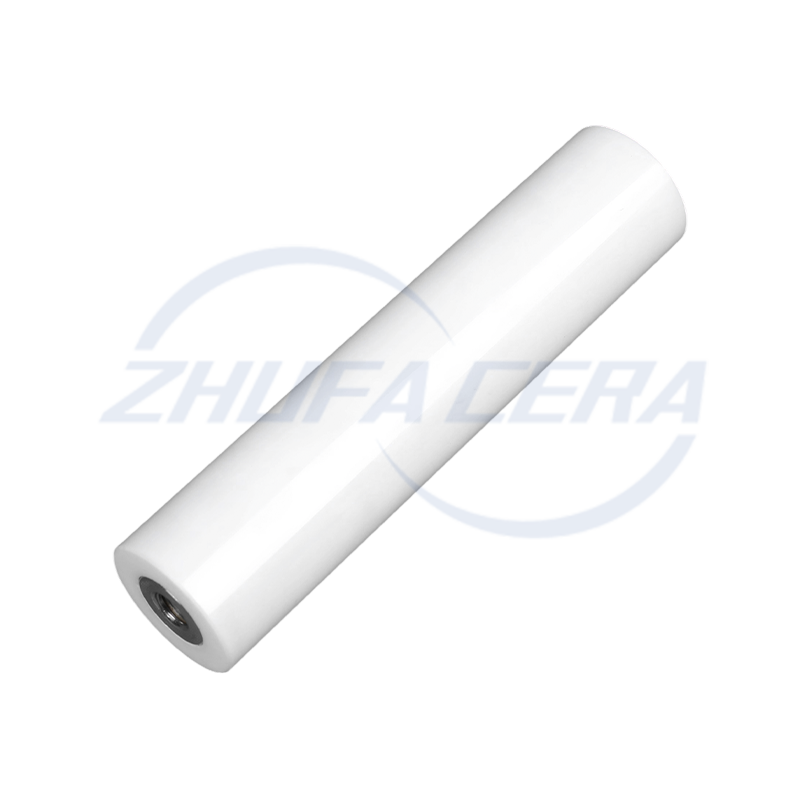
Zirconia Ceramic Rod is a high-performance ceramic material rod, mainly made of zirconium oxide, with excellent mechanical strength and chemical stability. It exhibits extremely high hardness and wear...
See Details -
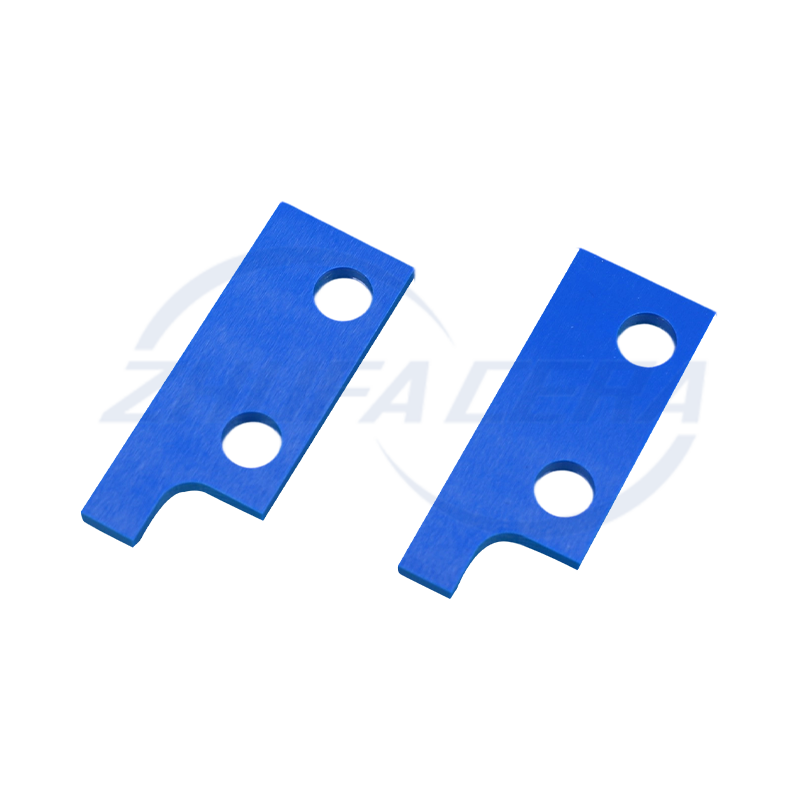
Blue zirconia ceramic sheets are precision components made of advanced zirconia ceramics. They are stained with cobalt, iron or copper to form a blue color. This color not only serves as a visual i...
See Details -
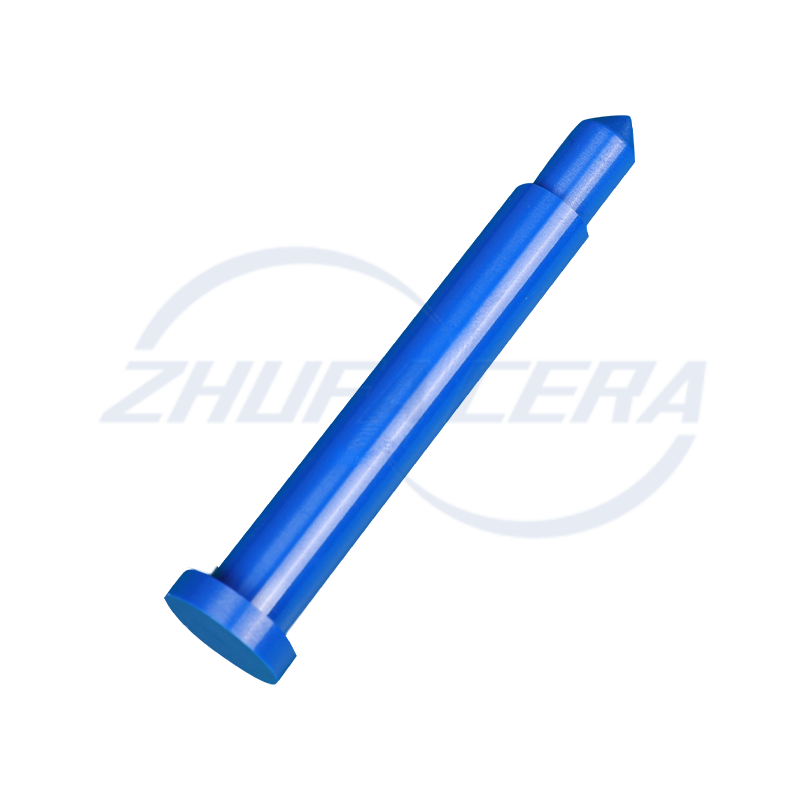
This blue zirconia ceramic pin is made of advanced zirconia ceramic material, providing excellent durability and performance. Zirconia ceramics are known for their high strength, good wear resistan...
See Details -

Zirconia Ceramic Gear is made of zirconium oxide ceramic material, which has excellent high strength and high hardness. This material property enables it to effectively resist wear during the transmis...
See Details -
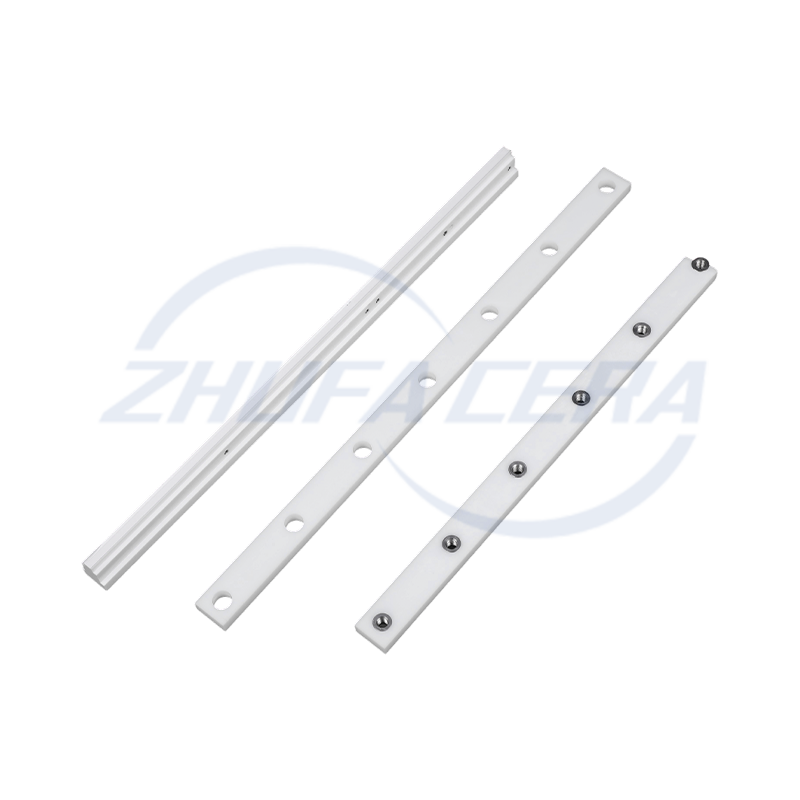
Zirconia Ceramic Guide Rail is a high-performance precision mechanical component made of zirconium oxide ceramic material. Its core characteristics are derived from the excellent physical and chemical...
See Details -
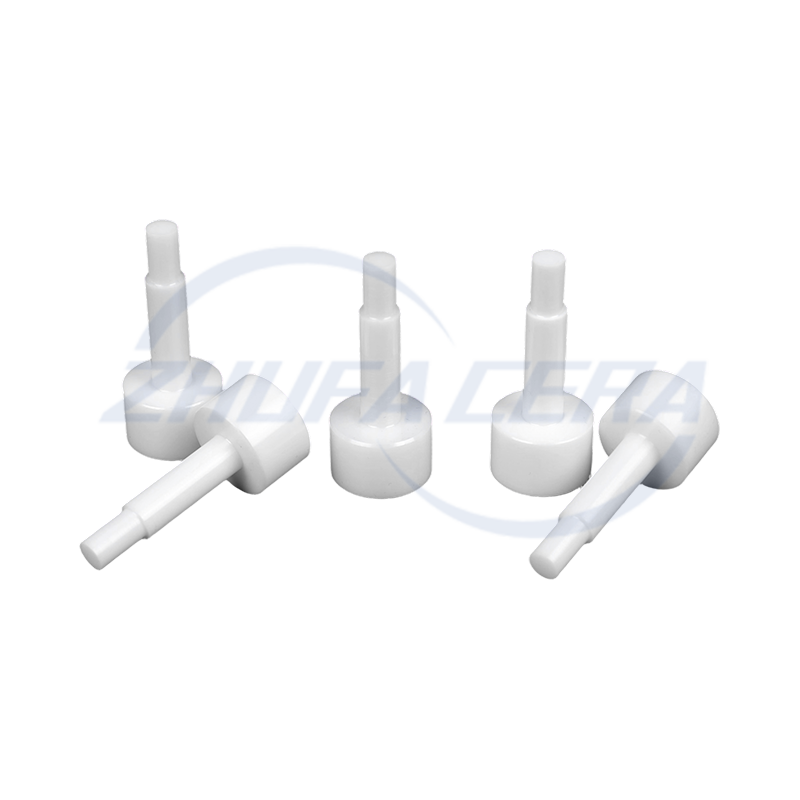
Zirconia Ceramic Locating Pin is a high-precision positioning element made of advanced zirconium oxide ceramic material with excellent physical and chemical properties. Its main characteristics includ...
See Details -
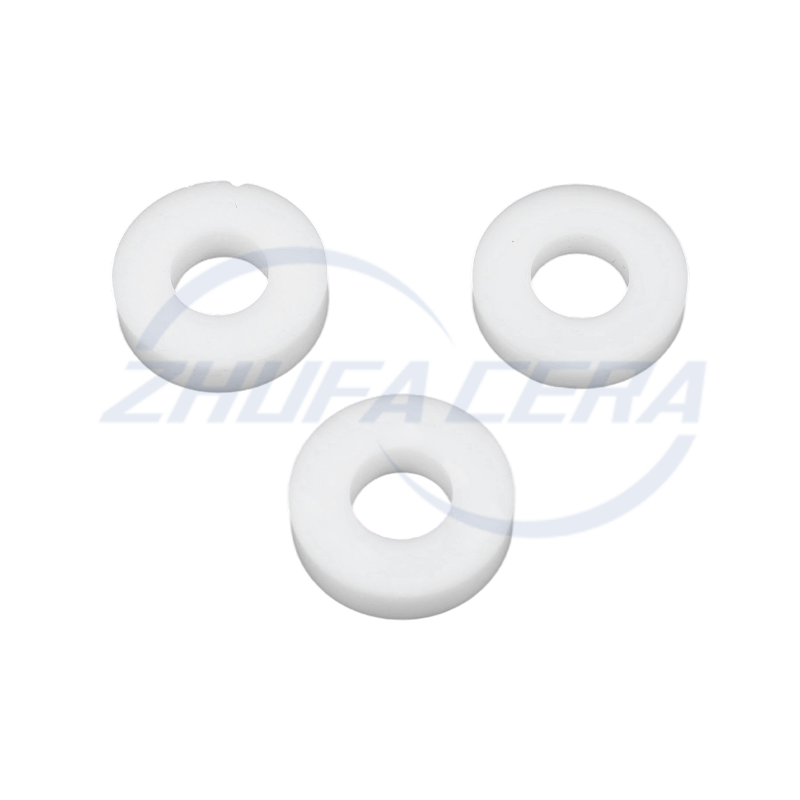
Zirconia Ceramic Ring is a high-performance ceramic product known for its excellent physical and chemical properties. It has extremely high hardness and strength, with a Mohs hardness of more than 8.5...
See Details -
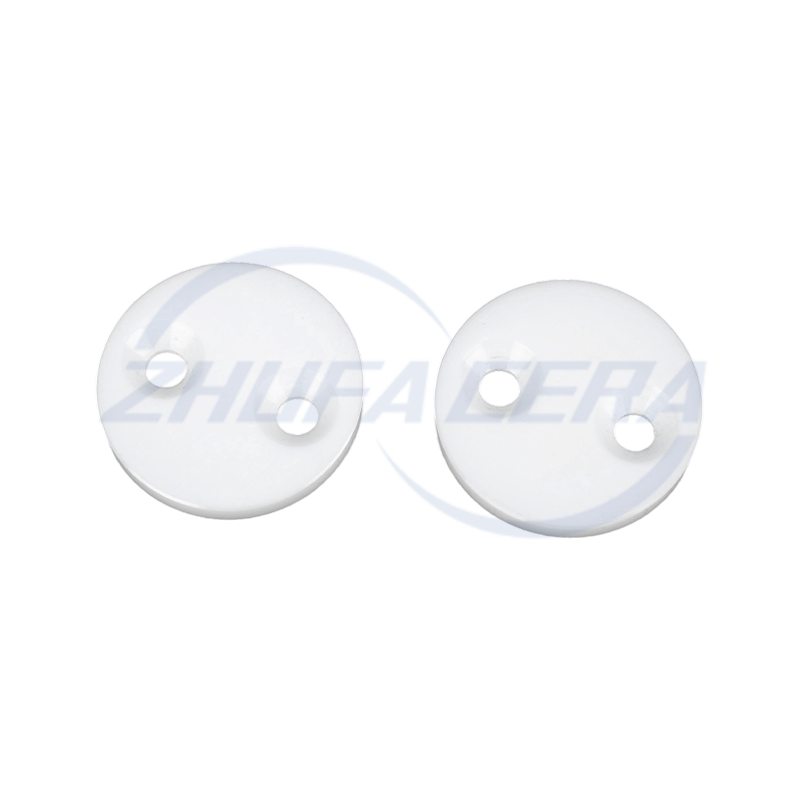
Zirconia ceramic sheets have become functional core components in various fields thanks to their unique properties. With a flexural strength of 900–1200 MPa and a fracture toughness of 6–10 MPa・m¹/², ...
See Details -
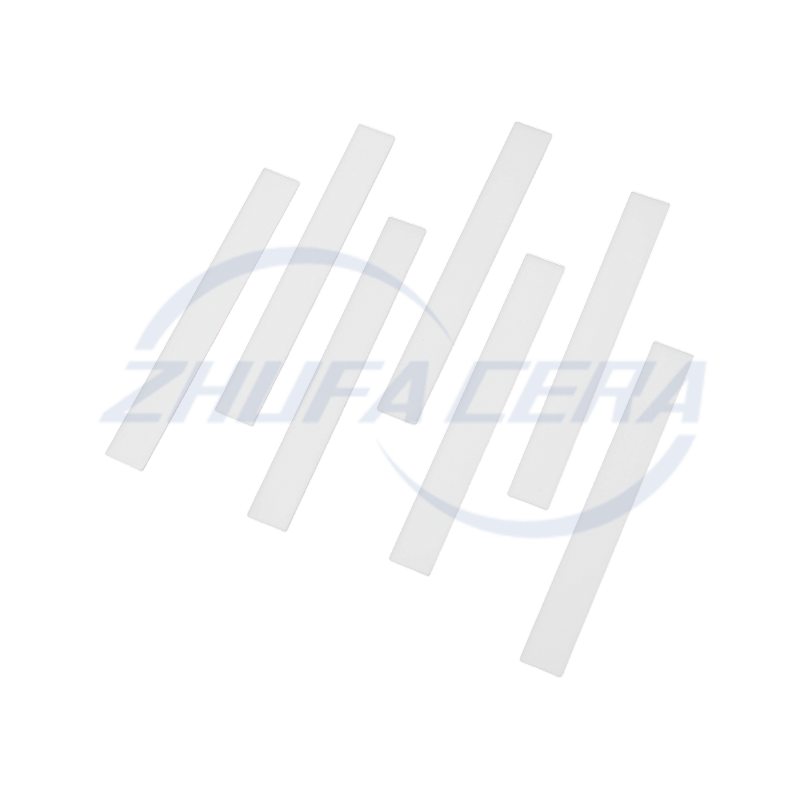
Zirconia Ceramic Strip is a strip material made of high-performance zirconium oxide ceramic with excellent physical and chemical properties. It has extremely high hardness and flexural strength, can e...
See Details -
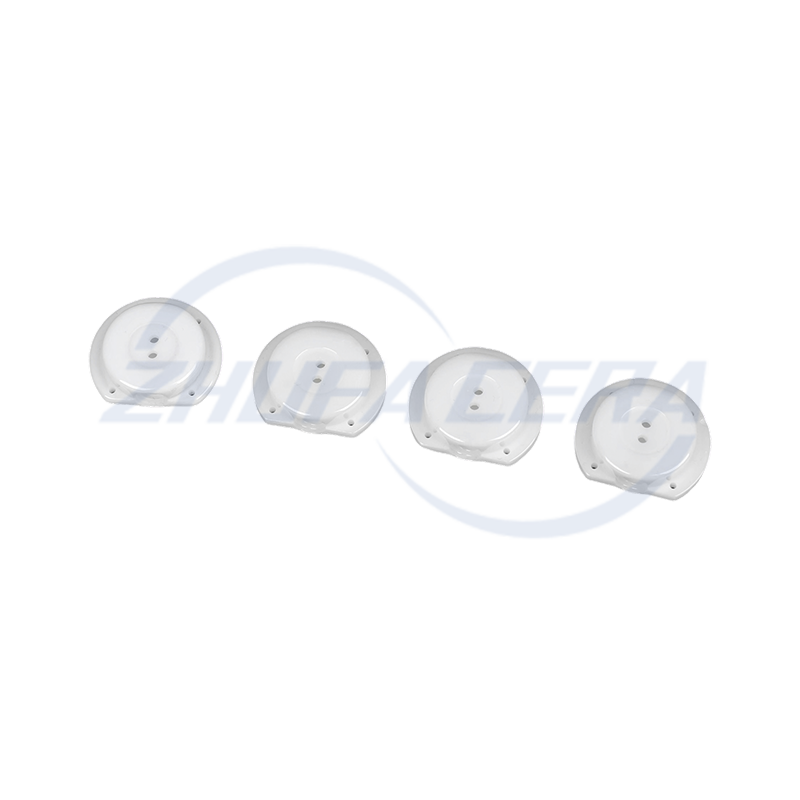
Zirconia ceramic wafers are representative products in the field of high-performance structural ceramics. Compared with traditional alumina ceramics or metal materials, its comprehensive performanc...
See Details -
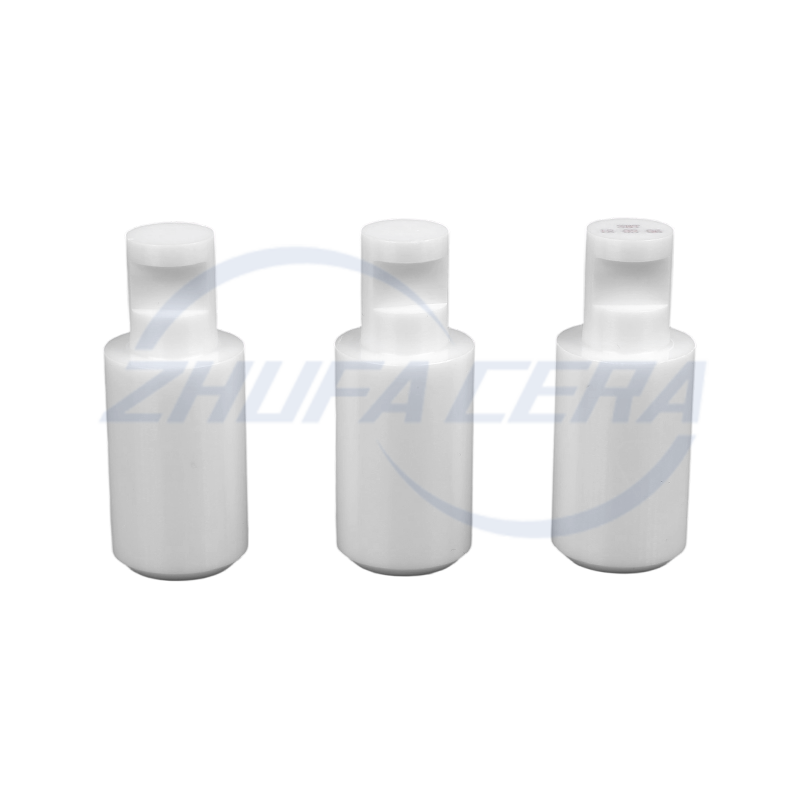
Zirconia Ceramic Plunger is a high-performance component designed for harsh industrial environments. Compared with similar ceramic or metal plunger products, it stands out with its unique material adv...
See Details


-
Quick Links
Home Products About Us Services Technology News Contact Us -
Products
Ceramic Structural Parts Zirconia Ceramics Alumina Ceramics ZTA Ceramics Silicon Nitride Ceramics Silicon Carbide Ceramics Ceramic Injection Molded Parts -
About Us
Factory Tour Honor FAQ -
Contact info
+86-188 8878 5188zf@zfcera.comNo. 1, Xinggong Road, Anchang Industrial Park, Keqiao District, Shaoxing City, Zhejiang Province, China -
WhatsApp

Copyright © Zhejiang Zhufa Precision Ceramics Technology Co., Ltd. All Rights Reserved.
China precision ceramics manufacturer
wholesale precision ceramics supplier
