

 中文简体
中文简体 русский
 Español
 عربى
عربى Português
 日本語
日本語 한국어
한국어
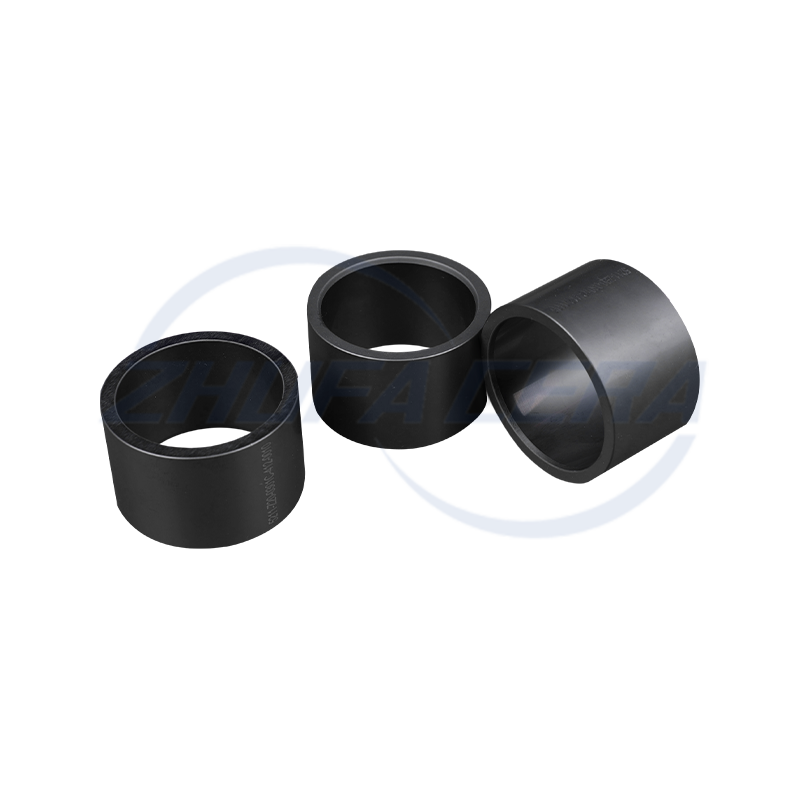
Black silicon carbide ceramic ring is a high-performance engineered ceramic assembly made of high-purity silicon carbide by precision molding and high temperature sintering. Its quadrangular crystal s...
See Details
FOLLOW US :


 Email: zf@zfcera.com
 Telephone: +86-188 8878 5188

Silicon Nitride Ceramics: How Does This "Practical Powerhouse" Deliver Value in Industrial Scenarios Today?
2025-10-11
Content
- I. Why Can Silicon Nitride Ceramics Withstand Extreme Industrial Environments?
- II. In Which Key Fields Are Silicon Nitride Ceramics Currently Applied?
- (1) Machinery Manufacturing: Precision Upgrades from Automotive to Agricultural Machinery
- (2) Medical Devices: Safety Upgrades from Dentistry to Ophthalmology
- (3) Chemical Engineering & Energy: Service Life Upgrades from Coal Chemicals to Oil Extraction
- (4) 5G Communications: Performance Upgrades from Base Stations to Vehicle-Mounted Systems
- III. How Do Existing Low-Cost Preparation Technologies Promote the Popularization of Silicon Nitride Ceramics?
- IV. What Maintenance and Protection Points Should Be Noted When Using Silicon Nitride Ceramics?
- V. What Practical Advantages Does Silicon Nitride Ceramic Have Compared to Similar Materials?
- VI. How to Answer Common Questions About Silicon Nitride Ceramics?
- (1) Which Scenarios Are Unsuitable for Silicon Nitride Ceramics? What Hidden Limitations Should Be Noted?
- (2) Is Silicon Nitride Ceramic Still Costly? How to Control Costs for Small-Scale Applications?
- (3) Can Metal Components in Existing Equipment Be Directly Replaced with Silicon Nitride Ceramic Components? What Adaptations Are Needed?
- (4) How to Evaluate the Quality of Silicon Nitride Ceramic Products? Combine Professional Testing with Simple Methods for Reliability
I. Why Can Silicon Nitride Ceramics Withstand Extreme Industrial Environments?
As a "high-performance material" for tackling extreme environments in the current industrial sector, silicon nitride ceramics feature a dense and stable three-dimensional covalent bond structure. This microstructural characteristic directly translates into three practical advantages—wear resistance, thermal shock resistance, and corrosion resistance—each supported by clear industrial test results and real-world application scenarios.
In terms of wear resistance, silicon nitride ceramics boast significantly higher hardness than traditional tool steel. In mechanical part tests, after continuous operation under the same working conditions, the wear loss of silicon nitride ceramic bearing balls is far lower than that of steel balls, representing a substantial improvement in wear resistance. For instance, in the textile industry, the rollers of spinning machines made from traditional steel are prone to wear due to fiber friction, leading to uneven yarn thickness and requiring replacement every 3 months. In contrast, silicon nitride ceramic rollers exhibit much slower wear, with a replacement cycle extended to 2 years. This not only reduces downtime for part replacement (each replacement previously required 4 hours of downtime, now reduced by 16 hours annually) but also lowers the yarn defect rate from 3% to 0.5%.
In the field of ceramic cutting tools, CNC lathes equipped with silicon nitride ceramic tool bits can directly cut hardened steel (without the need for annealing, a process that typically takes 4–6 hours per batch) while achieving a surface roughness of Ra ≤ 0.8 μm. Moreover, the service life of silicon nitride ceramic tool bits is 3–5 times longer than that of traditional cemented carbide tool bits, increasing the processing efficiency of a single batch of parts by over 40%.
Regarding thermal performance, silicon nitride ceramics have a much lower coefficient of thermal expansion than ordinary carbon steel, meaning minimal volume deformation when subjected to drastic temperature changes. Industrial thermal shock tests show that when silicon nitride ceramic samples are taken from a high-temperature environment of 1000°C and immediately immersed in a 20°C water bath, they remain crack-free and undamaged even after 50 cycles, with only a 3% decrease in compressive strength. Under the same test conditions, alumina ceramic samples develop obvious cracks after 15 cycles, with a 25% drop in compressive strength.
This property makes silicon nitride ceramics excel in high-temperature working conditions. For example, in the continuous casting equipment of the metallurgical industry, mold liners made of silicon nitride ceramics can withstand the high temperature of molten steel (800–900°C) for a long time while being in frequent contact with cooling water. Their service life is 6–8 times longer than that of traditional copper alloy liners, extending the equipment maintenance cycle from 1 month to 6 months.
In terms of chemical stability, silicon nitride ceramics exhibit excellent resistance to most inorganic acids and low-concentration alkalis, except for reactions with high-concentration hydrofluoric acid. In corrosion tests conducted in the chemical industry, silicon nitride ceramic test pieces immersed in a 20% sulfuric acid solution at 50°C for 30 consecutive days showed a weight loss rate of only 0.02% and no obvious corrosion marks on the surface. In contrast, 304 stainless steel test pieces under the same conditions had a weight loss rate of 1.5% and obvious rust spots.
In the electroplating industry, electroplating tank liners made of silicon nitride ceramics can withstand long-term contact with electroplating solutions such as sulfuric acid and hydrochloric acid without leakage (a common issue with traditional PVC liners, which typically leak 2–3 times a year). The service life of silicon nitride ceramic liners is extended from 1 year to 5 years, reducing production accidents caused by electroplating solution leakage (each leakage requires 1–2 days of production shutdown for handling) and environmental pollution.
Additionally, silicon nitride ceramics maintain excellent insulating properties in high-temperature environments. At 1200°C, their volume resistivity remains between 10¹²–10¹³ Ω·cm, which is 10⁴–10⁵ times higher than that of traditional alumina ceramics (with a volume resistivity of approximately 10⁸ Ω·cm at 1200°C). This makes them ideal for high-temperature insulation scenarios, such as insulation brackets in high-temperature electric furnaces and high-temperature wire insulation sleeves in aerospace equipment.
II. In Which Key Fields Are Silicon Nitride Ceramics Currently Applied?
Leveraging its "multi-performance adaptability," silicon nitride ceramics have been widely applied in key fields such as machinery manufacturing, medical devices, chemical engineering & energy, and communications. Each field has specific application scenarios and practical benefits, effectively addressing production challenges that traditional materials struggle to overcome.
(1) Machinery Manufacturing: Precision Upgrades from Automotive to Agricultural Machinery
In machinery manufacturing, beyond common ceramic cutting tools, silicon nitride ceramics are widely used in high-precision, wear-resistant core components. In automotive engines, silicon nitride ceramic plunger shafts are used in the high-pressure common rail systems of diesel engines. With a surface roughness of Ra ≤ 0.1 μm and dimensional tolerance of ±0.001 mm, they offer 4–25 times better fuel corrosion resistance than traditional stainless steel plunger shafts (depending on fuel type). After 10,000 hours of continuous engine operation, the wear loss of silicon nitride ceramic plunger shafts is only 1/10 that of stainless steel, reducing the failure rate of high-pressure common rail systems from 3% to 0.5% and improving engine fuel efficiency by 5% (saving 0.3 L of diesel per 100 km).
In agricultural machinery, gears for seed metering devices in planters, made of silicon nitride ceramics, exhibit strong resistance to soil wear and pesticide corrosion. Traditional steel gears, when used in farmland operations, are quickly worn by sand in the soil and corroded by pesticide residues, typically requiring replacement every 3 months (with a wear loss of ≥ 0.2 mm, leading to a seeding error of ≥ 5%). In contrast, silicon nitride ceramic gears can be used continuously for over 1 year, with a wear loss of ≤ 0.03 mm and a seeding error controlled within 1%, ensuring stable seeding precision and reducing the need for reseeding.
In precision machine tools, silicon nitride ceramic locating pins are used for workpiece positioning in CNC machining centers. With a repeat positioning accuracy of ±0.0005 mm (4 times higher than that of steel locating pins, which have an accuracy of ±0.002 mm), they maintain a long service life even under high-frequency positioning (1,000 positioning cycles per day), extending the maintenance cycle from 6 months to 3 years and reducing machine downtime for part replacement from 12 hours to 2 hours annually. This allows a single machine tool to process approximately 500 more parts each year.
(2) Medical Devices: Safety Upgrades from Dentistry to Ophthalmology
In the field of medical devices, silicon nitride ceramics have become an ideal material for minimally invasive instruments and dental tools due to their "high hardness, non-toxicity, and resistance to bodily fluid corrosion." In dental treatment, silicon nitride ceramic bearing balls for dental drills are available in various sizes (1 mm, 1.5 mm, 2.381 mm) to match different drill speeds. These ceramic balls undergo ultra-precision polishing, achieving a roundness error of ≤ 0.5 μm. When assembled into dental drills, they can operate at ultra-high speeds (up to 450,000 rpm) without releasing metal ions (a common issue with traditional stainless steel bearing balls, which can cause allergies in 10%–15% of patients) even after long-term contact with bodily fluids and cleaning agents.
Clinical data shows that dental drills equipped with silicon nitride ceramic bearing balls have a service life 3 times longer than traditional drills, reducing the instrument replacement cost of dental clinics by 67%. Additionally, the improved operational stability reduces patients' vibration discomfort by 30% (vibration amplitude reduced from 0.1 mm to 0.07 mm).
In ophthalmic surgery, phacoemulsification needles for cataract surgery, made of silicon nitride ceramics, have a tip diameter of only 0.8 mm. With high hardness and a smooth surface (surface roughness Ra ≤ 0.02 μm), they can precisely break down the lens without scratching intraocular tissues. Compared to traditional titanium alloy needles, silicon nitride ceramic needles reduce the tissue scratch rate from 2% to 0.3%, minimize the surgical incision size from 3 mm to 2.2 mm, and shorten the postoperative recovery time by 1–2 days. The proportion of patients with visual acuity restored to 0.8 or higher increases by 15%.
In orthopedic surgery, minimally invasive pedicle screw guides made of silicon nitride ceramics offer high hardness and do not interfere with CT or MRI imaging (unlike traditional metal guides, which cause artifacts that obscure images). This allows doctors to confirm the guide position in real time through imaging equipment, reducing the surgical positioning error from ±1 mm to ±0.3 mm and lowering the incidence of surgical complications (such as nerve damage and screw misalignment) by 25%.
(3) Chemical Engineering & Energy: Service Life Upgrades from Coal Chemicals to Oil Extraction
Chemical engineering and energy sectors are core application fields for silicon nitride ceramics, where their "corrosion resistance and high-temperature resistance" effectively address the issues of short service life and high maintenance costs of traditional materials. In the coal chemical industry, gasifiers are core equipment for converting coal into syngas, and their liners must withstand high temperatures of 1300°C and corrosion from gases such as hydrogen sulfide (H₂S) for a long time.
Previously, chrome steel liners used in this scenario had an average service life of only 1 year, requiring 20 days of downtime for replacement and incurring maintenance costs of over 5 million yuan per unit. After switching to silicon nitride ceramic liners (with a 10 μm thick anti-permeation coating to enhance corrosion resistance), the service life is extended to over 5 years, and the maintenance cycle is prolonged accordingly. This reduces the annual downtime of a single gasifier by 4 days and saves 800,000 yuan in maintenance costs each year.
In the oil extraction industry, housings for downhole logging instruments made of silicon nitride ceramics can withstand high temperatures (above 150°C) and brine corrosion (brine salt content ≥ 20%) in deep wells. Traditional metal housings (e.g., 316 stainless steel) often develop leaks after 6 months of use, causing instrument failures (with a failure rate of approximately 15% per year). In contrast, silicon nitride ceramic housings can operate stably for over 2 years with a failure rate of less than 1%, ensuring the continuity of logging data and reducing the need for re-running operations (each re-running costs 30,000–50,000 yuan).
In the aluminum electrolysis industry, the side walls of electrolytic cells must withstand corrosion from molten electrolytes at 950°C. Traditional carbon side walls have an average service life of only 2 years and are prone to electrolyte leakage (1–2 leaks per year, each requiring 3 days of production shutdown for handling). After adopting silicon nitride ceramic side walls, their corrosion resistance to molten electrolytes is tripled, extending the service life from 2 years to 8 years. Additionally, the thermal conductivity of silicon nitride ceramics (approximately 15 W/m·K) is only 30% that of carbon materials (approximately 50 W/m·K), reducing heat loss from the electrolytic cell and lowering the unit energy consumption of aluminum electrolysis by 3% (saving 150 kWh of electricity per ton of aluminum). A single electrolytic cell saves approximately 120,000 yuan in electricity costs each year.
(4) 5G Communications: Performance Upgrades from Base Stations to Vehicle-Mounted Systems
In the field of 5G communications, silicon nitride ceramics have become a key material for base station radomes and radar covers due to their "low dielectric constant, low loss, and high-temperature resistance." 5G base station radomes need to ensure signal penetration while withstanding harsh outdoor conditions such as wind, rain, high temperatures, and ultraviolet radiation.
Traditional fiberglass radomes have a dielectric constant of approximately 5.5 and a signal penetration loss of about 3 dB. In contrast, porous silicon nitride ceramics (with adjustable pore sizes of 10–50 μm and porosities of 30%–50%) have a dielectric constant of 3.8–4.5 and a signal penetration loss reduced to less than 1.5 dB, extending the signal coverage radius from 500 meters to 575 meters (a 15% improvement).
Moreover, porous silicon nitride ceramics can withstand temperatures up to 1200°C, maintaining their shape and performance without aging even in high-temperature areas (with surface temperatures reaching 60°C in summer). Their service life is doubled compared to fiberglass radomes (extending from 5 years to 10 years), reducing the replacement cost of base station radomes by 50%.
In marine communication base stations, silicon nitride ceramic radomes can resist corrosion from seawater salt (with a chloride ion concentration of approximately 19,000 mg/L in seawater). Traditional fiberglass radomes typically show surface aging and peeling (with a peeling area of ≥ 10%) after 2 years of marine use, requiring early replacement. In contrast, silicon nitride ceramic radomes can be used for over 5 years without obvious corrosion, reducing maintenance frequency (from once every 2 years to once every 5 years) and saving approximately 20,000 yuan in labor costs per maintenance.
In vehicle-mounted radar systems, silicon nitride ceramic radar covers can operate in a wide temperature range (-40°C to 125°C). In tests for millimeter-wave radar (77 GHz frequency band), their dielectric loss tangent (tanδ) is ≤ 0.002, much lower than that of traditional plastic radar covers (tanδ ≈ 0.01). This increases the radar detection distance from 150 meters to 180 meters (a 20% improvement) and enhances detection stability in severe weather (rain, fog) by 30% (reducing the detection error from ±5 meters to ±3.5 meters), helping vehicles identify obstacles in advance and improving driving safety.
III. How Do Existing Low-Cost Preparation Technologies Promote the Popularization of Silicon Nitride Ceramics?
Previously, the application of silicon nitride ceramics was limited by high raw material costs, high energy consumption, and complex processes in their preparation. Today, a variety of mature low-cost preparation technologies have been industrialized, reducing costs throughout the entire process (from raw materials to forming and sintering) while ensuring product performance. This has promoted the large-scale application of silicon nitride ceramics in more fields, with each technology supported by clear application effects and cases.
(1) 3D Printing + Combustion Synthesis: A Low-Cost Solution for Complex Structures
3D printing combined with combustion synthesis is one of the core technologies driving cost reduction in silicon nitride ceramics in recent years, offering advantages such as "low-cost raw materials, low energy consumption, and customizable complex structures."
Traditional silicon nitride ceramic preparation uses high-purity silicon nitride powder (99.9% purity, priced at approximately 800 yuan/kg) and requires sintering in a high-temperature furnace (1800–1900°C), resulting in high energy consumption (approximately 5000 kWh per ton of products). In contrast, the 3D printing + combustion synthesis technology uses ordinary industrial-grade silicon powder (98% purity, priced at approximately 50 yuan/kg) as the raw material. First, selective laser sintering (SLS) 3D printing technology is used to print the silicon powder into a green body of the desired shape (with a printing accuracy of ±0.1 mm). The green body is then placed in a sealed reactor, and nitrogen gas (99.9% purity) is introduced. By electrically heating the green body to the ignition point of silicon (approximately 1450°C), the silicon powder reacts spontaneously with nitrogen to form silicon nitride (reaction formula: 3Si + 2N₂ = Si₃N₄). The heat released by the reaction sustains subsequent reactions, eliminating the need for continuous external high-temperature heating and achieving "near-zero energy consumption sintering" (energy consumption reduced to less than 1000 kWh per ton of products).
The raw material cost of this technology is only 6.25% of that of traditional processes, and sintering energy consumption is reduced by over 80%. Additionally, 3D printing technology enables the direct production of silicon nitride ceramic products with complex porous structures or special shapes without subsequent processing (traditional processes require multiple cutting and grinding steps, resulting in a material loss rate of approximately 20%), increasing material utilization to over 95%.
For example, a company using this technology to produce porous silicon nitride ceramic filter cores achieves a pore size uniformity error of ≤ 5%, shortens the production cycle from 15 days (traditional process) to 3 days, and increases the product qualification rate from 85% to 98%. The production cost of a single filter core is reduced from 200 yuan to 80 yuan. In wastewater treatment equipment, these 3D-printed porous ceramic filter cores can efficiently filter impurities in wastewater (with a filtration precision of up to 1 μm) and resist acid-base corrosion (suitable for wastewater with a pH range of 2–12). Their service life is 3 times longer than that of traditional plastic filter cores (extended from 6 months to 18 months), and the replacement cost is lower. They have been promoted and used in many small and medium-sized wastewater treatment plants, helping to reduce the maintenance cost of filtration systems by 40%.
(2) Gel Casting + Metal Mold Recycling: Significant Reduction in Mold Costs
The combination of gel casting and metal mold recycling technology reduces costs from two aspects—"mold cost" and "forming efficiency"—solving the problem of high costs caused by one-time use of molds in traditional gel casting processes.
Traditional gel casting processes mostly use resin molds, which can only be used 1–2 times before being discarded (resin is prone to cracking due to curing shrinkage during forming). For silicon nitride ceramic products with complex shapes (such as special-shaped bearing sleeves), the cost of a single resin mold is approximately 5,000 yuan, and the mold production cycle takes 7 days, significantly increasing production costs.
In contrast, the gel casting + metal mold recycling technology uses low-temperature fusible alloys (with a melting point of approximately 100–150°C, such as bismuth-tin alloys) to make molds. These alloy molds can be reused 50–100 times, and after amortizing the mold cost, the mold cost per batch of products is reduced from 5,000 yuan to 50–100 yuan, a decrease of over 90%.
The specific process flow is as follows: First, the low-temperature fusible alloy is heated and melted, then poured into a steel master mold (which can be used for a long time) and cooled to form an alloy mold. Next, the silicon nitride ceramic slurry (composed of silicon nitride powder, binder, and water, with a solid content of approximately 60%) is injected into the alloy mold, and incubated at 60–80°C for 2–3 hours to gel and solidify the slurry into a green body. Finally, the alloy mold with the green body is heated to 100–150°C to re-melt the alloy mold (the alloy recovery rate is over 95%), and the ceramic green body is taken out at the same time (the relative density of the green body is approximately 55%, and the relative density can reach over 98% after subsequent sintering).
This technology not only reduces mold costs but also shortens the mold production cycle from 7 days to 1 day, increasing the green body forming efficiency by 6 times. A ceramic enterprise using this technology to produce silicon nitride ceramic plunger shafts increased its monthly production capacity from 500 pieces to 3,000 pieces, reduced the mold cost per product from 10 yuan to 0.2 yuan, and lowered the comprehensive product cost by 18%. Currently, the ceramic plunger shafts produced by this enterprise have been supplied in batches to many automobile engine manufacturers, replacing traditional stainless steel plunger shafts and helping the automakers reduce the failure rate of engine high-pressure common rail systems from 3% to 0.3%, saving nearly 10 million yuan in after-sales maintenance costs each year.
(3) Dry Pressing Process: An Efficient Choice for Mass Production
The dry pressing process achieves cost reduction through "simplified processes and energy conservation," making it particularly suitable for mass production of silicon nitride ceramic products with simple shapes (such as bearing balls and bushings). It is currently the mainstream preparation process for standardized products such as ceramic bearings and seals.
The traditional wet pressing process requires mixing silicon nitride powder with a large amount of water (or organic solvents) to make a slurry (with a solid content of approximately 40%–50%), followed by forming, drying (sustained at 80–120°C for 24 hours), and debinding (sustained at 600–800°C for 10 hours). The process is cumbersome and energy-intensive, and the green body is prone to cracking during drying (with a cracking rate of approximately 5%–8%), affecting product qualification rates.
In contrast, the dry pressing process directly uses silicon nitride powder (with a small amount of solid binder, such as polyvinyl alcohol, added at a ratio of only 2%–3% of the powder mass). The mixture is blended in a high-speed mixer (rotating at 1,500–2,000 rpm) for 1–2 hours to ensure the binder uniformly coats the powder surface, forming a powder with good fluidity. The powder is then fed into a press for dry pressing (forming pressure is usually 20–50 MPa, adjusted according to product shape) to form a green body with uniform density (relative density of the green body is approximately 60%–65%) in one step.
This process completely eliminates the drying and debinding steps, shortening the production cycle from 48 hours (traditional wet process) to 8 hours—a reduction of over 30%. At the same time, since there is no need for heating for drying and debinding, the energy consumption per ton of products is reduced from 500 kWh to 100 kWh, a decrease of 80%.
In addition, the dry pressing process produces no wastewater or waste gas emissions (the wet pressing process requires treatment of wastewater containing binders), achieving "zero carbon emissions" and meeting environmental protection production requirements. A bearing enterprise using the dry pressing process to produce silicon nitride ceramic bearing balls (with diameters of 5–20 mm) optimized the mold design and pressing parameters, controlling the green body cracking rate to below 0.5% and increasing the product qualification rate from 88% (wet process) to 99%. The annual production capacity increased from 100,000 pieces to 300,000 pieces, the energy cost per product decreased from 5 yuan to 1 yuan, and the enterprise saved 200,000 yuan in environmental treatment costs each year due to the absence of wastewater treatment needs.
These ceramic bearing balls have been applied to high-end machine tool spindles. Compared with steel bearing balls, they reduce frictional heat generation during spindle operation (the friction coefficient is reduced from 0.0015 to 0.001), increasing the spindle speed by 15% (from 8,000 rpm to 9,200 rpm) and ensuring more stable processing accuracy (processing error is reduced from ±0.002 mm to ±0.001 mm).
(4) Raw Material Innovation: Monazite Replaces Rare Earth Oxides
Innovation in raw materials provides crucial support for cost reduction of silicon nitride ceramics, among which the technology of "using monazite instead of rare earth oxides as sintering aids" has been industrialized.
In the traditional sintering process of silicon nitride ceramics, rare earth oxides (such as Y₂O₃ and La₂O₃) are added as sintering aids to lower the sintering temperature (from above 2,000°C to around 1,800°C) and promote grain growth, forming a dense ceramic structure. However, these high-purity rare earth oxides are expensive (Y₂O₃ is priced at approximately 2,000 yuan/kg, La₂O₃ at approximately 1,500 yuan/kg), and the addition amount is usually 5%–10% (by mass), accounting for over 60% of the total raw material cost, significantly increasing product prices.
Monazite is a natural rare earth mineral, mainly composed of multiple rare earth oxides such as CeO₂, La₂O₃, and Nd₂O₃. After beneficiation, acid leaching, and extraction purification, the total purity of rare earth oxides can reach over 95%, and the price is only approximately 100 yuan/kg, much lower than that of single high-purity rare earth oxides. More importantly, the multiple rare earth oxides in monazite have a synergistic effect—CeO₂ promotes densification in the early stage of sintering, La₂O₃ inhibits excessive grain growth, and Nd₂O₃ improves the fracture toughness of ceramics—resulting in better comprehensive sintering effects than single rare earth oxides.
Experimental data shows that for silicon nitride ceramics added with 5% (by mass) monazite, the sintering temperature can be reduced from 1,800°C (traditional process) to 1,600°C, the sintering time is shortened from 4 hours to 2 hours, and energy consumption is reduced by 25%. At the same time, the flexural strength of the prepared silicon nitride ceramics reaches 850 MPa, and the fracture toughness reaches 7.5 MPa·m¹/², which is comparable to products added with rare earth oxides (flexural strength of 800–850 MPa, fracture toughness of 7–7.5 MPa·m¹/²), fully meeting industrial application requirements.
A ceramic material enterprise that adopted monazite as a sintering aid reduced its raw material cost from 12,000 yuan/ton to 6,000 yuan/ton, a decrease of 50%. Meanwhile, due to the lower sintering temperature, the service life of the sintering furnace was extended from 5 years to 8 years, reducing equipment depreciation costs by 37.5%. The low-cost silicon nitride ceramic lining bricks (with dimensions of 200 mm × 100 mm × 50 mm) produced by this enterprise have been supplied in batches for the inner walls of chemical reaction kettles, replacing traditional high-alumina lining bricks. Their service life is extended from 2 years to 4 years, helping chemical enterprises double the maintenance cycle of reaction kettles and save 300,000 yuan in maintenance costs per kettle annually.
IV. What Maintenance and Protection Points Should Be Noted When Using Silicon Nitride Ceramics?
Although silicon nitride ceramics have excellent performance, scientific maintenance and protection in practical use can further extend their service life, avoid damage caused by improper operation, and improve their application cost-effectiveness—especially important for equipment maintenance personnel and front-line operators.
(1) Daily Cleaning: Avoid Surface Damage and Performance Degradation
If impurities such as oil, dust, or corrosive media adhere to the surface of silicon nitride ceramics, long-term accumulation will affect their wear resistance, sealing performance, or insulation performance. Appropriate cleaning methods should be selected according to the application scenario.
For ceramic components in mechanical equipment (such as bearings, plunger shafts, and locating pins), compressed air (at a pressure of 0.4–0.6 MPa) should first be used to blow off surface dust, followed by gentle wiping with a soft cloth or sponge dipped in a neutral cleaning agent (such as industrial alcohol or a 5%–10% neutral detergent solution). Hard tools such as steel wool, sandpaper, or rigid scrapers should be avoided to prevent scratching the ceramic surface—surface scratches will damage the dense structure, reducing wear resistance (wear rate may increase by 2–3 times) and causing leakage in sealing scenarios.
For ceramic components in medical devices (such as dental drill bearing balls and surgical needles), strict sterile cleaning procedures must be followed: first, rinse the surface with deionized water to remove blood and tissue residues, then sterilize in a high-temperature and high-pressure sterilizer (121°C, 0.1 MPa steam) for 30 minutes. After sterilization, the components should be removed with sterile tweezers to avoid contamination from hand contact, and collision with metal instruments (such as surgical forceps and trays) should be prevented to avoid chipping or cracking of the ceramic components (chips will cause stress concentration during use, possibly leading to fracture).
For ceramic linings and pipelines in chemical equipment, cleaning should be carried out after stopping the medium transportation and cooling the equipment to room temperature (to avoid thermal shock damage caused by high-temperature cleaning). A high-pressure water gun (with water temperature of 20–40°C and pressure of 1–2 MPa) can be used to rinse scale or impurities attached to the inner wall. For thick scale, a weak acid cleaning agent (such as a 5% citric acid solution) can be used for soaking for 1–2 hours before rinsing. Strong corrosive cleaning agents (such as concentrated hydrochloric acid and concentrated nitric acid) are prohibited to prevent corrosion of the ceramic surface.
(2) Installation and Assembly: Control Stress and Fitting Precision
Although silicon nitride ceramics have high hardness, they have relatively high brittleness (fracture toughness of approximately 7–8 MPa·m¹/², much lower than that of steel, which is above 150 MPa·m¹/²). Improper stress or insufficient fitting precision during installation and assembly may lead to cracking or fracture. The following points should be noted:
Avoid Rigid Impact: During the installation of ceramic components, direct tapping with tools such as hammers or wrenches is prohibited. Special soft tooling (such as rubber hammers and copper sleeves) or guiding tools should be used for auxiliary installation. For example, when installing ceramic locating pins, a small amount of lubricating grease (such as molybdenum disulfide grease) should first be applied to the installation hole, then pushed in slowly with a special pressure head (at a feeding speed of ≤ 5 mm/s), and the pushing force should be controlled below 1/3 of the compressive strength of the ceramic (usually ≤ 200 MPa) to prevent the locating pin from breaking due to excessive extrusion.
Control Fitting Clearance: The fitting clearance between ceramic components and metal components should be designed according to the application scenario, usually using transition fit or small clearance fit (clearance of 0.005–0.01 mm). Interference fit should be avoided—interference will cause the ceramic component to be subjected to long-term compressive stress, easily leading to microcracks. For example, for the fit between a ceramic bearing and a shaft, interference fit may cause stress concentration due to thermal expansion during high-speed operation, leading to bearing fracture; excessive clearance will cause increased vibration during operation, affecting precision.
Elastic Clamping Design: For ceramic components that need to be fixed (such as ceramic tool bits and sensor housings), elastic clamping structures should be adopted instead of rigid clamping. For example, the connection between a ceramic tool bit and a tool holder can use a spring collet or elastic expansion sleeve for clamping, using the deformation of elastic elements to absorb clamping force and prevent the tool bit from chipping due to excessive local stress; traditional bolt rigid clamping is prone to causing cracks in the tool bit, shortening its service life.
(3) Working Condition Adaptation: Avoid Exceeding Performance Limits
Silicon nitride ceramics have clear performance limits. Exceeding these limits in working conditions will lead to rapid performance degradation or damage, requiring reasonable adaptation according to actual scenarios:
Temperature Control: The long-term service temperature of silicon nitride ceramics is usually not higher than 1,400°C, and the short-term high-temperature limit is approximately 1,600°C. Long-term use in ultra-high temperature environments (above 1,600°C) will cause grain growth and structural looseness, leading to a decrease in strength (the flexural strength may decrease by more than 30% after holding at 1,600°C for 10 hours). Therefore, in ultra-high temperature scenarios such as metallurgy and glass manufacturing, thermal insulation coatings (such as zirconia coatings with a thickness of 50–100 μm) or cooling systems (such as water-cooled jackets) should be used for ceramic components to control the surface temperature of the ceramics below 1,200°C.
Corrosion Protection: The corrosion resistance range of silicon nitride ceramics should be clearly identified—it is resistant to most inorganic acids, alkalis, and salt solutions except for hydrofluoric acid (concentration ≥ 10%) and concentrated phosphoric acid (concentration ≥ 85%), but may undergo oxidative corrosion in strongly oxidizing media (such as a mixture of concentrated nitric acid and hydrogen peroxide). Therefore, in chemical scenarios, the medium composition should be confirmed first. If hydrofluoric acid or strongly oxidizing media are present, other corrosion-resistant materials (such as polytetrafluoroethylene and Hastelloy) should be used instead; if the medium is weakly corrosive (such as 20% sulfuric acid and 10% sodium hydroxide), anti-corrosion coatings (such as alumina coatings) can be sprayed on the ceramic surface to further improve protection.
Impact Load Avoidance: Silicon nitride ceramics have poor impact resistance (impact toughness of approximately 2–3 kJ/m², much lower than that of steel, which is above 50 kJ/m²), making them unsuitable for scenarios with severe impact (such as mine crushers and forging equipment). If they must be used in scenarios with impact (such as ceramic sieve plates for vibrating screens), a buffer layer (such as rubber or polyurethane elastomer with a thickness of 5–10 mm) should be added between the ceramic component and the equipment frame to absorb part of the impact energy (which can reduce the impact load by 40%–60%) and avoid fatigue damage to the ceramics due to high-frequency impact.
(4) Regular Inspection: Monitor Status and Handle Timely
In addition to daily cleaning and installation protection, regular maintenance inspections of silicon nitride ceramic components can help detect potential problems in a timely manner and prevent the expansion of faults. The inspection frequency, methods, and judgment criteria for components in different application scenarios should be adjusted according to their specific use:
1. Mechanical Rotating Components (Bearings, Plunger Shafts, Locating Pins)
A comprehensive inspection is recommended every 3 months. Before inspection, the equipment should be shut down and powered off to ensure the components are stationary. During visual inspection, in addition to checking for surface scratches and cracks with a 10–20x magnifying glass, a clean soft cloth should be used to wipe the surface to check for metal wear debris—if debris is present, it may indicate wear of the matching metal components, which also need to be inspected. For sealing components such as plunger shafts, special attention should be paid to checking the sealing surface for dents; a dent depth exceeding 0.05 mm will affect sealing performance.
In performance testing, the vibration detector should be attached closely to the component surface (e.g., bearing outer ring), and vibration values should be recorded at different speeds (from low speed to rated speed, at 500 rpm intervals). If the vibration value suddenly increases at a certain speed (e.g., from 0.08 mm/s to 0.25 mm/s), it may indicate excessive fitting clearance or failure of the lubricating grease, requiring disassembly and inspection. Temperature measurement should be performed with a contact thermometer; after the component has been operating for 1 hour, measure its surface temperature. If the temperature rise exceeds 30°C (e.g., component temperature exceeds 55°C when the ambient temperature is 25°C), check for insufficient lubrication (grease volume less than 1/3 of the internal space of the bearing) or foreign object jamming.
If a scratch depth exceeds 0.1 mm or the vibration value continuously exceeds 0.2 mm/s, the component should be replaced promptly even if it is still operational—continued use may cause the scratch to expand, leading to component fracture and subsequent damage to other equipment parts (e.g., fractured ceramic bearings may cause spindle wear, increasing repair costs several times over).
2. Chemical Equipment Components (Linings, Pipes, Valves)
Inspections should be conducted every 6 months. Before inspection, drain the medium from the equipment and purge the pipes with nitrogen to prevent residual medium from corroding the inspection tools. For wall thickness testing, use an ultrasonic thickness gauge to measure at multiple points on the component (5 measuring points per square meter, including easily worn areas such as joints and bends), and take the average value as the current wall thickness. If the wear loss at any measuring point exceeds 10% of the original thickness (e.g., current thickness less than 9 mm for an original thickness of 10 mm), the component should be replaced in advance, as the worn area will become a stress concentration point and may rupture under pressure.
Seal inspection at joints involves two steps: first, visually inspect the gasket for deformation or aging (e.g., cracks or hardening of fluororubber gaskets), then apply soapy water (5% concentration) to the sealed area and inject compressed air at 0.2 MPa. Observe for bubble formation—no bubbles for 1 minute indicates a qualified seal. If bubbles are present, disassemble the seal structure, replace the gasket (gasket compression should be controlled between 30%–50%; excessive compression will cause gasket failure), and check the ceramic joint for impact marks, as deformed joints will lead to poor sealing.
3. Medical Device Components (Dental Drill Bearing Balls, Surgical Needles, Guides)
Inspect immediately after each use and conduct a comprehensive check at the end of each workday. When inspecting dental drill bearing balls, run the dental drill at medium speed without load and listen for uniform operation—abnormal noise may indicate wear or misalignment of the bearing balls. Wipe the bearing area with a sterile cotton swab to check for ceramic debris, which indicates bearing ball damage. For surgical needles, inspect the tip under strong light for burrs (which will hinder smooth tissue cutting) and check the needle body for bending—any bend exceeding 5° requires disposal.
Maintain a usage log to record patient information, sterilization time, and number of uses for each component. Ceramic bearing balls for dental drills are recommended to be replaced after 50 uses—even if no visible damage is present, long-term operation will cause internal microcracks (invisible to the naked eye), which may lead to fragmentation during high-speed operation and cause medical accidents. After each use, surgical guides should be scanned with CT to check for internal cracks (unlike metal guides, which can be inspected with X-rays, ceramics require CT due to their high X-ray penetration). Only guides confirmed to be free of internal damage should be sterilized for future use.
V. What Practical Advantages Does Silicon Nitride Ceramic Have Compared to Similar Materials?
In industrial material selection, silicon nitride ceramics often compete with alumina ceramics, silicon carbide ceramics, and stainless steel. The table below provides an intuitive comparison of their performance, cost, service life, and typical application scenarios to facilitate quick suitability assessment:
|
Comparison Dimension |
Silicon Nitride Ceramics |
Alumina Ceramics |
Silicon Carbide Ceramics |
Stainless Steel (304) |
|
Core Performance |
Hardness: 1500–2000 HV; Thermal shock resistance: 600–800°C; Fracture toughness: 7–8 MPa·m¹/²; Excellent insulation |
Hardness: 1200–1500 HV; Thermal shock resistance: 300–400°C; Fracture toughness: 3–4 MPa·m¹/²; Good insulation |
Hardness: 2200–2800 HV; Thermal shock resistance: 400–500°C; Fracture toughness: 5–6 MPa·m¹/²; Excellent thermal conductivity (120–200 W/m·K) |
Hardness: 200–300 HV; Thermal shock resistance: 200–300°C; Fracture toughness: >150 MPa·m¹/²; Moderate thermal conductivity (16 W/m·K) |
|
Corrosion Resistance |
Resistant to most acids/alkalis; Corroded only by hydrofluoric acid |
Resistant to most acids/alkalis; Corroded in strong alkalis |
Excellent acid resistance; Corroded in strong alkalis |
Resistant to weak corrosion; Rusted in strong acids/alkalis |
|
Reference Unit Price |
Bearing ball (φ10mm): 25 CNY/piece |
Bearing ball (φ10mm): 15 CNY/piece |
Bearing ball (φ10mm): 80 CNY/piece |
Bearing ball (φ10mm): 3 CNY/piece |
|
Service Life in Typical Scenarios |
Spinning machine roller: 2 years; Gasifier lining: 5 years |
Spinning machine roller: 6 months; Continuous casting lining: 3 months |
Abrasive equipment part: 1 year; Acidic pipe: 6 months |
Spinning machine roller: 1 month; Gasifier lining: 1 year |
|
Assembly Tolerance |
Fitting clearance error ≤0.02mm; Good impact resistance |
Fitting clearance error ≤0.01mm; Prone to cracking |
Fitting clearance error ≤0.01mm; High brittleness |
Fitting clearance error ≤0.05mm; Easy to machine |
|
Suitable Scenarios |
Precision mechanical parts, high-temperature insulation, chemical corrosion environments |
Medium-low load wear parts, room-temperature insulation scenarios |
High-wear abrasive equipment, high-thermal conductivity parts |
Low-cost room-temperature scenarios, non-corrosive structural parts |
|
Unsuitable Scenarios |
Severe impact, hydrofluoric acid environments |
High-temperature high-frequency vibration, strong alkali environments |
Strong alkali environments, high-temperature insulation scenarios |
High-temperature, high-wear, strong corrosion environments |
The table clearly shows that silicon nitride ceramics have advantages in comprehensive performance, service life, and application versatility, making them particularly suitable for scenarios requiring combined corrosion resistance, wear resistance, and thermal shock resistance. Choose stainless steel for extreme cost sensitivity, silicon carbide ceramics for high thermal conductivity needs, and alumina ceramics for basic wear resistance at low cost.
(1) vs. Alumina Ceramics: Better Comprehensive Performance, Higher Long-Term Cost-Effectiveness
Alumina ceramics are 30%–40% cheaper than silicon nitride ceramics, but their long-term use cost is higher. Take spinning machine rollers in the textile industry as an example:
Alumina ceramic rollers (1200 HV): Prone to cotton wax buildup, requiring replacement every 6 months. Each replacement causes 4 hours of downtime (affecting 800 kg of output), with an annual maintenance cost of 12,000 CNY.
Silicon nitride ceramic rollers (1800 HV): Resistant to cotton wax buildup, requiring replacement every 2 years. Annual maintenance cost is 5,000 CNY, a 58% savings.
The difference in thermal shock resistance is more pronounced in metallurgical continuous casting equipment: alumina ceramic mold liners crack every 3 months due to temperature differences and need replacement, while silicon nitride ceramic liners are replaced annually, reducing equipment downtime by 75% and increasing annual production capacity by 10%.
(2) vs. Silicon Carbide Ceramics: Wider Applicability, Fewer Limitations
Silicon carbide ceramics have higher hardness and thermal conductivity but are limited by poor corrosion resistance and insulation. Take acidic solution transport pipes in the chemical industry:
Silicon carbide ceramic pipes: Corroded in 20% sodium hydroxide solution after 6 months, requiring replacement.
Silicon nitride ceramic pipes: No corrosion after 5 years in the same conditions, with a service life 10 times longer.
In high-temperature electric furnace insulation brackets, silicon carbide ceramics become semiconductors at 1200°C (volume resistivity: 10⁴ Ω·cm), leading to a short-circuit failure rate of 8%. In contrast, silicon nitride ceramics maintain a volume resistivity of 10¹² Ω·cm, with a short-circuit failure rate of only 0.5%, making them irreplaceable.
(3) vs. Stainless Steel: Superior Corrosion & Wear Resistance, Less Maintenance
Stainless steel is low-cost but requires frequent maintenance. Take gasifier liners in the coal chemical industry:
304 stainless steel liners: Corroded by 1300°C + H₂S after 1 year, requiring replacement with 5 million CNY in maintenance costs per unit.
Silicon nitride ceramic liners: With anti-permeation coating, service life extends to 5 years, with maintenance costs of 1.2 million CNY, a 76% savings.
In medical devices, stainless steel dental drill bearing balls release 0.05 mg of nickel ions per use, causing allergies in 10%–15% of patients. Silicon nitride ceramic bearing balls have no ion release (allergy rate <0.1%) and a 3x longer service life, reducing patient follow-up visits.
VI. How to Answer Common Questions About Silicon Nitride Ceramics?
In practical applications, users often have questions about material selection, cost, and replacement feasibility. In addition to basic answers, supplementary advice for special scenarios is provided to support informed decision-making:
(1) Which Scenarios Are Unsuitable for Silicon Nitride Ceramics? What Hidden Limitations Should Be Noted?
In addition to severe impact, hydrofluoric acid corrosion, and cost-priority scenarios, two special scenarios should be avoided:
Long-term high-frequency vibration (e.g., vibrating screen sieve plates in mines): While silicon nitride ceramics have better impact resistance than other ceramics, high-frequency vibration (>50 Hz) causes internal microcrack propagation, leading to fracture after 3 months of use. Rubber-composite materials (e.g., rubber-coated steel plates) are more suitable, with a service life of over 1 year.
Precision electromagnetic induction (e.g., electromagnetic flowmeter measuring tubes): Silicon nitride ceramics are insulating, but trace iron impurities (>0.1% in some batches) interfere with electromagnetic signals, causing measurement errors >5%. High-purity alumina ceramics (iron impurity <0.01%) should be used to ensure measurement accuracy.
Additionally, in low-temperature scenarios (<-100°C, e.g., liquid nitrogen transport pipes), silicon nitride ceramics become more brittle (fracture toughness drops to <5 MPa·m¹/²) and require low-temperature modification (e.g., boron carbide particle addition) to prevent fracture and avoid increased costs.
(2) Is Silicon Nitride Ceramic Still Costly? How to Control Costs for Small-Scale Applications?
While silicon nitride ceramics have a higher unit price than traditional materials, small-scale users (e.g., small factories, laboratories, clinics) can control costs through the following methods:
Choose standard parts over custom parts: Customized special-shaped ceramic parts (e.g., non-standard gears) require mold costs of ~10,000 CNY, while standard parts (e.g., standard bearings, locating pins) require no mold fees and are 20%–30% cheaper (e.g., standard ceramic bearings cost 25% less than custom bearings).
Bulk purchasing to share shipping costs: Silicon nitride ceramics are mostly produced by specialized manufacturers. Small-scale purchases may have shipping costs accounting for 10% (e.g., 50 CNY for 10 ceramic bearings). Joint bulk purchasing with nearby enterprises (e.g., 100 bearings) reduces shipping costs to ~5 CNY per unit, a 90% savings.
Recycle and reuse old parts: Mechanical ceramic components (e.g., bearing outer rings, locating pins) with undamaged functional areas (e.g., bearing raceways, locating pin mating surfaces) can be repaired by professional manufacturers (e.g., re-polishing, coating). Repair costs are ~40% of new parts (e.g., 10 CNY for a repaired ceramic bearing vs. 25 CNY for a new one), making it suitable for small-scale cyclic use.
For example, a small dental clinic using 2 ceramic drills monthly can reduce annual procurement costs to ~1,200 CNY by purchasing standard parts and joining 3 clinics for bulk purchasing (saving ~800 CNY vs. individual custom purchases). Additionally, old drill bearing balls can be recycled for repair to further reduce costs.
(3) Can Metal Components in Existing Equipment Be Directly Replaced with Silicon Nitride Ceramic Components? What Adaptations Are Needed?
In addition to checking component type and size compatibility, three key adaptations are required to ensure normal equipment operation after replacement:
Load adaptation: Ceramic components have lower density than metal (silicon nitride: 3.2 g/cm³; stainless steel: 7.9 g/cm³). Reduced weight after replacement requires re-balancing for equipment involving dynamic balance (e.g., spindles, impellers). For example, replacing stainless steel bearings with ceramic bearings requires increasing spindle balance accuracy from G6.3 to G2.5 to avoid increased vibration.
Lubrication adaptation: Mineral oil greases for metal components may fail on ceramics due to poor adhesion. Ceramic-specific greases (e.g., PTFE-based greases) should be used, with filling volume adjusted (1/2 of internal space for ceramic bearings vs. 1/3 for metal bearings) to prevent insufficient lubrication or excessive resistance.
Mating material adaptation: When ceramic components mate with metal (e.g., ceramic plunger shafts with metal cylinders), the metal should have lower hardness (<HV500, e.g., brass cylinders) to avoid ceramic wear from high-hardness metal (steel cylinders increase ceramic plunger wear by 3x).
For example, replacing a steel locating pin in a machine tool with a ceramic one requires adjusting the fitting clearance to 0.01 mm, changing the mating metal fixture from 45# steel (HV200) to brass (HV100), and using ceramic-specific grease. This improves positioning accuracy from ±0.002 mm to ±0.001 mm and extends service life from 6 months to 3 years.
(4) How to Evaluate the Quality of Silicon Nitride Ceramic Products? Combine Professional Testing with Simple Methods for Reliability
In addition to visual inspection and simple tests, comprehensive quality evaluation requires professional test reports and practical trials:
Focus on two key indicators in professional test reports: Volume density (qualified products: ≥3.1 g/cm³; <3.0 g/cm³ indicates internal pores, reducing wear resistance by 20%) and flexural strength (room-temperature: ≥800 MPa; 1200°C: ≥600 MPa; insufficient strength causes high-temperature fracture).
Add a "temperature resistance test" for simple evaluation: Place samples in a muffle furnace, heat from room temperature to 1000°C (5°C/min heating rate), hold for 1 hour, and cool naturally. No cracks indicate qualified thermal shock resistance (cracks indicate sintering defects and potential high-temperature fracture).
Verify through practical trials: Purchase small quantities (e.g., 10 ceramic bearings) and test for 1 month in equipment. Record wear loss (<0.01 mm) and vibration values (stable at <0.1 mm/s) to confirm reliability before bulk purchasing.
Avoid "three-no products" (no test reports, no manufacturers, no warranty), which may have insufficient sintering (volume density: 2.8 g/cm³) or high impurities (iron >0.5%). Their service life is only 1/3 of qualified products, increasing maintenance costs instead.
Related products
-
-
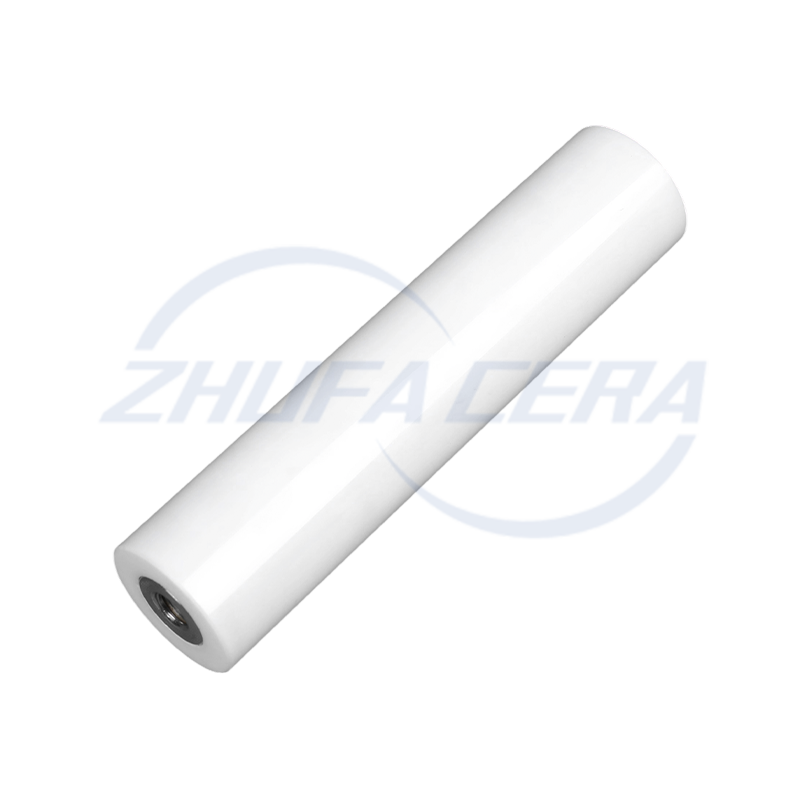
Zirconia Ceramic Rod is a high-performance ceramic material rod, mainly made of zirconium oxide, with excellent mechanical strength and chemical stability. It exhibits extremely high hardness and wear...
See Details -
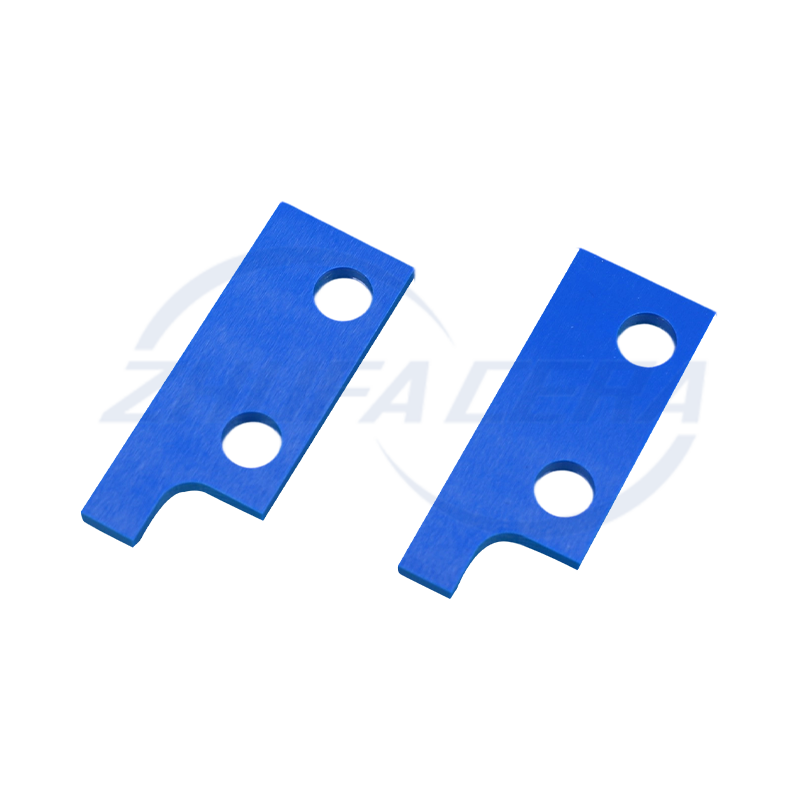
Blue zirconia ceramic sheets are precision components made of advanced zirconia ceramics. They are stained with cobalt, iron or copper to form a blue color. This color not only serves as a visual i...
See Details -
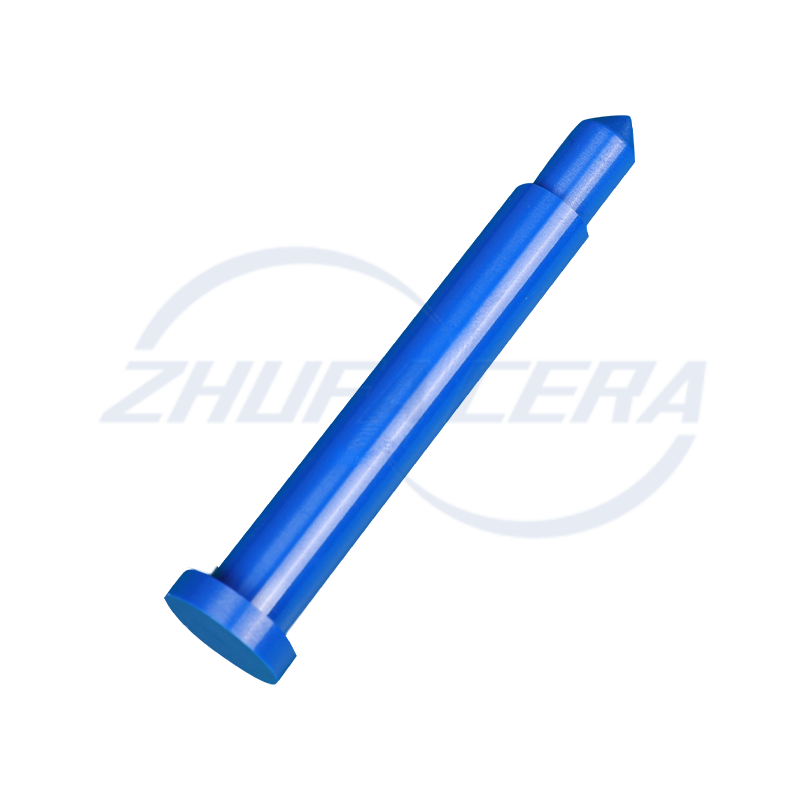
This blue zirconia ceramic pin is made of advanced zirconia ceramic material, providing excellent durability and performance. Zirconia ceramics are known for their high strength, good wear resistan...
See Details -

Zirconia Ceramic Gear is made of zirconium oxide ceramic material, which has excellent high strength and high hardness. This material property enables it to effectively resist wear during the transmis...
See Details -
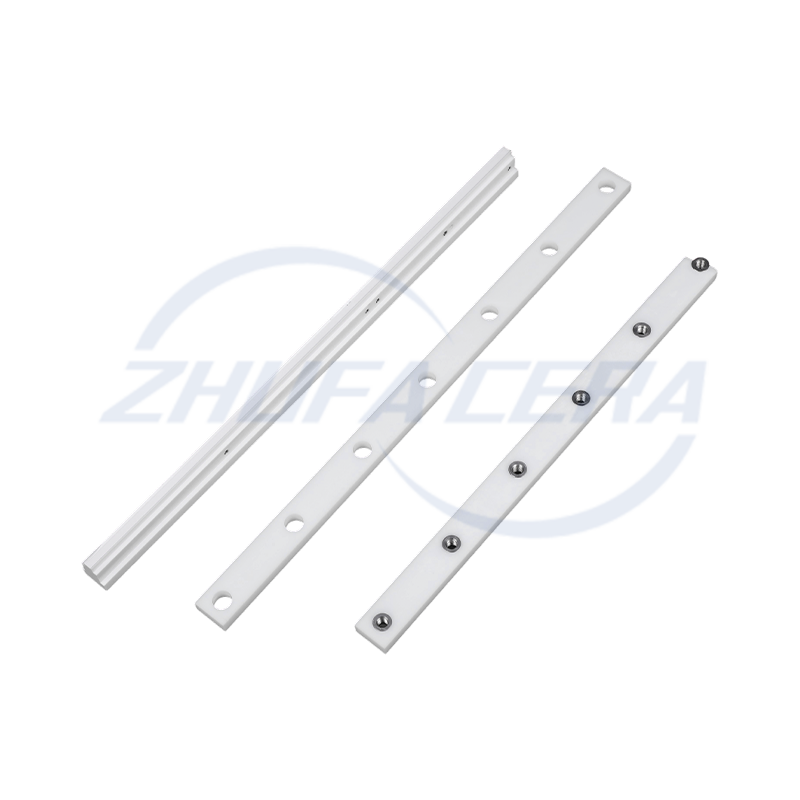
Zirconia Ceramic Guide Rail is a high-performance precision mechanical component made of zirconium oxide ceramic material. Its core characteristics are derived from the excellent physical and chemical...
See Details -
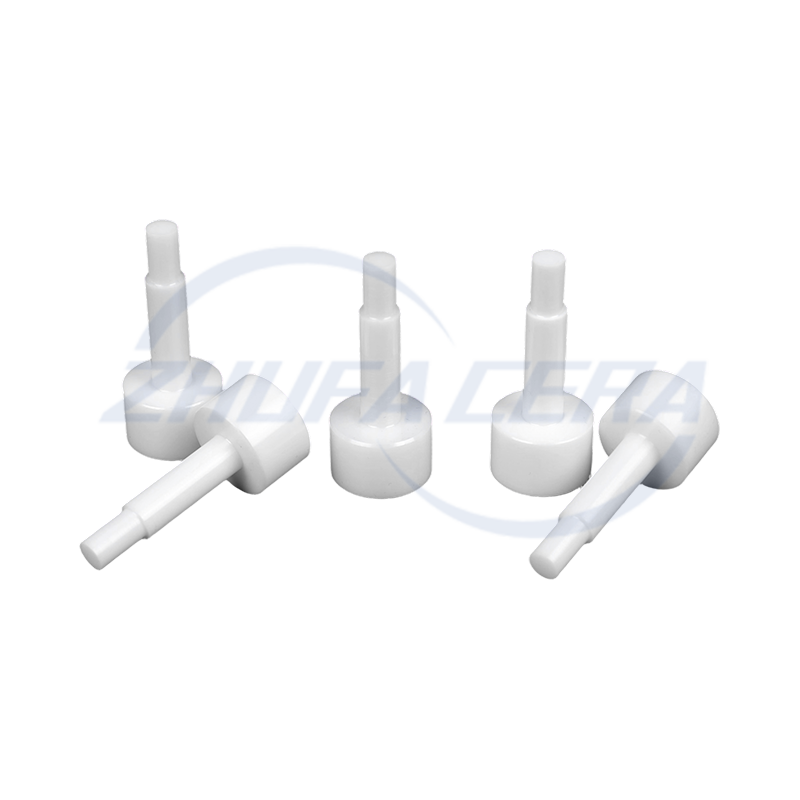
Zirconia Ceramic Locating Pin is a high-precision positioning element made of advanced zirconium oxide ceramic material with excellent physical and chemical properties. Its main characteristics includ...
See Details -
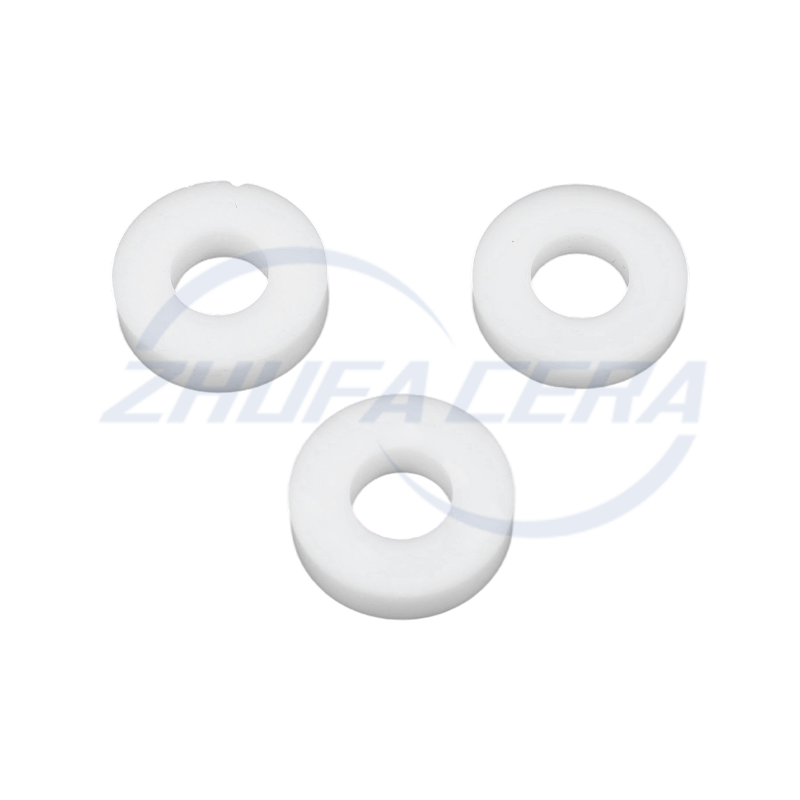
Zirconia Ceramic Ring is a high-performance ceramic product known for its excellent physical and chemical properties. It has extremely high hardness and strength, with a Mohs hardness of more than 8.5...
See Details -
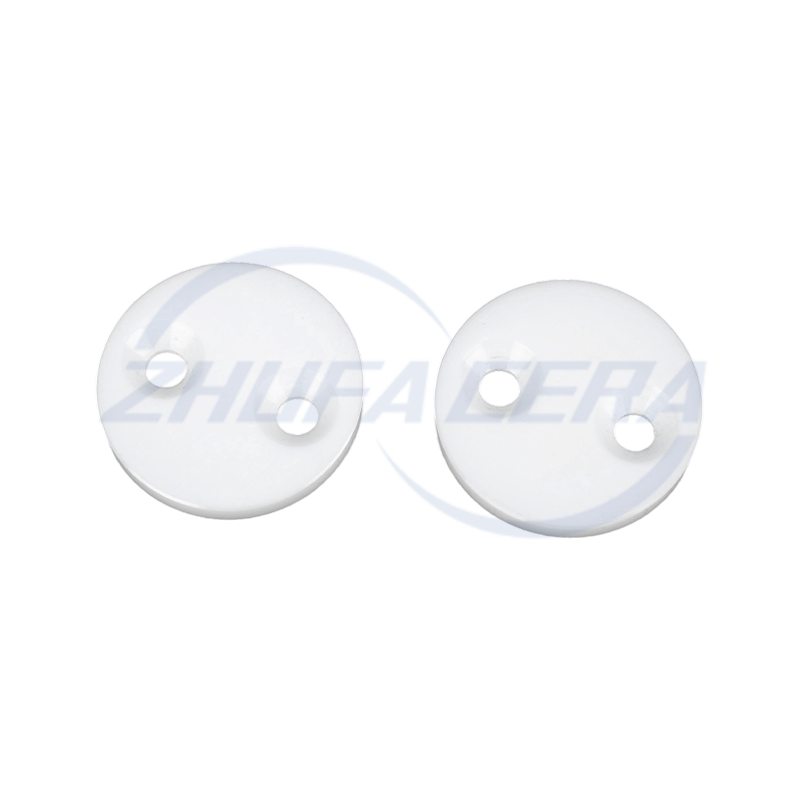
Zirconia ceramic sheets have become functional core components in various fields thanks to their unique properties. With a flexural strength of 900–1200 MPa and a fracture toughness of 6–10 MPa・m¹/², ...
See Details -

Zirconia Ceramic Strip is a strip material made of high-performance zirconium oxide ceramic with excellent physical and chemical properties. It has extremely high hardness and flexural strength, can e...
See Details -
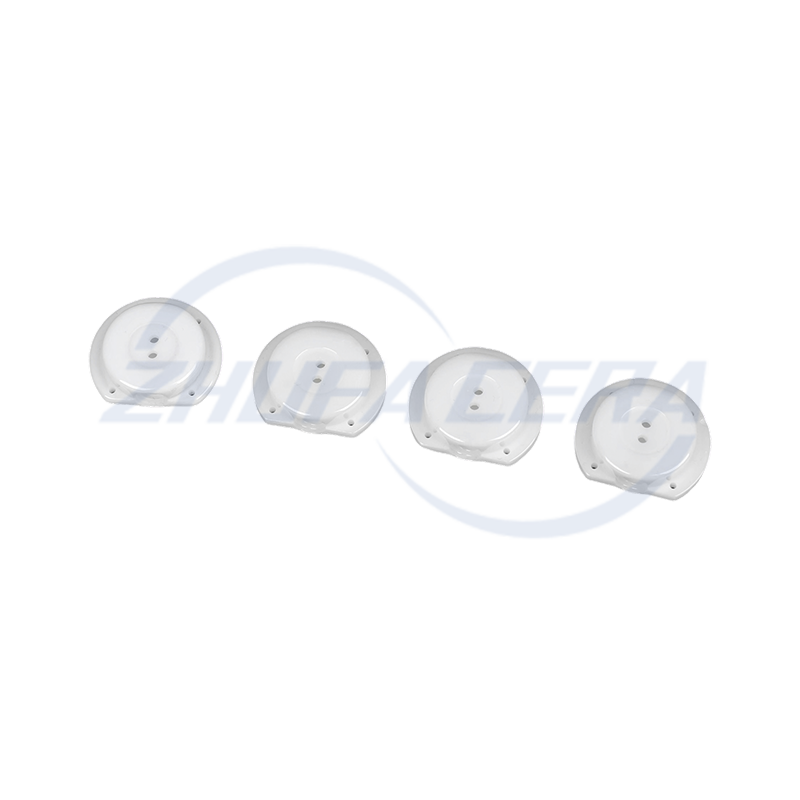
Zirconia ceramic wafers are representative products in the field of high-performance structural ceramics. Compared with traditional alumina ceramics or metal materials, its comprehensive performanc...
See Details -
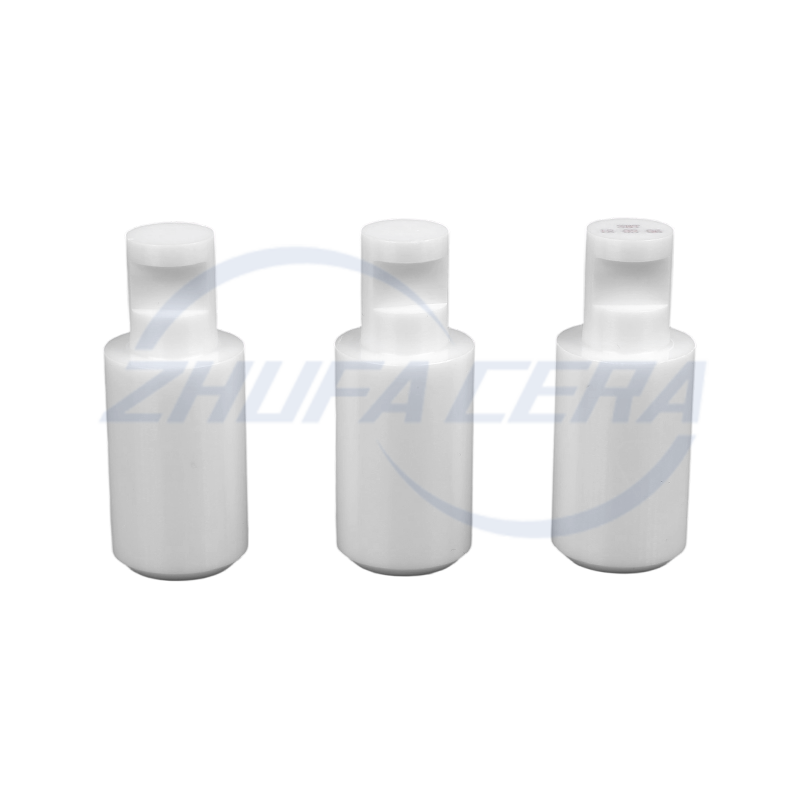
Zirconia Ceramic Plunger is a high-performance component designed for harsh industrial environments. Compared with similar ceramic or metal plunger products, it stands out with its unique material adv...
See Details


-
Quick Links
Home Products About Us Services Technology News Contact Us -
Products
Ceramic Structural Parts Zirconia Ceramics Alumina Ceramics ZTA Ceramics Silicon Nitride Ceramics Silicon Carbide Ceramics Ceramic Injection Molded Parts -
About Us
Factory Tour Honor FAQ -
Contact info
+86-188 8878 5188zf@zfcera.comNo. 1, Xinggong Road, Anchang Industrial Park, Keqiao District, Shaoxing City, Zhejiang Province, China -
WhatsApp

Copyright © Zhejiang Zhufa Precision Ceramics Technology Co., Ltd. All Rights Reserved.
China precision ceramics manufacturer
wholesale precision ceramics supplier
