

 中文简体
中文简体 русский
 Español
 عربى
عربى Português
 日本語
日本語 한국어
한국어
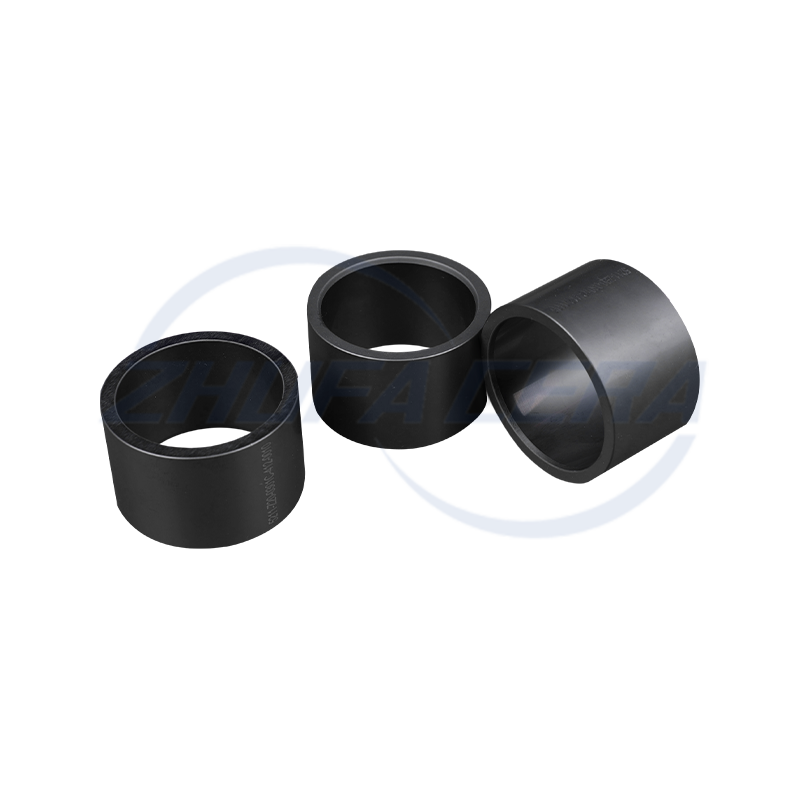
Black silicon carbide ceramic ring is a high-performance engineered ceramic assembly made of high-purity silicon carbide by precision molding and high temperature sintering. Its quadrangular crystal s...
See Details
FOLLOW US :


 Email: zf@zfcera.com
 Telephone: +86-188 8878 5188

Ceramic Structural Parts: The Secret Weapon for Corrosion Resistance in Petrochemical Pipeline Systems?
2025-10-24
Content
Petrochemical pipeline systems are the lifelines of the industry, responsible for transporting crude oil, refined fuels, and various chemical intermediates. However, corrosion has long been a persistent threat to these pipelines, leading to safety hazards, economic losses, and environmental risks. Ceramic structural parts have emerged as a potential solution, but how exactly do they address the corrosion challenge? Let’s explore the key questions surrounding this topic.
Why Are Petrochemical Pipelines Plagued by Corrosion?
Petrochemical pipelines operate in some of the harshest environments, making them highly susceptible to corrosion. Several types of corrosion commonly affect these systems, each driven by specific factors.
Chemically, the transported media themselves are often corrosive. Crude oil may contain sulfur compounds, organic acids, and water, which react with the pipeline material over time. Refined products like gasoline and diesel can also have acidic components that accelerate degradation. Electrochemical corrosion is another major issue: when pipelines are in contact with moisture (either from the media or the surrounding environment) and different metals (e.g., in joints or fittings), galvanic cells form, leading to the oxidation of the pipeline’s metal surface.
Physical factors further exacerbate corrosion. High temperatures in pipelines used for transporting heated fluids increase the rate of chemical reactions, while high pressure can cause microcracks in the pipeline material, providing entry points for corrosive substances. Additionally, solid particles in the media (such as sand in crude oil) can cause abrasion, removing protective coatings and exposing the metal to corrosion.
The consequences of pipeline corrosion are severe. Leaks can lead to environmental pollution, including soil and water contamination, and pose fire and explosion risks in the presence of flammable petrochemicals. From an economic perspective, corrosion results in costly repairs, pipeline replacements, and unplanned downtime, disrupting production schedules and increasing operational expenses.
What Makes Ceramic Structural Parts Stand Out?
Ceramic structural parts owe their effectiveness in combating corrosion to a unique set of material properties that make them superior to traditional metal components in many petrochemical applications.
First, ceramics exhibit exceptional chemical stability. Unlike metals, which readily react with corrosive substances, most ceramics (such as alumina, silicon carbide, and zirconia) are inert to a wide range of chemicals, including strong acids, alkalis, and organic solvents commonly found in petrochemical processes. This inertness means they do not undergo oxidation, dissolution, or other chemical reactions that cause corrosion, even when exposed to these substances over long periods.
Second, ceramics have high hardness and wear resistance. This property is crucial in petrochemical pipelines, where abrasive particles in the media can damage metal surfaces. The hard, dense structure of ceramics prevents abrasion, maintaining their integrity and protective capabilities over time. Unlike metal pipelines, which may develop thin, vulnerable layers after abrasion, ceramics retain their resistance to both wear and corrosion.
Third, ceramics offer excellent thermal stability. Petrochemical pipelines often operate at elevated temperatures, which can degrade the corrosion resistance of metals and coatings. Ceramics, however, can withstand high temperatures (in some cases exceeding 1,000°C) without losing their structural strength or chemical stability. This makes them suitable for use in high-temperature pipeline systems, such as those used for transporting heated crude oil or chemical intermediates.
Additionally, ceramics have low thermal conductivity, which can help reduce heat loss in pipelines carrying heated fluids. While this is not a direct corrosion resistance property, it contributes to overall pipeline efficiency and can indirectly extend the lifespan of associated components, further supporting the reliability of the system.
How Do Ceramic Structural Parts Enhance Corrosion Resistance in Petrochemical Pipelines?
Ceramic structural parts are integrated into petrochemical pipeline systems in various forms, each designed to target specific corrosion-prone areas and mechanisms. Their ability to enhance corrosion resistance stems from how they interact with the pipeline environment and prevent damage to the underlying metal structure.
One common application is ceramic linings for pipeline interiors. These linings are typically made from high-purity ceramics (such as alumina or silicon carbide) and are applied as a thin, continuous layer on the inner surface of metal pipelines. By acting as a physical barrier, the ceramic lining isolates the metal pipeline from the corrosive media. The inert nature of ceramics ensures that even if the media is highly acidic, alkaline, or contains reactive compounds, it cannot come into direct contact with the metal to cause corrosion. The smooth surface of the ceramic lining also reduces friction, minimizing the abrasion caused by solid particles in the media, which further protects the pipeline from both wear and subsequent corrosion.
Ceramic valves and fittings are another key application. Valves and fittings are often corrosion hotspots in pipeline systems due to their complex geometries, which can trap corrosive media and create areas of stagnation. Ceramic valves use ceramic discs, seats, or trim components instead of metal. These ceramic parts resist chemical attack and wear, ensuring tight sealing and preventing leaks that could lead to corrosion of surrounding metal components. Unlike metal valves, which may develop pitting or erosion in corrosive environments, ceramic valves maintain their performance and integrity, reducing the need for frequent replacements.
Ceramic seals and gaskets are also used to enhance corrosion resistance in pipeline joints. Traditional rubber or metal gaskets can degrade in the presence of petrochemicals, leading to leaks and corrosion at the joint. Ceramic seals, made from materials like alumina or zirconia, are resistant to chemical degradation and can withstand high temperatures and pressures. They form a reliable, long-lasting seal that prevents corrosive media from leaking out of the pipeline and protects the joint area from corrosion.
Furthermore, ceramic structural parts can be designed to repair corroded sections of pipelines. For example, ceramic patches or sleeves can be applied to areas of the pipeline that have developed minor corrosion damage. These patches adhere to the metal surface, sealing off the corroded area and preventing further degradation. The ceramic material then acts as a protective barrier, ensuring the repaired section remains resistant to corrosion in the long term.
In all these applications, the key to ceramic structural parts’ effectiveness lies in their ability to combine physical barrier protection with inherent chemical resistance. By preventing corrosive media from reaching the metal pipeline and withstanding the harsh conditions of petrochemical operations, they significantly extend the lifespan of pipeline systems and reduce the risk of corrosion-related failures.
Related products
-
-
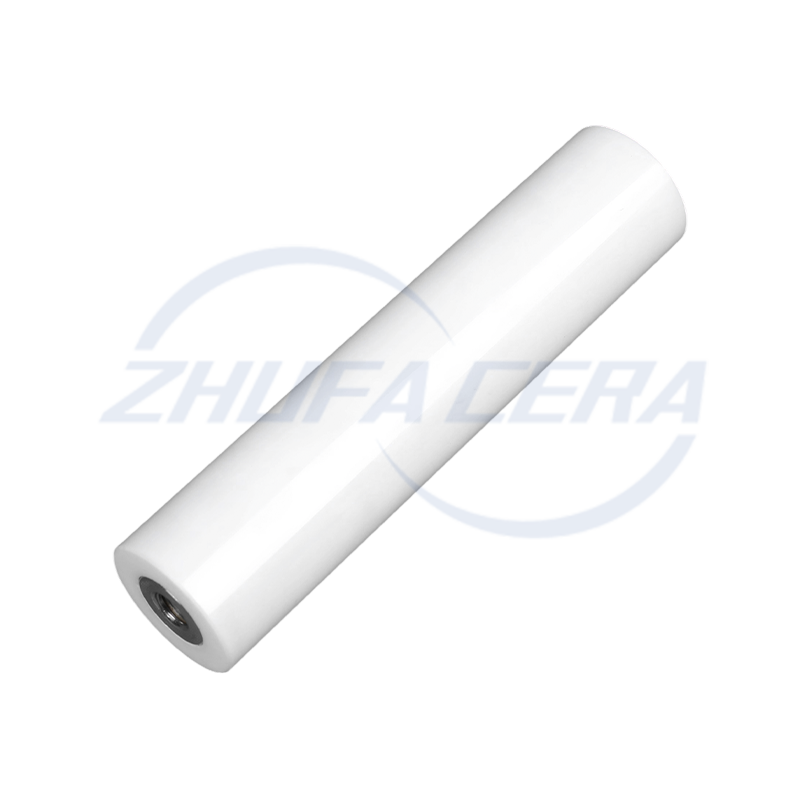
Zirconia Ceramic Rod is a high-performance ceramic material rod, mainly made of zirconium oxide, with excellent mechanical strength and chemical stability. It exhibits extremely high hardness and wear...
See Details -
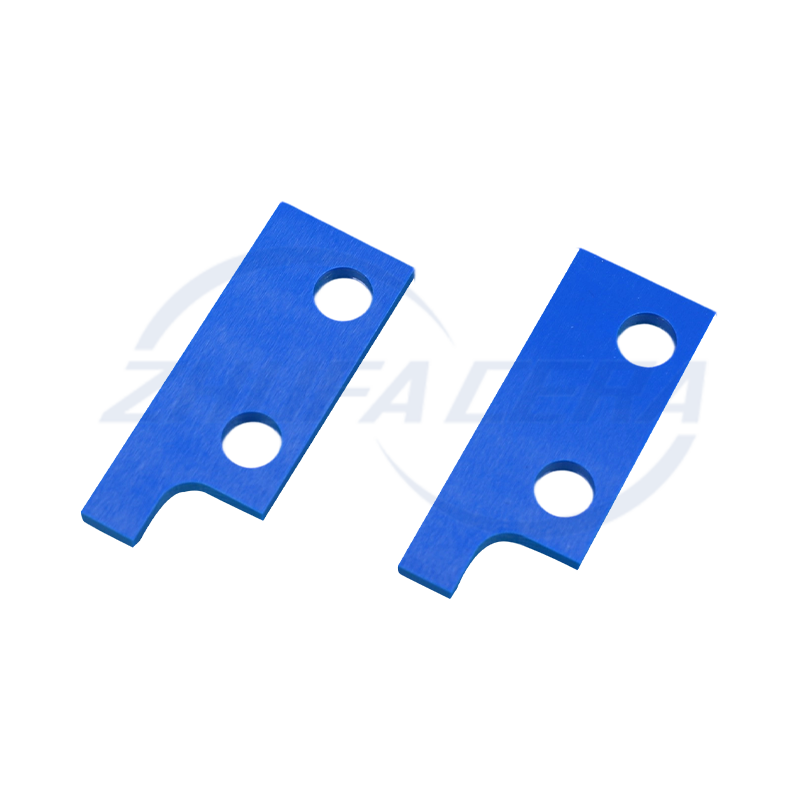
Blue zirconia ceramic sheets are precision components made of advanced zirconia ceramics. They are stained with cobalt, iron or copper to form a blue color. This color not only serves as a visual i...
See Details -
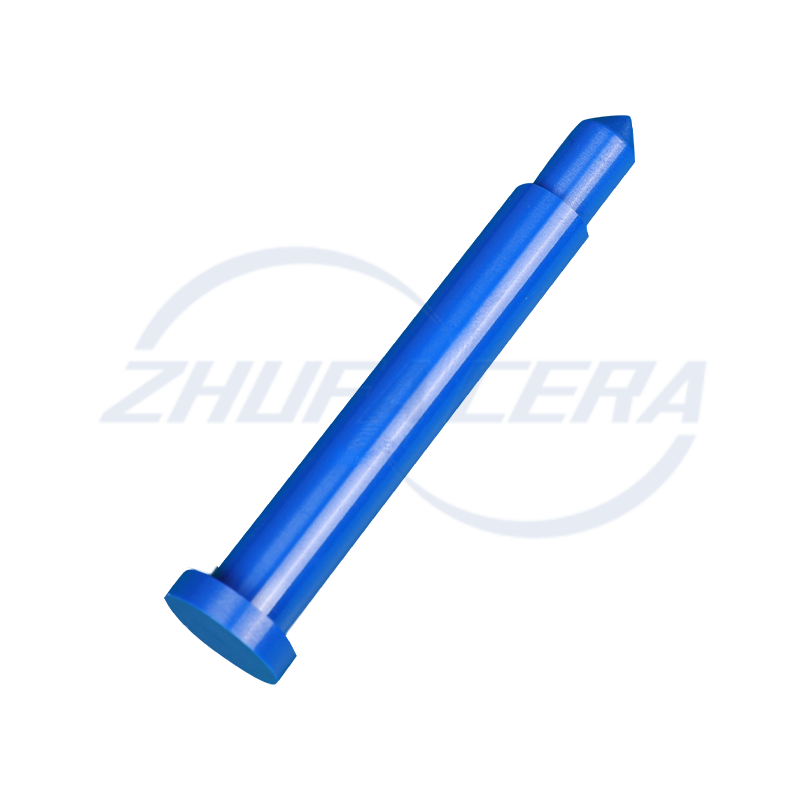
This blue zirconia ceramic pin is made of advanced zirconia ceramic material, providing excellent durability and performance. Zirconia ceramics are known for their high strength, good wear resistan...
See Details -

Zirconia Ceramic Gear is made of zirconium oxide ceramic material, which has excellent high strength and high hardness. This material property enables it to effectively resist wear during the transmis...
See Details -
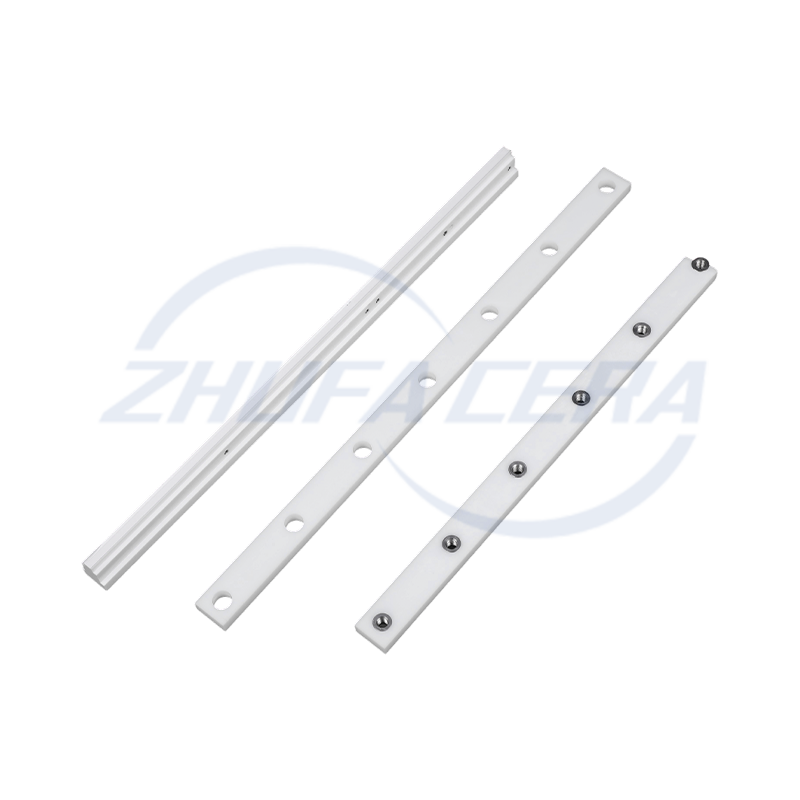
Zirconia Ceramic Guide Rail is a high-performance precision mechanical component made of zirconium oxide ceramic material. Its core characteristics are derived from the excellent physical and chemical...
See Details -
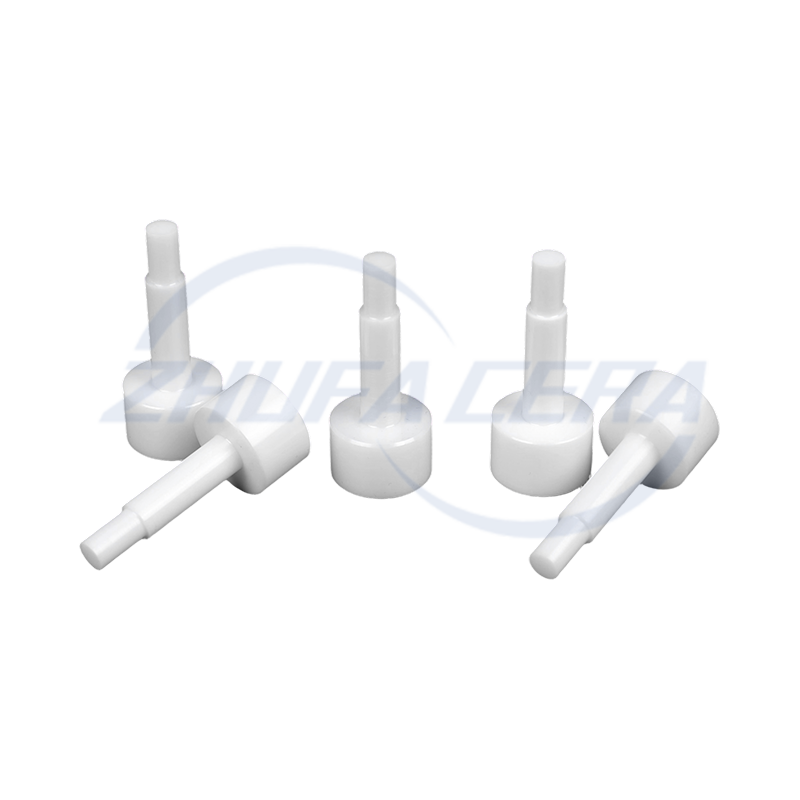
Zirconia Ceramic Locating Pin is a high-precision positioning element made of advanced zirconium oxide ceramic material with excellent physical and chemical properties. Its main characteristics includ...
See Details -
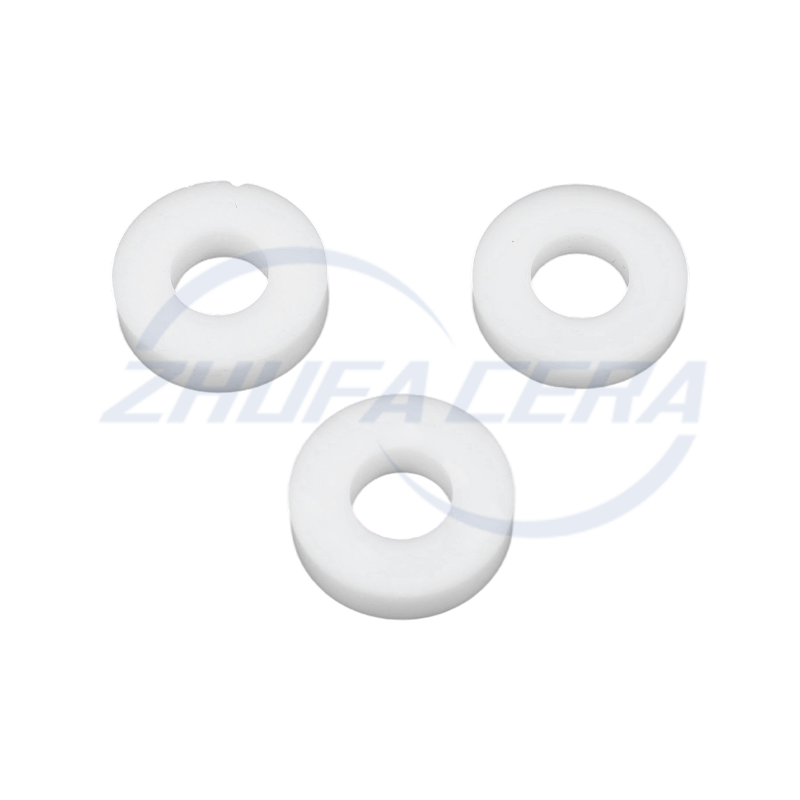
Zirconia Ceramic Ring is a high-performance ceramic product known for its excellent physical and chemical properties. It has extremely high hardness and strength, with a Mohs hardness of more than 8.5...
See Details -
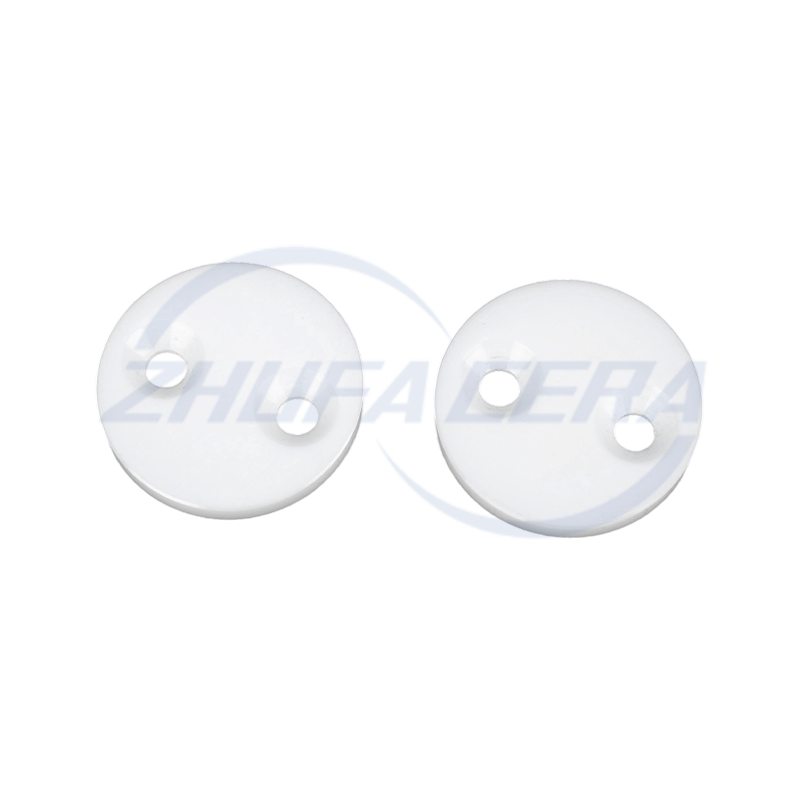
Zirconia ceramic sheets have become functional core components in various fields thanks to their unique properties. With a flexural strength of 900–1200 MPa and a fracture toughness of 6–10 MPa・m¹/², ...
See Details -

Zirconia Ceramic Strip is a strip material made of high-performance zirconium oxide ceramic with excellent physical and chemical properties. It has extremely high hardness and flexural strength, can e...
See Details -
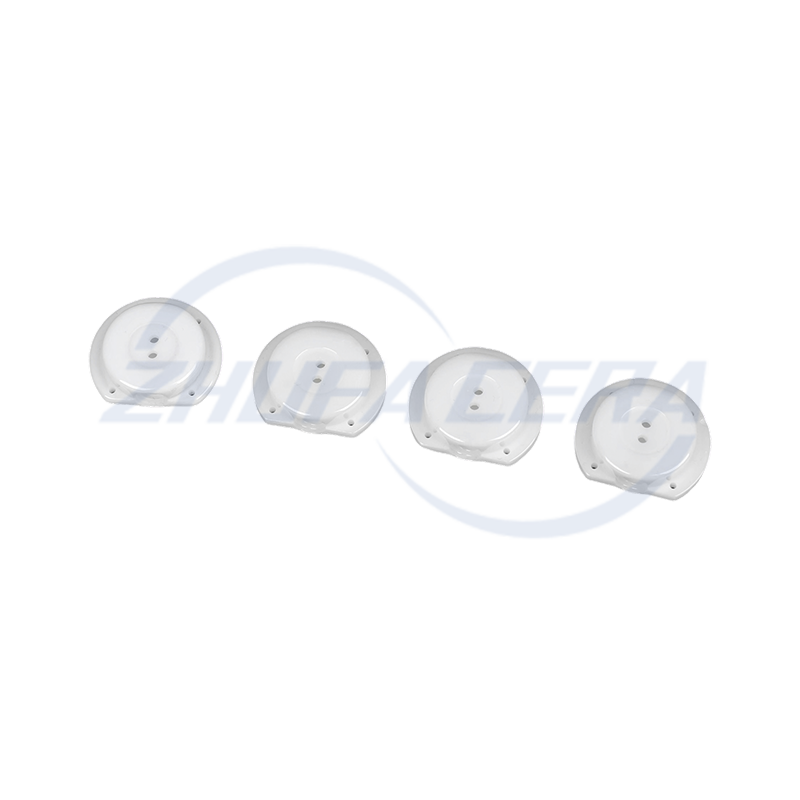
Zirconia ceramic wafers are representative products in the field of high-performance structural ceramics. Compared with traditional alumina ceramics or metal materials, its comprehensive performanc...
See Details -
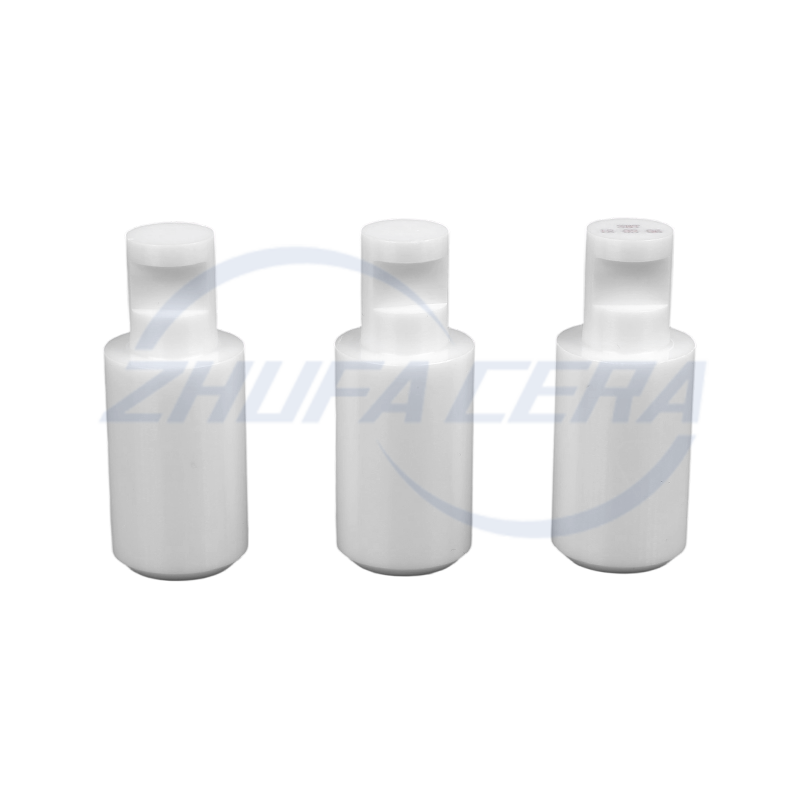
Zirconia Ceramic Plunger is a high-performance component designed for harsh industrial environments. Compared with similar ceramic or metal plunger products, it stands out with its unique material adv...
See Details


-
Quick Links
Home Products About Us Services Technology News Contact Us -
Products
Ceramic Structural Parts Zirconia Ceramics Alumina Ceramics ZTA Ceramics Silicon Nitride Ceramics Silicon Carbide Ceramics Ceramic Injection Molded Parts -
About Us
Factory Tour Honor FAQ -
Contact info
+86-188 8878 5188zf@zfcera.comNo. 1, Xinggong Road, Anchang Industrial Park, Keqiao District, Shaoxing City, Zhejiang Province, China -
WhatsApp

Copyright © Zhejiang Zhufa Precision Ceramics Technology Co., Ltd. All Rights Reserved.
China precision ceramics manufacturer
wholesale precision ceramics supplier
