

 中文简体
中文简体 русский
 Español
 عربى
عربى Português
 日本語
日本語 한국어
한국어
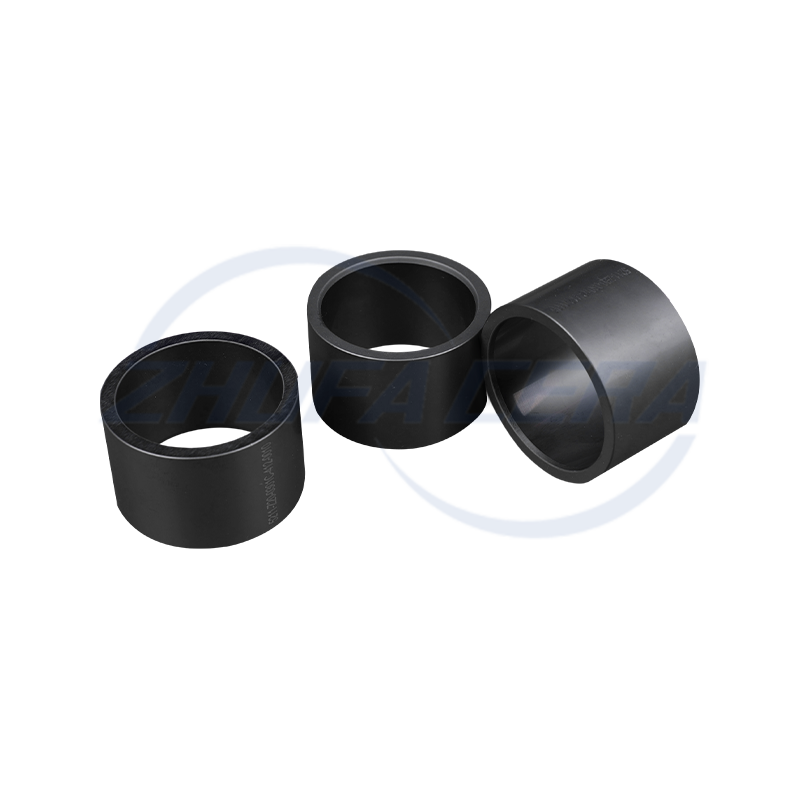
Black silicon carbide ceramic ring is a high-performance engineered ceramic assembly made of high-purity silicon carbide by precision molding and high temperature sintering. Its quadrangular crystal s...
See Details
FOLLOW US :


 Email: zf@zfcera.com
 Telephone: +86-188 8878 5188

How to Improve Advanced Ceramics' Toughness and Machinability? 5 Proven Strategies Revealed
2025-10-17
Content
- 1. Can Biomimetic Structural Design Rewrite Ceramics' Brittleness Narrative?
- 2. Does Composite Formulation Hold the Key to Balanced Toughness?
- 3. Can Advanced Sintering Technologies Resolve Density and Grain Challenges?
- 4. Is Non-Traditional Machining the Solution to Precision Without Damage?
- 5. Can Post-Processing and Quality Control Lock in Enhanced Performance?
Advanced ceramics are hailed as "ideal materials" for high-end components due to their exceptional mechanical strength, thermal stability, and chemical resistance. Yet their inherent brittleness—stemming from strong covalent atomic bonds—and poor machinability have long hindered broader application. The good news is that targeted material design, process innovation, and technological upgrades are breaking these barriers. Below are five proven strategies to enhance toughness and machinability, unpacked through critical questions.
1. Can Biomimetic Structural Design Rewrite Ceramics' Brittleness Narrative?
Nature has long held the blueprint for balancing strength and toughness, and translating this wisdom into ceramic design has emerged as a game-changer. Organisms like nacre, bone, and bamboo combine over 95% brittle components into materials with remarkable damage tolerance, thanks to finely evolved hierarchical structures. This biological inspiration is now transforming advanced ceramics.
Researchers have developed composite ceramics with biomimetic architectures—including layered structures, gradient layers, and fiber monolith designs—that guide crack propagation through structural and interfacial effects. A breakthrough "strong-weak-strong" gradient hierarchical system, inspired by bamboo’s multi-oriented gradient distribution, introduces cross-scale crack interactions from micro to macro levels. This design boosts crack propagation toughness to 26 MPa·m¹/²—485% higher than pure alumina—while increasing theoretical critical crack size by 780%.
Such biomimetic ceramics can withstand cyclic loading with residual bearing capacity retaining over 85% after each cycle, overcoming traditional ceramics’ catastrophic fracture risk. By mimicking nature’s structural logic, ceramics gain both strength and the ability to absorb impact without sudden failure.
2. Does Composite Formulation Hold the Key to Balanced Toughness?
Optimizing material composition and microstructure is foundational to enhancing ceramic performance, as it targets the root causes of brittleness and machining difficulty. The right formulations create internal mechanisms that resist cracking while improving processability.
Component optimization involves adding reinforcing phases like nanoparticles, fibers, or whiskers to the ceramic matrix. For example, incorporating silicon carbide (SiC) or silicon nitride (Si₃N₄) nanoparticles into alumina (Al₂O₃) significantly enhances both strength and toughness. Oxide-zirconia-toughened alumina (ZTA) takes this further by integrating zirconia phases to boost fracture toughness and thermal shock resistance—a classic example of combining materials to offset weaknesses.
Microstructure control also plays a pivotal role. Nanocrystalline ceramics, with their small grain size and large grain boundary area, naturally exhibit higher strength and toughness than coarse-grained counterparts. Introducing gradient or multi-layered structures further relieves stress concentration, reducing the risk of crack initiation during machining and use. This dual focus on composition and structure creates ceramics that are both tougher and more machinable from the start.
3. Can Advanced Sintering Technologies Resolve Density and Grain Challenges?
Sintering—the process that transforms ceramic powders into dense solids—directly impacts microstructure, density, and ultimately performance. Traditional sintering often fails to achieve full densification or controls grain growth, leading to weak spots. Advanced sintering methods address these flaws to enhance toughness and processability.
Technologies like hot pressing (HP), hot isostatic pressing (HIP), and spark plasma sintering (SPS) enable densification at lower temperatures, minimizing grain growth and reducing internal defects. SPS, in particular, uses pulsed current and pressure to achieve rapid densification in minutes, preserving fine-grained microstructures critical for toughness. Microwave sintering and flash sintering—where high electric fields enable densification in seconds—further optimize efficiency while ensuring uniform grain distribution.
Adding sintering aids like magnesium oxide or yttrium oxide complements these techniques by lowering sintering temperatures, promoting densification, and inhibiting excessive grain growth. The result is high-density ceramics with uniform microstructures, reducing machining-induced cracks and improving overall toughness.
4. Is Non-Traditional Machining the Solution to Precision Without Damage?
The extreme hardness of advanced ceramics makes traditional mechanical machining prone to surface damage, cracks, and tool wear. Non-traditional machining technologies, which avoid direct mechanical force, are revolutionizing how ceramics are shaped with precision and minimal harm.
Laser machining offers non-contact processing, using precisely controlled energy to cut, drill, or texture ceramic surfaces without inducing mechanical stress. This method excels at creating complex microstructures and tiny features while preserving surface integrity. Ultrasonic machining takes a different approach: high-frequency tool vibration combined with abrasive particles enables gentle yet precise shaping of hard-brittle ceramics, ideal for drilling and cutting delicate components.
A novel "ultrasonic vibration-assisted reflow machining (URM)" technique targets ceramic wet blanks, leveraging the reversible flow properties of ceramic gels under shear stress. By applying vertical high-frequency ultrasonic vibration, the method achieves selective material removal for drilling, grooving, and surface finishing—eliminating cracking and edge chipping common in traditional blank processing, with feature sizes reaching the micrometer level. Chemical mechanical polishing (CMP) further refines surfaces by combining chemical etching and mechanical grinding, delivering the high-precision finishes needed for optical and electronic ceramics.
5. Can Post-Processing and Quality Control Lock in Enhanced Performance?
Even well-designed ceramics benefit from post-processing to eliminate residual stresses and strengthen surfaces, while rigorous quality control ensures consistent performance. These final steps are critical to translating material potential into real-world reliability.
Surface modification techniques add a protective layer to enhance both toughness and machinability. Coating ceramics with titanium nitride (TiN) or titanium carbide (TiC) boosts wear resistance, reducing tool damage during machining and extending component lifespan. Heat treatment and annealing relieve internal stresses accumulated during sintering, improving dimensional stability and reducing crack risk during processing.
Quality control, meanwhile, prevents flawed materials from entering production. Non-destructive testing technologies like ultrasonic inspection and X-ray computed tomography (CT) detect internal defects in real time, while scanning electron microscopy (SEM) analyzes grain structure and phase distribution to guide process optimization. Mechanical testing of hardness, fracture toughness, and bending strength ensures each batch meets performance standards. Together, these steps guarantee that the enhanced toughness and machinability achieved through design and processing are consistent and reliable.
Improving advanced ceramics’ toughness and machinability is not a matter of single-factor optimization but a synergistic approach spanning design, formulation, processing, and quality control. Biomimetic structures draw from nature’s ingenuity, composite formulations build inherent strength, advanced sintering refines microstructures, non-traditional machining enables precision, and post-processing locks in performance. As these strategies continue to evolve, advanced ceramics are poised to expand their role in aerospace, energy, electronics, and other high-tech fields—overcoming the brittle limitations that once held them back.
Related products
-
-
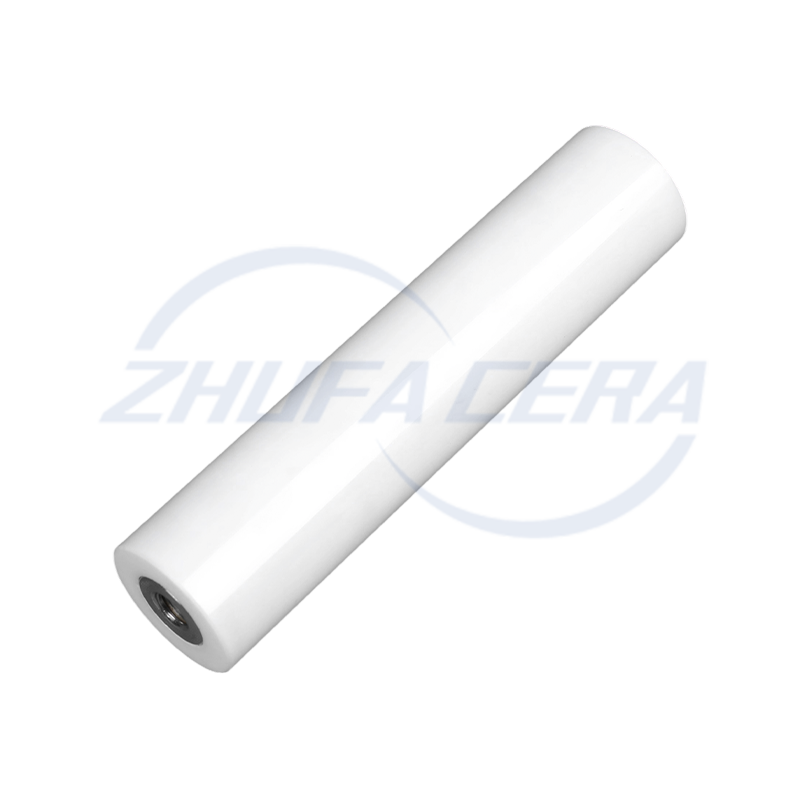
Zirconia Ceramic Rod is a high-performance ceramic material rod, mainly made of zirconium oxide, with excellent mechanical strength and chemical stability. It exhibits extremely high hardness and wear...
See Details -
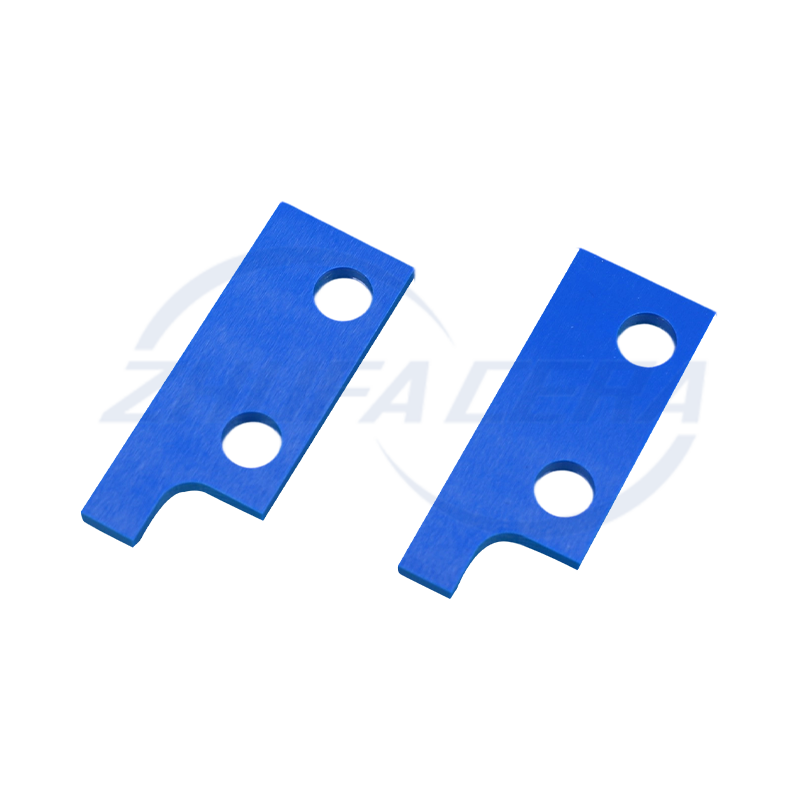
Blue zirconia ceramic sheets are precision components made of advanced zirconia ceramics. They are stained with cobalt, iron or copper to form a blue color. This color not only serves as a visual i...
See Details -

This blue zirconia ceramic pin is made of advanced zirconia ceramic material, providing excellent durability and performance. Zirconia ceramics are known for their high strength, good wear resistan...
See Details -

Zirconia Ceramic Gear is made of zirconium oxide ceramic material, which has excellent high strength and high hardness. This material property enables it to effectively resist wear during the transmis...
See Details -

Zirconia Ceramic Guide Rail is a high-performance precision mechanical component made of zirconium oxide ceramic material. Its core characteristics are derived from the excellent physical and chemical...
See Details -
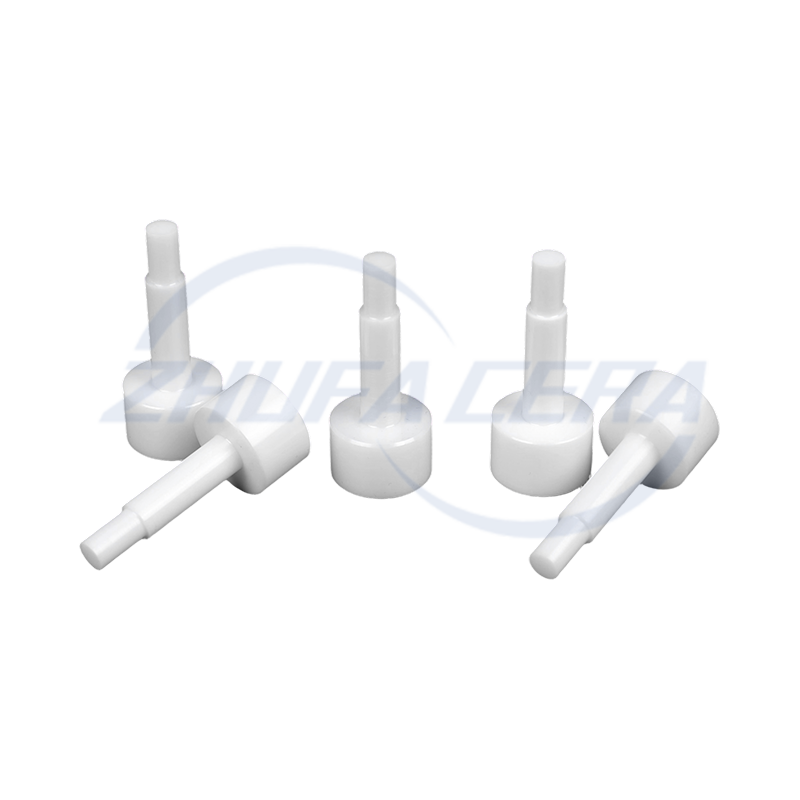
Zirconia Ceramic Locating Pin is a high-precision positioning element made of advanced zirconium oxide ceramic material with excellent physical and chemical properties. Its main characteristics includ...
See Details -

Zirconia Ceramic Ring is a high-performance ceramic product known for its excellent physical and chemical properties. It has extremely high hardness and strength, with a Mohs hardness of more than 8.5...
See Details -
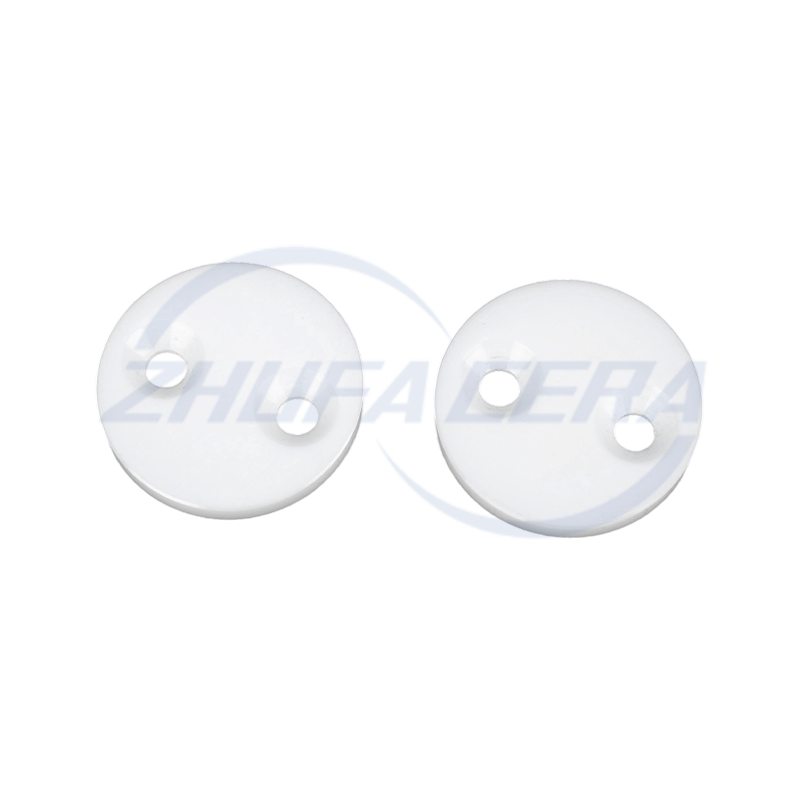
Zirconia ceramic sheets have become functional core components in various fields thanks to their unique properties. With a flexural strength of 900–1200 MPa and a fracture toughness of 6–10 MPa・m¹/², ...
See Details -

Zirconia Ceramic Strip is a strip material made of high-performance zirconium oxide ceramic with excellent physical and chemical properties. It has extremely high hardness and flexural strength, can e...
See Details -
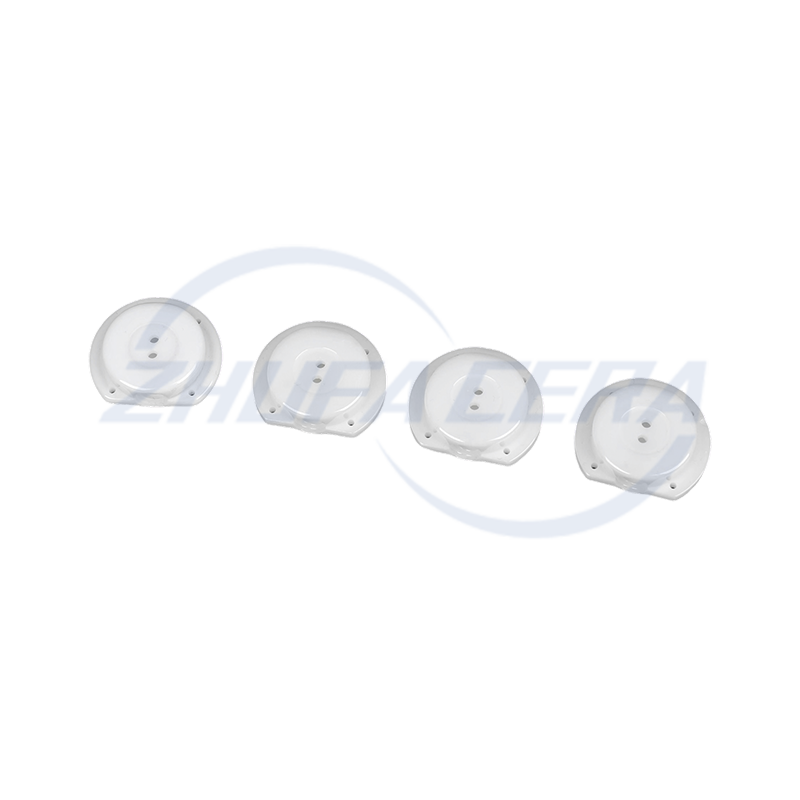
Zirconia ceramic wafers are representative products in the field of high-performance structural ceramics. Compared with traditional alumina ceramics or metal materials, its comprehensive performanc...
See Details -
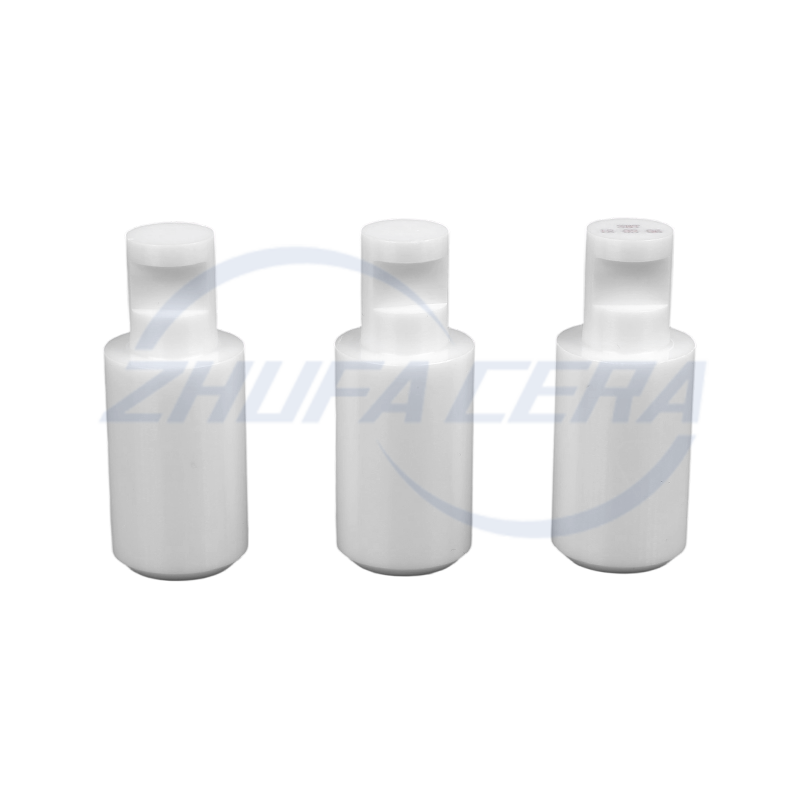
Zirconia Ceramic Plunger is a high-performance component designed for harsh industrial environments. Compared with similar ceramic or metal plunger products, it stands out with its unique material adv...
See Details


-
Quick Links
Home Products About Us Services Technology News Contact Us -
Products
Ceramic Structural Parts Zirconia Ceramics Alumina Ceramics ZTA Ceramics Silicon Nitride Ceramics Silicon Carbide Ceramics Ceramic Injection Molded Parts -
About Us
Factory Tour Honor FAQ -
Contact info
+86-188 8878 5188zf@zfcera.comNo. 1, Xinggong Road, Anchang Industrial Park, Keqiao District, Shaoxing City, Zhejiang Province, China -
WhatsApp

Copyright © Zhejiang Zhufa Precision Ceramics Technology Co., Ltd. All Rights Reserved.
China precision ceramics manufacturer
wholesale precision ceramics supplier
