

 中文简体
中文简体 русский
 Español
 عربى
عربى Português
 日本語
日本語 한국어
한국어
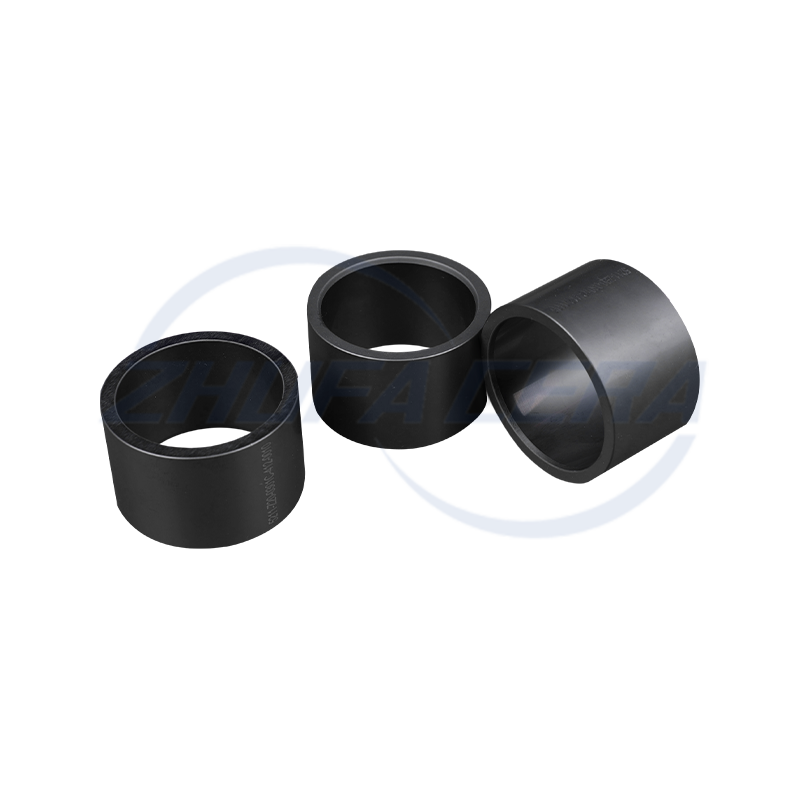
Black silicon carbide ceramic ring is a high-performance engineered ceramic assembly made of high-purity silicon carbide by precision molding and high temperature sintering. Its quadrangular crystal s...
See Details
FOLLOW US :


 Email: zf@zfcera.com
 Telephone: +86-188 8878 5188

High hardness wear vs extreme heat generation, have you chosen the right precision ceramics?
2026-07-08
In the supply chain of high-end manufacturing, semiconductor and intelligent equipment, “ Precision ceramics ” Often undertake the most extreme working conditions. Many purchasers and engineers often struggle between zirconium oxide and aluminum nitride when facing specific working conditions.
Although these two are both advanced industrial ceramics, their microstructure and physical properties determine that they are completely different. “ Character background ” . If you choose the right working conditions, it can withstand tens of thousands of impacts and extend the life of the equipment. “ Magic weapon ” ; If you choose the wrong working conditions, you may face disasters such as chipping, cracking, or even burning the device instantly.
Today, we will deeply dismantle these two major ceramic industries from microscopic mechanisms to typical working conditions. “ ceiling ” selection logic.
1. A duel of core physics mechanics
- Zirconia ceramics: the leader in the ceramic world “ iron man ” , why can't it be broken easily?
Although traditional special ceramics (such as high-purity alumina) have high hardness, their biggest fatal injury is “ crisp ” . The reason why zirconia is called “ ceramic steel ” , the core lies in its unique “ Phase change toughening ” mechanism.
at room temperature by adding yttrium ( Y ) or magnesium ( Mg ) and other stabilizers can convert the high-temperature metastable state (tetragonal crystal phase) of zirconia into “ Freeze ” Keep at room temperature. When ceramics are impacted by external forces and cracks are about to spread, the stress field at the crack tip will trigger the transformation from the tetragonal crystal phase to the monoclinic crystal phase. This phase change will bring about 3%~5% The volume expands, and the compressive stress generated by the expansion will act like a pair of pliers. “ Clamp ” And lock the crack tip to prevent it from spreading further.
Therefore, the flexural strength (up to 1200MPa ) and fracture toughness (up to 10 MPa·m¹/² ), zirconia stands out among the ceramic family.
- Aluminum nitride ceramics: electronic grade “ Cooling King ” , how to achieve heat “ expressway ”
Very low thermal conductivity with zirconia (only ≈ 2.5 W/(m·K) , similar to thermal insulation cotton) is completely opposite, the thermal conductivity of aluminum nitride is as high as ≈ 170 - 230 W/(m·K) , nearly a hundred times that of zirconium oxide, even close to some metals.
Ceramics do not contain free electrons, so how do they transfer heat? The answer is lattice vibration (phonon heat transfer). Aluminum nitride has simple covalent bond non-metallic properties, an extremely light crystal lattice, and extremely strong inter-atomic bonding forces. When locally heated, atoms vibrate at high speed to form phonons, which can be rapidly transferred without hindrance within their high-purity crystal lattice.
What's even more valuable is that while it has ultra-high thermal conductivity, it also maintains excellent electrical insulation (dielectric strength). ≈ 14kV/mm ), and its thermal expansion coefficient ( CTE ≈ 4.5 × 10⁻⁶/K ) is surprisingly consistent with the core semiconductor material single crystal silicon.
Core performance intuitive comparison table
|
performance dimension |
Zirconia ceramic |
Aluminum nitride ceramics |
Determinants of selection |
|
thermal conductivity |
≈ 2 - 3 W/(m·K) ( extremely low ) |
≈ 170 - 230 W/(m·K) ( extremely high ) |
Not even close 100 Times! If heat dissipation is required, aluminum nitride must be selected. |
|
Fracture toughness |
≈ 5 - 10 MPa·m¹/² ( extremely high ) |
≈ 3 - 4 MPa·m¹/² ( A bit brittle ) |
Zirconia has “ Phase change self-healing ” Mechanism, easy to break. |
|
thermal expansion coefficient |
≈ 10 × 10⁻⁶/K ( close to metal ) |
≈ 4.5 × 10⁻⁶/K ( Close to silicon ) |
The chip substrate is aluminum nitride to prevent thermal expansion and contraction from cracking the chip. |
|
Maximum operating temperature |
≈ 1000°C ( Easy to age under ultra-high pressure ) |
≈ 2200°C ( under inert gas protection ) |
high temperature vacuum / Aluminum nitride is selected for resistance to pure nitrogen environments. |
2. How to accurately select the model under the four extreme working conditions?
[Working condition 1: heavy load, high pressure, frequent friction “ head-on ” Mechanical environment] Typical scenarios: plunger pumps in the petrochemical industry, ceramic cutting tools in papermaking and textiles, and grinding balls for new energy battery slurries. Selection conclusion: There is no doubt that zirconia is the first choice. Deep reason: This type of working conditions not only requires materials with extremely high Mohs hardness (zirconia reaches 8.8 ), more impact resistance is required. Aluminum nitride has low toughness ( ≈ 3 - 4 MPa·m¹/² ), under the high-frequency reciprocating impact and frictional shear force of the plunger pump, microscopic spalling or macroscopic fragmentation can easily occur. The phase change toughening of zirconia can calmly deal with this kind of “ get beaten ” working conditions.
[Working Condition 2: Electronic and electrical environment with high power and high heat flux density] Typical scenario: IGBT High power module, high power LED Illumination, high-power laser substrates. Selection conclusion: There is no substitute, aluminum nitride must be chosen. The underlying reason: When modern high-power electronic devices work, the heat generated per unit area of the chip is extremely high. If the heat cannot be exported within a few milliseconds, the chip junction temperature will exceed the standard and it will be burned directly. What is needed at this time is “ Paths of heat, cliffs of electricity ” . The ultra-low thermal conductivity of zirconia instantly becomes “ thermal barrier ” ; The aluminum nitride substrate can not only isolate large currents, but also guide heat into the radiator without retention.
[Working Condition 3: Vacuum processing environment with extremely high temperature and complex atmosphere] Typical scenario:Etch rings (Focus rings) and wafer heaters (heater chucks) in semiconductor wafer fabrication. Selection conclusion: Aluminum nitride is preferred. The underlying reason: Zirconia is more than 1000°C Under extremely high pressure or specific water vapor environment, reverse phase transformation (monoclinal to tetragonal transformation) is prone to occur, resulting in microcracks inside the material. “ Aging ” . Under the protection of inert gas, aluminum nitride can withstand temperatures as high as 2200°C . More importantly, in the semiconductor heating plate, the thermal expansion coefficient of aluminum nitride perfectly matches the silicon wafer. Even in a temperature cycle of several hundred degrees, the expensive silicon wafer will not be damaged due to inconsistent thermal expansion and contraction. “ cracked ” or“ Warp ” 。
[Working Condition 4: Molten Metal Erosion and Complex Chemical Environment] Typical scenario:Crucibles for melting non-ferrous metals (such as aluminum and copper) and acid/alkali pipelines. Selection conclusion: Choose aluminum nitride for molten metal environment. Deep reason: Aluminum nitride has a strong chemical resistance to molten aluminum, copper, iron and other metals. “ non-wetting ” , which means that molten metal cannot adhere to and corrode it, making it a very ideal high-temperature refractory crucible material. However, it should be noted that aluminum nitride is prone to surface hydrolysis in humid air, so surface moisture-proof modification is required when stored and used in aqueous chemical environments; while zirconium oxide shows more stable chemical inertness in conventional acid-base pipelines.
Three. Conclusion: Jump out of single selection and move towards structural optimization
In modern cutting-edge industries, working conditions are often not black and white. For example, some precision components of semiconductors not only face wear and impact caused by mechanical grasping, but also bear high-frequency temperature changes and heat dissipation requirements.
“ Leverage strengths and avoid weaknesses, complement each other structurally ” It is the highest level of precision ceramic application. For example, aluminum nitride is laid on the core heat source as a thermal conductive and temperature control layer, and zirconium oxide or structural metal is used for rigid support at the edges that are stressed and fastened.
The performance of industrial ceramics depends three-thirds on the physical properties of the material itself and seven-tenths on the later powder formula control, sintering process and high-precision micro-nano machining.
Zhufa Precision Ceramics has been engaged in the processing of industrial special ceramics for many years. We not only provide you with a full range of material choices from zirconium oxide and aluminum oxide to aluminum nitride and silicon nitride, but also rely on high-precision CNC Ceramic processing capabilities, converting every piece “ Industrial hard nut ” Polished into precision components that fit your extreme working conditions. Faced with a complex industrial environment, don’t know how to choose and process? Leave the working conditions to us, and we will provide you with a one-stop hard-core solution from material selection to finished product delivery.
Related products
-
-
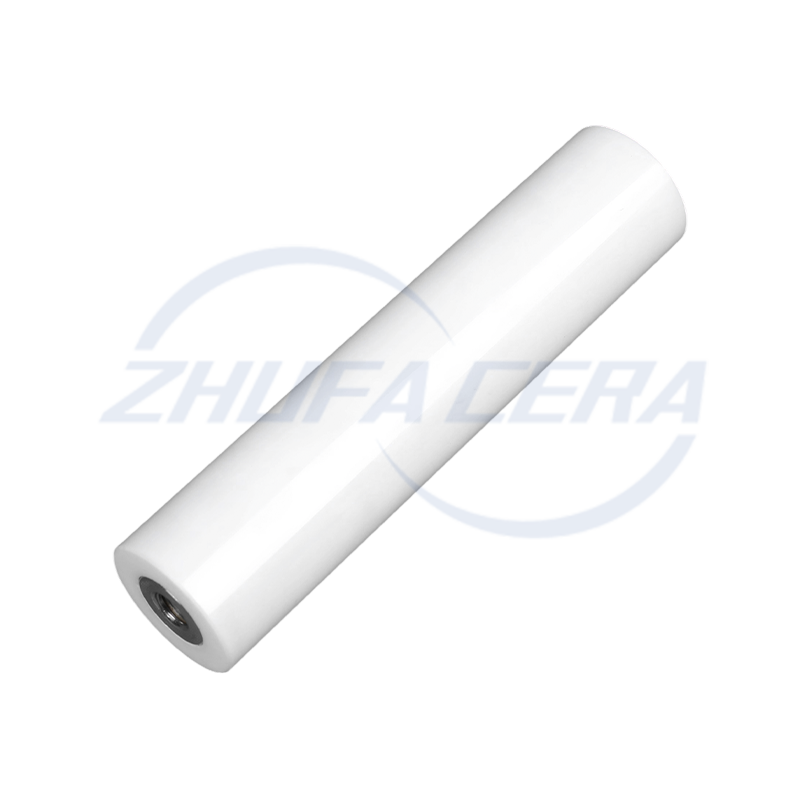
Zirconia Ceramic Rod is a high-performance ceramic material rod, mainly made of zirconium oxide, with excellent mechanical strength and chemical stability. It exhibits extremely high hardness and wear...
See Details -
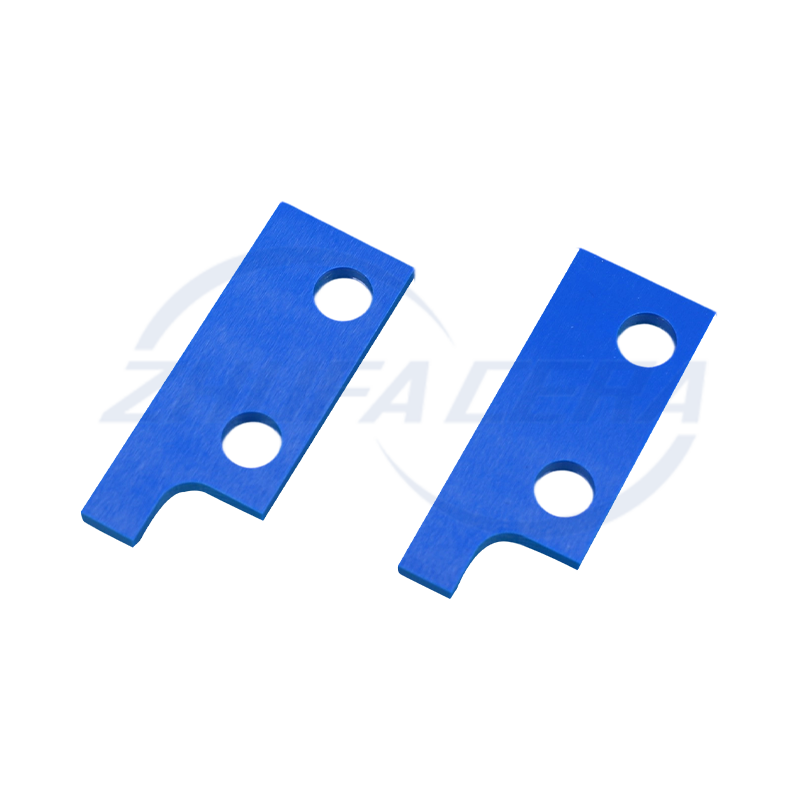
Blue zirconia ceramic sheets are precision components made of advanced zirconia ceramics. They are stained with cobalt, iron or copper to form a blue color. This color not only serves as a visual i...
See Details -
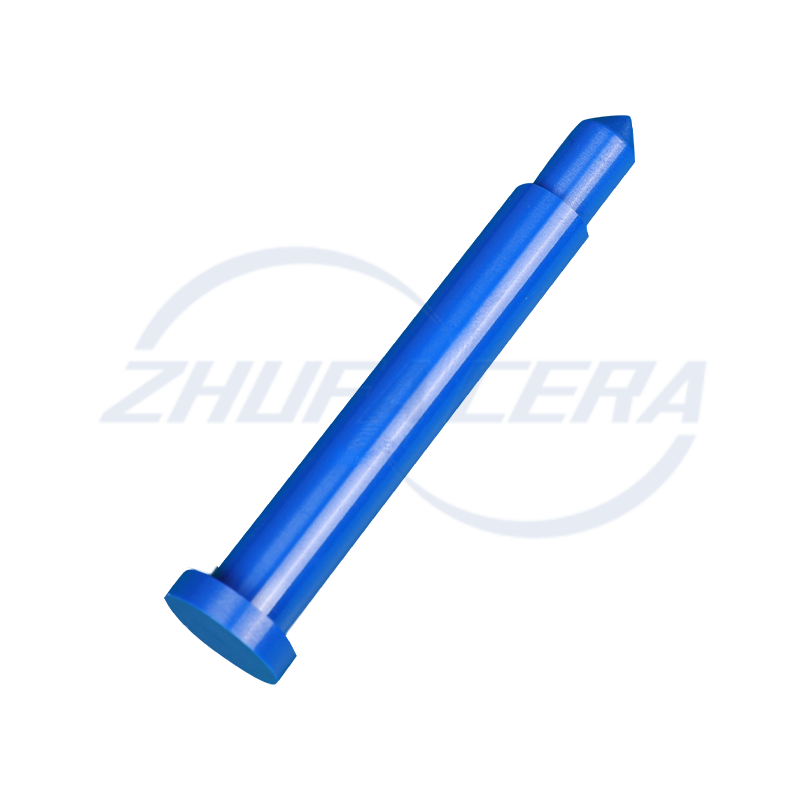
This blue zirconia ceramic pin is made of advanced zirconia ceramic material, providing excellent durability and performance. Zirconia ceramics are known for their high strength, good wear resistan...
See Details -

Zirconia Ceramic Gear is made of zirconium oxide ceramic material, which has excellent high strength and high hardness. This material property enables it to effectively resist wear during the transmis...
See Details -
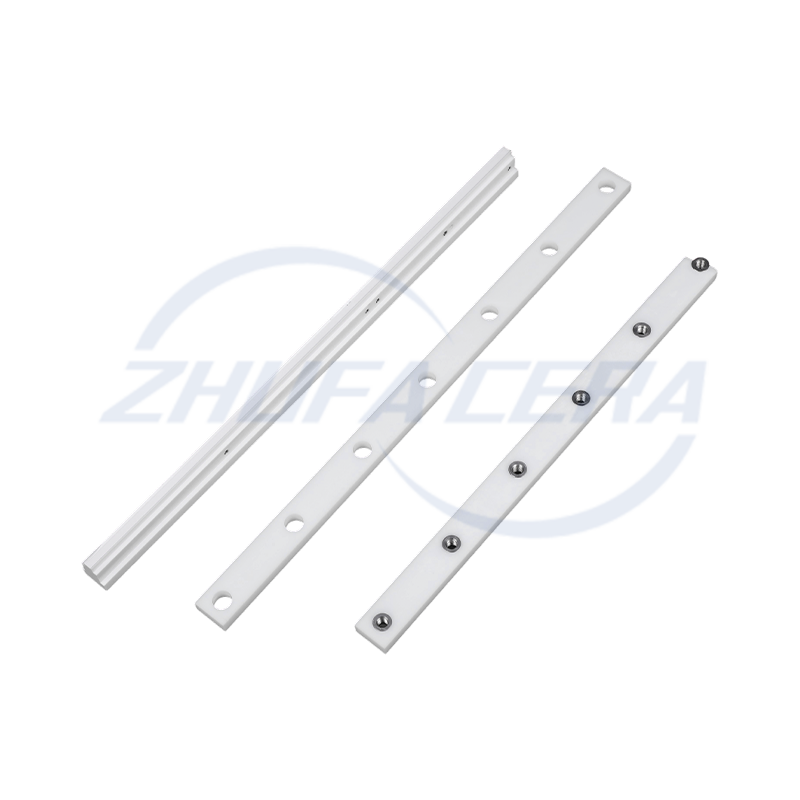
Zirconia Ceramic Guide Rail is a high-performance precision mechanical component made of zirconium oxide ceramic material. Its core characteristics are derived from the excellent physical and chemical...
See Details -
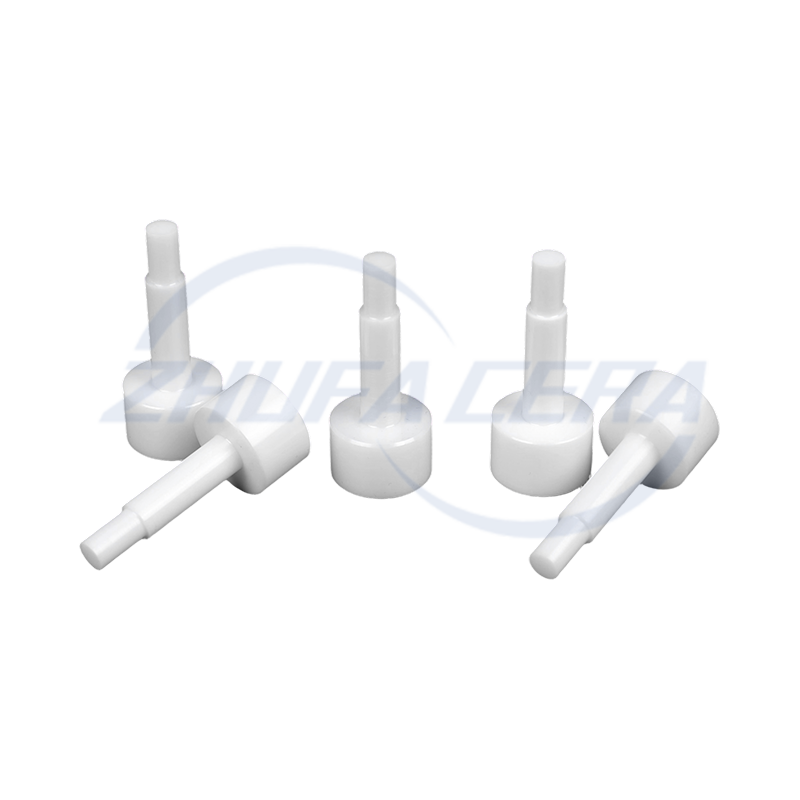
Zirconia Ceramic Locating Pin is a high-precision positioning element made of advanced zirconium oxide ceramic material with excellent physical and chemical properties. Its main characteristics includ...
See Details -
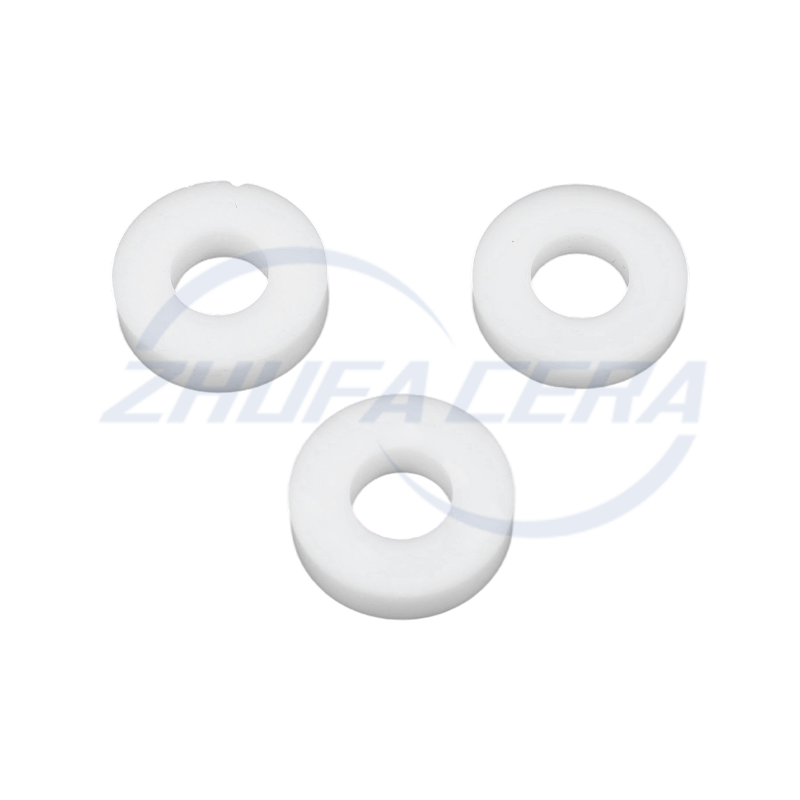
Zirconia Ceramic Ring is a high-performance ceramic product known for its excellent physical and chemical properties. It has extremely high hardness and strength, with a Mohs hardness of more than 8.5...
See Details -
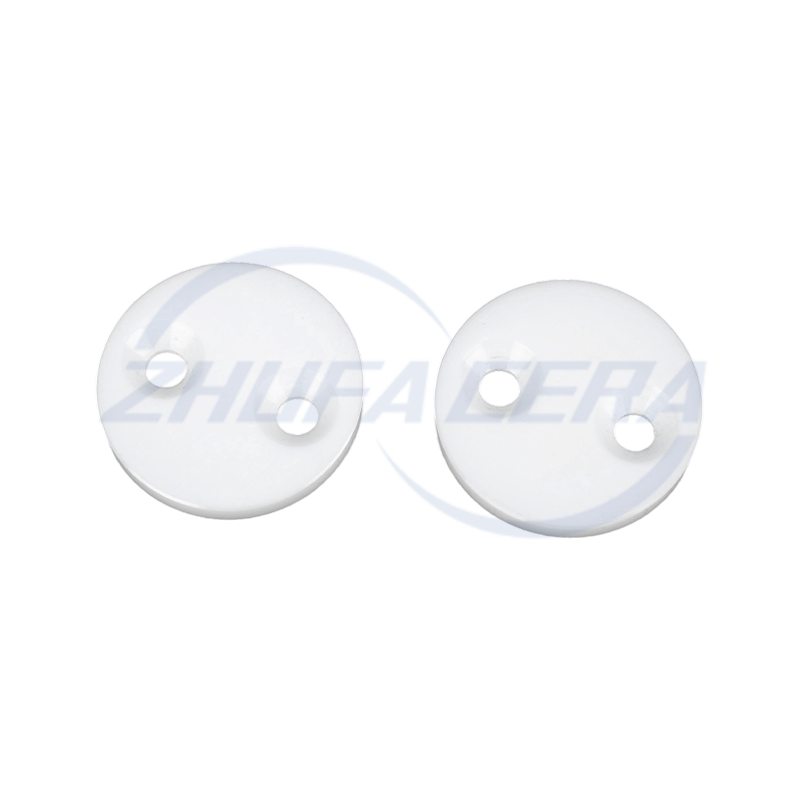
Zirconia ceramic sheets have become functional core components in various fields thanks to their unique properties. With a flexural strength of 900–1200 MPa and a fracture toughness of 6–10 MPa・m¹/², ...
See Details -

Zirconia Ceramic Strip is a strip material made of high-performance zirconium oxide ceramic with excellent physical and chemical properties. It has extremely high hardness and flexural strength, can e...
See Details -
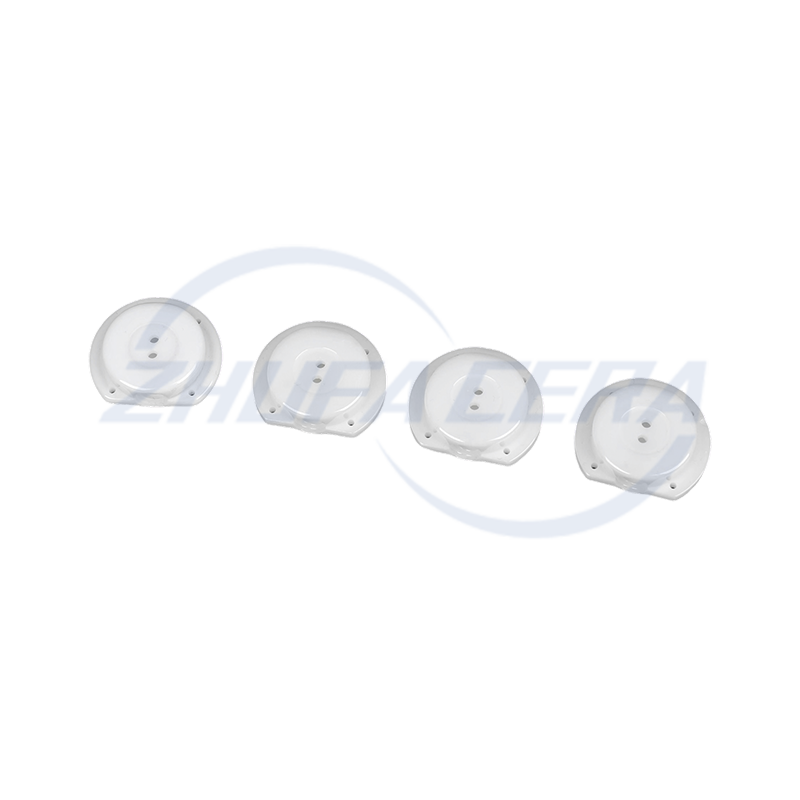
Zirconia ceramic wafers are representative products in the field of high-performance structural ceramics. Compared with traditional alumina ceramics or metal materials, its comprehensive performanc...
See Details -
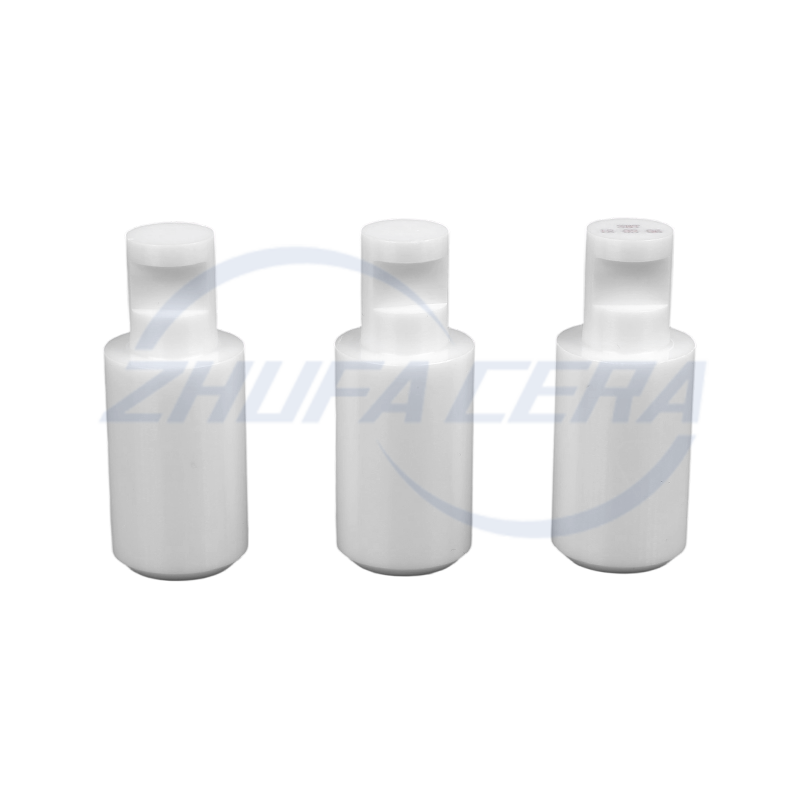
Zirconia Ceramic Plunger is a high-performance component designed for harsh industrial environments. Compared with similar ceramic or metal plunger products, it stands out with its unique material adv...
See Details


-
Quick Links
Home Products About Us Services Technology News Contact Us -
Products
Ceramic Structural Parts Zirconia Ceramics Alumina Ceramics ZTA Ceramics Silicon Nitride Ceramics Silicon Carbide Ceramics Ceramic Injection Molded Parts -
About Us
Factory Tour Honor FAQ -
Contact info
+86-188 8878 5188zf@zfcera.comNo. 1, Xinggong Road, Anchang Industrial Park, Keqiao District, Shaoxing City, Zhejiang Province, China -
WhatsApp

Copyright © Zhejiang Zhufa Precision Ceramics Technology Co., Ltd. All Rights Reserved.
China precision ceramics manufacturer
wholesale precision ceramics supplier
