

 中文简体
中文简体 русский
 Español
 عربى
عربى Português
 日本語
日本語 한국어
한국어
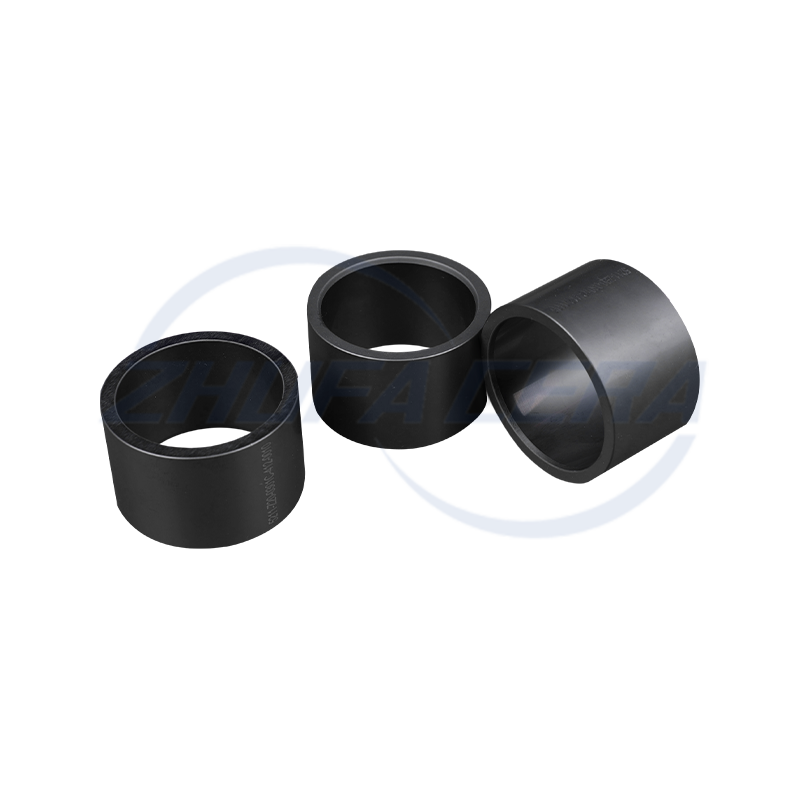
Black silicon carbide ceramic ring is a high-performance engineered ceramic assembly made of high-purity silicon carbide by precision molding and high temperature sintering. Its quadrangular crystal s...
See Details
FOLLOW US :


 Email: zf@zfcera.com
 Telephone: +86-188 8878 5188

How to Select the Right Advanced Ceramics Within a Reasonable Budget
2026-07-04
In the precise game of modern industry, every manufacturing enterprise is playing a life-and-death chess match against 'component failure'.
A semiconductor etching chamber worth millions can be completely scrapped due to a micron-level microcrack in a single corrosion-resistant nozzle. A mining conveyor system producing tens of thousands of tons daily can experience sudden downtime just because of excessive wear on pipeline linings, causing tens of thousands of dollars in output value to evaporate every hour.
Under the pressure of extreme working conditions, metal materials hit their physical ceiling, while plastics and polymer materials appear completely vulnerable. Consequently, Advanced Ceramics have become the 'dimensionality-reducing weapon' to break through modern industrial limits.
However, a dilemma follows closely in the advanced ceramics sector: 'Choosing the expensive hurts the budget; choosing the cheap hurts the equipment.' How to select the most suitable industrial ceramic for specific working conditions within a reasonable budget? This is not just a technical task, but a deep commercial chess game balancing materials, engineering, and financial returns.
- The Misconception: Bound by 'Material-Only' Logic
In procurement and R&D, the most common error is: 'Since silicon nitride and silicon carbide have the best performance, let's go straight to the highest-end material.' Or conversely, 'Alumina is the cheapest, let's try alumina first.'
Both extremes of 'material-only' logic are the root cause of budget waste. The selection core of industrial ceramics has never changed—aligning the 'performance limits of the material' precisely with the 'destruction limits of the working conditions'. Any performance metric exceeding the actual demand of the application is simply financial inflation caused by 'over-engineering'. To break this puzzle, we must disassemble the core secrets behind the high cost of advanced ceramics: sintering shrinkage and post-machining.
- Dimensionality Reduction: The Core Logic of Budget Control
Advanced ceramics are expensive not because of raw mineral costs, but because of geometric deformation control and precision machining 'from powder to finished product'. Ceramics experience a massive volumetric shrinkage of 15% to 25% during sintering. This means that to achieve high-precision dimensions, diamond grinding wheels must be used for slow, meticulous grinding after sintering. Therefore, smart engineers and buyers optimize their budgets through three hidden checkpoints:
1) 'De-metalizing' the Structural Design
- Cost-saving Strategy: Many mechanical engineers design ceramics using metal-part mindsets: sharp right angles, deep holes, thin walls, and blind holes. What can be solved easily by a milling cutter in metal machining requires multi-axis diamond grinding in ceramics, or may cause cracking during sintering due to stress concentration.
Incorporate generous R-angles (fillets/radii) and avoid sharp edges. Break down complex monolithic components into simpler assemblies like tubes and plates. Simplifying the structure by 10% can lower machining costs by up to 30%.
2) 'Pragmatism' in Tolerance Requirements
- Cost-saving Strategy: Blindly pursuing extreme tolerances like ±0.005mm is the absolute largest budget killer.
Strictly distinguish between 'mating surfaces' and 'non-mating surfaces'. Apply precision grinding only to the bearing or sealing positions in close contact with metal parts. For external dimensions or non-critical features, loosen requirements to standard as-sintered tolerances (typically ±1%).
3) Downgrading Surface Roughness Specifications
- Cost-saving Strategy: Unless used as a mirror mechanical seal or semiconductor wafer chuck, a mirror polish of Ra 0.1 μm consumes massive labor hours.
If the component is used for general particle erosion or wear resistance (like pipeline linings), an as-sintered surface (Ra 1.6 to 3.2 μm) is completely adequate. Retaining microscopic roughness can even improve the bonding adhesion of wear-resistant epoxies.
- Application Alignment: The ROI Mapping of Four King Materials
After understanding the processing costs, how do we select the right material category? The table below maps out the performance and high-ROI application scenarios for the four core advanced ceramics:
|
Material |
Key Advantages |
Fatal Weaknesses |
Cost-Effective Applications |
|
Alumina (Al2O3) |
Most mature technology, lowest cost. High hardness, excellent wear & corrosion resistance, handles high temps. |
Low fracture toughness, highly brittle, poor thermal shock resistance (cracks easily under rapid temp shifts). |
Wear-resistant pipe linings, sandblasting nozzles, electrical insulators, steady-temp wear environments. |
|
Zirconia (ZrO2) |
Highest room-temp fracture toughness and bending strength ('Ceramic Steel'). Excellent surface finish. |
Higher raw material cost; susceptible to low-temperature degradation in humid environments above 200°C. |
Plunger pumps, cutting blades, fiber optic ferrules, high-stress or heavy-wear ambient components. |
|
Aluminum Titanate / Quartz |
Extremely low thermal expansion coefficient, exceptional thermal shock resistance. |
Relatively low hardness and mechanical strength; poor wear resistance. |
Non-ferrous metal casting (e.g., molten aluminum delivery), thermocouple protection tubes, honeycomb ceramics. |
|
Silicon Carbide (SiC) / Silicon Nitride (Si3N4) |
SiC has supreme thermal conductivity and diamond-like hardness. Si3N4 excels in combined strength, toughness, and thermal shock resistance. |
Extremely difficult to machine; high sintering and diamond finishing costs. |
Semiconductor wafer etching components, high-end mechanical seals (SiC), high-temperature bearings (Si3N4). |
- Conclusion: Choosing the Right Partner Outweighs Material Selection
In the customized realm of advanced technical ceramics, the highest cost is rarely the raw material itself, but rather communication and trial-and-error costs.
An outstanding advanced ceramics solution provider is never a simple print-to-build foundry, but a comprehensive technical partner who goes deep into your production line, understands your thermal curves, analyzes corrosive media, and pinpoints structural flaws in your R-angles. An expert supplier slashes unnecessary mold amortization and machining overhead from the source by matching the ideal forming process (such as dry pressing/CIP for low volumes vs. CIM for massive series).
Leave the harsh working conditions to us, and keep the saved budget for your business. Leave the harsh working conditions to us, and keep the saved budget for your business. Explore the optimal technical ceramic solution tailored for your machinery, and turn every dollar of your budget into a long-lasting engine for equipment uptime.
Are you currently dealing with critical machinery components plagued by high abrasion, extreme heat, or severe chemical corrosion? Contact our advanced material engineers today for a complimentary blueprint optimization and comprehensive material cost-benefit analysis.
Related products
-
-
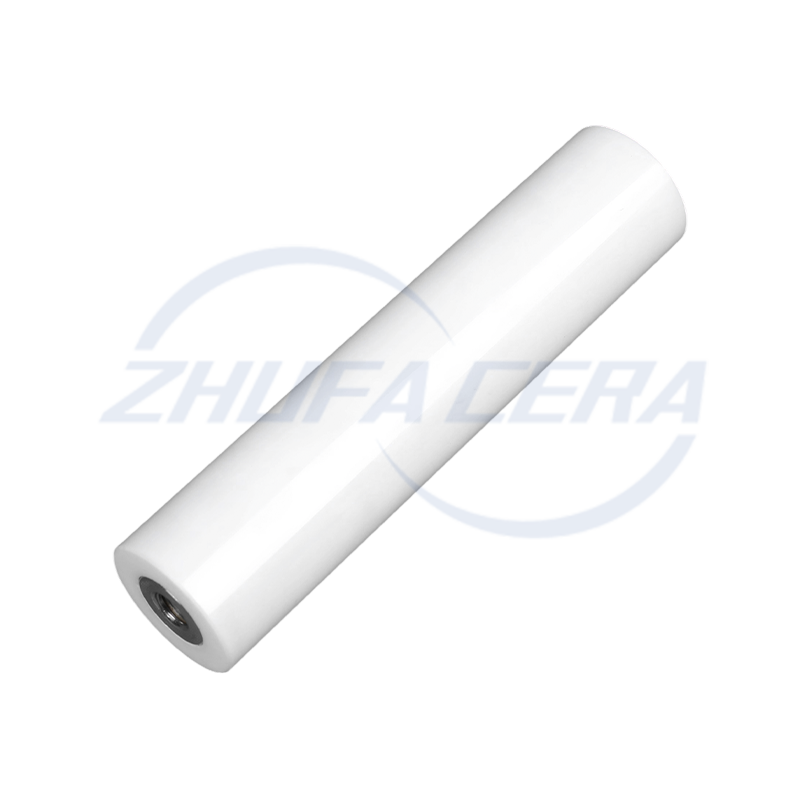
Zirconia Ceramic Rod is a high-performance ceramic material rod, mainly made of zirconium oxide, with excellent mechanical strength and chemical stability. It exhibits extremely high hardness and wear...
See Details -
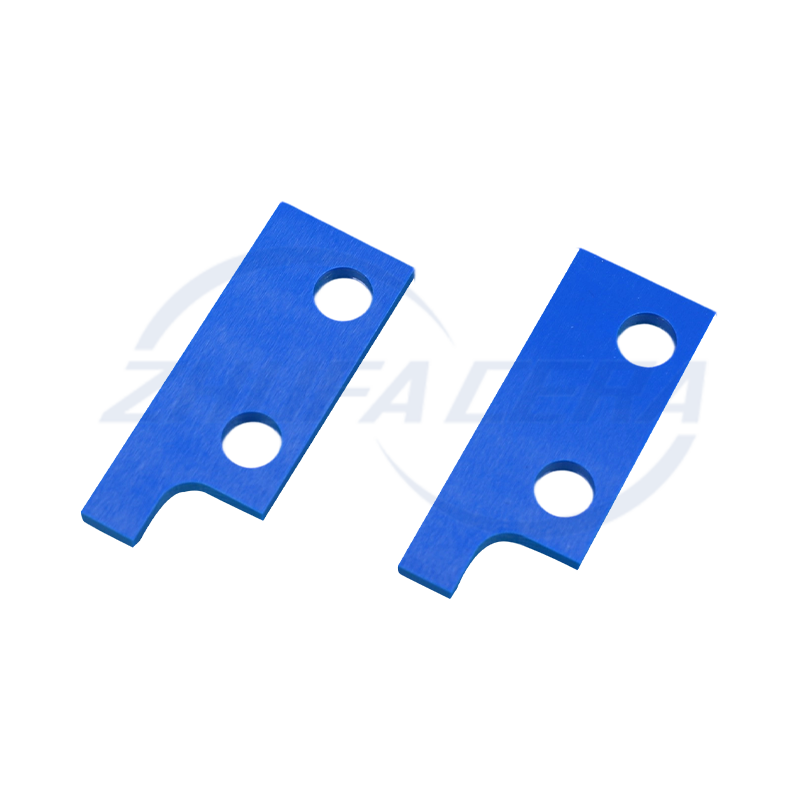
Blue zirconia ceramic sheets are precision components made of advanced zirconia ceramics. They are stained with cobalt, iron or copper to form a blue color. This color not only serves as a visual i...
See Details -
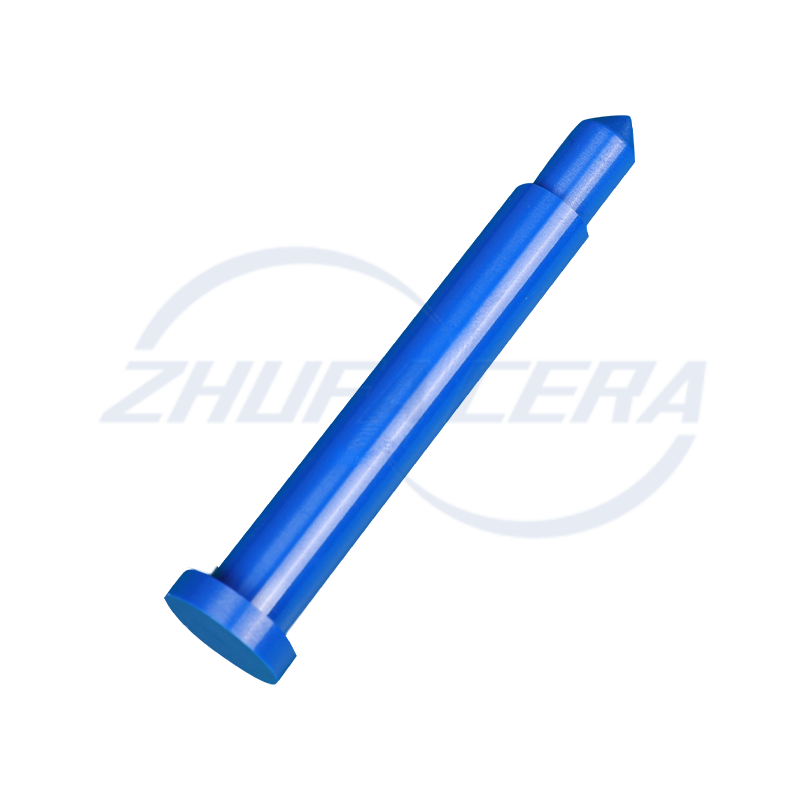
This blue zirconia ceramic pin is made of advanced zirconia ceramic material, providing excellent durability and performance. Zirconia ceramics are known for their high strength, good wear resistan...
See Details -

Zirconia Ceramic Gear is made of zirconium oxide ceramic material, which has excellent high strength and high hardness. This material property enables it to effectively resist wear during the transmis...
See Details -
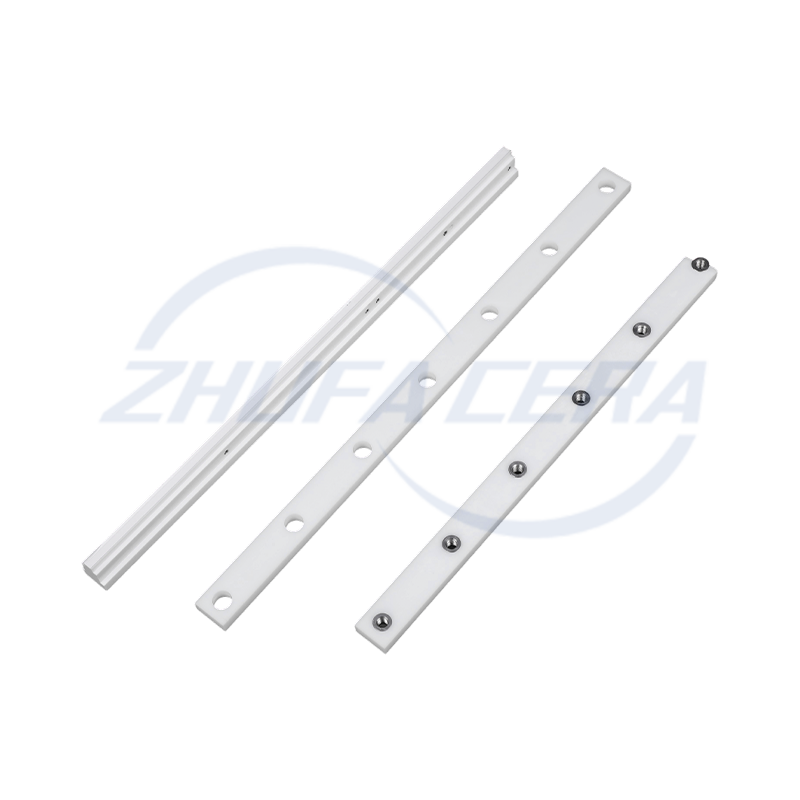
Zirconia Ceramic Guide Rail is a high-performance precision mechanical component made of zirconium oxide ceramic material. Its core characteristics are derived from the excellent physical and chemical...
See Details -
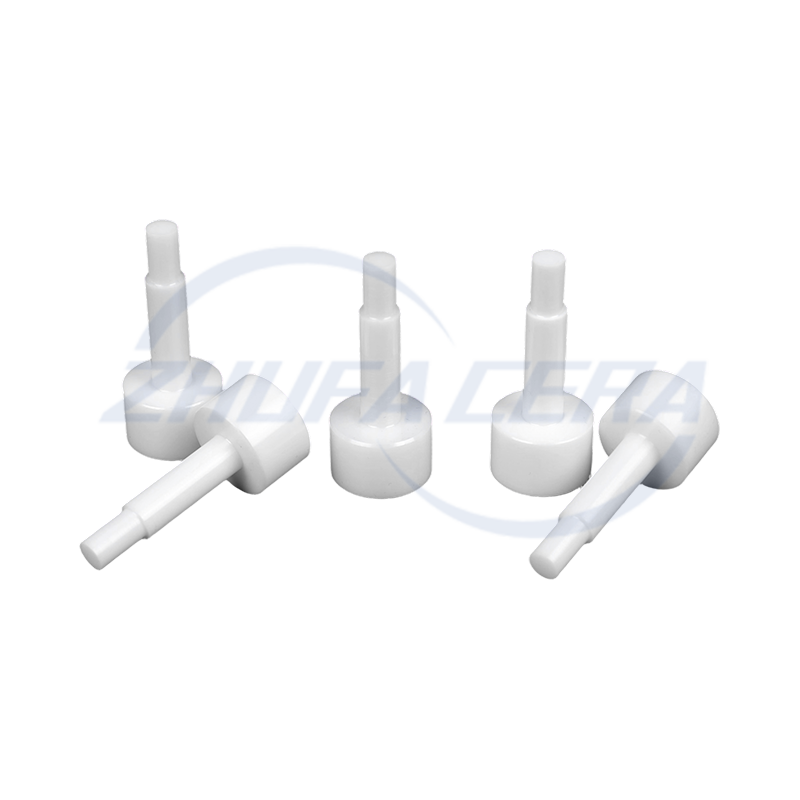
Zirconia Ceramic Locating Pin is a high-precision positioning element made of advanced zirconium oxide ceramic material with excellent physical and chemical properties. Its main characteristics includ...
See Details -
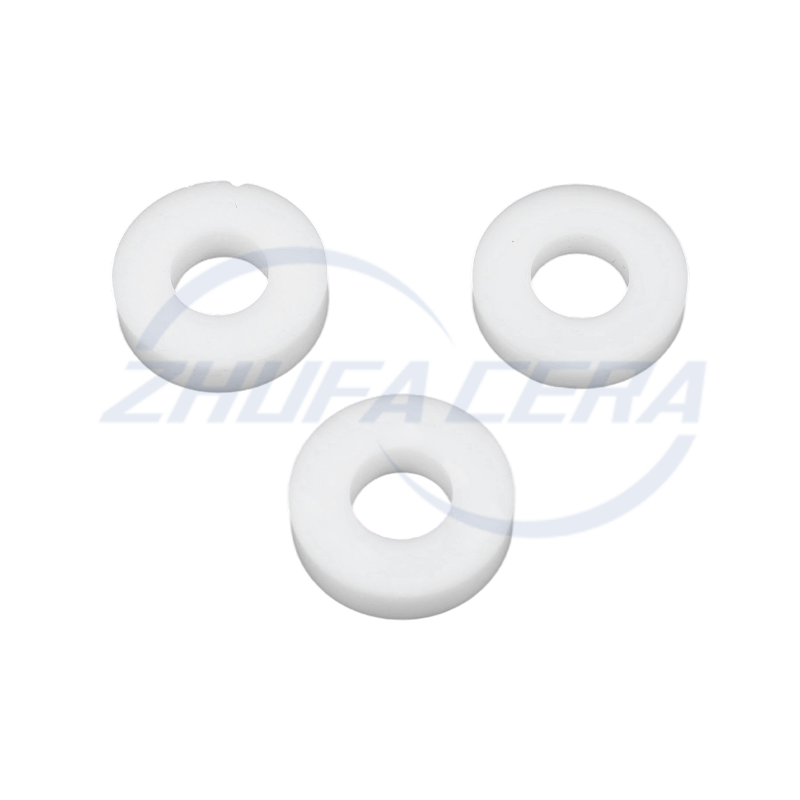
Zirconia Ceramic Ring is a high-performance ceramic product known for its excellent physical and chemical properties. It has extremely high hardness and strength, with a Mohs hardness of more than 8.5...
See Details -
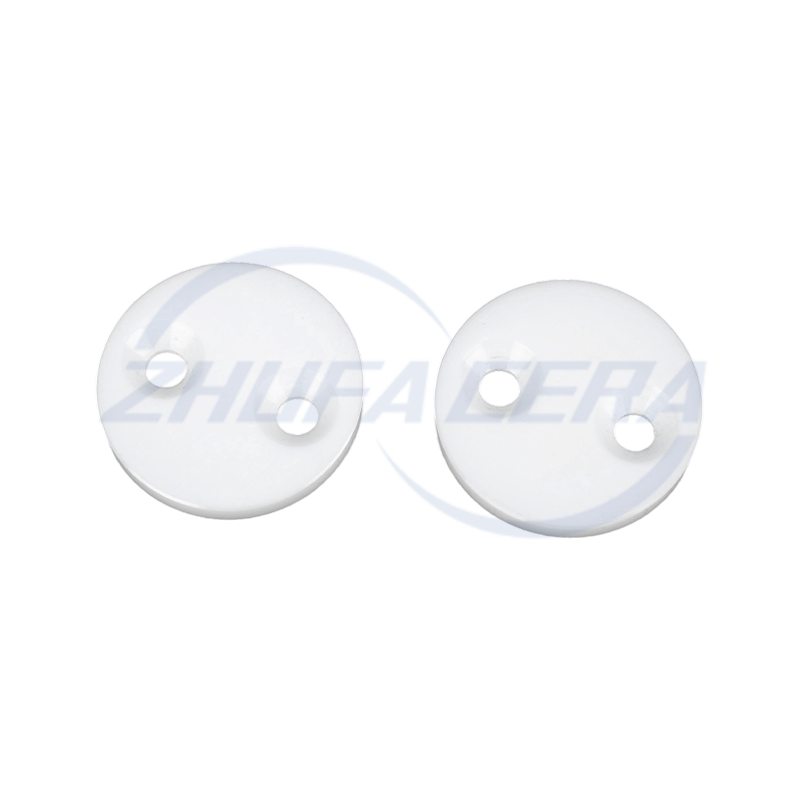
Zirconia ceramic sheets have become functional core components in various fields thanks to their unique properties. With a flexural strength of 900–1200 MPa and a fracture toughness of 6–10 MPa・m¹/², ...
See Details -
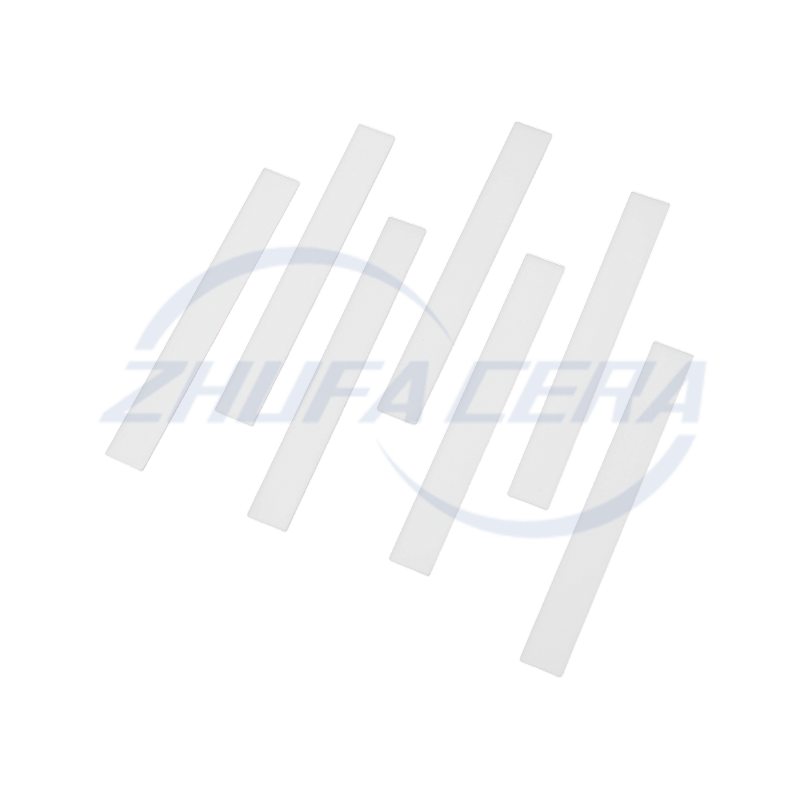
Zirconia Ceramic Strip is a strip material made of high-performance zirconium oxide ceramic with excellent physical and chemical properties. It has extremely high hardness and flexural strength, can e...
See Details -
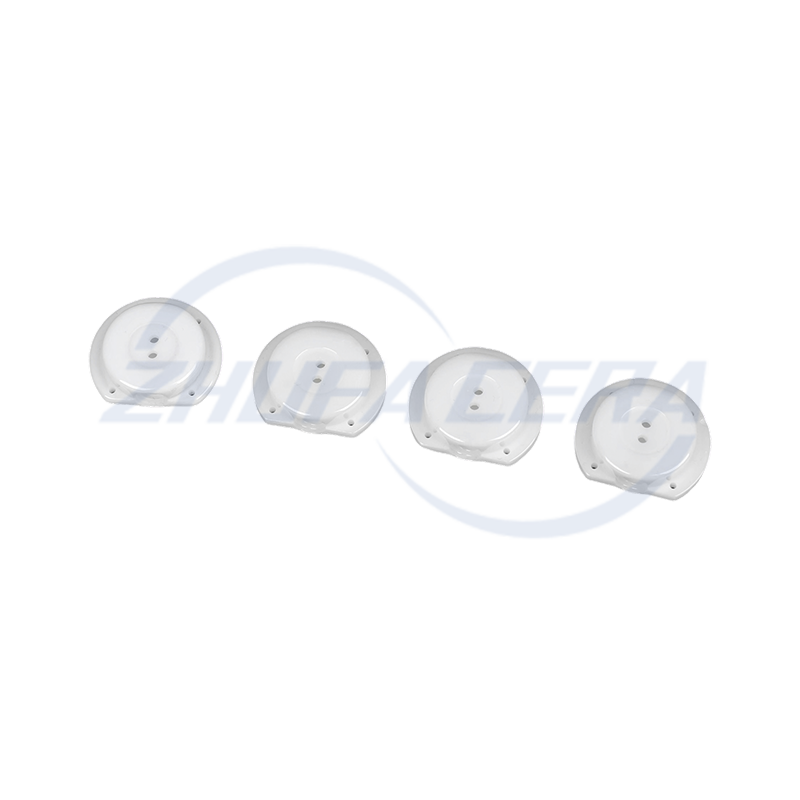
Zirconia ceramic wafers are representative products in the field of high-performance structural ceramics. Compared with traditional alumina ceramics or metal materials, its comprehensive performanc...
See Details -
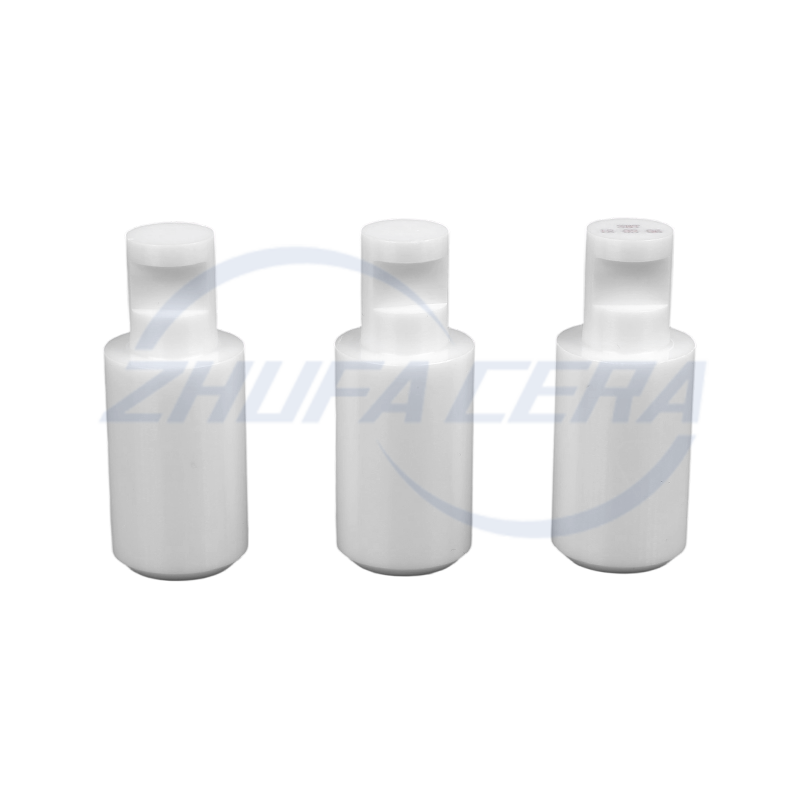
Zirconia Ceramic Plunger is a high-performance component designed for harsh industrial environments. Compared with similar ceramic or metal plunger products, it stands out with its unique material adv...
See Details


-
Quick Links
Home Products About Us Services Technology News Contact Us -
Products
Ceramic Structural Parts Zirconia Ceramics Alumina Ceramics ZTA Ceramics Silicon Nitride Ceramics Silicon Carbide Ceramics Ceramic Injection Molded Parts -
About Us
Factory Tour Honor FAQ -
Contact info
+86-188 8878 5188zf@zfcera.comNo. 1, Xinggong Road, Anchang Industrial Park, Keqiao District, Shaoxing City, Zhejiang Province, China -
WhatsApp

Copyright © Zhejiang Zhufa Precision Ceramics Technology Co., Ltd. All Rights Reserved.
China precision ceramics manufacturer
wholesale precision ceramics supplier
