

 中文简体
中文简体 русский
 Español
 عربى
عربى Português
 日本語
日本語 한국어
한국어
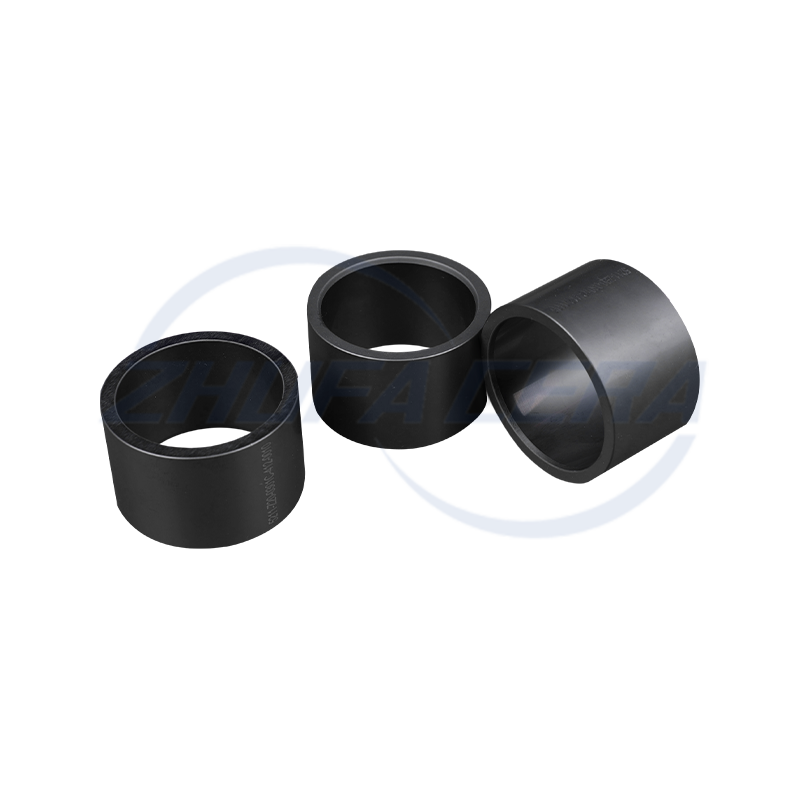
Black silicon carbide ceramic ring is a high-performance engineered ceramic assembly made of high-purity silicon carbide by precision molding and high temperature sintering. Its quadrangular crystal s...
See Details
FOLLOW US :


 Email: zf@zfcera.com
 Telephone: +86-188 8878 5188

What Is Alumina Ceramic and Why Is It the Go-To Material for High-Performance Engineering?
2026-07-01
Content
- What Is Alumina Ceramic Made Of and How Is It Classified?
- Why Do Engineers Choose Alumina Ceramic Over Metals and Plastics?
- How Is Alumina Ceramic Manufactured?
- Which Grade of Alumina Ceramic Is Best for Your Application?
- What Are the Main Applications of Alumina Ceramic?
- How Does Alumina Ceramic Compare to Zirconia and Silicon Nitride?
- What Are the Limitations of Alumina Ceramic?
- Frequently Asked Questions About Alumina Ceramic
- Conclusion: Why Alumina Ceramic Remains a Preferred Engineering Material
Alumina ceramic (aluminum oxide, Al₂O₃) is an engineering material chosen because it combines extreme hardness, high electrical insulation, and strong resistance to heat and wear at a lower cost than most other technical ceramics. Depending on purity level, alumina ceramic can reach a hardness of 9 on the Mohs scale, withstand continuous operating temperatures above 1,600°C, and provide dielectric strength exceeding 15 kV/mm. These characteristics explain why it is used in electronics, medical devices, aerospace components, and industrial wear parts around the world.
What Is Alumina Ceramic Made Of and How Is It Classified?
Alumina ceramic is primarily composed of aluminum oxide powder that is pressed, shaped, and sintered at high temperature to form a dense, crystalline structure. Manufacturers classify alumina ceramic products by purity percentage, because purity directly determines mechanical strength, thermal conductivity, and electrical performance.
Common industrial purity grades include 92%, 95%, 99%, and 99.5%–99.9% alumina. Higher-purity grades cost more to produce but deliver better wear resistance, higher thermal conductivity, and lower dielectric loss, which is why they are reserved for demanding applications such as semiconductor components and precision electronic substrates.
| Purity Grade | Typical Density (g/cm³) | Flexural Strength (MPa) | Common Use Case |
|---|---|---|---|
| 92% | 3.60 | 300–330 | General insulators, low-cost wear parts |
| 95% | 3.70 | 330–350 | Substrates, thermocouple protection tubes |
| 99% | 3.90 | 380–400 | Seal rings, medical device components |
| 99.5%–99.9% | 3.95–3.98 | 400–550 | Semiconductor fixtures, precision electronics |
Table 1: Typical properties of alumina ceramic by purity grade, based on standard technical ceramics reference data (ASTM C799 test methods).
Why Do Engineers Choose Alumina Ceramic Over Metals and Plastics?
Engineers choose alumina ceramic because it outperforms most metals and plastics in three critical areas: heat resistance, electrical insulation, and wear life, while remaining chemically stable in corrosive environments.
Heat Resistance
Standard alumina ceramic maintains structural integrity at continuous temperatures up to 1,600°C, far beyond the operating limits of engineering plastics such as PEEK (around 250°C) or most stainless steels (around 800–1,000°C before oxidation issues appear).
Electrical Insulation
A 96% alumina ceramic substrate typically offers a volume resistivity greater than 10¹⁴ Ω·cm at room temperature, making it a preferred insulator in high-voltage electronics where metals cannot be used at all.
Wear and Corrosion Resistance
Because of its high hardness (approximately 9 on the Mohs scale, close to sapphire), alumina ceramic resists abrasive wear far longer than hardened steel in applications such as powder transport liners and pump seals, and it does not corrode in most acidic or alkaline environments.
| Property | Alumina Ceramic (99.5%) | Stainless Steel 304 | Engineering Plastic (PEEK) |
|---|---|---|---|
| Max. Operating Temp. | ~1,600°C | ~870°C | ~250°C |
| Hardness (Mohs) | 9 | 4–4.5 | 3–3.5 |
| Electrical Insulation | Excellent | None (conductive) | Good |
| Corrosion Resistance | Excellent | Good | Very Good |
Table 2: Comparison of alumina ceramic, stainless steel, and PEEK plastic across key engineering properties.
How Is Alumina Ceramic Manufactured?
Alumina ceramic is manufactured by shaping fine aluminum oxide powder into a green body and then sintering it at temperatures between 1,600°C and 1,800°C until the particles fuse into a dense, non-porous structure. The full process generally follows these steps:
1. Powder preparation — high-purity Al₂O₃ powder is blended with sintering aids and binders to control grain size and final density.
2. Forming — the powder is shaped using dry pressing, isostatic pressing, extrusion, or tape casting, depending on the required geometry.
3. Sintering — the green part is fired at high temperature, causing shrinkage of roughly 15–20% as porosity is eliminated.
4. Machining — diamond grinding is used for tight-tolerance features, since alumina ceramic cannot be machined with conventional cutting tools after sintering.
5. Metallization or polishing — optional steps such as metallizing electrodes or polishing surfaces are added for electronic or optical applications.
Which Grade of Alumina Ceramic Is Best for Your Application?
The right grade depends primarily on operating temperature, required strength, and cost sensitivity. As a practical rule, 92%–95% grades suit general insulation and low-cost wear parts, while 99%–99.9% grades are reserved for high-precision or high-voltage applications.
For general electrical insulators: 92%–95% alumina ceramic offers sufficient dielectric strength at a lower manufacturing cost.
For wear-resistant liners and seals: 95%–99% alumina ceramic balances hardness and toughness for industrial abrasion resistance.
For semiconductor and medical components: 99.5%–99.9% alumina ceramic provides the purity and mechanical consistency required for tight tolerances and biocompatibility.
What Are the Main Applications of Alumina Ceramic?
Alumina ceramic is used across electronics, industrial machinery, medical devices, and aerospace because it can handle conditions that damage metals or plastics.
Electronics: Substrates, insulators, and circuit packaging where heat and voltage must be isolated without adding electrical conductivity.
Industrial wear parts: Pump seals, valve components, and pipe liners exposed to abrasive slurries or particulates.
Medical devices: Hip and knee joint components, dental implant abutments, and surgical instrument parts, due to biocompatibility and wear resistance.
Aerospace and defense: Radome windows, thermal barriers, and ballistic armor plates that need to withstand extreme heat and impact.
Laboratory equipment: Crucibles, furnace tubes, and thermocouple sheaths used in high-temperature testing environments.
How Does Alumina Ceramic Compare to Zirconia and Silicon Nitride?
Alumina ceramic costs less and insulates better than zirconia or silicon nitride, but it is more brittle and less fracture-resistant, which matters for parts subject to mechanical shock.
| Property | Alumina Ceramic | Zirconia Ceramic | Silicon Nitride |
|---|---|---|---|
| Fracture Toughness (MPa·m^0.5) | 3.5–4.5 | 8–10 | 6–8 |
| Electrical Insulation | Excellent | Good | Moderate |
| Relative Cost | Low | High | High |
| Typical Use | Insulators, wear parts | Dental crowns, cutting tools | Bearings, turbine parts |
Table 3: Comparison of alumina ceramic against zirconia and silicon nitride, two other common technical ceramics.
What Are the Limitations of Alumina Ceramic?
The main limitation of alumina ceramic is brittleness — it has low fracture toughness compared to metals and tougher ceramics, so it can crack under sudden impact or thermal shock rather than deforming. Design engineers typically address this by avoiding sharp corners, adding chamfers, and controlling assembly tolerances to reduce stress concentration. It is also harder to machine after sintering, which raises the cost of producing complex or tight-tolerance geometries compared to metals that can be milled or turned.
Frequently Asked Questions About Alumina Ceramic
Is alumina ceramic safe for medical implants?
Yes, high-purity alumina ceramic (99.5%+) is biocompatible and has been used in hip and knee joint replacements for decades due to its low wear rate and chemical inertness inside the body.
Can alumina ceramic withstand thermal shock?
Alumina ceramic has moderate thermal shock resistance and can crack if temperature changes are too rapid; components designed for extreme thermal cycling often use zirconia-toughened alumina or other composite formulations instead.
How long does alumina ceramic last in industrial use?
In abrasive wear applications, alumina ceramic components typically last several times longer than comparable metal parts, though exact lifespan depends on the specific operating environment, load, and abrasive material involved.
Is alumina ceramic more expensive than stainless steel?
Per unit, alumina ceramic parts often cost more upfront than stainless steel, but the total cost of ownership is frequently lower in wear or corrosion-heavy applications because replacement intervals are longer.
Can alumina ceramic be used at cryogenic temperatures?
Yes, alumina ceramic remains structurally stable at very low temperatures and is commonly used in cryogenic insulation and vacuum feedthrough components alongside its high-temperature applications.
Conclusion: Why Alumina Ceramic Remains a Preferred Engineering Material
Alumina ceramic continues to be widely specified because it delivers a reliable balance of hardness, electrical insulation, heat resistance, and cost-efficiency that few other materials can match at scale. While it is not the toughest or most impact-resistant ceramic available, its combination of manufacturability, performance, and price makes it the practical first choice for engineers across electronics, medical, industrial, and aerospace sectors. Selecting the correct purity grade — matched to the specific temperature, voltage, and mechanical demands of the application — is the key factor in getting the best performance and service life from alumina ceramic components.
Related products
-
-
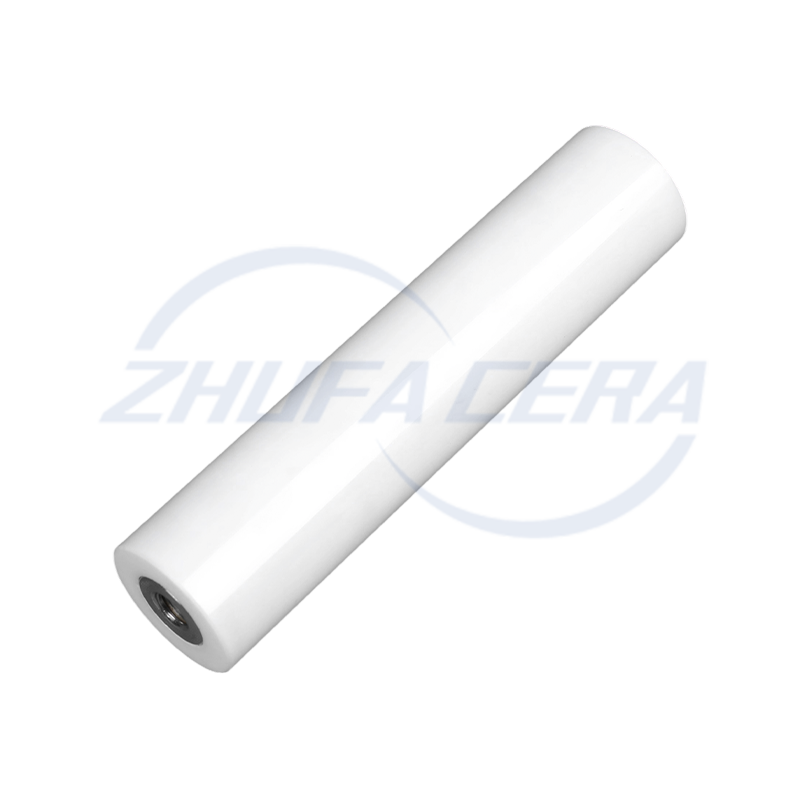
Zirconia Ceramic Rod is a high-performance ceramic material rod, mainly made of zirconium oxide, with excellent mechanical strength and chemical stability. It exhibits extremely high hardness and wear...
See Details -
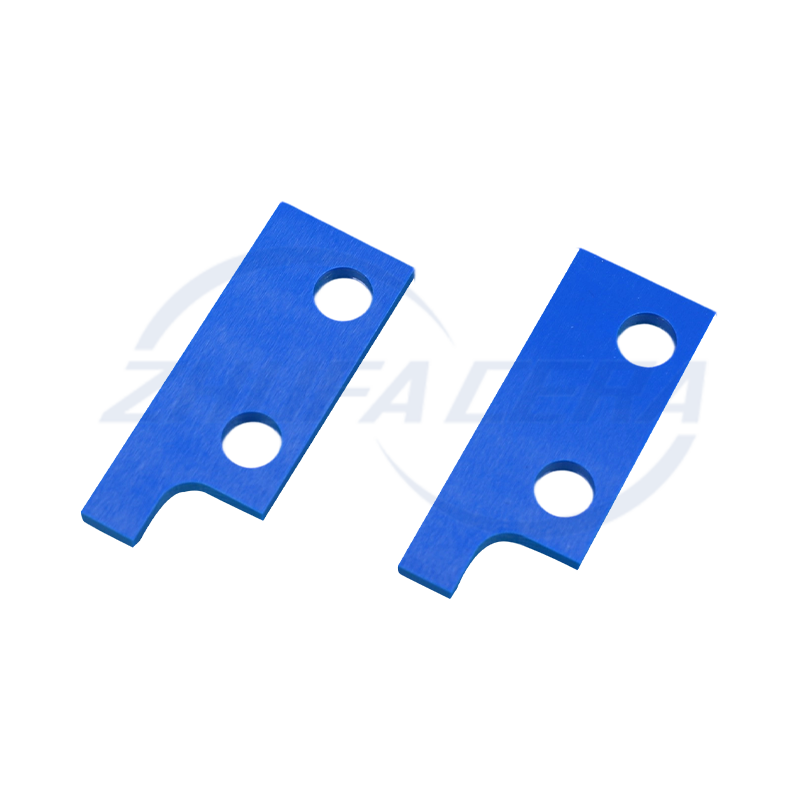
Blue zirconia ceramic sheets are precision components made of advanced zirconia ceramics. They are stained with cobalt, iron or copper to form a blue color. This color not only serves as a visual i...
See Details -

This blue zirconia ceramic pin is made of advanced zirconia ceramic material, providing excellent durability and performance. Zirconia ceramics are known for their high strength, good wear resistan...
See Details -

Zirconia Ceramic Gear is made of zirconium oxide ceramic material, which has excellent high strength and high hardness. This material property enables it to effectively resist wear during the transmis...
See Details -
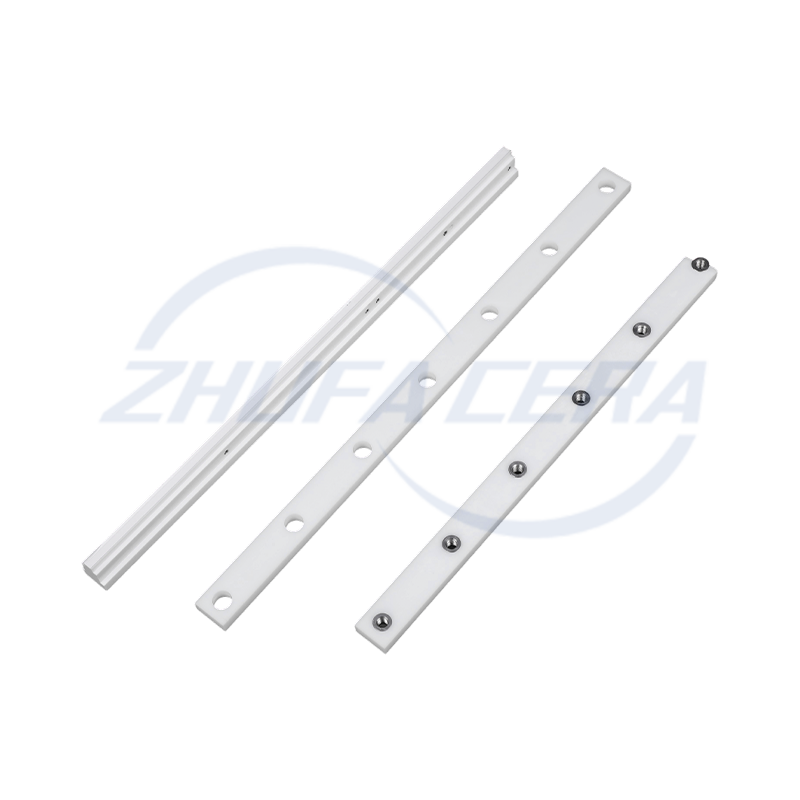
Zirconia Ceramic Guide Rail is a high-performance precision mechanical component made of zirconium oxide ceramic material. Its core characteristics are derived from the excellent physical and chemical...
See Details -
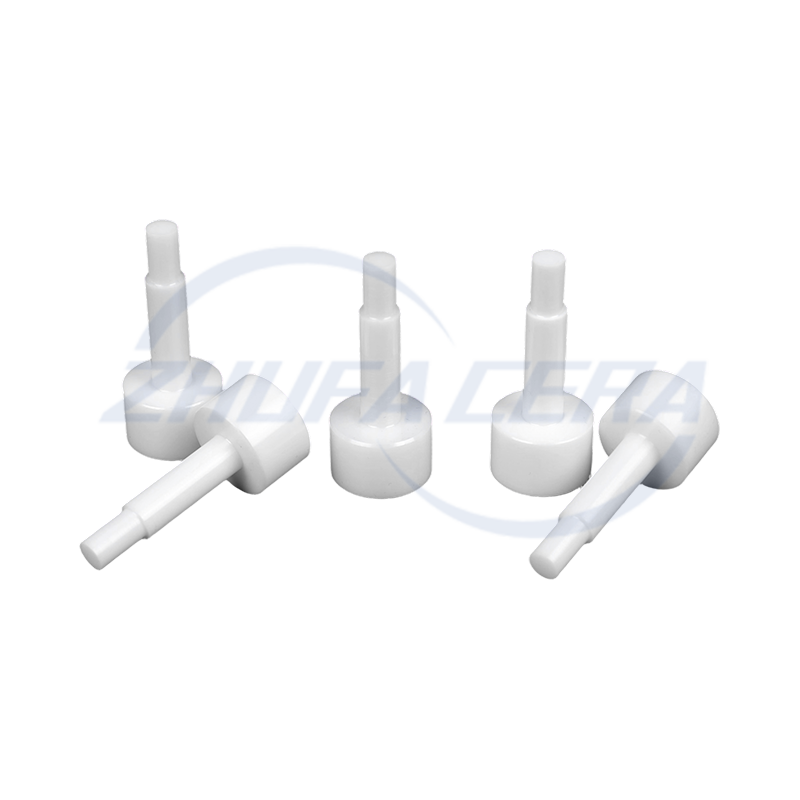
Zirconia Ceramic Locating Pin is a high-precision positioning element made of advanced zirconium oxide ceramic material with excellent physical and chemical properties. Its main characteristics includ...
See Details -

Zirconia Ceramic Ring is a high-performance ceramic product known for its excellent physical and chemical properties. It has extremely high hardness and strength, with a Mohs hardness of more than 8.5...
See Details -
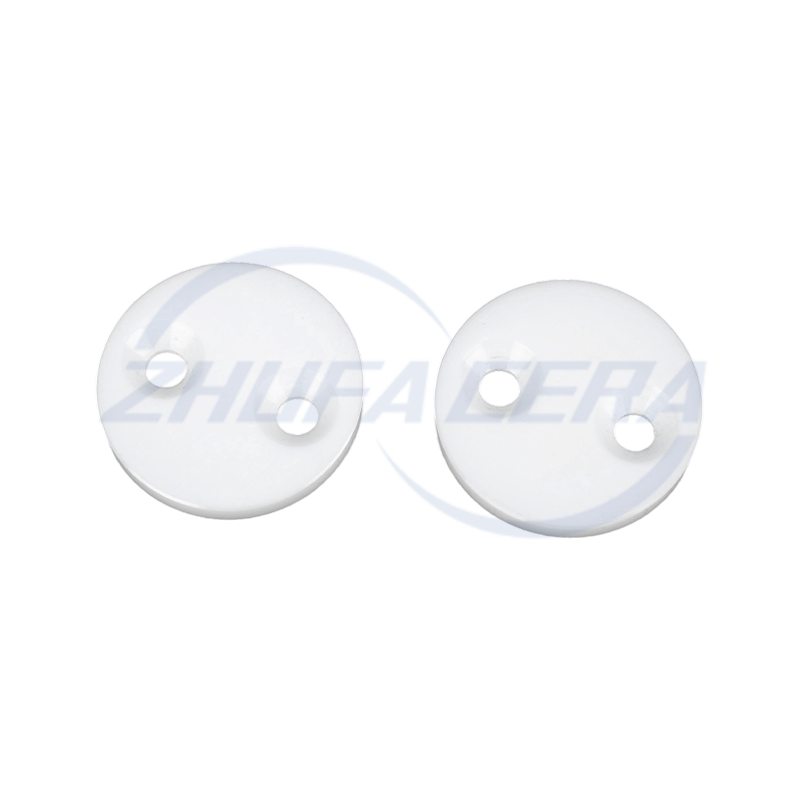
Zirconia ceramic sheets have become functional core components in various fields thanks to their unique properties. With a flexural strength of 900–1200 MPa and a fracture toughness of 6–10 MPa・m¹/², ...
See Details -

Zirconia Ceramic Strip is a strip material made of high-performance zirconium oxide ceramic with excellent physical and chemical properties. It has extremely high hardness and flexural strength, can e...
See Details -
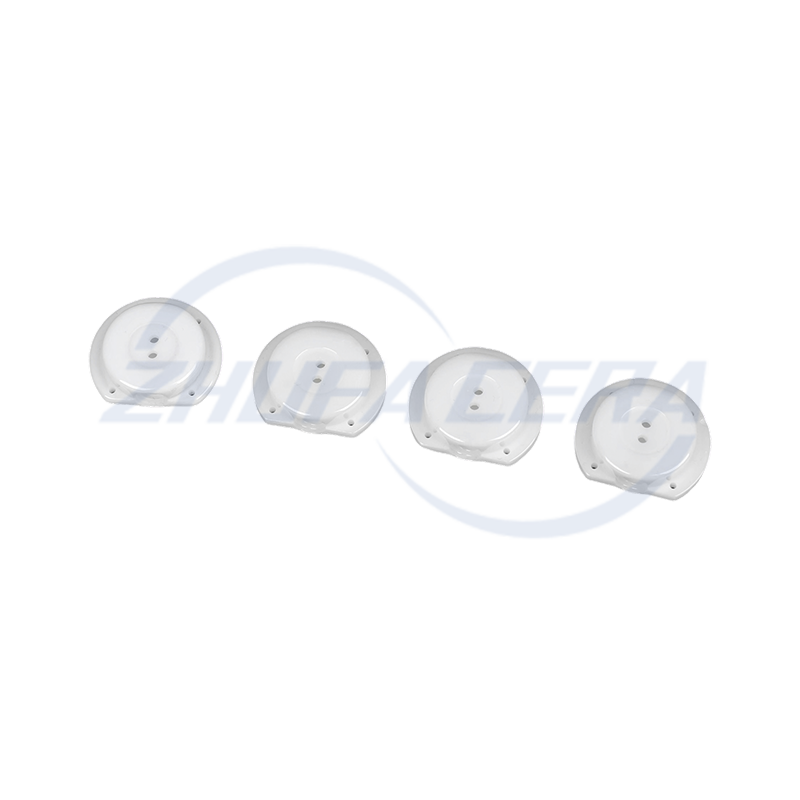
Zirconia ceramic wafers are representative products in the field of high-performance structural ceramics. Compared with traditional alumina ceramics or metal materials, its comprehensive performanc...
See Details -
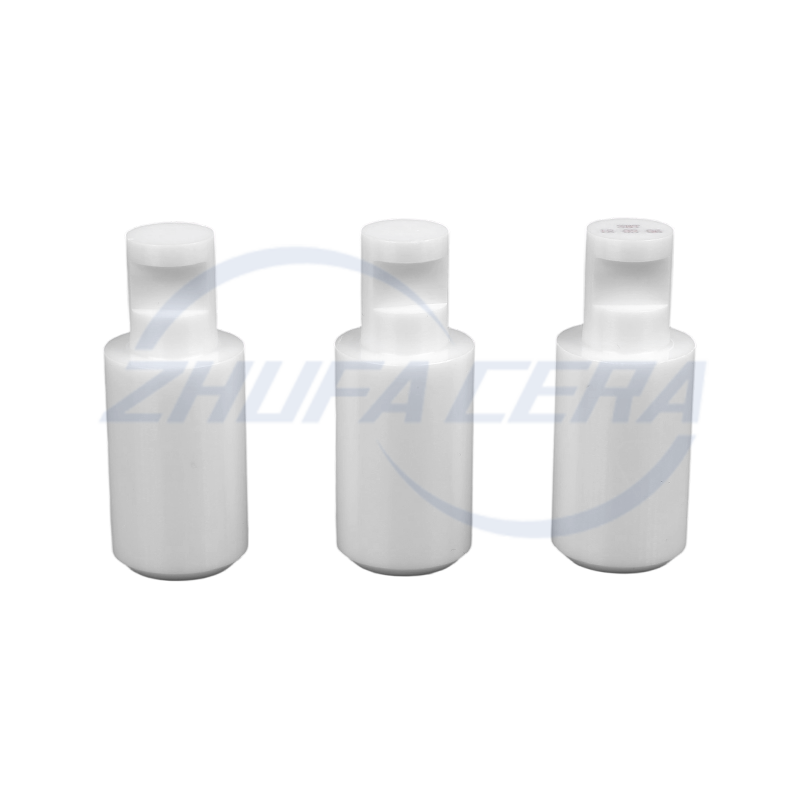
Zirconia Ceramic Plunger is a high-performance component designed for harsh industrial environments. Compared with similar ceramic or metal plunger products, it stands out with its unique material adv...
See Details


-
Quick Links
Home Products About Us Services Technology News Contact Us -
Products
Ceramic Structural Parts Zirconia Ceramics Alumina Ceramics ZTA Ceramics Silicon Nitride Ceramics Silicon Carbide Ceramics Ceramic Injection Molded Parts -
About Us
Factory Tour Honor FAQ -
Contact info
+86-188 8878 5188zf@zfcera.comNo. 1, Xinggong Road, Anchang Industrial Park, Keqiao District, Shaoxing City, Zhejiang Province, China -
WhatsApp

Copyright © Zhejiang Zhufa Precision Ceramics Technology Co., Ltd. All Rights Reserved.
China precision ceramics manufacturer
wholesale precision ceramics supplier
