

 中文简体
中文简体 русский
 Español
 عربى
عربى Português
 日本語
日本語 한국어
한국어
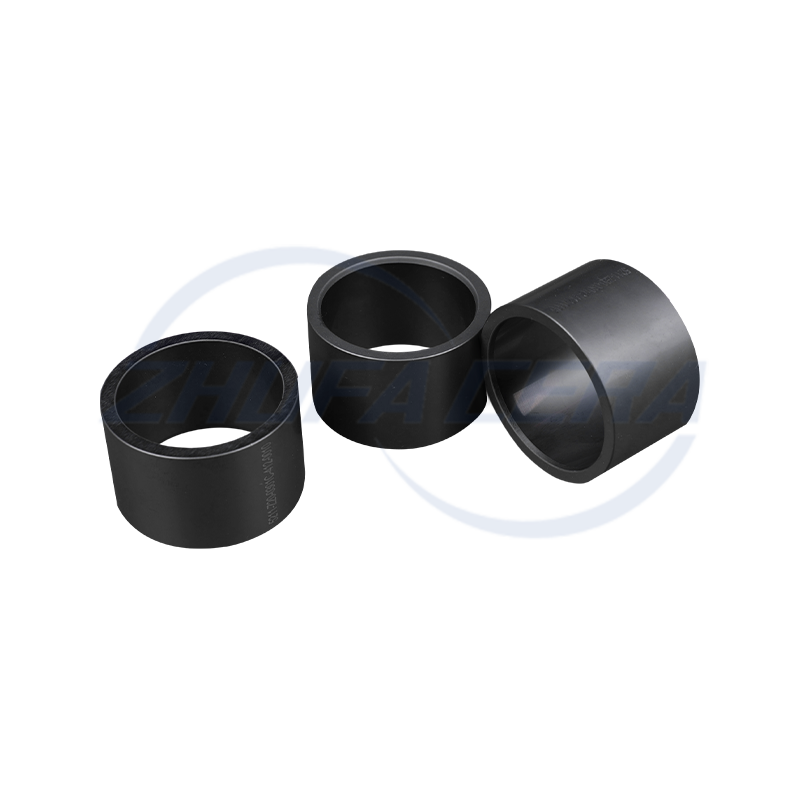
Black silicon carbide ceramic ring is a high-performance engineered ceramic assembly made of high-purity silicon carbide by precision molding and high temperature sintering. Its quadrangular crystal s...
See Details
FOLLOW US :


 Email: zf@zfcera.com
 Telephone: +86-188 8878 5188

The key to precision ceramic selection is not to be “harder”, but to be more “suitable”
2026-05-06
In conventional wisdom, evaluating the performance of advanced ceramics often boils down to a single word—'hard.' This gives rise to a seemingly logical intuition: the higher the material's hardness, the more wear-resistant and durable the resulting precision ceramic components will be.
However, in practical industrial engineering applications, this single-dimensional selection logic frequently leads to severe catastrophic failures. Many enterprises solely chase 'high hardness' parameters when purchasing or designing structural ceramic components. Consequently, these parts suffer from chipping, early cracking, or sudden fracture during actual operation, resulting in a service life far below expectations.
The issue is not that the ceramic material itself is inferior, but rather that the traditional selection logic completely overlooks the multidimensional complexity of actual working conditions. The key to precision ceramics selection has never been about pursuing the ultimate 'harder' material, but rather identifying the 'most suitable' mechanical profile.
- Why Does a 'Hardness-Centric' Approach Lead to Engineering Failure?
From the perspective of material physics, hardness fundamentally refers to a material's capacity to resist localized plastic deformation, scratching, and indentation. In relatively ideal laboratory environments, such as pure friction or fretting wear tests, hardness is indeed the core indicator governing wear resistance.
Yet, real-world industrial operating conditions are vastly more complex than controlled lab environments. When precision ceramic components (such as ceramic valve cores, specialized bushings, or semiconductor robotic arms) operate at high speeds or within intricate fluid dynamics, they simultaneously endure a combination of severe stresses:
- Mechanical Impact and High-Frequency Vibration: Transient loads can easily trigger stress concentrations within the material.
- Severe Temperature Fluctuations: Frequent thermal cycles generate immense instantaneous thermal stress internally.
- Chemical Medium Corrosion: Strong acids, alkalis, or complex chemical environments compromise and weaken grain boundaries.
Under these complex combined conditions, if a ceramic material only possesses extreme hardness but lacks adequate energy absorption and buffering capabilities, it cannot dissipate energy through plastic deformation upon impact. As a result, microcracks propagate at an extreme velocity through the interior.
Higher hardness is almost always accompanied by increased brittleness, making the material highly susceptible to catastrophic brittle fractures. This is the root cause why certain high-hardness ceramics appear wear-resistant yet prove completely non-durable in practice.
- The Four-Dimensional Mechanical Matrix Determining Ceramic Lifespan
Evaluating the long-term service life of precision ceramic components must rely on a comprehensive assessment of the following four core mechanical parameters, rather than a single metric:
- Vickers Hardness (HV): Establishes the baseline for the material's wear and scratch resistance.
- Fracture Toughness (K_IC): Measures the material's ability to resist unstable crack propagation under sudden impact, vibration, or stress concentration. This is the critical threshold determining whether a component will experience abrupt structural 'sudden death'.
- Coefficient of Thermal Expansion (CTE) & Thermal Shock Resistance: Determines whether the ceramic will generate lethal residual internal stress due to thermal mismatch during thermal cycling or when assembled with metallic components.
- Chemical Stability: Directly influences the long-term chemical reliability and surface integrity of ceramic parts operating in high-temperature, highly corrosive, or strongly oxidizing media.
In short: Hardness dictates 'wear resistance,' toughness dictates 'fracture lifespan,' while thermal and chemical attributes dictate the 'ultimate service life.'
- Why 'Balanced Performance' Outweighs 'Extreme Specifications' in Engineering
In advanced materials science, virtually no single material can claim absolute dominance in every performance category. Engineering practice consistently demonstrates that pushing a single attribute to its absolute limit inevitably demands a heavy compromise on other critical fronts.
For instance, maximizing hardness to an extreme degree drastically reduces fracture toughness, leaving the component highly fragile. Conversely, engineered attempts to maximize toughness (such as through specific phase-transformation toughening or grain coarsening) often sacrifice baseline hardness and wear resistance. Furthermore, customized materials at these extreme performance limits suffer from exponentially higher raw material costs and immense difficulties in subsequent precision diamond grinding and machining, causing total manufacturing expenses to spiral out of control.
Consequently, a mature and scientific selection strategy for precision ceramics must be based on a granular understanding of the operating environment—seeking the optimum balance between hardness, toughness, thermal dynamics, cost, and machinability, rather than blindly selecting the highest raw parameter.
- The Essential Distinction: Processing Secrets Beyond Chemical Composition
A frequent pitfall in procurement is assuming that all ceramics sharing the same name—such as 'Alumina (Al2O3)' or 'Zirconia (ZrO2)'—possess identical performance profiles. In reality, even with identical chemical compositions, variations in manufacturing processes can yield vastly different microstructures and macroscopic mechanical behaviors.
Factors such as bulk density, grain size distribution, grain boundary phases, and the utilized sintering technology—whether it be pressureless sintering, hot pressing, or Hot Isostatic Pressing (HIP)—directly determine the presence of internal micro-pores or micro-cracks that dictate structural integrity.
|
Ceramic Material Type |
Core Mechanical Advantages |
Potential Engineering Drawbacks |
Ideal Application Examples |
|
High-Purity Alumina (Al2O3) |
Extreme Vickers hardness, excellent corrosion resistance, high cost-effectiveness. |
Relatively low fracture toughness, weaker thermal shock resistance. |
Pure-wear, low-impact environments such as high-temperature insulation or wear-resistant liners. |
|
Yttria-Stabilized Zirconia (Y-TZP) |
The 'steel' of ceramics; exceptionally high fracture toughness and flexural strength. |
Susceptible to hydrothermal aging (phase degradation) at high temperatures; lower hardness ceiling than alumina. |
Complex工况 involving mechanical impacts, cyclic stress, and heavy loads, such as bearings or pump plungers. |
|
Silicon Nitride (Si3N4) |
Outstanding thermal shock resistance, high toughness, low density, self-lubricating properties. |
Chemical resistance may be slightly limited in highly concentrated strong acids/alkalis. |
High-speed bearings, cutting tools, and semiconductor components subjected to rapid temperature cycles. |
|
Silicon Carbide (SiC) |
Extreme hardness, ultra-high thermal conductivity, superior high-temperature strength and creep resistance. |
High brittleness, low fracture toughness, exceptionally difficult and costly to machine. |
High-temperature mechanical seals, wafer processing susceptors, and heavy-duty blast nozzles. |
- Returning to Fundamentals: Fine-Tuned Customization Based on Actual Workloads
The most reliable methodology to mitigate engineering failures and unlock the maximum value of precision ceramics is to move away from parameter worship and return to a deep analysis of the application environment:
- High-Wear, Low-Impact Environments: Selection should prioritize high-purity alumina or silicon carbide, leveraging their superb Vickers hardness to safeguard the wear baseline.
- High Mechanical Impact or Heavy Vibrations: Resistance to crack propagation (anti-brittle fracture) becomes the primary objective. Zirconia or silicon nitride, with superior fracture toughness, are the ideal choices.
- Severe Instantaneous Temperature Swings: Priority must be shifted to materials boasting low thermal expansion coefficients and high thermal conductivity (such as silicon nitride or silicon carbide) to achieve optimal thermal matching.
Conclusion
The industrial value of precision ceramics never resides in a single 'beautiful' parameter achieved in a isolated laboratory setting. It stems entirely from its performance stability and long-term reliability throughout extended operation in a specific industrial architecture.
Flawless engineering material selection is never about blindly stacking hardness; it is about the scientific integration of multidimensional metrics. In the world of advanced ceramics, always remember: Hardness determines wear resistance, toughness determines survival, and the dynamic equilibrium of comprehensive performance determines the final result.
Related products
-
-
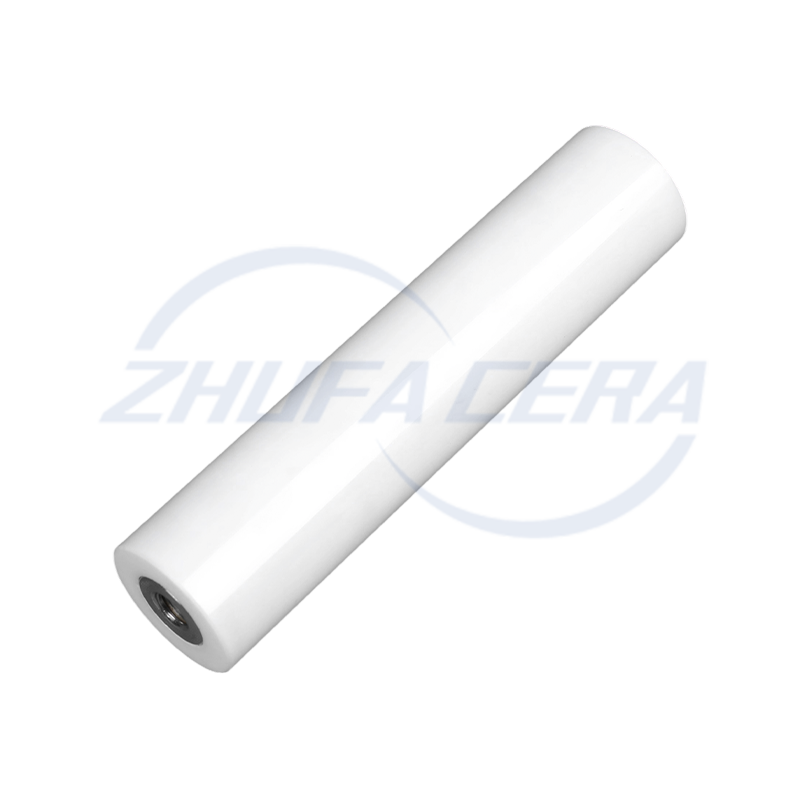
Zirconia Ceramic Rod is a high-performance ceramic material rod, mainly made of zirconium oxide, with excellent mechanical strength and chemical stability. It exhibits extremely high hardness and wear...
See Details -
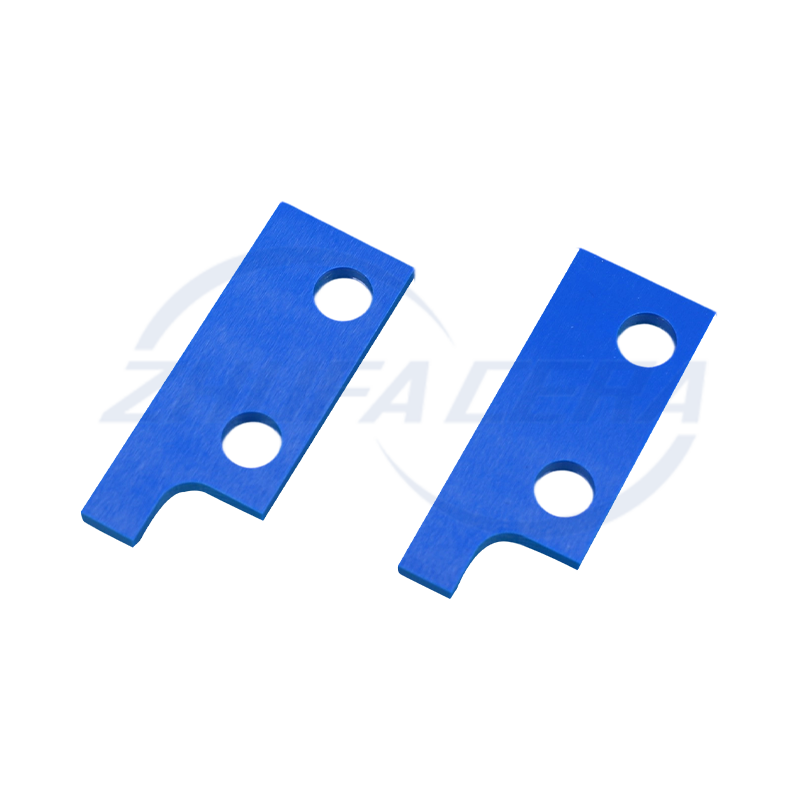
Blue zirconia ceramic sheets are precision components made of advanced zirconia ceramics. They are stained with cobalt, iron or copper to form a blue color. This color not only serves as a visual i...
See Details -
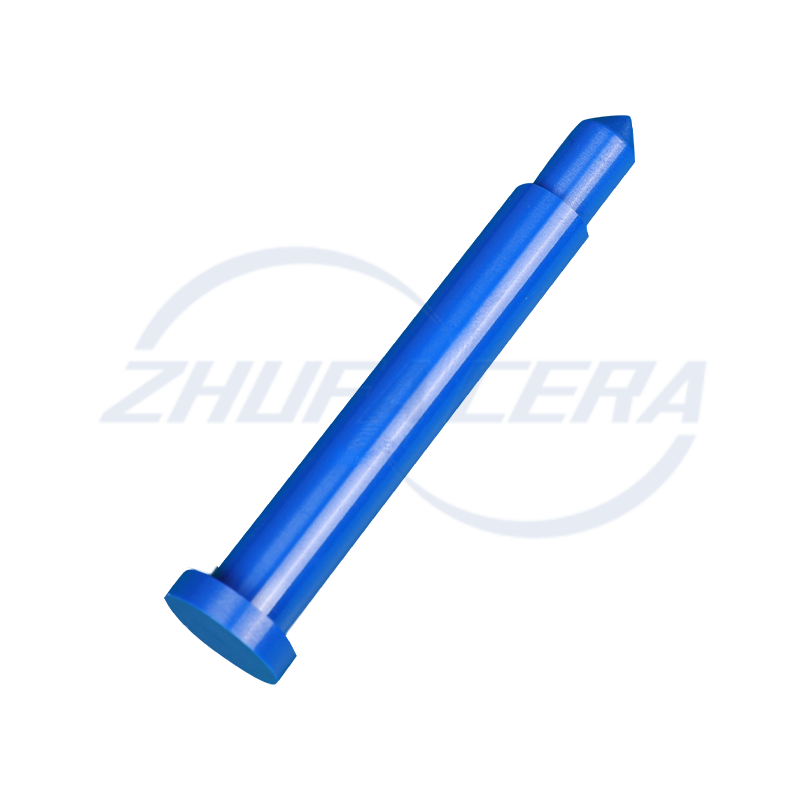
This blue zirconia ceramic pin is made of advanced zirconia ceramic material, providing excellent durability and performance. Zirconia ceramics are known for their high strength, good wear resistan...
See Details -

Zirconia Ceramic Gear is made of zirconium oxide ceramic material, which has excellent high strength and high hardness. This material property enables it to effectively resist wear during the transmis...
See Details -
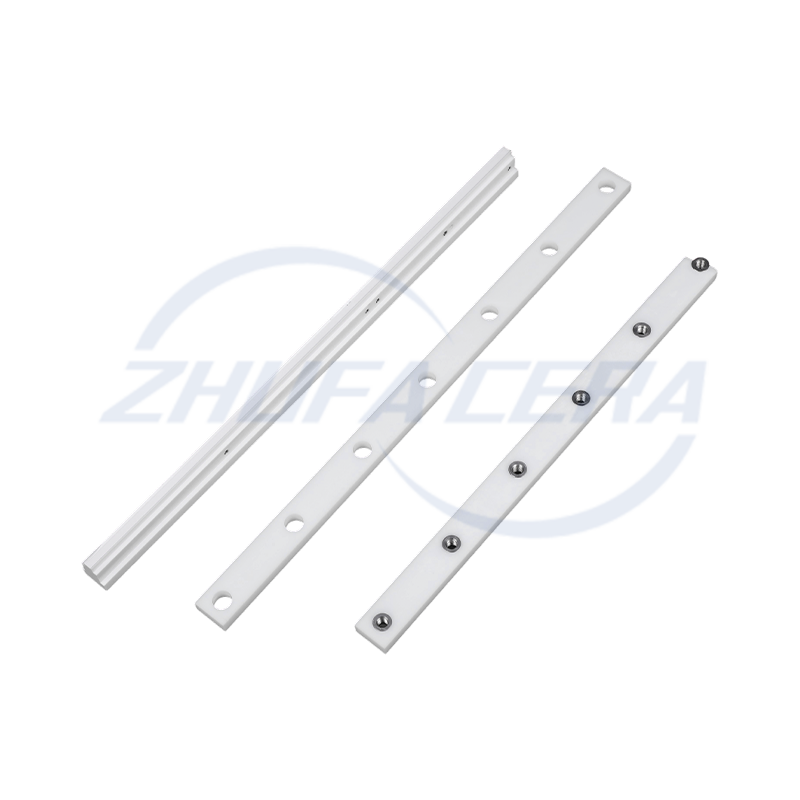
Zirconia Ceramic Guide Rail is a high-performance precision mechanical component made of zirconium oxide ceramic material. Its core characteristics are derived from the excellent physical and chemical...
See Details -
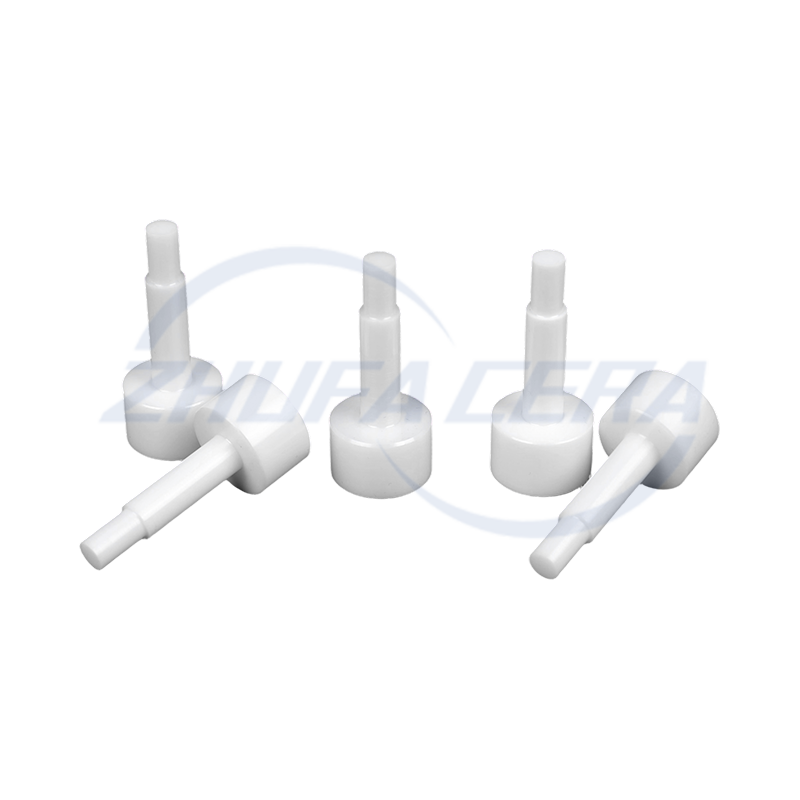
Zirconia Ceramic Locating Pin is a high-precision positioning element made of advanced zirconium oxide ceramic material with excellent physical and chemical properties. Its main characteristics includ...
See Details -
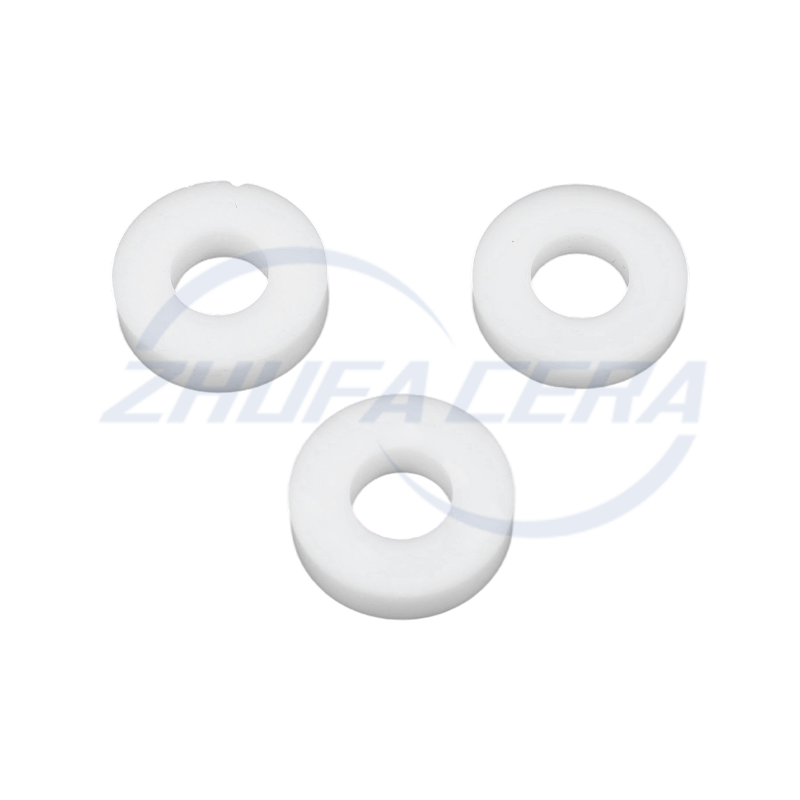
Zirconia Ceramic Ring is a high-performance ceramic product known for its excellent physical and chemical properties. It has extremely high hardness and strength, with a Mohs hardness of more than 8.5...
See Details -
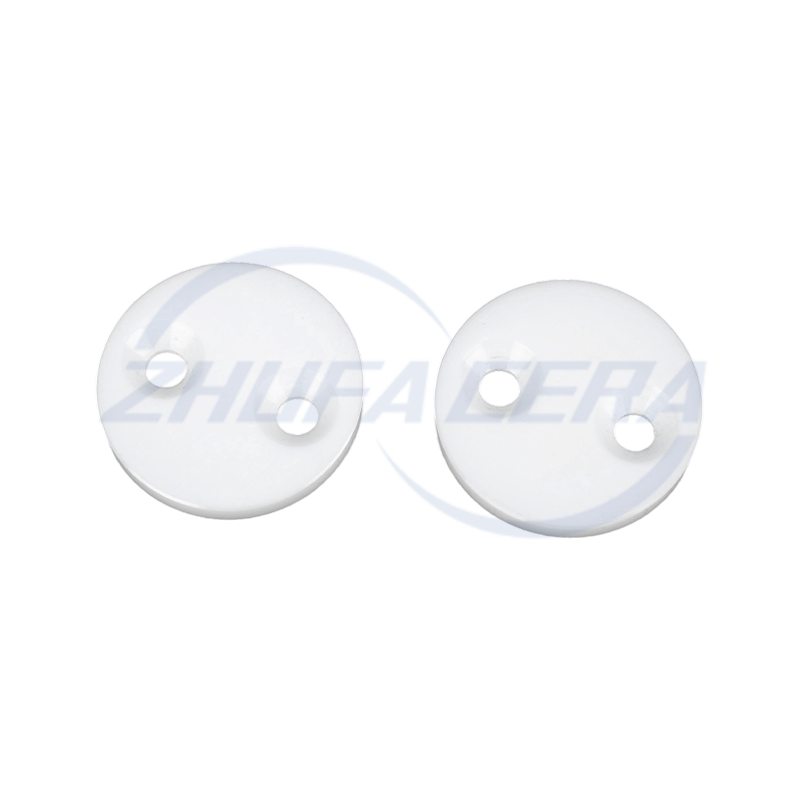
Zirconia ceramic sheets have become functional core components in various fields thanks to their unique properties. With a flexural strength of 900–1200 MPa and a fracture toughness of 6–10 MPa・m¹/², ...
See Details -
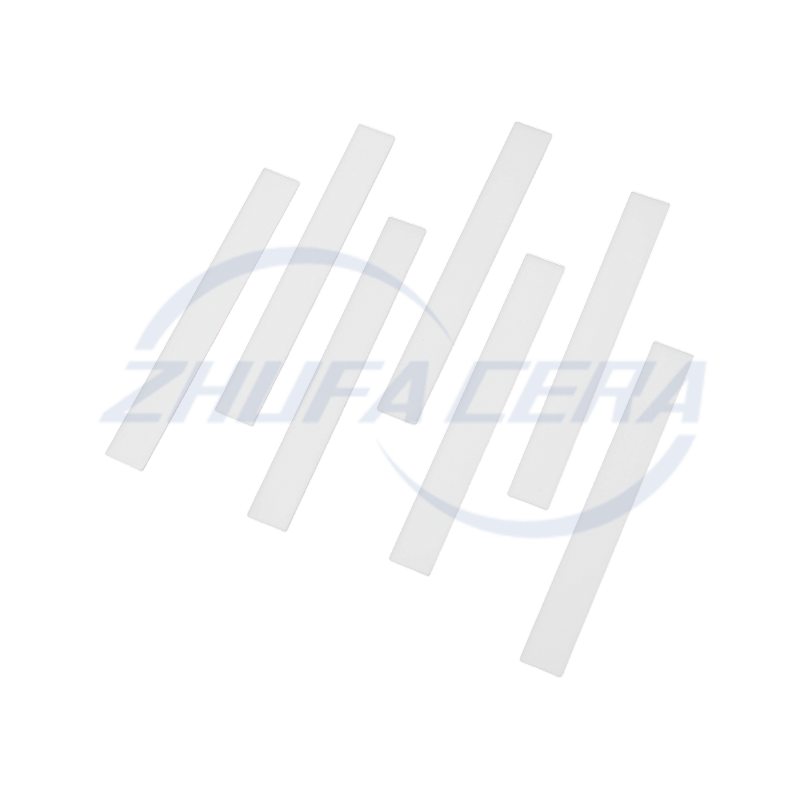
Zirconia Ceramic Strip is a strip material made of high-performance zirconium oxide ceramic with excellent physical and chemical properties. It has extremely high hardness and flexural strength, can e...
See Details -
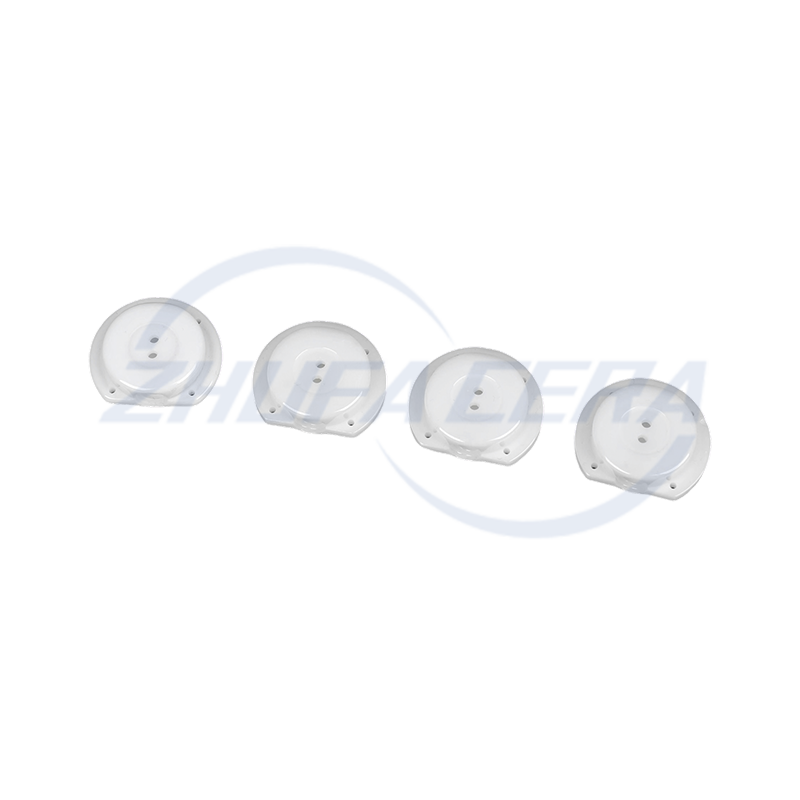
Zirconia ceramic wafers are representative products in the field of high-performance structural ceramics. Compared with traditional alumina ceramics or metal materials, its comprehensive performanc...
See Details -
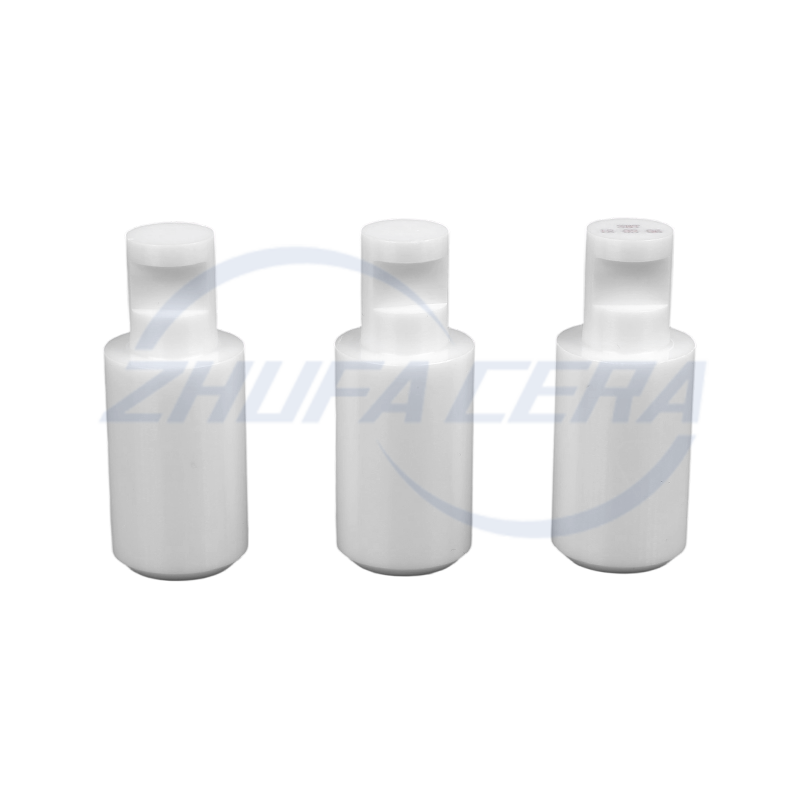
Zirconia Ceramic Plunger is a high-performance component designed for harsh industrial environments. Compared with similar ceramic or metal plunger products, it stands out with its unique material adv...
See Details


-
Quick Links
Home Products About Us Services Technology News Contact Us -
Products
Ceramic Structural Parts Zirconia Ceramics Alumina Ceramics ZTA Ceramics Silicon Nitride Ceramics Silicon Carbide Ceramics Ceramic Injection Molded Parts -
About Us
Factory Tour Honor FAQ -
Contact info
+86-188 8878 5188zf@zfcera.comNo. 1, Xinggong Road, Anchang Industrial Park, Keqiao District, Shaoxing City, Zhejiang Province, China -
WhatsApp

Copyright © Zhejiang Zhufa Precision Ceramics Technology Co., Ltd. All Rights Reserved.
China precision ceramics manufacturer
wholesale precision ceramics supplier
