

 中文简体
中文简体 русский
 Español
 عربى
عربى Português
 日本語
日本語 한국어
한국어
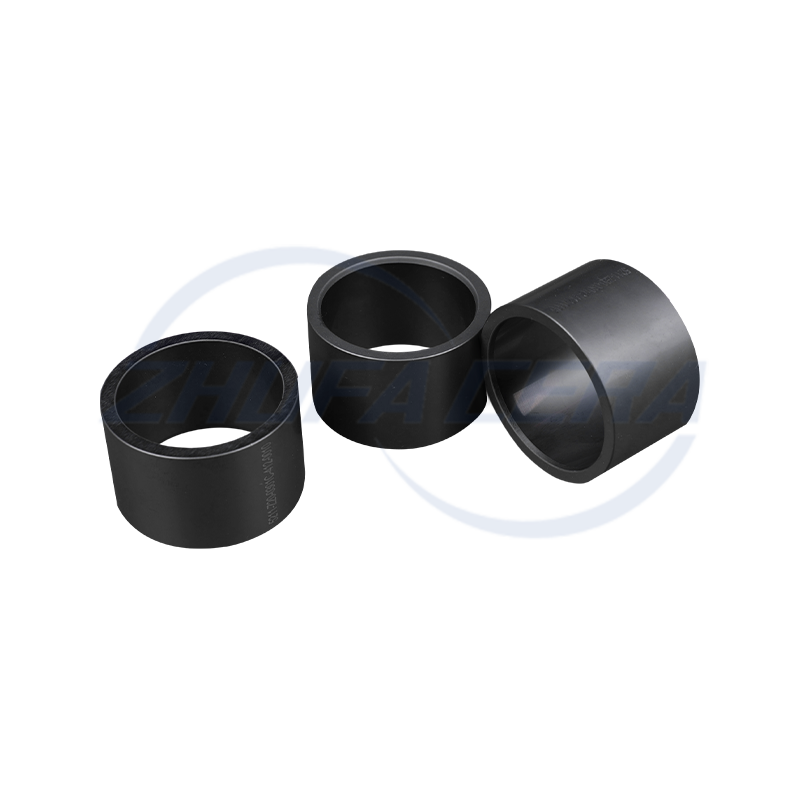
Black silicon carbide ceramic ring is a high-performance engineered ceramic assembly made of high-purity silicon carbide by precision molding and high temperature sintering. Its quadrangular crystal s...
See Details
FOLLOW US :


 Email: zf@zfcera.com
 Telephone: +86-188 8878 5188

Silicon carbide ceramic manipulator: How to achieve "zero deformation" under high-speed and high-frequency reciprocating motion?
2026-07-17
Content
- 1. Material and structure synergy: Suppressing deformation and resonance risks from physical roots
- 2. Low-stress manufacturing and flexible assembly: Eliminating hidden deformations caused by residual stress
- 3. Dynamic compensation and working condition adaptation: achieving high-precision and stable operation throughout the cycle
- Conclusion
In high-end manufacturing scenarios such as semiconductor wafer transfer, precision optoelectronic processes, and ultra-clean automation, robotic arms need to continuously maintain high-speed, high-frequency reciprocating motion. Under long-term dynamic working conditions, inertial alternating loads, structural resonance response, reciprocating friction heat accumulation, and ambient temperature fluctuations will jointly cause problems such as elastic deflection, fatigue cumulative deformation, and thermal drift in traditional metal manipulators. This will ultimately lead to a series of engineering shortcomings such as reduced positioning accuracy, insufficient operational stability, and limited equipment yield. As a new generation of precision structural materials, silicon carbide (SiC) ceramics rely on its excellent specific stiffness, thermal stability and anti-fatigue properties, combined with systematic structural optimization, low-stress precision manufacturing, flexible assembly processes and dynamic servo compensation technology, to control terminal micro-deformation to the micron level under the harsh working conditions of 1-3m/s high-speed movement and 50-100Hz high-frequency cycles, achieving an engineering-level "zero deformation" effect that is quantifiable and stably reproducible in industrial manufacturing scenarios. From a neutral science perspective, this article deeply dismantles the underlying technical logic of how a silicon carbide ceramic manipulator can maintain high frequency, high precision, and no deformation and drift for a long time.
1. Material and structure synergy: Suppressing deformation and resonance risks from physical roots
The deformation produced by the robotic arm during high-frequency reciprocating motion is mainly divided into two categories: mechanical inertial deformation and temperature-induced thermal deformation. The core advantage of silicon carbide ceramics is that it can simultaneously weaken the conditions for the occurrence of these two deformations from the intrinsic physical properties of the material, and then further improve the dynamic rigidity and stability through topology optimization to avoid structural vibration and fatigue deflection from the source. Silicon carbide has the combined characteristics of an ultra-high elastic modulus of 450GPa and a low density of 3.21g/cm³. Its specific stiffness is far superior to conventional metal structural materials such as stainless steel and aluminum alloys. Under the instantaneous inertial impact of high-speed acceleration and deceleration, the bending deflection of the cantilever is greatly suppressed, and the dynamic elastic deformation under high-frequency alternating loads is significantly reduced. This fundamentally improves the inherent defects of metal manipulators such as large inertia, obvious jitter, and large instantaneous offset.
In terms of thermal stability, silicon carbide's extremely low thermal expansion coefficient effectively avoids structural warping caused by temperature drift. Combined with its high thermal conductivity, it can quickly and evenly dissipate high-frequency friction heat and environmental hot and cold impact heat, keeping the overall temperature field of the arm uniform and preventing bending, distortion and dimensional deviation caused by local thermal expansion and contraction. It can still maintain extremely high dimensional consistency under long-term hot and cold cycle conditions. At the same time, the high-density sintering process makes the apparent porosity of the material less than 1%, the grain boundary structure is dense and uniform, and no grain boundary slippage and plastic creep will occur under millions of alternating stress cycles. The fatigue resistance is extremely strong, and the accumulation of permanent deformation after long-term operation is avoided from the material level.
Material properties alone cannot completely avoid structural resonance and stress concentration under high-frequency excitation, so the entire robotic arm adopts a topological design that conforms to the mechanical laws of the cantilever. Through the variable cross-section shape of thickening the root and gradually narrowing the end, it matches the force characteristics of the cantilever root with the largest bending moment and the most sensitive end inertia load. It strengthens the rigidity of key areas while minimizing the end motion inertia and effectively weakening the vibration amplitude. The one-piece hollow structure with reinforced rib layout greatly improves the bending and torsional stiffness without increasing its own weight, and raises the natural resonance frequency of the structure to avoid the excitation frequency range of high-frequency operation of the equipment, completely avoiding severe vibration and instantaneous deformation caused by resonance. All structural transition positions are rounded and passivated, with no stress concentration points and no spliced structural faults. Structural parameters are iteratively optimized with finite element extreme working condition simulation to stably control the alternating stress within the material safety threshold to achieve long-term structural stability under dynamic working conditions.
In engineering practice, the long-term accuracy drift of most robotic arms does not originate from the dynamic deformation of the material, but from the residual internal stress during the molding, processing, and assembly processes. Residual stress will be slowly released during millions of cycles, causing progressive micro-deformation, structural warping and positioning deviation. Therefore, the full-process low-stress process is the core guarantee for achieving zero deformation of silicon carbide robotic arms. In the molding and sintering stages, near-net size integrated molding and gradient constant temperature sintering processes are used to strictly control the uniformity of the density of the green body and the consistency of the temperature in the kiln. The internal sintering stress is slowly released through a stepped temperature rise and fall rate to avoid innate defects such as uneven density of the green body, sintering distortion, and structural asymmetry, and ensure that the initial structure of each arm body is highly uniform and stable.
In the ultra-precision machining process, a segmented stress-relieving grinding system is adopted to avoid thermal stress and surface micro-damage caused by traditional high-speed cutting. After rough machining, the energy is released by standing still and the initial grinding residual stress is released; for finishing machining, a smooth cutting method with micro depth of cut and low feed is used, and a constant temperature cooling system is used to suppress processing heat accumulation and avoid micro-bending and material sub-surface defects caused by local high temperatures. Finally, the surface flatness is optimized through a nano-level polishing process to reduce motion friction loss. The finished product undergoes three-coordinate measurement and laser interferometer full-area inspection to strictly control straightness, flatness and overall dimensional tolerances to ensure that the factory product has no initial micro-deformation and no concentrated residual stress, and eliminates subsequent deformation risks from the manufacturing end.
Due to the material characteristics of silicon carbide ceramics, which are highly brittle and sensitive to stress concentration, the industry's traditional rigid hard-connection assembly method can easily produce extrusion prestress. This stress will be superimposed with dynamic inertial loads and gradually induce hidden structural deformation. To this end, the entire assembly system adopts a flexible adaptation design. The ceramic and metal connection interface is equipped with a buffer structure with matching thermal expansion coefficient. The bolt holes are passivated and combined with the graded torque pre-tightening process to achieve uniform stress and avoid the phenomenon of unilateral extrusion and micro-bending. The entire process adopts clearance fit and high-stability filling structure instead of rigid interference fit to avoid local extrusion stress caused by assembly tolerances. All supporting metal structures are designed to match thermal expansion to reduce the stress difference between dissimilar materials in a temperature-changing environment. The finished product undergoes a large-scale no-load high-frequency running-in before leaving the factory to fully release the residual stress in the assembly and calibrate the accuracy twice, completely avoiding long-term deformation drift caused by assembly stress.
3. Dynamic compensation and working condition adaptation: achieving high-precision and stable operation throughout the cycle
Materials, structures, and processes can completely eliminate the permanent plastic deformation of the robotic arm. However, during ultra-high-speed and ultra-high-frequency instantaneous movements, trace amounts of elastic deformation and vibration offset still exist. Servo dynamic control technology is required for real-time compensation to achieve completely zero-deformation operation in an engineering sense. The equipment is equipped with a high-bandwidth servo drive and intelligent filtering algorithm to accurately identify the natural vibration frequency of the arm, actively offset the resonance interference caused by working conditions, and effectively suppress end jitter and dynamic deflection during high-speed start-stop and high-frequency reciprocation. The motion trajectory abandons the traditional sudden acceleration and deceleration logic and adopts a smooth S-shaped speed curve, which allows continuous acceleration without sudden changes, greatly reduces the instantaneous impact moment, and minimizes dynamic bending deflection.
Combined with the high-precision real-time detection module, the system can capture the micron-level offset data of the end at the millisecond level, correct the position deviation in real time through the servo closed-loop control system, and dynamically compensate for the instantaneous elastic deformation during high-speed movement, so that the repetitive positioning accuracy of the end of the robotic arm is stable within ±0.01mm for a long time, ensuring the trajectory consistency and dimensional stability of high-frequency reciprocating motion. In terms of adaptability to complex industrial working conditions, silicon carbide ceramics have excellent chemical inertness and corrosion resistance, and can withstand plasma erosion and fluorine-based corrosive media in the semiconductor manufacturing process. There will be no structural corrosion thinning, rigidity attenuation and other problems. The ultra-low friction smooth surface can achieve clean operation without the generation of dust debris and avoid dimensional deviations caused by wear. With the adaptive design of cavity temperature uniformity and steady flow structure, it can effectively prevent local bending caused by one-sided temperature difference and airflow impact, and achieve long-term, zero-drift stable operation in harsh scenarios such as ultra-clean, temperature changes, and corrosion.
Conclusion
The "zero deformation" technology of silicon carbide ceramic manipulators does not rely on the advantages of a single material to achieve absolute non-deformation, but a set of covering Material intrinsic shape suppression, structural rigidity strengthening, manufacturing stress relief, assembly stress relief, and dynamic real-time shape correction full-link engineering system. By eliminating permanent deformation from the physical source and controllably offsetting instantaneous dynamic deformation from the control end, it completely solves the common pain points of traditional metal manipulators such as excessive vibration, precision drift, fatigue deformation, and insufficient lifespan under high-frequency, high-speed, and precision working conditions. It is highly adapted to the long-term high-precision operation requirements of high-end manufacturing such as semiconductors, optoelectronics, and precision automation. It is one of the best structural solutions for current ultra-precision reciprocating motion actuators.
Working condition adaptation and customization instructions The structural dimensions, rigidity parameters and precision processing standards of the robotic arm can be customized according to different equipment loads, movement speeds, reciprocating frequencies and environmental working conditions to adapt to the zero-deformation operation requirements of various high-end precision automation equipment.
Related products
-
-
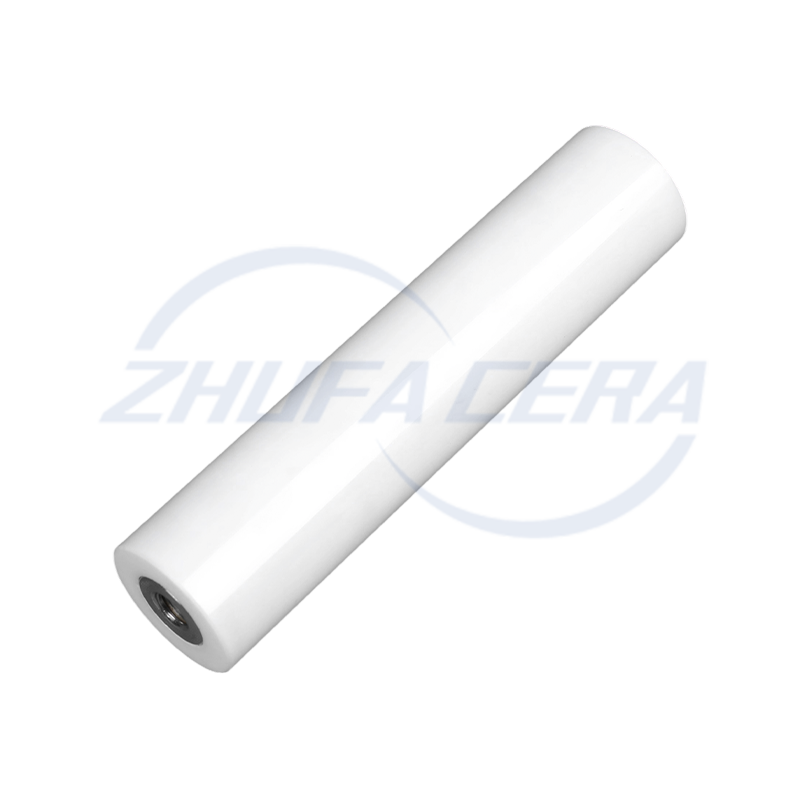
Zirconia Ceramic Rod is a high-performance ceramic material rod, mainly made of zirconium oxide, with excellent mechanical strength and chemical stability. It exhibits extremely high hardness and wear...
See Details -
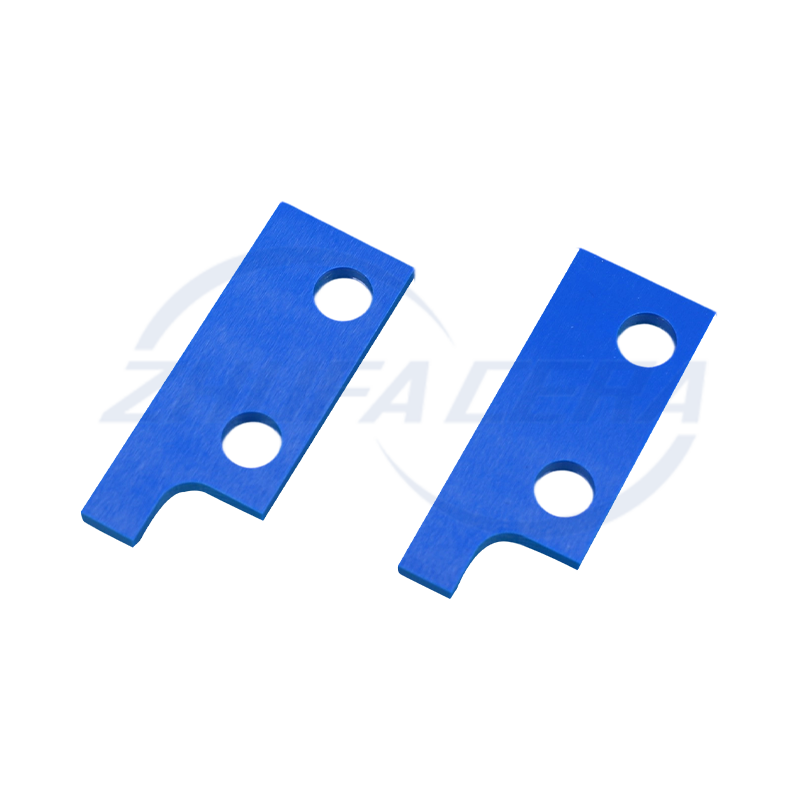
Blue zirconia ceramic sheets are precision components made of advanced zirconia ceramics. They are stained with cobalt, iron or copper to form a blue color. This color not only serves as a visual i...
See Details -

This blue zirconia ceramic pin is made of advanced zirconia ceramic material, providing excellent durability and performance. Zirconia ceramics are known for their high strength, good wear resistan...
See Details -

Zirconia Ceramic Gear is made of zirconium oxide ceramic material, which has excellent high strength and high hardness. This material property enables it to effectively resist wear during the transmis...
See Details -
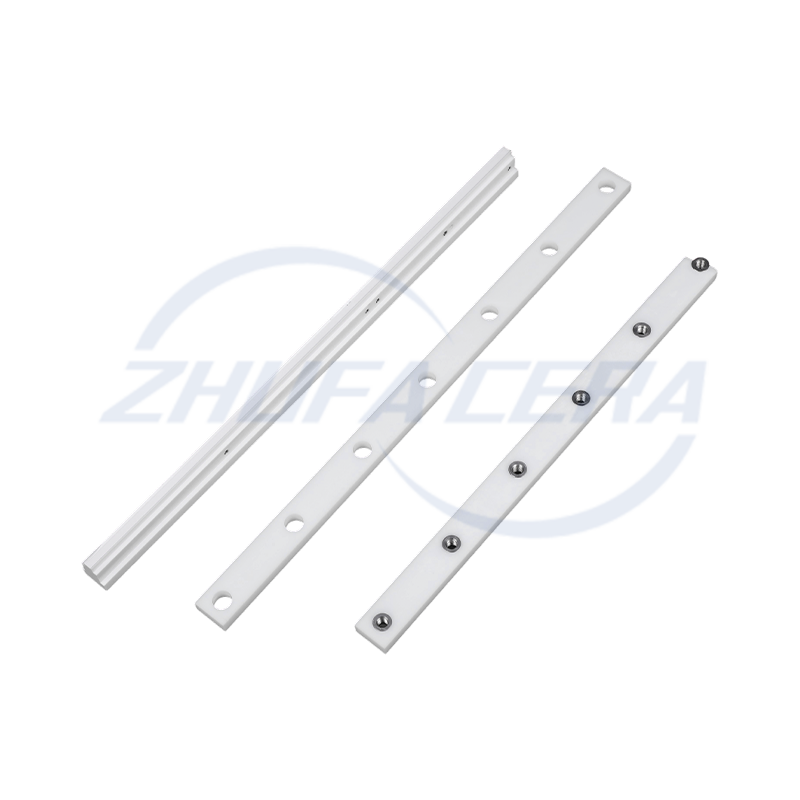
Zirconia Ceramic Guide Rail is a high-performance precision mechanical component made of zirconium oxide ceramic material. Its core characteristics are derived from the excellent physical and chemical...
See Details -
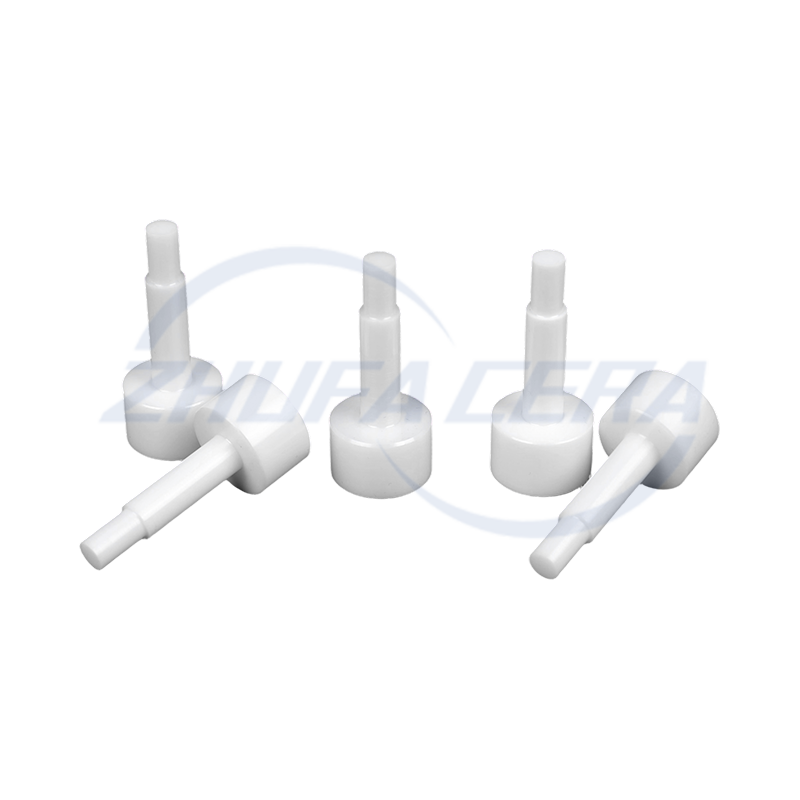
Zirconia Ceramic Locating Pin is a high-precision positioning element made of advanced zirconium oxide ceramic material with excellent physical and chemical properties. Its main characteristics includ...
See Details -
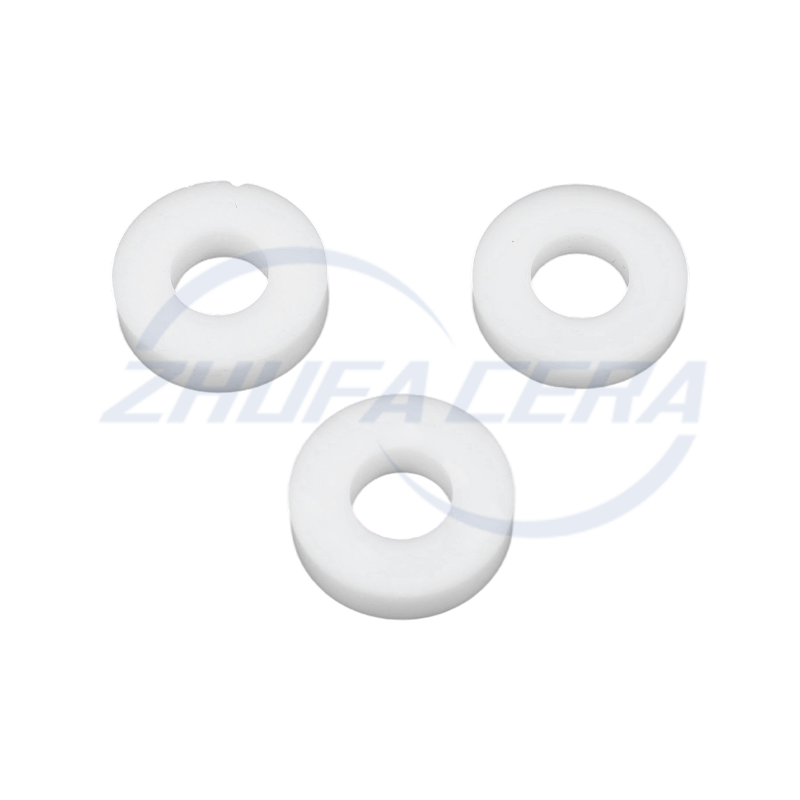
Zirconia Ceramic Ring is a high-performance ceramic product known for its excellent physical and chemical properties. It has extremely high hardness and strength, with a Mohs hardness of more than 8.5...
See Details -
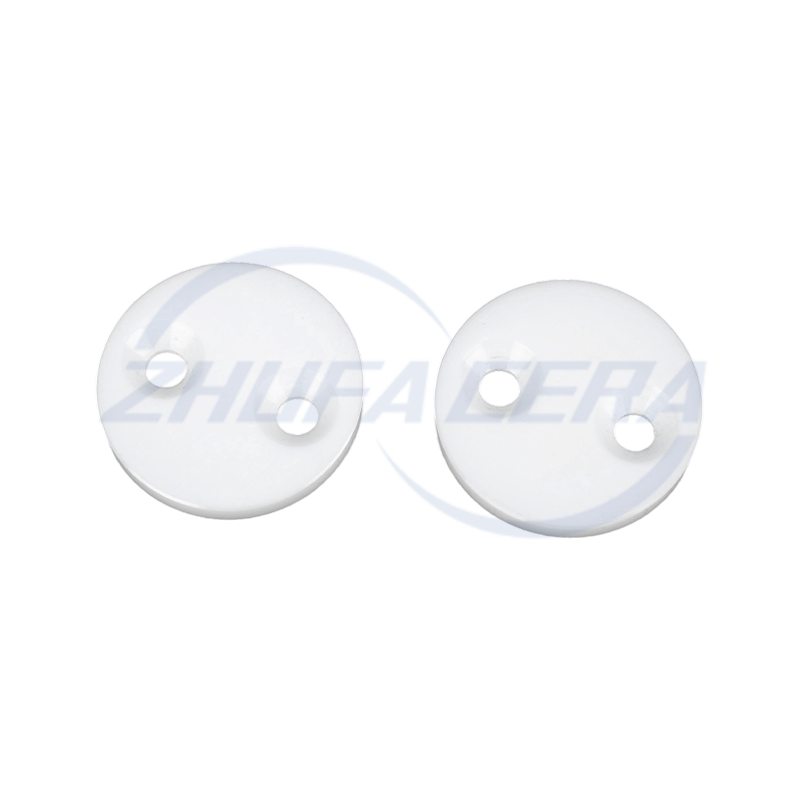
Zirconia ceramic sheets have become functional core components in various fields thanks to their unique properties. With a flexural strength of 900–1200 MPa and a fracture toughness of 6–10 MPa・m¹/², ...
See Details -
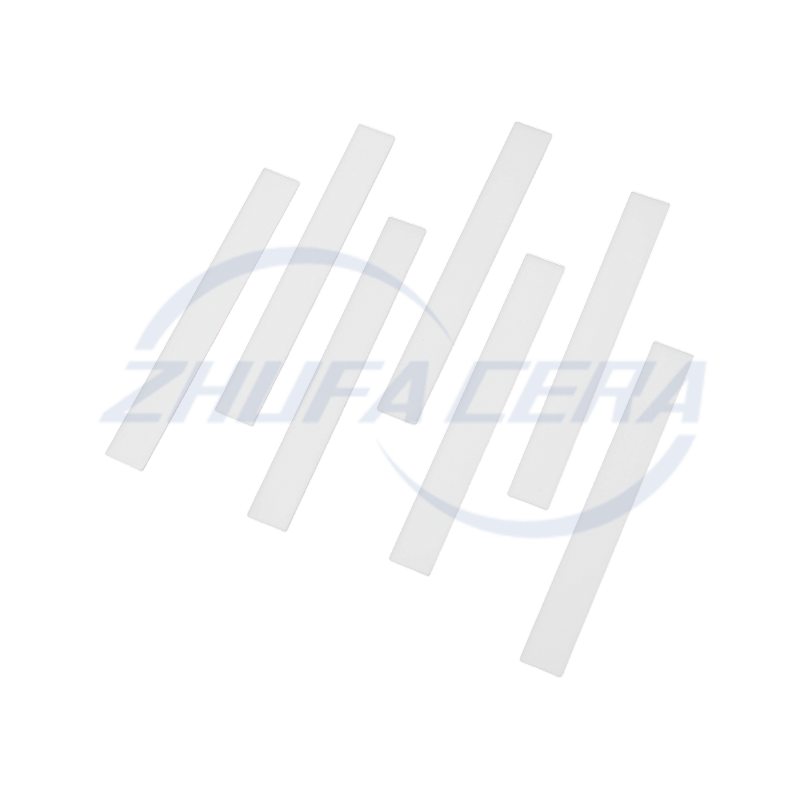
Zirconia Ceramic Strip is a strip material made of high-performance zirconium oxide ceramic with excellent physical and chemical properties. It has extremely high hardness and flexural strength, can e...
See Details -
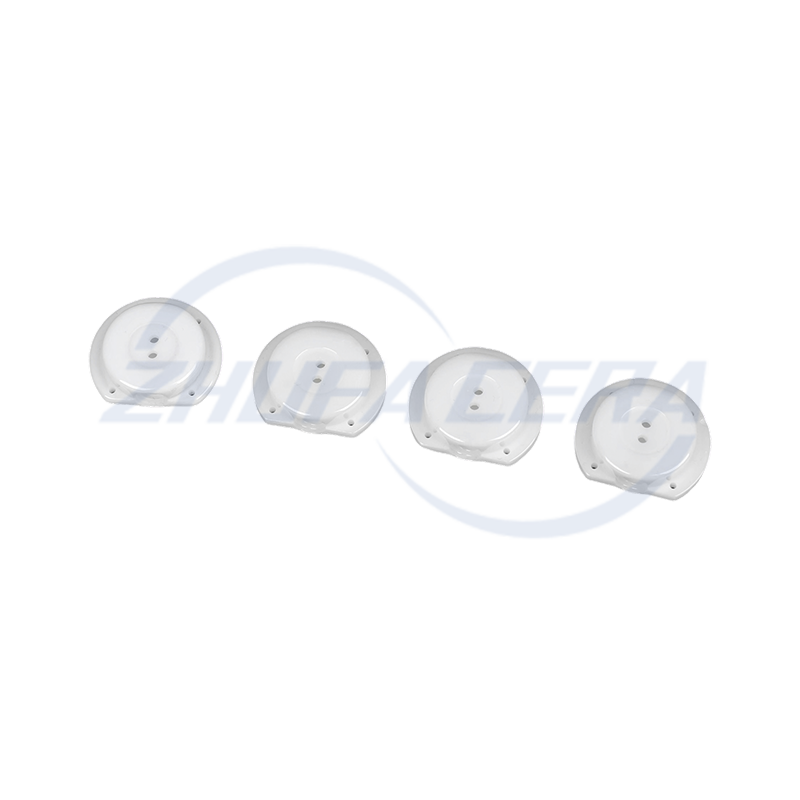
Zirconia ceramic wafers are representative products in the field of high-performance structural ceramics. Compared with traditional alumina ceramics or metal materials, its comprehensive performanc...
See Details -
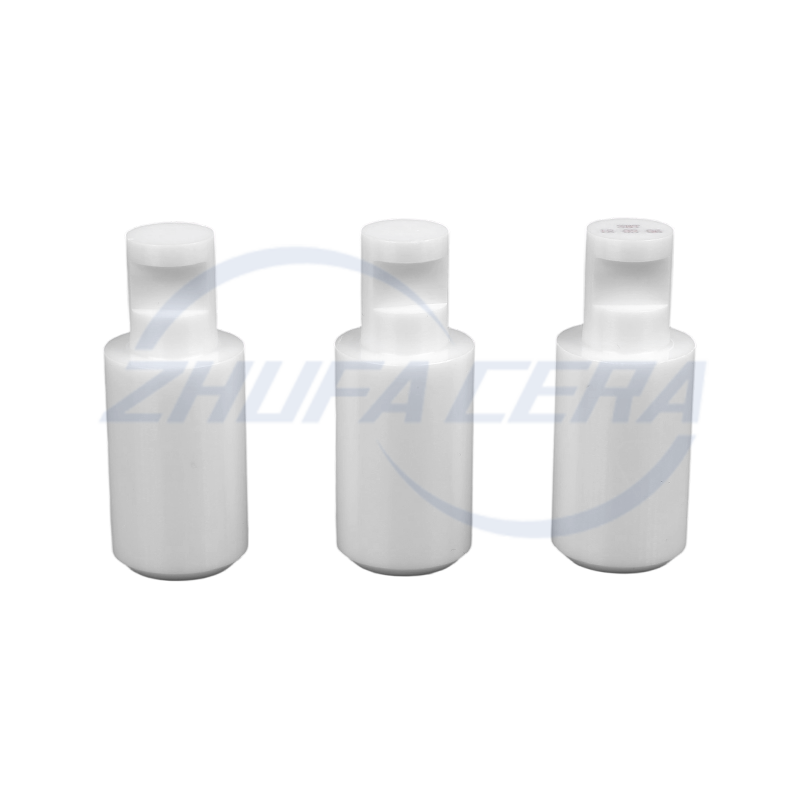
Zirconia Ceramic Plunger is a high-performance component designed for harsh industrial environments. Compared with similar ceramic or metal plunger products, it stands out with its unique material adv...
See Details


-
Quick Links
Home Products About Us Services Technology News Contact Us -
Products
Ceramic Structural Parts Zirconia Ceramics Alumina Ceramics ZTA Ceramics Silicon Nitride Ceramics Silicon Carbide Ceramics Ceramic Injection Molded Parts -
About Us
Factory Tour Honor FAQ -
Contact info
+86-188 8878 5188zf@zfcera.comNo. 1, Xinggong Road, Anchang Industrial Park, Keqiao District, Shaoxing City, Zhejiang Province, China -
WhatsApp

Copyright © Zhejiang Zhufa Precision Ceramics Technology Co., Ltd. All Rights Reserved.
China precision ceramics manufacturer
wholesale precision ceramics supplier
