
 中文简体
中文简体 русский
 Español
 عربى
عربى Português
 日本語
日本語 한국어
한국어

Ceramics manufacturing is the industrial process of transforming inorganic, non-metallic raw powders into solid, high-performance components through a sequence of powder preparation, shape forming, and high-temperature sintering. This ancient craft, dating back thousands of years, has evolved into a highly sophisticated engineering discipline that produces everything from common tableware and bathroom tiles to advanced armor plates, hip joint implants, and heat-resistant coatings for jet engines. According to the American Ceramic Society (ACerS), the global ceramics manufacturing market was valued at over $130 billion in 2023 and is projected to grow at a compound annual rate of approximately 6%, driven by relentless demand from the construction, medical, aerospace, and electronics sectors. Understanding exactly what ceramics manufacturing is and how it works reveals a world where materials science and precision engineering combine to create objects that can withstand temperatures of over 1,000 degrees Celsius, resist the most corrosive chemicals, and support the high-speed processing of semiconductor chips.
What Is Ceramics Manufacturing and What Are Its Fundamental Stages?
Ceramics manufacturing is the end-to-end process that converts loose ceramic powder—often a carefully formulated mixture of clays, feldspar, silica, or synthetic oxides—into a dense, rigid solid through four fundamental stages: raw material preparation, shape forming, drying, and high-temperature firing or sintering. The initial step, raw material preparation, is critical because the purity, particle size, and homogeneity of the powder directly dictate the final mechanical and thermal properties. For advanced ceramics manufacturing, powders such as alumina (Al₂O₃), zirconia (ZrO₂), silicon carbide (SiC), and silicon nitride (Si₃N₄) are produced through chemical precipitation or sol-gel synthesis to achieve sub-micron particle sizes. For traditional ceramics, the raw materials are mined, crushed, and beneficiated to remove impurities. The particle size distribution is carefully controlled because it affects the packing density in the green body and the sintering kinetics. A narrow particle size distribution with an average diameter of around 0.5 to 2 microns is typical for advanced ceramics, which allows for high green density and uniform shrinkage. The forming stage shapes these powders into a "green body," a fragile, unfired compact that holds its shape through temporary organic binders such as polyvinyl alcohol or polyethylene glycol. Common forming methods include dry pressing, isostatic pressing, extrusion, slip casting, and injection molding. The green body is then dried to remove moisture and organic additives, a delicate step that must be controlled to avoid cracking from differential shrinkage. The final and most critical stage is sintering. Sintering subjects the compact to temperatures typically between 1,000°C and 1,800°C in a controlled atmosphere furnace. During this thermal treatment, powder particles bond together through solid-state diffusion, eliminating pores and shrinking the part by 12% to 20% linearly. The result is a hard, dense ceramic component that can be used as-is or diamond-ground to precise final tolerances. Unlike metal casting or plastic injection molding, there is no melting involved in standard ceramics manufacturing; the entire process is a solid-state consolidation, which is why controlling the initial powder characteristics and the sintering cycle is so important.
Traditional vs. Advanced Ceramics: A Tale of Two Manufacturing Worlds
The ceramics industry is divided into two broad categories—traditional ceramics produced from natural minerals for structural and household applications, and advanced or technical ceramics manufactured from highly purified synthetic powders for demanding engineering applications. The table below compares the key characteristics of these two branches of ceramics manufacturing.
| Characteristic | Traditional Ceramics | Advanced (Technical) Ceramics |
|---|---|---|
| Raw Materials | Natural clays, quartz, feldspar | Synthetic oxides, carbides, nitrides (Al₂O₃, ZrO₂, SiC, Si₃N₄) |
| Typical Sintering Temperature | 1,000°C–1,300°C | 1,400°C–1,800°C+ |
| Particle Size of Powder | Micron to millimeter range | Sub-micron (0.1–1.0 micron) |
| Key Mechanical Property | Compressive strength; brittle | High flexural strength (up to 1,200 MPa), high hardness, toughness |
| Primary Applications | Bricks, tiles, sanitaryware, tableware | Medical implants, armor, semiconductors, aerospace, sensors |
How Does the Forming Stage Shape the Green Body?
The forming stage of ceramics manufacturing converts the prepared powder or slurry into a specific geometric shape, and the choice of forming method directly determines the achievable complexity, density, and final cost of the ceramic component. The most widely used forming techniques in ceramics manufacturing include the following:
- Dry pressing: Powder mixed with a small amount of binder and lubricant is compacted in a rigid steel die under a uniaxial press, typically at pressures of 50 to 200 MPa. This is the dominant method for high-volume production of simple shapes such as tiles, insulators, and capacitor disks. The density distribution can be non-uniform due to die wall friction, which limits the aspect ratio of parts.
- Isostatic pressing: The powder is sealed in a flexible rubber or polyurethane mold and subjected to uniform hydrostatic pressure, often exceeding 300 MPa, inside a pressure vessel filled with fluid. Cold isostatic pressing produces exceptionally uniform green density, making it ideal for large or complex components such as spark plug insulators and missile nose cones. It eliminates the density gradients seen in uniaxial pressing.
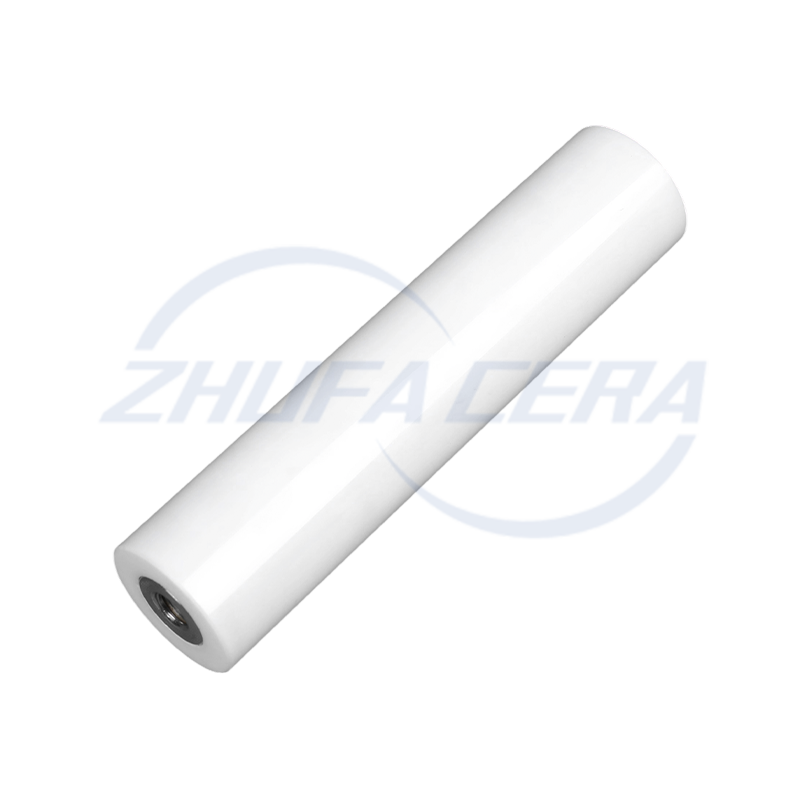
- Extrusion: A plastic mixture of powder, water, and organic binders is forced through a shaped die to produce continuous cross-sections such as tubes, honeycomb catalyst supports for automotive emissions control, and thermal insulation rods. The extruded material is then cut to length and dried.
- Slip casting: A fluid suspension of ceramic powder in water, called a slip, is poured into a porous plaster mold. Capillary action draws water from the slip, leaving a solid layer on the mold surface. This traditional method is used for complex, hollow shapes such as sanitaryware and art pottery. The process is slow but can produce very large parts with uniform wall thickness.
- Injection molding: Ceramic powder is mixed with a thermoplastic polymer binder to create a feedstock that can be injected into a metal mold, identical to plastic injection molding. After molding, the binder is removed in a debinding process, and the part is sintered. This method produces intricate, high-precision components such as orthodontic brackets and electronic substrates. The feedstock can contain up to 60% ceramic powder by volume, and the binder removal must be carefully controlled to prevent defects.
Sintering: The Heart of Ceramics Manufacturing
Sintering is the thermal treatment that transforms the fragile green body into a hard, dense ceramic by heating it to a temperature below its melting point, where atomic diffusion bonds the individual powder particles together and systematically closes the internal pores. The driving force for sintering is the reduction in surface energy as particles coalesce. As the temperature rises, mass transport mechanisms such as volume diffusion, grain boundary diffusion, and surface diffusion cause the powder particles to form necks at their points of contact and eventually merge. The result is a polycrystalline solid with a density that can reach 95% to 99.9% of the theoretical maximum, depending on the sintering conditions. For alumina, a common advanced ceramic, sintering at 1,600°C for two hours can produce a component with a flexural strength exceeding 400 MPa. The linear shrinkage during sintering is predictable and is compensated for by scaling up the green body dimensions, but non-uniform shrinkage can cause warping, which is why uniform green density from the forming stage is essential. In some advanced ceramics manufacturing processes, hot isostatic pressing applies external gas pressure during sintering to eliminate residual porosity, producing components of near-theoretical density for critical aerospace and medical applications. Sintering atmospheres are carefully controlled—inert gases for non-oxide ceramics to prevent oxidation, or reducing atmospheres for certain oxide ceramics to control stoichiometry. The sintering cycle, including heating rate, hold time, and cooling rate, is optimized for each specific material and component geometry to achieve the desired microstructure and properties.
Where Are Manufactured Ceramics Used in Modern Industry?
The applications of ceramics manufacturing span virtually every sector of modern industry, from the mundane to the highly specialized, and the unique combination of heat resistance, hardness, electrical insulation, and biocompatibility makes ceramics irreplaceable in many of these roles. Key application areas include:
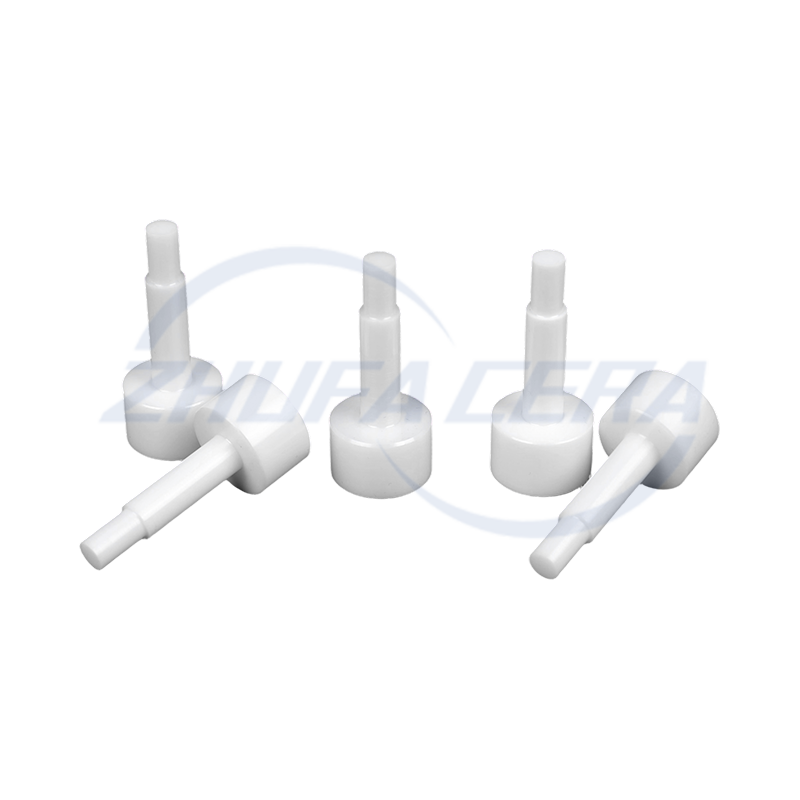
- Electronics and semiconductors: Alumina and aluminum nitride substrates serve as the insulating base for electronic circuits and power modules. The global semiconductor industry relies on ceramics manufacturing for wafer chucks, chamber liners, and insulators that must withstand the aggressive plasma environments of chip fabrication. Ceramic packages also protect sensitive microchips from moisture and mechanical damage.
- Medical and dental implants: Zirconia and alumina ceramics are used for hip joint femoral heads, dental crowns, and bone screws because they are completely biocompatible, hard, and resistant to wear. According to clinical studies, zirconia hip implants have demonstrated a survival rate of over 95% at 10 years. The smooth surface finish achievable in ceramics manufacturing also minimizes friction in joint replacements.
- Aerospace and defense: Silicon carbide and silicon nitride ceramics are used for turbine blades, armor plates, and radomes. Their ability to survive temperatures above 1,200°C without losing strength makes them essential for jet engines and hypersonic vehicles. Ceramic matrix composites further enhance toughness and are used in the hottest sections of gas turbines.
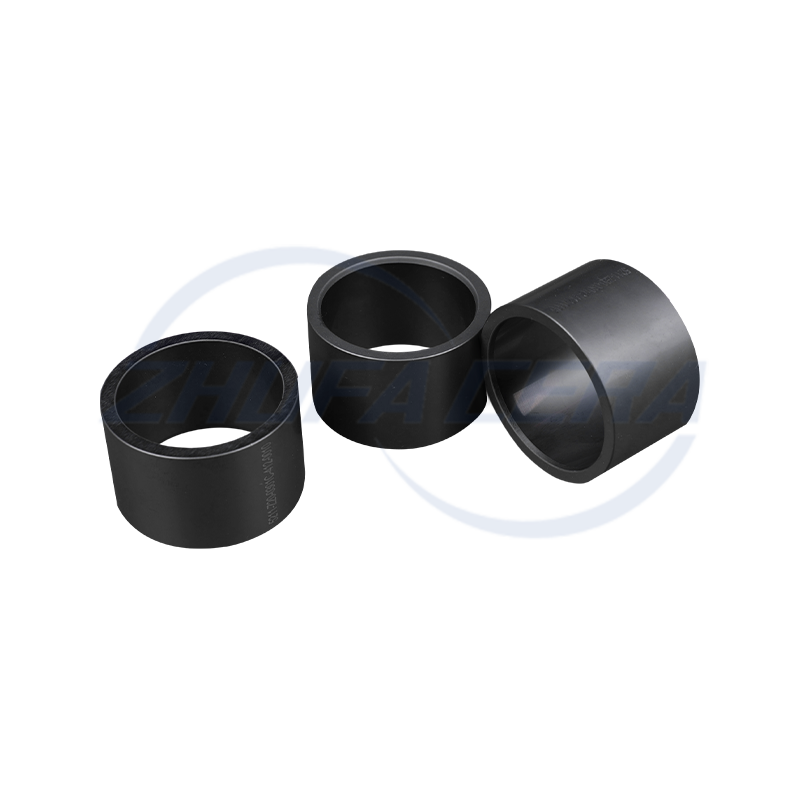
- Industrial wear parts: Alumina, zirconia, and SiC are formed into pump seals, valve components, and sandblasting nozzles that outlast hardened steel by a factor of five to ten in abrasive slurry environments. These components are produced by pressing and sintering and then precision-ground to final dimensions.
Quality Control and Common Defects in Ceramics Manufacturing
Maintaining consistent quality in ceramics manufacturing requires rigorous monitoring of powder characteristics, green density, sintering shrinkage, and final microstructure, because even minor deviations can lead to cracks, warping, or insufficient strength. Common defects that arise during processing include the following:
- Cracks and delamination: These can occur during drying or binder burnout if heating rates are too rapid, causing internal vapor pressure to exceed the green strength of the body. Careful control of the heating profile and humidity during drying minimizes this risk.
- Density gradients: In uniaxial pressing, friction between the powder and the die wall can cause the top of the part to be denser than the bottom. This non-uniformity leads to differential shrinkage during sintering and can cause the part to warp or crack. Isostatic pressing and lubricant additives help mitigate this problem.
- Abnormal grain growth: During sintering, if the temperature is too high or the soak time too long, a few grains can grow excessively at the expense of others, weakening the material. Controlled sintering schedules and dopants such as magnesia in alumina are used to inhibit grain growth.
- Incomplete densification: If the green density is too low or the sintering temperature is insufficient, the final part will contain residual porosity, reducing strength and making it permeable to gases and liquids. Quality ceramics manufacturing relies on destructive testing of sample parts and non-destructive methods such as ultrasonic imaging and X-ray computed tomography to detect internal flaws before the component enters service.
Frequently Asked Questions About Ceramics Manufacturing
What is the difference between sintering and firing in ceramics manufacturing?
The terms are often used interchangeably, but firing typically refers to the heat treatment of traditional clay-based ceramics where complex mineral decomposition and glass formation occur, while sintering is the scientific term for the densification process in both traditional and advanced ceramics manufacturing. In industrial practice, firing is associated with kilns and pottery, while sintering is used in the context of technical ceramics and powder metallurgy.
Can ceramics be machined after sintering?
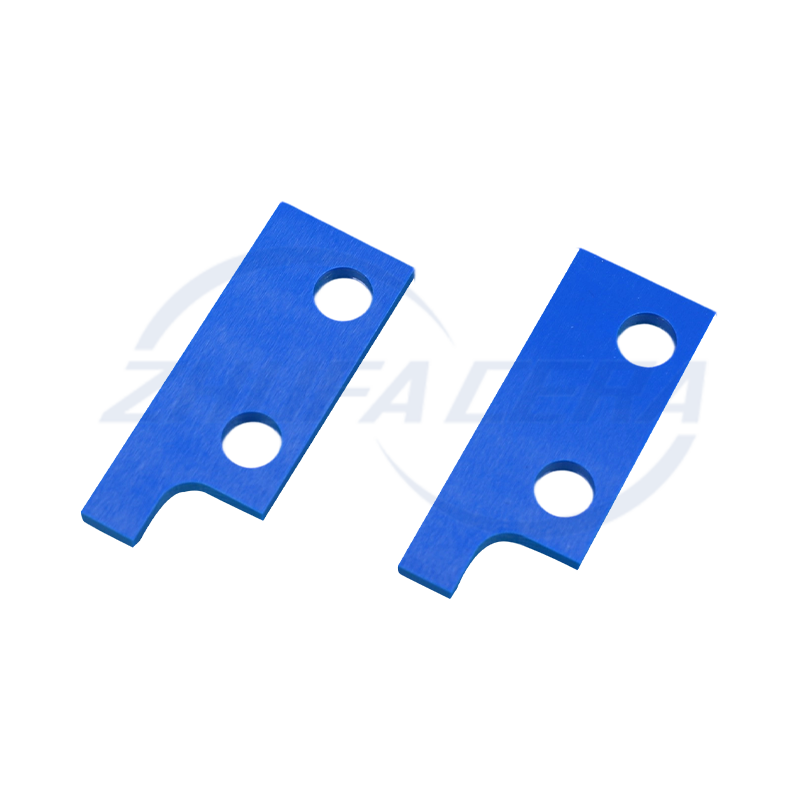
Because the hardness of sintered advanced ceramics approaches that of diamond, conventional metal cutting tools cannot cut them. Diamond grinding wheels, laser machining, and electrical discharge machining are the standard methods for finishing sintered ceramics manufacturing components to tight tolerances. For complex shapes, the part is often machined in the green state when it is still soft and chalky, then sintered to full hardness with a precise allowance for shrinkage.
Is ceramics manufacturing environmentally friendly?
Ceramics are produced from abundant natural minerals and synthetic powders, and the finished product is chemically inert and can last for centuries. The sintering process does require significant energy to achieve high temperatures, and this is the primary environmental footprint of ceramics manufacturing. The industry is addressing this through more efficient kiln designs, microwave-assisted sintering, and the use of recycled ceramic scrap as raw material.
Ceramics manufacturing is a field where ancient art meets modern engineering, producing the materials that insulate our electronics, protect our soldiers, and replace our worn-out joints. From the careful preparation of sub-micron powders to the precisely controlled heat of the sintering furnace, each stage of the process is designed to overcome the natural brittleness of ceramics and deliver a component that performs reliably in the most demanding environments on Earth and beyond.