

 中文简体
中文简体 русский
 Español
 عربى
عربى Português
 日本語
日本語 한국어
한국어
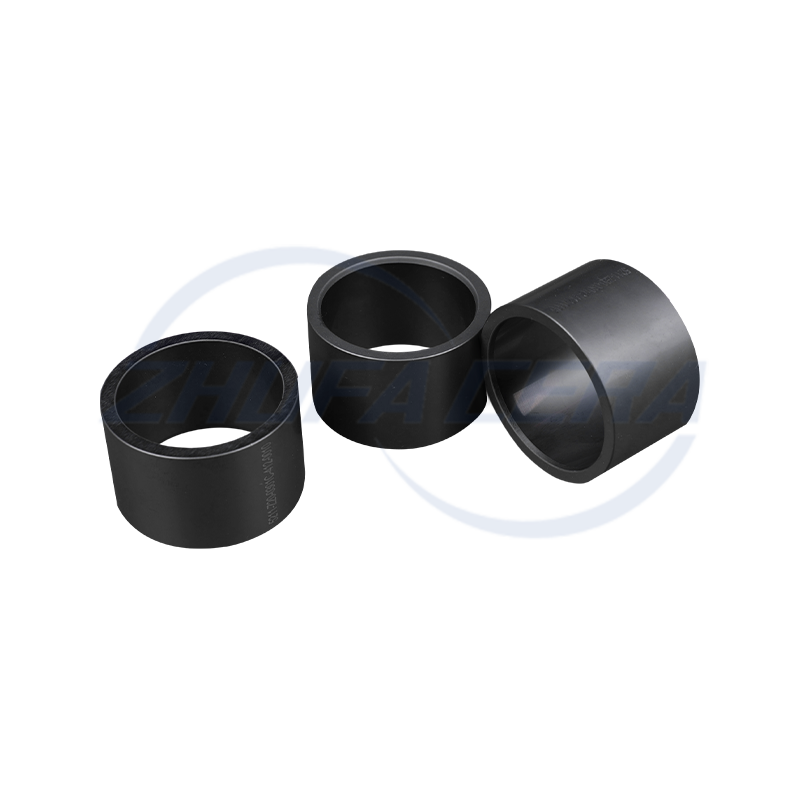
Black silicon carbide ceramic ring is a high-performance engineered ceramic assembly made of high-purity silicon carbide by precision molding and high temperature sintering. Its quadrangular crystal s...
See Details
FOLLOW US :


 Email: zf@zfcera.com
 Telephone: +86-188 8878 5188

Non-standard customization of special ceramics: meeting the changing needs of lithium battery production line upgrades
2026-08-01
Against the current macro background of the lithium battery industry accelerating its evolution towards cutting-edge directions such as high energy density, high-speed manufacturing, extreme safety, and all-solid-state batteries, the production and manufacturing process is undergoing unprecedented in-depth changes. The continuous innovation of positive and negative electrode materials, the continuous increase in coating speed, and the ultimate pursuit of cost reduction and efficiency improvement have made it difficult for traditional standardized ceramic components and conventional materials to fully meet the personalized and complex process needs of various battery manufacturers and equipment manufacturers. Non-standard customization of special ceramics is moving from behind the scenes to the front, becoming a key supporting force in upgrading lithium battery production lines and breaking through the core bottlenecks of efficiency and lifespan.
1. Lithium battery production line upgrade and “ Non-standard ” demand
With the rapid iteration of battery material systems (such as ultra-high nickel, silicon-carbon anodes, new solid electrolytes, etc.) and the manufacturing process moving toward micron-level precision and high cleanliness, lithium battery production lines have put forward almost stringent requirements for material properties such as wear resistance, high insulation, high temperature resistance, and chemical corrosion resistance. During this evolution, traditional alternatives have exposed clear limitations The following three aspects.
- Traditional metal materials (such as tool steel, carbide): It wears very quickly when faced with high-hardness slurry. What's more serious is that the falling off of metal particles will introduce magnetic foreign matter (metal impurities), which directly leads to micro-short circuit in the battery core, posing serious safety risks.
- Engineering plastic materials (such as PEEK , nylon): Creep, softening or permanent deformation is very easy to occur in heavy-duty rolling or high-speed slitting stations, and the upper limits of temperature resistance and wear resistance are low, making it impossible to guarantee micron-level dimensional accuracy.
- Universal standardized ceramic components: There are often standard parts available for wholesale in the market. “ Adequate size and difficult to install ” Adaptation pain points, and cannot be optimized for the impact resistance, high thermal conductivity or extreme wear resistance requirements of specific workstations.
Because of this, relying on “ Material properties optimization Flexible non-standard design ” Non-standard customization of special ceramics has become an inevitable choice to solve the pain points of lithium battery production lines.
2. All aspects of the production line “ Prescribe the right medicine ”
In the complex working conditions of lithium battery production lines, not all ceramics are suitable. According to the specific process flow and workstation requirements, the most widely used and representative special ceramic materials and their typical customized parts in the industry mainly include the following three aspects.
- Wear resistance, insulation and zero metal contamination in extreme environments in the front end (pulping, conveying and coating areas)
- Pain point analysis: During the processes of high-speed stirring, pipeline transportation, and precision coating, the positive and negative electrode slurries contain highly abrasive particles (such as lithium iron phosphate and high-nickel ternary materials), which wash away metal parts very quickly and easily introduce metal foreign matter.
- • Core materials: High-purity alumina and high-strength toughened zirconia ceramics.
- • Typical parts: Ceramic rotor pump stator and rotor, precision coating scraper, slurry conveying pipe lining, high-speed stirring rod and dispersion disk, ceramic valve body and nozzle.
- Middle section (rolling, slitting and die-cutting areas) ultimate precision, rigidity and thermal shock resistance
- Pain point analysis: The rolling and slitting processes require extremely high dimensional stability and flatness. Small temperature rises, thermal deformation or wear under high-speed operation will lead to out-of-tolerance pole pieces, powder loss or excessive burrs.
- • Core materials: Zirconia or silicon carbide ceramics.
- • Typical parts: Ceramic micro guide roller, calendering roller, precision positioning pin, slitting / Die-cutting composite tool assembly, pole piece edge limiter.
- The back end (encapsulation, formation, hot pressing and solid-state battery production lines) is resistant to high temperatures, insulation and chemical erosion
- Pain point analysis: In the hot-pressing, high-temperature formation of battery cells, and the high-temperature sintering and hot-pressing composite processes of all-solid-state batteries, conventional materials are prone to softening or chemical reactions with the electrolyte.
- • Core materials: Silicon nitride or aluminum nitride ceramics.
- • Typical parts: all solid state battery / Dry electrode high temperature hot pressing mold, insulating heat shield plate, battery packaging positioning fixture, high temperature sintering boat, vacuum adsorption ceramic suction cup.
| Production line section | Core special ceramic materials | Typical non-standard customized parts |
| front section (Pulping / coating) | Alumina / Zirconia | Rotor pump stator / Rotor, precision scraper, pipe lining, valve body nozzle |
| middle section (Rolling / die cutting) | Zirconia / silicon carbide | Precision calendering roller, guide wheel, positioning pin, slitting composite tool assembly |
| back section (encapsulation / solid state) | silicon nitride / aluminum nitride | High temperature hot pressing mold, insulating heat shield board, sintering boat, vacuum suction cup |
Three. The core advantages of non-standard customization of special ceramics
Facing the direction of lithium battery intelligent manufacturing “ High precision ” With the development trend, the value of non-standard customization of special ceramics goes far beyond simple parts replacement, but a systematic project covering material formula, structural design and precision processing.
- Precise matching of complex process geometries Breaking through the specification limitations of standard parts, and based on the internal space and force characteristics of different equipment, we provide a one-stop solution from conceptual drawing design to precision CNC processing, laser drilling, and ultra-precision grinding, achieving seamless integration with existing production lines.
- Deploy and optimize material properties on demand Flexible adjustment according to workstation demands —— Zirconium oxide is selected for impact resistance, silicon carbide is selected for ultimate wear resistance, and nitride is selected for high thermal conductivity and thermal shock resistance. By optimizing the formula and sintering process, the material properties and working conditions can be perfectly matched.
- Breakthrough in polar body manufacturing yield, enabling cost reduction and efficiency improvement Long-life replacement is achieved through non-standard customization, which greatly reduces the time cost caused by equipment wear and maintenance downtime. At the same time, it completely eliminates the risk of metal contamination, directly improving the overall safety performance and terminal yield of lithium batteries.
Four. Welcome the future of all-solid-state batteries and extreme intelligent manufacturing
With dry electrodes, all-solid-state batteries, and non-modularization ( CTC/CTB ) and other disruptive new technologies are accelerating the industrialization. In the future, the equipment form of lithium battery production lines will undergo fundamental changes. There will be fewer and fewer standardized and general-purpose equipment and components, and they will be replaced by highly customized extreme intelligent manufacturing equipment.
Non-standard customization of special ceramics has long gone beyond simple “ parts substitution ” scope, evolved into the promotion of lithium battery equipment technology upgrade “ core infrastructure ” . Industrial ceramic companies will join hands with leading lithium battery customers to jointly overcome the material and efficiency bottlenecks in high-energy density manufacturing, and continue to empower the global new energy industry to leap forward in the direction of higher quality and higher safety.
Related products
-
-
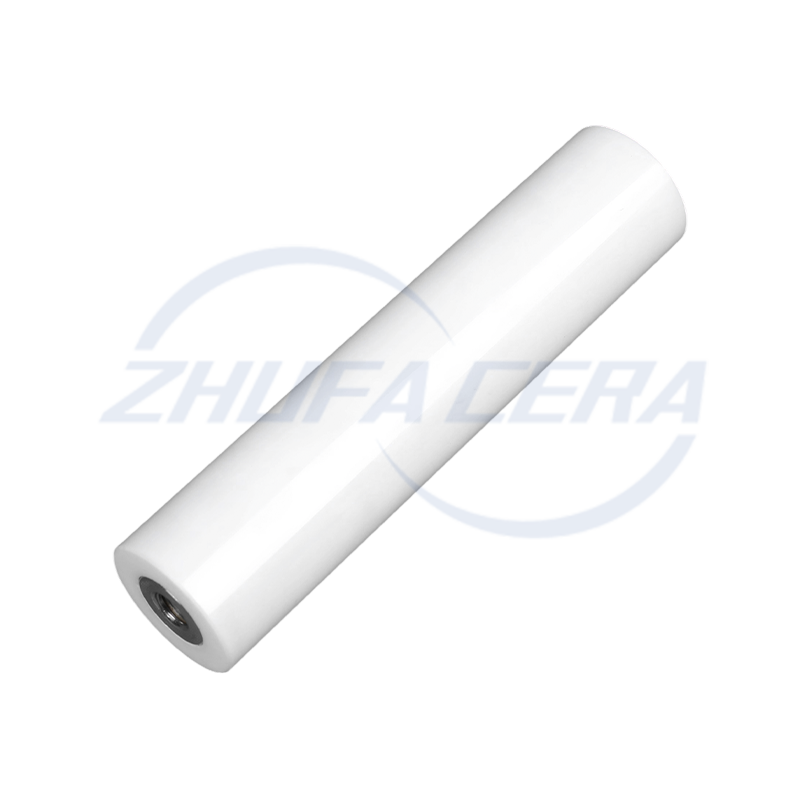
Zirconia Ceramic Rod is a high-performance ceramic material rod, mainly made of zirconium oxide, with excellent mechanical strength and chemical stability. It exhibits extremely high hardness and wear...
See Details -
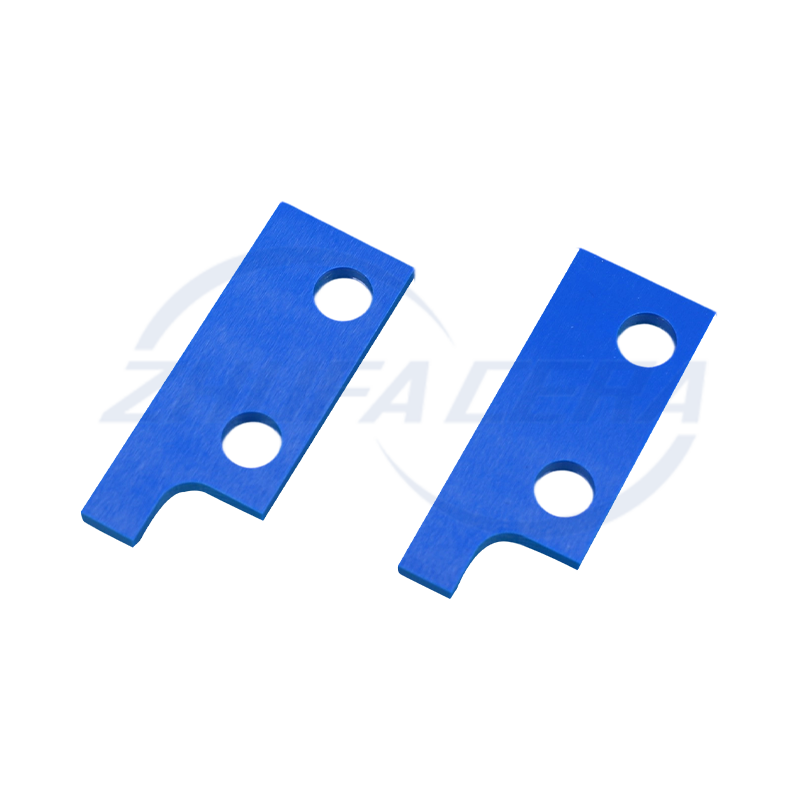
Blue zirconia ceramic sheets are precision components made of advanced zirconia ceramics. They are stained with cobalt, iron or copper to form a blue color. This color not only serves as a visual i...
See Details -
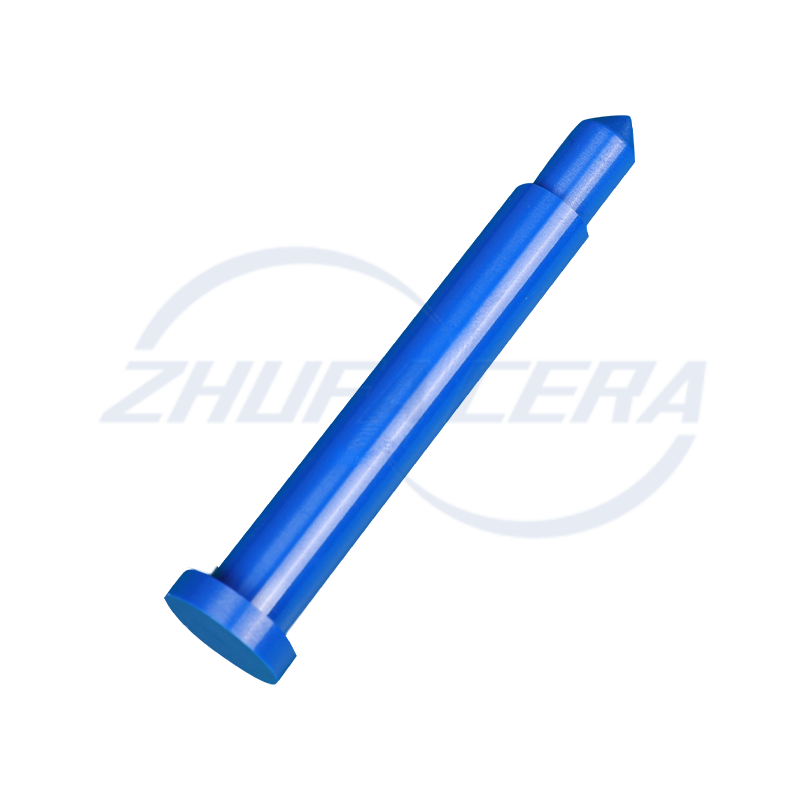
This blue zirconia ceramic pin is made of advanced zirconia ceramic material, providing excellent durability and performance. Zirconia ceramics are known for their high strength, good wear resistan...
See Details -

Zirconia Ceramic Gear is made of zirconium oxide ceramic material, which has excellent high strength and high hardness. This material property enables it to effectively resist wear during the transmis...
See Details -
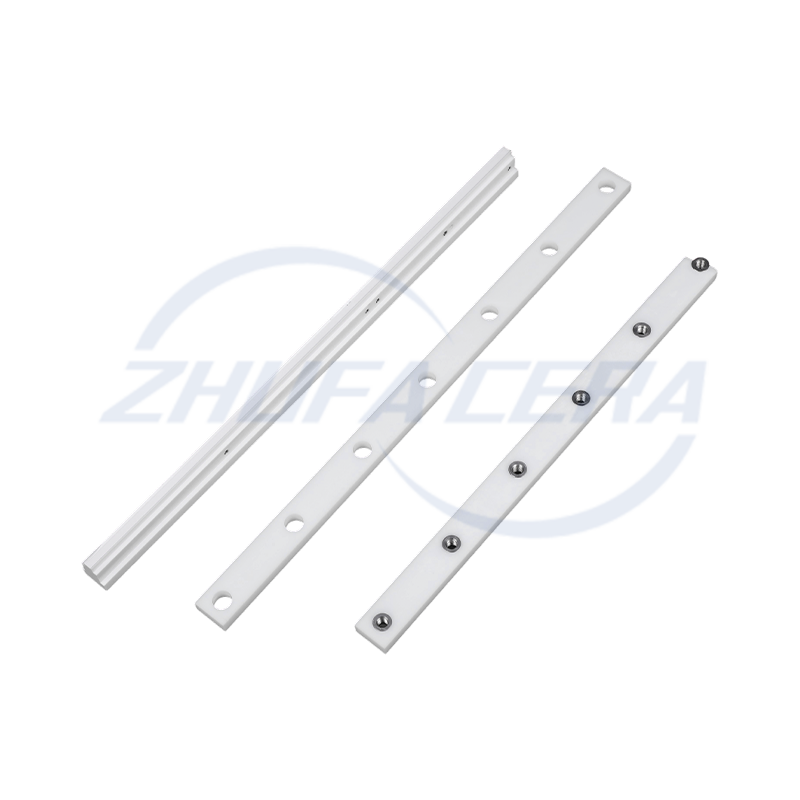
Zirconia Ceramic Guide Rail is a high-performance precision mechanical component made of zirconium oxide ceramic material. Its core characteristics are derived from the excellent physical and chemical...
See Details -
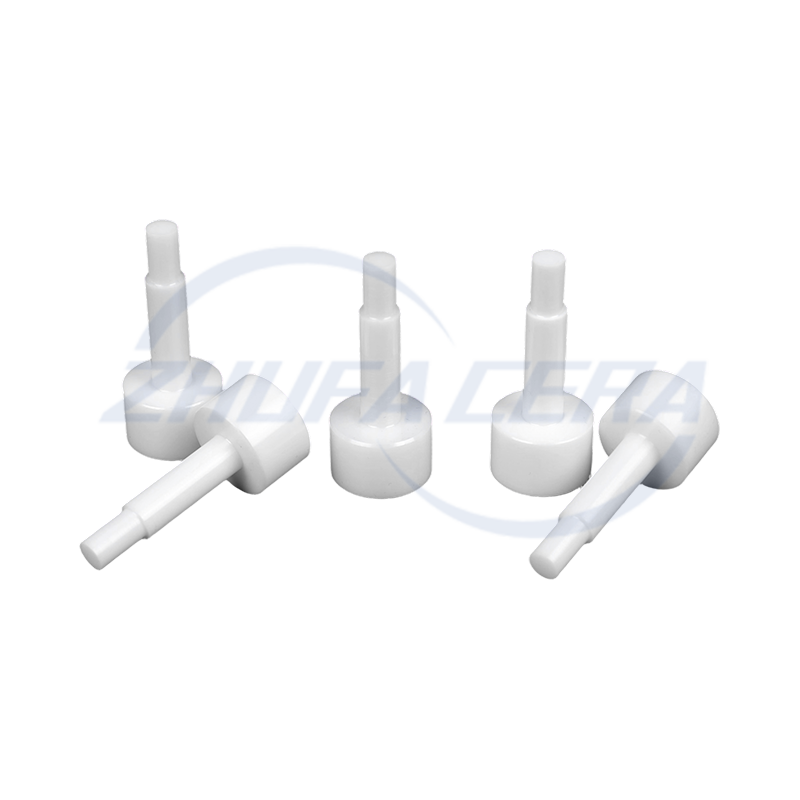
Zirconia Ceramic Locating Pin is a high-precision positioning element made of advanced zirconium oxide ceramic material with excellent physical and chemical properties. Its main characteristics includ...
See Details -
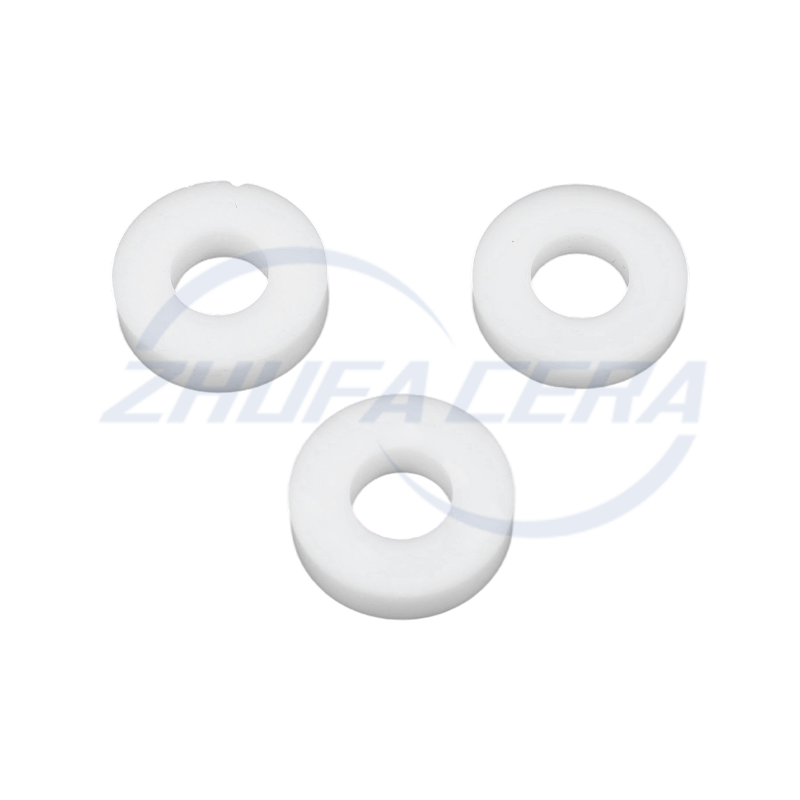
Zirconia Ceramic Ring is a high-performance ceramic product known for its excellent physical and chemical properties. It has extremely high hardness and strength, with a Mohs hardness of more than 8.5...
See Details -
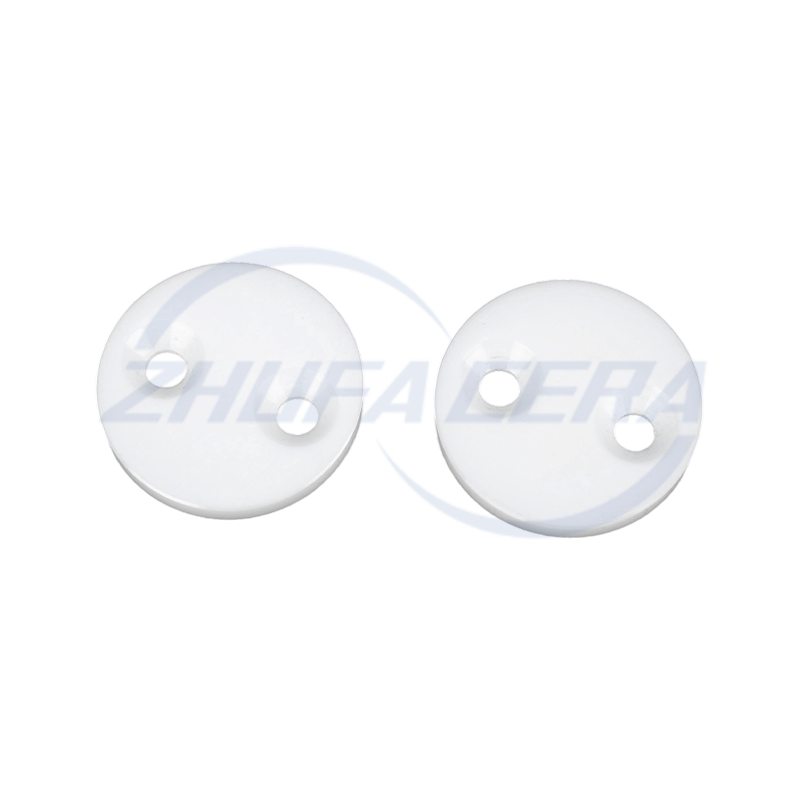
Zirconia ceramic sheets have become functional core components in various fields thanks to their unique properties. With a flexural strength of 900–1200 MPa and a fracture toughness of 6–10 MPa・m¹/², ...
See Details -

Zirconia Ceramic Strip is a strip material made of high-performance zirconium oxide ceramic with excellent physical and chemical properties. It has extremely high hardness and flexural strength, can e...
See Details -
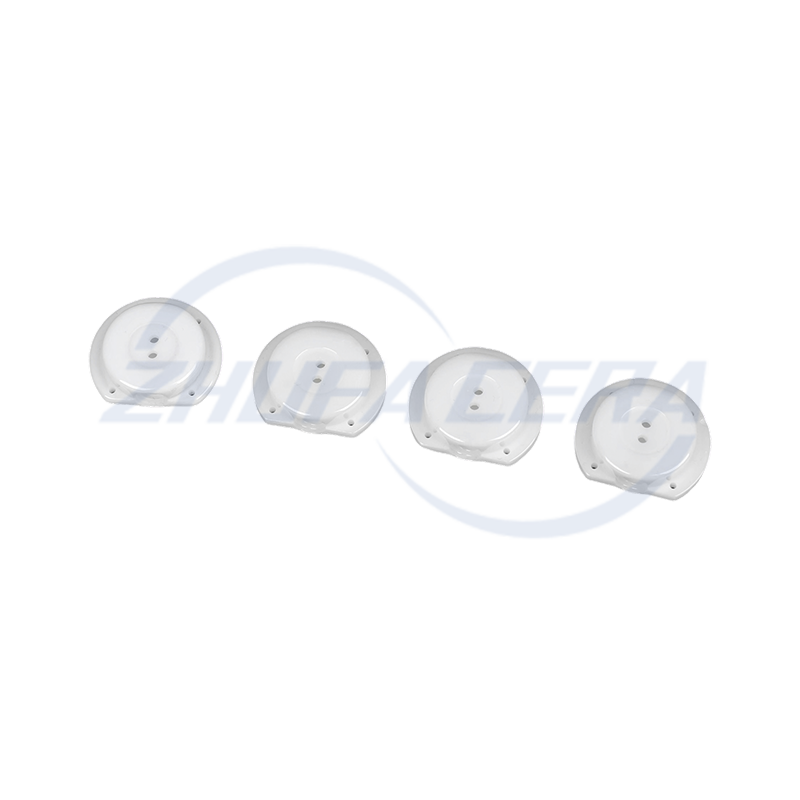
Zirconia ceramic wafers are representative products in the field of high-performance structural ceramics. Compared with traditional alumina ceramics or metal materials, its comprehensive performanc...
See Details -
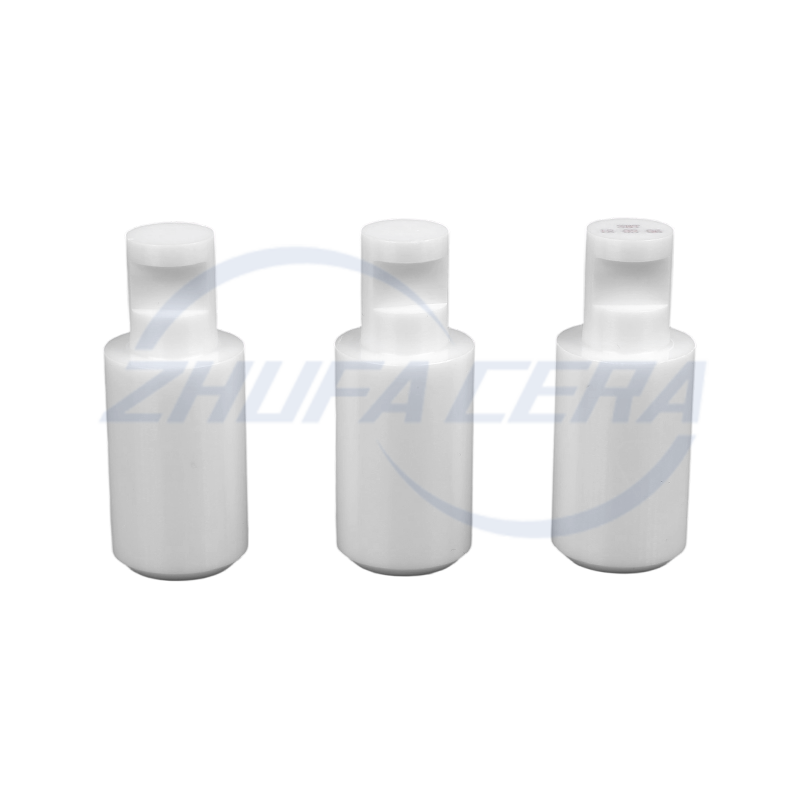
Zirconia Ceramic Plunger is a high-performance component designed for harsh industrial environments. Compared with similar ceramic or metal plunger products, it stands out with its unique material adv...
See Details


-
Quick Links
Home Products About Us Services Technology News Contact Us -
Products
Ceramic Structural Parts Zirconia Ceramics Alumina Ceramics ZTA Ceramics Silicon Nitride Ceramics Silicon Carbide Ceramics Ceramic Injection Molded Parts -
About Us
Factory Tour Honor FAQ -
Contact info
+86-188 8878 5188zf@zfcera.comNo. 1, Xinggong Road, Anchang Industrial Park, Keqiao District, Shaoxing City, Zhejiang Province, China -
WhatsApp

Copyright © Zhejiang Zhufa Precision Ceramics Technology Co., Ltd. All Rights Reserved.
China precision ceramics manufacturer
wholesale precision ceramics supplier
