

 中文简体
中文简体 русский
 Español
 عربى
عربى Português
 日本語
日本語 한국어
한국어
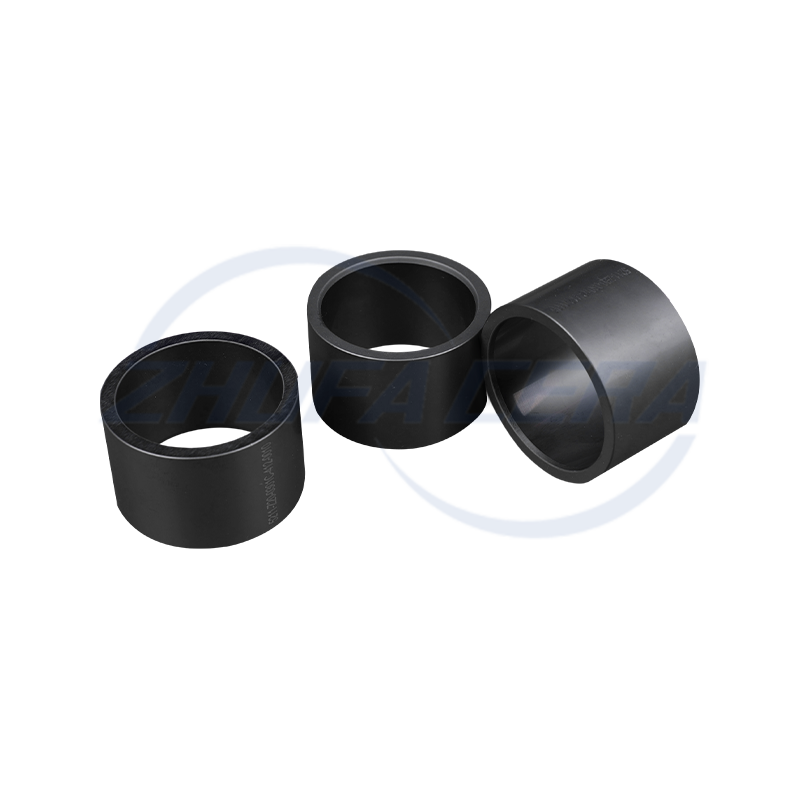
Black silicon carbide ceramic ring is a high-performance engineered ceramic assembly made of high-purity silicon carbide by precision molding and high temperature sintering. Its quadrangular crystal s...
See Details
FOLLOW US :


 Email: zf@zfcera.com
 Telephone: +86-188 8878 5188

What are the typical manufacturing processes used in ZTA Ceramics?
2026-02-13
Content
Zirconia Toughened Alumina (ZTA) ceramics are a composite material that combines the properties of zirconia (ZrO2) and alumina (Al2O3). This combination results in a material with superior mechanical properties, such as high fracture toughness and resistance to wear. ZTA ceramics are widely used in industries such as aerospace, automotive, and medical devices due to their excellent strength, thermal stability, and resistance to corrosion. The preparation of ZTA ceramics involves several processes that ensure the material meets specific performance requirements.
Common Preparation Techniques for ZTA Ceramics
The production of ZTA ceramics typically involves the following key preparation techniques:
1. Powder Mixing
The first step in preparing ZTA ceramics is the mixing of alumina and zirconia powders in precise proportions. This process ensures that the final product has the desired mechanical and thermal properties. The powders are usually mixed with organic binders, plasticizers, and solvents to achieve a uniform consistency and improve the handling properties.
2. Ball Milling
Ball milling is commonly used to reduce the particle size of the mixed powder and to improve the homogeneity of the mixture. This process helps break down large agglomerates and ensures a more consistent distribution of zirconia in the alumina matrix. The milled powder is then dried and ready for further processing.
3. Cold Isostatic Pressing (CIP)
Cold isostatic pressing (CIP) is a technique used to form ZTA ceramics into a green body. In this process, the powder is subjected to high-pressure fluid in a sealed mold, causing it to compact evenly in all directions. The CIP process helps produce a uniform and dense green body, which is crucial for achieving high-quality ceramics with optimal mechanical properties.
4. Dry Pressing
Another method for forming ZTA ceramics is dry pressing, which involves placing the powder into a mold and applying pressure to compact the material. This method is commonly used for producing small to medium-sized ceramic parts. While dry pressing is effective for shaping the material, it may require additional processes to achieve higher densities and remove any residual porosity.
5. Sintering
Sintering is the final heat treatment process that densifies the green body, transforming it into a fully ceramic material. During sintering, the ZTA green body is heated to a temperature just below the melting point of its constituent materials. This allows the particles to bond together and form a solid structure. The sintering temperature and time are carefully controlled to ensure that the ZTA ceramics maintain their desired mechanical properties, such as high strength and toughness.
6. Hot Pressing
Hot pressing is another technique used to improve the densification and strength of ZTA ceramics. It involves applying both heat and pressure simultaneously during the sintering process. This technique is particularly useful for producing highly dense and homogeneous ceramic materials with minimal porosity. Hot pressing also enhances the mechanical properties of ZTA ceramics, making them suitable for demanding applications in high-performance industries.
Advantages of ZTA Ceramics
- High Fracture Toughness: The addition of zirconia to alumina significantly improves the material's fracture toughness, making it more resistant to cracking under stress.
- Wear Resistance: ZTA ceramics are highly resistant to abrasion and wear, making them ideal for use in high-wear applications such as bearings and cutting tools.
- Thermal Stability: ZTA ceramics can withstand high temperatures without degrading, which is critical in industries like aerospace and automotive.
- Corrosion Resistance: The ceramic matrix is resistant to a wide range of chemicals, making it suitable for use in harsh environments.
Applications of ZTA Ceramics
ZTA ceramics are used in a wide range of applications due to their excellent properties. Some of the most common applications include:
- Aerospace: ZTA ceramics are used in turbine blades, nozzles, and other high-performance components that must withstand extreme conditions.
- Medical Devices: ZTA is used in dental implants, prosthetics, and other medical devices that require high strength and biocompatibility.
- Automotive: ZTA ceramics are used in automotive components such as brake pads, bearings, and valve seats due to their wear resistance and durability.
- Cutting Tools: ZTA ceramics are commonly used in cutting tools for machining hard metals, as they are highly resistant to wear and high temperatures.
Comparison with Other Ceramics
| Property | ZTA Ceramics | Alumina Ceramics | Zirconia Ceramics |
|---|---|---|---|
| Fracture Toughness | High | Moderate | Very High |
| Wear Resistance | High | Moderate | Low |
| Corrosion Resistance | High | High | Moderate |
| Thermal Stability | High | High | Very High |
Frequently Asked Questions (FAQ)
1. What is the main advantage of using ZTA ceramics over other materials?
The main advantage of ZTA ceramics is their combination of high fracture toughness and wear resistance. This makes them ideal for use in high-stress and high-wear environments.
2. Can ZTA ceramics be used in high-temperature applications?
Yes, ZTA ceramics exhibit excellent thermal stability, making them suitable for use in high-temperature applications like aerospace and automotive components.
3. How does the powder mixing process affect the quality of ZTA ceramics?
Proper powder mixing ensures uniform distribution of zirconia in the alumina matrix, which is crucial for achieving the desired mechanical properties in the final product.
4. What industries benefit the most from ZTA ceramics?
Industries such as aerospace, automotive, medical devices, and cutting tools benefit greatly from the unique properties of ZTA ceramics, which provide durability and resistance to wear and corrosion.
Related products
-
-
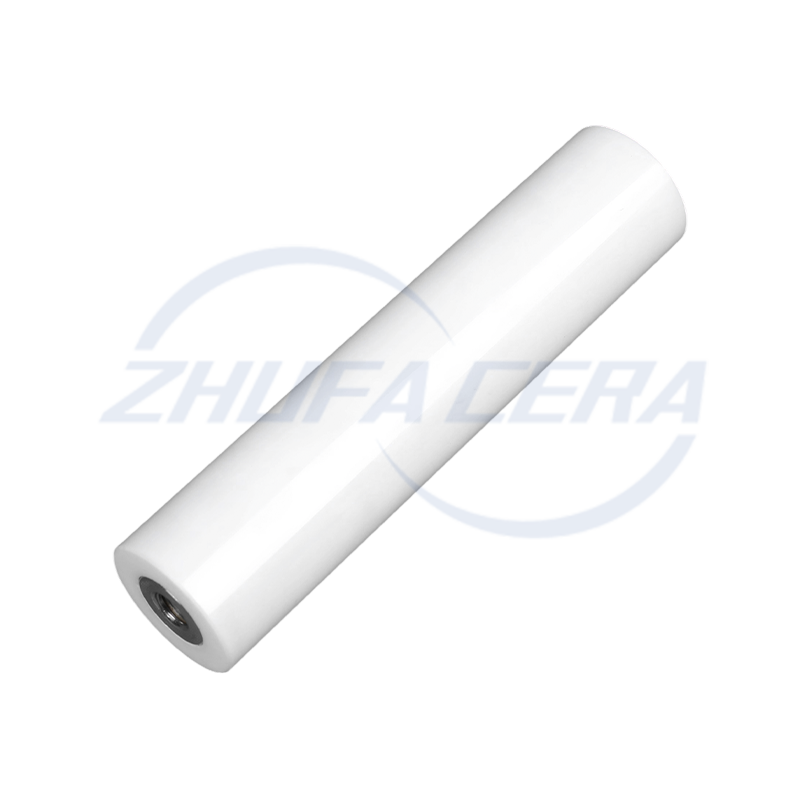
Zirconia Ceramic Rod is a high-performance ceramic material rod, mainly made of zirconium oxide, with excellent mechanical strength and chemical stability. It exhibits extremely high hardness and wear...
See Details -
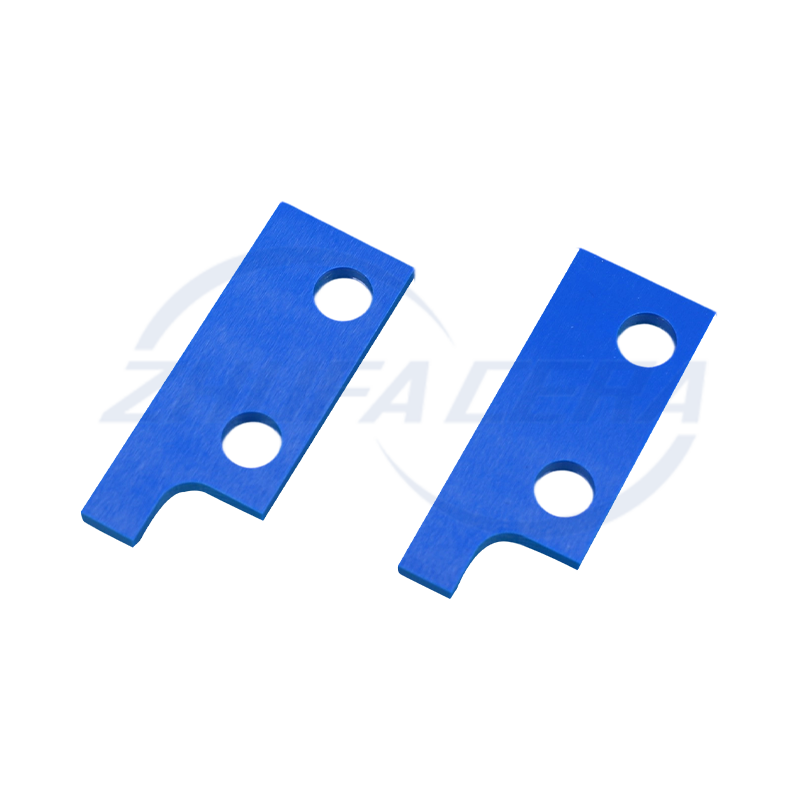
Blue zirconia ceramic sheets are precision components made of advanced zirconia ceramics. They are stained with cobalt, iron or copper to form a blue color. This color not only serves as a visual i...
See Details -

This blue zirconia ceramic pin is made of advanced zirconia ceramic material, providing excellent durability and performance. Zirconia ceramics are known for their high strength, good wear resistan...
See Details -

Zirconia Ceramic Gear is made of zirconium oxide ceramic material, which has excellent high strength and high hardness. This material property enables it to effectively resist wear during the transmis...
See Details -
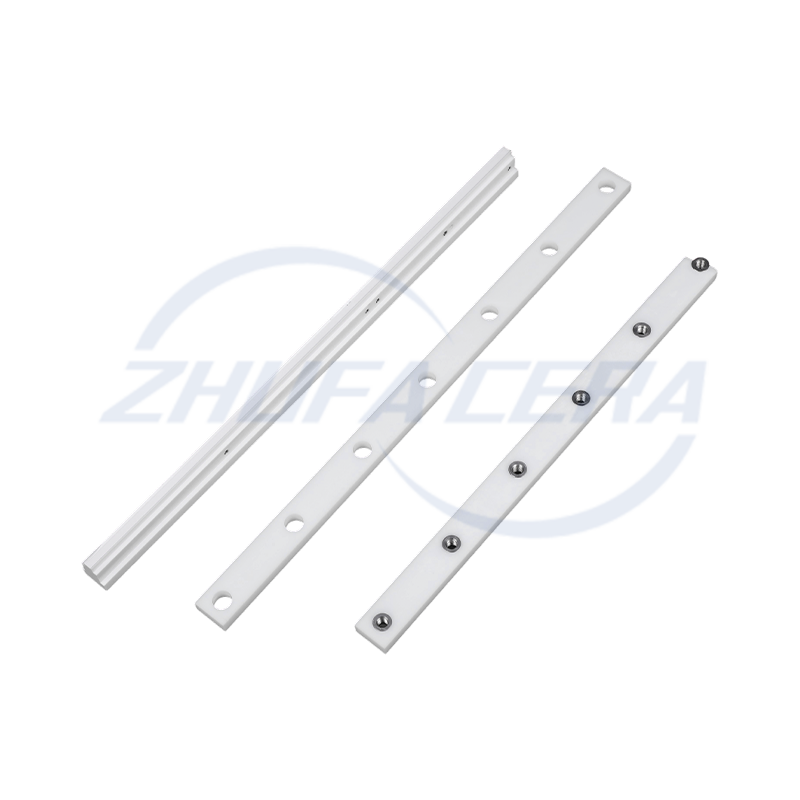
Zirconia Ceramic Guide Rail is a high-performance precision mechanical component made of zirconium oxide ceramic material. Its core characteristics are derived from the excellent physical and chemical...
See Details -
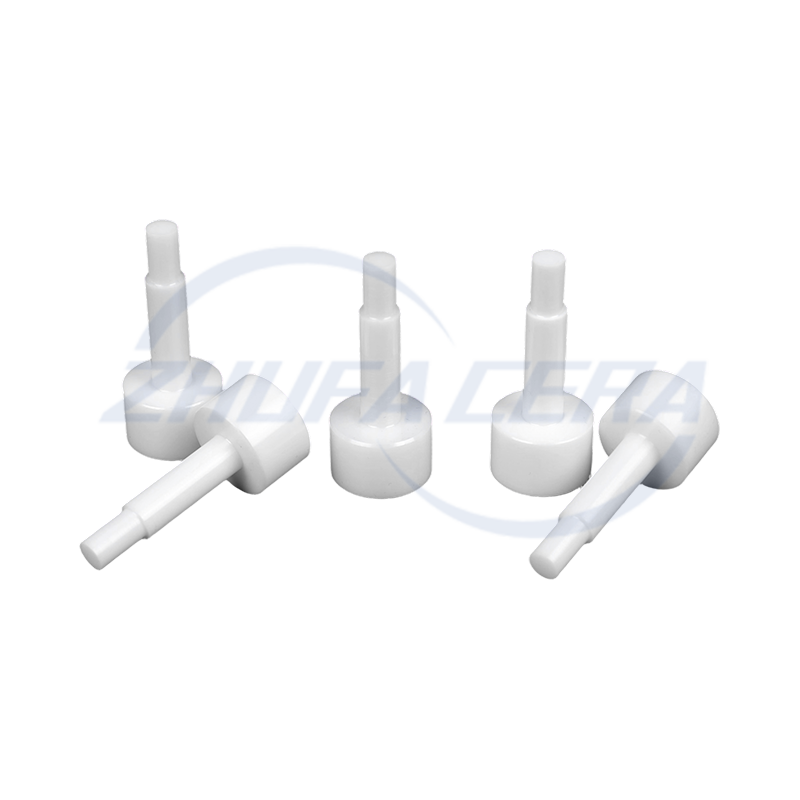
Zirconia Ceramic Locating Pin is a high-precision positioning element made of advanced zirconium oxide ceramic material with excellent physical and chemical properties. Its main characteristics includ...
See Details -
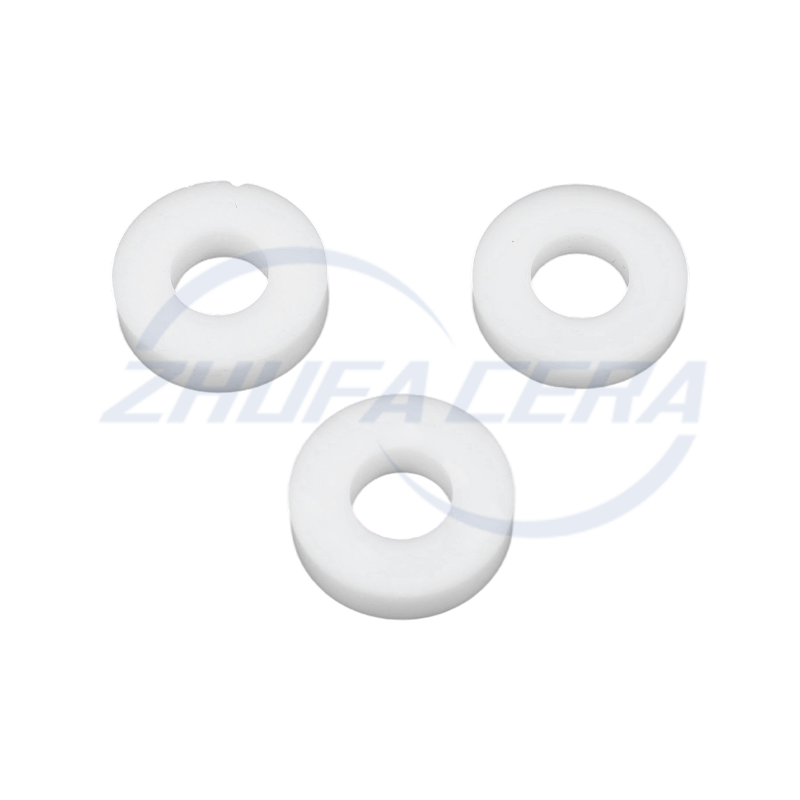
Zirconia Ceramic Ring is a high-performance ceramic product known for its excellent physical and chemical properties. It has extremely high hardness and strength, with a Mohs hardness of more than 8.5...
See Details -
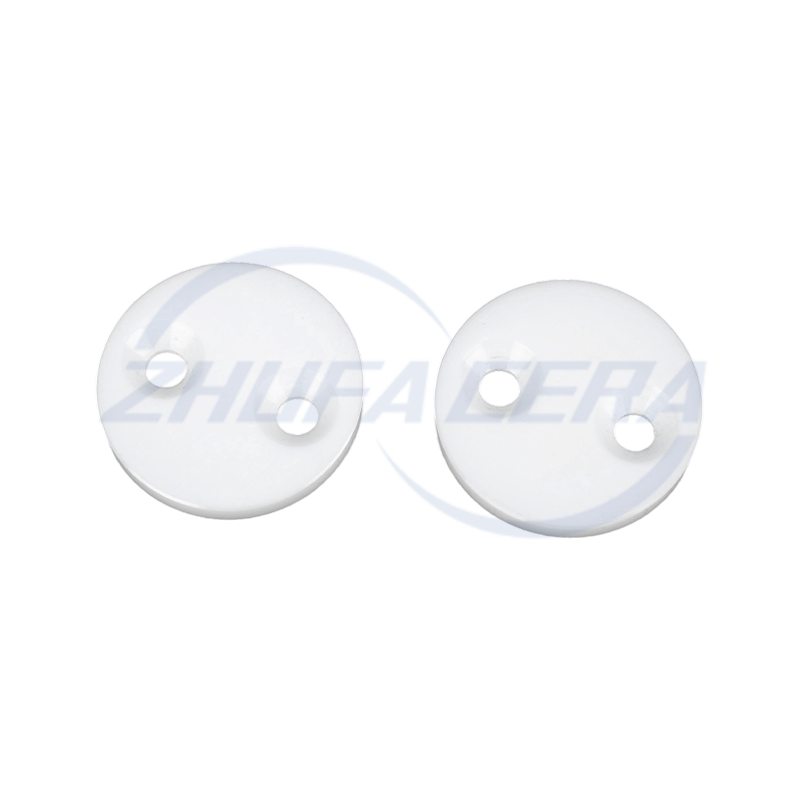
Zirconia ceramic sheets have become functional core components in various fields thanks to their unique properties. With a flexural strength of 900–1200 MPa and a fracture toughness of 6–10 MPa・m¹/², ...
See Details -

Zirconia Ceramic Strip is a strip material made of high-performance zirconium oxide ceramic with excellent physical and chemical properties. It has extremely high hardness and flexural strength, can e...
See Details -
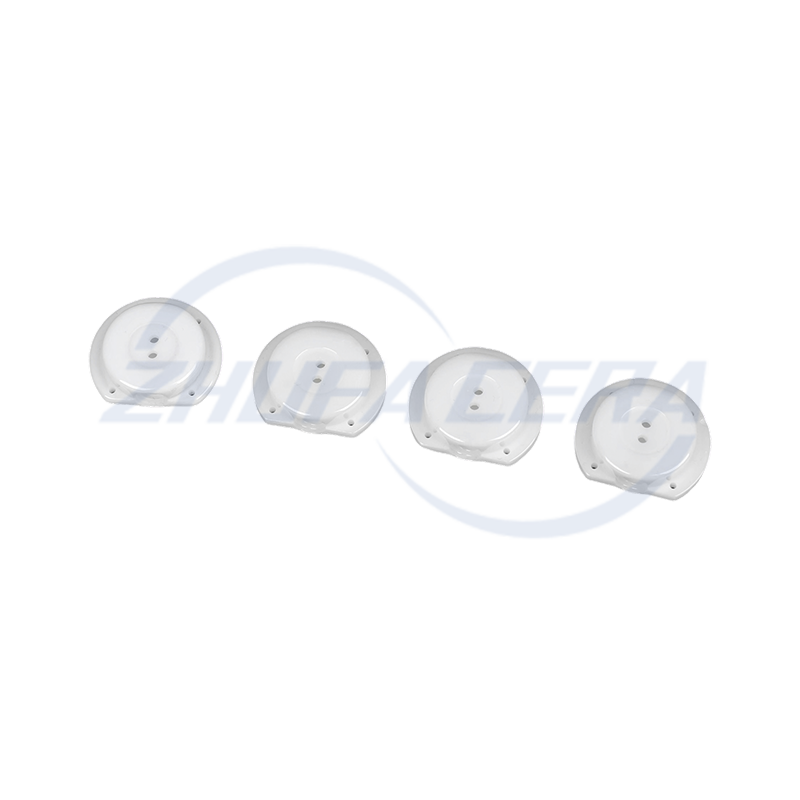
Zirconia ceramic wafers are representative products in the field of high-performance structural ceramics. Compared with traditional alumina ceramics or metal materials, its comprehensive performanc...
See Details -
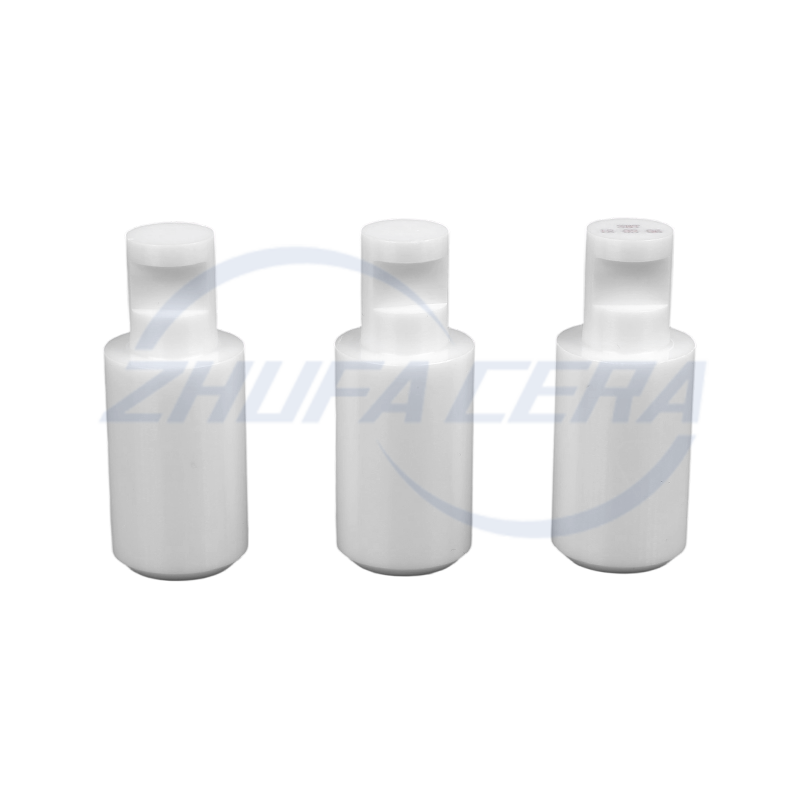
Zirconia Ceramic Plunger is a high-performance component designed for harsh industrial environments. Compared with similar ceramic or metal plunger products, it stands out with its unique material adv...
See Details


-
Quick Links
Home Products About Us Services Technology News Contact Us -
Products
Ceramic Structural Parts Zirconia Ceramics Alumina Ceramics ZTA Ceramics Silicon Nitride Ceramics Silicon Carbide Ceramics Ceramic Injection Molded Parts -
About Us
Factory Tour Honor FAQ -
Contact info
+86-188 8878 5188zf@zfcera.comNo. 1, Xinggong Road, Anchang Industrial Park, Keqiao District, Shaoxing City, Zhejiang Province, China -
WhatsApp

Copyright © Zhejiang Zhufa Precision Ceramics Technology Co., Ltd. All Rights Reserved.
China precision ceramics manufacturer
wholesale precision ceramics supplier
