

 中文简体
中文简体 русский
 Español
 عربى
عربى Português
 日本語
日本語 한국어
한국어
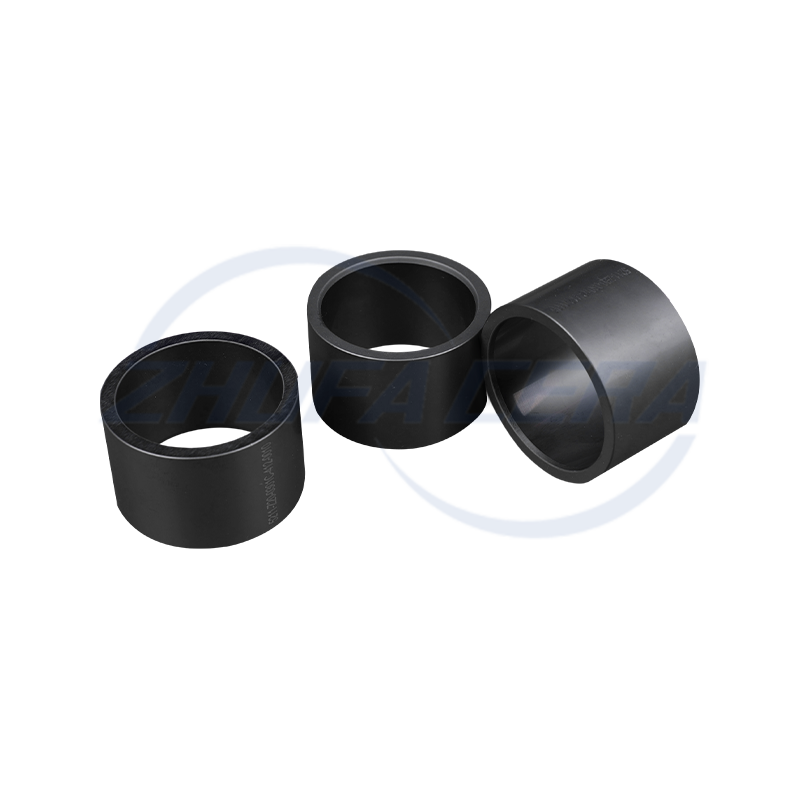
Black silicon carbide ceramic ring is a high-performance engineered ceramic assembly made of high-purity silicon carbide by precision molding and high temperature sintering. Its quadrangular crystal s...
See Details
FOLLOW US :


 Email: zf@zfcera.com
 Telephone: +86-188 8878 5188

What Is ZTA Ceramics and How Does It Differ from Conventional Alumina Ceramics?
2025-12-24
Content
- Understanding ZTA Ceramics
- Overview of Conventional Alumina Ceramics
- Key Differences Between ZTA Ceramics and Alumina Ceramics
- Performance Comparison Table
- Typical Applications of ZTA Ceramics
- Advantages of ZTA Ceramics Over Alumina Ceramics
- Limitations and Considerations
- How to Choose Between ZTA Ceramics and Alumina Ceramics
- Frequently Asked Questions (FAQ)
- Future Outlook for ZTA Ceramics
ZTA Ceramics, short for Zirconia Toughened Alumina ceramics, represent a high-performance advanced ceramic material developed to overcome the inherent limitations of traditional alumina ceramics. By combining alumina (Al2O3) with a controlled amount of zirconia (ZrO2), ZTA Ceramics deliver a unique balance of hardness, toughness, wear resistance, and thermal stability. These properties make them increasingly popular in demanding industrial, medical, and mechanical applications.
Understanding the differences between ZTA Ceramics and ordinary alumina ceramics is essential for engineers, manufacturers, and procurement professionals seeking materials that offer higher reliability and longer service life under harsh operating conditions.
Understanding ZTA Ceramics
Material Composition and Structure
ZTA Ceramics are composite ceramics primarily composed of:
- Alumina (Al2O3): Typically 70–95%, providing hardness, wear resistance, and chemical stability.
- Zirconia (ZrO2): Usually 5–30%, dispersed uniformly within the alumina matrix.
The addition of zirconia particles introduces a phenomenon known as transformation toughening. When a crack begins to propagate through the ceramic, zirconia particles undergo a phase transformation that generates compressive stress around the crack tip, effectively slowing or stopping crack growth.
Why ZTA Ceramics Were Developed
Traditional alumina ceramics, while hard and chemically resistant, suffer from relatively low fracture toughness. This brittleness limits their use in applications involving impact, vibration, or fluctuating mechanical loads. ZTA Ceramics were developed to address these weaknesses while maintaining the advantages of alumina.
Overview of Conventional Alumina Ceramics
Key Characteristics of Alumina Ceramics
Alumina ceramics are among the most widely used advanced ceramics due to their cost-effectiveness and stable performance. Common properties include:
- High hardness and compressive strength
- Excellent wear and abrasion resistance
- Strong electrical insulation
- Good corrosion and oxidation resistance
- High-temperature stability
Despite these strengths, alumina ceramics are prone to brittle fracture when subjected to sudden impact or tensile stress, which restricts their use in high-stress mechanical environments.
Key Differences Between ZTA Ceramics and Alumina Ceramics
Mechanical Strength and Toughness
The most significant distinction lies in fracture toughness. ZTA Ceramics offer significantly higher toughness than standard alumina ceramics, making them far more resistant to cracking and catastrophic failure.
- ZTA Ceramics: High fracture toughness due to zirconia toughening mechanism
- Alumina Ceramics: Lower fracture toughness, more brittle behavior
Wear and Impact Resistance
Both materials provide excellent wear resistance, but ZTA Ceramics perform better under combined wear and impact conditions. This makes them ideal for components exposed to sliding, abrasion, and intermittent shock.
Thermal Performance
Alumina ceramics have slightly higher maximum operating temperatures. However, ZTA Ceramics still perform reliably in high-temperature environments while offering improved resistance to thermal shock.
Service Life and Reliability
Due to enhanced toughness and crack resistance, ZTA Ceramics typically deliver longer service life and reduced maintenance requirements, especially in demanding applications.
Performance Comparison Table
ZTA Ceramics vs. Alumina Ceramics
- Fracture Toughness: ZTA Ceramics > Alumina Ceramics
- Hardness: Comparable (Alumina slightly higher in some grades)
- Wear Resistance: ZTA Ceramics superior under impact-abrasion conditions
- Thermal Shock Resistance: ZTA Ceramics better
- Cost: Alumina Ceramics lower
- Mechanical Reliability: ZTA Ceramics higher
Typical Applications of ZTA Ceramics
Industrial and Mechanical Applications
- Wear plates and liners
- Pump seals and valve components
- Bearing components and guide rails
- Cutting tools and forming dies
Medical and Biomedical Uses
ZTA Ceramics are widely used in orthopedic implants such as hip joint heads due to their combination of strength, wear resistance, and biocompatibility.
Mining, Power, and Chemical Industries
- Chutes and cyclones
- Grinding media
- Corrosion-resistant components
Advantages of ZTA Ceramics Over Alumina Ceramics
- Improved fracture toughness and impact resistance
- Higher resistance to crack propagation
- Longer operational lifespan
- Better performance in harsh mechanical environments
- Reduced risk of sudden failure
Limitations and Considerations
Cost Factors
ZTA Ceramics are generally more expensive than standard alumina ceramics due to material costs and more complex processing requirements.
Processing Complexity
Achieving uniform zirconia dispersion requires advanced manufacturing control, which may limit supplier options.
How to Choose Between ZTA Ceramics and Alumina Ceramics
When ZTA Ceramics Are the Better Choice
- Applications involving impact or cyclic loading
- Environments with combined wear and stress
- Situations requiring high reliability and long service life
When Alumina Ceramics Are Sufficient
- Cost-sensitive projects
- High-temperature but low-impact applications
- Electrical insulation components
Frequently Asked Questions (FAQ)
What does ZTA stand for in ZTA Ceramics?
ZTA stands for Zirconia Toughened Alumina, referring to alumina ceramics reinforced with zirconia particles.
Are ZTA Ceramics stronger than alumina ceramics?
They are not necessarily harder, but they are significantly tougher and more resistant to cracking and impact.
Can ZTA Ceramics replace alumina ceramics in all applications?
No. While ZTA Ceramics excel in high-stress environments, alumina ceramics remain suitable for many applications where cost efficiency and thermal stability are priorities.
Are ZTA Ceramics suitable for high-temperature use?
Yes, ZTA Ceramics maintain good mechanical properties at elevated temperatures, though their maximum service temperature may be slightly lower than pure alumina.
Why are ZTA Ceramics popular in medical implants?
Their combination of toughness, wear resistance, and biocompatibility makes them ideal for long-term implant performance.
Future Outlook for ZTA Ceramics
As industries demand materials with higher durability, safety, and performance, ZTA Ceramics are expected to see continued growth in adoption. Ongoing advancements in powder processing, sintering techniques, and material formulation are further enhancing their properties, positioning ZTA Ceramics as a critical material in next-generation engineering solutions.
Related products
-
-
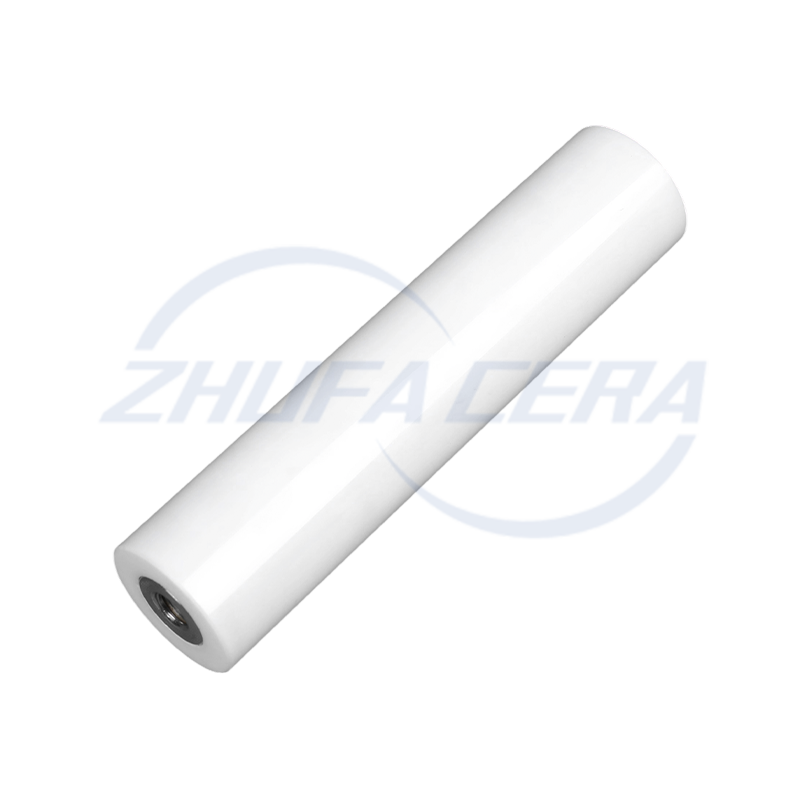
Zirconia Ceramic Rod is a high-performance ceramic material rod, mainly made of zirconium oxide, with excellent mechanical strength and chemical stability. It exhibits extremely high hardness and wear...
See Details -
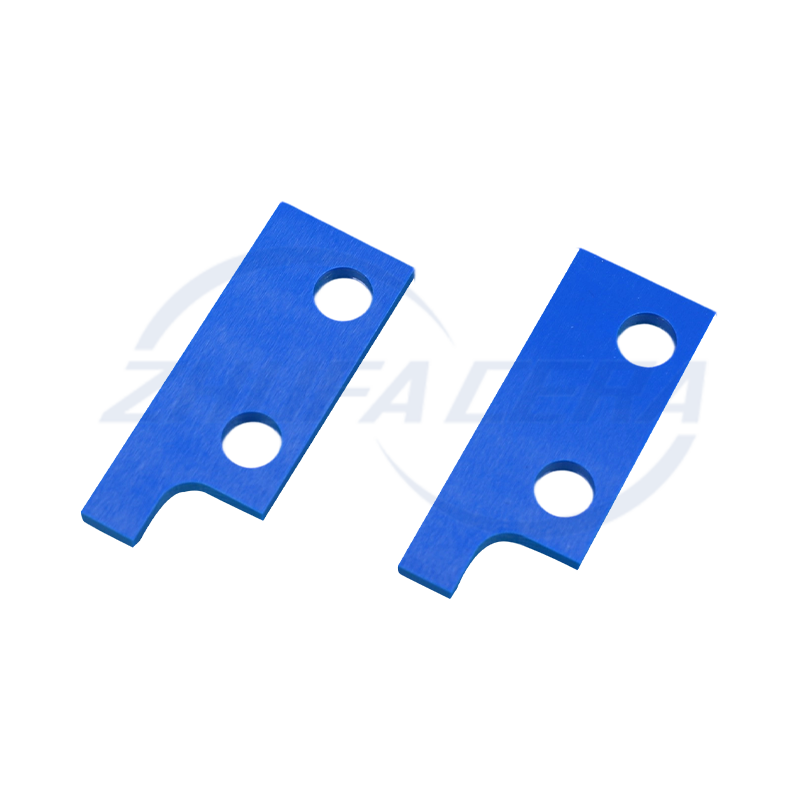
Blue zirconia ceramic sheets are precision components made of advanced zirconia ceramics. They are stained with cobalt, iron or copper to form a blue color. This color not only serves as a visual i...
See Details -

This blue zirconia ceramic pin is made of advanced zirconia ceramic material, providing excellent durability and performance. Zirconia ceramics are known for their high strength, good wear resistan...
See Details -

Zirconia Ceramic Gear is made of zirconium oxide ceramic material, which has excellent high strength and high hardness. This material property enables it to effectively resist wear during the transmis...
See Details -
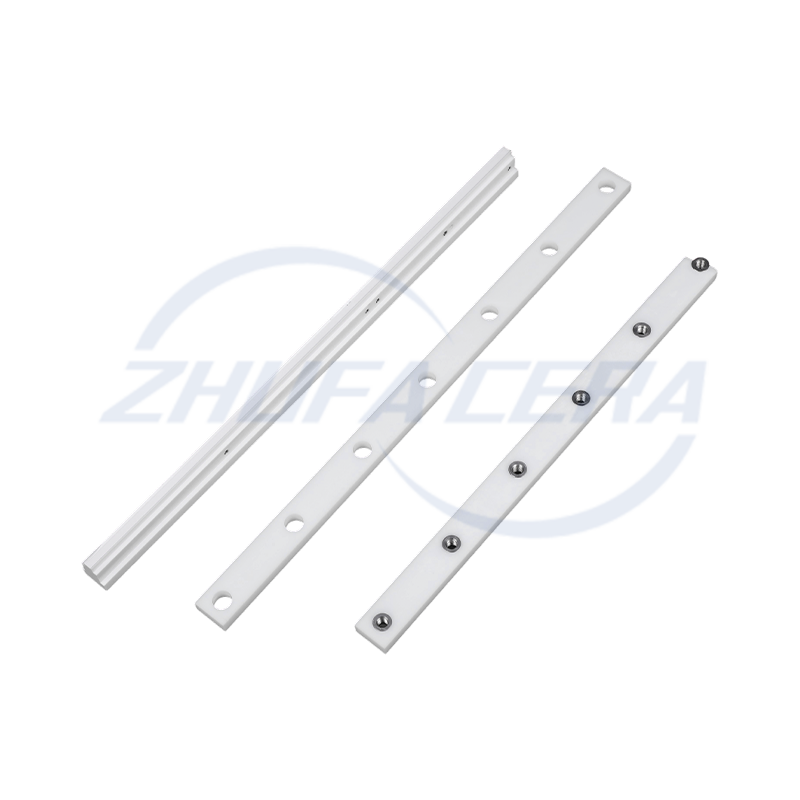
Zirconia Ceramic Guide Rail is a high-performance precision mechanical component made of zirconium oxide ceramic material. Its core characteristics are derived from the excellent physical and chemical...
See Details -
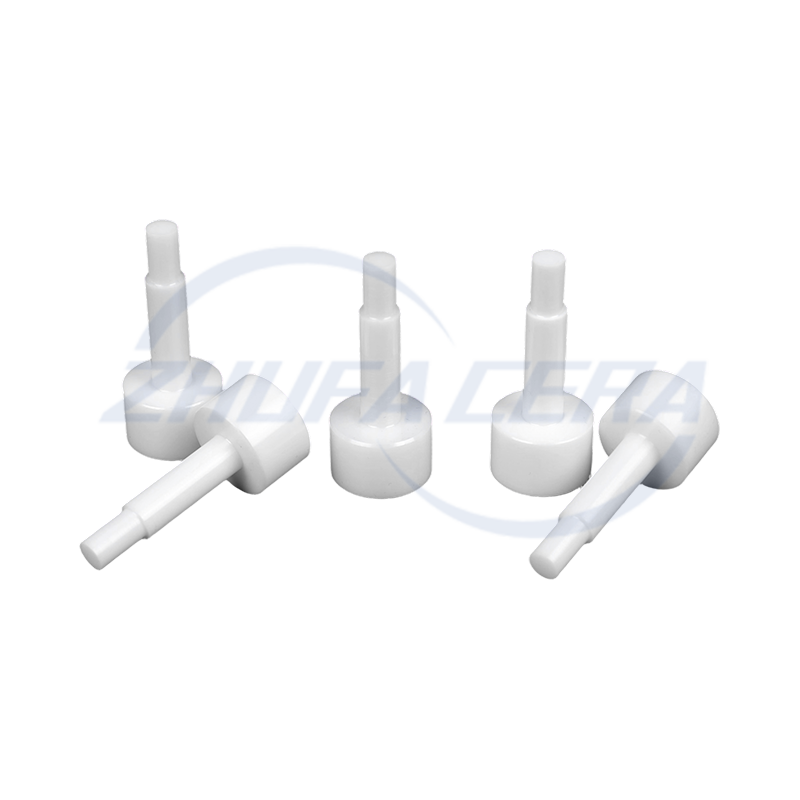
Zirconia Ceramic Locating Pin is a high-precision positioning element made of advanced zirconium oxide ceramic material with excellent physical and chemical properties. Its main characteristics includ...
See Details -
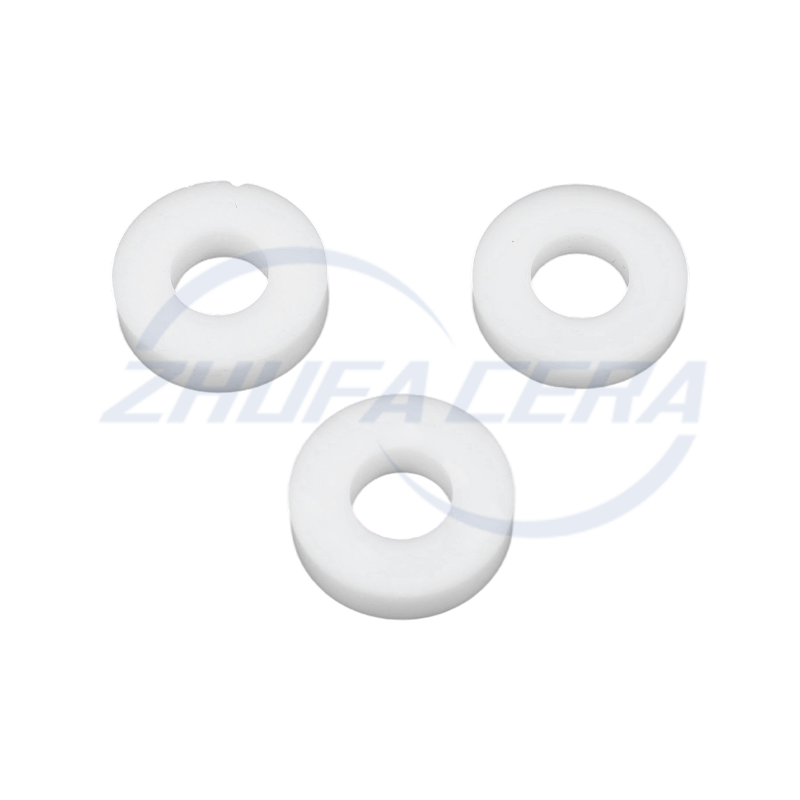
Zirconia Ceramic Ring is a high-performance ceramic product known for its excellent physical and chemical properties. It has extremely high hardness and strength, with a Mohs hardness of more than 8.5...
See Details -
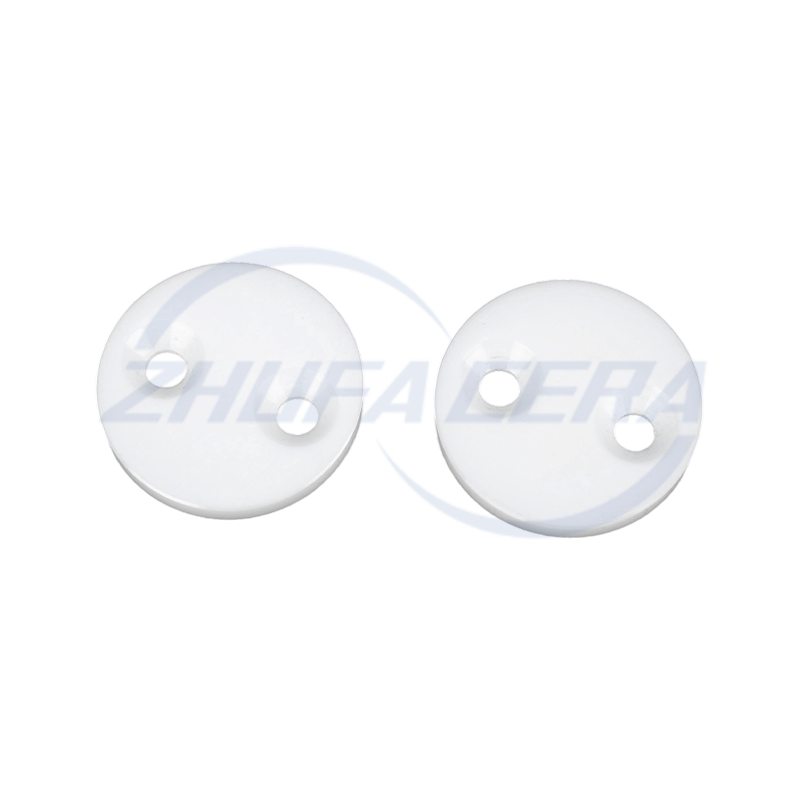
Zirconia ceramic sheets have become functional core components in various fields thanks to their unique properties. With a flexural strength of 900–1200 MPa and a fracture toughness of 6–10 MPa・m¹/², ...
See Details -

Zirconia Ceramic Strip is a strip material made of high-performance zirconium oxide ceramic with excellent physical and chemical properties. It has extremely high hardness and flexural strength, can e...
See Details -
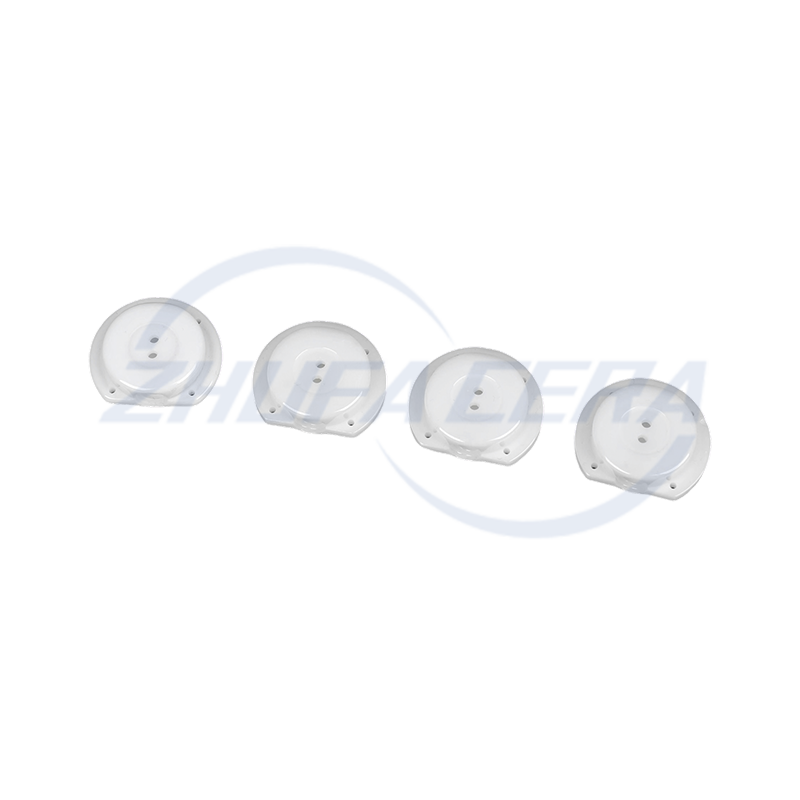
Zirconia ceramic wafers are representative products in the field of high-performance structural ceramics. Compared with traditional alumina ceramics or metal materials, its comprehensive performanc...
See Details -
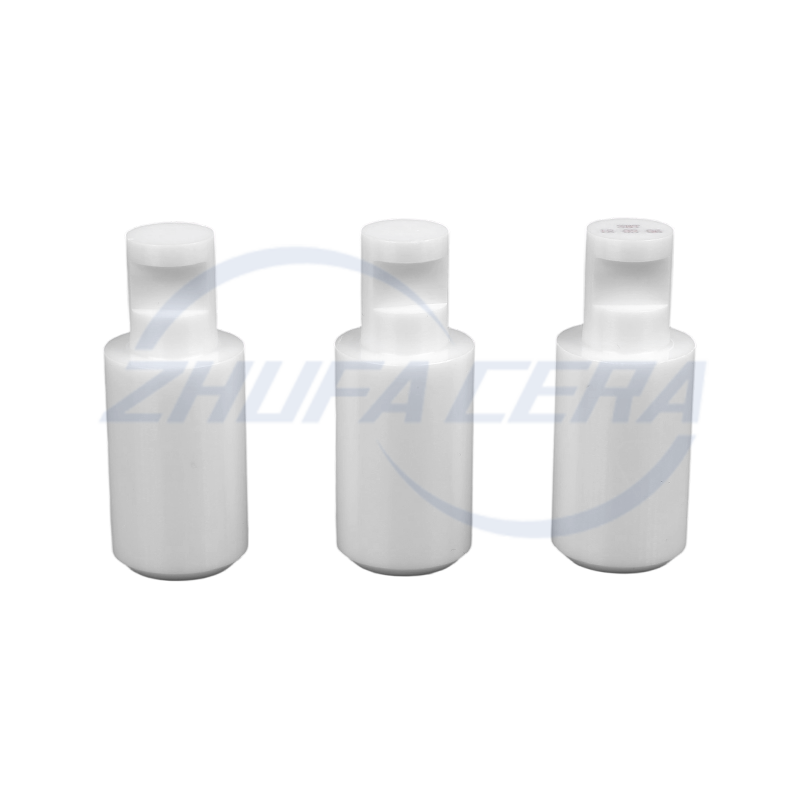
Zirconia Ceramic Plunger is a high-performance component designed for harsh industrial environments. Compared with similar ceramic or metal plunger products, it stands out with its unique material adv...
See Details


-
Quick Links
Home Products About Us Services Technology News Contact Us -
Products
Ceramic Structural Parts Zirconia Ceramics Alumina Ceramics ZTA Ceramics Silicon Nitride Ceramics Silicon Carbide Ceramics Ceramic Injection Molded Parts -
About Us
Factory Tour Honor FAQ -
Contact info
+86-188 8878 5188zf@zfcera.comNo. 1, Xinggong Road, Anchang Industrial Park, Keqiao District, Shaoxing City, Zhejiang Province, China -
WhatsApp

Copyright © Zhejiang Zhufa Precision Ceramics Technology Co., Ltd. All Rights Reserved.
China precision ceramics manufacturer
wholesale precision ceramics supplier
