

 中文简体
中文简体 русский
 Español
 عربى
عربى Português
 日本語
日本語 한국어
한국어
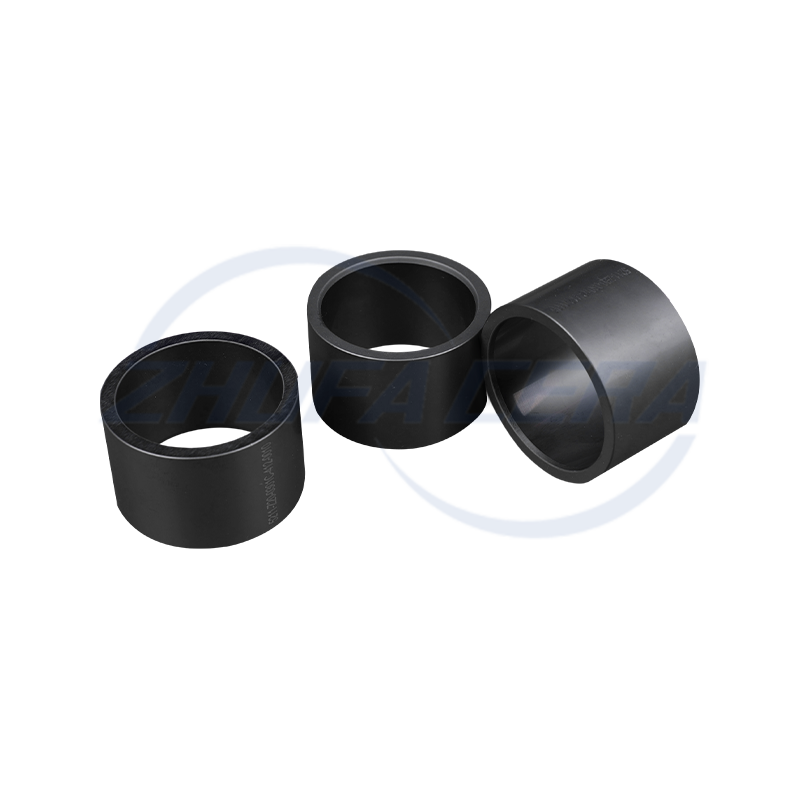
Black silicon carbide ceramic ring is a high-performance engineered ceramic assembly made of high-purity silicon carbide by precision molding and high temperature sintering. Its quadrangular crystal s...
See Details
FOLLOW US :


 Email: zf@zfcera.com
 Telephone: +86-188 8878 5188

which is better ceramic or metallic brake pads
2026-06-17
Content
- Quick Answer: Ceramic vs Metallic Brake Pads
- What Are Ceramic Brake Pads Made Of?
- What Are Metallic (Semi-Metallic) Brake Pads Made Of?
- Ceramic vs Metallic Brake Pads: Side-by-Side Comparison
- Noise: Why Ceramic Pads Run Quieter
- Dust: Keeping Wheels Cleaner
- Lifespan: Which Pad Lasts Longer?
- Heat Performance: Where Metallic Pads Take the Lead
- Rotor Wear: A Hidden Cost to Consider
- Cost Comparison: Upfront Price vs Long-Term Value
- Which Vehicles Suit Each Pad Type Best?
- How Advanced Ceramic Compounds Have Evolved
- Common Mistakes When Choosing Brake Pads
- Frequently Asked Questions
- Final Verdict
Ceramic brake pads are better for most everyday drivers, while metallic (semi-metallic) brake pads are better for towing, heavy hauling, and high-performance driving. Ceramic pads win on noise, dust, longevity, and rotor-friendliness; metallic pads win on raw stopping power under extreme heat and heavy loads. The right choice ultimately depends on how and where the vehicle is driven, not on which material is "premium." This article breaks down the real differences using industry data so drivers can match the pad to their driving habits rather than to marketing claims.
Quick Answer: Ceramic vs Metallic Brake Pads
For daily commuting, city driving, and standard passenger vehicles, ceramic brake pads are generally the better choice because they produce less dust, run quieter, and last longer. For trucks, SUVs that tow, and performance or track vehicles, metallic brake pads tend to perform better because they handle extreme heat and heavy loads more consistently. Neither pad is universally "better" — each is engineered for a different driving profile.
What Are Ceramic Brake Pads Made Of?
Ceramic brake pads use a dense ceramic compound reinforced with fine copper or other metallic fibers to balance friction, heat conductivity, and durability. The base material resembles the ceramic used in pottery and tableware, but it is engineered to be significantly denser and more heat-resistant. Manufacturers add small amounts of metal fiber to improve friction performance and help the pad conduct heat away from the rotor surface.
This composition is why the category is often marketed as Advanced Ceramic friction material — the formulation has evolved substantially since ceramic pads were first introduced in the mid-1980s, with modern compounds offering better bite and more consistent performance across a wider temperature range than earlier generations.
What Are Metallic (Semi-Metallic) Brake Pads Made Of?
Semi-metallic brake pads are made from a blend of metal fibers — typically steel, copper, and iron — combined with friction modifiers and fillers. The metal content typically ranges from 30 to 70 percent of the pad's total composition, depending on the manufacturer and intended application.
Because metal conducts and dissipates heat quickly, these pads are engineered to resist brake fade during repeated hard stops, which is why they remain the standard choice for heavier vehicles and performance applications.
Ceramic vs Metallic Brake Pads: Side-by-Side Comparison
The table below summarizes how the two materials compare across the factors that matter most to drivers: noise, dust, lifespan, heat handling, rotor wear, weight, and cost.
| Factor | Ceramic Brake Pads | Metallic Brake Pads |
| Noise Level | Very quiet; vibrates at frequencies mostly above human hearing | Noticeably louder, especially when worn or contaminated |
| Dust Production | Low; dust is lighter in color and finer in texture | Higher; dust is darker and more visible on wheels |
| Average Lifespan | Often 60,000–75,000+ miles under normal use | Typically shorter; wears faster under aggressive use |
| Heat Tolerance (Extreme Use) | Good for daily driving; less ideal under extreme, sustained heat | Excellent; designed for high-heat, repeated hard braking |
| Rotor Wear | Gentler on rotors; extends rotor life | More abrasive; can shorten rotor lifespan |
| Weight | Lighter | Heavier due to metal content |
| Upfront Cost (Per Wheel) | Approximately $50–$150 | Approximately $35–$80 |
| Best Suited For | Sedans, crossovers, daily commuting, city driving | Trucks, towing, performance vehicles, track use |
Table 1: Comparative overview of ceramic and metallic brake pad performance across key ownership factors, based on industry data from JEGS, R1 Concepts, AutoZone, RealTruck, and ADVICS aftermarket technical resources.
Noise: Why Ceramic Pads Run Quieter
Ceramic brake pads are quieter because their composition vibrates at frequencies that fall largely outside the range of human hearing. Metallic pads, by contrast, generate more audible vibration, and the noise tends to worsen as the pad wears down, becomes contaminated with moisture, or accumulates dust. This is why metallic pads are more frequently associated with the grinding or squealing sounds drivers notice during braking, particularly in older or heavily used pads.
For drivers who consider a quiet cabin a priority, the noise difference alone is often enough to justify choosing ceramic, especially for vehicles used primarily for commuting or family transport.
Dust: Keeping Wheels Cleaner
Ceramic pads produce significantly less brake dust than metallic pads, and the dust they do shed is lighter in color and less likely to stain alloy wheels. Metallic pads generate more dust due to their higher metal content, and that dust is typically darker and more visible, requiring more frequent wheel cleaning to maintain appearance.
Beyond aesthetics, excessive dust buildup can gradually affect braking efficiency and, in some cases, contribute to caliper issues over time, making the lower-dust profile of ceramic pads a practical advantage rather than just a cosmetic one.
Lifespan: Which Pad Lasts Longer?
Ceramic brake pads generally outlast metallic pads under normal driving conditions, with some data showing a 23 percent longer service life in stop-and-go traffic. Many ceramic pads exceed 60,000 to 75,000 miles before requiring replacement, while metallic pads tend to wear faster, particularly when subjected to frequent hard braking.
This longevity advantage is closely tied to ceramic's superior heat dissipation, which reduces the fading and warping that accelerates wear in other pad materials. However, lifespan claims vary by manufacturer and driving style, so these figures should be treated as general benchmarks rather than guarantees for every vehicle.
Heat Performance: Where Metallic Pads Take the Lead
Metallic brake pads handle sustained, extreme heat better than ceramic pads, which is why they remain the preferred choice for towing, mountain driving, and track use. Their metal content conducts heat efficiently away from the friction surface, helping the brake system recover quickly between hard stops and resist fade during repeated heavy braking.
Ceramic pads perform well across typical daily-driving temperature ranges but are comparatively less heat-resistant under the most extreme, sustained braking loads. For drivers who regularly tow trailers, haul heavy cargo, or drive aggressively in mountainous terrain, this is often the deciding factor in favor of metallic pads.
Rotor Wear: A Hidden Cost to Consider
Ceramic pads are gentler on brake rotors, while metallic pads are more abrasive and can accelerate rotor wear over time. Because metallic pads contain a higher percentage of hard metal fibers, the increased friction against the rotor surface can lead to more frequent rotor resurfacing or replacement, adding to the long-term cost of ownership.
For most daily drivers, this trade-off is minor, but for vehicles that go through several sets of pads over their service life, the cumulative cost of rotor replacement can become a meaningful factor when comparing total ownership costs between the two materials.
Cost Comparison: Upfront Price vs Long-Term Value
Metallic brake pads typically cost less upfront, but ceramic pads often deliver better long-term value due to longer lifespan and reduced rotor wear. Ceramic pads generally run $50 to $150 per wheel, compared to roughly $35 to $80 per wheel for semi-metallic pads.
While the initial price gap favors metallic pads, the calculation changes when factoring in replacement frequency and rotor maintenance. Because ceramic pads need replacing less often and cause less rotor damage, many drivers find that the higher upfront cost is offset by lower maintenance expenses spread across the life of the vehicle.
Which Vehicles Suit Each Pad Type Best?
Sedans, crossovers, and smaller SUVs generally perform best with ceramic pads, while trucks, larger SUVs, and performance vehicles generally perform best with metallic pads. Ceramic pads are commonly factory-fitted on vehicles built primarily for comfort and daily commuting, where quiet operation and clean wheels matter more than maximum thermal capacity.
Metallic pads, on the other hand, are the standard choice for vehicles that regularly tow, haul heavy loads, or see frequent stop-and-go traffic combined with high weight, since these conditions generate more heat than ceramic compounds are optimized to handle.
Driving Style Checklist
- Daily city or highway commuting: Ceramic pads are typically the better fit due to low noise and low dust.
- Towing a trailer or hauling heavy cargo: Metallic pads are generally recommended for consistent stopping power under load.
- Track days or aggressive mountain driving: Metallic pads handle sustained high heat more reliably.
- Frequent stop-and-go traffic in a passenger car: Ceramic pads tend to last longer and reduce rotor wear.
- Budget-conscious replacement on an older vehicle: Metallic pads offer a lower upfront cost.
How Advanced Ceramic Compounds Have Evolved
Modern Advanced Ceramic friction formulations have closed much of the performance gap that once existed between ceramic and metallic pads in moderately demanding conditions. Early ceramic pads, introduced in the mid-1980s, were primarily designed for noise and dust reduction rather than performance. Since then, manufacturers have refined the copper-fiber and filler ratios used in ceramic compounds to improve bite, heat conductivity, and consistency.
As a result, today's Advanced Ceramic pads handle a wider range of driving conditions than earlier generations, although they still generally fall short of semi-metallic pads when it comes to sustained, extreme-heat braking such as repeated hard stops while towing or aggressive track driving.
Common Mistakes When Choosing Brake Pads
The most common mistake is choosing a pad based on price alone rather than matching the material to actual driving conditions. A driver who frequently tows but installs ceramic pads to save on dust and noise may experience reduced stopping performance under heavy load. Conversely, a commuter who installs metallic pads purely for their lower upfront cost may end up with louder brakes, more wheel dust, and faster rotor wear than necessary.
Another frequent error is ignoring rotor compatibility. Some rotors are designed to pair specifically with one pad type, and mismatching materials can accelerate wear on both components. Consulting a vehicle's manufacturer specifications or a qualified technician before switching pad types can help avoid this issue.
Frequently Asked Questions
Are ceramic brake pads better than metallic ones?
For most daily drivers, yes. Ceramic pads offer quieter operation, less dust, and a longer lifespan. However, metallic pads remain better for towing, heavy hauling, and high-performance driving where sustained heat resistance matters more than comfort.
Do ceramic brake pads wear out rotors faster?
No. Ceramic pads are generally gentler on rotors than metallic pads. Metallic pads, due to their higher metal content, tend to be more abrasive and can accelerate rotor wear over time.
How long do ceramic brake pads last compared to metallic pads?
Ceramic brake pads often last 60,000 to 75,000 miles or more under normal driving conditions, while metallic pads typically wear out faster, especially under frequent hard braking or heavy loads.
Are metallic brake pads worth it for towing?
Yes. Metallic pads are generally recommended for towing because they handle the extreme, sustained heat generated by heavy loads more effectively than ceramic compounds, helping maintain consistent stopping power.
Why are ceramic brake pads more expensive?
Ceramic pads cost more upfront due to the materials and manufacturing process required to produce the dense ceramic compound and integrate copper fibers for heat conductivity. The higher initial cost is often offset by a longer lifespan and reduced rotor maintenance.
Can I switch from metallic to ceramic brake pads?
In most cases, yes, as long as the rotors are compatible and not excessively worn from prior metallic pad use. It is advisable to inspect or resurface rotors when switching pad materials to ensure even contact and optimal braking performance.
Final Verdict
There is no single "better" brake pad — the right choice depends on the vehicle's primary use. Drivers who prioritize a quiet cabin, clean wheels, and long-term value should lean toward ceramic, particularly modern Advanced Ceramic formulations that offer improved performance over earlier generations. Drivers who tow, haul, or drive aggressively should prioritize metallic pads for their superior heat resistance and consistent stopping power under demanding conditions.
Matching the pad material to actual driving habits, rather than chasing the most expensive or most heavily marketed option, remains the most reliable way to get safe, predictable braking performance and the best long-term value from a brake system.
Related products
-
-
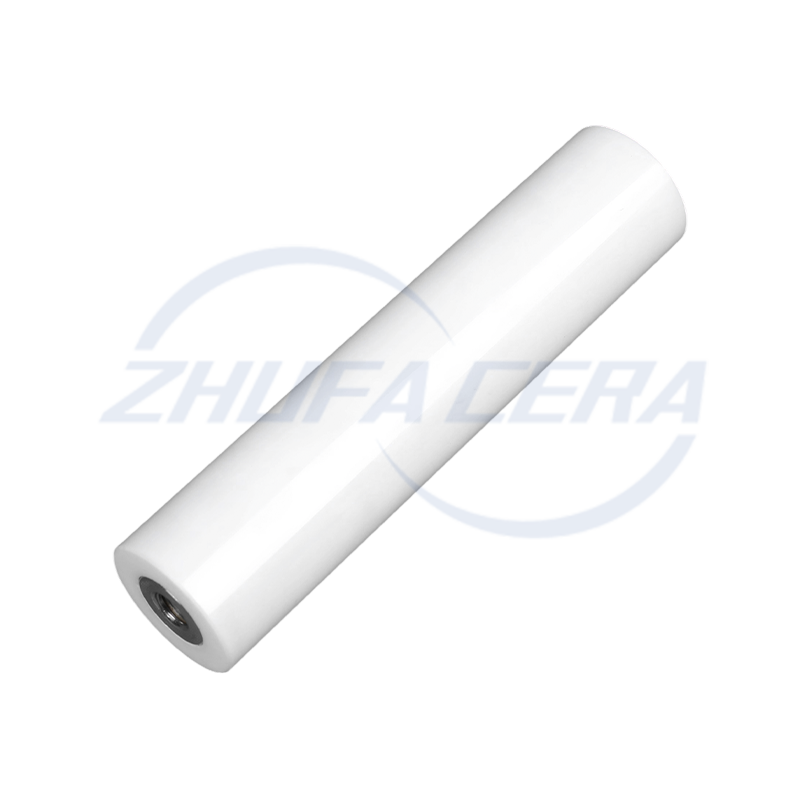
Zirconia Ceramic Rod is a high-performance ceramic material rod, mainly made of zirconium oxide, with excellent mechanical strength and chemical stability. It exhibits extremely high hardness and wear...
See Details -
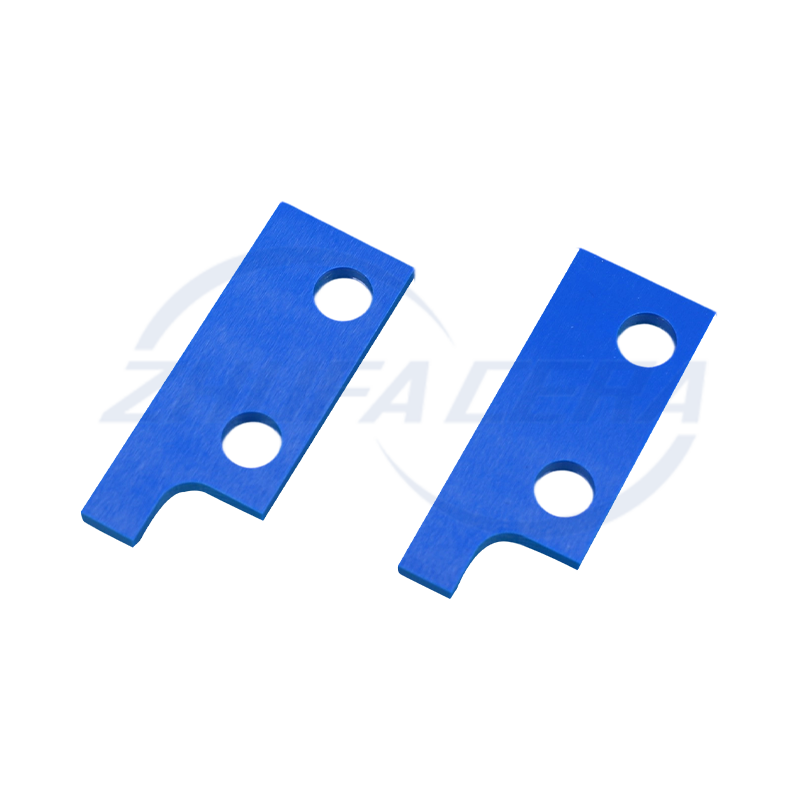
Blue zirconia ceramic sheets are precision components made of advanced zirconia ceramics. They are stained with cobalt, iron or copper to form a blue color. This color not only serves as a visual i...
See Details -

This blue zirconia ceramic pin is made of advanced zirconia ceramic material, providing excellent durability and performance. Zirconia ceramics are known for their high strength, good wear resistan...
See Details -

Zirconia Ceramic Gear is made of zirconium oxide ceramic material, which has excellent high strength and high hardness. This material property enables it to effectively resist wear during the transmis...
See Details -
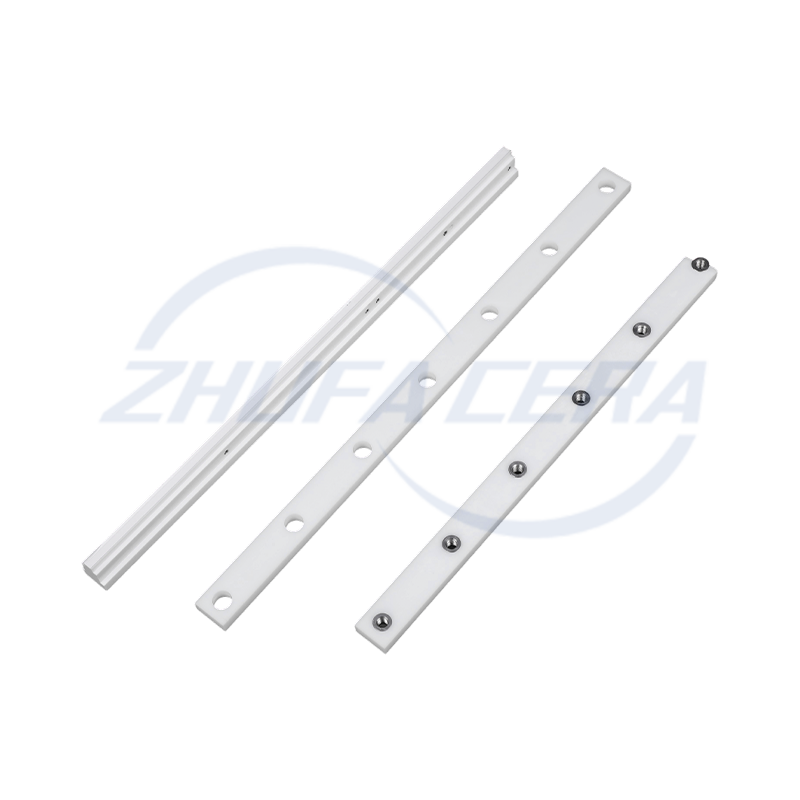
Zirconia Ceramic Guide Rail is a high-performance precision mechanical component made of zirconium oxide ceramic material. Its core characteristics are derived from the excellent physical and chemical...
See Details -
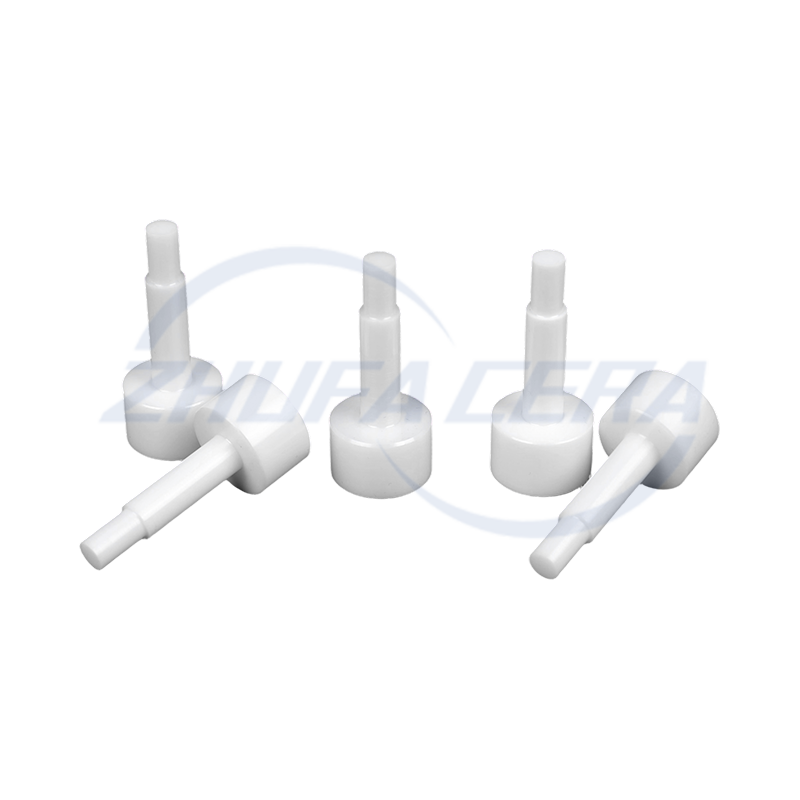
Zirconia Ceramic Locating Pin is a high-precision positioning element made of advanced zirconium oxide ceramic material with excellent physical and chemical properties. Its main characteristics includ...
See Details -
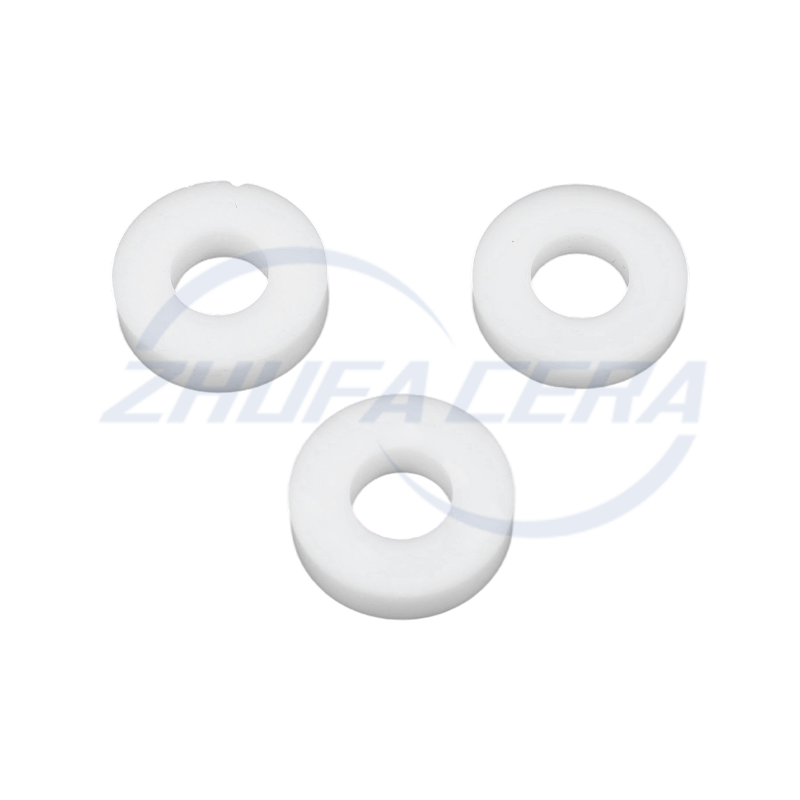
Zirconia Ceramic Ring is a high-performance ceramic product known for its excellent physical and chemical properties. It has extremely high hardness and strength, with a Mohs hardness of more than 8.5...
See Details -
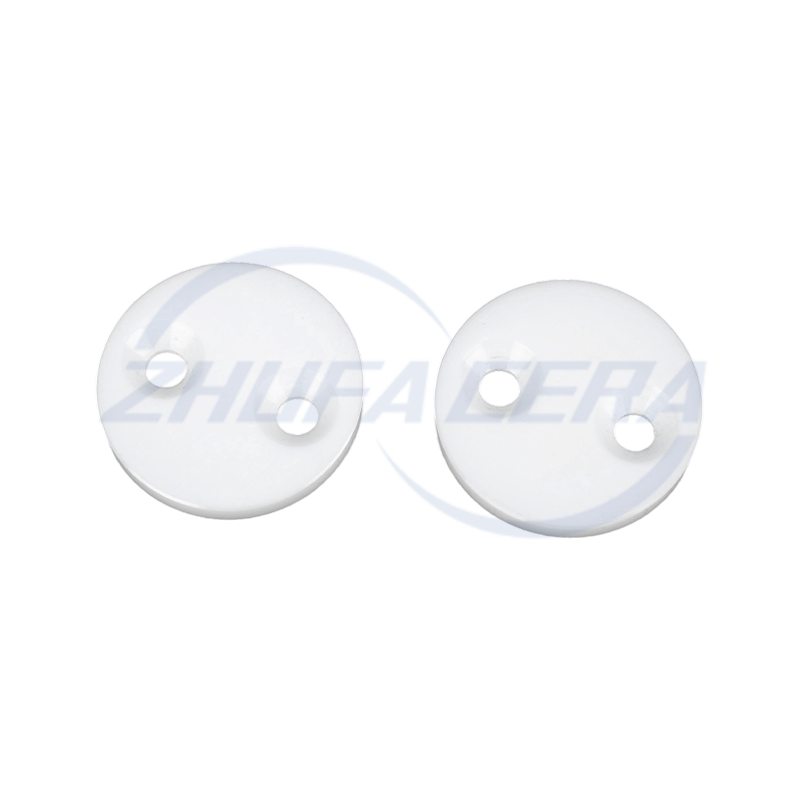
Zirconia ceramic sheets have become functional core components in various fields thanks to their unique properties. With a flexural strength of 900–1200 MPa and a fracture toughness of 6–10 MPa・m¹/², ...
See Details -

Zirconia Ceramic Strip is a strip material made of high-performance zirconium oxide ceramic with excellent physical and chemical properties. It has extremely high hardness and flexural strength, can e...
See Details -
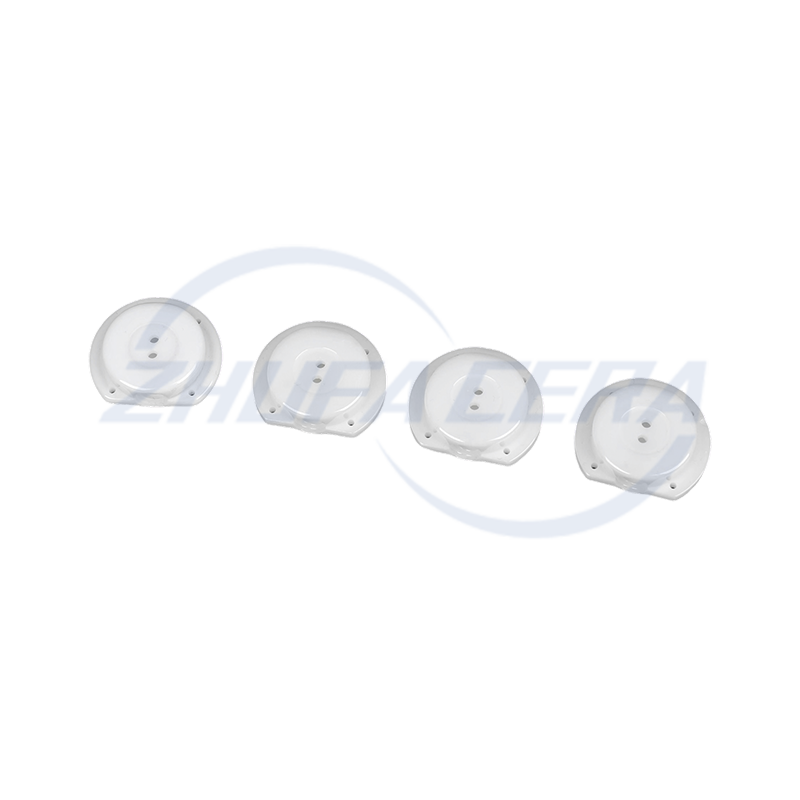
Zirconia ceramic wafers are representative products in the field of high-performance structural ceramics. Compared with traditional alumina ceramics or metal materials, its comprehensive performanc...
See Details -
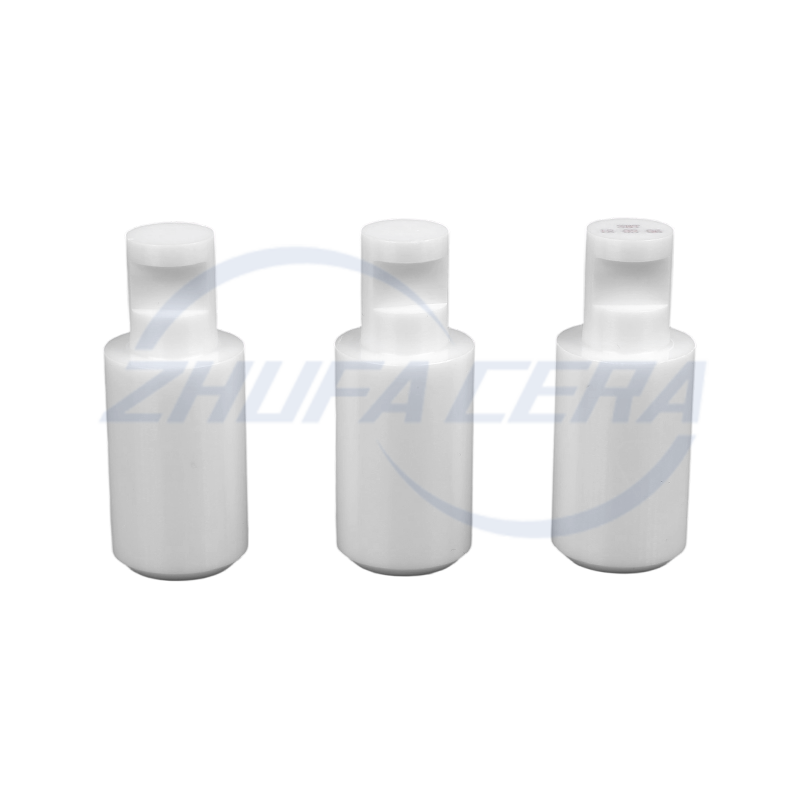
Zirconia Ceramic Plunger is a high-performance component designed for harsh industrial environments. Compared with similar ceramic or metal plunger products, it stands out with its unique material adv...
See Details


-
Quick Links
Home Products About Us Services Technology News Contact Us -
Products
Ceramic Structural Parts Zirconia Ceramics Alumina Ceramics ZTA Ceramics Silicon Nitride Ceramics Silicon Carbide Ceramics Ceramic Injection Molded Parts -
About Us
Factory Tour Honor FAQ -
Contact info
+86-188 8878 5188zf@zfcera.comNo. 1, Xinggong Road, Anchang Industrial Park, Keqiao District, Shaoxing City, Zhejiang Province, China -
WhatsApp

Copyright © Zhejiang Zhufa Precision Ceramics Technology Co., Ltd. All Rights Reserved.
China precision ceramics manufacturer
wholesale precision ceramics supplier
