

 中文简体
中文简体 русский
 Español
 عربى
عربى Português
 日本語
日本語 한국어
한국어
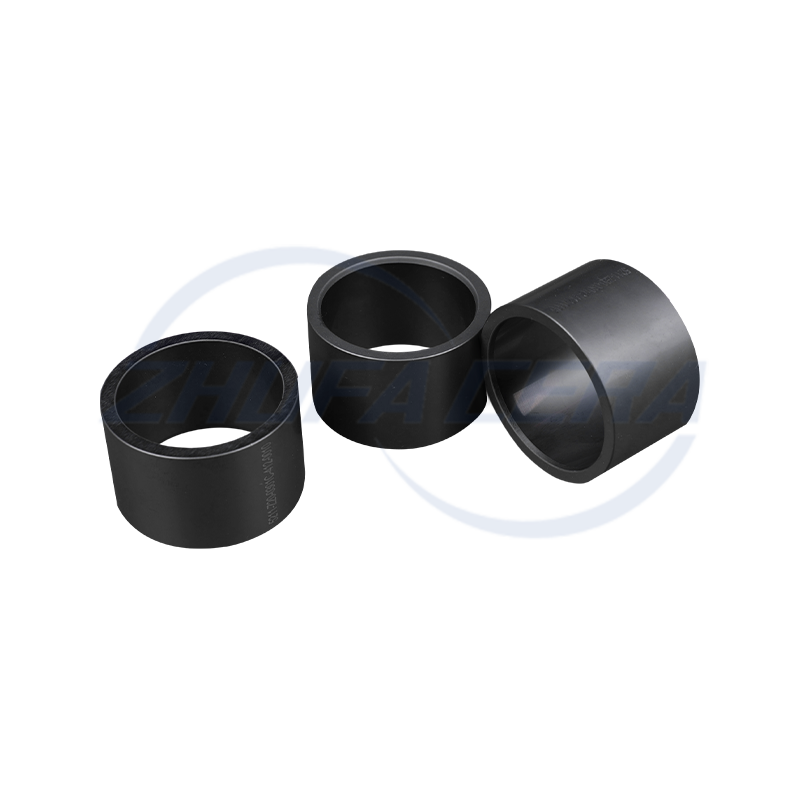
Black silicon carbide ceramic ring is a high-performance engineered ceramic assembly made of high-purity silicon carbide by precision molding and high temperature sintering. Its quadrangular crystal s...
See Details
FOLLOW US :


 Email: zf@zfcera.com
 Telephone: +86-188 8878 5188

Why Are Ceramic Structural Parts Preferred in the Automotive Industry?
2025-11-21
Content
The automotive industry is constantly evolving, driven by a need for more durable, lightweight, and cost-efficient materials. One of the key innovations in recent years has been the increased use of ceramic structural parts. These materials are rapidly gaining popularity for a variety of reasons, from their superior thermal resistance to their ability to enhance vehicle performance and efficiency.
What Are Ceramic Structural Parts?
Ceramic structural parts are components made from advanced ceramics, a class of materials known for their exceptional strength, hardness, and heat resistance. These parts are typically used in areas of a vehicle that require high performance under extreme conditions, such as engine components, brake systems, and exhaust systems.
Key Benefits of Ceramic Structural Parts in Automotive Manufacturing
- Lightweight: Ceramic parts are significantly lighter than metals like steel and aluminum, helping to reduce overall vehicle weight. This contributes to better fuel efficiency and enhanced performance.
- High Temperature Resistance: Ceramics can withstand high temperatures without degrading, making them ideal for parts exposed to heat, such as engine components and brake discs.
- Improved Durability: Ceramics are highly resistant to wear and tear, offering longer-lasting components that can extend the lifespan of a vehicle and reduce maintenance costs.
- Corrosion Resistance: Ceramic materials do not corrode, providing a significant advantage over metal parts that may rust or degrade over time.
- Thermal Conductivity: Ceramic parts have low thermal conductivity, which means they can better control heat within critical automotive systems.
Applications of Ceramic Structural Parts in Automotive Industry
Ceramic materials are used in a variety of automotive components, from small sensors to large structural parts. Some of the most common applications include:
- Engine Components: Ceramic materials are used for pistons, cylinder heads, and turbochargers due to their ability to withstand extreme temperatures and pressures.
- Braking Systems: Ceramic brake discs are commonly used in high-performance sports cars for their ability to resist wear and maintain performance under high heat conditions.
- Exhaust Systems: Ceramic coatings are applied to exhaust systems to protect against corrosion and enhance heat resistance.
- Fuel Efficiency and Emissions: The use of ceramics in catalytic converters helps improve fuel efficiency and reduce harmful emissions.
Why Are Ceramic Structural Parts Gaining Popularity?
As the automotive industry increasingly focuses on sustainability and performance, ceramic structural parts have become a vital part of this transformation. The demand for materials that offer both efficiency and eco-friendliness is higher than ever, and ceramics meet these needs with their low environmental impact and ability to improve vehicle performance.
Advantages for Automotive Manufacturers
- Cost-Effective in the Long Run: While ceramic parts can be more expensive to produce initially, their durability and performance lead to cost savings over time by reducing maintenance and replacement costs.
- Enhances Vehicle Safety: Ceramic materials are often used in safety-critical components like brake systems, where failure is not an option. Their durability and reliability enhance overall vehicle safety.
- Support for Electric Vehicles (EVs): As EVs become more widespread, ceramics are being used in battery systems and other components due to their high thermal stability and electrical properties.
FAQs About Ceramic Structural Parts in the Automotive Industry
1. Are ceramic parts more expensive than traditional metal parts?
While the initial cost of producing ceramic parts can be higher than metal alternatives, their long-term benefits, such as reduced maintenance and increased lifespan, often make them a more cost-effective option over time.
2. How do ceramic materials improve vehicle performance?
Ceramic materials contribute to vehicle performance by reducing weight, improving heat resistance, and increasing component durability, which leads to better fuel efficiency, longer service life, and enhanced overall performance.
3. Can ceramic parts be recycled?
Ceramics are generally not recyclable in the same way metals are. However, their long lifespan and durability mean that fewer replacements are needed, helping to reduce overall waste in the industry.
4. What is the future of ceramic structural parts in the automotive industry?
The future of ceramic parts in the automotive industry looks promising. With the growing focus on sustainability, performance, and innovation, the demand for ceramics in high-performance and environmentally conscious vehicles is expected to increase.
The use of ceramic structural parts in the automotive industry is a growing trend that promises to revolutionize vehicle performance and manufacturing efficiency. With their numerous benefits, including lightweight construction, high temperature resistance, and improved durability, ceramic materials are becoming a key part of the industry's move toward smarter, more sustainable technologies.
Related products
-
-
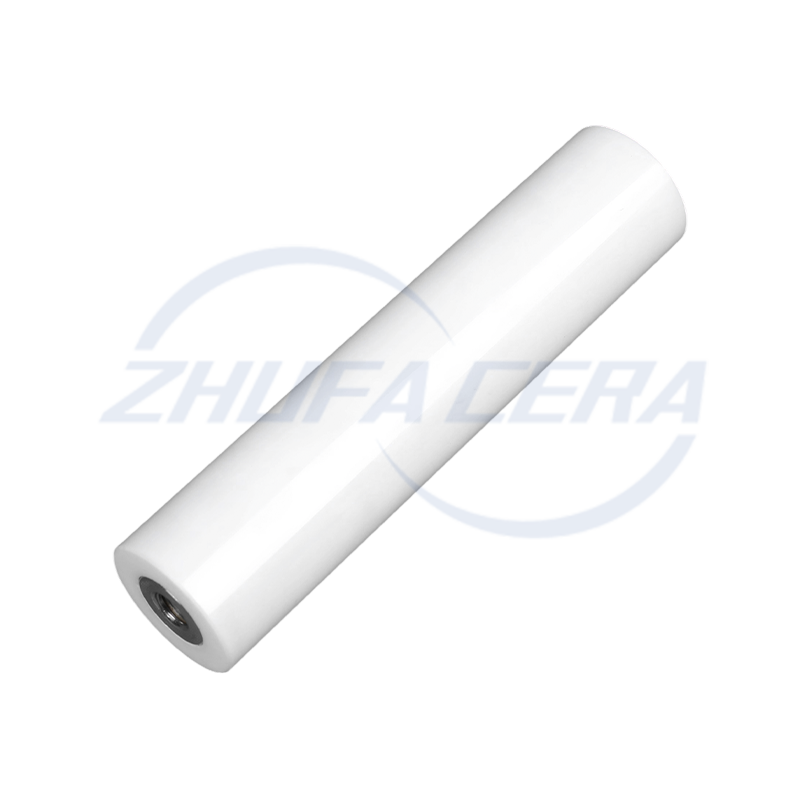
Zirconia Ceramic Rod is a high-performance ceramic material rod, mainly made of zirconium oxide, with excellent mechanical strength and chemical stability. It exhibits extremely high hardness and wear...
See Details -
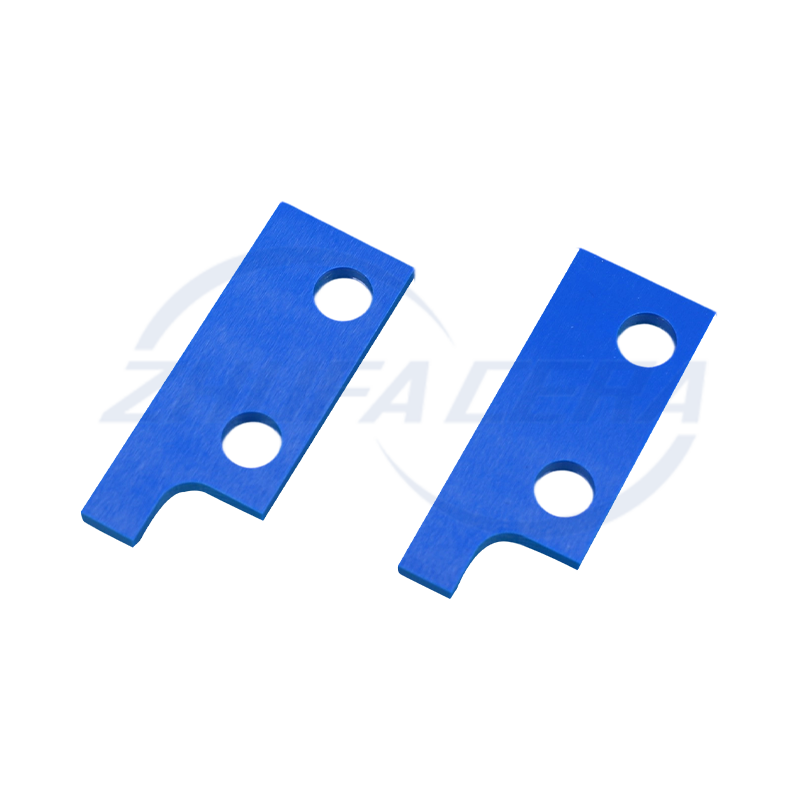
Blue zirconia ceramic sheets are precision components made of advanced zirconia ceramics. They are stained with cobalt, iron or copper to form a blue color. This color not only serves as a visual i...
See Details -

This blue zirconia ceramic pin is made of advanced zirconia ceramic material, providing excellent durability and performance. Zirconia ceramics are known for their high strength, good wear resistan...
See Details -

Zirconia Ceramic Gear is made of zirconium oxide ceramic material, which has excellent high strength and high hardness. This material property enables it to effectively resist wear during the transmis...
See Details -
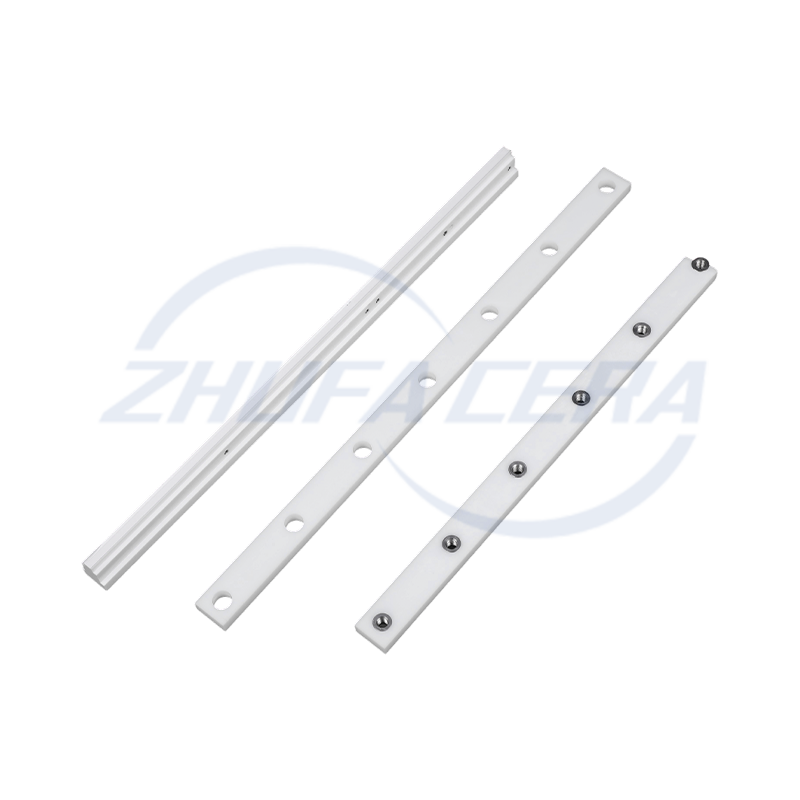
Zirconia Ceramic Guide Rail is a high-performance precision mechanical component made of zirconium oxide ceramic material. Its core characteristics are derived from the excellent physical and chemical...
See Details -
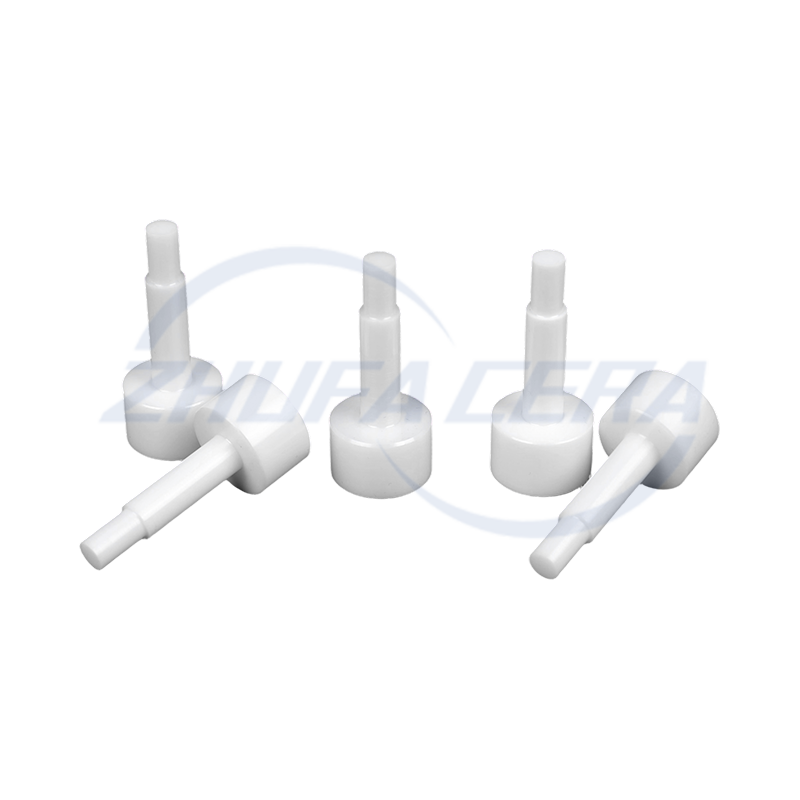
Zirconia Ceramic Locating Pin is a high-precision positioning element made of advanced zirconium oxide ceramic material with excellent physical and chemical properties. Its main characteristics includ...
See Details -
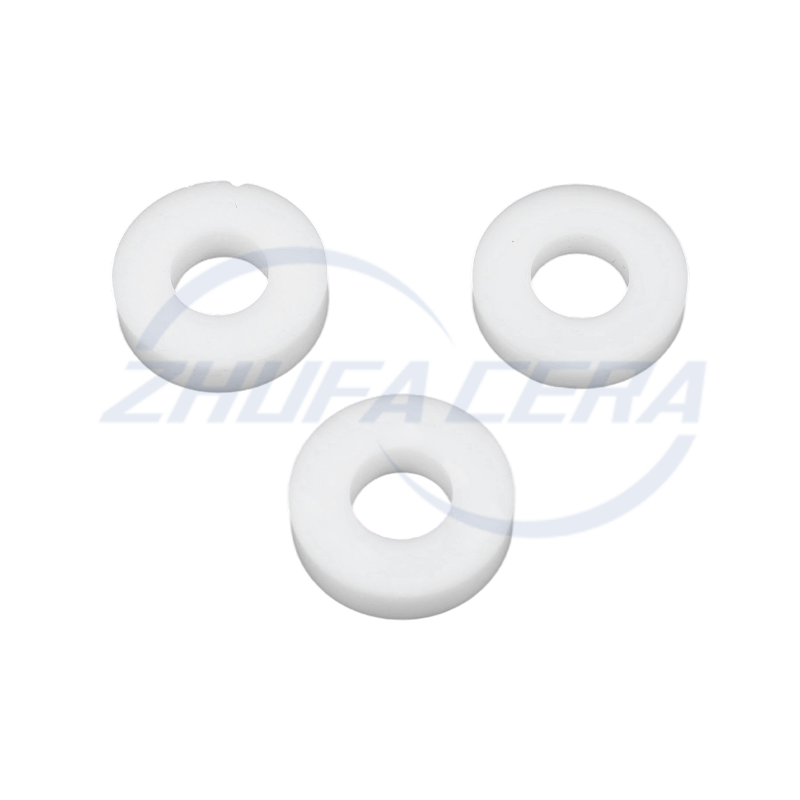
Zirconia Ceramic Ring is a high-performance ceramic product known for its excellent physical and chemical properties. It has extremely high hardness and strength, with a Mohs hardness of more than 8.5...
See Details -
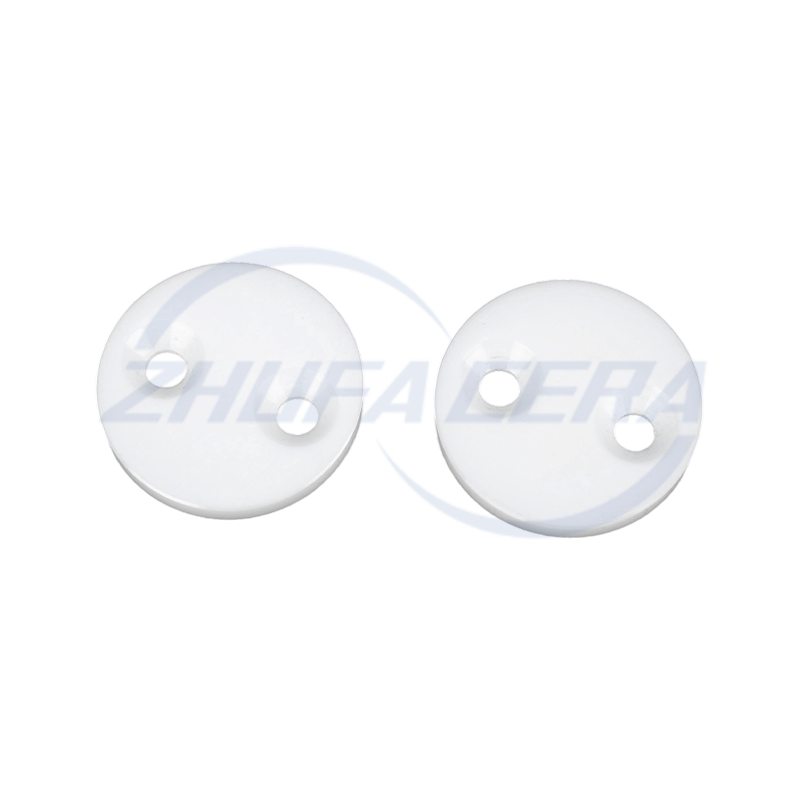
Zirconia ceramic sheets have become functional core components in various fields thanks to their unique properties. With a flexural strength of 900–1200 MPa and a fracture toughness of 6–10 MPa・m¹/², ...
See Details -

Zirconia Ceramic Strip is a strip material made of high-performance zirconium oxide ceramic with excellent physical and chemical properties. It has extremely high hardness and flexural strength, can e...
See Details -
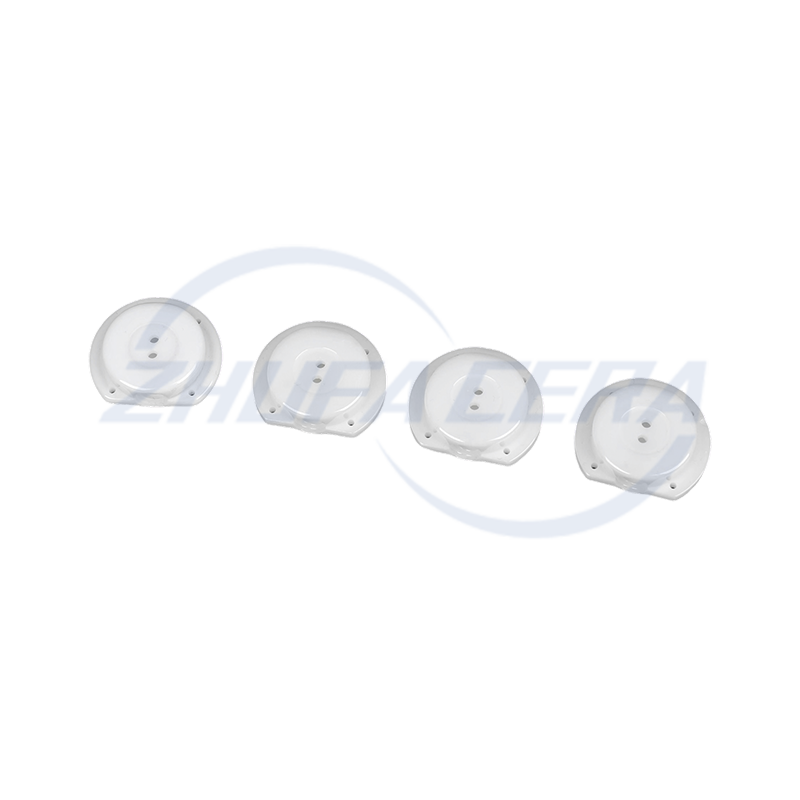
Zirconia ceramic wafers are representative products in the field of high-performance structural ceramics. Compared with traditional alumina ceramics or metal materials, its comprehensive performanc...
See Details -
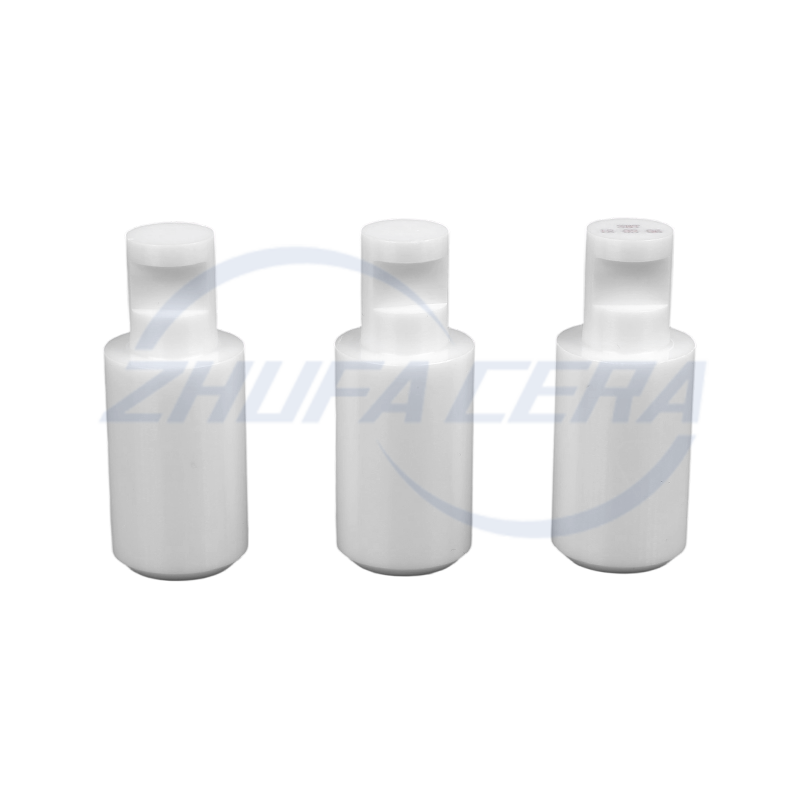
Zirconia Ceramic Plunger is a high-performance component designed for harsh industrial environments. Compared with similar ceramic or metal plunger products, it stands out with its unique material adv...
See Details


-
Quick Links
Home Products About Us Services Technology News Contact Us -
Products
Ceramic Structural Parts Zirconia Ceramics Alumina Ceramics ZTA Ceramics Silicon Nitride Ceramics Silicon Carbide Ceramics Ceramic Injection Molded Parts -
About Us
Factory Tour Honor FAQ -
Contact info
+86-188 8878 5188zf@zfcera.comNo. 1, Xinggong Road, Anchang Industrial Park, Keqiao District, Shaoxing City, Zhejiang Province, China -
WhatsApp

Copyright © Zhejiang Zhufa Precision Ceramics Technology Co., Ltd. All Rights Reserved.
China precision ceramics manufacturer
wholesale precision ceramics supplier
