

 中文简体
中文简体 русский
 Español
 عربى
عربى Português
 日本語
日本語 한국어
한국어
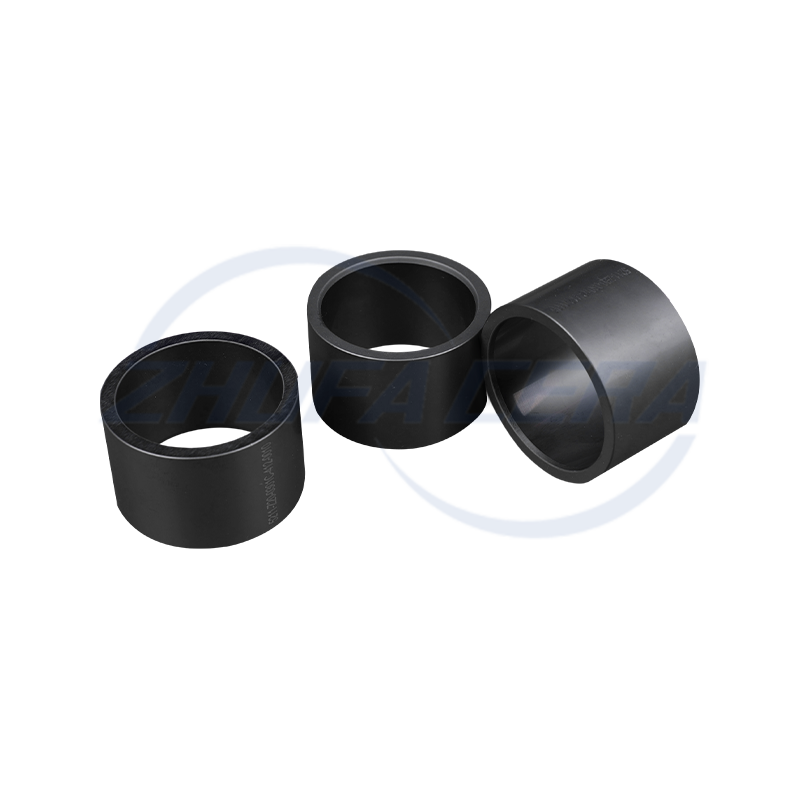
Black silicon carbide ceramic ring is a high-performance engineered ceramic assembly made of high-purity silicon carbide by precision molding and high temperature sintering. Its quadrangular crystal s...
See Details
FOLLOW US :


 Email: zf@zfcera.com
 Telephone: +86-188 8878 5188

How Do Ceramic Structural Parts Enhance the Performance of Electrical Components?
2025-11-28
Content
In the modern electronics industry, reliability, efficiency, and durability are crucial for electrical components. One key factor that significantly contributes to these qualities is the use of Ceramic Structural Parts. These specialized components are increasingly being adopted across industries to enhance overall performance.
What Are Ceramic Structural Parts?
Ceramic Structural Parts are high-performance components made from advanced ceramic materials. They are used in electrical systems due to their exceptional properties, such as high thermal stability, electrical insulation, wear resistance, and mechanical strength. Common applications include electronic circuits, power modules, insulators, and heat sinks.
Key Benefits of Ceramic Structural Parts in Electrical Components
1. Superior Electrical Insulation
Ceramic materials are excellent electrical insulators. Integrating Ceramic Structural Parts in electrical components prevents short circuits and leakage currents, ensuring stable operation even under high voltage conditions.
2. High Thermal Stability
Electrical devices often generate heat during operation. Ceramic Structural Parts can withstand high temperatures without deforming, cracking, or losing insulating properties, which extends the lifespan of components.
3. Enhanced Mechanical Strength
These parts provide structural support to delicate electrical components, protecting them from mechanical stress, vibration, and external impacts. This is particularly important in industrial and automotive applications.
4. Corrosion and Wear Resistance
Ceramics are naturally resistant to chemical corrosion and wear. Using Ceramic Structural Parts ensures that electrical components remain reliable in harsh environments, such as high humidity, chemical exposure, or extreme temperatures.
5. Miniaturization and Precision
Advanced ceramic processing allows for precise manufacturing of small, intricate parts. This facilitates the production of compact electrical devices without compromising strength or performance.
Applications of Ceramic Structural Parts
- Power electronics modules
- High-frequency circuit boards
- Insulators for transformers and capacitors
- Semiconductor packaging
- Automotive electronics
FAQ About Ceramic Structural Parts
Q1: Are ceramic parts suitable for all electrical applications?
While Ceramic Structural Parts offer numerous benefits, they are particularly valuable in high-temperature, high-voltage, or mechanically demanding environments. Selection should consider the specific operating conditions.
Q2: How do ceramic parts compare to metal or plastic components?
Ceramics provide superior thermal and electrical insulation, wear resistance, and chemical stability compared to most metals and plastics. However, they may be more brittle, requiring careful design to avoid mechanical failure under extreme stress.
Q3: Can ceramic parts be customized for unique designs?
Yes, modern manufacturing technologies allow for precision shaping, drilling, and coating of Ceramic Structural Parts, enabling custom solutions for complex electrical devices.
Conclusion
Ceramic Structural Parts play a vital role in improving the performance, reliability, and durability of electrical components. Their unique combination of electrical insulation, thermal stability, and mechanical strength makes them indispensable in modern electronics. As industries continue to demand more compact, efficient, and robust devices, the adoption of ceramic structural components is expected to grow rapidly.
Related products
-
-
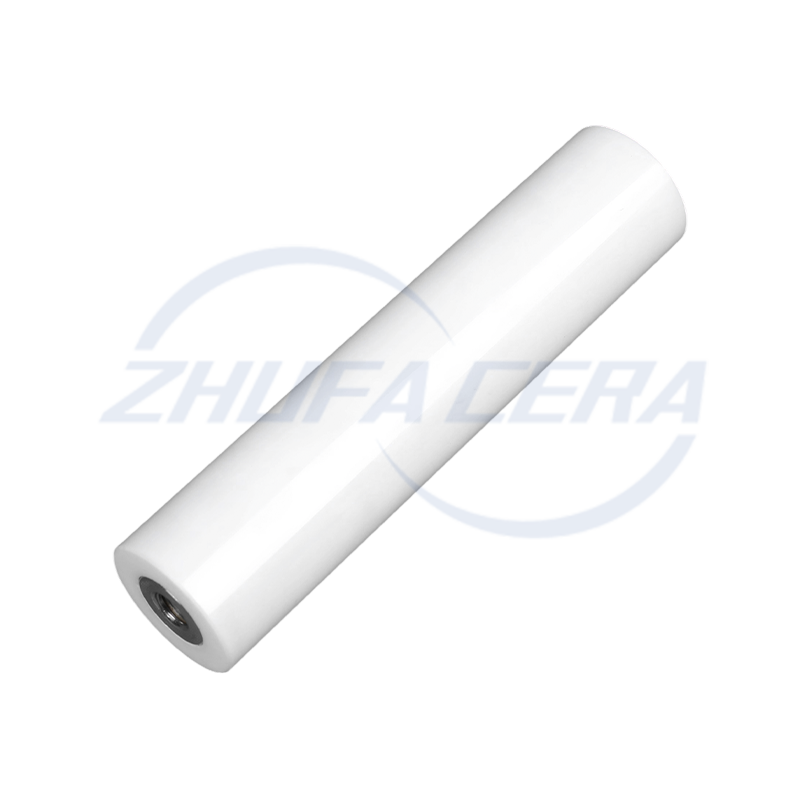
Zirconia Ceramic Rod is a high-performance ceramic material rod, mainly made of zirconium oxide, with excellent mechanical strength and chemical stability. It exhibits extremely high hardness and wear...
See Details -
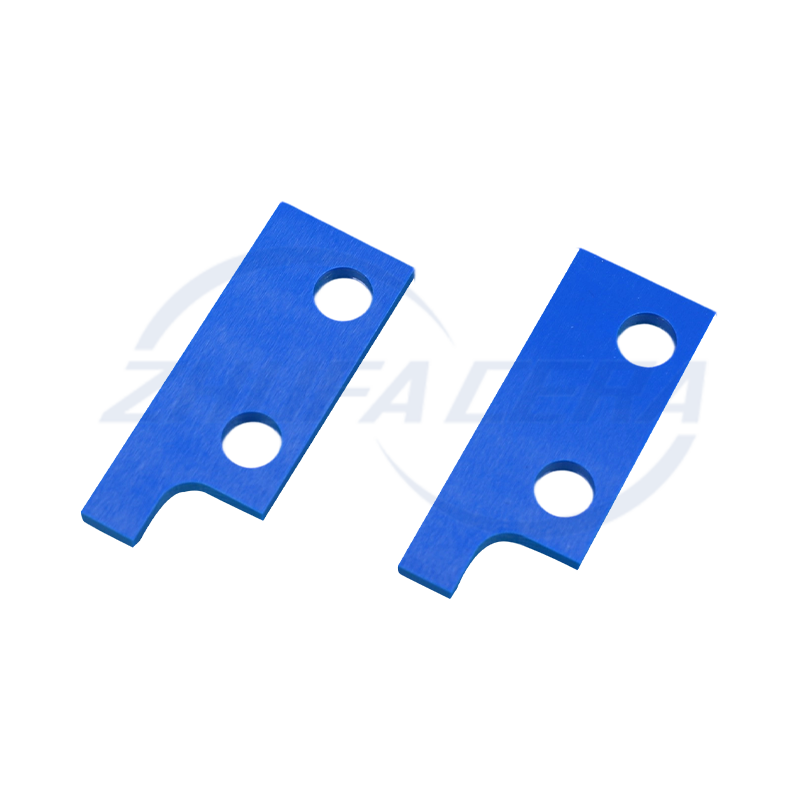
Blue zirconia ceramic sheets are precision components made of advanced zirconia ceramics. They are stained with cobalt, iron or copper to form a blue color. This color not only serves as a visual i...
See Details -

This blue zirconia ceramic pin is made of advanced zirconia ceramic material, providing excellent durability and performance. Zirconia ceramics are known for their high strength, good wear resistan...
See Details -

Zirconia Ceramic Gear is made of zirconium oxide ceramic material, which has excellent high strength and high hardness. This material property enables it to effectively resist wear during the transmis...
See Details -
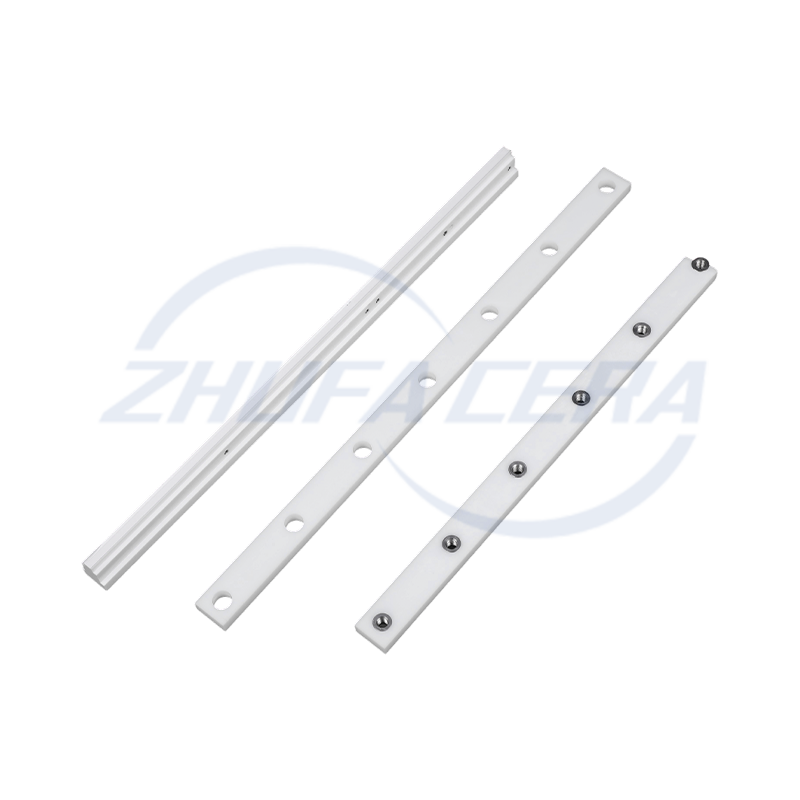
Zirconia Ceramic Guide Rail is a high-performance precision mechanical component made of zirconium oxide ceramic material. Its core characteristics are derived from the excellent physical and chemical...
See Details -
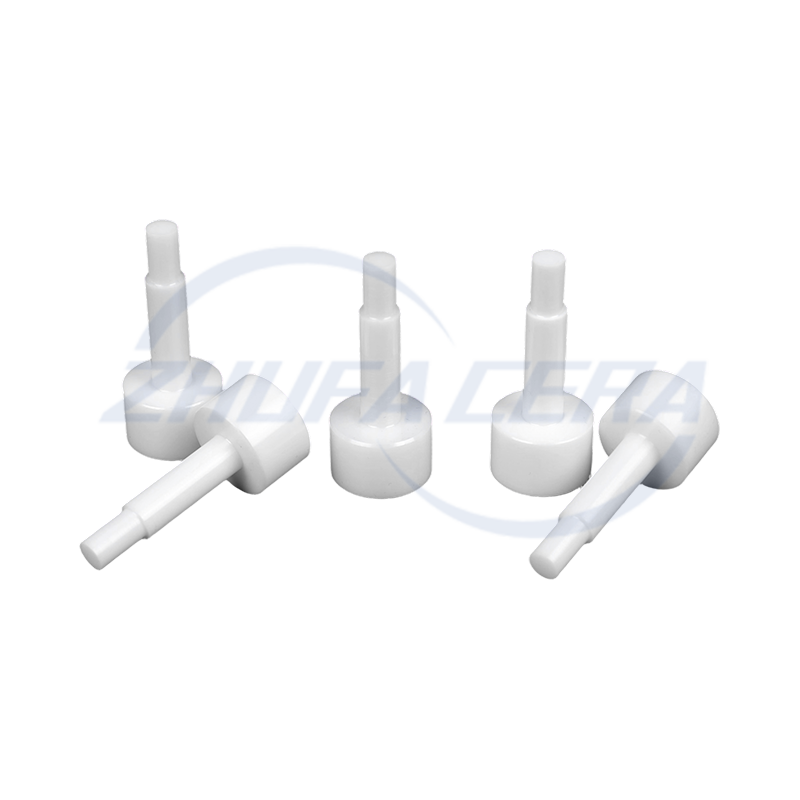
Zirconia Ceramic Locating Pin is a high-precision positioning element made of advanced zirconium oxide ceramic material with excellent physical and chemical properties. Its main characteristics includ...
See Details -
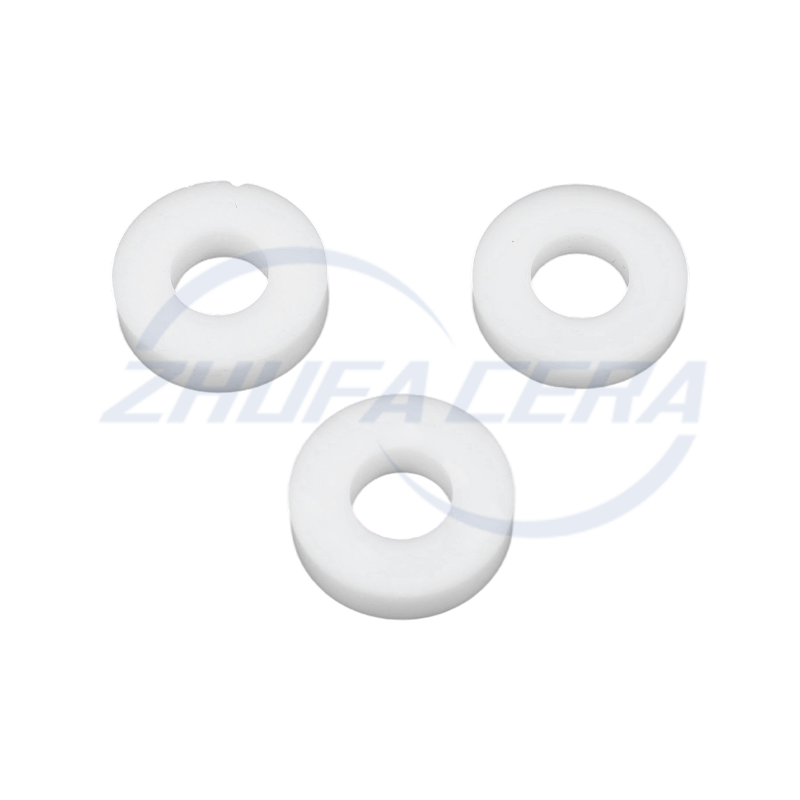
Zirconia Ceramic Ring is a high-performance ceramic product known for its excellent physical and chemical properties. It has extremely high hardness and strength, with a Mohs hardness of more than 8.5...
See Details -
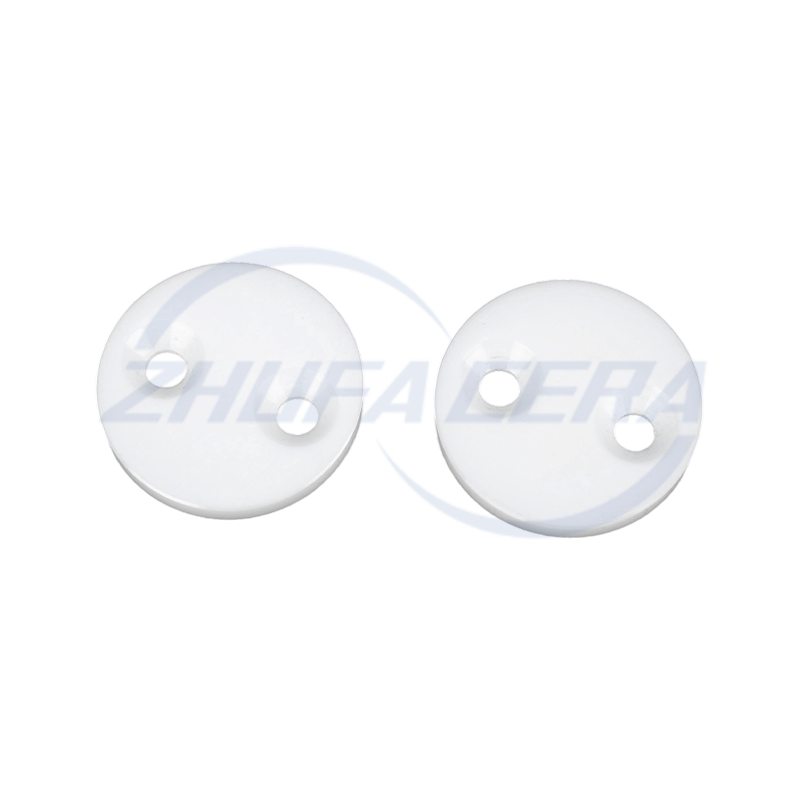
Zirconia ceramic sheets have become functional core components in various fields thanks to their unique properties. With a flexural strength of 900–1200 MPa and a fracture toughness of 6–10 MPa・m¹/², ...
See Details -

Zirconia Ceramic Strip is a strip material made of high-performance zirconium oxide ceramic with excellent physical and chemical properties. It has extremely high hardness and flexural strength, can e...
See Details -
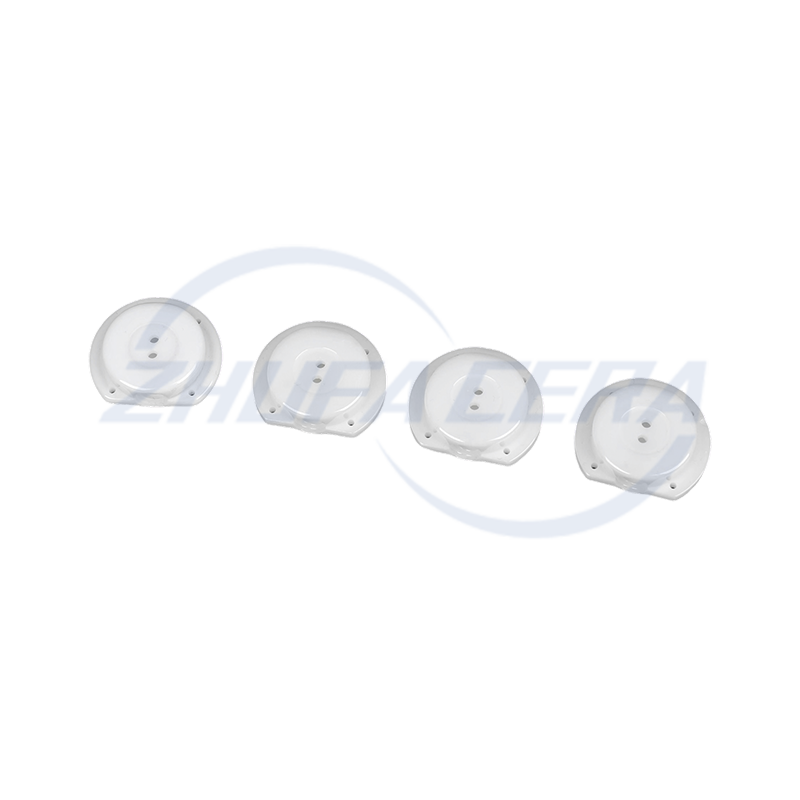
Zirconia ceramic wafers are representative products in the field of high-performance structural ceramics. Compared with traditional alumina ceramics or metal materials, its comprehensive performanc...
See Details -
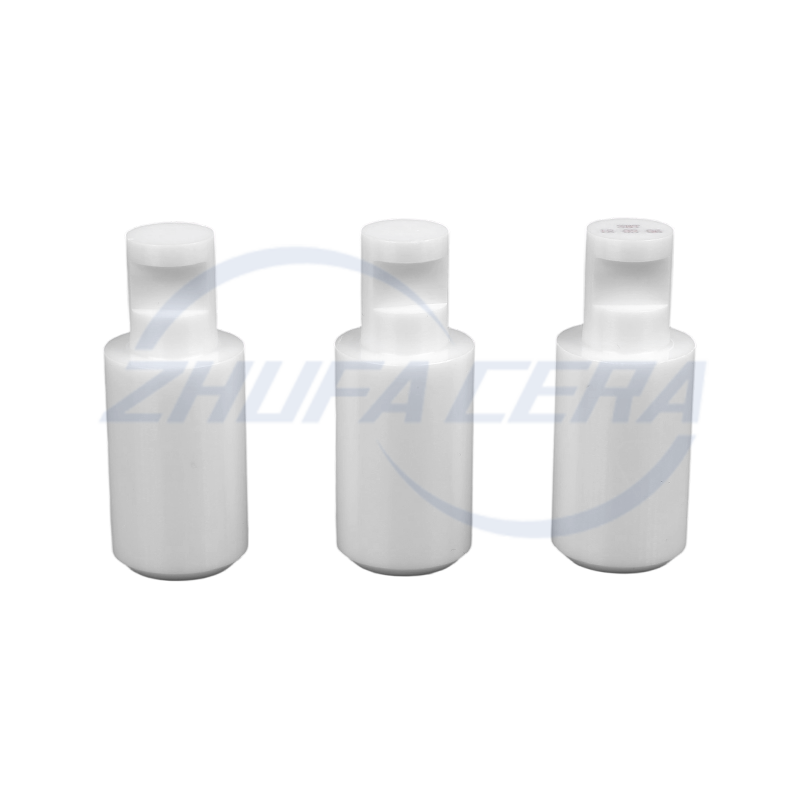
Zirconia Ceramic Plunger is a high-performance component designed for harsh industrial environments. Compared with similar ceramic or metal plunger products, it stands out with its unique material adv...
See Details


-
Quick Links
Home Products About Us Services Technology News Contact Us -
Products
Ceramic Structural Parts Zirconia Ceramics Alumina Ceramics ZTA Ceramics Silicon Nitride Ceramics Silicon Carbide Ceramics Ceramic Injection Molded Parts -
About Us
Factory Tour Honor FAQ -
Contact info
+86-188 8878 5188zf@zfcera.comNo. 1, Xinggong Road, Anchang Industrial Park, Keqiao District, Shaoxing City, Zhejiang Province, China -
WhatsApp

Copyright © Zhejiang Zhufa Precision Ceramics Technology Co., Ltd. All Rights Reserved.
China precision ceramics manufacturer
wholesale precision ceramics supplier
