

 中文简体
中文简体 русский
 Español
 عربى
عربى Português
 日本語
日本語 한국어
한국어
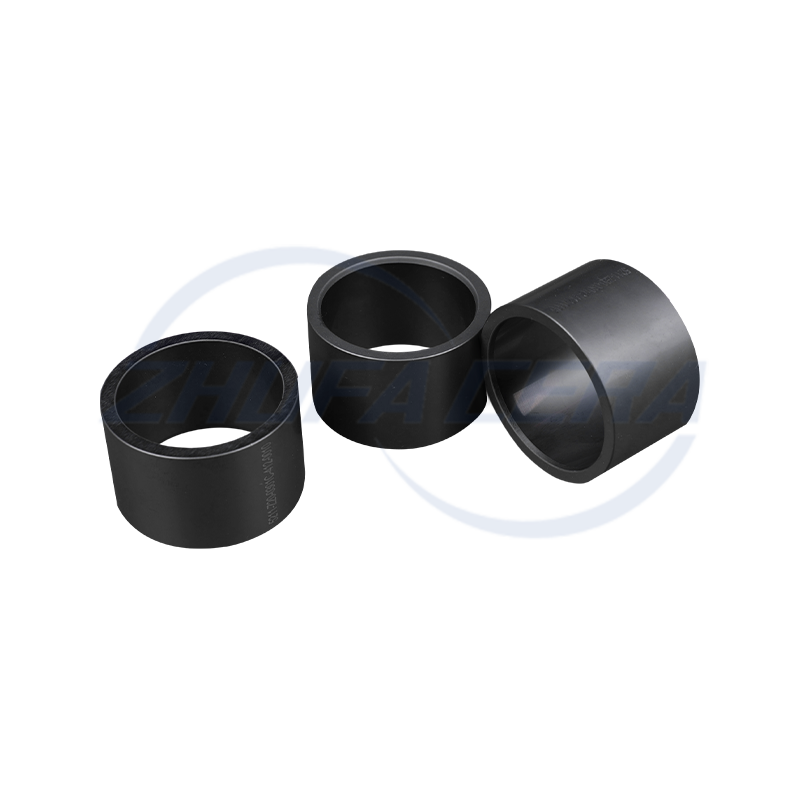
Black silicon carbide ceramic ring is a high-performance engineered ceramic assembly made of high-purity silicon carbide by precision molding and high temperature sintering. Its quadrangular crystal s...
See Details
FOLLOW US :


 Email: zf@zfcera.com
 Telephone: +86-188 8878 5188

Why Ceramic End Mills Cannot Fully Replace Tungsten Carbide
2026-06-06
In the field of modern precision machining, the evolution of cutting tool materials never stops. Recently, "ceramic end mills" have frequently broken out of the industry circle due to their astonishing high-temperature performance, giving many outsiders the illusion that they are "about to fully replace traditional tungsten carbide tools." However, on the front line of machining workshops, tungsten carbide end mills still firmly hold the crown as the "teeth of industry." Why can't ceramic end mills completely replace tungsten carbide end mills? In what extreme scenarios do they display irreplaceable strength? This article provides an in-depth technical breakdown from physical nature to specific applications.
- Why Ceramics Cannot Fully Replace Tungsten Carbide
To understand the generational difference between the two materials, we must trace back to their microscopic structures. The inability of ceramic end mills to completely replace tungsten carbide lies in three fatal vulnerabilities:
- Extremely Low Impact Toughness (The Fatal Flaw): Tungsten carbide (cemented carbide) features a composite structure of a "hard phase + metal binder phase," in which cobalt plays the role of "rebar" in reinforced concrete, granting it exceptionally high impact resistance. Milling is a typical interrupted cutting process where the tool teeth repeatedly cut in and out, enduring severe periodic mechanical shocks. Ceramics, being purely inorganic non-metallic materials, lack a metallic binder phase. Consequently, their fracture toughness is extremely low, making them highly susceptible to micro-chipping or catastrophic fracturing under such conditions.
- Drastic Disparity in Flexural Strength: The flexural strength of traditional tungsten carbide end mills typically reaches 2000 to 4000 MPa or even higher. In contrast, the flexural strength of ceramic end mills is generally only between 400 and 1000 MPa. This means that when subjected to large lateral forces—such as heavy depths of cut, high feed rates, or encountering inhomogeneous inclusions within the material—ceramic end mills are highly prone to bending and snapping.
- Inability to Achieve an "Extremely Sharp" Cutting Edge: Due to the inherent brittleness of the material, ceramic end mills cannot be ground to a thin and razor-sharp cutting edge like tungsten carbide. To protect the edge from premature brittle failure, ceramic tools must be designed with negative rake angles or thick chamfers (honing treatment). As a result, when machining common soft metals (such as aluminum alloys or low-carbon steels), the cutting resistance becomes immense, leading to severe chip evacuation issues.
- Ideal Material Applications for Ceramic End Mills
Although ceramic end mills are poorly suited for mechanical impacts and lateral forces, they possess two ultimate attributes that tungsten carbide can rarely match: exceptional red hardness (maintaining hardness at high temperatures up to 1200°C or above) and superb chemical stability. This makes them highly efficient "special forces" under specific extreme working conditions:
2.1 Aerospace Grade: Nickel-Based Superalloys
Materials such as Inconel 718 and GH4169 maintain extremely high strength even at elevated temperatures, and exhibit severe work hardening. When machined with traditional tungsten carbide tools, the intense friction-induced heat rapidly softens and wears out the tool. Conversely, utilizing SiAlON ceramics or whisker-reinforced ceramic end mills for "dry cutting" without coolant allows the cutting speed to be increased by 5 to 10 times compared to tungsten carbide. The underlying logic is to leverage the extreme heat generated by high-speed friction at the tool tip to locally soften the alloy surface, allowing it to be sheared away smoothly in an instant. This drives a geometric surge in processing efficiency.
2.2 Heavy-Duty Clash: Hardened Steels and Special Cast Irons
In the manufacturing of automotive dies, molds, and large-scale industrial rolls, engineers frequently encounter high-hardness metals after quenching. Ceramic end mills can be directly deployed for high-speed, high-efficiency roughing and semi-finishing operations. By utilizing heat to conquer heat, they eliminate the need for tedious Electrical Discharge Machining (EDM) processes, thereby drastically shortening the overall production cycle.
- Core Performance & Application Comparison
|
Evaluation Dimension |
Tungsten Carbide End Mills |
Ceramic End Mills |
|
Core Advantages |
High flexural strength, superb toughness, exceptional versatility (covers over 90% of conventional materials). |
Extreme high-temperature resistance (red hardness), ultra-high hardness, strong chemical inertness. |
|
Core Disadvantages |
Prone to rapid softening and severe oxidative wear under temperatures reaching 1000°C. |
High brittleness, low flexural strength, extremely sensitive to vibrations and unstable machining setups. |
|
Machining Strategy |
Recommended to use with ample coolant (wet cutting); highly suited for large-volume, high-precision finishing. |
Strongly recommended for dry cutting (strictly forbid thermal shock to prevent thermal cracking); excels at high-speed roughing. |
Summary from Shop-Floor Engineers:
On modern precision smart manufacturing lines, savvy engineers never make a single-blind choice. The truly efficient strategy is a "tag-team alliance." First, the [Ceramic End Mill] is deployed to exploit its outstanding red hardness, stripping away the bulk of the material through high-speed roughing at thousand-degree temperatures. Subsequently, the system seamlessly switches to the [Tungsten Carbide End Mill], leveraging its excellent flexural strength and razor-sharp edge to perform the final high-precision finish machining with an optimized depth of cut. Having both tools play to their respective strengths is the ultimate code for achieving cost reduction and efficiency gains.
Related products
-
-
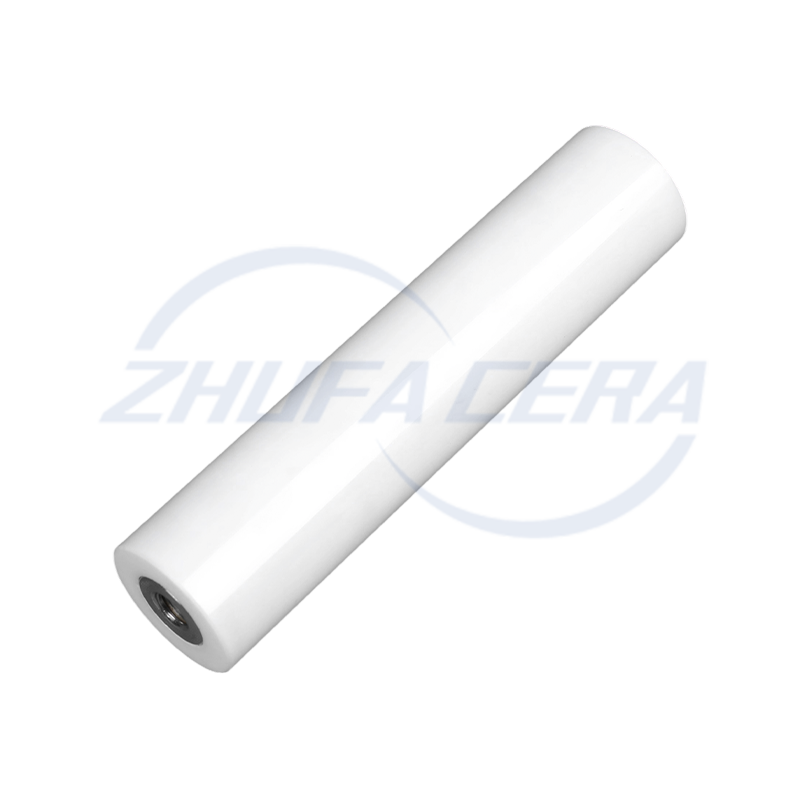
Zirconia Ceramic Rod is a high-performance ceramic material rod, mainly made of zirconium oxide, with excellent mechanical strength and chemical stability. It exhibits extremely high hardness and wear...
See Details -
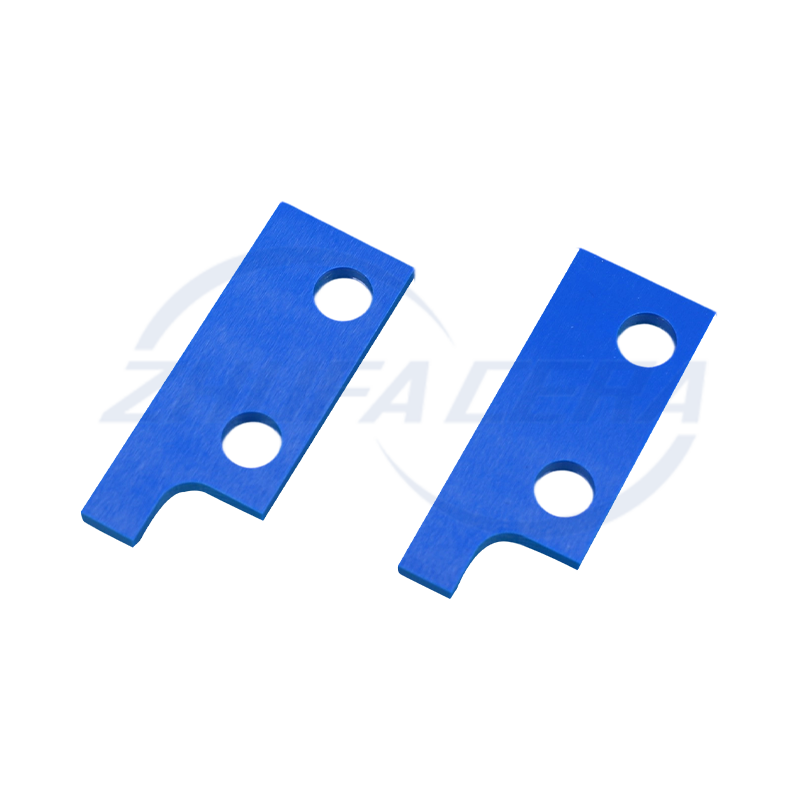
Blue zirconia ceramic sheets are precision components made of advanced zirconia ceramics. They are stained with cobalt, iron or copper to form a blue color. This color not only serves as a visual i...
See Details -

This blue zirconia ceramic pin is made of advanced zirconia ceramic material, providing excellent durability and performance. Zirconia ceramics are known for their high strength, good wear resistan...
See Details -

Zirconia Ceramic Gear is made of zirconium oxide ceramic material, which has excellent high strength and high hardness. This material property enables it to effectively resist wear during the transmis...
See Details -
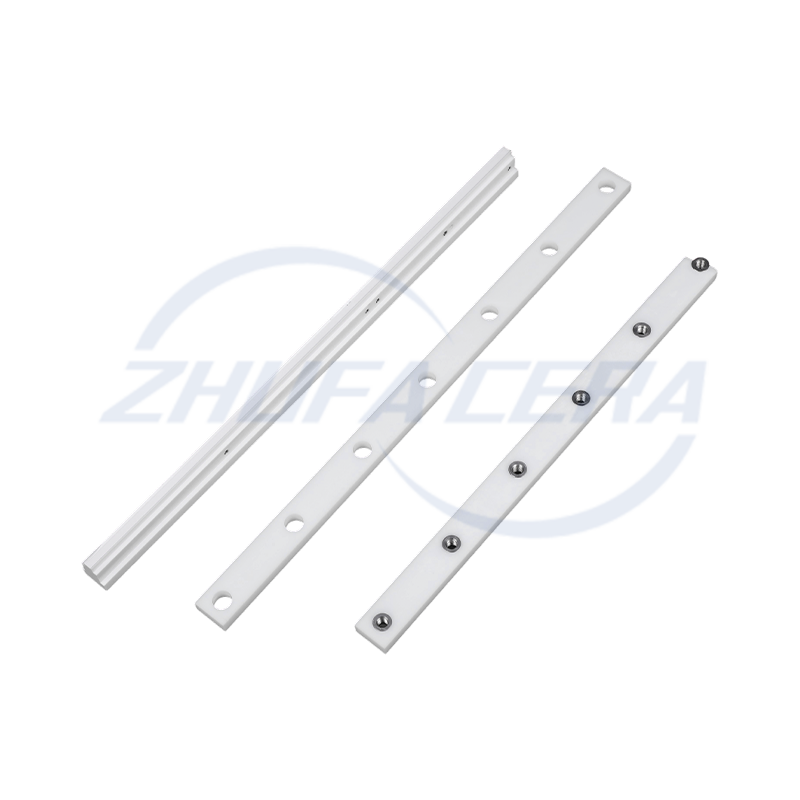
Zirconia Ceramic Guide Rail is a high-performance precision mechanical component made of zirconium oxide ceramic material. Its core characteristics are derived from the excellent physical and chemical...
See Details -
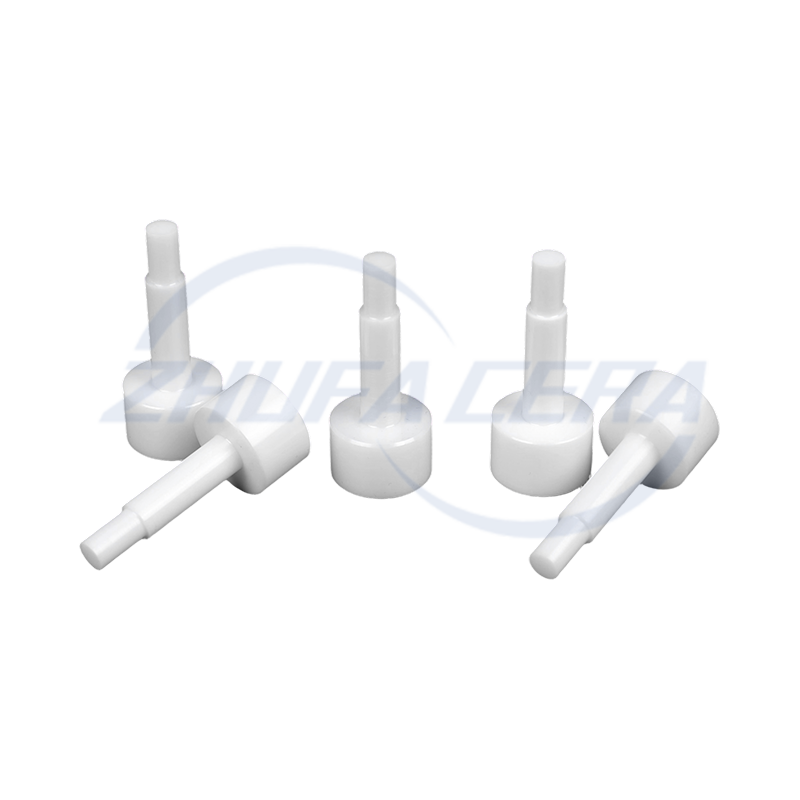
Zirconia Ceramic Locating Pin is a high-precision positioning element made of advanced zirconium oxide ceramic material with excellent physical and chemical properties. Its main characteristics includ...
See Details -
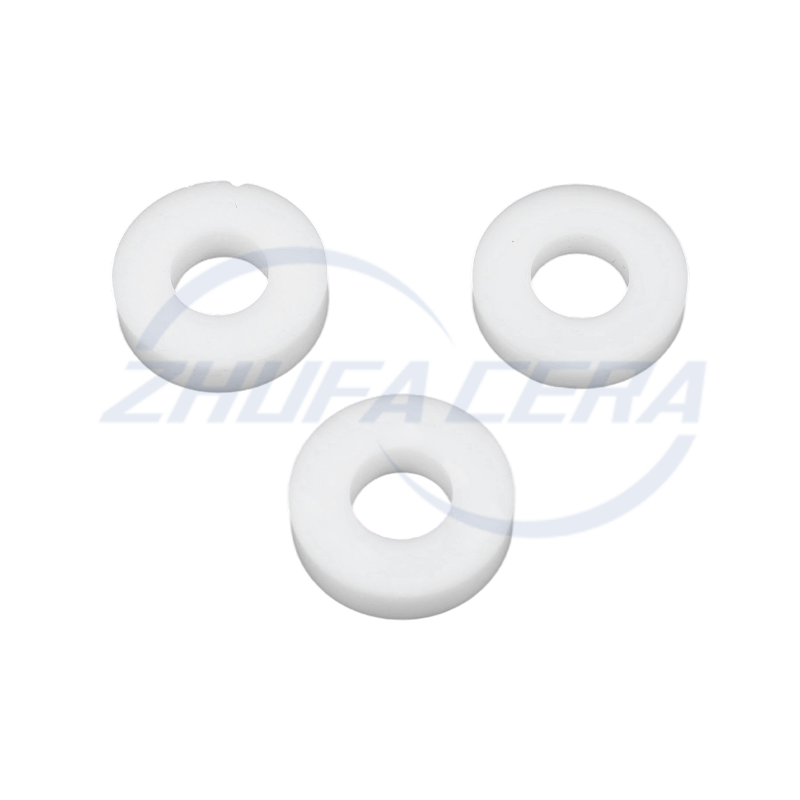
Zirconia Ceramic Ring is a high-performance ceramic product known for its excellent physical and chemical properties. It has extremely high hardness and strength, with a Mohs hardness of more than 8.5...
See Details -
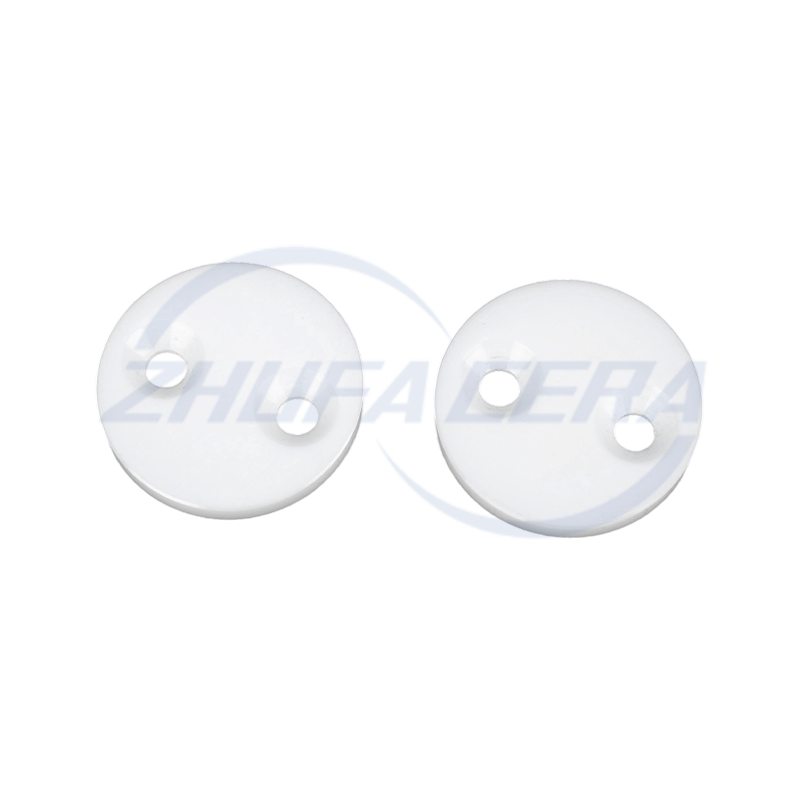
Zirconia ceramic sheets have become functional core components in various fields thanks to their unique properties. With a flexural strength of 900–1200 MPa and a fracture toughness of 6–10 MPa・m¹/², ...
See Details -

Zirconia Ceramic Strip is a strip material made of high-performance zirconium oxide ceramic with excellent physical and chemical properties. It has extremely high hardness and flexural strength, can e...
See Details -
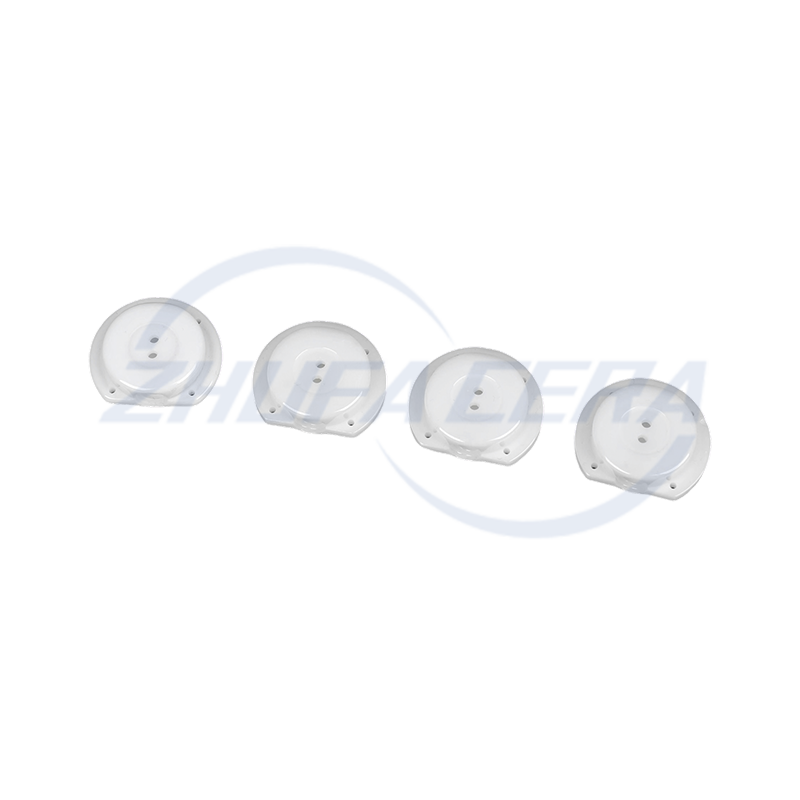
Zirconia ceramic wafers are representative products in the field of high-performance structural ceramics. Compared with traditional alumina ceramics or metal materials, its comprehensive performanc...
See Details -
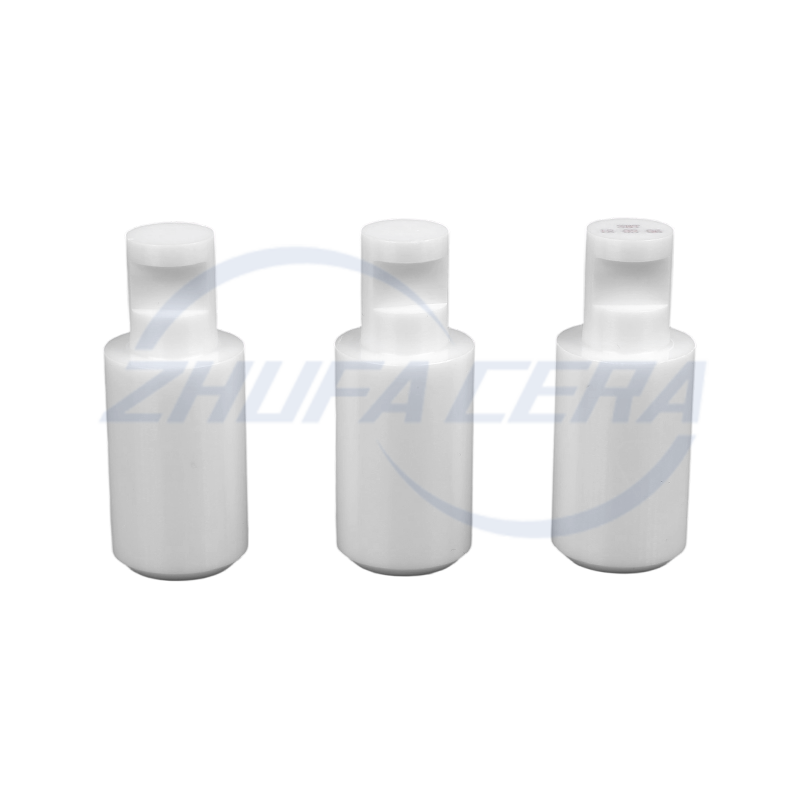
Zirconia Ceramic Plunger is a high-performance component designed for harsh industrial environments. Compared with similar ceramic or metal plunger products, it stands out with its unique material adv...
See Details


-
Quick Links
Home Products About Us Services Technology News Contact Us -
Products
Ceramic Structural Parts Zirconia Ceramics Alumina Ceramics ZTA Ceramics Silicon Nitride Ceramics Silicon Carbide Ceramics Ceramic Injection Molded Parts -
About Us
Factory Tour Honor FAQ -
Contact info
+86-188 8878 5188zf@zfcera.comNo. 1, Xinggong Road, Anchang Industrial Park, Keqiao District, Shaoxing City, Zhejiang Province, China -
WhatsApp

Copyright © Zhejiang Zhufa Precision Ceramics Technology Co., Ltd. All Rights Reserved.
China precision ceramics manufacturer
wholesale precision ceramics supplier
