

 中文简体
中文简体 русский
 Español
 عربى
عربى Português
 日本語
日本語 한국어
한국어


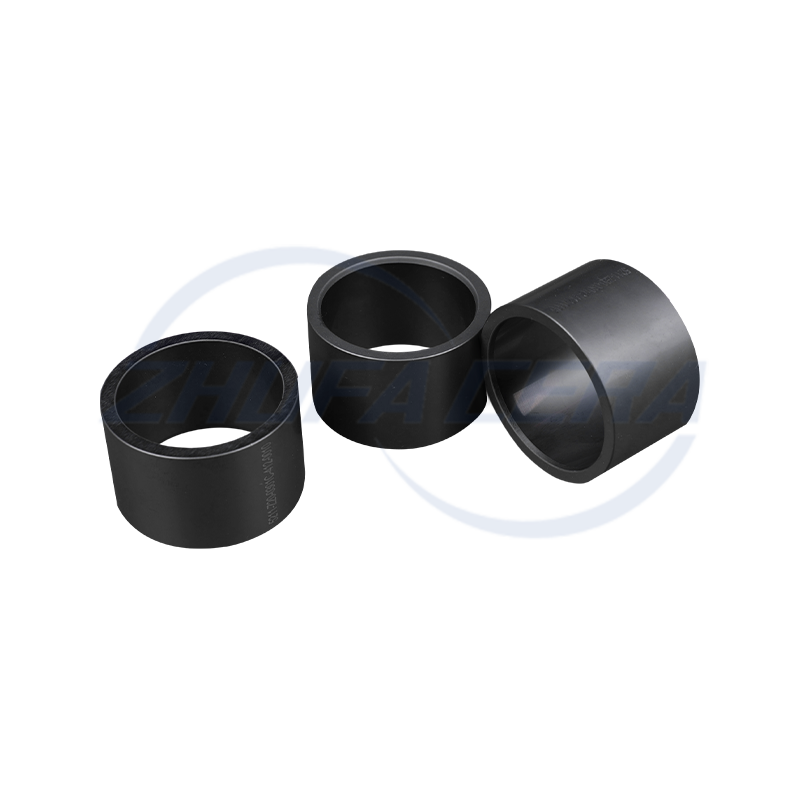
Black silicon carbide ceramic ring is a high-performance engineered ceramic assembly made of high-purity silicon carbide by precision molding and high temperature sintering. Its quadrangular crystal s...
See Details
FOLLOW US :


 Email: zf@zfcera.com
 Telephone: +86-188 8878 5188

Don’t want to spend tens of thousands on molding for a new R&D project? Let’s talk about the “moldless rapid prototyping” technology of special ceramics
2026-05-26
Content
In the research and development stage of new special ceramic products, mold opening often costs tens of thousands of yuan and takes several weeks, which often becomes a hurdle for engineers. Tao " high wall " . If the product design still requires later iterations, the early mold fees will most likely be wasted. In order to solve this pain point, the field of special ceramics has vigorously promoted " None Mold quick prototyping " technology. This can not only help companies save a lot of mold opening costs, but also shorten the development cycle from weeks to days. At present, the mainstream and mature mold-less proofing solutions in the industry are mainly divided into " Additive Manufacturing ( 3D Print) " with " Subtractive manufacturing ( Precision machining) " Two major schools.
School One: Special Ceramics 3D Print
3D Printing is real " No mold " technology through computers CAD The model directly drives the equipment and is stacked layer by layer. This is the only option for ceramic parts with extremely complex structures, internal hollow dimples, flow channels or topologically optimized structures. Current industrial grade special ceramics 3D There are two main mainstream technologies for printing.
1. Light curing molding
Ceramic powder is mixed into photosensitive resin in a high proportion to prepare ceramic slurry. UV light is used to irradiate and cure layer by layer to form " Blank before degluing " , and finally undergoes high-temperature debinding and sintering.
• Advantages: The surface finish is extremely high, almost comparable to mold molding. High dimensional accuracy, usually up to ±0.05 mm , very suitable for making micro and precision ceramic parts.
• Applicable materials: alumina, zirconia, etc.
2. selective laser sintering
Solidified ceramic powder or powder mixed with a binder is directly scanned using a high-energy laser beam.
• Advantages: Fast production speed, suitable for manufacturing medium and large structural parts.
• Applicable materials: Silicon carbide, silicon nitride and other ceramic materials with extremely high covalent bond hardness and difficult to process with light curing.
School Two: Ceramic Green Body / Precision machining of cooked blanks
If the parts you are prototyping have relatively regular structures, such as porous plates, shafts, sleeves, flanges, etc., but have extremely high requirements on material performance (density, strength), then using existing standard blocks for machining is the fastest and lowest cost prototyping method. According to the location of the ceramic during processing " Status " , divided into two routes:
1. green body / Ceramic pre-sintered body (porcelain block) processing ——" Soft first and then hard "
After the ceramic powder is press-formed and before it undergoes the last step of high-temperature full sintering (at this time, the ceramic is like chalk, with low hardness and easy to cut), directly use a standard CNC machine tool ( CNC ) for turning, milling and drilling. • Advantages: fast processing speed, small tool wear, and very low cost.
• Difficulty: Due to the severe volume shrinkage of the green body during the subsequent high-temperature sintering process (usually the shrinkage rate is within 15% ~ 25% between), so it is necessary to rely on extremely accurate dimensional shrinkage enlargement calculations. If the manufacturer is inexperienced, the size of the sintered finished product can easily exceed tolerances.
2. Precision hard machining of cooked blanks (fully sintered ceramics) ——" head-on "
Directly take the standard special ceramic plates or rods that have been sintered at high temperature and completely densified, and use diamond tools, ultrasonic processing or laser engraving for fine material reduction. • Advantages: No sintering shrinkage problem, extremely high dimensional accuracy and geometric tolerance (up to micron level μm ), without any discount on material performance.
• Applicable scenarios: high-purity alumina, pressure-sintered silicon nitride, tough zirconia, etc. For a small amount of samples, just buy ready-made bar stock and let the master process it with a diamond grinding wheel. Usually, you can get the sample in a few days.
How to choose? " Tooling-Free Prototyping " Decision guide
In actual research and development, you can refer to the following vivid comparison dimension to determine which mold-less proofing technology is used:
|
Assessment Dimensions |
Ceramic 3D Print ( Additive ) |
green body CNC processing ( Pre-fired body material reduction ) |
Ripe billet finishing ( Fully sintered material reduction ) |
|
structural complexity |
( Extremely high, supports lumen flow channel ) |
( Medium, unable to process inner blind holes ) |
( Lower, suitable for regular geometry pieces ) |
|
Dimensional accuracy |
(±0.05 ~ 0.1mm) |
( Affected by sintering shrinkage, it is difficult to control ) |
( Extremely high, up to micron level ) |
|
Material mechanical properties |
( Density is slightly lower than traditional molds ) |
( with模具生产性能完全一致 ) |
( Best performance, isotropic ) |
|
Proofing delivery time |
3-7 day |
2-5 day |
2-4 day |
|
Mainstream adapting materials |
Zirconia, aluminum oxide |
Aluminum oxide, silicon nitride, processable ceramics |
Various commercial special ceramics |
|
Summary suggestions: • If your design contains complex Complex bionic structure and internal tortuous flow channels, the first choice 3D Print。 • If the parts are conventional sheet-shaped, shaft-shaped, or tubular-shaped, and the dimensional tolerance requirements are particularly strict, it is the fastest to go directly to a manufacturer with special porcelain processing capabilities for hard machining of cooked blanks. • If the product is planned to be produced in large quantities in the future, currently I just want to Low-cost verification structure, you can try green body CNC Processing, because the powder it uses and the subsequent sintering process are closest to future mass production. |
Related products
-
-
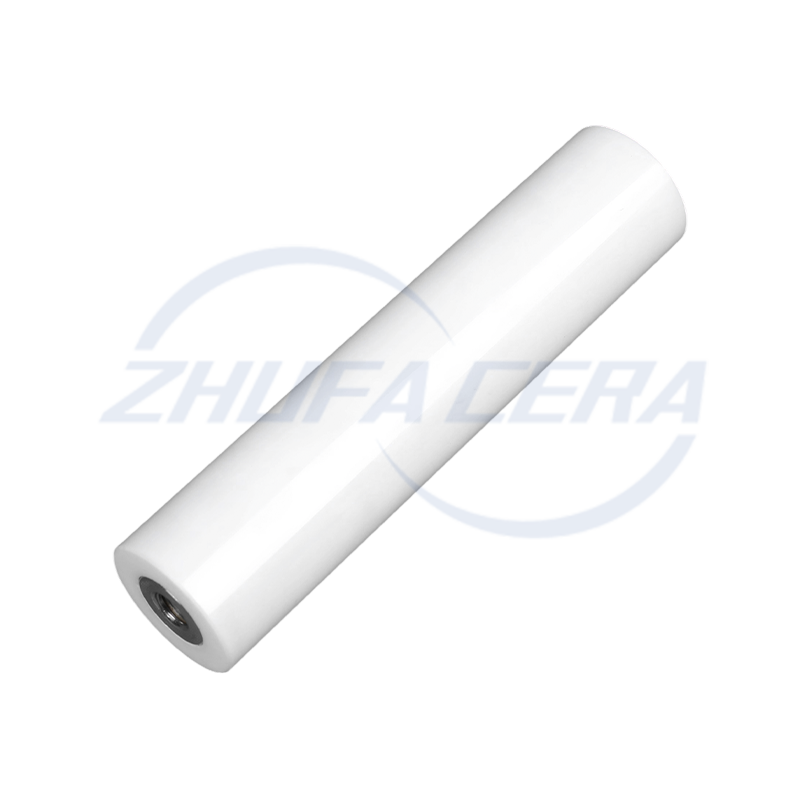
Zirconia Ceramic Rod is a high-performance ceramic material rod, mainly made of zirconium oxide, with excellent mechanical strength and chemical stability. It exhibits extremely high hardness and wear...
See Details -
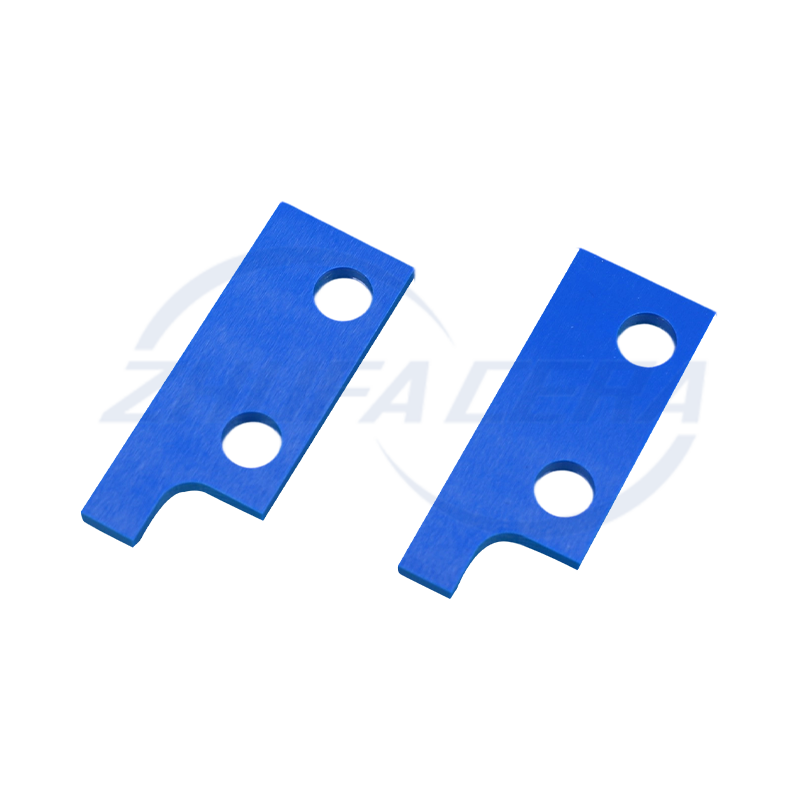
Blue zirconia ceramic sheets are precision components made of advanced zirconia ceramics. They are stained with cobalt, iron or copper to form a blue color. This color not only serves as a visual i...
See Details -
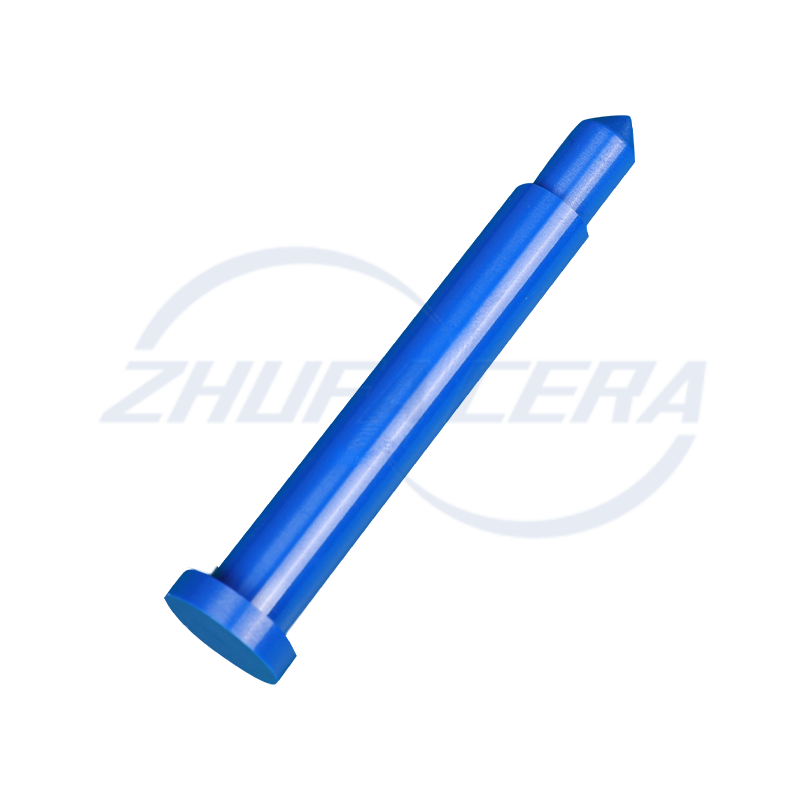
This blue zirconia ceramic pin is made of advanced zirconia ceramic material, providing excellent durability and performance. Zirconia ceramics are known for their high strength, good wear resistan...
See Details -

Zirconia Ceramic Gear is made of zirconium oxide ceramic material, which has excellent high strength and high hardness. This material property enables it to effectively resist wear during the transmis...
See Details -
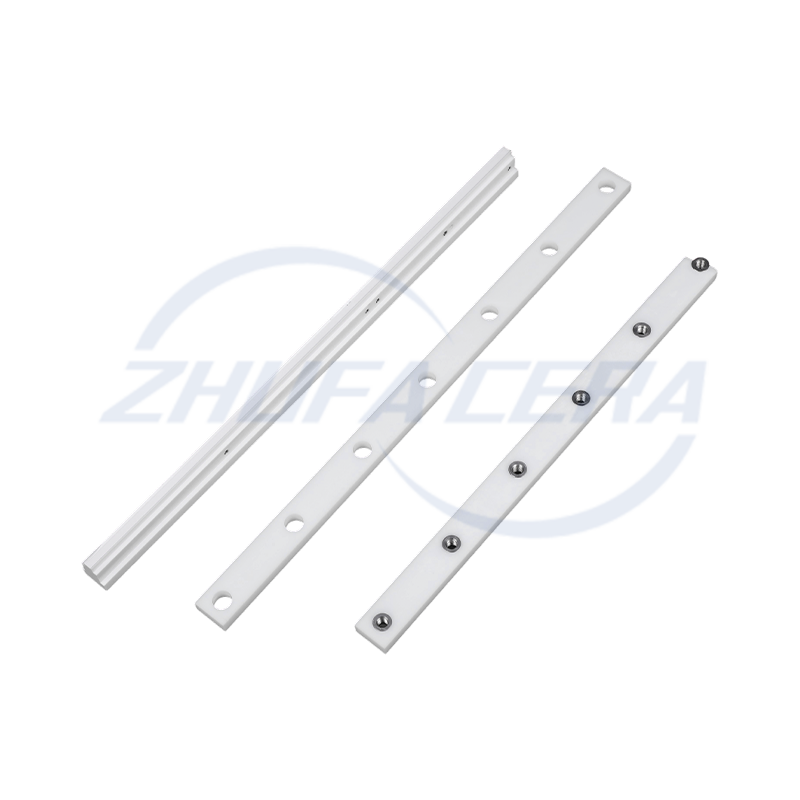
Zirconia Ceramic Guide Rail is a high-performance precision mechanical component made of zirconium oxide ceramic material. Its core characteristics are derived from the excellent physical and chemical...
See Details -
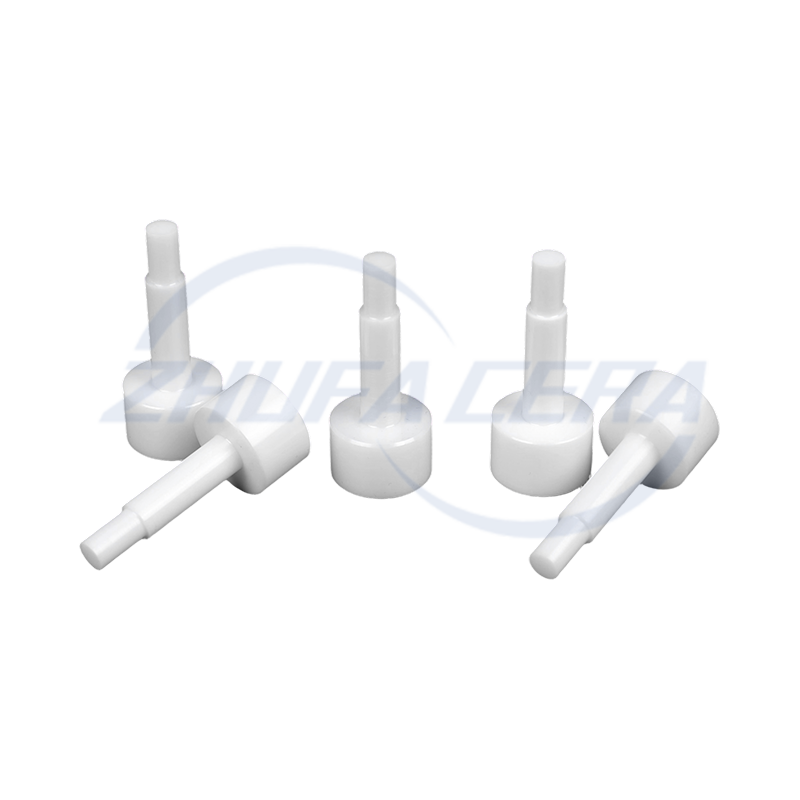
Zirconia Ceramic Locating Pin is a high-precision positioning element made of advanced zirconium oxide ceramic material with excellent physical and chemical properties. Its main characteristics includ...
See Details -
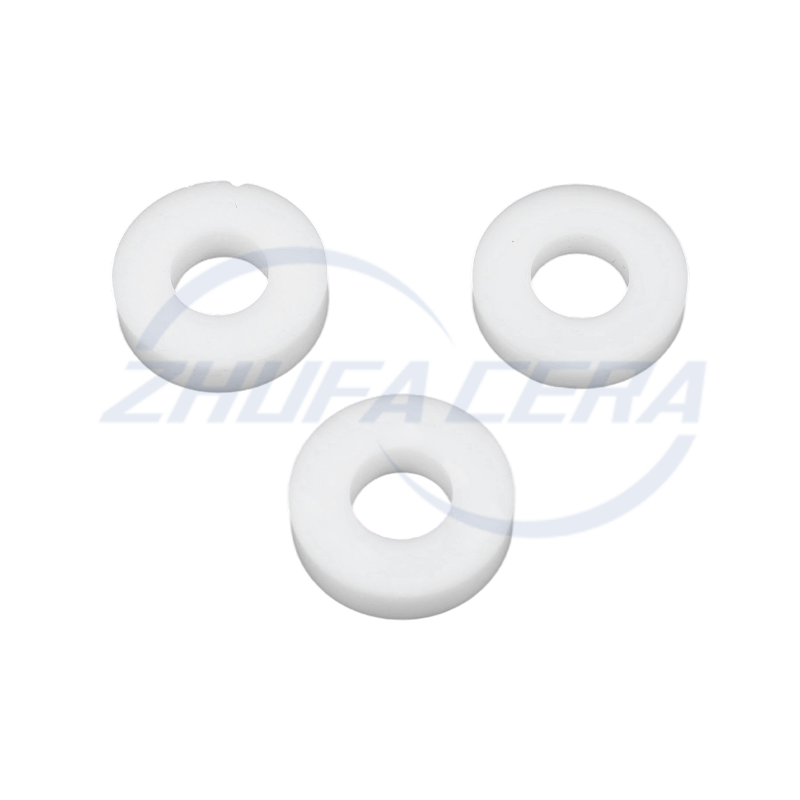
Zirconia Ceramic Ring is a high-performance ceramic product known for its excellent physical and chemical properties. It has extremely high hardness and strength, with a Mohs hardness of more than 8.5...
See Details -
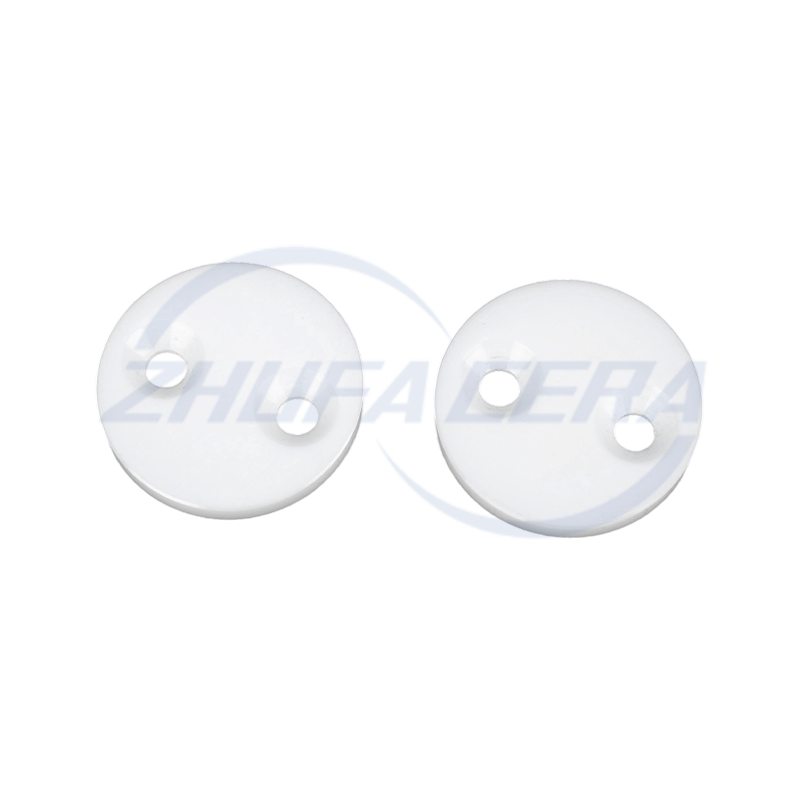
Zirconia ceramic sheets have become functional core components in various fields thanks to their unique properties. With a flexural strength of 900–1200 MPa and a fracture toughness of 6–10 MPa・m¹/², ...
See Details -
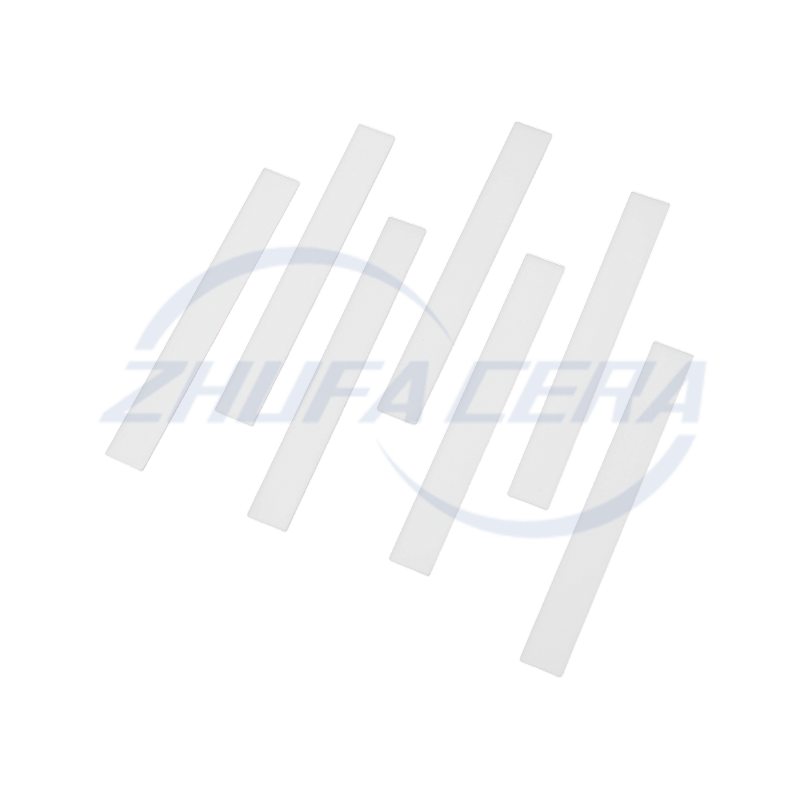
Zirconia Ceramic Strip is a strip material made of high-performance zirconium oxide ceramic with excellent physical and chemical properties. It has extremely high hardness and flexural strength, can e...
See Details -
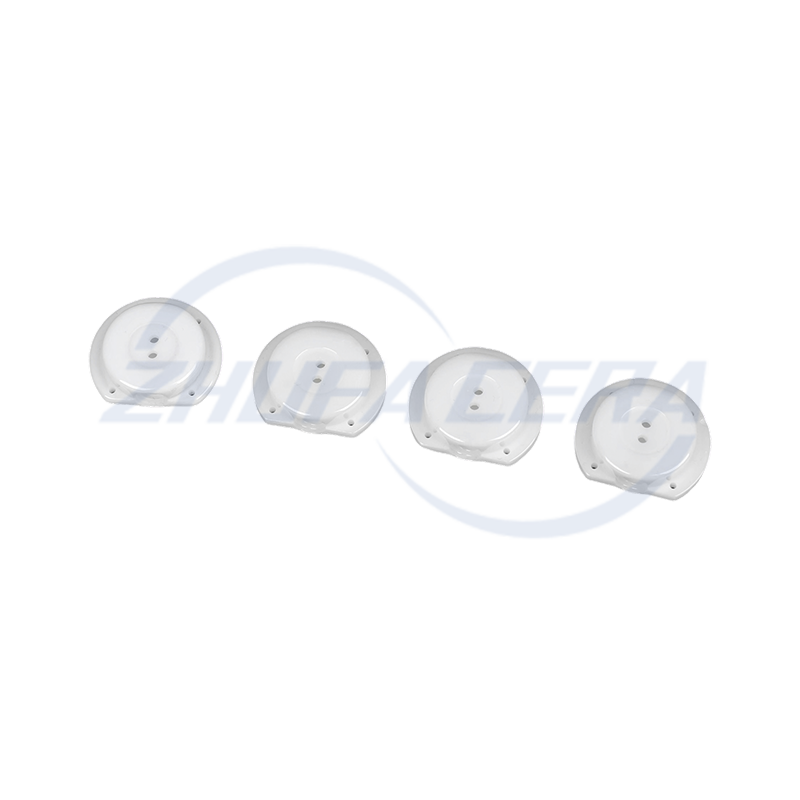
Zirconia ceramic wafers are representative products in the field of high-performance structural ceramics. Compared with traditional alumina ceramics or metal materials, its comprehensive performanc...
See Details -
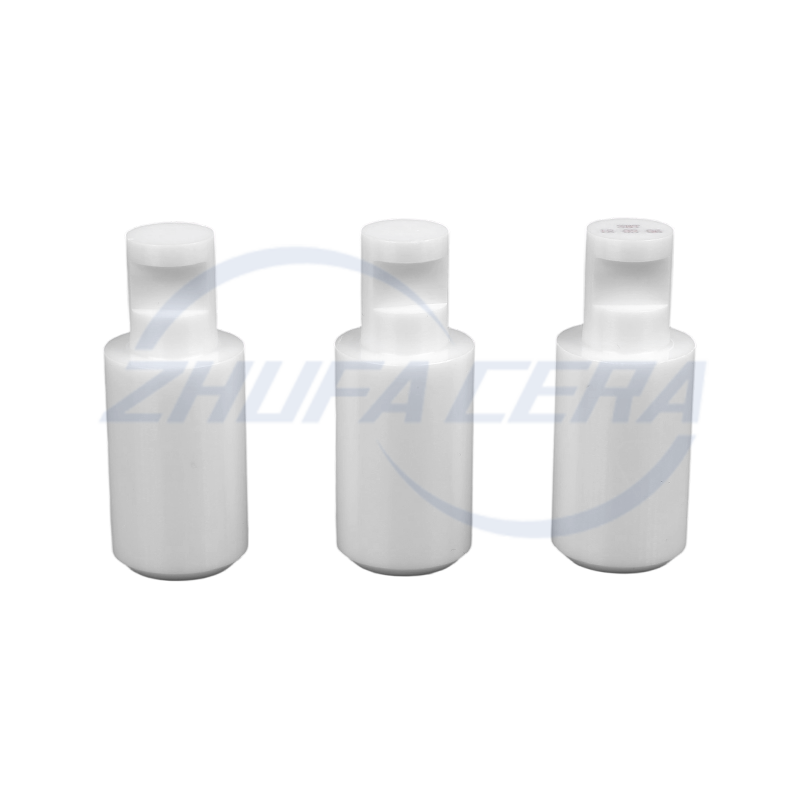
Zirconia Ceramic Plunger is a high-performance component designed for harsh industrial environments. Compared with similar ceramic or metal plunger products, it stands out with its unique material adv...
See Details


-
Quick Links
Home Products About Us Services Technology News Contact Us -
Products
Ceramic Structural Parts Zirconia Ceramics Alumina Ceramics ZTA Ceramics Silicon Nitride Ceramics Silicon Carbide Ceramics Ceramic Injection Molded Parts -
About Us
Factory Tour Honor FAQ -
Contact info
+86-188 8878 5188zf@zfcera.comNo. 1, Xinggong Road, Anchang Industrial Park, Keqiao District, Shaoxing City, Zhejiang Province, China -
WhatsApp

Copyright © Zhejiang Zhufa Precision Ceramics Technology Co., Ltd. All Rights Reserved.
China precision ceramics manufacturer
wholesale precision ceramics supplier
