

 中文简体
中文简体 русский
 Español
 عربى
عربى Português
 日本語
日本語 한국어
한국어
Black silicon carbide ceramic ring is a high-performance engineered ceramic assembly made of high-purity silicon carbide by precision molding and high temperature sintering. Its quadrangular crystal s...
See Details
FOLLOW US :


 Email: zf@zfcera.com
 Telephone: +86-188 8878 5188

How the zirconia ceramic valve core solves the ultimate solution to electrolyte leakage in lithium battery injection pumps | Zhejiang Zhufa Precision Ceramics
2026-08-03
In the large-scale manufacturing of modern lithium-ion batteries, the electrolyte injection process directly determines the final electrochemical performance of the battery, product consistency, and the crucial safety bottom line. This not only puts forward extremely high requirements for precise measurement control of liquid injection equipment, but also poses severe challenges to the long-term stability of its core components. In actual high-load production, the lithium hexafluorophosphate and various highly polar organic solvents contained in the lithium battery electrolyte are extremely corrosive. Under long-term high-frequency, high-precision reciprocating operation of traditional metal fluid transport components, it is easy to create tiny gaps due to electrochemical corrosion and mechanical wear, which in turn causes the headache of electrolyte dripping. This not only leads to unnecessary loss of expensive raw materials and frequent equipment shutdowns for maintenance, but may also pollute the workshop environment due to electrolyte volatilization, causing serious safety hazards, and ultimately dragging down the yield rate of the overall production line.
To fundamentally bridge this technological gap, traditional metal surface treatment or coating processes have become insufficient. The introduction of zirconia structure ceramic valve core has brought a revolution in materials science to the core fluid control components of the liquid injection pump. As a representative of advanced structural ceramics, zirconia is known as "ceramic steel" in the industry. It not only has fracture toughness and flexural strength that far exceeds that of conventional ceramics with the support of phase change toughening mechanism, but also has unparalleled chemical inertness. When in long-term direct contact with strong acids, strong alkali and highly corrosive battery electrolytes, zirconia ceramics will not dissolve, oxidize or react chemically, completely cutting off the risk of corrosion-induced structural failure from both physical and chemical sources.
1. Zirconia ceramic valve Core performance and material analysis
In the field of precision fluid control, the valve core is a core part that can withstand high-frequency shear, friction and chemical erosion, and its material selection is crucial. Why did the industry finally focus on and highly trust zirconia ceramics under the fierce working conditions of lithium-ion injection pumps? We can find the answer from its hard-core material performance.
- Unique microscopic material and phase change toughening mechanism: Zirconia ceramics have a unique crystal phase structure (such as partially stabilized zirconia PSZ). When the material is subjected to external force and microcracks expand, the stress concentration will induce a local crystal phase transformation (the tetragonal phase transforms into a monoclinic phase), and the accompanying volume expansion will squeeze and close the cracks, thus demonstrating extremely high fracture toughness and impact resistance. This completely changes people's stereotype of traditional ceramics as "brittle and easy to collapse."
Zhufa precision ceramic material performance table
- Extremely resistant to acid, alkali and chemical attack: Facing the highly corrosive lithium salt in the electrolyte, zirconium oxide has almost inert chemical stability and will not cause ion precipitation to pollute the electrolyte like metals.
- Ultra-high wear resistance and self-lubricating properties: Mohs hardness is second only to diamond and silicon carbide, and its extremely low friction coefficient enables it to maintain a nanometer-level sealing surface smoothness during high-frequency reciprocating motions dozens of times per minute.
- Micron level thermal stability: The coefficient of linear expansion matches that of some metals and is not prone to thermal deformation when friction and heat are generated during high-speed operation, ensuring the weight accuracy of long-term liquid injection.
2. Valve core material multi-dimensional comparison of competing products
In order to more clearly demonstrate the overwhelming advantages of zirconia ceramics in the application of lithium-ion liquid injection pumps, the following table makes a horizontal and multi-dimensional comparison between traditional metal valve cores, alumina ceramic valve cores and Chihfa precision zirconia ceramic valve cores:
| Compare dimensions | Traditional metal valve core (Stainless Steel/Hastelloy) | Traditional alumina Ceramic valve core | Zirconia ceramic valve core |
| Resistant to electrolyte corrosion | Poor: Long-term exposure to lithium hexafluorophosphate is prone to pitting corrosion and dissolution. | Good: Good chemical stability, but slightly inferior in resistance to specific strong acids and alkalis. | Excellent: fully chemically inert, perfectly resistant to electrolyte corrosion. |
| Fracture toughness and impact resistance | High: ductile, but susceptible to microscopic scratches due to mechanical fatigue. | Low: The texture is brittle and prone to cracking when faced with high-frequency reciprocating impacts. | Extremely high: Thanks to phase change toughening, it has excellent impact and vibration resistance. |
| Seal life | Short: Wear quickly and require frequent replacement of seals and valve cores. | Medium: Wear-resistant but not tough enough, and there is a risk of cracking under high pressure. | Long: True roundness and smoothness are maintained for a long time, achieving long-term zero leakage. |
3. Congratulations Precision empowered by material technology
In response to the core pain point of electrolyte dripping, the zirconia ceramic valve core has achieved true "long-term zero leakage" by virtue of its extreme material hardness and ultra-high surface processing accuracy. In the high-frequency and high-speed injection cycle peeling friction, the metal valve core often suffers from scratches and scratches due to metal fatigue and abrasive wear at the micro level, destroying the original sealing interface. The surface roughness and roundness of extremely high-density zirconia ceramic parts, combined with modern precision centerless grinding and nano-level grinding and polishing processes, can reach extremely high process limits. This means that an extremely tight mirror fit can be formed between the ceramic valve core and the ceramic valve sleeve. There is no need to rely on rubber seals that are prone to aging. Only the physical self-lubricating properties of the material itself and the extremely narrow gap can ensure the precise measurement and absolute sealing of each micro-injection. Micron-level sealing surface accuracy can still be maintained even after tens of millions of cycles. 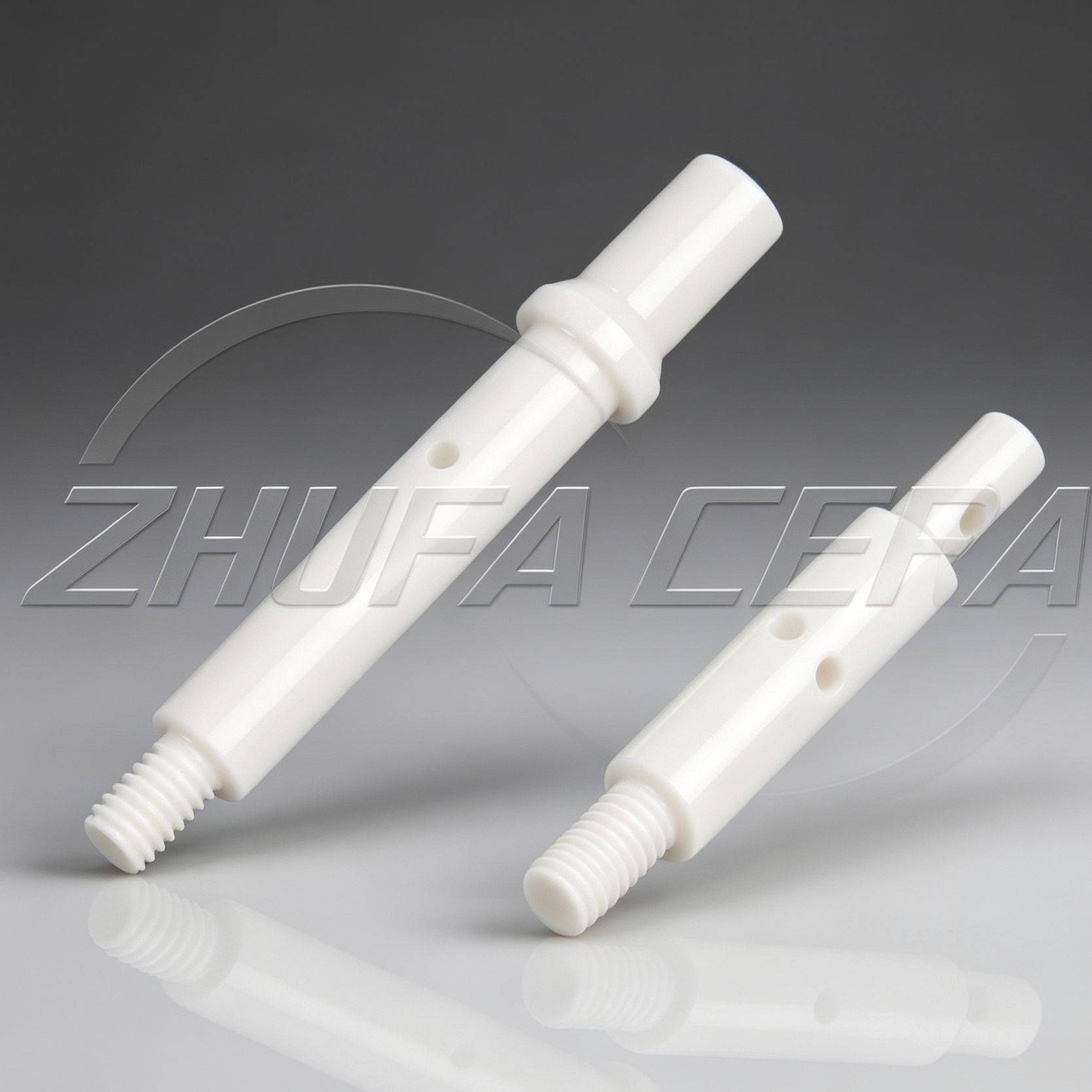
For modern lithium battery equipment manufacturers and battery manufacturers that pursue extreme cost reduction, efficiency improvement and intelligent manufacturing, the use of high-quality zirconia ceramic valve cores is not just a simple replacement of consumables, but a key strategy to improve the reliability of core equipment and build a green and safe production barrier. It greatly extends the trouble-free continuous operation time (MTBF) of the liquid injection pump, freeing enterprises from the inefficient operation and maintenance of frequent procurement of seals and shutdown to replace valve cores, thereby maximizing production capacity potential.
As a professional intelligent manufacturer deeply involved in the field of advanced ceramic materials, Zhejiang 祝 Fa Precision Ceramics has always been committed to providing high-precision structural ceramic solutions for the new energy industry. Relying on rigorous powder molding technology and cutting-edge precision machining capabilities, Zhufa Ceramics' tailor-made zirconia injection pump valve core not only reaches the international advanced level in terms of dimensional consistency and micro-finishness, but has also undergone rigorous machine verification by many leading lithium battery equipment manufacturers. Empowering lithium battery equipment with material technology, it completely overcomes the stubborn dripping problem and makes every injection accurate.
Related products
-
-
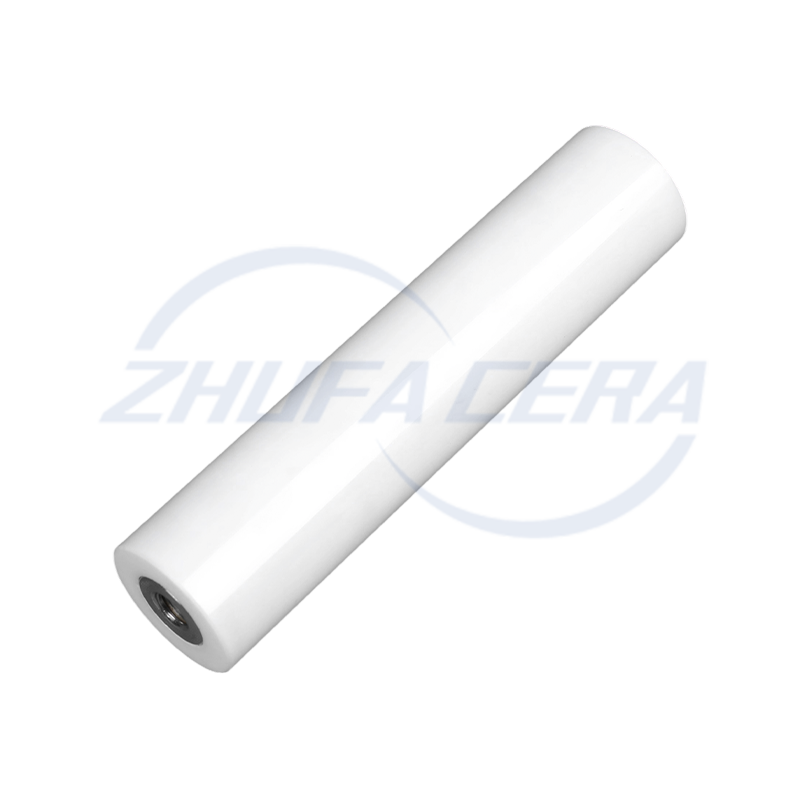
Zirconia Ceramic Rod is a high-performance ceramic material rod, mainly made of zirconium oxide, with excellent mechanical strength and chemical stability. It exhibits extremely high hardness and wear...
See Details -
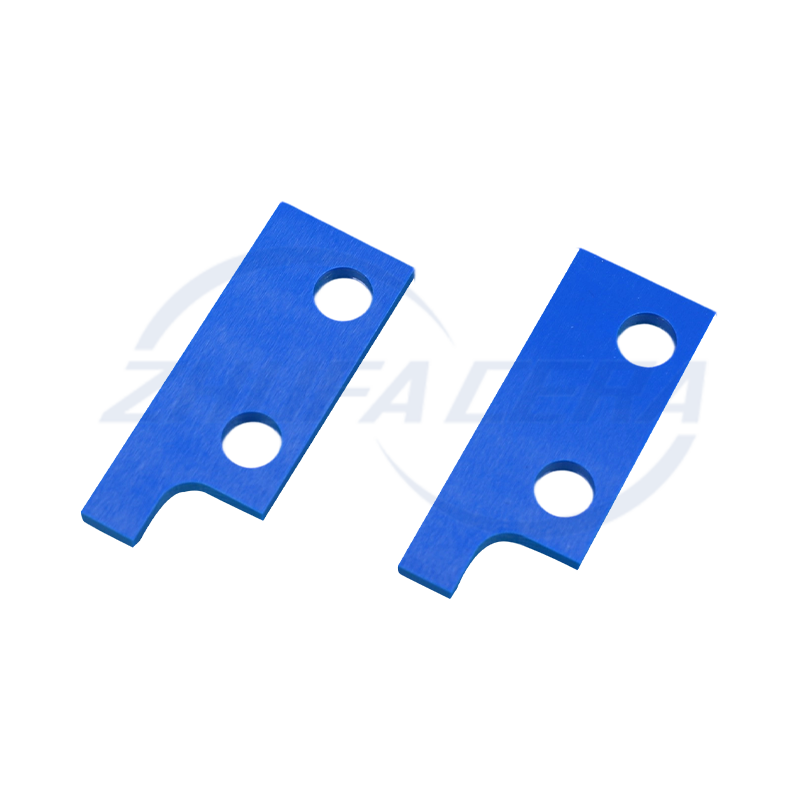
Blue zirconia ceramic sheets are precision components made of advanced zirconia ceramics. They are stained with cobalt, iron or copper to form a blue color. This color not only serves as a visual i...
See Details -

This blue zirconia ceramic pin is made of advanced zirconia ceramic material, providing excellent durability and performance. Zirconia ceramics are known for their high strength, good wear resistan...
See Details -

Zirconia Ceramic Gear is made of zirconium oxide ceramic material, which has excellent high strength and high hardness. This material property enables it to effectively resist wear during the transmis...
See Details -
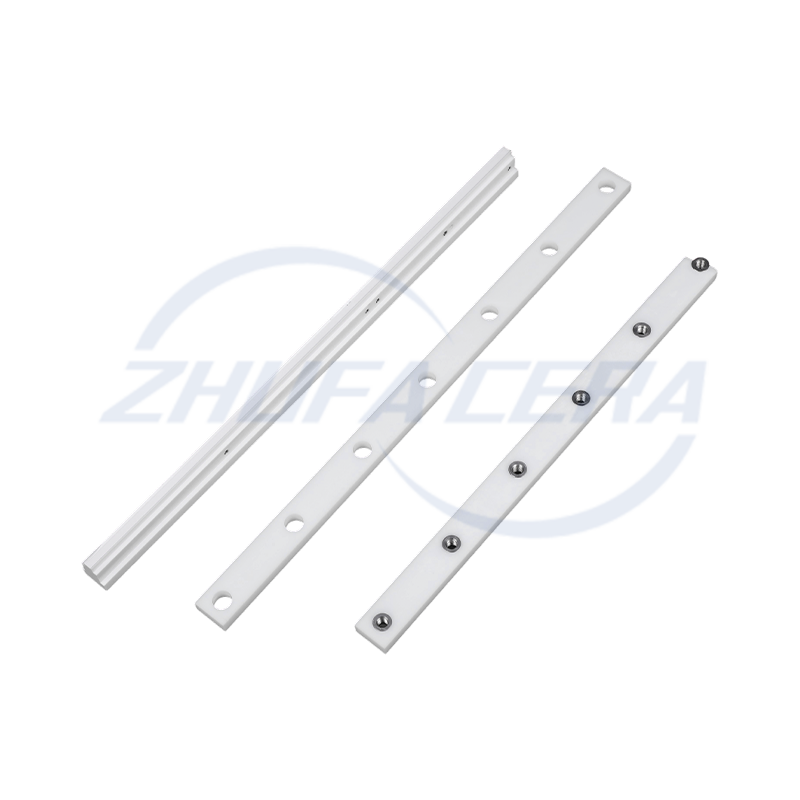
Zirconia Ceramic Guide Rail is a high-performance precision mechanical component made of zirconium oxide ceramic material. Its core characteristics are derived from the excellent physical and chemical...
See Details -
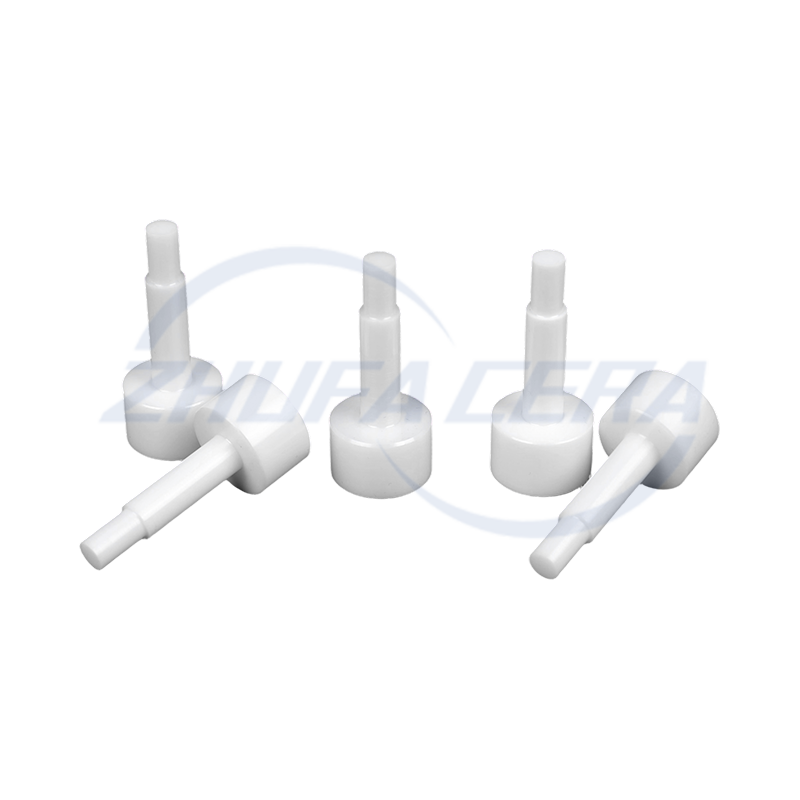
Zirconia Ceramic Locating Pin is a high-precision positioning element made of advanced zirconium oxide ceramic material with excellent physical and chemical properties. Its main characteristics includ...
See Details -
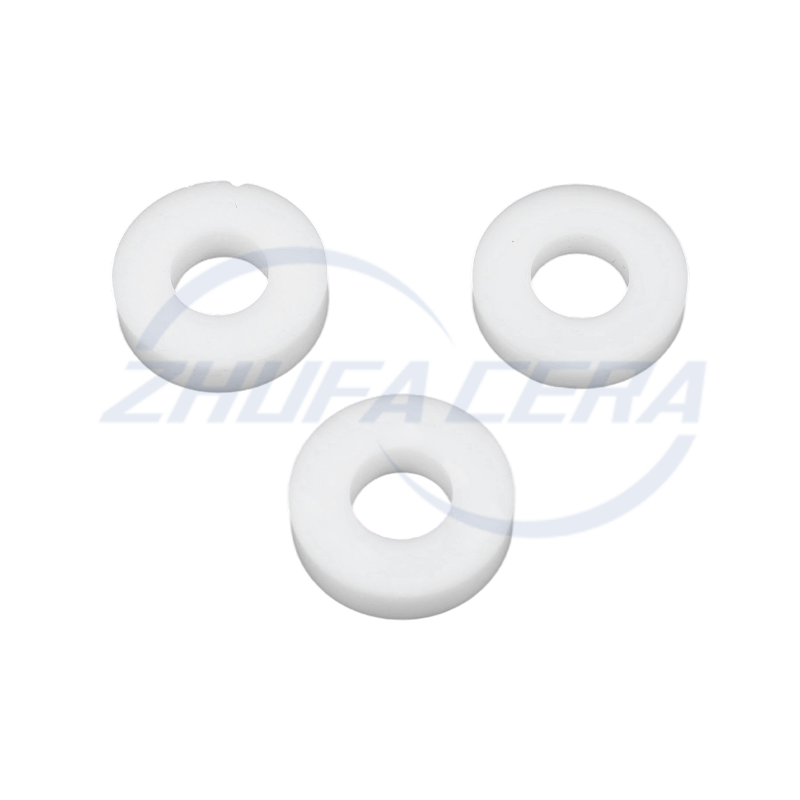
Zirconia Ceramic Ring is a high-performance ceramic product known for its excellent physical and chemical properties. It has extremely high hardness and strength, with a Mohs hardness of more than 8.5...
See Details -
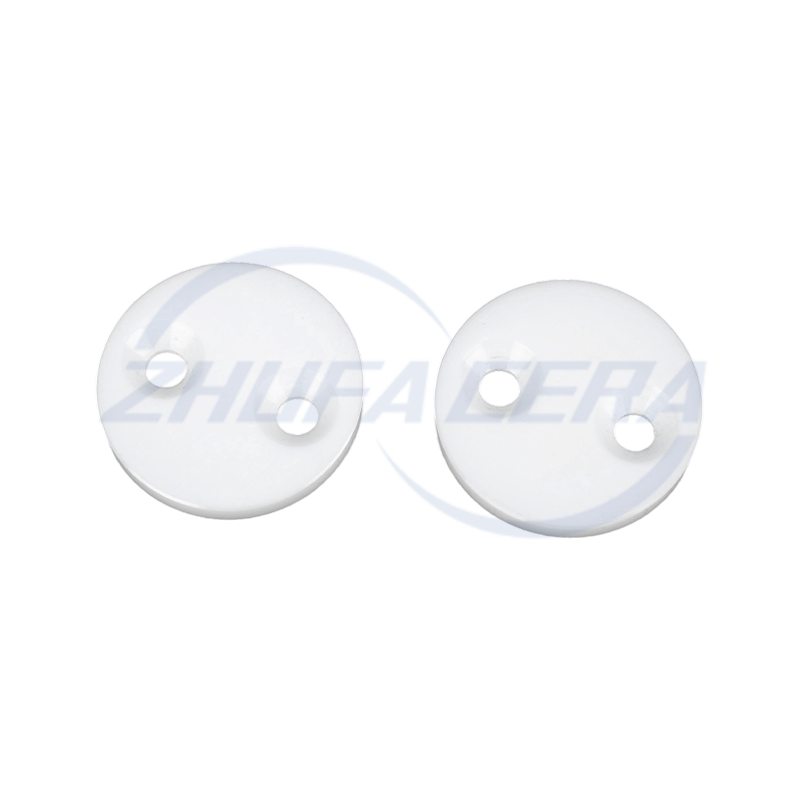
Zirconia ceramic sheets have become functional core components in various fields thanks to their unique properties. With a flexural strength of 900–1200 MPa and a fracture toughness of 6–10 MPa・m¹/², ...
See Details -

Zirconia Ceramic Strip is a strip material made of high-performance zirconium oxide ceramic with excellent physical and chemical properties. It has extremely high hardness and flexural strength, can e...
See Details -
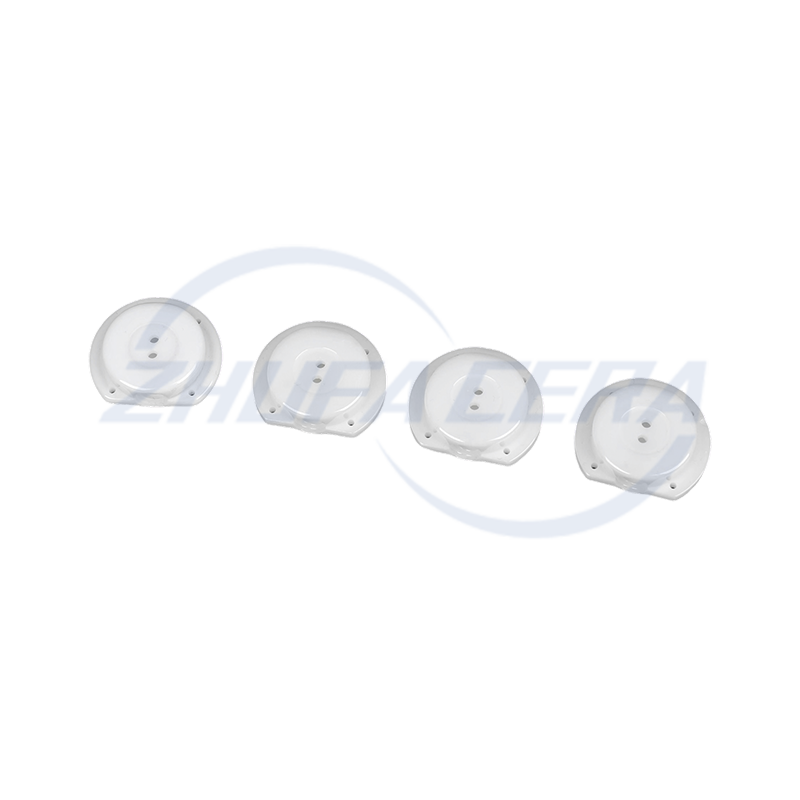
Zirconia ceramic wafers are representative products in the field of high-performance structural ceramics. Compared with traditional alumina ceramics or metal materials, its comprehensive performanc...
See Details -
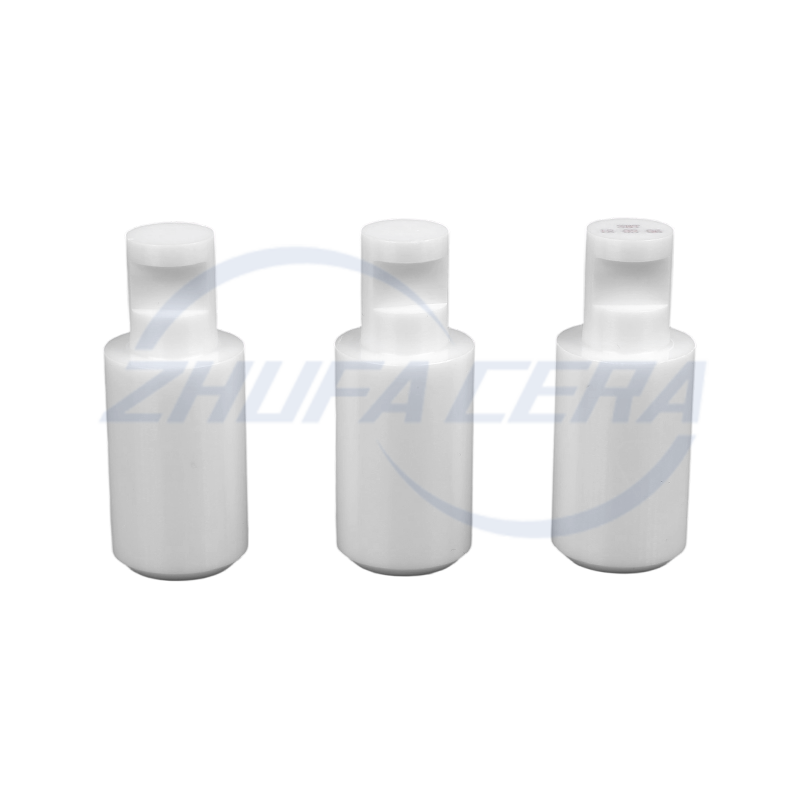
Zirconia Ceramic Plunger is a high-performance component designed for harsh industrial environments. Compared with similar ceramic or metal plunger products, it stands out with its unique material adv...
See Details


-
Quick Links
Home Products About Us Services Technology News Contact Us -
Products
Ceramic Structural Parts Zirconia Ceramics Alumina Ceramics ZTA Ceramics Silicon Nitride Ceramics Silicon Carbide Ceramics Ceramic Injection Molded Parts -
About Us
Factory Tour Honor FAQ -
Contact info
+86-188 8878 5188zf@zfcera.comNo. 1, Xinggong Road, Anchang Industrial Park, Keqiao District, Shaoxing City, Zhejiang Province, China -
WhatsApp

Copyright © Zhejiang Zhufa Precision Ceramics Technology Co., Ltd. All Rights Reserved.
China precision ceramics manufacturer
wholesale precision ceramics supplier
