FOLLOW US :


 Email: zf@zfcera.com
 Telephone: +86-188 8878 5188


 中文简体
中文简体 русский
 Español
 عربى
عربى Português
 日本語
日本語 한국어
한국어

ZTA Ceramics Manufacturers
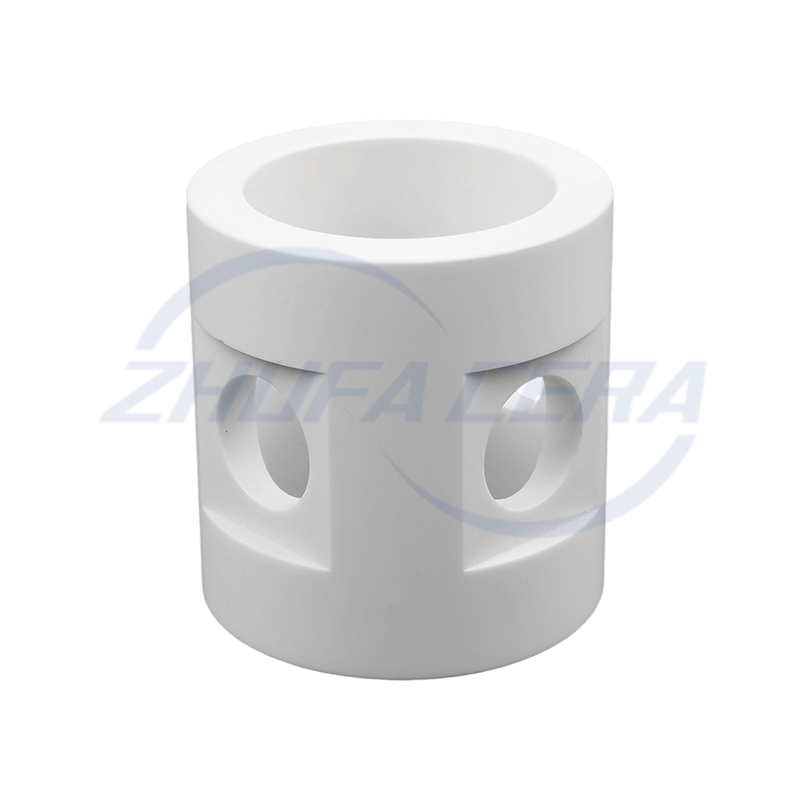
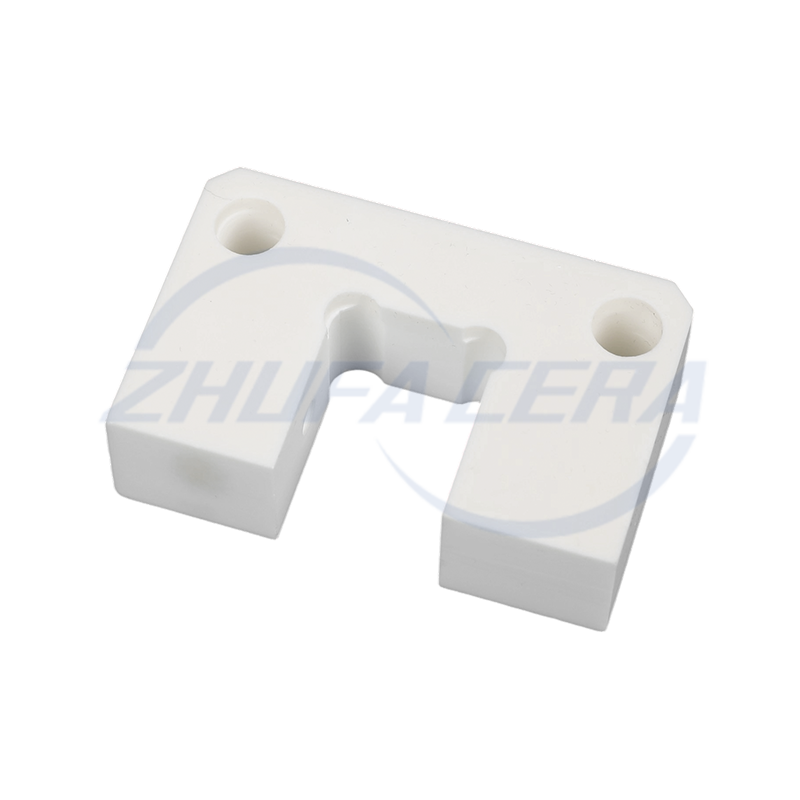
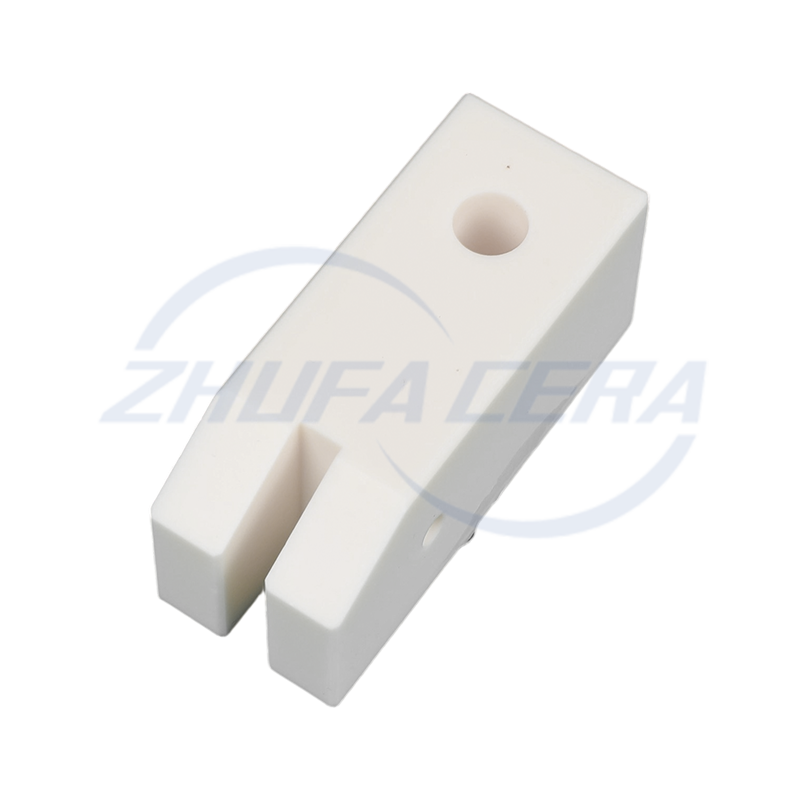
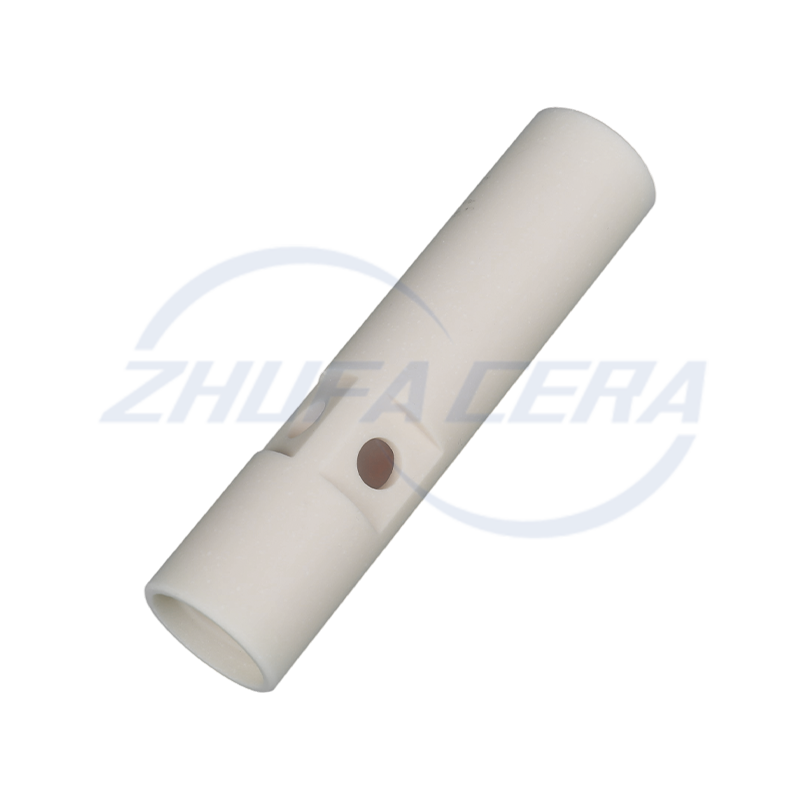
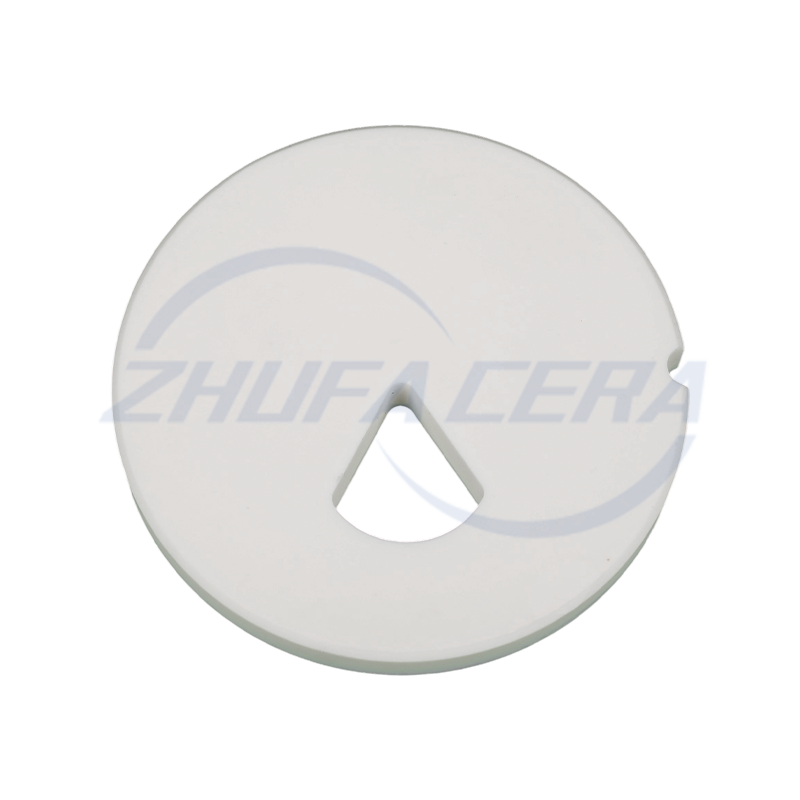
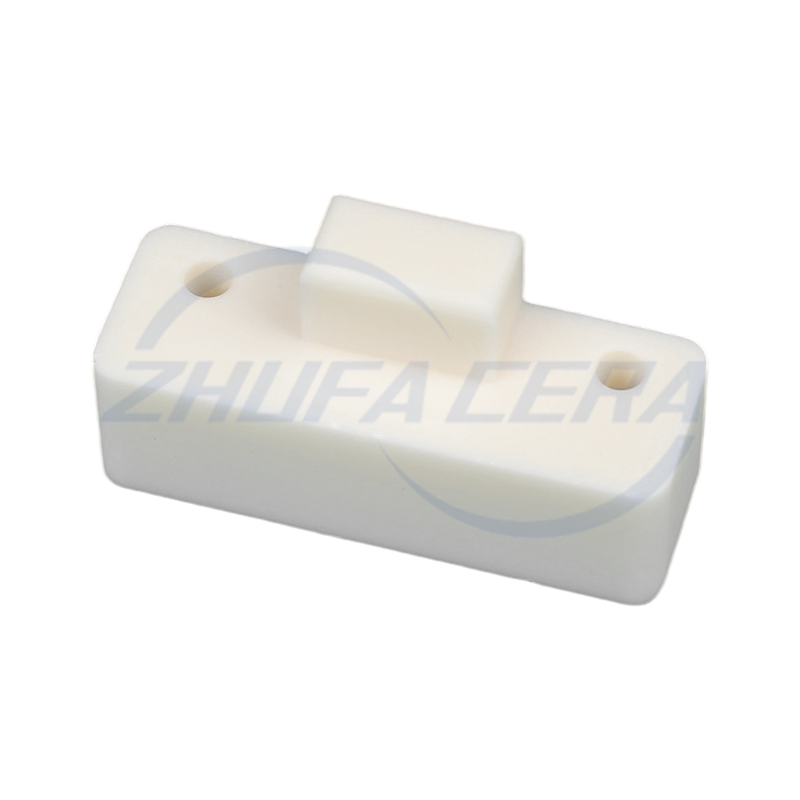
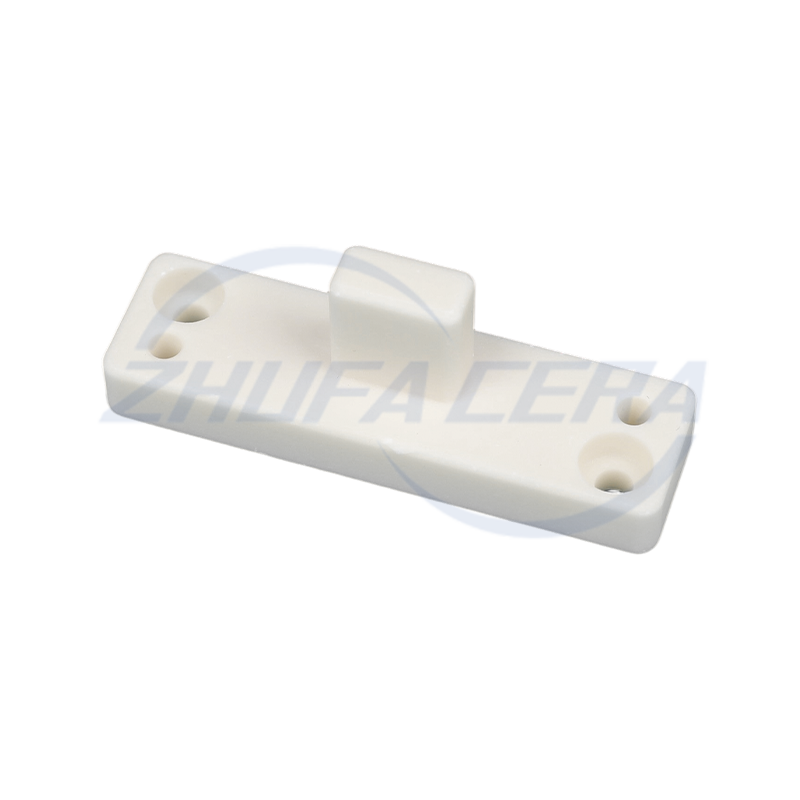
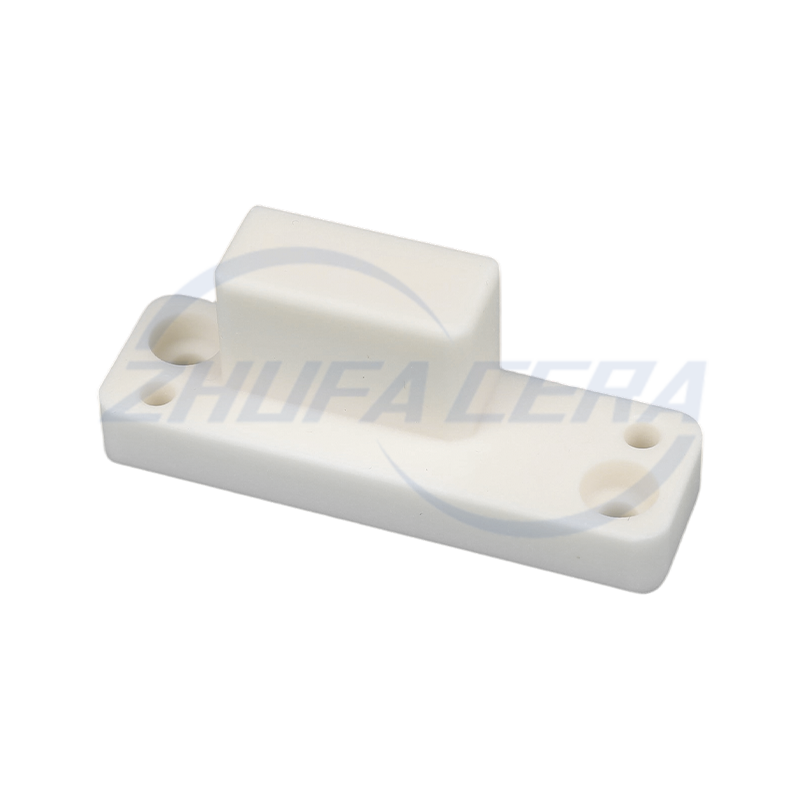
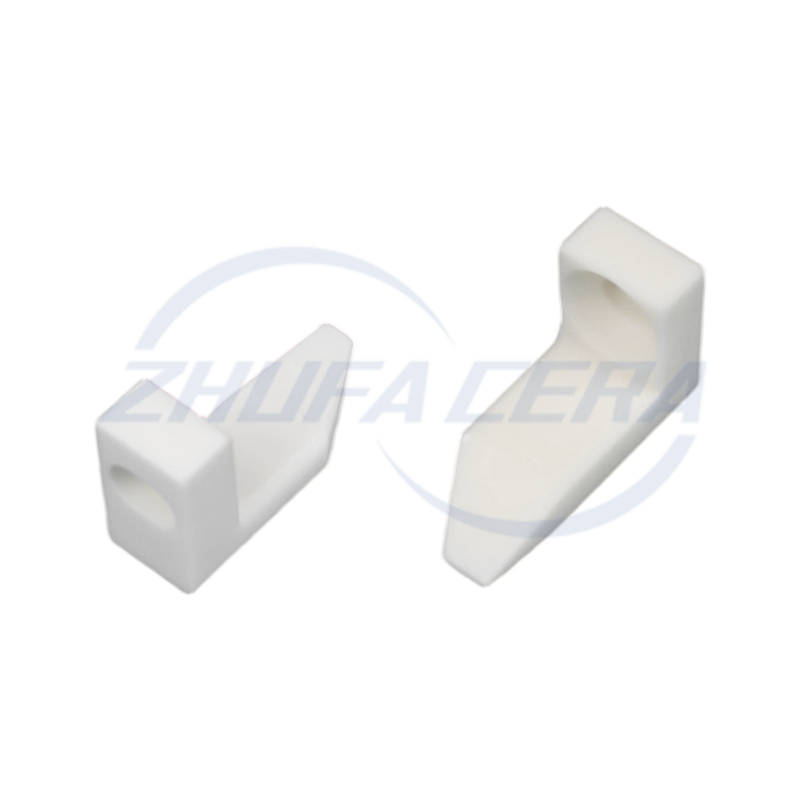
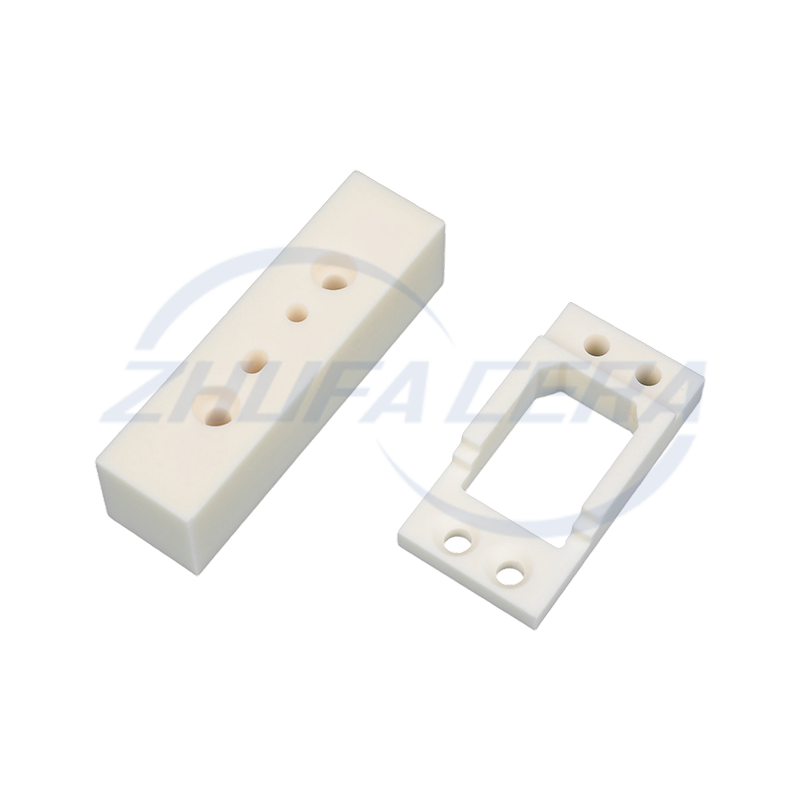
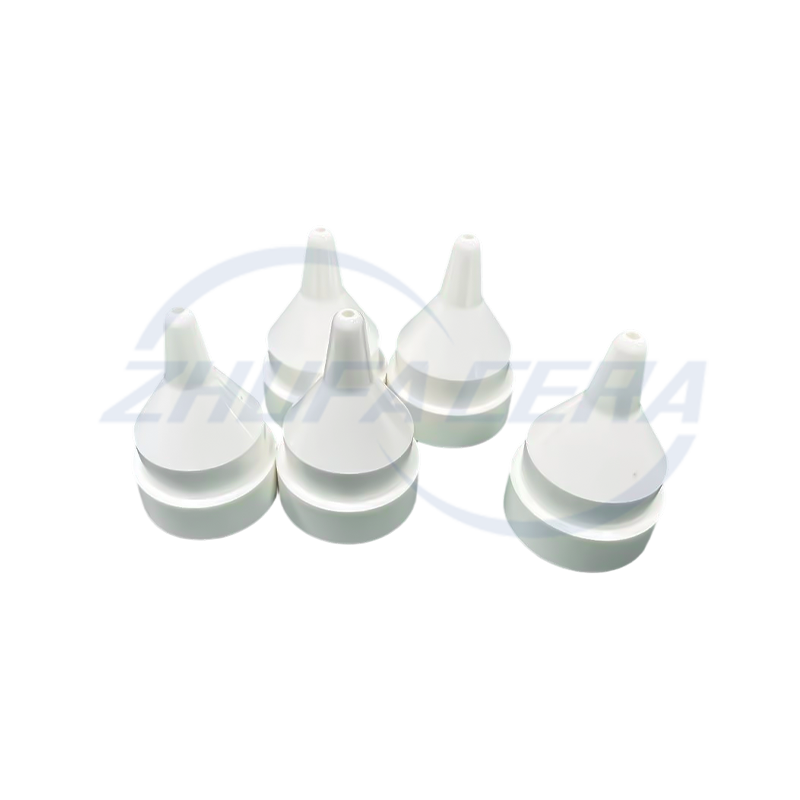
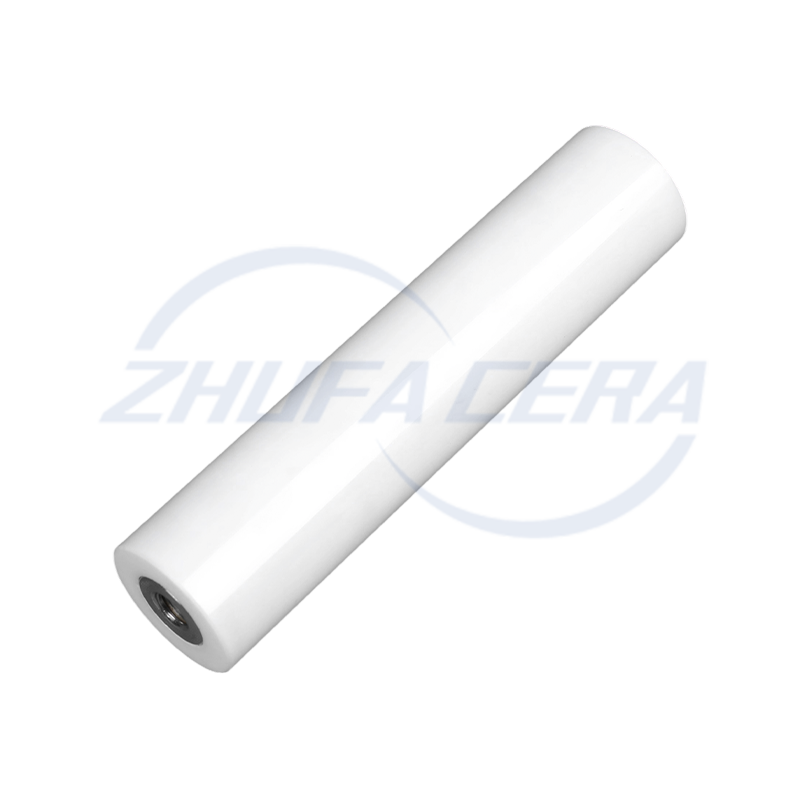
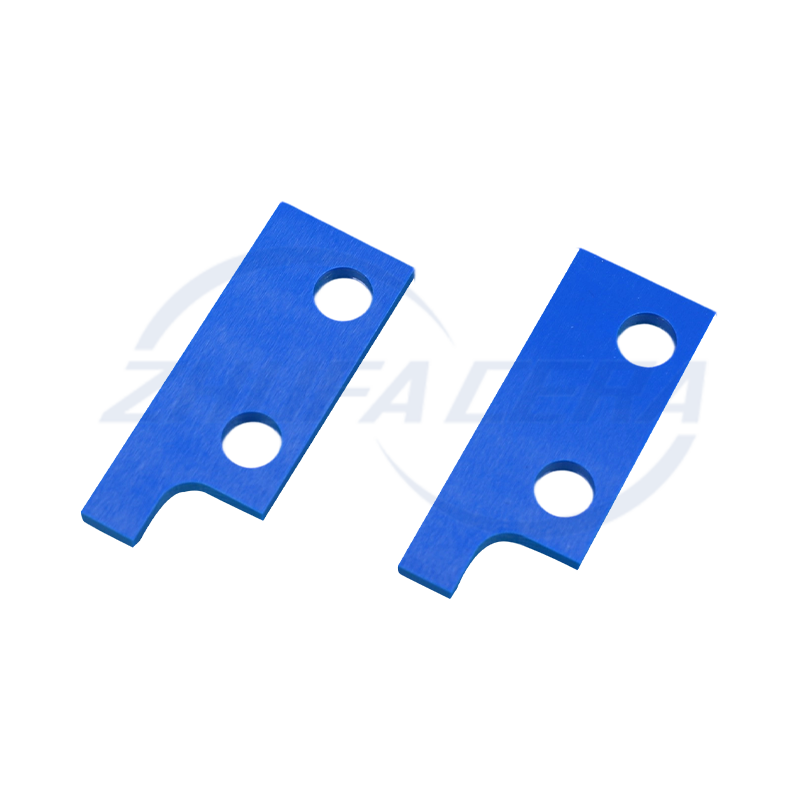
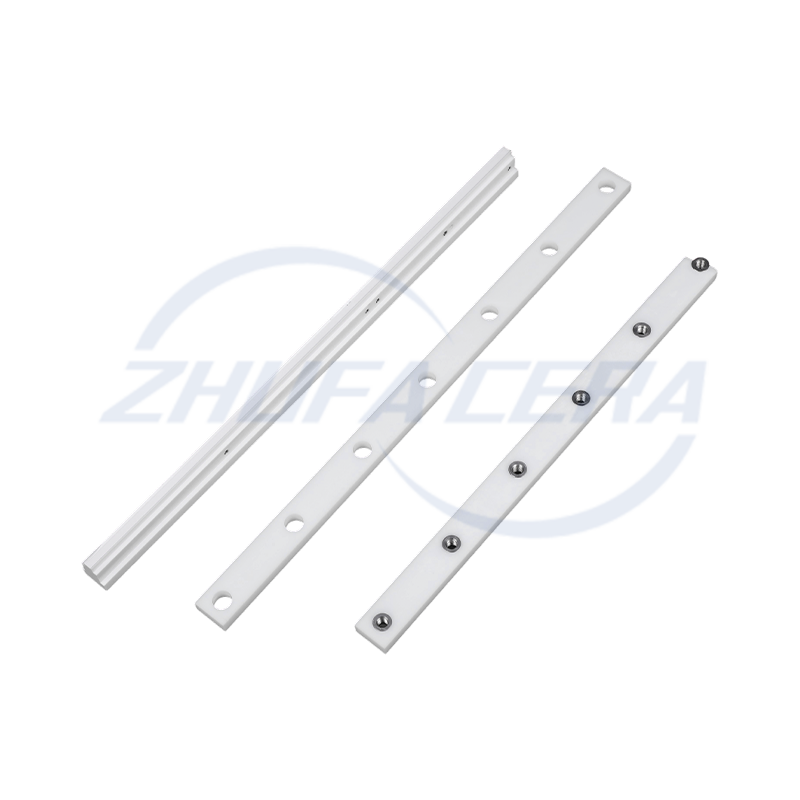
Zirconia/Alumina Composite Ceramics, as a representative category of high-performance advanced ceramics, is a clever combination of the core advantages of zirconium oxide with excellent toughness and alumina with high hardness and high wear resistance. The most notable feature of this type of Zirconia/Alumina Composite Ceramics is the excellent combination of strength and toughness - zirconium oxide (especially its phase change toughening effect) effectively improves the material's fracture resistance, while the alumina matrix contributes extremely high hardness and rigidity, thus overcoming the limitations of a single ceramic material; at the same time, the composite material also exhibits superior wear resistance, excellent chemical stability (corrosion resistance, high temperature oxidation resistance) and high mechanical strength, and its performance can be precisely controlled by adjusting the component ratio and process. Based on the above comprehensive performance, Alumina-Zirconia Composite Ceramics are widely used in extremely demanding industrial fields. They are ideal for manufacturing high-performance wear-resistant parts (such as liners, nozzles, sealing rings, bushings, pump and valve parts, abrasive media), precision cutting tool blades, and high-parameter mechanical sealing rings. Specific grades of high-purity products are also used in the biomedical field (such as artificial joint ball heads), becoming a key material for solving the challenges of high wear, high load, and strong corrosion conditions.
About Us
Zhejiang Zhufa Precision Ceramics Technology Co., Ltd.
Zhejiang Zhufa Precision Ceramics Technology Co., Ltd. is China ZTA Ceramics Manufacturers and ZTA Ceramics Company, a manufacturing enterprise focusing on customized processing of advanced ceramic materials and precision ceramic structural parts. Its headquarters is located in Shaoxing, Zhejiang, the core area of the Yangtze River Delta in China. Since its establishment in 2022, Zhufa has always adhered to the concept of "strict selection of excellent materials, intelligent manufacturing, meticulous inspection, and sincere service", and is committed to providing stable and reliable ceramic products and personalized solutions for global industrial customers. The company has 30,000 square meters of modern plant and more than 50 core equipment, including dry pressing molding machine, isostatic pressing equipment, injection molding machine, high temperature sintering furnace, CNC engraving machine, surface grinder, centerless grinder, punch machine, honing machine, etc., with full-process production capacity from raw materials to finished products, and realizes independent control of the whole process.
The company's main structural ceramic products cover a variety of materials such as zirconium oxide, aluminum oxide, silicon nitride, silicon carbide, aluminum nitride, etc. The types of parts include ceramic rods, ceramic tubes, ceramic sheets, seals and complex special-shaped parts, which are widely used in semiconductors, medical, new energy, automation equipment, laser technology, military industry and precision instruments. As a source factory integrating industry and trade, Zhufa supports customization, rapid prototyping, small batch flexible production and OEM cooperation. Since its establishment, the company has invested more than 10 million yuan in research and development, and continues to optimize material formulations and processing technology, always taking quality as the core, delivery as the guarantee, and service as the driving force to create long-term value for customers.
Message Feedback
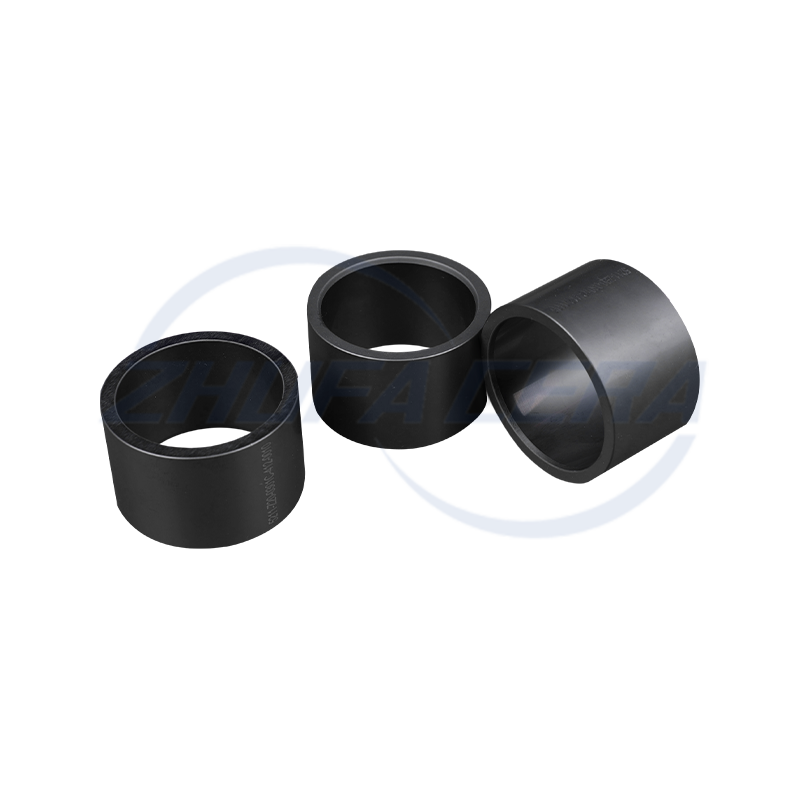


ZTA Ceramics Industry knowledge
ZTA Ceramics Manufacturing: Key Practical Insights for New Ceramic Material Production
What Makes ZTA Ceramics Unique, and Why Does Its Formulation Matter?
Zirconia Toughened Alumina (ZTA) ceramics are composite materials that merge the high hardness and chemical stability of alumina (Al₂O₃) with the excellent fracture toughness of zirconia (ZrO₂) through synergistic mechanisms like phase transformation toughening and microcrack deflection . Their performance hinges entirely on precise formulation, particularly zirconia content—too little or too much undermines functionality.
Industry data shows the optimal zirconia volume fraction ranges from 10% to 20%, where ZTA achieves a fracture toughness of 6-8 MPa·m¹/² and flexural strength of 400-600 MPa . Below 5%, phase transformation toughening is negligible, failing to meet high-load requirements; above 30%, zirconia grains grow abnormally, creating microcrack networks that reduce strength . Stabilizers like 3mol% yttria are equally critical, as even ±0.2mol% deviations cut thermal shock stability by 50% . For manufacturers like Zhejiang Zhufa Precision Ceramics Technology Co., Ltd., which specializes in customized advanced ceramic solutions, mastering this formulation balance is foundational to meeting diverse industrial demands .
How to Achieve Uniform ZTA Powder Mixing for Reliable Performance?
Powder synthesis is the cornerstone of high-quality ZTA, with uniform dispersion of alumina and zirconia directly determining final material consistency. Four mainstream methods dominate industrial production, each with distinct operational priorities:
Mechanical Mixing: Preferred for large-scale manufacturing due to low cost and simplicity, it relies on high-speed ball milling with zirconia balls (to avoid contamination) . Optimizing ball size, rotation speed, and milling time is key to minimizing agglomeration—shortcomings addressed by Zhejiang Zhufa’s advanced raw material processing equipment .
Coprecipitation: Enables molecular-level mixing by adjusting pH and temperature of metal salt solutions. The challenge lies in matching ion hydrolysis rates to prevent compositional deviation from the original formula .
Sol-Gel: Delivers ultra-pure powders via solution-phase hydrolysis and polymerization but suffers from long processing times and high organic raw material costs, limiting scalability .
Hydrothermal Synthesis: Produces well-crystallized, dispersion-stable powders under high temperature and pressure but requires specialized reactors, increasing capital investment .
For applications like electronic components or petrochemical seals, Zhejiang Zhufa leverages its in-house manufacturing capabilities to select the appropriate synthesis method, ensuring powder quality aligns with precision and performance requirements .
Which Molding and Sintering Processes Ensure High-Density ZTA Components?
Molding and sintering transform powders into functional components, with process selection dictating density, microstructure, and suitability for complex shapes.
Molding: Balancing Uniformity and Complexity
Dry Pressing: Ideal for simple shapes (discs, cylinders) with high efficiency, but struggles with powder agglomeration. Controlling pressure and dwell time is critical, as noted in Zhejiang Zhufa’s production workflow, which uses advanced dry pressing and cold isostatic pressing equipment .
Cold Isostatic Pressing: Uses uniform medium pressure to improve green body density and uniformity, addressing the limitations of traditional dry pressing .
Injection Molding: Suited for complex, precision parts (e.g., automotive sensors, semiconductor handling components) by using slurries with binders and dispersants. While it requires additional drying and debinding steps, it meets the demand for intricate designs in industries Zhejiang Zhufa serves, such as new energy vehicles and electronics .
Sintering: Controlling Density Without Grain Growth
Sintering must balance densification and grain refinement—higher temperatures boost density but cause grain coarsening. The 1300-1650℃ temperature window is standard, with two strategies proving most effective:
Two-Step Sintering: First heating to T1 (≈1600℃) to reach 75-90% density, then cooling to T2 (100-150℃ lower) for prolonged holding. This achieves full densification while inhibiting grain growth .
Controlled Heating: Limiting ramp rates to ≤5℃/min and extending holding time when relative density hits 92% ensures uniform microstructure .
Zhejiang Zhufa’s 30,000㎡ manufacturing base is equipped with high-temperature sintering furnaces and precision finishing tools, enabling it to implement these sintering strategies while meeting small-batch proofing and large-scale production needs .
How to Match ZTA Manufacturing to Specific Industrial Applications?
ZTA’s versatility stems from its tunable properties, but manufacturing parameters must align with end-use requirements. Key application-driven considerations include:
Automotive & New Energy: For engine parts and braking systems, zirconia content is often set at 15±2% to withstand 2000℃ thermal shock . Zhejiang Zhufa’s cross-industry expertise ensures components meet durability and safety standards for smart and electric vehicles .
Semiconductors: Wafer handling components demand high purity and thermal stability. Using sol-gel-synthesized powders and precision CNC machining (as done by Zhejiang Zhufa) reduces contamination risks during etching and deposition .
Petrochemicals: Pumps and valve seals require 11-20% zirconia content (per GB/T 5593-2015 Class II standards) for corrosion and wear resistance. Two-step sintering enhances density to ensure reliability in harsh chemical environments .
Photovoltaics: Coating and sintering equipment parts rely on ZTA’s thermal conductivity (30 W/(m·k) for typical grades) . Zhejiang Zhufa’s process optimization supports stable operation in high-temperature, abrasive conditions .
By integrating material formulation, powder synthesis, and processing expertise—combined with responsive technical support—manufacturers can deliver ZTA components that enhance client competitiveness across industries .


-
Quick Links
Home Products About Us Services Technology News Contact Us -
Products
Ceramic Structural Parts Zirconia Ceramics Alumina Ceramics ZTA Ceramics Silicon Nitride Ceramics Silicon Carbide Ceramics Ceramic Injection Molded Parts -
About Us
Factory Tour Honor FAQ -
Contact info
+86-188 8878 5188zf@zfcera.comNo. 1, Xinggong Road, Anchang Industrial Park, Keqiao District, Shaoxing City, Zhejiang Province, China -
Qrcode
Copyright © Zhejiang Zhufa Precision Ceramics Technology Co., Ltd. All Rights Reserved.
China ZTA Ceramics Manufacturers ZTA Ceramics Company
