

 中文简体
中文简体 русский
 Español
 عربى
عربى Português
 日本語
日本語 한국어
한국어
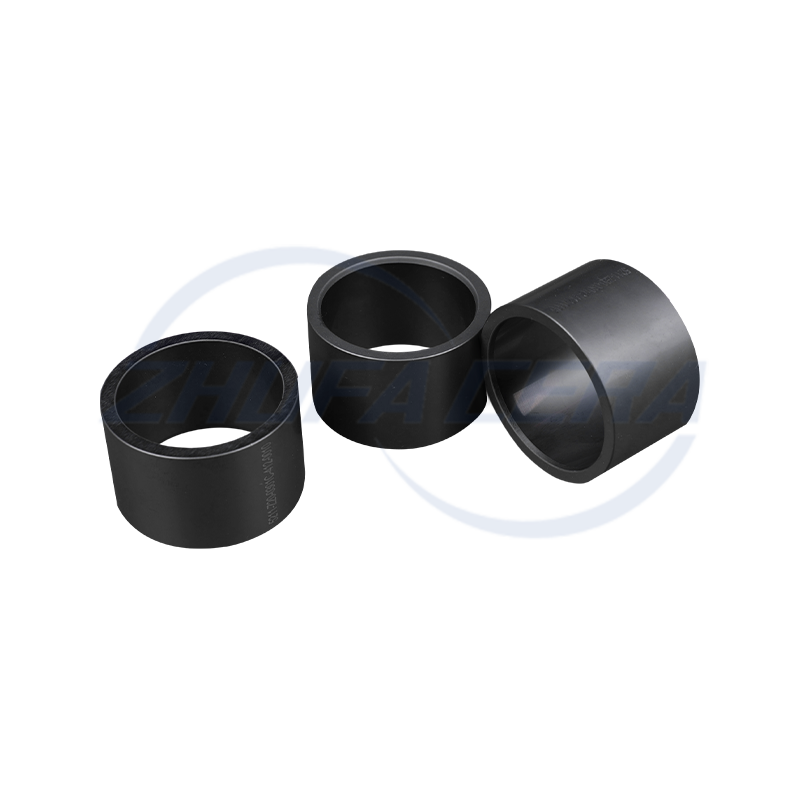
Black silicon carbide ceramic ring is a high-performance engineered ceramic assembly made of high-purity silicon carbide by precision molding and high temperature sintering. Its quadrangular crystal s...
See Details
FOLLOW US :


 Email: zf@zfcera.com
 Telephone: +86-188 8878 5188

Customized ceramic plunger pump: a pollution-free solution for precise metering and delivery of semiconductor chemicals
2026-07-28
In high-end industrial fields such as modern semiconductor manufacturing, new energy batteries, fine chemicals, and medical fluids, fluid transportation and metering systems are facing performance bottlenecks that are difficult to overcome with traditional metal and polymer materials. Strongly corrosive chemicals, nanoscale high-hardness abrasive particles (such as CMP slurry), high-temperature and high-pressure alternating working conditions put extreme tests on the wear resistance, chemical inertness and dimensional stability of the equipment. Against this background, precision ceramic structural parts represented by high-performance alumina (Al2O3) and zirconia (ZrO2) are becoming the core cornerstone for building a new generation of pollution-free, high-precision ceramic plunger pumps.
1. Performance game between alumina and zirconia
- High purity alumina ceramics: It usually uses 95%, 99% or even 99.9% high-purity raw materials, with Mohs hardness as high as 9 (second only to diamond and silicon carbide), and has extremely strong resistance to cutting and wear. It shows excellent inertness to most inorganic acids, organic acids, strong bases and salt solutions, and will not dissolve metal ions. It has good heat conduction and stable thermal expansion, and is very suitable for use in continuous high-frequency reciprocating motion at medium and normal temperatures.
- High toughness zirconia ceramics: It has unique stress-induced phase transformation toughening properties (tetragonal phase to monoclinic phase transformation). When microscopic cracks expand under stress, the volume expansion caused by phase change generates compressive stress, which effectively prevents crack extension. Its fracture toughness is much higher than that of ordinary alumina, and its resistance to mechanical impact is extremely strong. With low friction coefficient and elastic modulus close to metal, it is the ultimate solution for semiconductor high-purity chemicals, CMP polishing fluid circulation and high-frequency micro-injection.
| Zero metal precipitation purity The liquid end uses high-performance alumina or zirconia ceramics, which are extremely chemically stable and contain no leachable metal ions, thus avoiding secondary pollution from semiconductor chemicals at the source. | Super wear and corrosion resistance The Mohs hardness of ceramics is second only to diamond, and its mirror-polished state is perfect for long-term erosion by strong acids, strong alkali, and high-hardness, high-wear media such as CMP slurry. | Micro-upgrade accurate measurement The displacement of the reciprocating linear motion of the plunger is strictly proportional to the stroke, which can realize micro-volume, continuous or pulse conveying with extremely high repeatability, and control flow fluctuations within a very small range. |
2. Precision evolution and manufacturing of core structural parts
- Micron-level coordination of ceramic plunger and pump sleeve: An ultra-precision clearance fit is used between the plunger and the pump sleeve (usually controlled at sub-micron to several micron levels), and the liquid's own micro-film lubrication is used to achieve contactless dynamic sealing. During processing, the cylindricity, roundness and coaxiality must be strictly controlled within a very small range, and laser micro-texture technology can be used to form liquid storage micro-pits on the surface, combined with diamond grinding wheel slow-feed grinding and polishing, so that the surface roughness reaches a mirror state of Ra ≤ 0.05 μm.
- Innovative evolution of sealing and isolation structures: Traditional elastic seals are prone to three-body abrasive wear when conveying particle-containing slurries. High-end customization adopts a labyrinth throttling seal and a double-action backwash isolation chamber structure. Clean deionized water or inert gas micro-pressure backwash is passed between the drive end and the fluid end to completely block the leakage of process media to the mechanical drive end.
- One-way valve group and no dead volume flow channel: The valve ball and seat are integrally sintered and precision ground using high-purity alumina/zirconia to ensure line contact sealing accuracy under long-term immersion in strong acids and alkali; the internal flow channel is optimized by CFD fluid mechanics simulation to achieve zero dead volume, rapid emptying and replacement, and avoid deterioration of high-value chemicals such as photoresist.
3. Extension of multi-dimensional high-end industrial application scenarios
- Semiconductor microelectronics manufacturing: The all-ceramic fluid end eliminates metal contact and controls ppt-level metal ion precipitation. The multi-cylinder independently controlled ceramic plunger pump system realizes online dynamic closed-loop proportioning of CMP nanoabrasives and ultrapure water, with extremely low flow pulsation, ensuring wafer planarization yield.
- New energy lithium battery industry: Aiming at the strong abrasion of positive and negative electrodes with high solid content slurries, the high-hardness alumina/zirconia composite plunger pump has a service life of more than 10 times that of traditional alloy materials, ensuring continuous coating thickness consistency.
- Precision Medicine and Biochemical Analysis: It has extremely low thermal expansion coefficient and excellent rigidity. It has no mechanical deformation during frequent starts and stops and high-frequency reciprocation, ensuring precise injection of nanoliter (nL) to microliter (μL) level liquids.
4. Common faults and problem diagnosis of ceramic plunger pumps
Q1: Why do ceramic plungers suddenly break or develop micro-cracks?
Ceramic materials have the physical properties of extremely high pressure resistance but low impact toughness. If the system encounters instantaneous overpressure, water hammer effect, fails to implement low-load startup specifications, or is hit by hard particles in the early stage to generate hidden micro-cracks and fatigue expansion under alternating loads, it will lead to longitudinal fracture or chipping.
Q2: Why do seals experience abnormal wear and what is "three-body abrasive wear"?
When transporting CMP or lithium ion slurry, if the pre-filter is damaged, micro- and nanoscale hard particles will invade between the plunger and the seal. When under pressure, these hard particles will form strong abrasive wear on high-hardness ceramics, quickly destroying the mirror surface and causing leakage.
Q3: Why does the pump body experience dry friction, local overheating or even jamming?
When medium flow is cut off, feed cavity cavitation occurs, or the packing gland is over-tightened artificially to pursue zero leakage, the lubricating liquid film will be destroyed instantly and dry friction will occur. The subsequent sustained high-temperature thermal stress will cause uneven thermal expansion of ceramic components, eventually leading to seizure.
5. Maintenance best practices to extend service life
- Strictly control media purity and pre-filtration: The feed end must be equipped with a precision filter (general industry ≥ 80 mesh, semiconductor and micro-measurement ≥ 120 mesh). It must be inspected and cleaned regularly every shift. It is strictly prohibited to start without filtering.
- Eliminate dry friction and scientifically adjust seals: Idling without liquid is strictly prohibited, and the gas must be drained before starting. Never blindly tighten the packing gland. The manufacturer's specified torque should be followed to maintain a normal minimum quantity lubrication film.
- Standardize pressure increase and decrease and daily inspection: Implement the SOP of starting at low pressure and gradually increasing it to the rated value; relieve the pressure before shutting down. Monitor the temperature regularly during operation. If abnormal noise or high-frequency violent vibration of the pressure gauge is found, stop the machine immediately for investigation.
6. Ceramic plunger pump vs mainstream fluid transfer pump
| Assessment Dimensions | Ceramic plunger pump | diaphragm pump | Gear/screw pump | Alloy plunger pump |
| Measuring accuracy | Extremely high (linear displacement, constant reciprocating stroke, extremely small pulse) | Medium (affected by diaphragm deformation and pneumatic/hydraulic return stroke) | High (but susceptible to drift due to medium viscosity and leakage) | Extremely high (comparable to ceramic plungers) |
| Purity | Excellent (full ceramic liquid end, no metal ion precipitation, ppb/ppt level) | Good (but there is a risk of trace dissolution or adsorption of the fluoroplastic separator) | Poor (metal gear/screw shear friction easily produces metal chips) | Poor (metal ions are severely leached under strong acid and alkali) |
| Wear resistance | Extremely strong (alumina/zirconia Mohs hardness level 9, easily handles nano-CMP slurry) | Poor (high hardness particles can easily wear the diaphragm or cause the valve to not close tightly) | Extremely poor (hard abrasives will quickly eat away at the gear meshing surfaces and bushings) | Poor (the metal surface is easily scratched and roughened by abrasives) |
| Corrosion resistance | Excellent (inert material, resistant to most strong acids, alkalis and organic solvents) | Excellent (limited by the diaphragm material such as PTFE, the overall corrosion resistance is good) | General (relying on special corrosion-resistant alloys, extremely costly and prone to pitting corrosion) | General (quick failure in the face of hydrofluoric acid, concentrated hydrochloric acid, etc.) |
| Shear protection | Mild (no shear force damage, protecting macromolecules and micro- and nanoparticles) | Gentle (reciprocating diaphragms are less susceptible to shear forces) | Strong (large rotational shear force, easy to damage the photoresist or emulsion structure) | Mild (the same plunger reciprocating structure, gentle to the fluid) |
| Best applicable scenarios | Semiconductor chemicals/CMP slurry, new energy high solid phase slurry, high-end micro metering | Conventional transportation of chemical industry, sewage treatment, general sterile fluid transfer | High-pressure transportation of medium and high viscosity particle-free fluids, lubricants, and resins | High-pressure cleaning, conventional high-pressure water jet, non-abrasive high-pressure hydraulics |
Summary of core competitive advantages: Traditional metal pumps face fatal metal ion precipitation and corrosion problems when facing high-purity semiconductor chemicals; while gear pumps and diaphragm pumps are helpless when facing grinding slurries with high hardness and high solid content. Relying on the trinity advantages of "zero metal precipitation, extremely high wear-resistant hardness, and micro-upgrade precision measurement", ceramic plunger pumps constitute an irreplaceable technical barrier in the field of high-end fluid transportation and are the hard-core engine that drives high-end manufacturing to move towards higher quality.
Related products
-
-
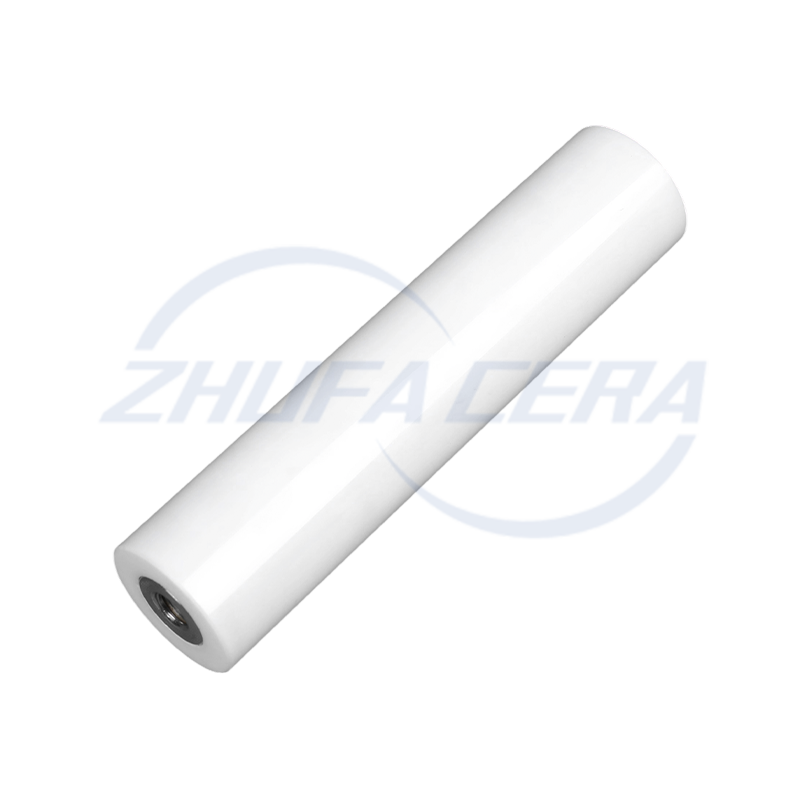
Zirconia Ceramic Rod is a high-performance ceramic material rod, mainly made of zirconium oxide, with excellent mechanical strength and chemical stability. It exhibits extremely high hardness and wear...
See Details -
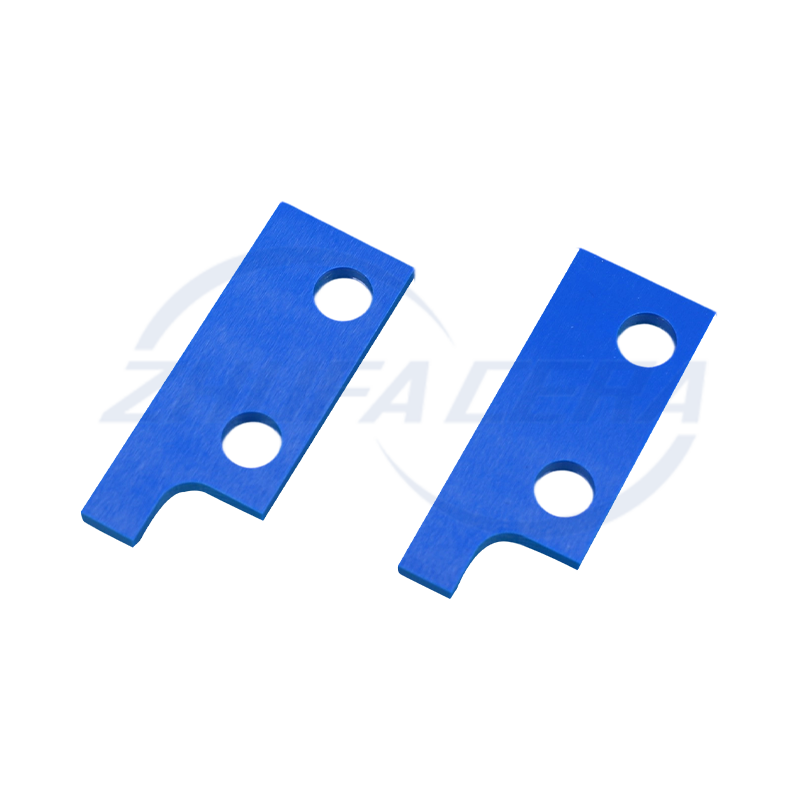
Blue zirconia ceramic sheets are precision components made of advanced zirconia ceramics. They are stained with cobalt, iron or copper to form a blue color. This color not only serves as a visual i...
See Details -
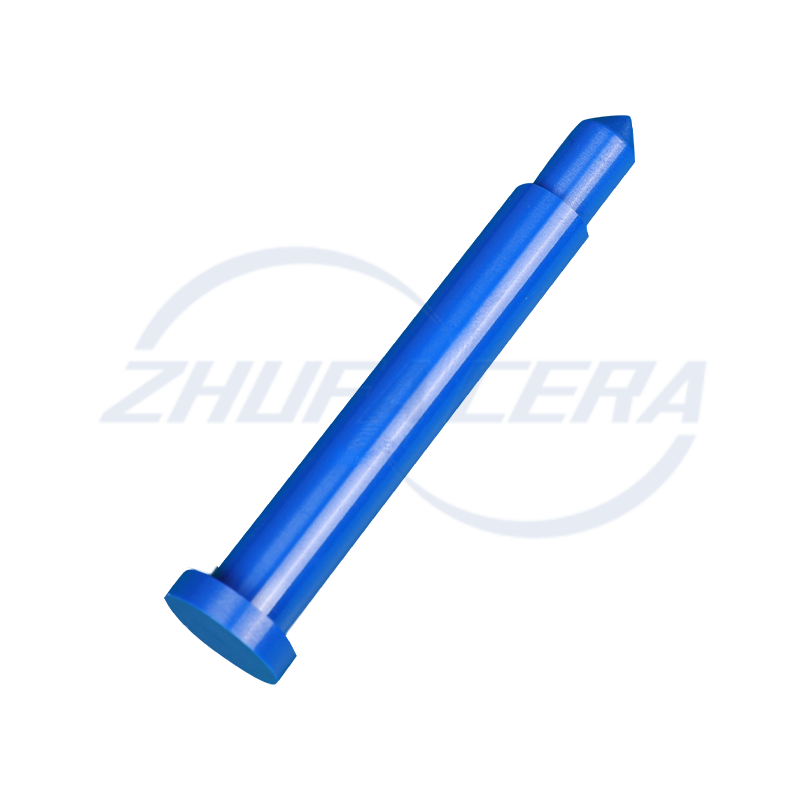
This blue zirconia ceramic pin is made of advanced zirconia ceramic material, providing excellent durability and performance. Zirconia ceramics are known for their high strength, good wear resistan...
See Details -

Zirconia Ceramic Gear is made of zirconium oxide ceramic material, which has excellent high strength and high hardness. This material property enables it to effectively resist wear during the transmis...
See Details -
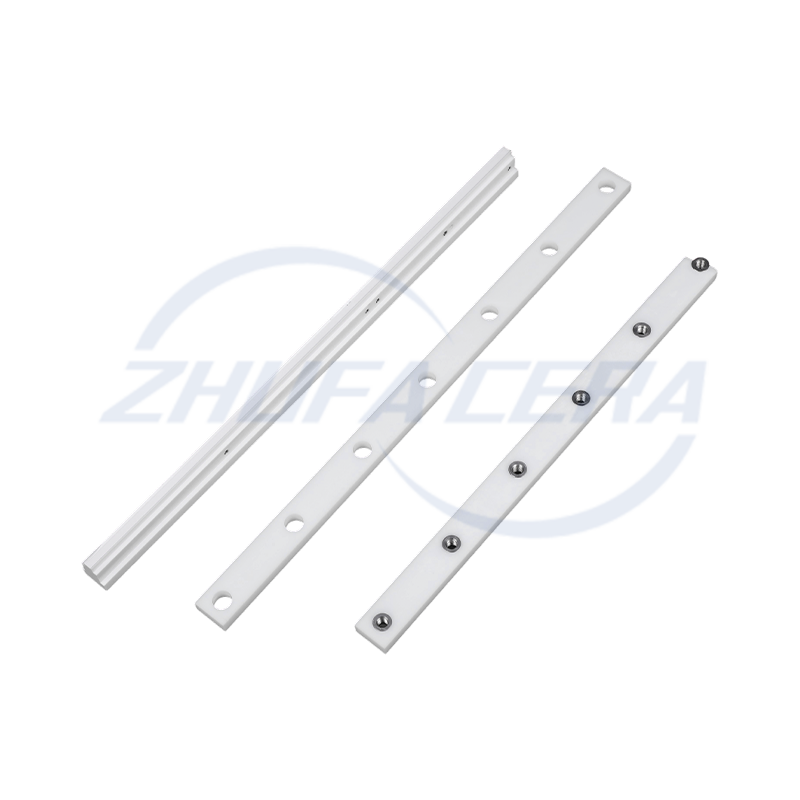
Zirconia Ceramic Guide Rail is a high-performance precision mechanical component made of zirconium oxide ceramic material. Its core characteristics are derived from the excellent physical and chemical...
See Details -
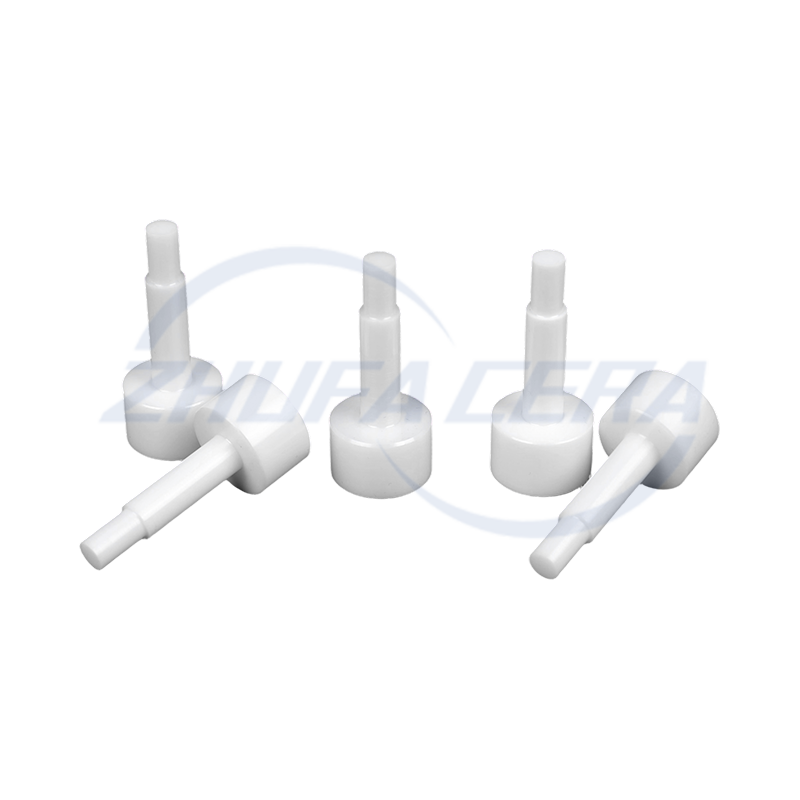
Zirconia Ceramic Locating Pin is a high-precision positioning element made of advanced zirconium oxide ceramic material with excellent physical and chemical properties. Its main characteristics includ...
See Details -
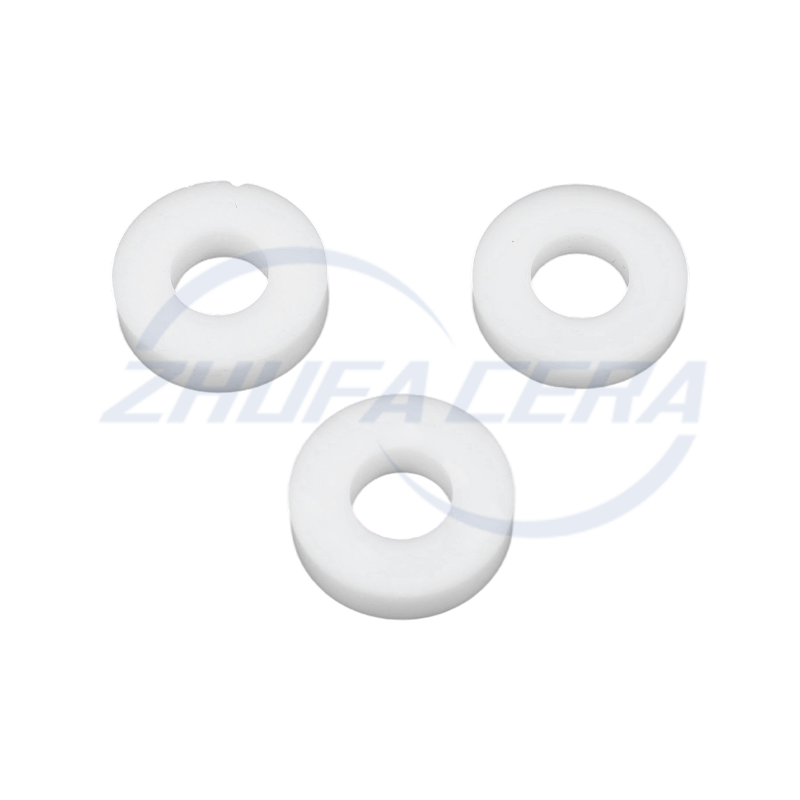
Zirconia Ceramic Ring is a high-performance ceramic product known for its excellent physical and chemical properties. It has extremely high hardness and strength, with a Mohs hardness of more than 8.5...
See Details -
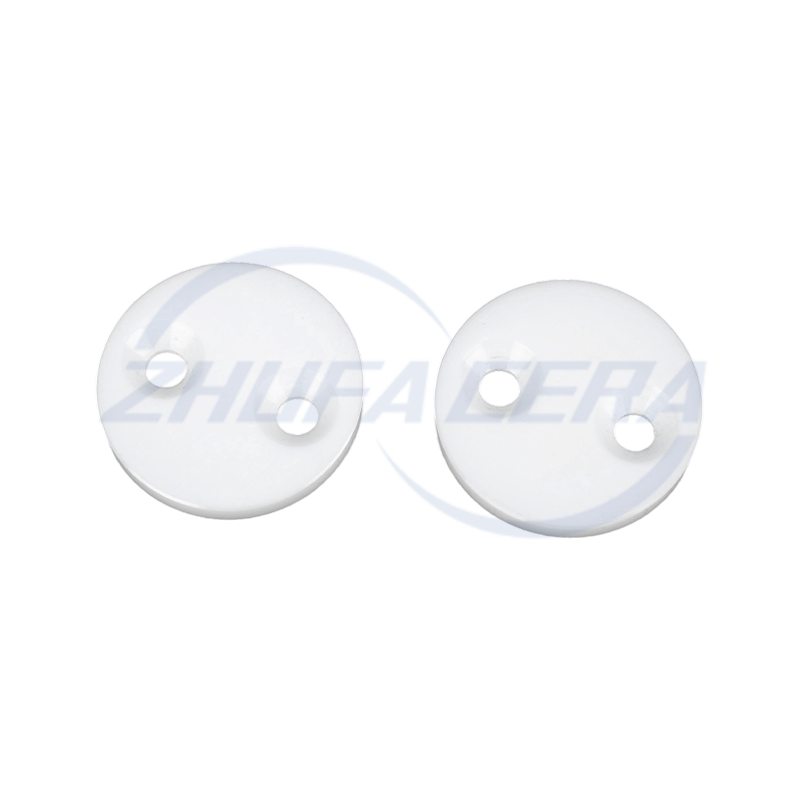
Zirconia ceramic sheets have become functional core components in various fields thanks to their unique properties. With a flexural strength of 900–1200 MPa and a fracture toughness of 6–10 MPa・m¹/², ...
See Details -

Zirconia Ceramic Strip is a strip material made of high-performance zirconium oxide ceramic with excellent physical and chemical properties. It has extremely high hardness and flexural strength, can e...
See Details -
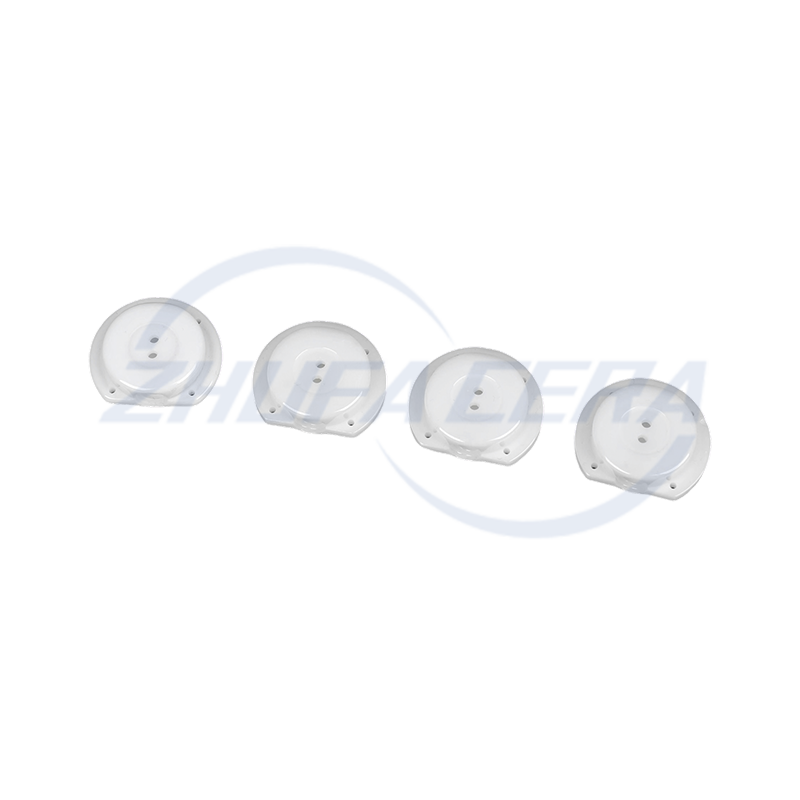
Zirconia ceramic wafers are representative products in the field of high-performance structural ceramics. Compared with traditional alumina ceramics or metal materials, its comprehensive performanc...
See Details -
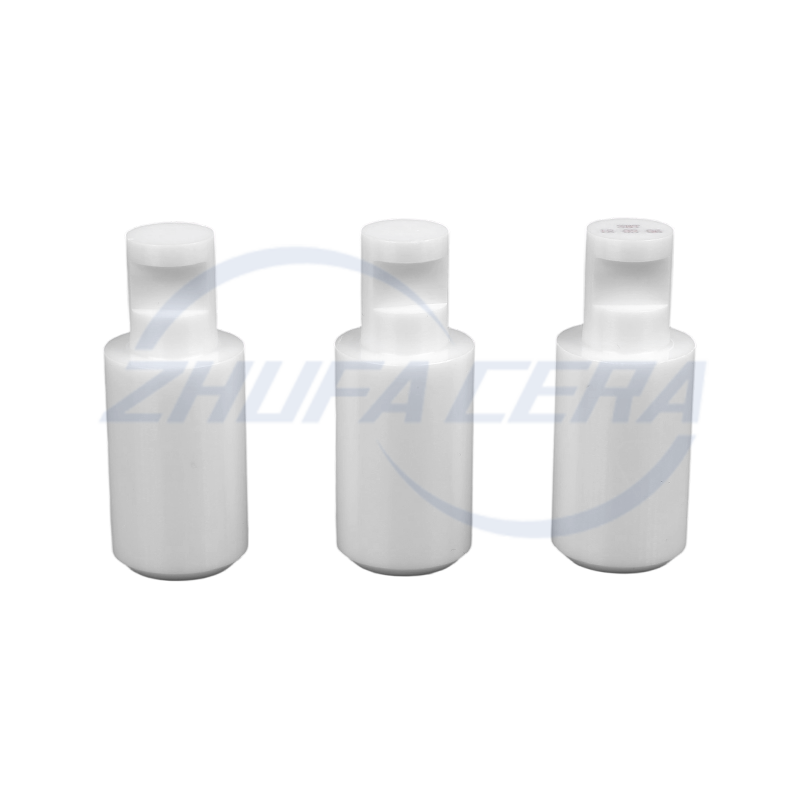
Zirconia Ceramic Plunger is a high-performance component designed for harsh industrial environments. Compared with similar ceramic or metal plunger products, it stands out with its unique material adv...
See Details


-
Quick Links
Home Products About Us Services Technology News Contact Us -
Products
Ceramic Structural Parts Zirconia Ceramics Alumina Ceramics ZTA Ceramics Silicon Nitride Ceramics Silicon Carbide Ceramics Ceramic Injection Molded Parts -
About Us
Factory Tour Honor FAQ -
Contact info
+86-188 8878 5188zf@zfcera.comNo. 1, Xinggong Road, Anchang Industrial Park, Keqiao District, Shaoxing City, Zhejiang Province, China -
WhatsApp

Copyright © Zhejiang Zhufa Precision Ceramics Technology Co., Ltd. All Rights Reserved.
China precision ceramics manufacturer
wholesale precision ceramics supplier
