

 中文简体
中文简体 русский
 Español
 عربى
عربى Português
 日本語
日本語 한국어
한국어
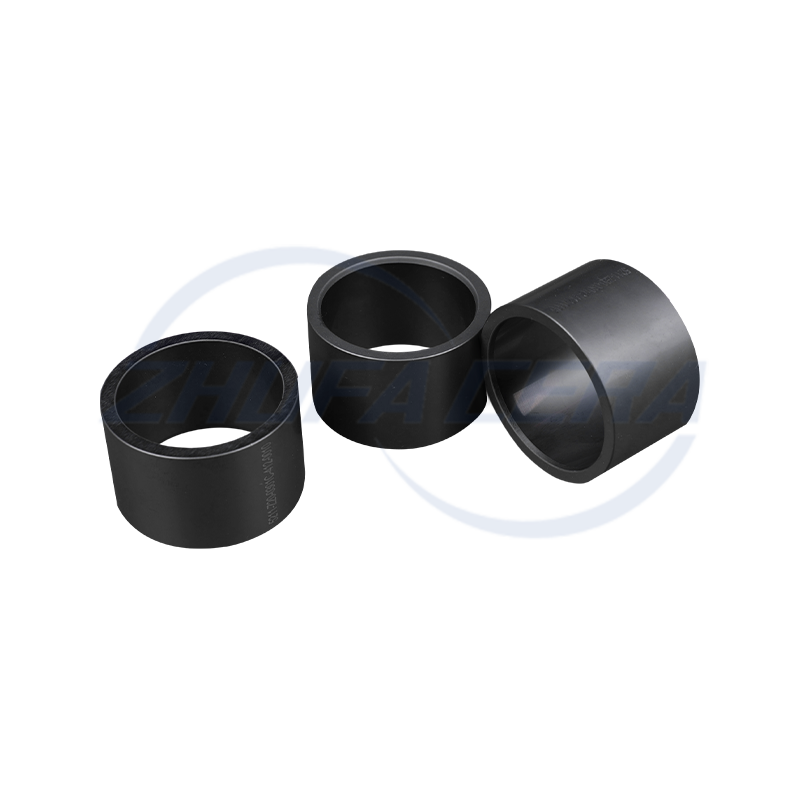
Black silicon carbide ceramic ring is a high-performance engineered ceramic assembly made of high-purity silicon carbide by precision molding and high temperature sintering. Its quadrangular crystal s...
See Details
FOLLOW US :


 Email: zf@zfcera.com
 Telephone: +86-188 8878 5188

What Are Advanced Ceramics Projects and Why Are They Transforming Modern Industry?
2026-05-14
Content
- What Makes a Ceramic "Advanced" and Why Does It Matter?
- Which Industries Are Leading Advanced Ceramics Projects?
- Advanced Ceramics vs. Competing Materials: Performance Comparison
- How Are Advanced Ceramics Projects Classified by Maturity Level?
- What Processing Technologies Are Used in Advanced Ceramics Projects?
- Emerging Frontiers in Advanced Ceramics Projects
- Key Challenges Facing Advanced Ceramics Projects
- Frequently Asked Questions About Advanced Ceramics Projects
- What is the difference between advanced ceramics and traditional ceramics?
- How large is the global advanced ceramics market and which segment is growing fastest?
- Which advanced ceramics project area receives the most government research funding?
- Can advanced ceramics be repaired if they crack in service?
- What skills and expertise are needed to work on advanced ceramics projects?
- Conclusion: Why Advanced Ceramics Projects Are a Strategic Priority
Advanced ceramics projects are research, development, and manufacturing initiatives that engineer high-performance ceramic materials with precisely controlled compositions and microstructures to achieve exceptional mechanical strength, thermal stability, electrical properties, and chemical resistance that conventional metals, polymers, and traditional ceramics cannot deliver -- enabling breakthroughs in aerospace thermal protection, semiconductor fabrication, medical implants, energy systems, and defense applications. Unlike traditional ceramics such as earthenware and porcelain, advanced ceramics are engineered at the materials science level to meet exact property targets, often achieving hardness values exceeding 2,000 Vickers, operating temperatures above 1,600 degrees Celsius, and dielectric properties that make them indispensable in modern electronics. The global advanced ceramics market exceeded 11 billion dollars in 2023 and is projected to grow at a compound annual rate of 6.8 percent through 2030, driven by accelerating demand from electric vehicles, 5G telecommunications, semiconductor manufacturing, and hypersonic aerospace programs. This guide explains what advanced ceramics projects involve, which sectors are leading development, how ceramic materials compare to competing materials, and what the most significant current and emerging project categories look like.
What Makes a Ceramic "Advanced" and Why Does It Matter?
Advanced ceramics are distinguished from traditional ceramics by their precisely engineered chemical composition, controlled grain size (typically 0.1 to 10 micrometers), near-zero porosity achieved through advanced sintering techniques, and the resulting combination of properties that exceeds what any single metallic or polymeric material can achieve.
The term "advanced ceramics" encompasses materials whose properties are tailored through composition design and processing control, including:
- Structural ceramics: Materials like silicon carbide (SiC), silicon nitride (Si3N4), alumina (Al2O3), and zirconia (ZrO2) engineered for extreme mechanical performance under load, thermal shock, and abrasive wear conditions where metals would deform or corrode.
- Functional ceramics: Materials including barium titanate (BaTiO3), lead zirconate titanate (PZT), and yttrium iron garnet (YIG) engineered for specific electrical, magnetic, piezoelectric, or optical responses used in sensors, actuators, capacitors, and communication systems.
- Bioceramics: Materials such as hydroxyapatite (HAp), tricalcium phosphate (TCP), and bioactive glass engineered for biocompatibility and controlled interaction with living tissue in orthopedic, dental, and tissue engineering applications.
- Ceramic matrix composites (CMCs): Multi-phase materials combining ceramic fiber reinforcement (typically silicon carbide fibers) within a ceramic matrix to overcome the inherent brittleness of monolithic ceramics while retaining their high-temperature strength advantages.
- Ultra-high temperature ceramics (UHTCs): Refractory borides and carbides of hafnium, zirconium, and tantalum with melting points above 3,000 degrees Celsius, engineered for leading edges and nose tips of hypersonic vehicles where no metallic alloy can survive.
Which Industries Are Leading Advanced Ceramics Projects?
Advanced ceramics projects are concentrated in seven major industry sectors, each driving demand for specific ceramic material properties that address unique engineering challenges that conventional materials cannot solve.
1. Aerospace and Defense: Thermal Protection and Structural Applications
Aerospace and defense dominate the highest-value advanced ceramics projects, with ceramic matrix composite (CMC) components in aircraft engine hot sections representing the most commercially significant application and hypersonic vehicle thermal protection systems representing the most technically challenging frontier.
The replacement of nickel superalloy components with silicon carbide fiber reinforced silicon carbide matrix (SiC/SiC) CMC parts in commercial aircraft turbine engine hot sections is arguably the most consequential advanced ceramics project of the past two decades. SiC/SiC CMC components used in engine combustors, high-pressure turbine shrouds, and nozzle guide vanes are approximately 30 to 40 percent lighter than the nickel superalloy parts they replace while operating at temperatures 200 to 300 degrees Celsius higher, allowing engine designers to increase turbine inlet temperature and improve thermodynamic efficiency. The commercial aviation industry's adoption of CMC hot-section components in new-generation narrow-body aircraft engines demonstrates fuel burn improvements of 10 to 15 percent compared to previous-generation engines, with CMC components credited as a significant contributor to this improvement.
On the defense frontier, ultra-high temperature ceramic projects are targeting the thermal protection requirements of hypersonic vehicles traveling at Mach 5 and above, where aerodynamic heating at leading edges and nose tips generates surface temperatures exceeding 2,000 degrees Celsius in sustained flight. Current projects focus on hafnium diboride (HfB2) and zirconium diboride (ZrB2) based UHTC composites with oxidation-resistant additives including silicon carbide and hafnium carbide, targeting thermal conductivity, oxidation resistance, and mechanical reliability at temperatures where even the most advanced metal alloys have melted.
2. Semiconductor and Electronics Manufacturing
Advanced ceramics projects in semiconductor manufacturing focus on the critical process components that enable the fabrication of integrated circuits at node sizes below 5 nanometers, where ceramic materials provide the plasma resistance, dimensional stability, and purity that no metallic component could achieve in the reactive ion etch and chemical vapor deposition environments of leading-edge fabs.
Key advanced ceramics projects in semiconductor manufacturing include:
- Yttria (Y2O3) and yttrium aluminum garnet (YAG) plasma-resistant coatings and components: Replacing aluminum oxide components in plasma etch chambers with yttria-based ceramics reduces particle generation rates by 50 to 80 percent, directly improving chip yield in advanced logic and memory manufacturing where a single particle contamination event on a 300mm wafer can scrap hundreds of die.
- Aluminum nitride (AlN) electrostatic chuck substrates: AlN ceramics with precisely controlled thermal conductivity (150 to 180 W/m.K) and dielectric properties enable the electrostatic chucks that hold silicon wafers in position during plasma processing with temperature uniformity requirements of plus or minus 0.5 degrees Celsius across the wafer diameter -- a specification that requires the AlN ceramic's thermal conductivity to be controlled to within 2 percent of the target value.
- Silicon carbide (SiC) wafer carriers and process tubes: As the semiconductor industry transitions to larger SiC power device wafers (from 150mm to 200mm diameter), advanced ceramics projects are developing SiC process components with the dimensional stability and purity required for SiC epitaxial growth and ion implantation at temperatures up to 1,600 degrees Celsius.
3. Energy Sector: Nuclear, Fuel Cells, and Solid-State Batteries
Advanced ceramics projects in the energy sector span nuclear fuel cladding, solid oxide fuel cell electrolytes, and solid-state battery separators -- three application areas where ceramic materials enable energy conversion and storage performance levels that competing materials cannot match.
In nuclear energy, silicon carbide composite fuel cladding projects represent one of the most safety-critical advanced ceramics initiatives underway globally. Current light water reactor fuel rods use zirconium alloy cladding that oxidizes rapidly in high-temperature steam (as demonstrated in accident scenarios), generating hydrogen gas that creates explosion risk. SiC composite cladding projects at national laboratories and universities in the United States, Japan, and South Korea are developing accident-tolerant fuel cladding that resists oxidation in steam at 1,200 degrees Celsius for at least 24 hours -- giving emergency cooling systems time to prevent core damage even in loss-of-coolant accident scenarios. Test rods have completed irradiation campaigns in research reactors, with the first commercial demonstration expected within this decade.
In solid-state battery development, garnet-type ceramic electrolyte projects are targeting lithium-ion conductivities above 1 mS/cm at room temperature while maintaining the electrochemical stability window required to operate with lithium metal anodes that could increase battery energy density by 30 to 40 percent over current lithium-ion technology. Lithium lanthanum zirconium oxide (LLZO) ceramic electrolyte projects at universities and battery developers worldwide represent one of the most active areas of advanced ceramics research activity measured by publication volume and patent filings.
4. Medical and Dental: Bioceramics and Implant Technology
Advanced ceramics projects in medical and dental applications focus on bioceramic materials that combine the mechanical properties needed to survive the loading environment of the human body with the biological compatibility required to integrate with or be gradually resorbed by living tissue.
Zirconia (ZrO2) ceramic dental implant and prosthetic crown projects represent a major area of commercial advanced ceramics development, driven by patient and clinician demand for metal-free restorations that are aesthetically superior to metal-ceramic alternatives and biocompatible with patients who have metal sensitivities. Yttria-stabilized tetragonal zirconia polycrystal (Y-TZP) with flexural strength above 900 MPa and translucency approaching natural tooth enamel has been adopted as the primary material for full-zirconia dental crowns, bridges, and implant abutments, with millions of zirconia prosthetic units placed annually worldwide.
In orthopedic and tissue engineering, 3D-printed bioceramic scaffold projects are targeting the regeneration of large bone defects using porous hydroxyapatite and tricalcium phosphate scaffolds with precisely controlled pore size distributions (interconnected pores of 300 to 500 micrometers) that allow bone-forming cells (osteoblasts) to infiltrate, proliferate, and eventually replace the degrading ceramic scaffold with native bone tissue. These projects combine advanced ceramics materials science with additive manufacturing technology to create patient-specific scaffold geometries from medical imaging data.
5. Automotive and Electric Vehicles
Advanced ceramics projects in the automotive sector encompass silicon nitride engine components, ceramic-coated battery cell components for thermal management, and silicon carbide power electronics substrates that enable the faster switching frequencies and higher operating temperatures of next-generation electric vehicle drivetrain inverters.
Silicon carbide power device substrates represent the highest-growth advanced ceramics project area in the electric vehicle sector. SiC metal-oxide-semiconductor field-effect transistors (MOSFETs) in electric vehicle traction inverters switch at frequencies up to 100 kHz and operating voltages of 800 volts, enabling faster battery charging, higher drivetrain efficiency, and smaller, lighter inverter designs compared to silicon-based alternatives. The transition from silicon to silicon carbide in electric vehicle power electronics has created intense demand for large-diameter (150mm and 200mm) SiC substrates with defect densities below 1 per square centimeter -- a materials quality target that has driven major advanced ceramics manufacturing projects at SiC substrate producers worldwide.
Advanced Ceramics vs. Competing Materials: Performance Comparison
Understanding where advanced ceramics outperform metals, polymers, and composites is essential for engineers evaluating material selection for demanding applications -- advanced ceramics are not universally superior but dominate specific property combinations that no other material class can match.
| Property | Advanced Ceramics (SiC / Al2O3) | Nickel Superalloy | Titanium Alloy | Carbon Fiber Composite |
| Max service temp (degrees C) | 1,400-1,700 | 1,050-1,150 | 500-600 | 200-350 |
| Hardness (Vickers) | 1,500-2,800 | 300-500 | 300-400 | N/A (composite) |
| Density (g/cm3) | 3.1-3.9 | 8.0-8.9 | 4.4-4.5 | 1.5-1.8 |
| Thermal conductivity (W/m.K) | 20-270 (grade dependent) | 10-15 | 6-8 | 5-10 |
| Chemical resistance | Excellent | Good | Good | Good-Excellent |
| Fracture toughness (MPa.m0.5) | 3-10 (monolithic); 15-25 (CMC) | 50-100 | 50-80 | 30-60 |
| Electrical resistivity | Insulator to semiconductor | Conductor | Conductor | Conductor (carbon fiber) |
| Machinability | Difficult (diamond tooling) | Difficult | Moderate | Moderate |
Table 1: Advanced ceramics compared to nickel superalloys, titanium alloys, and carbon fiber composites across key engineering properties.
How Are Advanced Ceramics Projects Classified by Maturity Level?
Advanced ceramics projects span the full spectrum from fundamental materials discovery research through applied engineering development to commercial manufacturing scale-up, and understanding the maturity level of a project is essential for accurately assessing its timeline to industrial impact.
| Technology Readiness Level | Project Stage | Typical Setting | Example | Timeline to Market |
| TRL 1-3 | Basic and applied research | University, national lab | New UHTC compositions for hypersonics | 10-20 years |
| TRL 4-5 | Component validation in lab | University, industry R&D | LLZO solid electrolyte prototypes | 5-10 years |
| TRL 6-7 | System prototype demonstration | Industry consortium, gov program | SiC accident-tolerant fuel cladding | 3-7 years |
| TRL 8-9 | Commercial qualification and production | Industry | CMC turbine engine shrouds, SiC power devices | Current production |
Table 2: Advanced ceramics projects classified by Technology Readiness Level, typical setting, representative examples, and estimated timeline to market.
What Processing Technologies Are Used in Advanced Ceramics Projects?
Advanced ceramics projects are differentiated not only by their material compositions but by the processing technologies used to convert raw powder or precursor materials into dense, precision-shaped components -- and advances in processing technology frequently unlock properties or geometries that were previously unachievable.
Spark Plasma Sintering (SPS) and Flash Sintering
Spark plasma sintering projects have enabled densification of ultra-high temperature ceramics and complex multi-phase composites in minutes rather than hours, achieving near-theoretical density with grain sizes maintained below 1 micrometer that would coarsen unacceptably in conventional furnace sintering. SPS applies simultaneous pressure (20 to 100 MPa) and pulsed electrical current directly through the ceramic powder compact, generating rapid joule heating at particle contact points and enabling sintering at temperatures 200 to 400 degrees Celsius lower than conventional sintering, critically preserving the fine microstructures that deliver superior mechanical properties. Flash sintering, which uses an electric field to trigger a sudden conductivity transition in ceramic powder compacts at dramatically reduced temperatures, is an emerging area of advanced ceramics project activity at multiple research institutions targeting energy-efficient manufacturing of solid electrolyte ceramics for batteries.
Additive Manufacturing of Advanced Ceramics
Additive manufacturing projects for advanced ceramics are one of the most rapidly expanding areas in the field, with stereolithography (SLA), direct ink writing (DIW), and binder jetting processes now capable of producing complex ceramic geometries with internal channels, lattice structures, and gradient compositions that are impossible or prohibitively expensive to achieve through conventional machining or die pressing. SLA-based ceramic printing uses photocurable ceramic-loaded resins that are printed layer by layer, then debinded and sintered to full density. Projects using this approach have demonstrated alumina and zirconia components with wall thicknesses below 200 micrometers and internal cooling channel geometries for high-temperature applications. Direct ink writing projects have demonstrated gradient composition structures combining hydroxyapatite and tricalcium phosphate in bioceramic bone scaffolds that replicate the natural composition gradient from cortical to trabecular bone.
Chemical Vapor Infiltration (CVI) for Ceramic Matrix Composites
Chemical vapor infiltration remains the manufacturing process of choice for the highest-performance silicon carbide fiber/silicon carbide matrix (SiC/SiC) CMC components used in aircraft engine hot sections, because it deposits the SiC matrix material around the fiber preform from gas phase precursors without the mechanical damage that pressure-assisted processes would inflict on the fragile ceramic fibers. CVI projects are focused on reducing the extremely long cycle times (several hundred to over a thousand hours per batch) that currently make CMC components expensive, through improved reactor designs with forced gas flow and optimized precursor chemistry that accelerates matrix deposition rates. Reducing CVI cycle time from the current 500 to 1,000 hours toward a target of 100 to 200 hours would substantially reduce CMC component cost and accelerate adoption in next-generation aircraft engines.
Emerging Frontiers in Advanced Ceramics Projects
Several emerging advanced ceramics project areas are attracting substantial research investment and are expected to generate significant commercial and technological impact within the next five to fifteen years, representing the leading edge of the field's development.
High Entropy Ceramics (HECs)
High entropy ceramic projects, inspired by the high entropy alloy concept from metallurgy, are exploring ceramic compositions containing five or more principal cation species in equimolar or near-equimolar ratios that produce single-phase crystal structures with extraordinary combinations of hardness, thermal stability, and radiation resistance through configurational entropy stabilization. High entropy carbide, boride, and oxide ceramics have demonstrated hardness values above 3,000 Vickers in some compositions while retaining single-phase microstructures at temperatures above 2,000 degrees Celsius -- a combination of properties potentially relevant to hypersonic thermal protection, nuclear applications, and extreme wear environments. The field has generated over 500 publications since 2015 and is transitioning from fundamental composition screening toward targeted property optimization for specific application requirements.
Transparent Ceramics for Optical and Armor Applications
Transparent ceramic projects have demonstrated that carefully processed polycrystalline alumina, spinel (MgAl2O4), yttrium aluminum garnet (YAG), and aluminum oxynitride (ALON) can achieve optical transparency approaching that of glass while offering hardness, strength, and ballistic resistance that glass cannot match, enabling transparent armor, missile domes, and high-power laser components that require both optical performance and mechanical durability. ALON transparent ceramic projects have achieved transmission above 80 percent in the visible and mid-infrared wavelength range while delivering hardness of approximately 1,900 Vickers, making it significantly harder than glass and capable of defeating specific small arms threats at thicknesses substantially less than glass-based transparent armor systems of equivalent ballistic performance.
AI-Assisted Ceramic Materials Discovery
Machine learning and artificial intelligence are accelerating advanced ceramics materials discovery projects by predicting composition-processing-property relationships across vast multi-dimensional material spaces that would require decades to explore through traditional experimental approaches. Materials informatics projects using databases of ceramic composition and property data combined with machine learning models have identified promising candidates for solid electrolytes, thermal barrier coatings, and piezoelectric materials that human researchers would not have prioritized based on established intuition alone. These AI-assisted discovery projects are shortening the time from initial composition concept to experimental validation from years to months in several high-priority advanced ceramics application areas.
Key Challenges Facing Advanced Ceramics Projects
Despite remarkable progress, advanced ceramics projects consistently face a common set of technical, economic, and manufacturing challenges that slow the transition from laboratory demonstration to commercial deployment.
- Brittleness and low fracture toughness: Monolithic advanced ceramics typically have fracture toughness values of 3 to 6 MPa.m0.5, compared to 50 to 100 MPa.m0.5 for metals, meaning they fail catastrophically rather than plastically when a critical flaw is encountered. Ceramic matrix composite projects address this through fiber reinforcement that provides crack deflection and fiber bridging mechanisms, but at significantly higher manufacturing cost and complexity than monolithic ceramics.
- High manufacturing cost and long processing cycles: Advanced ceramics require high-purity raw powders, precision forming, controlled atmosphere heat treatment at high temperatures, and diamond grinding for final dimensions -- a manufacturing sequence that is inherently more expensive than metal forming and machining. CMC component costs are currently 10 to 30 times higher than the metallic parts they replace, which limits adoption to applications where the performance advantages justify the premium.
- Dimensional accuracy and net-shape manufacturing: Advanced ceramics shrink 15 to 25 percent during sintering and do so anisotropically when pressure-assisted forming techniques are used, making it difficult to achieve final dimensions without expensive diamond grinding. Net-shape or near-net-shape manufacturing projects targeting reduced machining requirements are a high priority across multiple advanced ceramics sectors.
- Non-destructive testing and quality assurance: Reliably detecting critical flaws (pores, inclusions, and cracks above the critical size for the application stress state) in complex ceramic components without destructive sectioning remains technically challenging. Advanced ceramics projects in nuclear and aerospace applications require 100 percent inspection of safety-critical components, driving co-development of high-resolution computed tomography and acoustic emission testing methods specifically adapted for ceramic materials.
- Supply chain maturity and material consistency: Many advanced ceramics projects encounter supply chain constraints for high-purity raw powders, specialized fibers, and process consumables that are produced by a small number of global suppliers. Supply chain diversification and domestic production capacity projects are receiving government support in multiple countries as advanced ceramics are identified as critical materials for strategic industries.
Frequently Asked Questions About Advanced Ceramics Projects
What is the difference between advanced ceramics and traditional ceramics?
Traditional ceramics (clay-based products like bricks, tiles, and porcelain) are made from naturally occurring raw materials with variable composition, processed at moderate temperatures, and have relatively modest mechanical properties -- while advanced ceramics are engineered from high-purity synthetic raw materials with precisely controlled chemical composition, processed through sophisticated techniques to achieve near-zero porosity and controlled microstructure, resulting in properties that are orders of magnitude superior in hardness, strength, temperature resistance, or functional response. Traditional ceramics typically have flexural strengths below 100 MPa and maximum service temperatures of 1,200 degrees Celsius, while advanced structural ceramics achieve flexural strengths above 600 to 1,000 MPa and service temperatures above 1,400 degrees Celsius. The distinction is fundamentally one of engineering intention and control: advanced ceramics are designed to specification; traditional ceramics are processed to craft.
How large is the global advanced ceramics market and which segment is growing fastest?
The global advanced ceramics market was valued at approximately 11 to 12 billion dollars in 2023 and is projected to reach 17 to 20 billion dollars by 2030, with the electronics and semiconductor segment accounting for the largest share (approximately 35 to 40 percent of total market value) and the energy and automotive segment (driven primarily by silicon carbide power devices for electric vehicles) growing at the fastest rate, estimated at 10 to 14 percent per year through the late 2020s. Geographically, Asia-Pacific accounts for approximately 45 percent of global advanced ceramics consumption, driven by semiconductor manufacturing in Japan, South Korea, and Taiwan, and by electric vehicle production in China. North America and Europe together account for approximately 45 percent, with defense, aerospace, and medical applications representing disproportionately high value per kilogram compared to the Asian electronics-dominated consumption mix.
Which advanced ceramics project area receives the most government research funding?
Ceramic matrix composite projects for aerospace and defense applications receive the highest government research funding in the United States, European Union, and Japan, with hypersonic vehicle thermal protection ceramics receiving the fastest growth in funding allocation as defense programs prioritize hypersonic capability development. In the United States, the Department of Defense, Department of Energy, and NASA together fund advanced ceramics projects exceeding several hundred million dollars annually, with CMC engine components, SiC nuclear fuel cladding, and hypersonic UHTC projects receiving the largest individual program allocations. The European Union's Horizon programs have funded multiple advanced ceramics consortia focusing on CMC manufacturing scale-up, solid-state battery ceramics, and bioceramics for medical applications.
Can advanced ceramics be repaired if they crack in service?
Repair of advanced ceramic components in service is an active research area but remains technically challenging compared to metal repair, with most current advanced ceramics components being replaced rather than repaired when significant damage occurs -- though self-healing ceramic matrix composite projects are developing materials that autonomously fill matrix cracks through oxidation of silicon carbide to form SiO2, partially restoring mechanical integrity without external intervention. For CMC components used in aircraft engines, the self-healing mechanism of SiC/SiC composites (where matrix cracks expose SiC to high-temperature oxygen and the resulting SiO2 fills the crack) extends service life significantly compared to non-healing ceramic composites, and this inherent self-healing behavior is a key factor in the certification of CMC components for airworthiness.
What skills and expertise are needed to work on advanced ceramics projects?
Advanced ceramics projects require interdisciplinary expertise combining materials science (ceramic processing, phase equilibria, microstructure characterization), mechanical and chemical engineering (component design, stress analysis, chemical compatibility), and application domain knowledge specific to the industry sector (aerospace certification, semiconductor process requirements, biocompatibility standards). The most sought-after skills in advanced ceramics project teams include expertise in sintering process optimization, non-destructive testing of ceramic components, finite element modeling of ceramic component stress states, and scanning electron microscopy with energy-dispersive X-ray spectroscopy for microstructural characterization. As additive manufacturing of ceramics grows, expertise in ceramic ink formulation and layer-by-layer printing process control is increasingly in demand across multiple advanced ceramics project categories.
Conclusion: Why Advanced Ceramics Projects Are a Strategic Priority
Advanced ceramics projects sit at the intersection of fundamental materials science and the most demanding engineering challenges of the 21st century -- from enabling hypersonic flight to making electric vehicles more efficient, from extending the safe life of nuclear reactors to restoring bone function in aging populations. No other class of engineering materials offers the same combination of high-temperature capability, hardness, chemical inertness, and tailorable functional properties that advanced ceramics provide, which is why they are the enabling technology for so many critical systems that define modern industrial and defense capability.
The path from laboratory discovery to commercial impact in advanced ceramics is longer and more technically demanding than in many other materials fields, requiring sustained investment in processing science, manufacturing scale-up, and qualification testing that spans decades. But the projects succeeding today in CMC turbine components, SiC power electronics, and bioceramic implants demonstrate what is achievable when advanced ceramics science is matched with the engineering discipline and industrial investment required to bring exceptional materials to their most important applications.
Related products
-
-
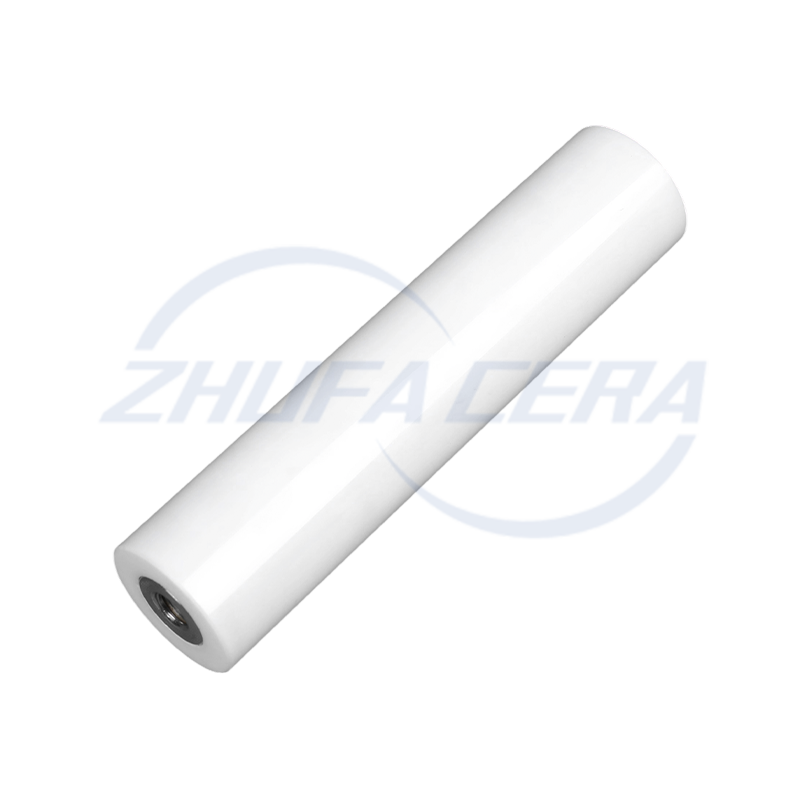
Zirconia Ceramic Rod is a high-performance ceramic material rod, mainly made of zirconium oxide, with excellent mechanical strength and chemical stability. It exhibits extremely high hardness and wear...
See Details -
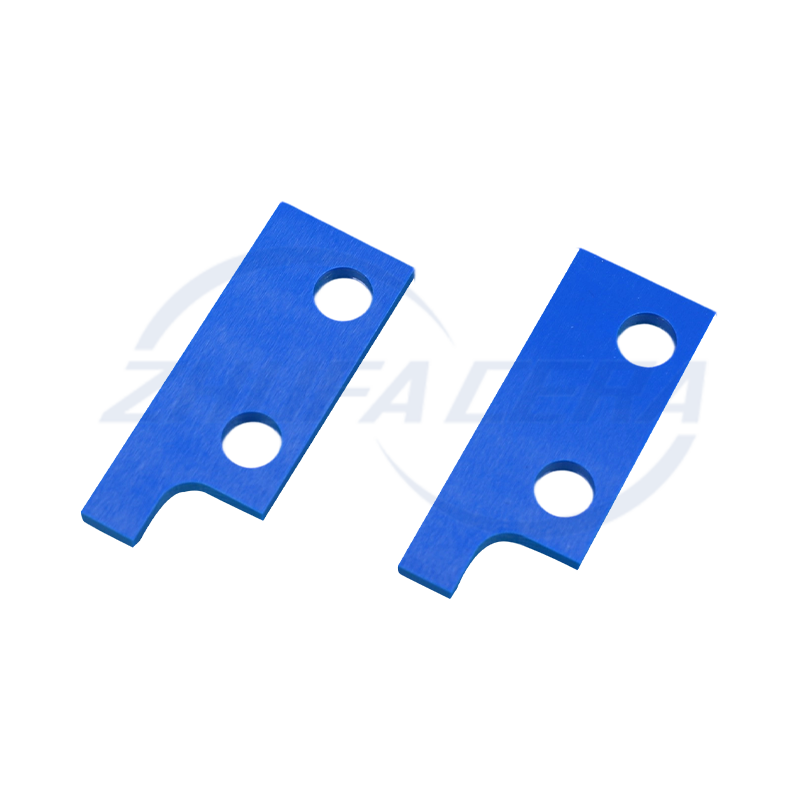
Blue zirconia ceramic sheets are precision components made of advanced zirconia ceramics. They are stained with cobalt, iron or copper to form a blue color. This color not only serves as a visual i...
See Details -

This blue zirconia ceramic pin is made of advanced zirconia ceramic material, providing excellent durability and performance. Zirconia ceramics are known for their high strength, good wear resistan...
See Details -

Zirconia Ceramic Gear is made of zirconium oxide ceramic material, which has excellent high strength and high hardness. This material property enables it to effectively resist wear during the transmis...
See Details -

Zirconia Ceramic Guide Rail is a high-performance precision mechanical component made of zirconium oxide ceramic material. Its core characteristics are derived from the excellent physical and chemical...
See Details -
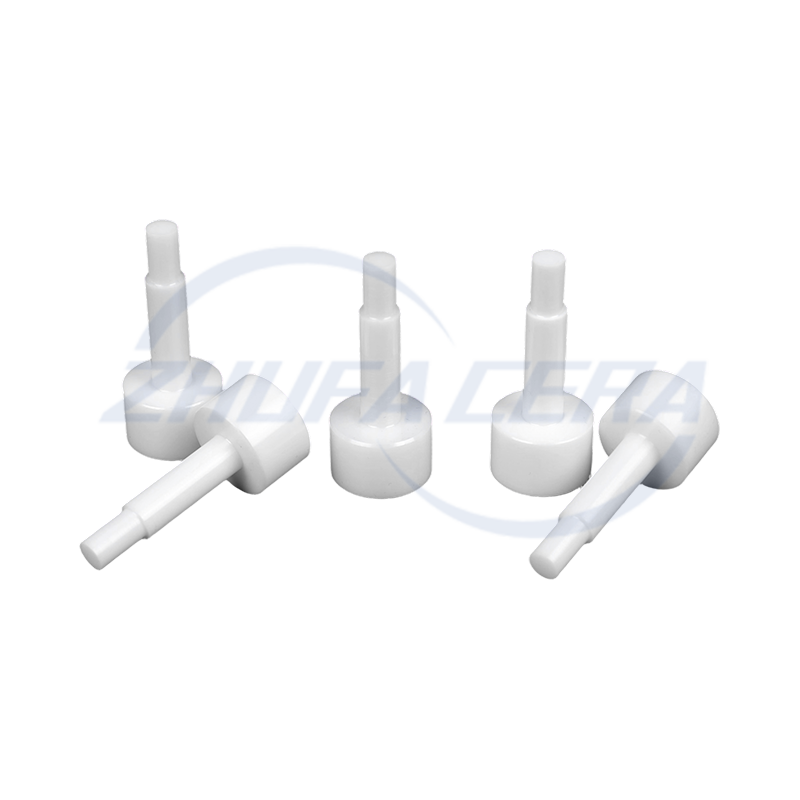
Zirconia Ceramic Locating Pin is a high-precision positioning element made of advanced zirconium oxide ceramic material with excellent physical and chemical properties. Its main characteristics includ...
See Details -
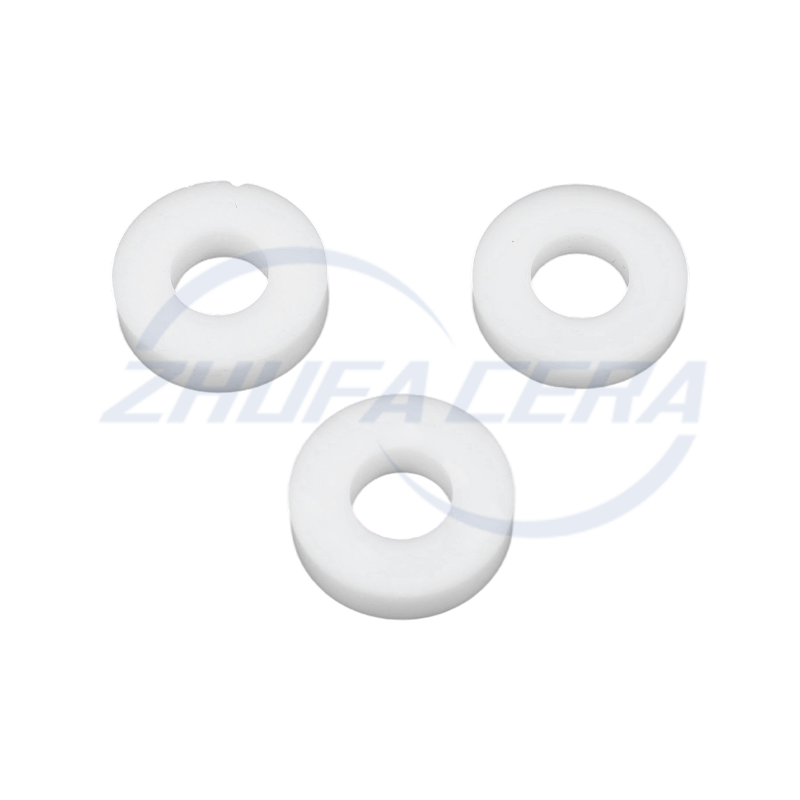
Zirconia Ceramic Ring is a high-performance ceramic product known for its excellent physical and chemical properties. It has extremely high hardness and strength, with a Mohs hardness of more than 8.5...
See Details -
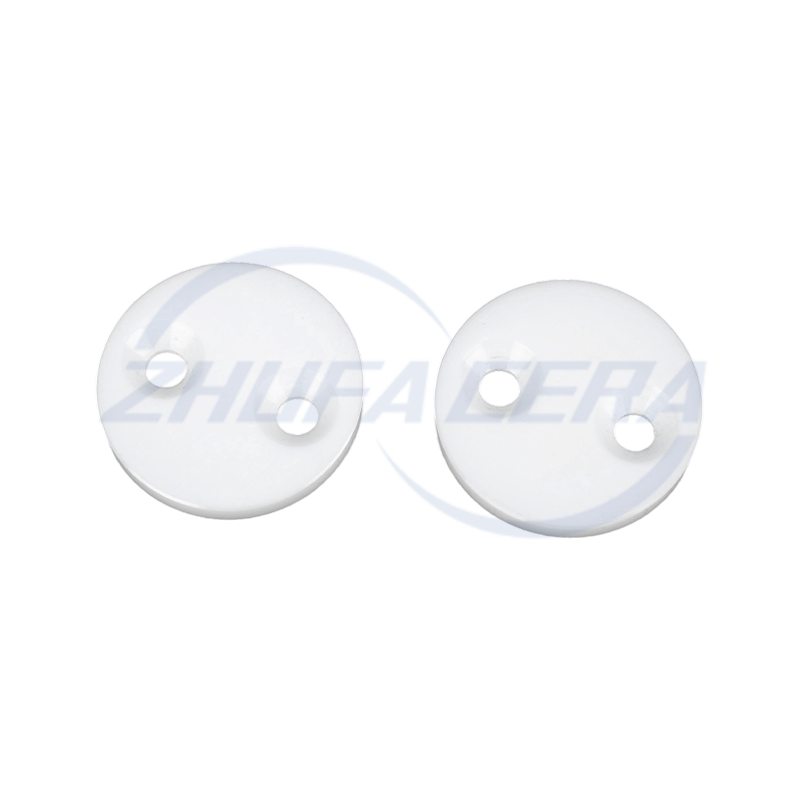
Zirconia ceramic sheets have become functional core components in various fields thanks to their unique properties. With a flexural strength of 900–1200 MPa and a fracture toughness of 6–10 MPa・m¹/², ...
See Details -

Zirconia Ceramic Strip is a strip material made of high-performance zirconium oxide ceramic with excellent physical and chemical properties. It has extremely high hardness and flexural strength, can e...
See Details -
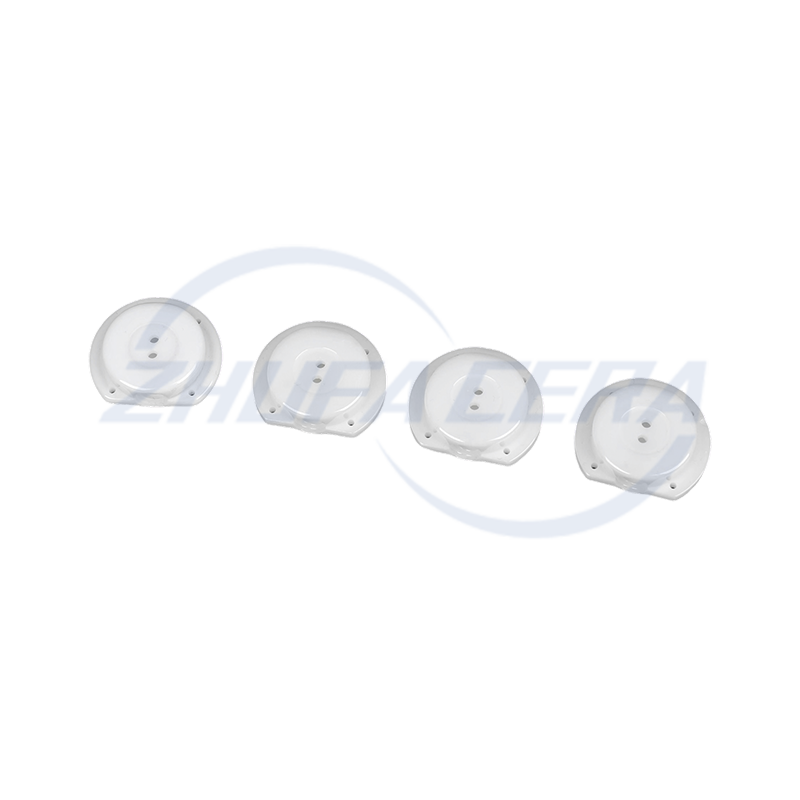
Zirconia ceramic wafers are representative products in the field of high-performance structural ceramics. Compared with traditional alumina ceramics or metal materials, its comprehensive performanc...
See Details -
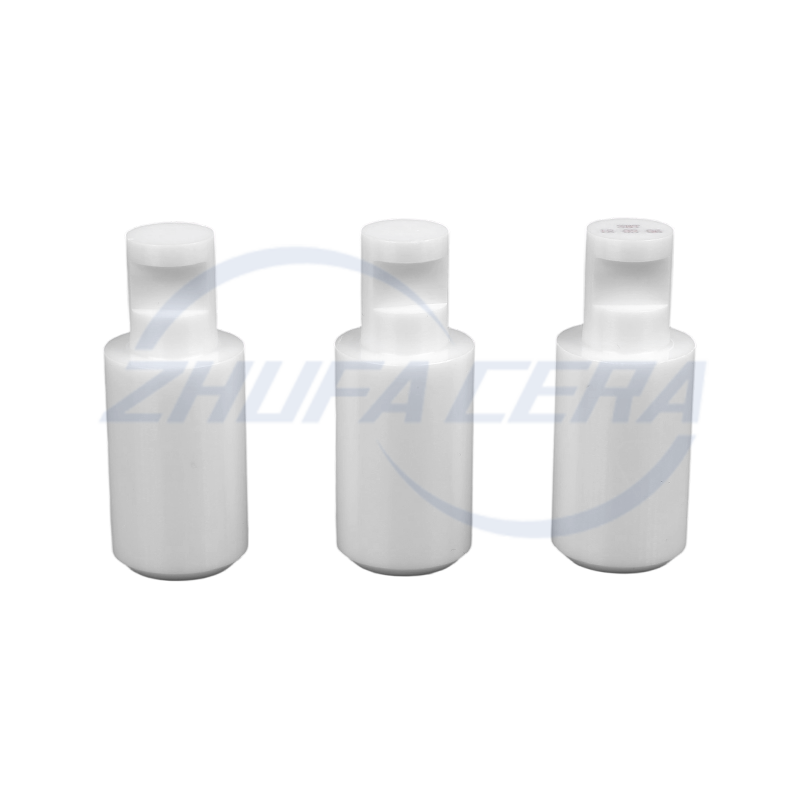
Zirconia Ceramic Plunger is a high-performance component designed for harsh industrial environments. Compared with similar ceramic or metal plunger products, it stands out with its unique material adv...
See Details


-
Quick Links
Home Products About Us Services Technology News Contact Us -
Products
Ceramic Structural Parts Zirconia Ceramics Alumina Ceramics ZTA Ceramics Silicon Nitride Ceramics Silicon Carbide Ceramics Ceramic Injection Molded Parts -
About Us
Factory Tour Honor FAQ -
Contact info
+86-188 8878 5188zf@zfcera.comNo. 1, Xinggong Road, Anchang Industrial Park, Keqiao District, Shaoxing City, Zhejiang Province, China -
WhatsApp

Copyright © Zhejiang Zhufa Precision Ceramics Technology Co., Ltd. All Rights Reserved.
China precision ceramics manufacturer
wholesale precision ceramics supplier
