
 中文简体
中文简体 русский
 Español
 عربى
عربى Português
 日本語
日本語 한국어
한국어

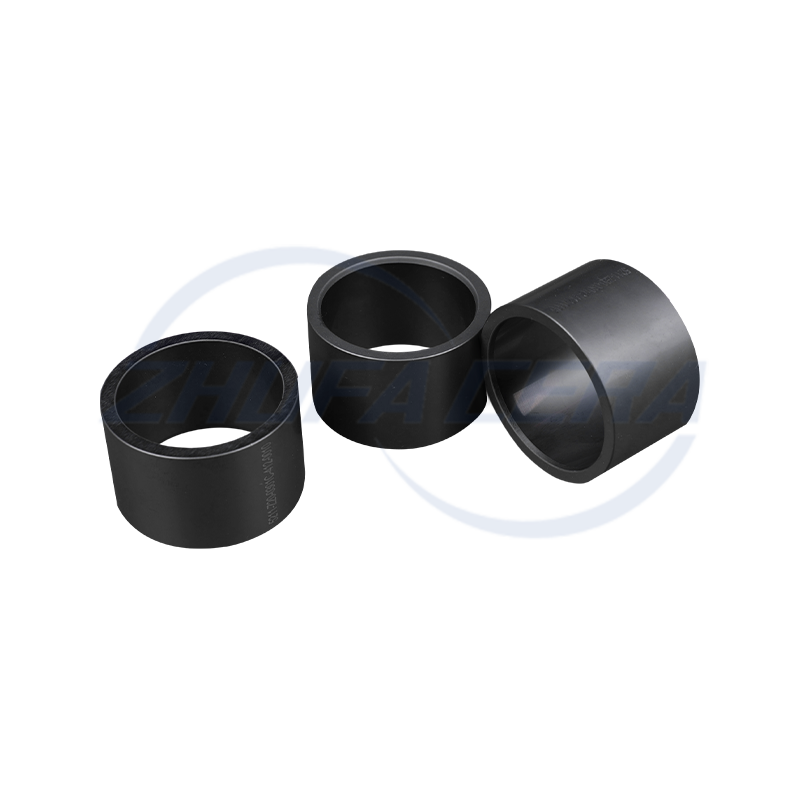
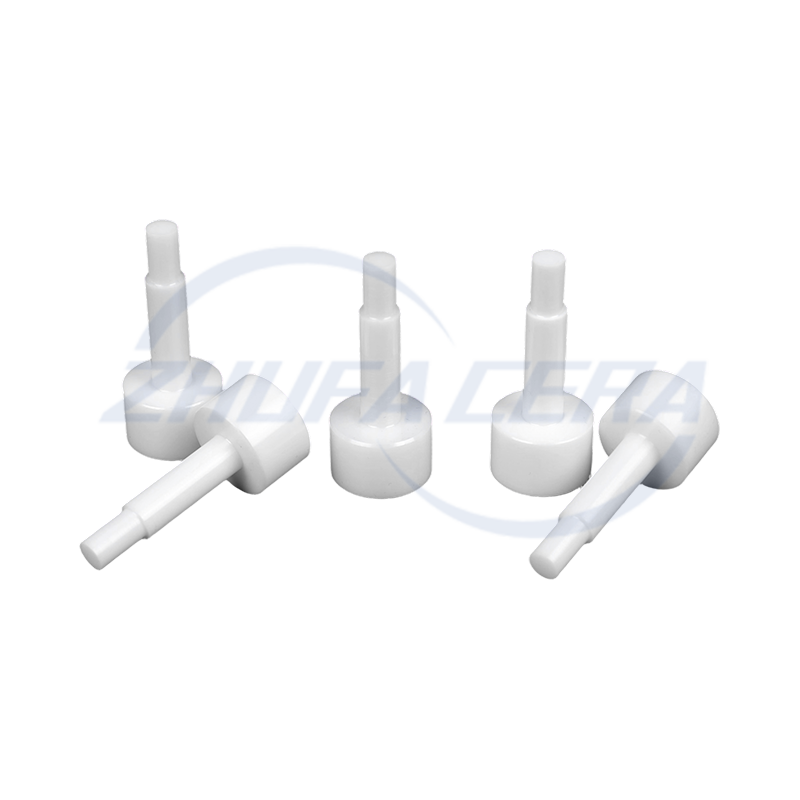
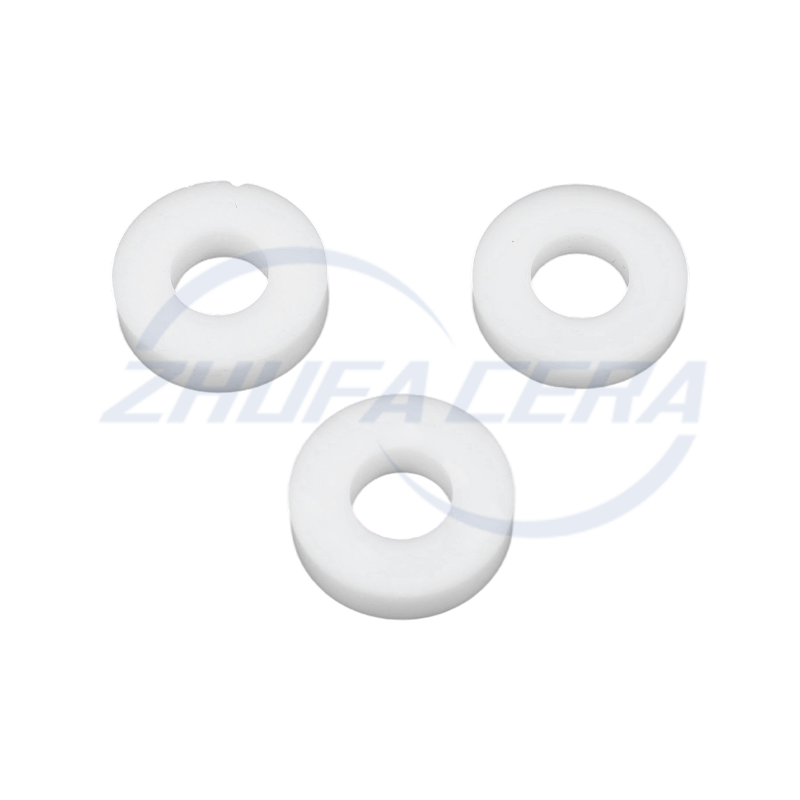
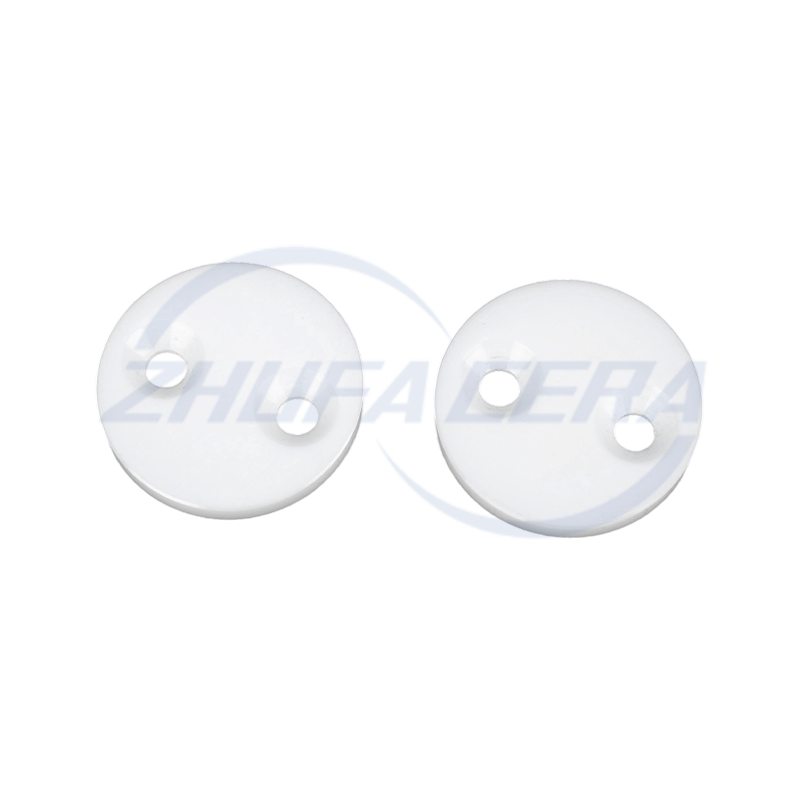
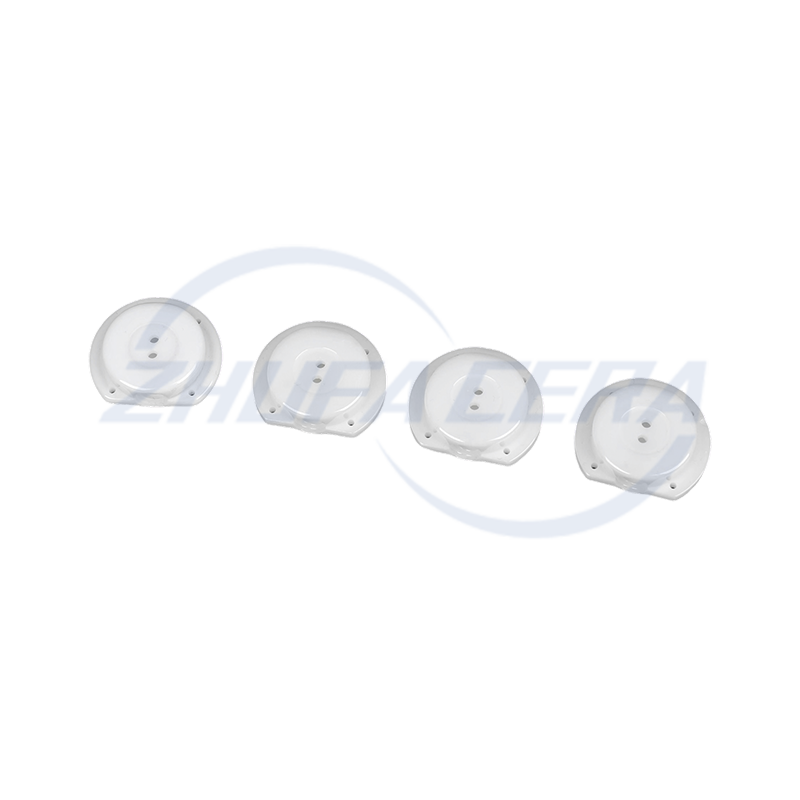
Ceramic isolators are electrical insulating components manufactured from ceramic materials — primarily alumina, porcelain, steatite, or advanced technical ceramics — that physically separate conductive parts of a circuit or system while preventing the flow of electrical current between them. They are designed to withstand high voltages, extreme temperatures, mechanical loads, and harsh environmental conditions simultaneously, making them indispensable across power transmission, electronics, telecommunications, aerospace, and industrial heating applications.
Unlike polymer or glass alternatives, ceramic isolators combine electrical insulation with exceptional thermal stability, chemical resistance, and mechanical compressive strength. A standard porcelain transmission line isolator, for example, can withstand voltages exceeding 400 kV, temperatures from -40°C to over 300°C, and mechanical tensile loads above 70 kN — all simultaneously and over a service life measured in decades. This guide covers the types, materials, applications, selection criteria, and key performance comparisons for ceramic isolators in professional and industrial use.
How Do Ceramic Isolators Work?
Ceramic isolators work by exploiting the inherent electrical non-conductivity of ceramic crystal structures, in which tightly bound ionic and covalent bonds leave no free electrons available to carry electrical current, even under high electric field strengths.
The key electrical and physical mechanisms that make ceramics effective isolators include:
- High dielectric strength: Ceramics resist electrical breakdown across their bulk and surface. Alumina ceramic, for instance, achieves dielectric strengths of 15–20 kV/mm, meaning a 10 mm thick alumina disc can withstand 150–200 kV before breakdown occurs. By comparison, air breaks down at approximately 3 kV/mm.
- High volume resistivity: The volume resistivity of technical ceramics typically ranges from 10^12 to 10^14 ohm-cm, ensuring negligible leakage current even at elevated voltages and temperatures.
- Low dielectric loss (low tan delta): High-quality ceramic isolators exhibit dielectric loss tangents below 0.001 at radio frequencies, making them suitable for RF and microwave applications where energy dissipation must be minimized.
- Surface creepage design: In high-voltage transmission isolators, the external surface is shaped into a series of sheds or corrugations that dramatically increase the creepage distance — the path length along the surface between the two conductors — without increasing the physical height of the component. A 400 kV disc isolator achieves a creepage distance of 31 mm per kV of rated voltage, or approximately 12.4 meters of surface path in a string of insulators.
In thermal and mechanical applications, ceramic isolators additionally exploit the low thermal conductivity of ceramics (0.5–30 W/m·K depending on composition) to thermally isolate components while still supporting mechanical loads — a combination that metal or polymer isolators cannot provide at high temperatures.
What Types of Ceramic Isolators Are Available?
The broad family of ceramic isolators encompasses several distinct product categories, each optimized for specific operating environments and performance requirements.
1. Porcelain Disc and Pin Insulators (Power Transmission)
Porcelain ceramic isolators in disc and pin configurations are the workhorses of overhead power transmission and distribution networks worldwide. Disc isolators are assembled into strings — a 400 kV transmission line typically uses a string of 20–24 discs — while pin isolators are used at lower distribution voltages (up to 33 kV) on a single porcelain unit mounted to a crossarm.
Standard disc isolators conform to IEC 60305 and are rated by their electromechanical failing load (EFL), with standard classes at 40 kN, 70 kN, 100 kN, 120 kN, and 160 kN. A 70 kN disc isolator weighs approximately 4.5 kg and has a creepage distance of 146 mm per disc.
2. Ceramic Standoff and Post Insulators
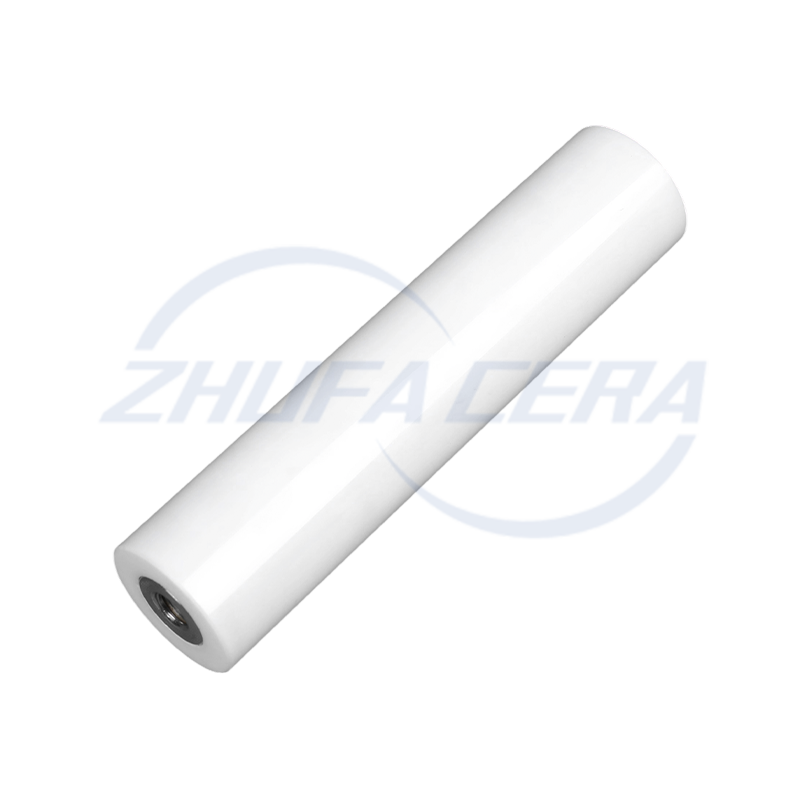
Ceramic standoff isolators support busbars, switchgear conductors, and high-voltage components while maintaining electrical clearance from grounded structures. They are manufactured in cylindrical, hexagonal, and custom profiles with threaded metal end fittings (typically zinc-die-cast or aluminum) bonded with Portland cement or epoxy.
Post isolators for indoor switchgear typically operate from 1 kV to 36 kV, while outdoor station post insulators serve 66 kV to 800 kV substations. Cantilever strength ratings range from 1 kN for small indoor units to over 16 kN for large outdoor station posts.
3. Ceramic Feed-Through and Bushing Isolators
Ceramic feed-through isolators allow electrical conductors to pass through a grounded wall, chassis, or pressure boundary while maintaining both electrical isolation and a hermetic seal. They are essential in vacuum systems, high-pressure vessels, cryogenic equipment, and power electronic enclosures.
Alumina-metal brazed feed-throughs achieve helium leak rates below 1×10^-9 mbar·l/s and are rated for operating temperatures from -196°C (liquid nitrogen) to over 450°C, with voltage ratings from 1 kV to 100 kV depending on geometry.
4. Ceramic RF and Microwave Isolators
Ceramic RF isolators used in telecommunications and broadcasting equipment are precision components machined from low-loss ceramics such as alumina (Al2O3 at 96–99.7% purity) or aluminum nitride (AlN). They serve as substrate materials in microstrip antenna arrays, as dielectric resonators in oscillators, and as standoff supports in high-power RF cavities where even small amounts of dielectric loss would generate unacceptable heat at kilowatt power levels.
5. Ceramic Thermal Isolators
Ceramic thermal isolators — including machinable glass-ceramic pads, cordierite spacers, and zirconia standoffs — are used in industrial furnaces, semiconductor processing equipment, exhaust systems, and aerospace structures to thermally decouple hot components from sensitive or structural parts. Zirconia (ZrO2) thermal isolators are particularly valued for their extremely low thermal conductivity of 2–3 W/m·K combined with high compressive strength exceeding 2,000 MPa.
Which Ceramic Material Is Best for Isolators?
The best ceramic material for an isolator depends on the specific combination of electrical, thermal, mechanical, and environmental demands of the application. No single ceramic is optimal for all conditions.
| Ceramic Material | Dielectric Strength (kV/mm) | Max Service Temp (°C) | Thermal Conductivity (W/m·K) | Best Application |
| Porcelain | 8–12 | 1,000 | 1.0–1.5 | Transmission line insulators, distribution |
| Alumina (Al2O3 96%) | 15–18 | 1,500 | 24–28 | Standoffs, feed-throughs, RF substrates |
| Alumina (Al2O3 99.7%) | 18–20 | 1,700 | 30–35 | Semiconductor equipment, precision electronics |
| Steatite (MgO-SiO2) | 9–12 | 1,000 | 2.5–3.0 | Heating element supports, small standoffs |
| Zirconia (ZrO2) | 8–10 | 2,000 | 2–3 | Thermal isolation, extreme temperature service |
| Aluminum Nitride (AlN) | 14–17 | 1,200 | 150–180 | Power electronics substrates requiring heat dissipation |
| Cordierite | 6–9 | 1,350 | 1.5–2.5 | Kiln furniture, thermal cycling applications |
Table 1: Key electrical and thermal properties of common ceramic materials used in isolators — values are typical ranges for commercial grades
A critical material selection note: Aluminum nitride (AlN) is unique among ceramic isolators because it combines high electrical insulation with exceptional thermal conductivity of 150–180 W/m·K — approaching that of some metals. This makes AlN the material of choice in power electronic modules (IGBTs, power MOSFETs, SiC devices) where the ceramic must simultaneously insulate the circuit from the heatsink and conduct heat away efficiently. No other commercially viable ceramic achieves this combination.
How Do Ceramic Isolators Compare to Polymer and Glass Alternatives?
Ceramic isolators offer a distinct performance profile compared to polymer (composite) and glass insulators. Each material category has genuine strengths, and the choice between them involves engineering trade-offs rather than a simple hierarchy.
| Property | Ceramic (Porcelain / Alumina) | Toughened Glass | Polymer Composite (Silicone / EPDM) |
| Service Life | 40–70 years | 30–50 years | 20–35 years |
| Max Operating Temp | 300°C+ continuous | Up to ~300°C | -60°C to 200°C (silicone) |
| Vandalism / Impact Resistance | Moderate (brittle) | Low (shatters visibly) | High (tough, flexible) |
| Hydrophobicity (Wet Performance) | Hydrophilic (wets out) | Hydrophilic | Hydrophobic (self-cleaning) |
| UV and Ozone Resistance | Excellent | Excellent | Good to Excellent (silicone) |
| Weight (relative) | Heavy | Heavy | Light (60–80% lighter) |
| Flashover Detection | Difficult (no visible damage) | Easy (glass shatters — zero-defect detection) | Difficult |
| Pollution Performance (Heavy Contamination) | Good (with anti-fog profile) | Good | Excellent (hydrophobic surface) |
| Unit Cost (relative) | Medium | Medium-Low | Medium-High (but lower installation cost) |
Table 2: Ceramic isolators vs. glass and polymer alternatives — comparative performance across key selection criteria
The key advantage of ceramic isolators over polymer alternatives in high-temperature or chemically aggressive environments is their complete immunity to UV degradation, ozone attack, and hydrocarbon contamination — all of which can degrade polymer surfaces over time, increasing leakage current and reducing flashover voltage. In industrial environments with hydrocarbon or solvent exposure (petroleum refineries, chemical plants), ceramic isolators are the only viable long-term choice.
What Are the Key Applications of Ceramic Isolators Across Industries?
Ceramic isolators serve critical roles across a wider range of industries than most engineers initially appreciate, extending well beyond traditional power transmission.
Power Transmission and Distribution
This is the largest market for ceramic isolators by volume. Porcelain disc and pin insulators support overhead transmission lines at voltages from 11 kV to 1,200 kV (ultra-high voltage DC). A single 500 kV AC transmission tower may carry 24–28 disc insulators per phase per string, with three phases, totaling over 70 ceramic disc units on a single structure. Global installed base exceeds 10 billion disc insulators.
Industrial Heating and Furnace Equipment
Steatite and alumina ceramic isolators support resistance heating elements in industrial furnaces, kilns, ovens, and semiconductor diffusion tubes. These components must simultaneously support the mechanical weight of heating elements (up to several kilograms per element), withstand radiant temperatures exceeding 1,200°C, and maintain electrical isolation at heating element voltages typically ranging from 120V to 480V AC. Alumina tube and bead insulators for thermocouple lead wires operate in the same environments.
Power Electronics and Semiconductor Substrates
Ceramic isolators — specifically direct bonded copper (DBC) substrates on alumina or aluminum nitride ceramics — form the electrical isolation layer in IGBT modules, power MOSFET assemblies, and SiC power devices used in electric vehicle inverters, solar inverters, industrial motor drives, and railway traction systems. A standard automotive EV traction inverter uses DBC substrates with alumina or AlN ceramic layers of 0.32–0.63 mm thickness, rated for 1,200V blocking voltage and capable of passing 200–400A continuous current while conducting waste heat to the module baseplate.
Aerospace and Defense
Ceramic isolators in aerospace applications must meet MIL-I-10 and similar defense standards covering insulation resistance, dielectric withstand, thermal shock, vibration, and altitude performance. Common applications include ignition lead insulators in jet engine igniters (operating at 20,000V+ and temperatures exceeding 500°C), hermetic feed-through isolators in avionics enclosures, and ceramic standoffs in radar and electronic warfare systems.
Vacuum and High-Purity Process Equipment
In semiconductor fabrication, flat panel display manufacturing, and scientific research equipment, alumina and machinable ceramic isolators are specified for vacuum chamber feedthroughs, ion beam components, and plasma system electrodes. The extremely low outgassing rates of high-purity alumina ceramics (below 10^-8 mbar·l/s·cm² after bakeout) make them compatible with ultra-high vacuum (UHV) environments at pressures below 10^-9 mbar.
How Should Ceramic Isolators Be Selected and Specified Correctly?
Correct specification of ceramic isolators requires defining a minimum of six parameters, each of which can independently determine whether the component succeeds or fails in service.
- Rated voltage and insulation class: Define the system voltage, impulse withstand voltage (BIL), and required test voltages per IEC 60071 or IEEE standards. Always specify both power frequency withstand voltage and lightning impulse withstand voltage — a component may pass one test and fail the other.
- Creepage distance: Determined by the pollution severity class of the installation environment (light, medium, heavy, very heavy per IEC 60815). Coastal, industrial, and desert environments require longer creepage distances than clean inland sites — up to 31 mm/kV in the most severe (Class IV) pollution zones.
- Mechanical load rating: Specify tensile, compressive, cantilever, or torsional load as applicable. For transmission line disc isolators, specify EFL (electromechanical failing load) per IEC 60305. Apply a safety factor of at least 2.5× the maximum expected working load.
- Temperature range: Specify both continuous operating temperature and short-term peak temperature. For thermal cycling applications, also specify the rate of temperature change, as thermal shock resistance varies significantly between ceramic grades.
- Material grade and purity: For precision applications, specify the minimum Al2O3 content (e.g., 96%, 99%, or 99.7%) and key contaminant limits, as impurity levels directly affect dielectric loss, volume resistivity, and high-temperature performance.
- Environmental exposure: Specify UV exposure, chemical exposure (acid rain, industrial gases, hydrocarbons), humidity class, and any seismic or wind loading requirements relevant to the installation location.
Frequently Asked Questions: Ceramic Isolators
Q: What is the difference between a ceramic isolator and a ceramic insulator?
The terms are largely interchangeable in industrial practice, though subtle usage differences exist by industry. In power engineering, the term insulator is predominantly used for transmission and distribution components. In electronics, instrumentation, and precision engineering, isolator is preferred when the component's primary function is to electrically isolate circuits or system sections from each other, particularly when the isolation must also prevent ground loop currents or provide defined impedance characteristics. In thermal engineering, isolator emphasizes the thermal decoupling function. Functionally, both terms describe components that prevent unwanted electrical current flow through their ceramic body.
Q: How long do ceramic isolators last in outdoor transmission line service?
High-quality porcelain disc ceramic isolators in transmission line service routinely achieve service lives of 40–70 years when properly specified for the pollution environment. Some porcelain insulators installed in the 1950s and 1960s remain in service today after 60+ years, having passed routine flashover and insulation resistance tests. The primary failure mechanisms are slow crack growth from mechanical fatigue (rare), cement expansion causing the metal cap to crack the ceramic (most common failure mode in older designs), and surface contamination causing flashover events in heavily polluted environments.
Q: Can ceramic isolators be used in direct contact with chemicals or acids?
Yes, with material-specific limitations. High-purity alumina ceramic isolators (99%+ Al2O3) resist attack by most acids except hydrofluoric acid (HF) and concentrated hot phosphoric acid, and are resistant to most alkalis at moderate concentrations. Porcelain has slightly lower chemical resistance than pure alumina. Zirconia offers excellent resistance to acids but is attacked by concentrated hydrofluoric acid and hot concentrated sulfuric acid. For HF-containing environments, silicon nitride (Si3N4) ceramics provide superior resistance. Always request chemical compatibility data from the manufacturer for specific chemical exposures before specifying.
Q: What causes a ceramic isolator to fail?
The most common failure modes for ceramic isolators in service are: surface contamination flashover (accumulated pollution combined with moisture creates a conductive surface path — the most frequent failure mode in high-pollution areas); thermal shock cracking (rapid temperature changes exceeding the material's thermal shock resistance, typically a concern during commissioning or process upsets); mechanical overload fracture (impact damage, ice loading, or seismic events exceeding the component's rated mechanical strength); and cement joint failure in assembled insulators (expansion of Portland cement used to bond metal fittings can crack the ceramic body over decades of freeze-thaw cycling).
Q: How are ceramic isolators tested before installation?
Standard acceptance testing for ceramic isolators per IEC 60305 (disc insulators) and IEC 60168 (string insulators) includes: mechanical routine tests at 50% of the specified EFL; power frequency dry and wet flashover voltage tests; impulse flashover voltage tests (simulating lightning); thermal mechanical performance tests; and porosity tests (immersion in dye solution under pressure to detect microcracks). For alumina technical ceramics per ASTM C773 and C848, tests include flexural strength measurement, dielectric constant and loss tangent measurement, and thermal shock resistance per ASTM C484.
Q: What is the typical cost range for ceramic isolators?
Costs vary enormously by type, size, and material purity. Standard porcelain disc insulators for distribution lines (11–33 kV) cost $3–$12 per unit in volume. High-voltage transmission disc isolators (70 kN class) cost $8–$25 each. Alumina standoff isolators for switchgear cost $15–$80 depending on size and voltage rating. Precision alumina or AlN ceramic substrates for power electronics cost $5–$50 per piece at production volumes. Custom-machined alumina or zirconia precision components for semiconductor or aerospace applications can cost $50–$500+ per piece depending on complexity, tolerances, and purity specification.
Q: Are there recyclable or sustainable ceramic isolator options?
Ceramic materials are inherently mineral-based and contain no organic compounds or halogens, giving them a favorable environmental profile compared to polymer composites, which may contain epoxy resins, fiberglass, or silicone compounds. End-of-life porcelain ceramic isolators from transmission lines can be crushed and used as aggregate in construction materials or ceramics recycling streams. They contain no hazardous substances requiring special disposal handling. High-purity alumina technical ceramics are similarly non-hazardous. The long service life of ceramic isolators — 40–70 years versus 20–35 years for composites — also results in significantly lower lifecycle material consumption per year of service.
Why Ceramic Isolators Remain the Foundation of Reliable Electrical and Industrial Systems
Ceramic isolators have been the backbone of electrical infrastructure for over 130 years — and their dominance endures because no other material class simultaneously delivers the combination of electrical insulation, thermal stability, mechanical strength, chemical inertness, and service longevity that ceramics provide. From the porcelain disc insulators on a 500 kV transmission tower to the aluminum nitride substrate inside an electric vehicle inverter, ceramic isolation is present at every level of the modern electrical system.
Key principles to carry forward when specifying or evaluating ceramic isolators:
- Material selection drives performance — alumina, porcelain, steatite, zirconia, and AlN each occupy a distinct performance space; choose based on the specific combination of electrical, thermal, and mechanical demands.
- Creepage distance is as important as voltage rating — an isolator that meets the voltage test but is undersized for the pollution environment will fail in service within years.
- Mechanical and electrical ratings must both be satisfied — a ceramic isolator that survives 200 kV but fractures under the mechanical load it must carry provides no protection.
- Ceramic outperforms polymer over the long term in high-temperature, chemically aggressive, and UV-intense environments — the higher initial cost is typically recovered within 5–10 years through reduced replacement frequency.
- AlN is the material of choice where simultaneous electrical isolation and high thermal conductivity are required — no other practical ceramic meets both requirements.
Whether you are designing a substation, specifying heating system components, engineering a power electronics module, or procuring industrial furnace equipment, understanding ceramic isolators — their materials, types, limitations, and selection criteria — is essential knowledge for any electrical, mechanical, or systems engineer working with high-performance equipment.