

 中文简体
中文简体 русский
 Español
 عربى
عربى Português
 日本語
日本語 한국어
한국어
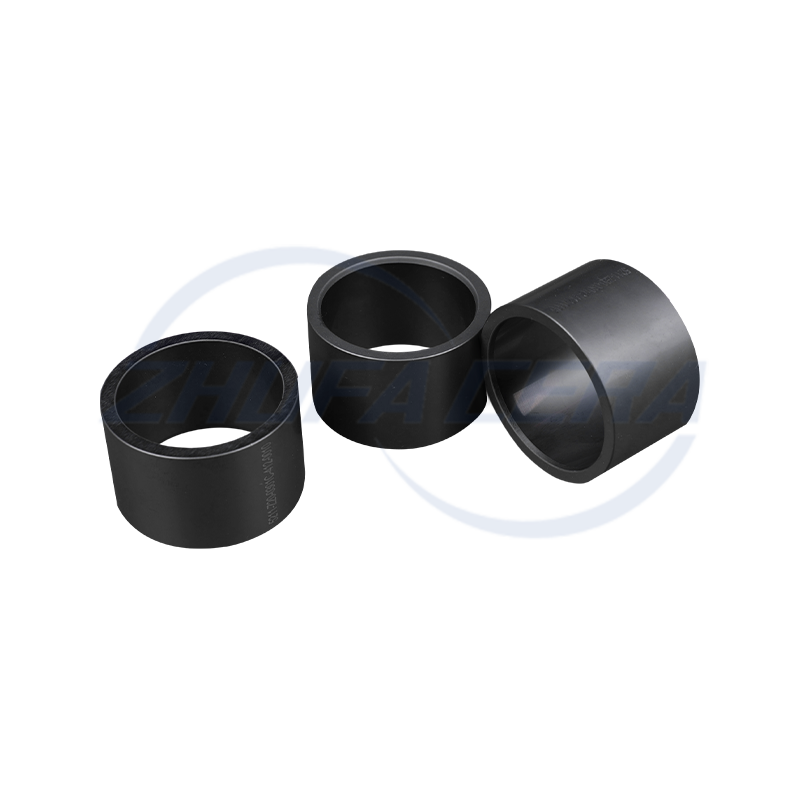
Black silicon carbide ceramic ring is a high-performance engineered ceramic assembly made of high-purity silicon carbide by precision molding and high temperature sintering. Its quadrangular crystal s...
See Details
FOLLOW US :


 Email: zf@zfcera.com
 Telephone: +86-188 8878 5188

What Is a Ceramic End Mill and When Should You Use One?
2026-04-02
Content
- Understanding Ceramic End Mills: Materials and Composition
- Ceramic End Mill vs. Carbide End Mill: A Detailed Comparison
- Key Applications of Ceramic End Mills
- Ceramic End Mill Geometry and Design Features
- How to Set Up and Run a Ceramic End Mill: Best Practices
- Advantages and Disadvantages of Ceramic End Mills
- Selecting the Right Ceramic End Mill for Your Application
- Ceramic End Mill in Aerospace Manufacturing: A Practical Case Study
- Frequently Asked Questions About Ceramic End Mills
- Q: Can I use a ceramic end mill on aluminum?
- Q: Can I use coolant with a ceramic end mill?
- Q: Why do ceramic end mills break so easily?
- Q: What is the difference between a SiAlON and a whisker-reinforced ceramic end mill?
- Q: How do I know if my machine can run a ceramic end mill?
- Q: Are ceramic end mills recyclable or resharpenable?
- Future Trends in Ceramic End Mill Technology
- Conclusion: Is a Ceramic End Mill Right for You?
A ceramic end mill is a cutting tool made from advanced ceramic materials — primarily silicon nitride (Si₃N₄), alumina (Al₂O₃), or SiAlON — designed for high-speed, high-temperature machining of hard and abrasive materials. You should use one when conventional carbide tools fail due to excessive heat or wear, particularly in applications involving nickel-based superalloys, hardened steels, and cast iron. Ceramic end mills can operate at cutting speeds 5 to 20 times faster than carbide, making them the preferred choice in aerospace, automotive, and die-and-mold industries.
Understanding Ceramic End Mills: Materials and Composition
The performance of a ceramic end mill is fundamentally determined by its base material. Unlike carbide tools that rely on tungsten carbide particles in a cobalt binder, ceramic tooling is engineered from non-metallic compounds that retain extreme hardness even at elevated temperatures.
Common Ceramic Materials Used in End Mills
| Material | Composition | Key Property | Best For |
| Silicon Nitride (Si₃N₄) | Silicon + Nitrogen | High thermal shock resistance | Cast iron, gray iron |
| Alumina (Al₂O₃) | Aluminum Oxide | Extreme hardness, chemical stability | Hardened steels, superalloys |
| SiAlON | Si, Al, O, N composite | Toughness + hardness balance | Nickel superalloys, Inconel |
| Whisker-Reinforced Ceramic | Al₂O₃ + SiC whiskers | Improved fracture toughness | Interrupted cuts, aerospace alloys |
Each ceramic compound offers a distinct combination of hardness, thermal resistance, and toughness. The selection of the correct ceramic end mill material is critical — an incorrect match between tool material and workpiece can result in premature failure, chipping, or suboptimal surface finish.
Ceramic End Mill vs. Carbide End Mill: A Detailed Comparison
One of the most common questions machinists ask is: should I use a ceramic end mill or a carbide end mill? The answer depends on your workpiece material, required cutting speed, machine rigidity, and budget. Below is a comprehensive side-by-side analysis.
| Comparison Factor | Ceramic End Mill | Carbide End Mill |
| Hardness (HRA) | 93–96 HRA | 88–93 HRA |
| Cutting Speed | 500–1,500 SFM (or higher) | 100–400 SFM |
| Heat Resistance | Retains hardness above 1,000°C | Softens above 700°C |
| Fracture Toughness | Low to moderate | High |
| Tool Life (Superalloys) | Excellent | Poor to fair |
| Coolant Requirement | Usually dry (coolant can cause thermal shock) | Wet or dry |
| Cost per Tool | Higher initial cost | Lower initial cost |
| Machine Requirement | High-speed, rigid spindle | Standard CNC |
| Vibration Sensitivity | Very sensitive | Moderate |
The cost-per-part calculation often tips decisively in favor of ceramic end mills in production environments. While the upfront cost is higher, the dramatically increased material removal rates and extended tool life in specific applications result in significantly lower total machining cost over a production run.
Key Applications of Ceramic End Mills
The ceramic end mill excels in demanding industrial applications where conventional tooling is economically or technically impractical. Understanding the right application is critical to unlocking the full potential of ceramic tooling.
1. Nickel-Based Superalloys (Inconel, Waspaloy, Hastelloy)
These alloys are notoriously difficult to machine due to their high strength at elevated temperatures, work-hardening tendency, and poor thermal conductivity. A ceramic end mill — particularly SiAlON — can operate at cutting speeds of 500–1,000 SFM in these materials, compared to the 30–80 SFM typically used with carbide. The result is a dramatic reduction in cycle time for turbine blade manufacturing, combustion chambers, and aerospace structural components.
2. Hardened Steels (50–65 HRC)
In die and mold machining, workpieces are often hardened to 50 HRC and above. Ceramic end mills with alumina-based compositions can machine these steels effectively, reducing or eliminating the need for EDM in certain applications. The dry cutting capability is particularly valuable in these scenarios where coolant could cause thermal distortion in precision mold cavities.
3. Cast Iron (Gray, Ductile, and Compacted Graphite)
Silicon nitride ceramic end mills are exceptionally well-suited for cast iron machining. The material's natural affinity for cast iron — combined with its thermal shock resistance — enables high-speed face milling and end milling operations in automotive block and head manufacturing. Cycle time reductions of 60–80% compared to carbide are commonly achieved.
4. Cobalt-Based Alloys and High-Temperature Materials
Stellite, L-605, and similar cobalt alloys present machining challenges similar to nickel superalloys. Ceramic end mills with reinforced compositions provide the hardness and chemical stability necessary to handle these materials at competitive cutting speeds without the rapid wear seen with carbide.
Ceramic End Mill Geometry and Design Features
The geometry of a ceramic end mill differs significantly from carbide tooling, and understanding these differences is essential for correct application and tool selection.
Flute Count and Helix Angle
Ceramic end mills typically feature a higher number of flutes (6 to 12) compared to standard carbide tools (2 to 4 flutes). This multi-flute design distributes the cutting load across more edges simultaneously, which compensates for ceramic's lower fracture toughness by reducing the force on any individual cutting edge. Helix angles tend to be lower (10°–20°) compared to carbide (30°–45°) to minimize radial forces that could cause chipping.
Corner Radii and Edge Preparation
Sharp corners on a ceramic end mill are extremely vulnerable to chipping. Consequently, most ceramic end mills feature generous corner radii (0.5mm to full ball-nose profiles) and honed cutting edges. This edge preparation is a key manufacturing step that directly impacts tool life and reliability.
Shank and Body Design
Many ceramic end mills are produced with solid ceramic construction or ceramic cutting heads brazed to carbide shanks. The carbide shank variant provides the dimensional consistency and runout performance needed for precision CNC machining while maintaining the cost benefits of ceramic at the cutting zone.
How to Set Up and Run a Ceramic End Mill: Best Practices
Getting the best results from a ceramic end mill requires careful attention to setup, cutting parameters, and machine conditions. Improper use is the primary cause of premature ceramic tool failure.
Machine Requirements
A rigid, high-speed spindle is non-negotiable. Ceramic end mills require:
- Spindle speed capability: Minimum 10,000 RPM, ideally 15,000–30,000 RPM for smaller diameter tools
- Spindle runout: Less than 0.003mm TIR — even minor runout causes uneven load distribution and chipping
- Machine rigidity: Vibration is the single greatest cause of ceramic tool failure; machine and fixturing must be optimized
- Toolholder quality: Hydraulic or shrink-fit holders provide the best runout and vibration dampening
Recommended Cutting Parameters
| Workpiece Material | Cutting Speed (SFM) | Feed per Tooth | Axial DOC (% of D) | Coolant |
| Inconel 718 | 500–900 | 0.003–0.006" | 5–15% | Dry or air blast |
| Gray Cast Iron | 1,000–2,000 | 0.004–0.010" | 20–50% | Dry preferred |
| Hardened Steel (55 HRC) | 400–700 | 0.002–0.005" | 5–10% | Dry |
| Hastelloy X | 400–800 | 0.002–0.005" | 5–12% | Air blast |
Critical note on coolant: Applying liquid coolant to most ceramic end mills during cutting is strongly discouraged. The sudden thermal shock caused by coolant contacting the hot ceramic cutting edge can induce micro-cracking and catastrophic tool failure. Air blast is acceptable for chip evacuation — liquid flood coolant is not.
Advantages and Disadvantages of Ceramic End Mills
Advantages
- Exceptional cutting speeds — 5 to 20× faster than carbide in superalloys and cast iron
- Superior hot hardness — maintains cutting-edge integrity at temperatures that would destroy carbide
- Chemical inertness — minimal built-up edge (BUE) in most applications due to low chemical reactivity with workpiece materials
- Dry machining capability — eliminates coolant costs and environmental concerns in many setups
- Longer tool life in appropriate applications compared to carbide on a per-part basis
- Lower cost-per-part in high-production superalloy and cast iron machining
Disadvantages
- Low fracture toughness — ceramic is brittle; vibration, interrupted cuts, and improper setups cause chipping
- Narrow application window — does not perform well on aluminum, titanium, or soft steels
- High machine requirements — only suitable for modern, rigid high-speed machining centers
- No coolant tolerance — thermal shock from liquid coolant will shatter the tool
- Higher unit cost — the initial investment is significantly greater than carbide
- Steep learning curve — requires experienced programmers and setup technicians
Selecting the Right Ceramic End Mill for Your Application
Choosing the correct ceramic end mill involves matching multiple parameters to your specific machining scenario. The following decision factors are the most important:
| Selection Factor | Recommendation |
| Workpiece: Nickel Superalloy | SiAlON ceramic end mill, 6–10 flutes, low helix, corner radius |
| Workpiece: Cast Iron | Si₃N₄ ceramic end mill, high flute count, aggressive feeds |
| Workpiece: Hardened Steel (>50 HRC) | Alumina or whisker-reinforced ceramic, ball-nose or corner-radius style |
| Cut Type: Continuous (slotting) | Standard ceramic; reduce depth of cut to protect the tool |
| Cut Type: Interrupted (milling pockets) | Whisker-reinforced ceramic for improved toughness |
| Machine: Standard CNC (<8,000 RPM) | Ceramic end mills are NOT recommended; use carbide instead |
| Machine: High-Speed CNC (>12,000 RPM) | Ideal for ceramic end mills; ensure toolholder runout < 0.003mm |
Ceramic End Mill in Aerospace Manufacturing: A Practical Case Study
To illustrate the real-world impact of ceramic end mills, consider a representative scenario in aerospace turbine component manufacturing.
A precision machining operation producing turbine blisk components from Inconel 718 (52 HRC equivalent in heat resistance) originally used solid carbide end mills at 60 SFM with flood coolant. Each tool lasted approximately 8 minutes in cut before requiring replacement, and cycle time per part was approximately 3.5 hours.
After transitioning to SiAlON ceramic end mills running at 700 SFM dry, the same operation was completed in under 45 minutes. Tool life increased to 25–35 minutes in cut per edge. The cost-per-part calculation showed a 68% reduction despite the higher unit cost of the ceramic tooling.
This type of performance improvement is why ceramic end mills have become standard tooling in aerospace, defense, and power generation component manufacturing globally.
Frequently Asked Questions About Ceramic End Mills
Q: Can I use a ceramic end mill on aluminum?
No. Ceramic end mills are not suitable for aluminum machining. Aluminum's low melting point and tendency to adhere to ceramic surfaces cause rapid tool failure through adhesive wear and built-up edge. Carbide end mills with polished flutes and high helix angles remain the correct choice for aluminum.
Q: Can I use coolant with a ceramic end mill?
Liquid flood coolant should be avoided with ceramic end mills. The extreme temperature differential between the heated cutting zone and cold coolant causes thermal shock, leading to micro-cracking and sudden tool fracture. Air blast is the recommended alternative for chip evacuation. In specific formulations designed for it, minimum quantity lubrication (MQL) may be acceptable — always consult the tool manufacturer's data sheet.
Q: Why do ceramic end mills break so easily?
Ceramic end mills appear fragile compared to carbide, but this is a misunderstanding of the material's properties. Ceramic is not weak — it is brittle. It has lower fracture toughness than carbide, meaning it cannot flex under impact loading. When a ceramic tool breaks, it is almost always the result of: excessive vibration, inadequate spindle rigidity, incorrect cutting parameters (particularly too-high depth of cut), use of liquid coolant, or severe spindle runout. With correct setup and parameters, ceramic end mills demonstrate excellent and consistent tool life.
Q: What is the difference between a SiAlON and a whisker-reinforced ceramic end mill?
SiAlON (silicon aluminum oxynitride) is a single-phase ceramic compound offering excellent hot hardness and chemical stability, making it ideal for continuous cuts in nickel superalloys. Whisker-reinforced ceramics incorporate silicon carbide (SiC) whiskers into an alumina matrix, creating a composite structure with significantly improved fracture toughness. This makes whisker-reinforced ceramic end mills better suited for interrupted cuts, milling operations with entry and exit impacts, and applications with less-than-ideal machine stability.
Q: How do I know if my machine can run a ceramic end mill?
Your machining center needs to meet several requirements to successfully run a ceramic end mill. Spindle speed should be at least 10,000 RPM and ideally 15,000–30,000 RPM for tools under 12mm diameter. Spindle runout must be below 0.003mm TIR. The machine bed and column must be rigid — lightweight or older VMCs with known vibration issues are not suitable. Finally, your CAM programming expertise must be sufficient to maintain consistent chip load and avoid dwelling in the cut.
Q: Are ceramic end mills recyclable or resharpenable?
Most ceramic end mills are not economically re-sharpenable due to the difficulty of precision grinding ceramic materials and the relatively small diameter of many end mill geometries. Indexable ceramic insert tooling (such as face mills with ceramic inserts) is more commonly used for cost-effective indexing without tool replacement. The ceramic material itself is inert and non-hazardous — disposal follows standard industrial tooling practices.
Future Trends in Ceramic End Mill Technology
The ceramic end mill segment continues to evolve rapidly driven by the increasing use of difficult-to-machine materials in aerospace, energy, and medical device manufacturing. Several key trends are shaping the next generation of ceramic tooling:
- Nano-structured ceramics: Grain refinement at the nanometer scale is improving toughness without sacrificing hardness, addressing the primary limitation of conventional ceramic tools.
- Hybrid ceramic-CBN composites: Combining ceramic matrices with cubic boron nitride (CBN) particles creates tools with the hardness of CBN and the thermal stability of ceramics.
- Advanced coating technologies: PVD and CVD coatings are being applied to ceramic substrates to further improve wear resistance and reduce friction in specific applications.
- Additive manufacturing integration: As AM-produced superalloy components proliferate, demand for ceramic end mills capable of finish-machining near-net-shape parts is growing rapidly.
Conclusion: Is a Ceramic End Mill Right for You?
A ceramic end mill is a highly specialized cutting tool that delivers transformational performance improvements in the right application — but it is not a universal solution. If you are machining nickel-based superalloys, hardened steels above 50 HRC, or cast iron on a rigid high-speed machining center, the investment in ceramic tooling will almost certainly deliver significant reductions in cycle time and cost-per-part. If you are machining aluminum, titanium, or softer steels on standard CNC equipment, carbide remains the superior choice.
Success with ceramic end mills requires a comprehensive approach: the right ceramic material for the workpiece, correct tool geometry, precise cutting parameters, rigid machine setup, and elimination of liquid coolant from the process. When all these elements align, ceramic tooling enables productivity gains that carbide simply cannot match.
PREV:The “hard core” guardian of medical technology | Key applications and material breakthroughs of advanced precision ceramics in medical devicesNEXT:Key applications of advanced precision ceramics in semiconductor equipment: in-depth analysis of the properties of high-purity alumina, aluminum nitride and zirconium oxide
Related products
-
-
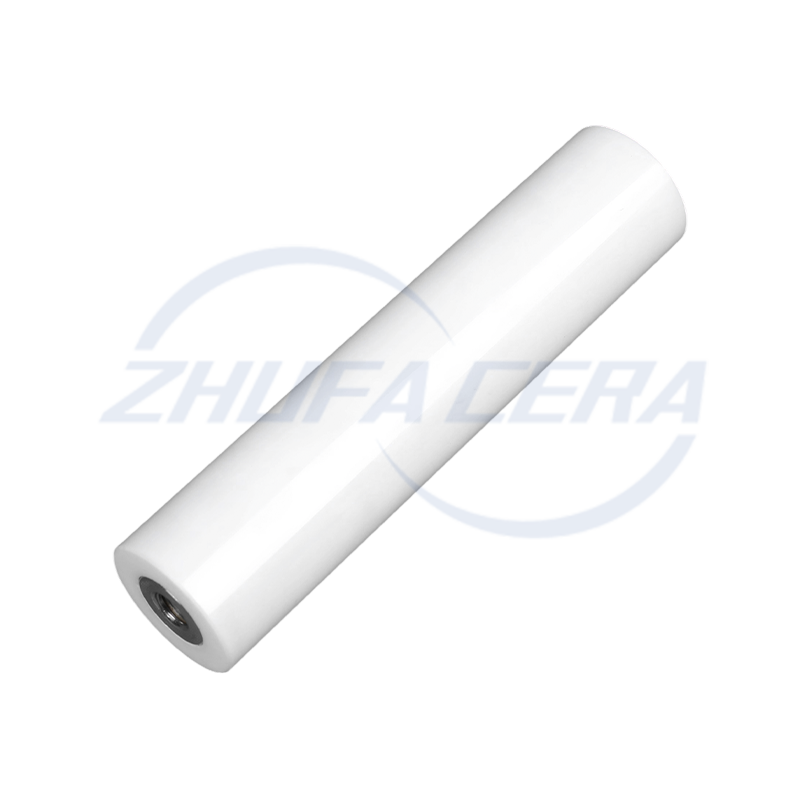
Zirconia Ceramic Rod is a high-performance ceramic material rod, mainly made of zirconium oxide, with excellent mechanical strength and chemical stability. It exhibits extremely high hardness and wear...
See Details -
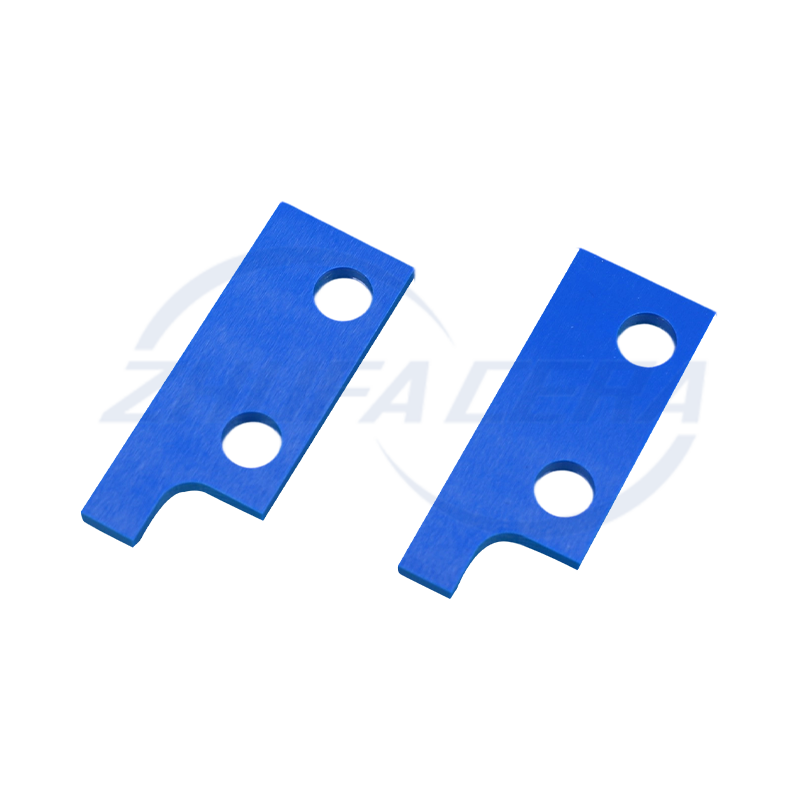
Blue zirconia ceramic sheets are precision components made of advanced zirconia ceramics. They are stained with cobalt, iron or copper to form a blue color. This color not only serves as a visual i...
See Details -

This blue zirconia ceramic pin is made of advanced zirconia ceramic material, providing excellent durability and performance. Zirconia ceramics are known for their high strength, good wear resistan...
See Details -

Zirconia Ceramic Gear is made of zirconium oxide ceramic material, which has excellent high strength and high hardness. This material property enables it to effectively resist wear during the transmis...
See Details -
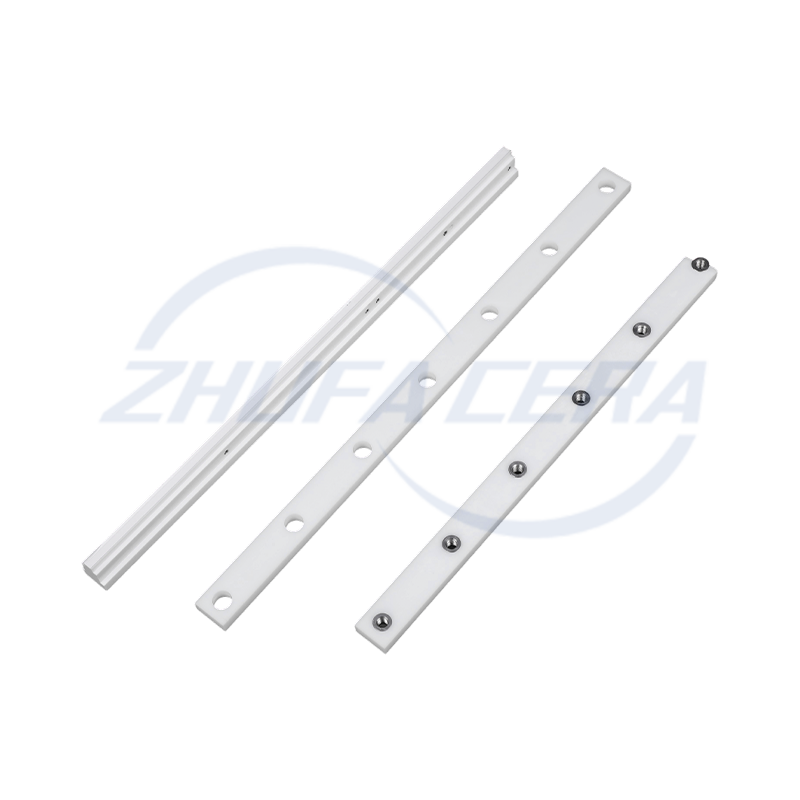
Zirconia Ceramic Guide Rail is a high-performance precision mechanical component made of zirconium oxide ceramic material. Its core characteristics are derived from the excellent physical and chemical...
See Details -
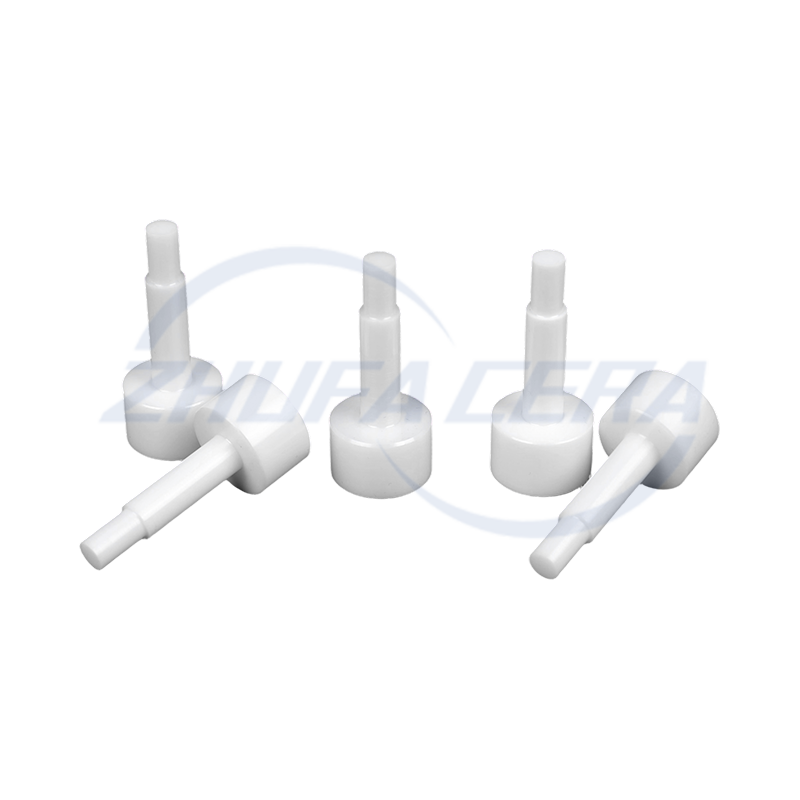
Zirconia Ceramic Locating Pin is a high-precision positioning element made of advanced zirconium oxide ceramic material with excellent physical and chemical properties. Its main characteristics includ...
See Details -
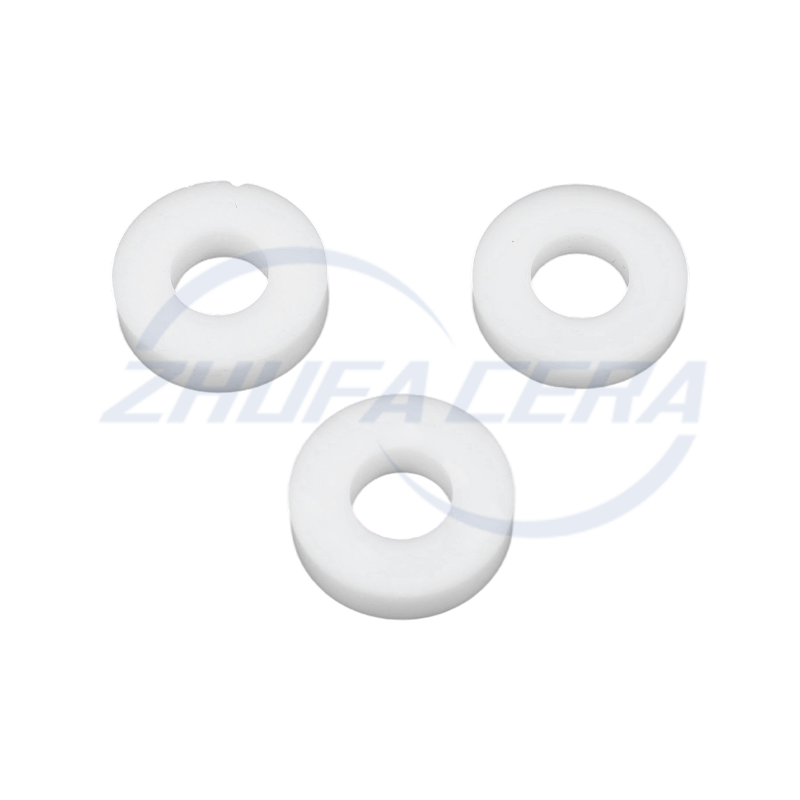
Zirconia Ceramic Ring is a high-performance ceramic product known for its excellent physical and chemical properties. It has extremely high hardness and strength, with a Mohs hardness of more than 8.5...
See Details -
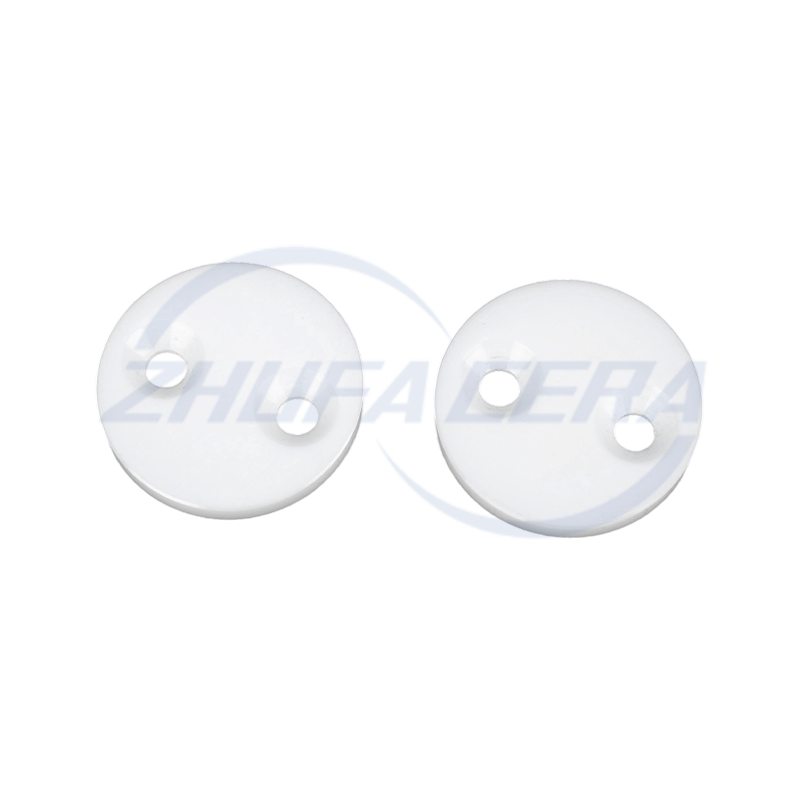
Zirconia ceramic sheets have become functional core components in various fields thanks to their unique properties. With a flexural strength of 900–1200 MPa and a fracture toughness of 6–10 MPa・m¹/², ...
See Details -

Zirconia Ceramic Strip is a strip material made of high-performance zirconium oxide ceramic with excellent physical and chemical properties. It has extremely high hardness and flexural strength, can e...
See Details -
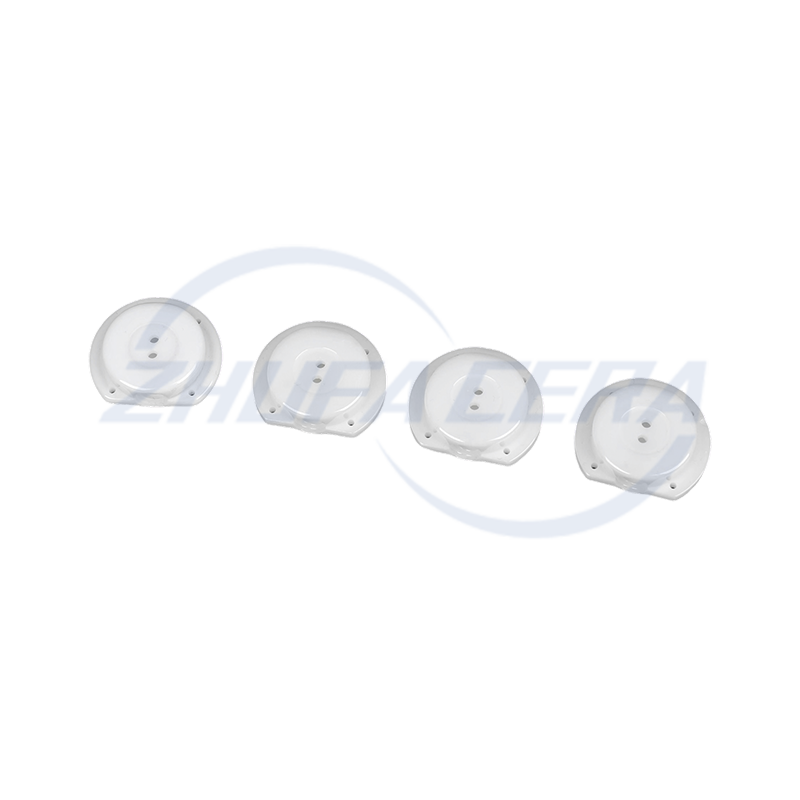
Zirconia ceramic wafers are representative products in the field of high-performance structural ceramics. Compared with traditional alumina ceramics or metal materials, its comprehensive performanc...
See Details -
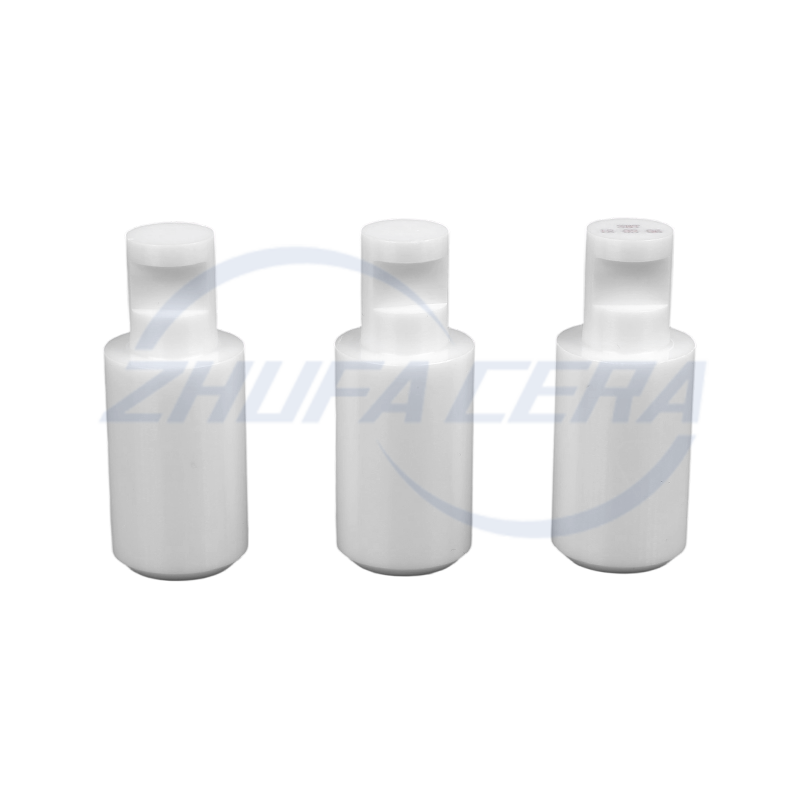
Zirconia Ceramic Plunger is a high-performance component designed for harsh industrial environments. Compared with similar ceramic or metal plunger products, it stands out with its unique material adv...
See Details


-
Quick Links
Home Products About Us Services Technology News Contact Us -
Products
Ceramic Structural Parts Zirconia Ceramics Alumina Ceramics ZTA Ceramics Silicon Nitride Ceramics Silicon Carbide Ceramics Ceramic Injection Molded Parts -
About Us
Factory Tour Honor FAQ -
Contact info
+86-188 8878 5188zf@zfcera.comNo. 1, Xinggong Road, Anchang Industrial Park, Keqiao District, Shaoxing City, Zhejiang Province, China -
WhatsApp

Copyright © Zhejiang Zhufa Precision Ceramics Technology Co., Ltd. All Rights Reserved.
China precision ceramics manufacturer
wholesale precision ceramics supplier
