FOLLOW US :


 Email: zf@zfcera.com
 Telephone: +86-188 8878 5188


 中文简体
中文简体 русский
 Español
 عربى
عربى Português
 日本語
日本語 한국어
한국어

Ceramic Injection Molded Parts Manufacturers
About Us
Zhejiang Zhufa Precision Ceramics Technology Co., Ltd.
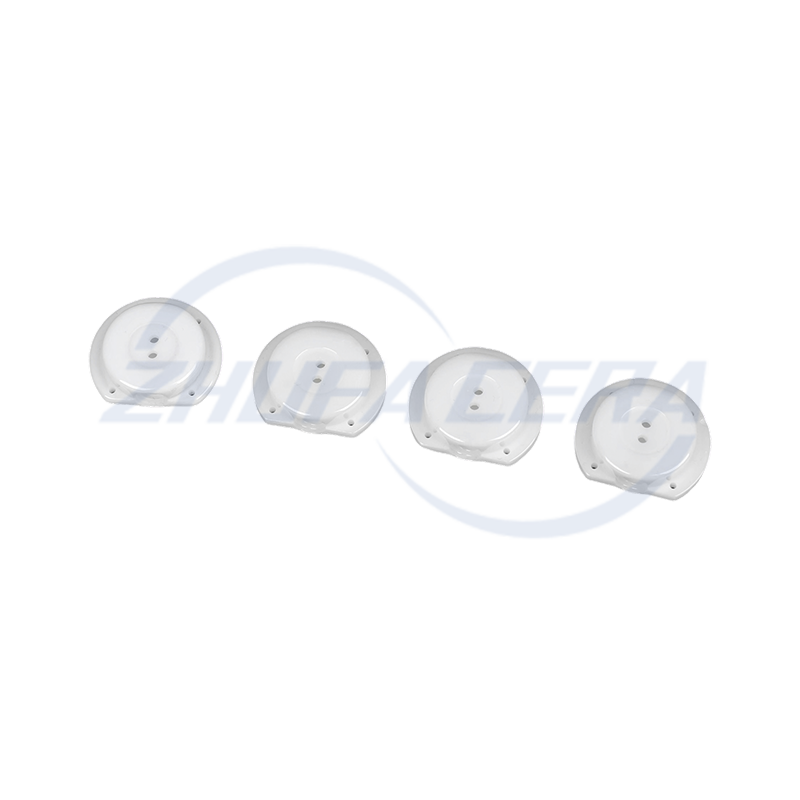
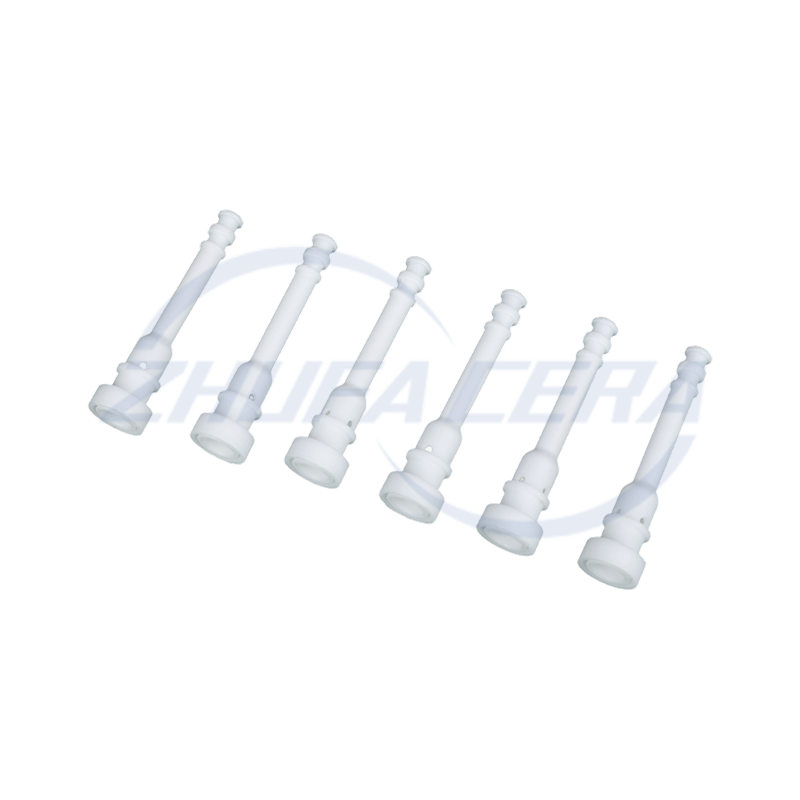
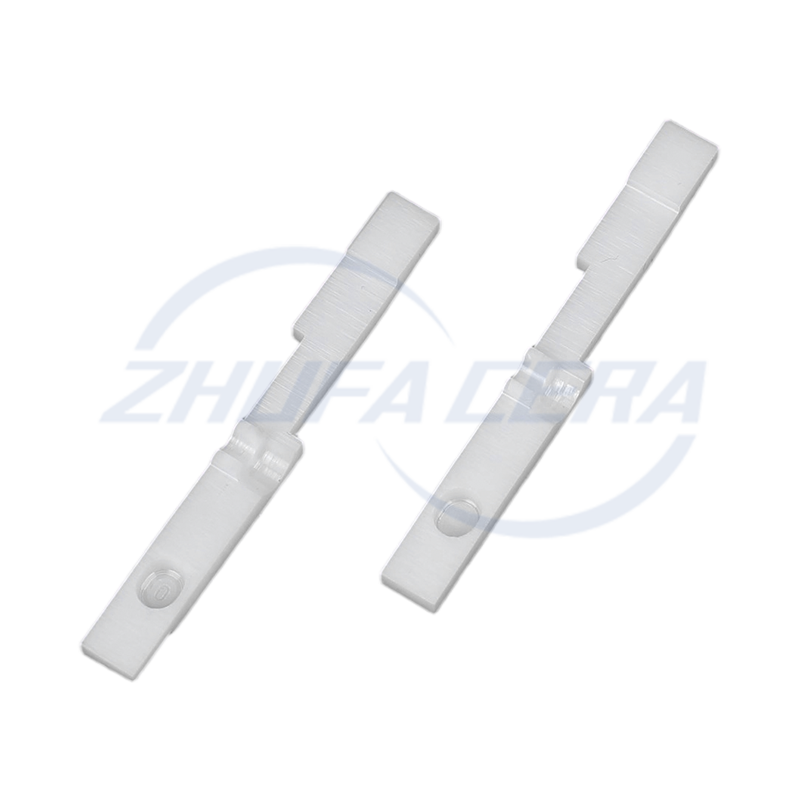
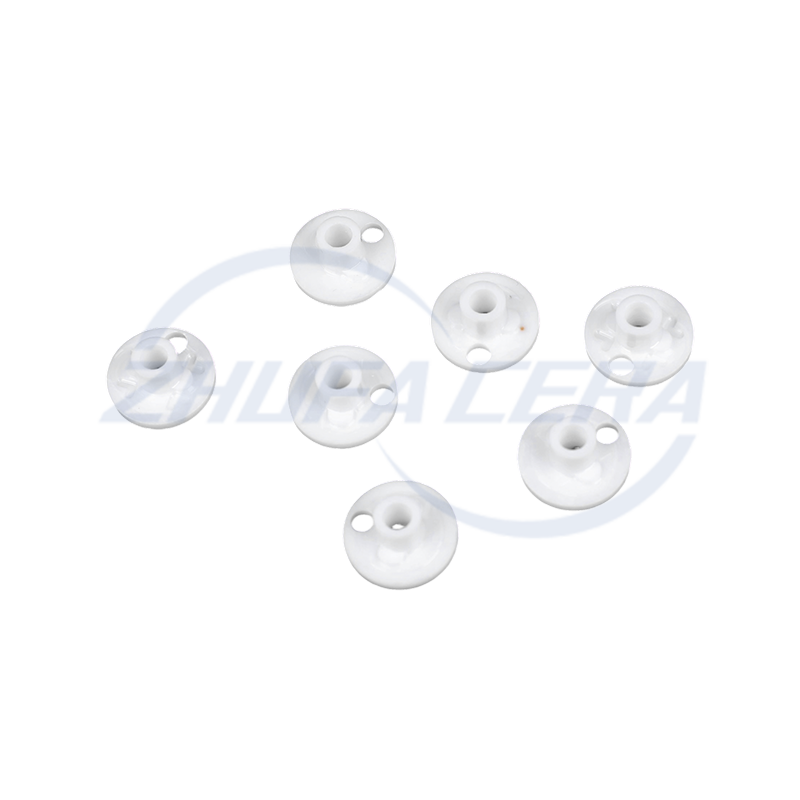
Zhejiang Zhufa Precision Ceramics Technology Co., Ltd. is China Ceramic Injection Molded Parts Manufacturers and Ceramic Injection Molded Parts Company, a manufacturing enterprise focusing on customized processing of advanced ceramic materials and precision ceramic structural parts. Its headquarters is located in Shaoxing, Zhejiang, the core area of the Yangtze River Delta in China. Since its establishment in 2022, Zhufa has always adhered to the concept of "strict selection of excellent materials, intelligent manufacturing, meticulous inspection, and sincere service", and is committed to providing stable and reliable ceramic products and personalized solutions for global industrial customers. The company has 30,000 square meters of modern plant and more than 50 core equipment, including dry pressing molding machine, isostatic pressing equipment, injection molding machine, high temperature sintering furnace, CNC engraving machine, surface grinder, centerless grinder, punch machine, honing machine, etc., with full-process production capacity from raw materials to finished products, and realizes independent control of the whole process.
The company's main structural ceramic products cover a variety of materials such as zirconium oxide, aluminum oxide, silicon nitride, silicon carbide, aluminum nitride, etc. The types of parts include ceramic rods, ceramic tubes, ceramic sheets, seals and complex special-shaped parts, which are widely used in semiconductors, medical, new energy, automation equipment, laser technology, military industry and precision instruments. As a source factory integrating industry and trade, Zhufa supports customization, rapid prototyping, small batch flexible production and OEM cooperation. Since its establishment, the company has invested more than 10 million yuan in research and development, and continues to optimize material formulations and processing technology, always taking quality as the core, delivery as the guarantee, and service as the driving force to create long-term value for customers.
Message Feedback

Ceramic Injection Molded Parts Industry knowledge
Ceramic Injection Molded Parts: Practical Manufacturing & Application Guides
What Is Ceramic Injection Molding (CIM), and Why Is It Ideal for Complex Components?
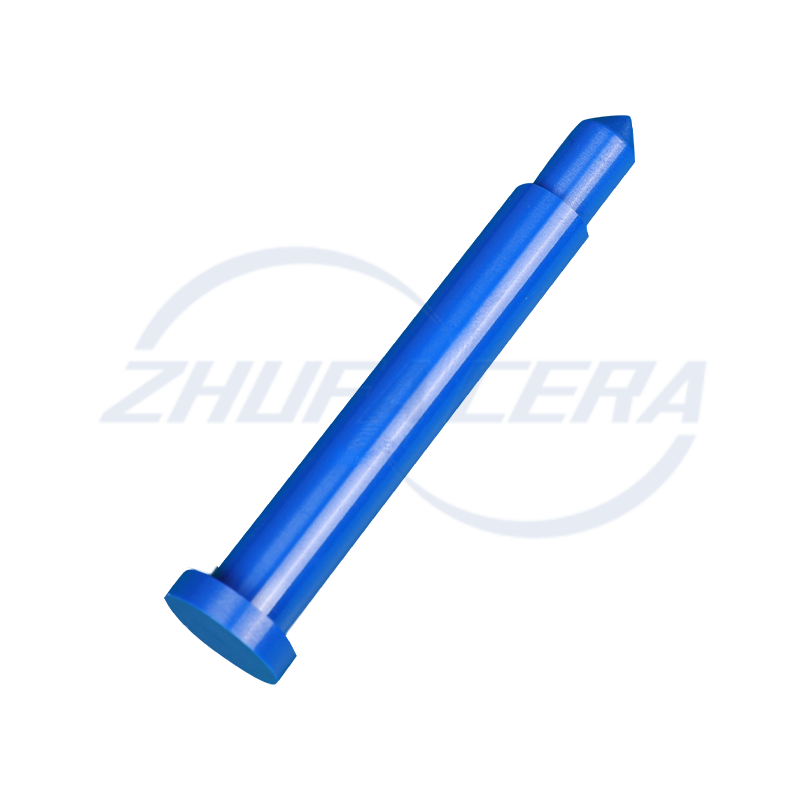
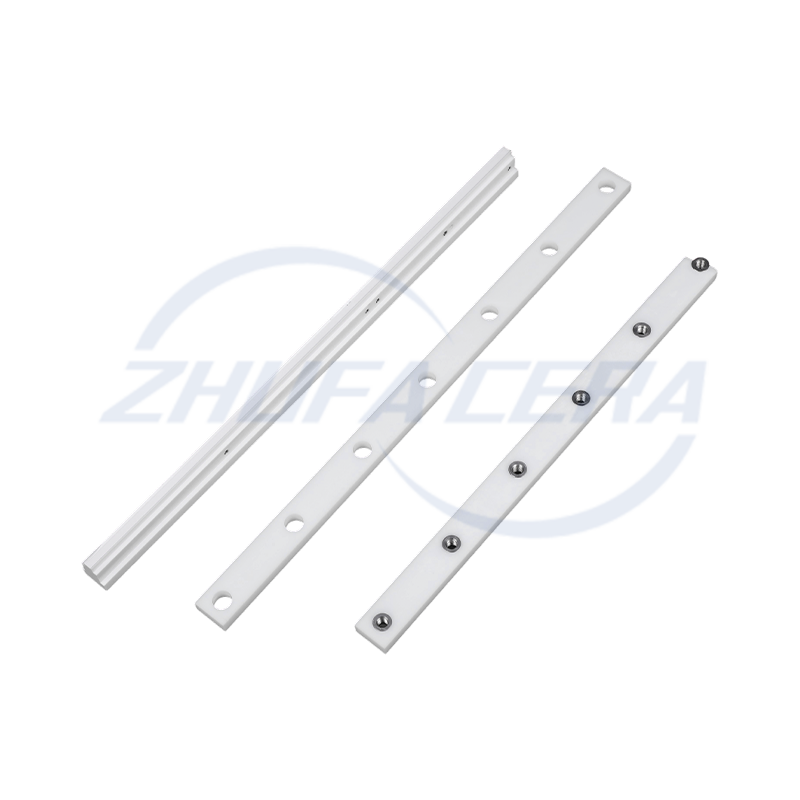
Ceramic Injection Molding (CIM) is a precision manufacturing process that combines ceramic powder with a thermoplastic binder to create a “feedstock,” which is then injected into molds using plastic injection molding equipment—enabling the production of complex, net-shape ceramic parts with tight tolerances (often ±0.1mm or better). Unlike traditional molding methods like dry pressing (which struggles with intricate geometries), CIM excels at creating components with undercuts, thin walls (as thin as 0.5mm), and detailed features, eliminating the need for extensive post-processing and reducing material waste.
This process is particularly valuable for industrial customers needing precision structural components, as it balances complexity with consistency. Zhejiang Zhufa Precision Ceramics Technology Co., Ltd., a source factory specializing in customized new ceramic materials, leverages CIM alongside dry pressing and cold isostatic pressing in its 30,000㎡ manufacturing base. For applications like automotive sensors or semiconductor wafer handling parts—where complex shapes and high precision are non-negotiable—Zhufa uses its advanced injection molding equipment to deliver parts that meet the strict performance and dimensional requirements of these industries.
What Key Challenges Arise in CIM Feedstock Preparation, and How to Solve Them?
Feedstock preparation is the foundation of high-quality ceramic injection molded parts, as its uniformity directly impacts moldability, debinding efficiency, and final part density. The core challenge lies in achieving a homogeneous mixture of ceramic powder (e.g., zirconia, alumina, silicon carbide) and binder—too little binder leads to feedstock that is too brittle to inject, while too much binder causes excessive shrinkage during sintering (up to 20-25% total shrinkage, which can warp parts).
To address this, manufacturers must carefully control two parameters: powder loading and binder composition. Powder loading (the ratio of ceramic powder to binder) typically ranges from 55-65% by volume—higher loading reduces shrinkage but requires more viscous binders to maintain flowability. Binders are often a blend of thermoplastics (e.g., polyethylene, polypropylene), waxes, and plasticizers, which are melted and mixed with ceramic powder in a twin-screw extruder for uniform dispersion.
Zhejiang Zhufa Precision Ceramics, which offers customized solutions for multiple ceramic materials, optimizes feedstock based on the specific ceramic type: for high-purity alumina parts (used in photovoltaic coating equipment), it adjusts binder viscosity to prevent powder settling; for zirconia parts (used in automotive braking systems), it fine-tunes loading to minimize shrinkage. This attention to detail ensures that the feedstock flows smoothly into molds and produces consistent, defect-free green parts (the pre-sintered, binder-rich components).
How to Control Debinding and Sintering to Avoid CIM Part Defects?
Debinding (removing the binder from green parts) and sintering (densifying the ceramic) are high-risk steps in CIM—poor process control can lead to cracks, warping, or porosity. Debinding, in particular, requires a slow, controlled heating rate (typically 1-5℃/hour) to avoid rapid gas evolution from the binder, which can create internal voids or burst the part. There are two common methods: solvent debinding (using chemicals to dissolve soluble binder components first) and thermal debinding (heating to vaporize the binder). For thick-walled parts (over 5mm), combining both methods reduces debinding time while minimizing defects.
Sintering, which follows debinding, requires high temperatures (1400-1700℃ depending on the ceramic material) and precise atmosphere control (air for alumina, vacuum or argon for silicon nitride). The key is to match the sintering temperature to the ceramic type: for example, zirconia parts sinter at 1450-1550℃ to avoid grain overgrowth, while silicon carbide parts need 1900-2200℃ to achieve full densification (relative density >95%).
Zhejiang Zhufa Precision Ceramics mitigates defects by using high-temperature sintering furnaces with programmable heating curves and real-time temperature monitoring. Its strict quality control system includes checking part density via the Archimedes method and dimensional accuracy with CNC measuring tools after sintering. For small-batch proofing— a service Zhufa offers to support clients’ prototype testing—this controlled process ensures that even low-volume runs of complex parts (e.g., petrochemical valve seals) meet the same reliability standards as large-scale production.
How to Select the Right Ceramic Material for CIM Parts Based on Application?
Choosing the correct ceramic material for CIM parts depends on aligning the material’s properties with the application’s operating conditions. Here are practical guidelines for key industries:
Automotive Industry: For engine sensors or fuel cell components, zirconia CIM parts are preferred for their high wear resistance and thermal shock resistance (able to withstand 200-300℃ temperature swings). Zhejiang Zhufa, which supplies automotive ceramic parts, uses zirconia CIM to produce sensor housings that maintain precision even in high-temperature engine bays.
Semiconductor Industry: Wafer handling fixtures require high-purity alumina (99.5%+ purity) CIM parts to avoid contamination. Alumina’s excellent insulation and low particle generation make it ideal for etching or deposition equipment—Zhufa’s in-house manufacturing ensures that these parts meet the industry’s strict purity standards.
Photovoltaic Industry: For wafer cutting blades or sintering trays, silicon carbide CIM parts excel due to their high hardness and temperature resistance (up to 1600℃). Zhufa leverages its cross-industry expertise to design silicon carbide CIM parts that improve production efficiency and extend equipment life in photovoltaic manufacturing.
Petrochemical Industry: Seals and pump components need corrosion-resistant materials like alumina or silicon nitride. CIM allows for the creation of complex seal geometries that fit tightly in pumps—Zhufa’s non-standard processing capabilities enable it to customize these parts for harsh chemical environments, reducing maintenance costs for clients.
What Advantages Do Custom CIM Services Offer, and How to Choose a Reliable Provider?
Custom ceramic injection molded parts are essential for applications with unique shapes, sizes, or performance needs—and reliable providers offer specific advantages to streamline production. Fully in-house manufacturing (like that of Zhejiang Zhufa Precision Ceramics) eliminates delays from third-party suppliers, ensuring faster lead times for both prototyping and large-scale production. Low-volume & multi-type capabilities allow clients to test small batches (even 10-50 parts) before scaling up, reducing upfront investment risk. Direct engineering support is another key benefit: providers like Zhufa collaborate with clients to optimize part designs—for example, adding fillets to reduce stress concentrations or adjusting wall thickness to improve sintering uniformity—cutting development cycles by 20-30%.
When choosing a provider, look for three criteria: equipment capabilities (e.g., advanced injection molding machines, programmable sintering furnaces), material expertise (ability to work with multiple ceramics), and quality control systems. Zhufa, which produces millions of precision ceramic parts annually, meets these criteria: its agile manufacturing capabilities handle both small-batch proofing and large-scale orders, its engineering team supports design optimization, and its strict process controls ensure consistent part quality. For industrial customers seeking to balance complexity, precision, and efficiency, these advantages make custom CIM services a practical, cost-effective solution.


-
Quick Links
Home Products About Us Services Technology News Contact Us -
Products
Ceramic Structural Parts Zirconia Ceramics Alumina Ceramics ZTA Ceramics Silicon Nitride Ceramics Silicon Carbide Ceramics Ceramic Injection Molded Parts -
About Us
Factory Tour Honor FAQ -
Contact info
+86-188 8878 5188zf@zfcera.comNo. 1, Xinggong Road, Anchang Industrial Park, Keqiao District, Shaoxing City, Zhejiang Province, China -
Qrcode
