FOLLOW US :


 Email: zf@zfcera.com
 Telephone: +86-188 8878 5188


 中文简体
中文简体 русский
 Español
 عربى
عربى Português
 日本語
日本語 한국어
한국어

About Us
Zhejiang Zhufa Precision Ceramics Technology Co., Ltd.
Zhejiang Zhufa Precision Ceramics Technology Co., Ltd. is China Ceramic Cylinder Liner Supplier and Ceramic Cylinder Liner Factory, a manufacturing enterprise focusing on customized processing of advanced ceramic materials and precision ceramic structural parts. Its headquarters is located in Shaoxing, Zhejiang, the core area of the Yangtze River Delta in China. Since its establishment in 2022, Zhufa has always adhered to the concept of "strict selection of excellent materials, intelligent manufacturing, meticulous inspection, and sincere service", and is committed to providing stable and reliable ceramic products and personalized solutions for global industrial customers. The company has 30,000 square meters of modern plant and more than 50 core equipment, including dry pressing molding machine, isostatic pressing equipment, injection molding machine, high temperature sintering furnace, CNC engraving machine, surface grinder, centerless grinder, punch machine, honing machine, etc., with full-process production capacity from raw materials to finished products, and realizes independent control of the whole process.
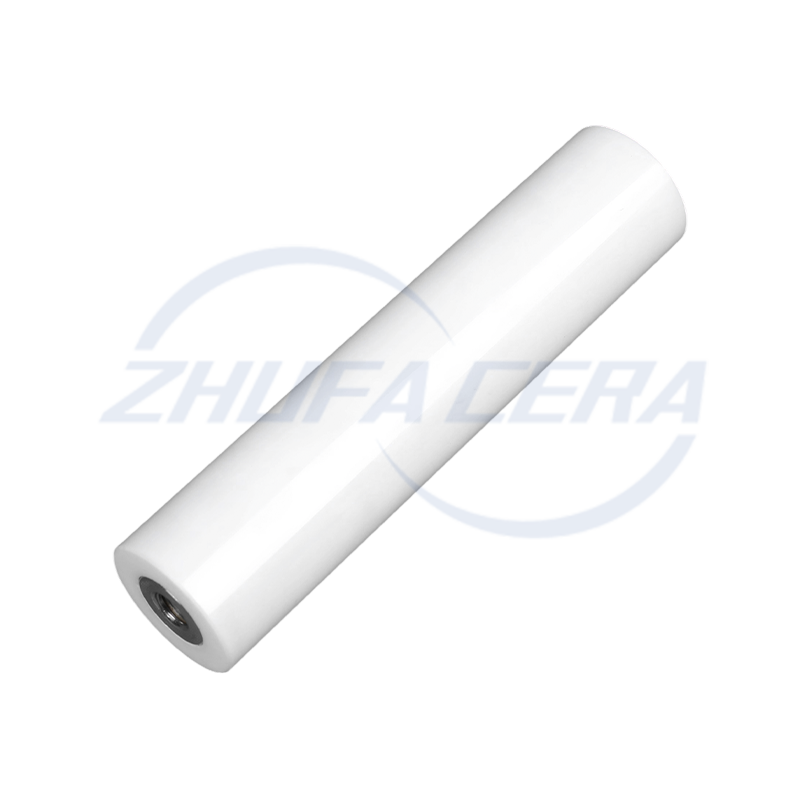
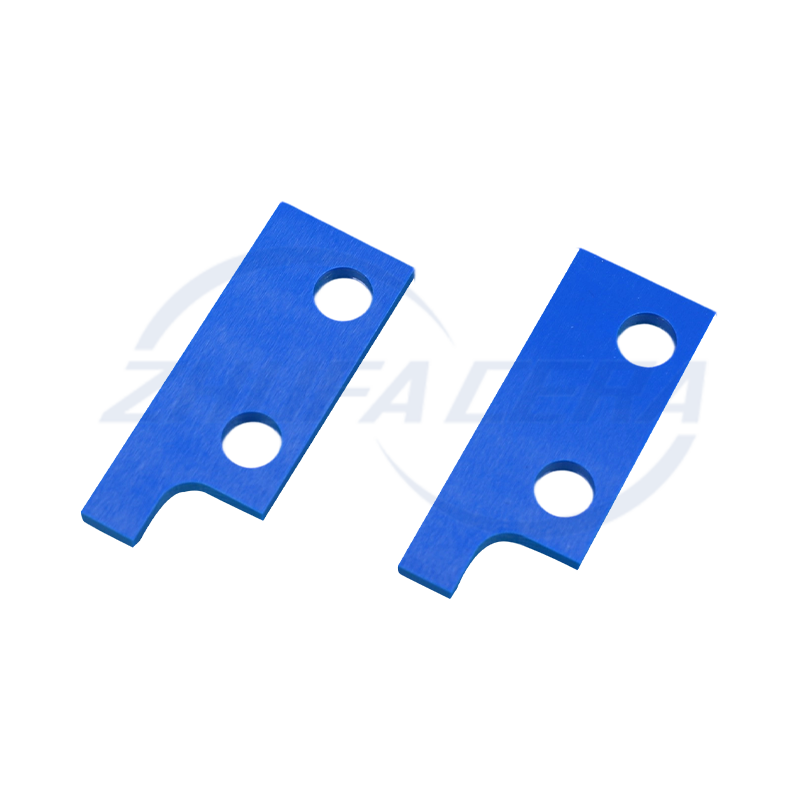
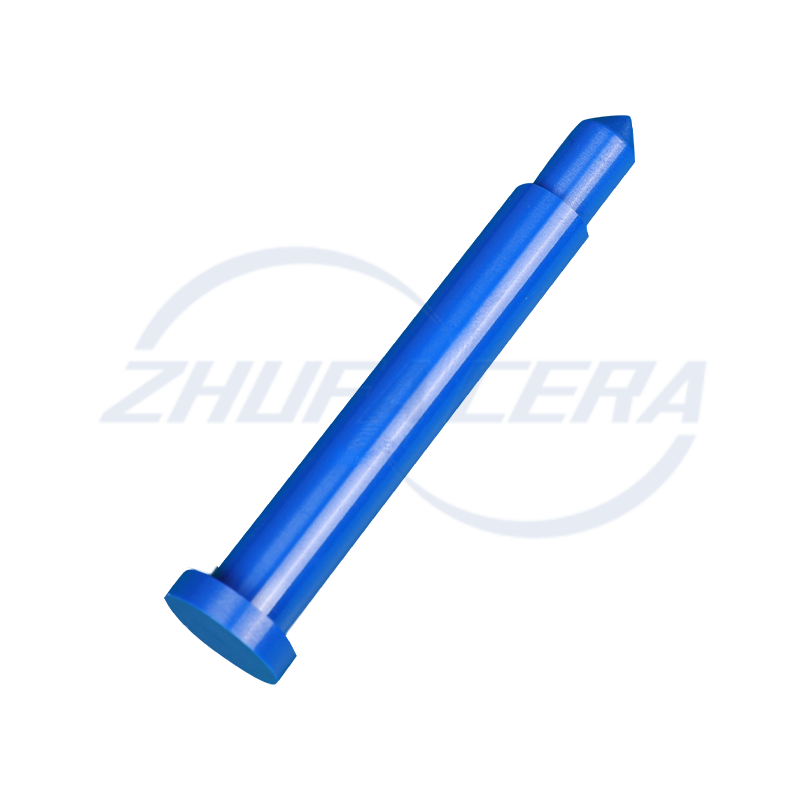
The company's main structural ceramic products cover a variety of materials such as zirconium oxide, aluminum oxide, silicon nitride, silicon carbide, aluminum nitride, etc. The types of parts include ceramic rods, ceramic tubes, ceramic sheets, seals and complex special-shaped parts, which are widely used in semiconductors, medical, new energy, automation equipment, laser technology, military industry and precision instruments. As a source factory integrating industry and trade, Zhufa supports customization, rapid prototyping, small batch flexible production and OEM cooperation. Since its establishment, the company has invested more than 10 million yuan in research and development, and continues to optimize material formulations and processing technology, always taking quality as the core, delivery as the guarantee, and service as the driving force to create long-term value for customers.
Message Feedback

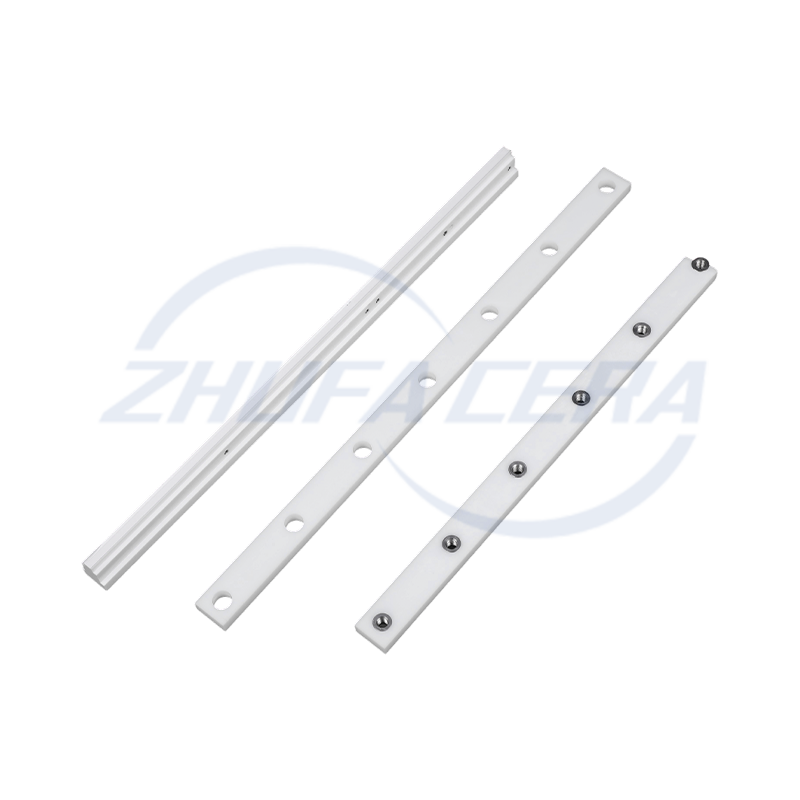
Ceramic Cylinder Liner Industry knowledge
Ceramic Cylinder Liner: Manufacturing of New Ceramic Materials & Practical Industry Insights
1. Material Selection for Ceramic Cylinder Liners
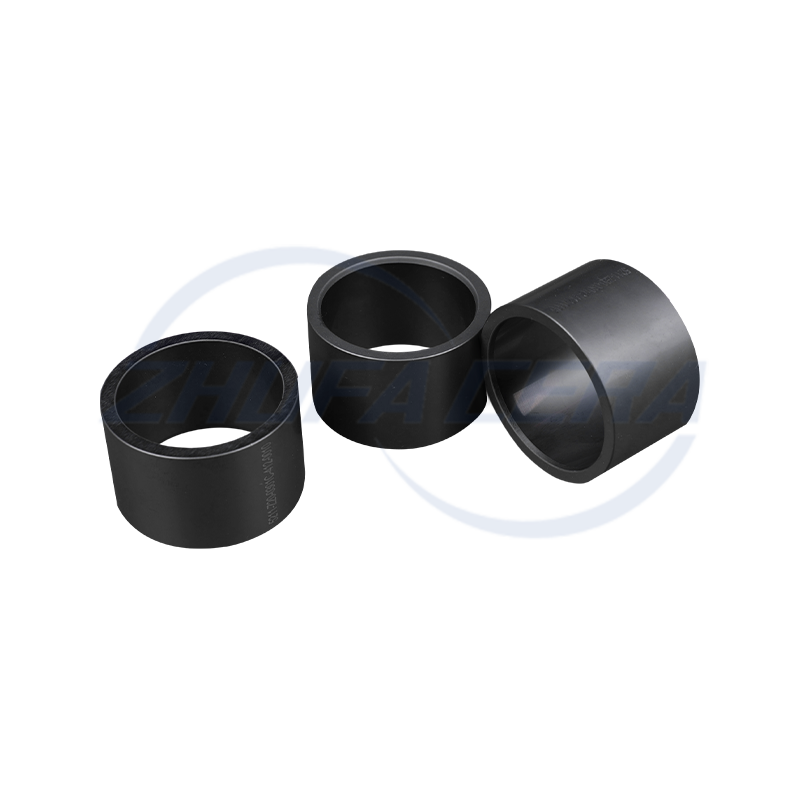
The performance of ceramic cylinder liners is fundamentally determined by their base materials, with alumina (Al₂O₃) and zirconia (ZrO₂) being the most widely adopted in industrial applications. Each material exhibits distinct properties tailored to specific operating conditions, while advanced variants like silicon carbide (SiC) and silicon nitride (Si₃N₄) serve niche high-demand scenarios.
Alumina ceramics, characterized by a volume density of 3.9 g/cm³ and Vickers hardness of 13 GPa, offer excellent cost-effectiveness and acid resistance (with weight loss as low as 0.25 mg/cm²·d in 95% sulfuric acid at 95ºC) . This makes them suitable for general wear-resistant environments such as low-pressure hydraulic cylinders. Zirconia ceramics, by contrast, boast superior toughness with a fracture tenacity of 9 MPa·m¹/² and exceptional wear resistance (40 min/cm³), extending their lifespan to 8 times that of metal liners and up to 10,000 operating hours . These properties make zirconia ideal for harsh conditions involving high pressure, corrosive media (e.g., drilling mud), and abrasive particles like rock debris.
Suppliers like Zhejiang Zhufa Precision Ceramics Technology Co., Ltd. provide comprehensive material solutions covering alumina, zirconia, silicon carbide, and silicon nitride, supporting customized material selection based on client requirements for wear resistance, corrosion resistance, and temperature tolerance.
2. Core Manufacturing Processes
The production of high-performance ceramic cylinder liners relies on a precise, multi-stage process from raw material preparation to precision finishing, with strict control at each step to avoid defects.
Raw Material Preparation & Forming
High-purity nano-scale powders are the foundation of quality liners. Manufacturers typically use powders with particle sizes below 1 μm to ensure uniform microstructure. Forming processes are selected based on product size and complexity: dry pressing is suitable for simple cylindrical shapes; cold isostatic pressing achieves denser green bodies with uniform pressure distribution; and injection molding caters to liners with intricate geometries . Zhejiang Zhufa Precision Ceramics is equipped with advanced dry pressing, cold isostatic pressing, and injection molding equipment in its 30,000㎡ manufacturing base, enabling end-to-end production of diverse liner types .
Sintering
Sintering is critical for achieving material density and mechanical strength. High-temperature sintering furnaces operate at temperatures ranging from 1,500ºC to 1,800ºC depending on the material—zirconia requires lower temperatures than alumina while maintaining denser structures. The sintering process must be tightly controlled to prevent warping or cracking, with holding times adjusted to ensure complete grain growth without porosity.
Precision Machining & Finishing
The hard and brittle nature of ceramics poses significant machining challenges, as improper processing can lead to collapse (chipping) and cracking. High-precision equipment such as CNC engraving machines, centerless grinders, and honing machines is essential to achieve tight tolerances and smooth surfaces. Zhejiang Zhufa Precision Ceramics employs these machines to process liners, with surface roughness controlled to Ra 0.1μm for zirconia and Ra 0.3μm for alumina . Advanced techniques like ultrasonic-assisted cutting further reduce processing stress, lowering cutting force by over 70% and ensuring surface integrity .
3. Quality Control & Performance Testing
Stringent quality control is indispensable to ensure ceramic cylinder liners meet industrial standards, as even minor defects can lead to catastrophic failure in high-pressure systems.
Dimensional & Surface Inspection
Dimensional accuracy is verified using coordinate measuring machines (CMM) to ensure tolerances within ±0.003mm, critical for piston-cylinder clearance. Surface quality is assessed via roughness testers, with Ra values required to be below 0.3μm for most applications—zirconia liners often achieve Ra 0.1μm to enhance self-lubrication and reduce piston wear .
Mechanical & Environmental Performance Testing
Key mechanical properties tested include bending strength (zirconia reaches 800 MPa, alumina 350 MPa) and hardness, while environmental testing simulates real-world conditions such as corrosion resistance in chemical media and thermal stability under temperature fluctuations. Zhejiang Zhufa Precision Ceramics implements strict quality control systems throughout production, ensuring each liner meets performance and reliability standards .
Process Defect Prevention
The "hard-brittle dual property" of ceramics makes them prone to chipping during machining. To address this, manufacturers use cubic silicon carbide whisker-reinforced tools that reduce collapse rates from 18% to 2% . Real-time monitoring of tool wear and adaptive feed rates further ensure consistent quality in batch production.
4. Industrial Applications & Material-Match Guidelines
Ceramic cylinder liners are deployed across multiple industries, with material selection directly influencing equipment performance and maintenance costs.
Automotive & New Energy
In engines and hydraulic systems, zirconia liners withstand high temperatures and reciprocating loads, improving fuel efficiency and reducing maintenance downtime. Zhejiang Zhufa’s ceramic components are widely used in new energy vehicle engines and braking systems, leveraging their wear and high-temperature resistance to enhance durability .
Petrochemical & Drilling
Mud pumps and reactors rely on zirconia liners to resist corrosive drilling fluids and abrasive particles, withstanding pressures up to 2200 bar. Alumina liners are used in low-corrosion valve cylinders, balancing performance and cost .
Electronics & Semiconductor
High-purity alumina and silicon carbide liners are used in wafer handling equipment, where their insulation and thermal stability prevent contamination and ensure process accuracy. Zhejiang Zhufa provides high-purity ceramic solutions that meet the strict cleanliness requirements of semiconductor manufacturing .
Photovoltaic
Alumina liners in wafer cutting equipment reduce friction-induced damage, improving silicon wafer yield by 15%. Their high-temperature resistance also makes them suitable for coating and sintering processes .


-
Quick Links
Home Products About Us Services Technology News Contact Us -
Products
Ceramic Structural Parts Zirconia Ceramics Alumina Ceramics ZTA Ceramics Silicon Nitride Ceramics Silicon Carbide Ceramics Ceramic Injection Molded Parts -
About Us
Factory Tour Honor FAQ -
Contact info
+86-188 8878 5188zf@zfcera.comNo. 1, Xinggong Road, Anchang Industrial Park, Keqiao District, Shaoxing City, Zhejiang Province, China -
Qrcode
Copyright © Zhejiang Zhufa Precision Ceramics Technology Co., Ltd. All Rights Reserved.
China Ceramic Cylinder Liner Supplier Ceramic Cylinder Liner Factory
