FOLLOW US :


 Email: zf@zfcera.com
 Telephone: +86-188 8878 5188


 中文简体
中文简体 русский
 Español
 عربى
عربى Português
 日本語
日本語 한국어
한국어

About Us
Zhejiang Zhufa Precision Ceramics Technology Co., Ltd.
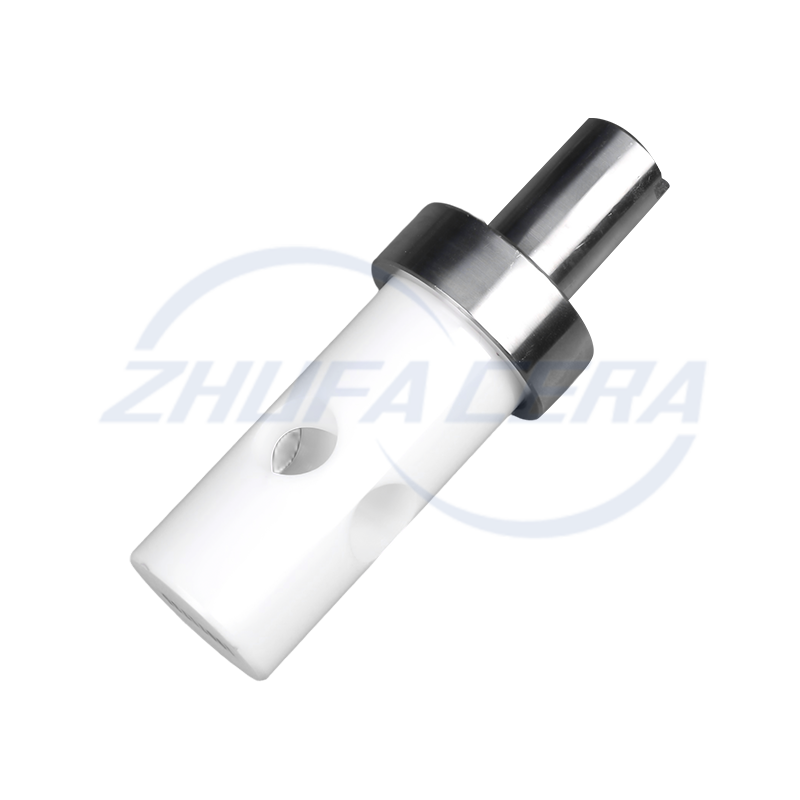
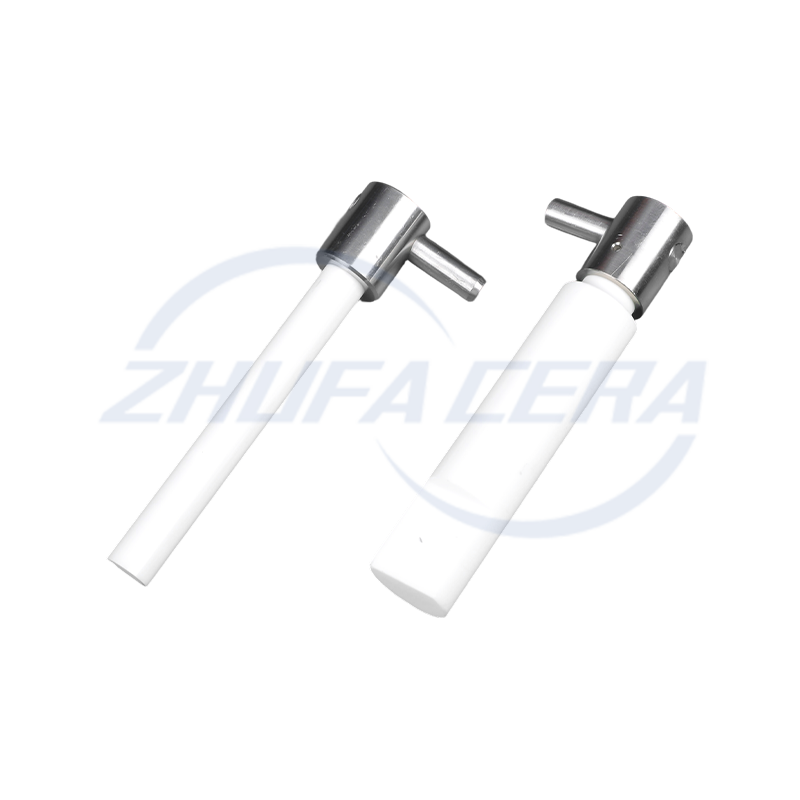
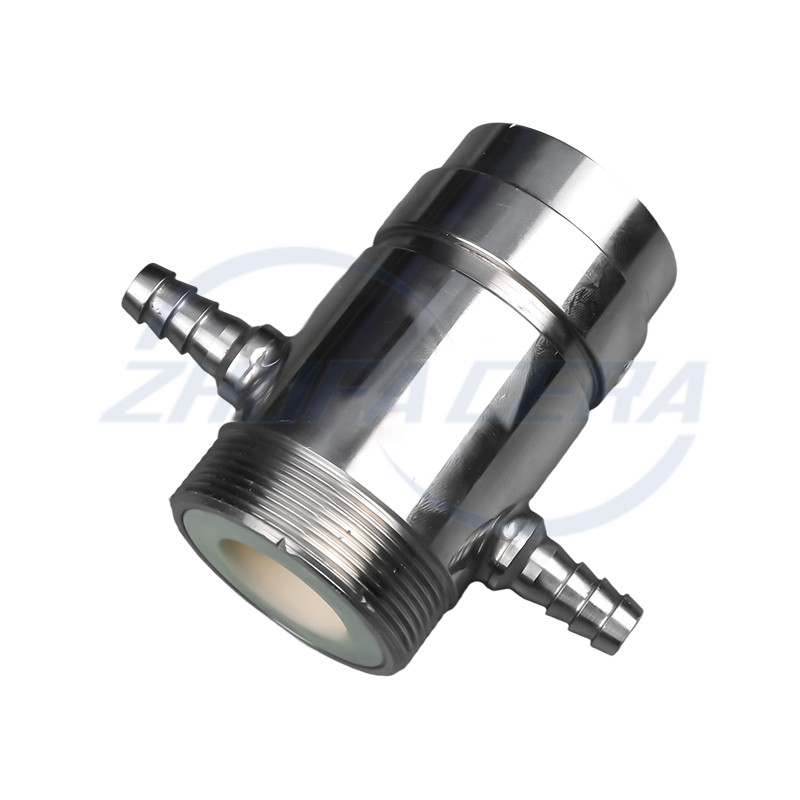
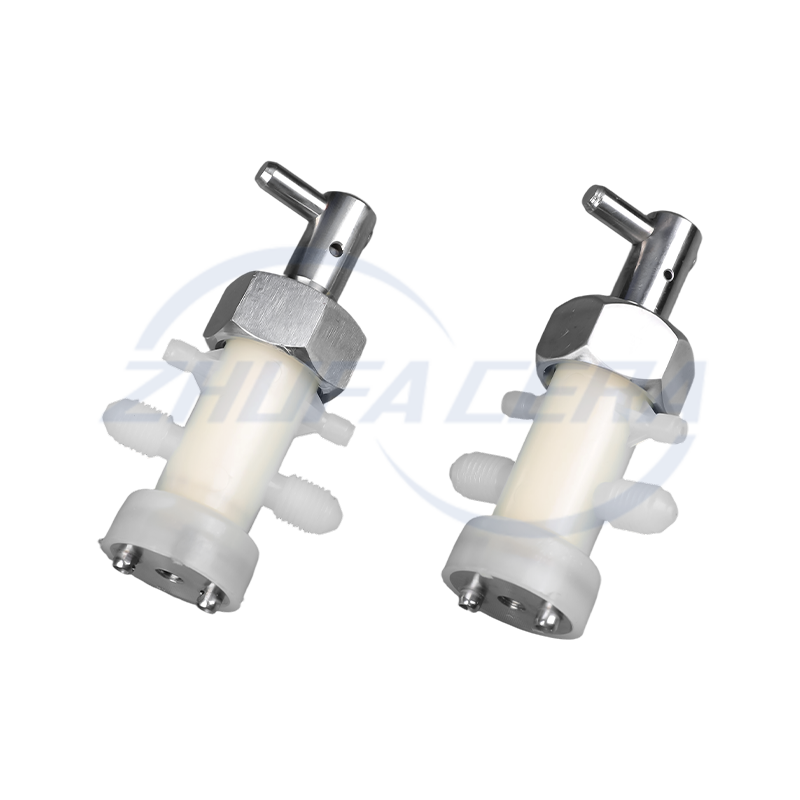
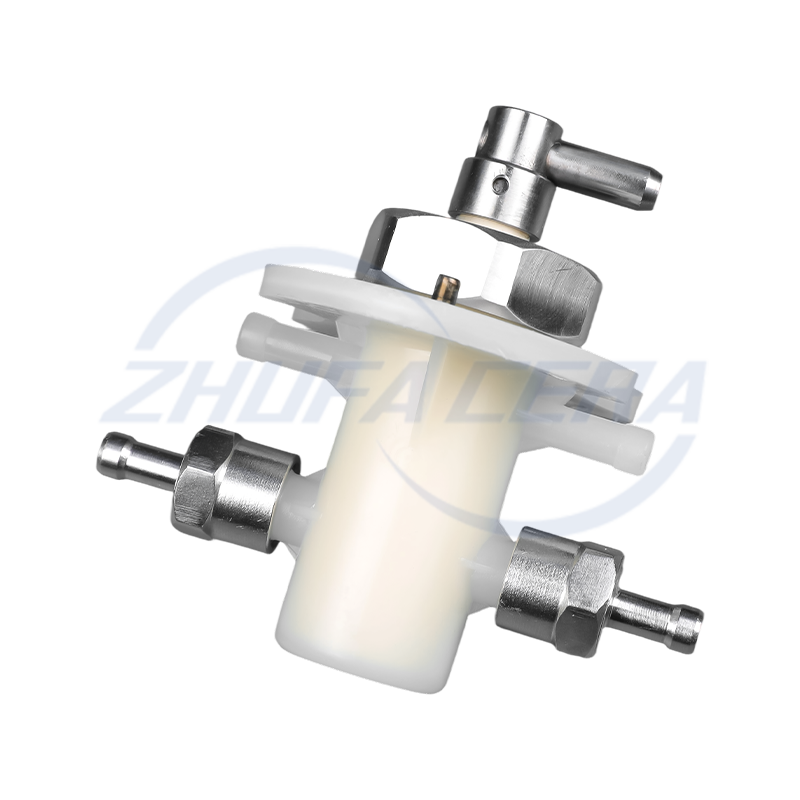
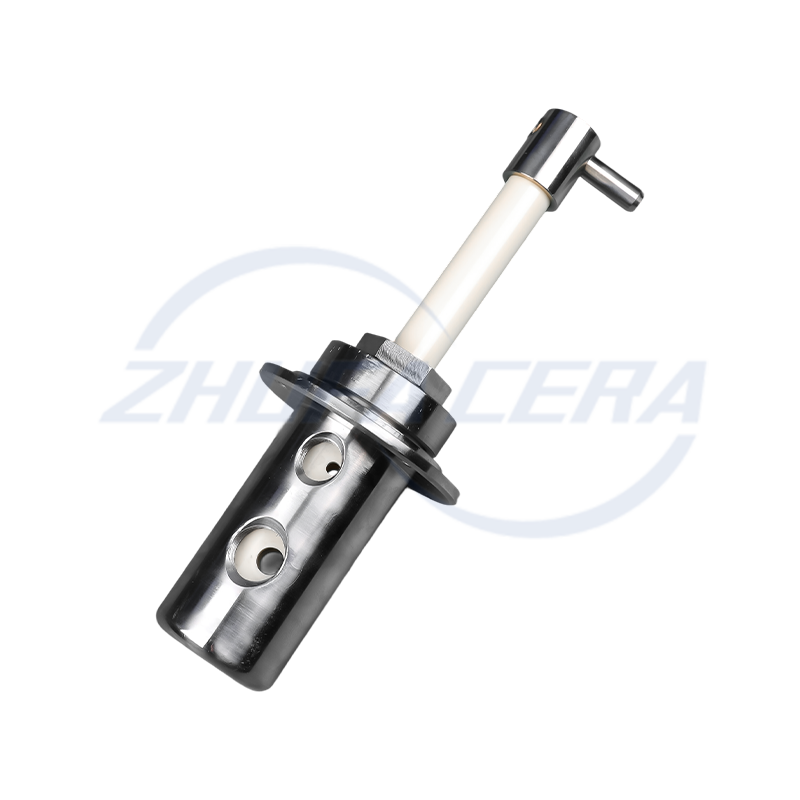
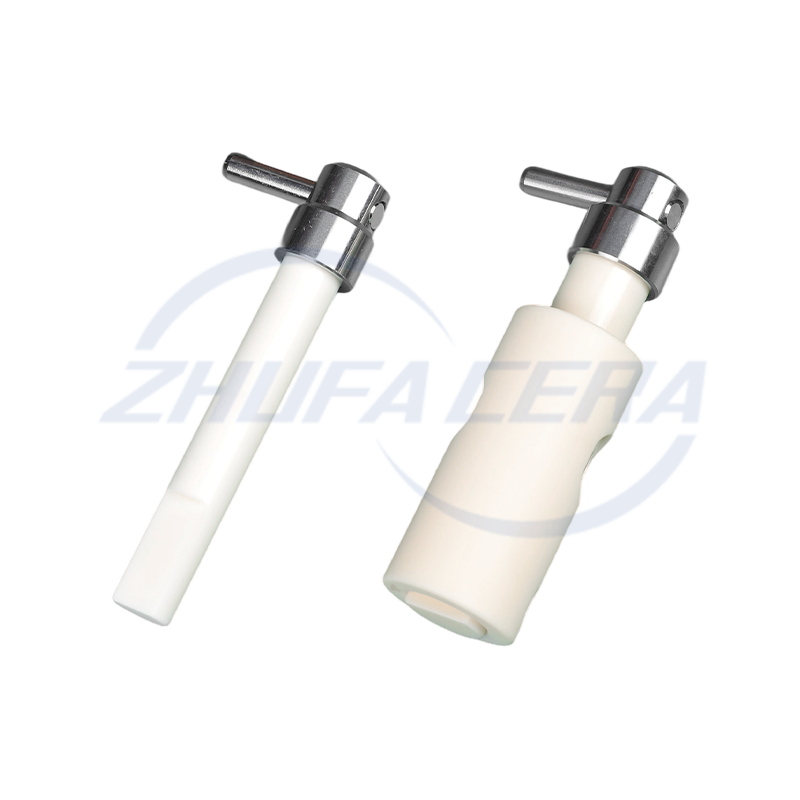
Zhejiang Zhufa Precision Ceramics Technology Co., Ltd. is China Ceramic pump Supplier and Ceramic pump Factory, a manufacturing enterprise focusing on customized processing of advanced ceramic materials and precision ceramic structural parts. Its headquarters is located in Shaoxing, Zhejiang, the core area of the Yangtze River Delta in China. Since its establishment in 2022, Zhufa has always adhered to the concept of "strict selection of excellent materials, intelligent manufacturing, meticulous inspection, and sincere service", and is committed to providing stable and reliable ceramic products and personalized solutions for global industrial customers. The company has 30,000 square meters of modern plant and more than 50 core equipment, including dry pressing molding machine, isostatic pressing equipment, injection molding machine, high temperature sintering furnace, CNC engraving machine, surface grinder, centerless grinder, punch machine, honing machine, etc., with full-process production capacity from raw materials to finished products, and realizes independent control of the whole process.
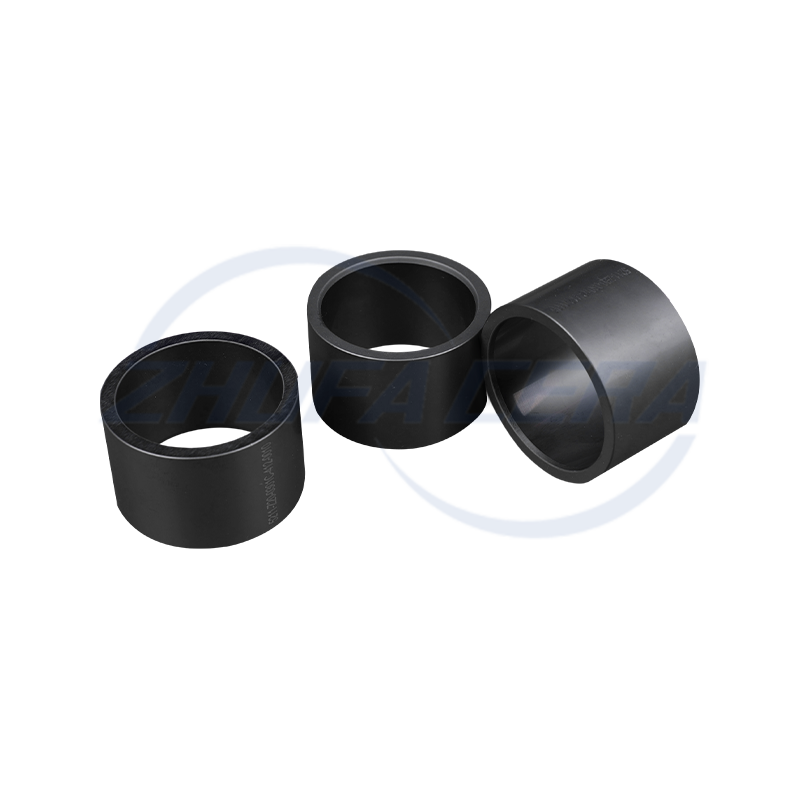
The company's main structural ceramic products cover a variety of materials such as zirconium oxide, aluminum oxide, silicon nitride, silicon carbide, aluminum nitride, etc. The types of parts include ceramic rods, ceramic tubes, ceramic sheets, seals and complex special-shaped parts, which are widely used in semiconductors, medical, new energy, automation equipment, laser technology, military industry and precision instruments. As a source factory integrating industry and trade, Zhufa supports customization, rapid prototyping, small batch flexible production and OEM cooperation. Since its establishment, the company has invested more than 10 million yuan in research and development, and continues to optimize material formulations and processing technology, always taking quality as the core, delivery as the guarantee, and service as the driving force to create long-term value for customers.
Message Feedback
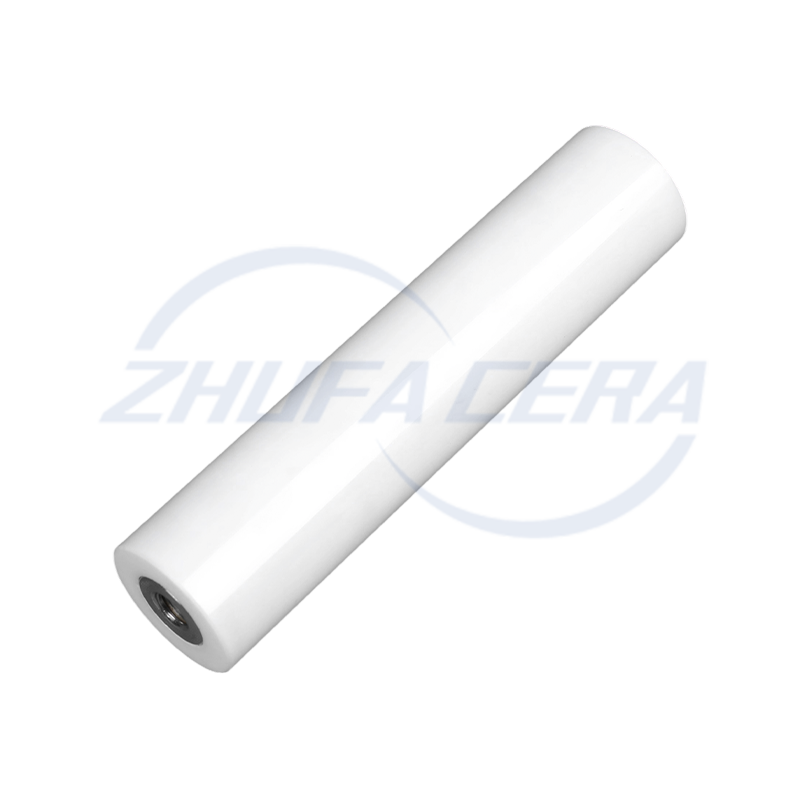
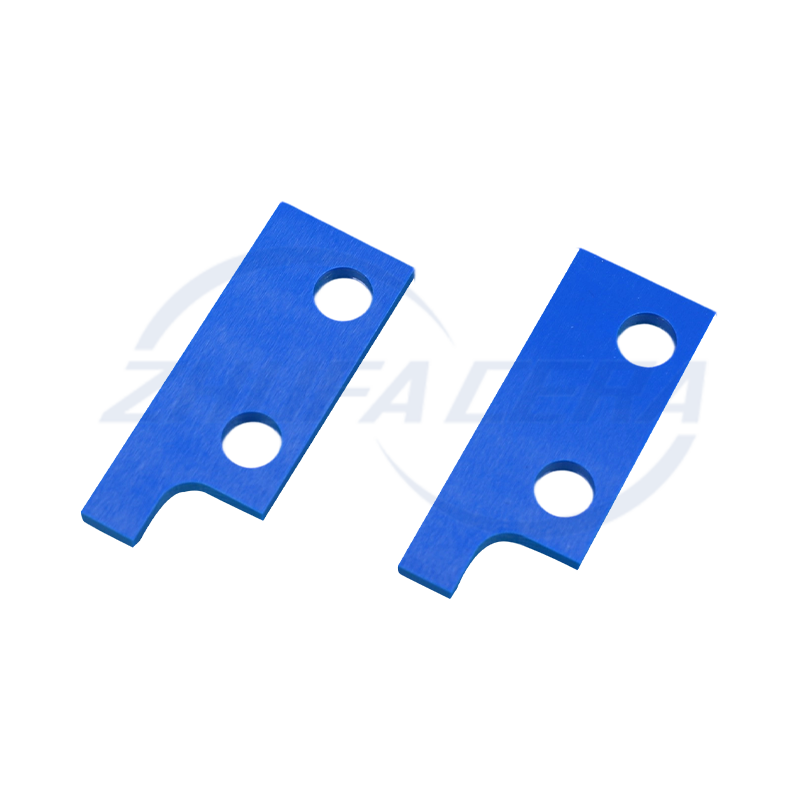


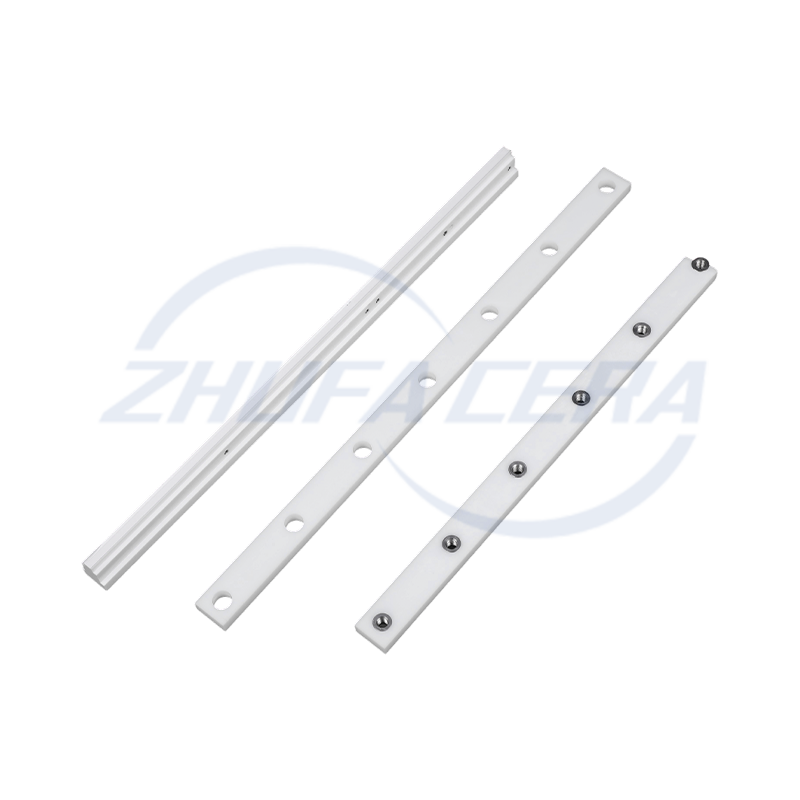
Ceramic pump Industry knowledge
1. What Advanced Ceramic Materials Dominate Ceramic Pump Manufacturing, and How to Choose?
The performance of ceramic pumps is fundamentally determined by the new ceramic materials used in their core components (e.g., plungers, pump chambers, and impellers). Among the various options, alumina (Al₂O₃) and zirconia (ZrO₂) ceramics are the most widely adopted, each with distinct advantages tailored to specific industrial needs .
Alumina ceramics excel in high-temperature resistance (withstanding up to 1750°C) and cost-effectiveness, paired with good hardness (Mohs 9) and electrical insulation—making them suitable for general industrial scenarios like photovoltaic wafer processing and ordinary chemical fluid transfer . Zirconia ceramics, by contrast, offer superior toughness (often called "ceramic steel"), wear resistance, and corrosion resistance, with an ultra-smooth surface finish (Ra ≈ 0.02 μm) that minimizes contamination risk—ideal for demanding environments such as pharmaceutical SIP/CIP sterilization and petrochemical corrosive media handling . For extreme conditions involving high pressure and abrasion (e.g., petrochemical reactors), silicon carbide (SiC) and silicon nitride (Si₃N₄) are also employed for their exceptional thermal stability and mechanical strength .
Manufacturers like Zhejiang Zhufa Precision Ceramics Technology Co., Ltd. provide customized solutions across these materials—including alumina, zirconia, silicon carbide, and aluminum nitride—supporting small-batch proofing to help customers match materials to their exact operational requirements .
2. What Are the Core Manufacturing Processes for Ceramic Pump Components?
The production of high-performance ceramic pump components relies on precise control of seven key processes, from raw material preparation to final assembly, with advanced equipment and strict quality checks ensuring reliability .
First, raw material screening and pretreatment lay the foundation: impurity content must be below 0.1% (to avoid reducing density), and particle size is optimized via laser analysis to prevent sintering defects. Manufacturers like Zhejiang Zhufa Precision Ceramics Technology Co., Ltd. leverage in-house raw material processing capabilities as part of their end-to-end production workflow .
Next, molding shapes the ceramic powder into blanks. Common techniques include dry pressing, cold isostatic pressing, and injection molding—with isostatic pressing (200-300MPa for zirconia) preferred for dense, complex components . Zhejiang Zhufa Precision Ceramics Technology Co., Ltd. is equipped with all three types of molding equipment in its 30,000㎡ facility to accommodate diverse component designs .
Sintering is critical for material density: alumina, for example, is heated to 1600-1700°C with controlled temperature ramps, while nitrogen or vacuum atmospheres prevent oxidation . High-temperature sintering furnaces are a core part of Zhejiang Zhufa Precision Ceramics Technology Co., Ltd.’s production lineup, ensuring stable ceramic body formation .
Post-sintering, precision processing achieves micron-level accuracy. CNC engraving machines, surface grinders, and diamond grinding wheel reduce surface roughness to Ra ≤ 0.1μm (even Ra 0.02μm for zirconia), ensuring tight sealing with other pump parts . Zhejiang Zhufa Precision Ceramics Technology Co., Ltd.’s arsenal of CNC and grinding equipment supports this high-precision finishing .
Final steps include assembly (with thermal expansion matching between ceramic and metal parts) and quality testing—such as 1.5x rated pressure pressure resistant tests and 500-hour corrosive media trials .
3. How Does Quality Control Ensure the Reliability of Ceramic Pumps?
Reliability in ceramic pumps stems from systematic quality control (QC) across the manufacturing lifecycle, addressing material performance, dimensional accuracy, and real-world durability .
Material QC starts with raw material validation: purity testing (e.g., for iron/silicon impurities) and particle distribution analysis. Post-sintering, material performance is verified through three point bending strength (≥400MPa) and vickers hardness (≥1500HV) tests . Zhejiang Zhufa Precision Ceramics Technology Co., Ltd. integrates strict material QC into its technology-driven approach, ensuring each batch meets performance standards .
Dimensional control is enforced via precision measuring tools: after processing, components are checked for tolerances as tight as ±0.001mm, with surface roughness verified to meet application requirements (e.g., Ra 0.02μm for pharmaceutical pumps) .
Performance testing simulates real operating conditions: leak rates are capped at 0.1mL/min during pressure tests, while fatigue life is assessed via continuous operation in acidic or abrasive media . Zhejiang Zhufa Precision Ceramics Technology Co., Ltd.’s strict QC system supports its ability to produce millions of reliable parts annually .
Non-destructive testing (NDT) catches hidden defects: X-ray flaw detection inspects green blanks, while ultrasonic and fluorescent Penetrant Testing check for post-processing cracks . This aligns with Zhejiang Zhufa Precision Ceramics Technology Co., Ltd.’s focus on process detail and quality control .
4. Which Industrial Scenarios Benefit Most from Ceramic Pumps, and Why?
Ceramic pumps thrive in harsh environments where metal pumps fail, leveraging their wear resistance, corrosion resistance, and high-temperature tolerance .
In the petrochemical industry, they handle strong acids, alkalis, and slurries—reducing maintenance costs by withstanding corrosion and abrasion. Zhejiang Zhufa Precision Ceramics Technology Co., Ltd. supplies ceramic components for petrochemical pumps and valves, ensuring reliable operation in complex chemical environments .
The pharmaceutical and food industries value their non-toxicity, easy cleaning, and resistance to SIP/CIP sterilization. Zirconia ceramic pumps, with ultra-smooth surfaces, minimize contamination risks for drug and food fluid transfer .
In new energy and photovoltaics, ceramic pumps endure high temperatures during wafer sintering and resist abrasion in slurry handling. Their durability extends equipment life, aligning with Zhejiang Zhufa Precision Ceramics Technology Co., Ltd.’s focus on supporting photovoltaic manufacturing needs .
For wastewater treatment and environmental protection, they process corrosive sludge and heavy metal-laden liquids without degradation, improving treatment efficiency . In all these sectors, manufacturers like Zhejiang Zhufa Precision Ceramics Technology Co., Ltd. offer cross-industry expertise and customized solutions to match specific application demands .


-
Quick Links
Home Products About Us Services Technology News Contact Us -
Products
Ceramic Structural Parts Zirconia Ceramics Alumina Ceramics ZTA Ceramics Silicon Nitride Ceramics Silicon Carbide Ceramics Ceramic Injection Molded Parts -
About Us
Factory Tour Honor FAQ -
Contact info
+86-188 8878 5188zf@zfcera.comNo. 1, Xinggong Road, Anchang Industrial Park, Keqiao District, Shaoxing City, Zhejiang Province, China -
Qrcode
Copyright © Zhejiang Zhufa Precision Ceramics Technology Co., Ltd. All Rights Reserved.
China Ceramic pump Supplier Ceramic pump Factory
