FOLLOW US :


 Email: zf@zfcera.com
 Telephone: +86-188 8878 5188


 中文简体
中文简体 русский
 Español
 عربى
عربى Português
 日本語
日本語 한국어
한국어

Ceramic Sheet Supplier
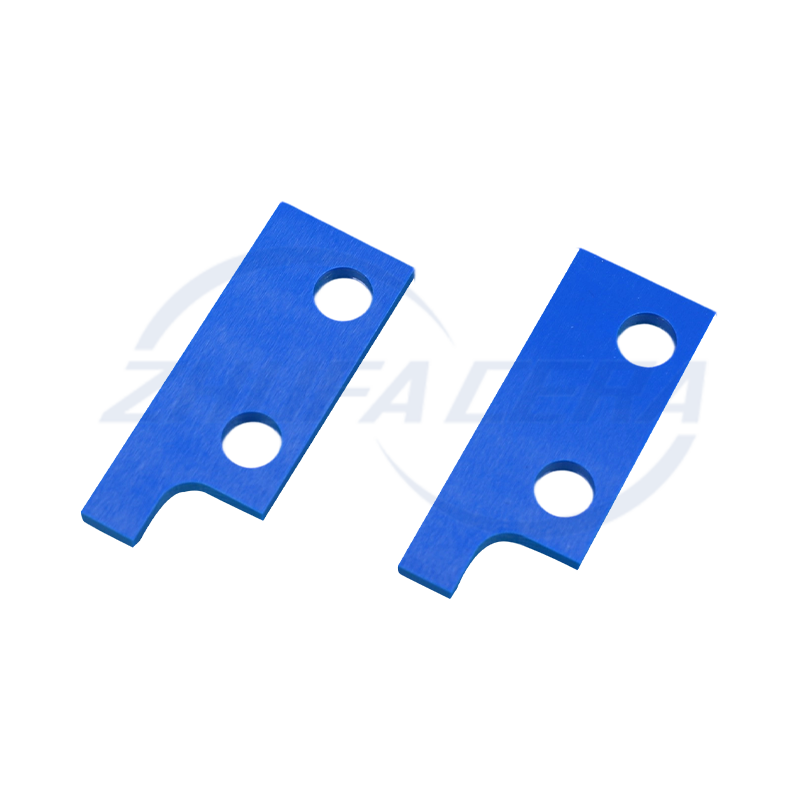
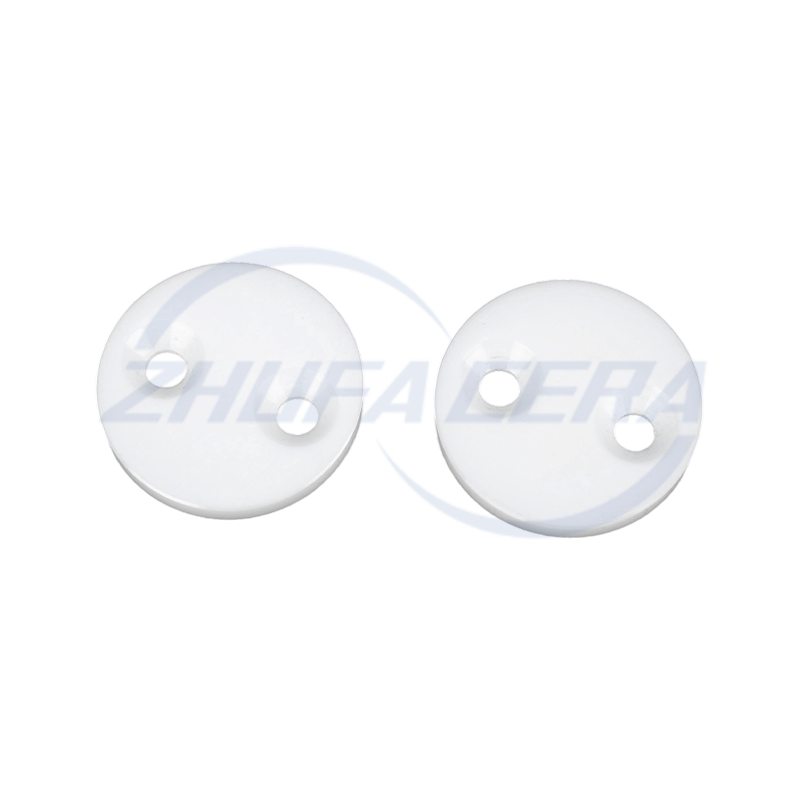
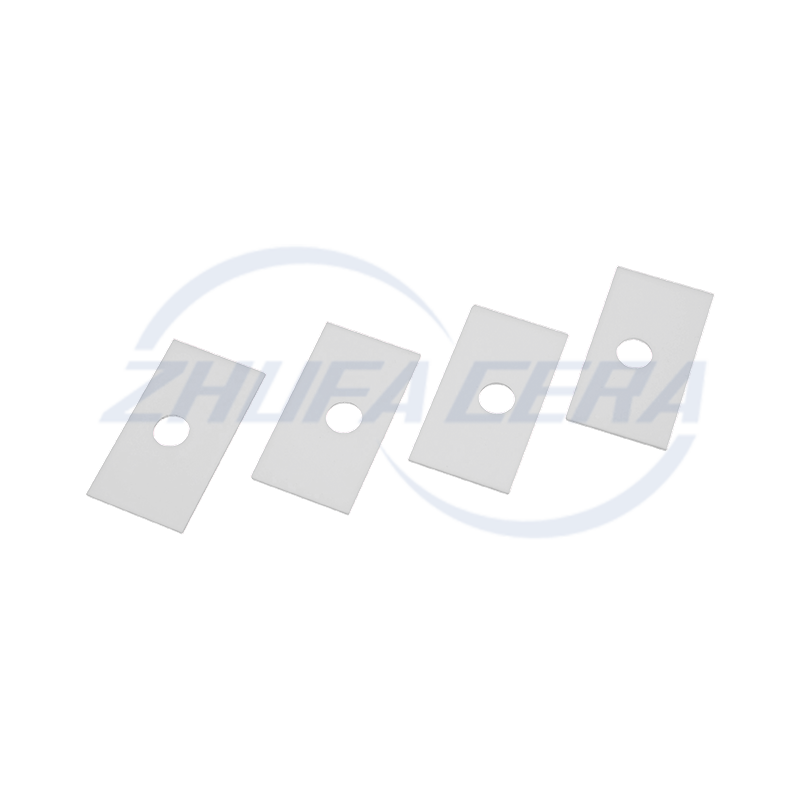

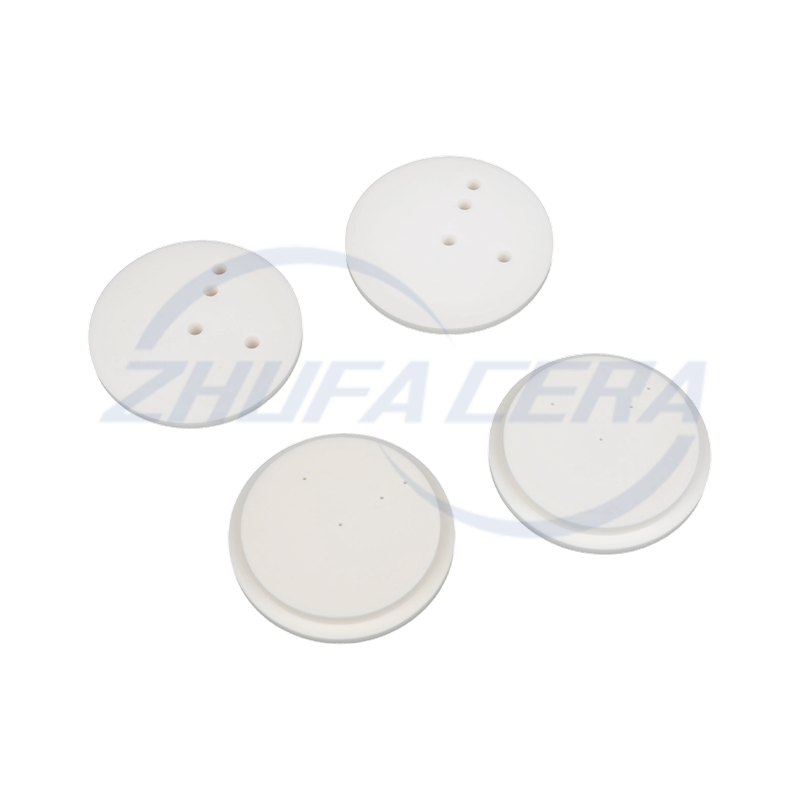
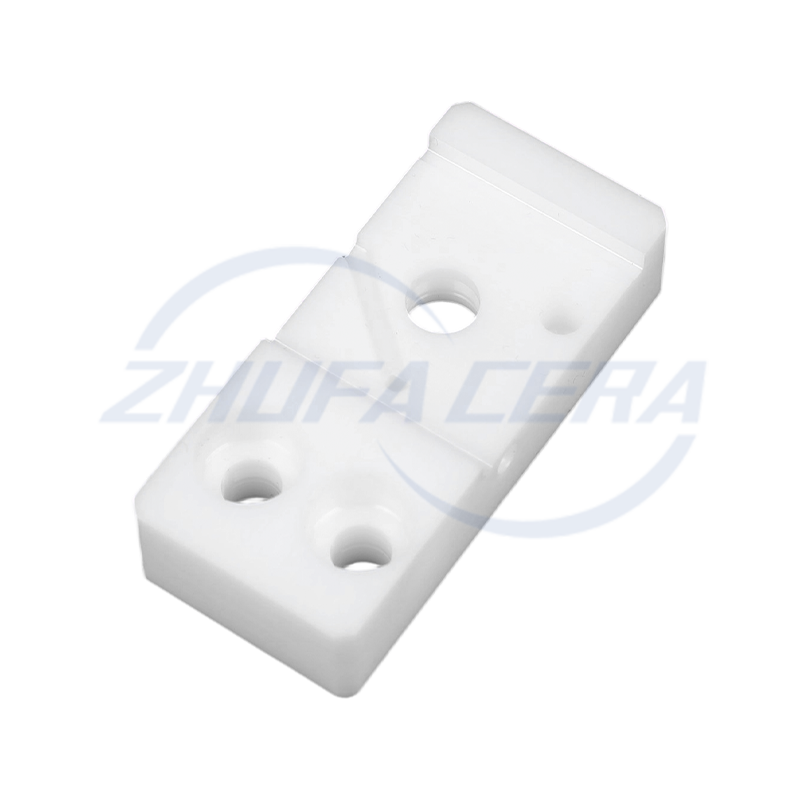
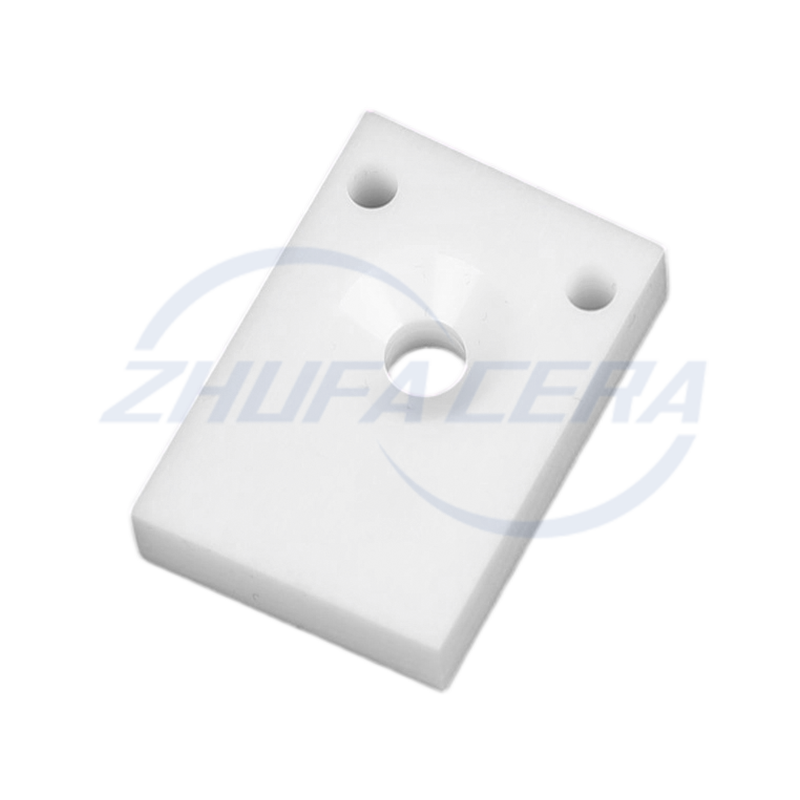
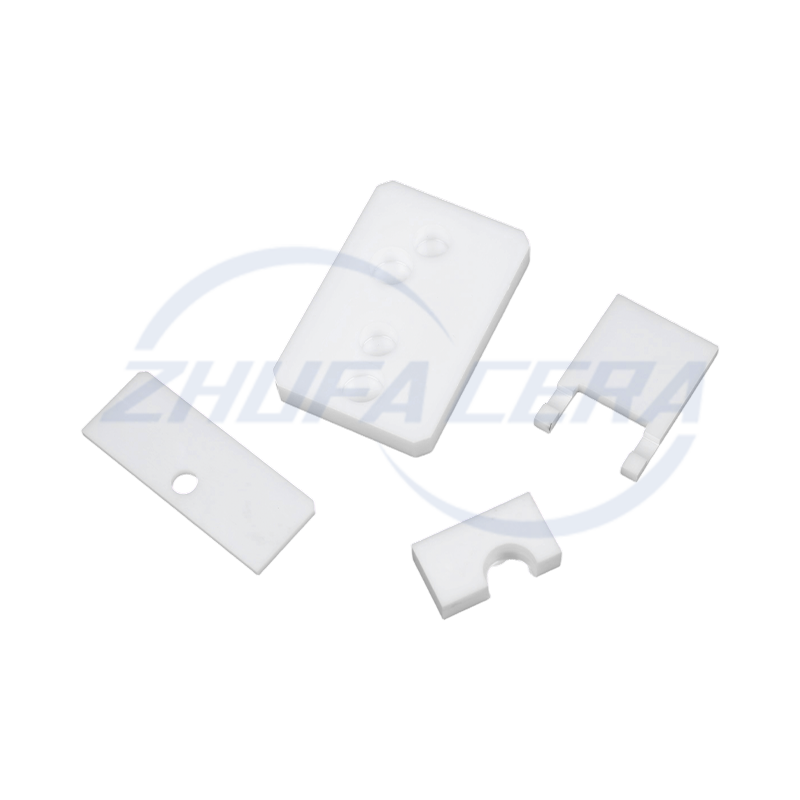
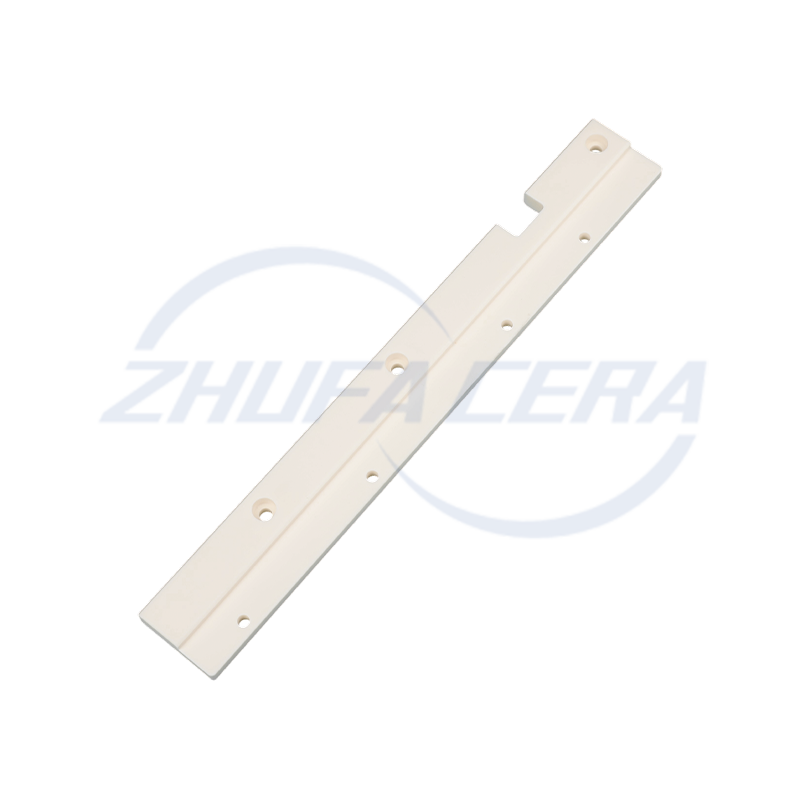
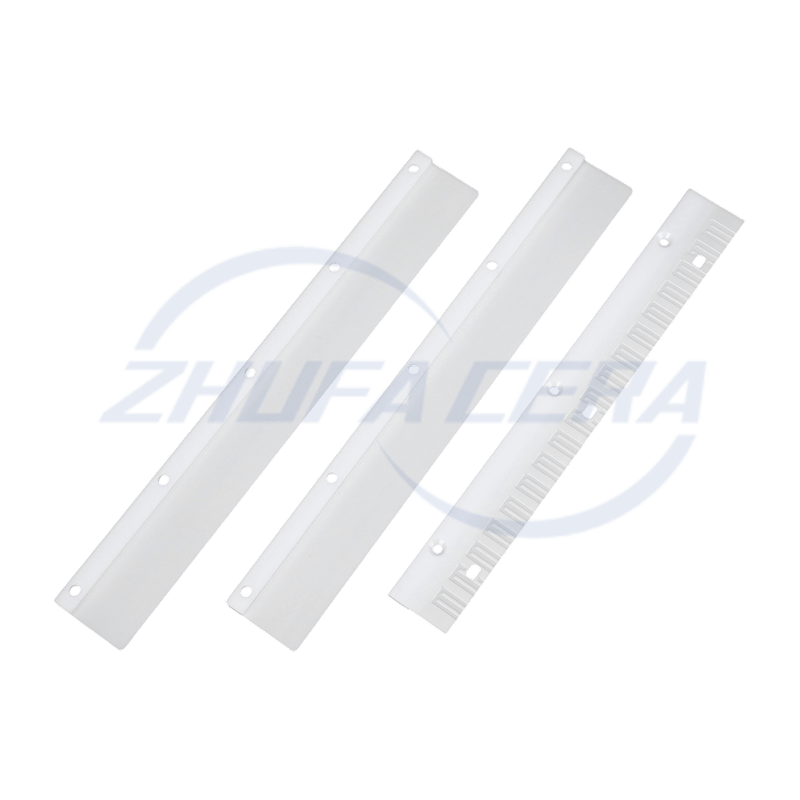
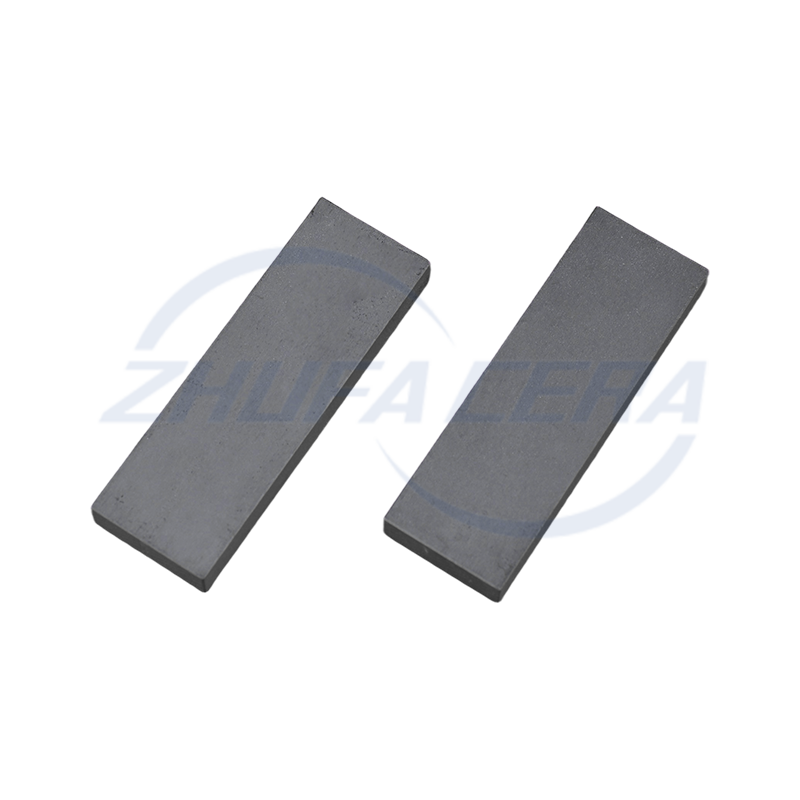
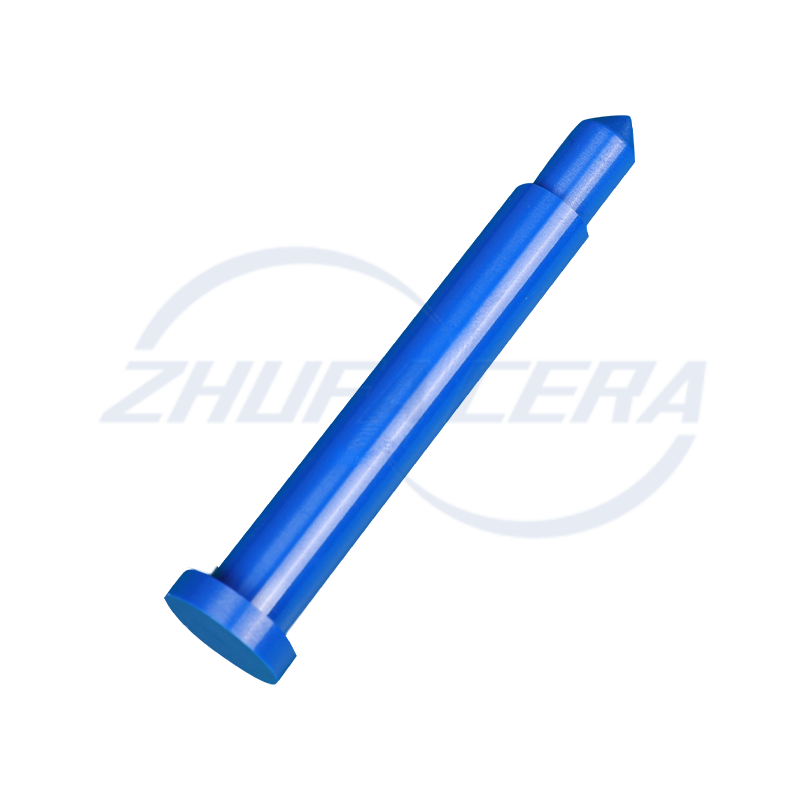
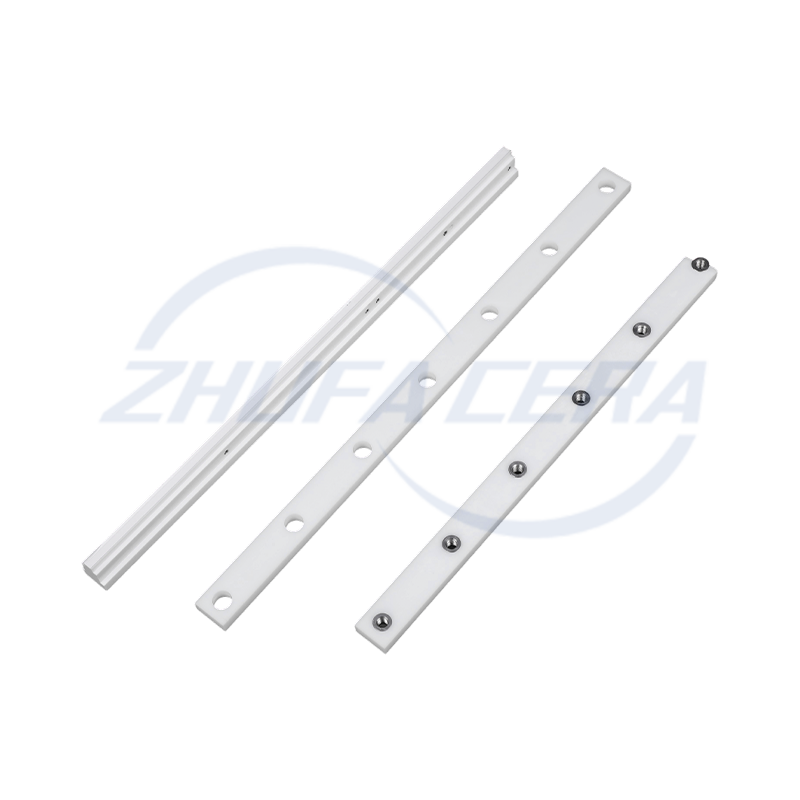
Ceramic sheets, as fundamental industrial and civilian materials with diverse properties, can be categorized based on their functional attributes and core characteristics. Functionally, some ceramic sheets are oriented towards high-efficiency protection. Their high-temperature resistance and corrosion resistance make them a barrier for equipment surfaces in extreme environments, such as high-temperature furnaces and the inner walls of chemical reaction vessels. Others focus on energy conduction and conversion, facilitating energy regulation in electronic cooling modules and circuit insulation layers due to their excellent thermal conductivity or insulation properties. Others, focused on structural support, rely on their high strength and stability to serve as foundational components for precision mechanical components, ensuring long-term, stable operation.
In terms of properties and characteristics, some ceramic sheets are ultra-hard and wear-resistant, with surface hardness approaching that of natural diamond. They can maintain their shape under high-frequency friction and impact conditions, making them suitable for applications such as grinding tools and bearing contact surfaces. Others exhibit excellent chemical inertness, resisting reactions with corrosive media such as acids and alkalis, and are commonly used in laboratory equipment and chemical pipeline linings. Still others possess unique optical or electrical properties, such as light transmittance and piezoelectricity, finding applications in high-end fields such as optical instruments and sensors. These categories are interrelated, and many ceramic pieces have multiple functions and characteristics at the same time, and can be adapted to different scenarios according to specific usage requirements.
About Us
Zhejiang Zhufa Precision Ceramics Technology Co., Ltd.
Zhejiang Zhufa Precision Ceramics Technology Co., Ltd. is China Ceramic Sheet Supplier and Ceramic Sheet Factory, a manufacturing enterprise focusing on customized processing of advanced ceramic materials and precision ceramic structural parts. Its headquarters is located in Shaoxing, Zhejiang, the core area of the Yangtze River Delta in China. Since its establishment in 2022, Zhufa has always adhered to the concept of "strict selection of excellent materials, intelligent manufacturing, meticulous inspection, and sincere service", and is committed to providing stable and reliable ceramic products and personalized solutions for global industrial customers. The company has 30,000 square meters of modern plant and more than 50 core equipment, including dry pressing molding machine, isostatic pressing equipment, injection molding machine, high temperature sintering furnace, CNC engraving machine, surface grinder, centerless grinder, punch machine, honing machine, etc., with full-process production capacity from raw materials to finished products, and realizes independent control of the whole process.
The company's main structural ceramic products cover a variety of materials such as zirconium oxide, aluminum oxide, silicon nitride, silicon carbide, aluminum nitride, etc. The types of parts include ceramic rods, ceramic tubes, ceramic sheets, seals and complex special-shaped parts, which are widely used in semiconductors, medical, new energy, automation equipment, laser technology, military industry and precision instruments. As a source factory integrating industry and trade, Zhufa supports customization, rapid prototyping, small batch flexible production and OEM cooperation. Since its establishment, the company has invested more than 10 million yuan in research and development, and continues to optimize material formulations and processing technology, always taking quality as the core, delivery as the guarantee, and service as the driving force to create long-term value for customers.
Message Feedback

Ceramic Sheet Industry knowledge
How to Master Ceramic Sheet Manufacturing: Key Techniques and Practical Solutions for New Ceramic Materials
What Are the Core Material Selection Criteria for High-Performance Ceramic Sheets?
The performance of ceramic sheets is fundamentally determined by raw material selection, as different new ceramic materials exhibit distinct characteristics tailored to specific industrial needs. Alumina ceramics, with high hardness (around 2000HV) and excellent insulation, are ideal for wear-resistant and electrical insulation sheets . Zirconia ceramics stand out for their toughness and biocompatibility, making them suitable for precision structural sheets in medical and mechanical fields . For thermal management scenarios, aluminum nitride ceramics deliver superior thermal conductivity, while silicon carbide and silicon nitride excel in high-temperature and corrosion-resistant environments .
Source factories like Zhejiang Zhufa Precision Ceramics Technology Co., Ltd. prioritize matching material properties to customer demands, offering customized solutions across zirconium oxide, aluminum oxide, aluminum nitride, silicon nitride, and silicon carbide. This material diversity ensures ceramic sheets meet performance requirements for different industrial applications, from semiconductor equipment components to industrial structural parts .
How to Control the Forming and Sintering Processes for Uniform Ceramic Sheets?
Forming and sintering are critical stages that directly affect the density, flatness, and structural stability of ceramic sheets. For simple-shaped sheets, dry pressing is widely used for its efficiency and cost-effectiveness, while complex-structured sheets require injection molding or hot die-casting to ensure shape accuracy . The key challenge lies in sintering: ceramic materials typically shrink by 15%-25% during this process, and uneven shrinkage leads to warping or cracking .
To address this, manufacturers adopt precise process control: solid-phase sintering is preferred for single-component sheets to ensure uniform densification, while liquid-phase sintering aids in densification of multi-component systems . Zhejiang Zhufa Precision Ceramics Technology Co., Ltd. emphasizes process details from equipment configuration to parameter adjustment, using technology-driven control to minimize sintering deformation, which is essential for maintaining the dimensional precision of ceramic sheets .
What Machining Techniques Ensure Micron-Level Precision for Ceramic Sheets?
Ceramic sheets’ inherent hardness and brittleness make precision machining a major challenge—even minor errors can render parts unusable, especially for applications like semiconductor substrates requiring ±0.002mm tolerance . CNC machining with diamond-coated tools is the industry standard, as diamond’s hardness (≈10000HV) withstands abrasion from ceramic materials . High-speed spindles (up to 40000rpm) and micro-cutting techniques (0.01-0.05mm per pass) reduce tool wear and material chipping .
Advanced equipment configurations further enhance precision: air static pressure guideways minimize friction, while grating rulers with ±0.0001mm resolution enable real-time position correction . Zhejiang Zhufa Precision Ceramics Technology Co., Ltd. supports non-standard processing and small-batch proofing, leveraging such precision machining capabilities to meet industrial customers’ strict requirements for sheet flatness, surface roughness, and dimensional accuracy .
How to Implement Effective Quality Inspection for Ceramic Sheets?
Quality inspection ensures ceramic sheets meet performance and reliability standards, covering both material properties and dimensional precision. For raw materials, powder purity, particle size uniformity, and slurry moisture content are rigorously tested—any deviation can cause structural defects . Post-manufacturing, advanced tools like Zeiss coordinate measuring machines detect dimensions with 0.7μm accuracy, while surface profilometers verify roughness (critical for optical or sealing sheets) .
Comprehensive inspection also includes performance testing: thermal conductivity for aluminum nitride sheets, hardness for alumina sheets, and corrosion resistance for silicon carbide sheets . Zhejiang Zhufa Precision Ceramics Technology Co., Ltd. maintains strict quality control standards throughout production, from raw material incoming checks to finished product testing, ensuring each ceramic sheet’s performance and reliability .


-
Quick Links
Home Products About Us Services Technology News Contact Us -
Products
Ceramic Structural Parts Zirconia Ceramics Alumina Ceramics ZTA Ceramics Silicon Nitride Ceramics Silicon Carbide Ceramics Ceramic Injection Molded Parts -
About Us
Factory Tour Honor FAQ -
Contact info
+86-188 8878 5188zf@zfcera.comNo. 1, Xinggong Road, Anchang Industrial Park, Keqiao District, Shaoxing City, Zhejiang Province, China -
Qrcode
Copyright © Zhejiang Zhufa Precision Ceramics Technology Co., Ltd. All Rights Reserved.
China Ceramic Sheet Supplier Ceramic Sheet Factory
