FOLLOW US :


 Email: zf@zfcera.com
 Telephone: +86-188 8878 5188


 中文简体
中文简体 русский
 Español
 عربى
عربى Português
 日本語
日本語 한국어
한국어

Ceramic Sleeve Supplier
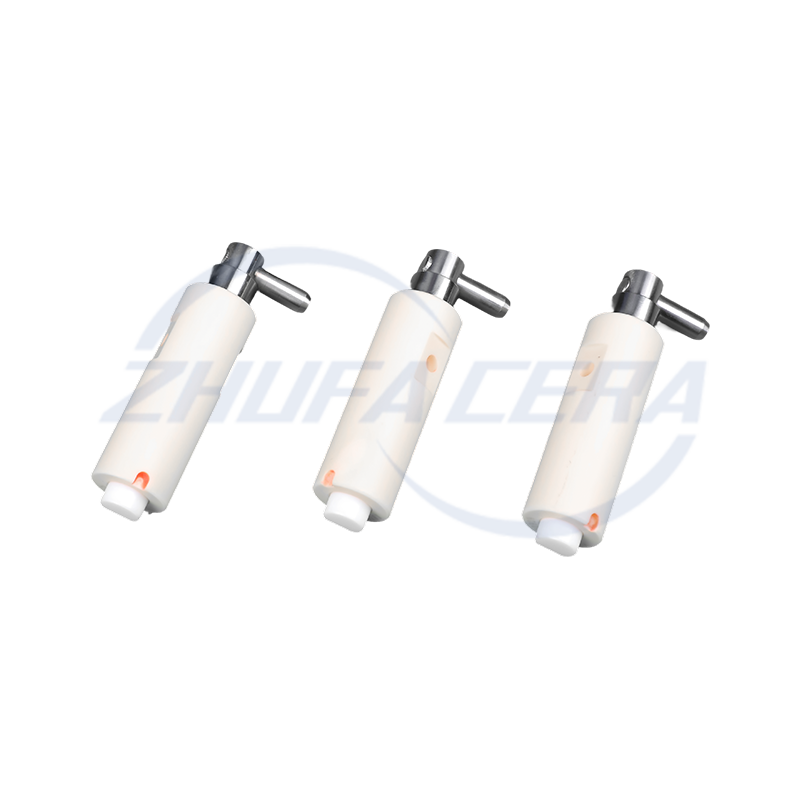
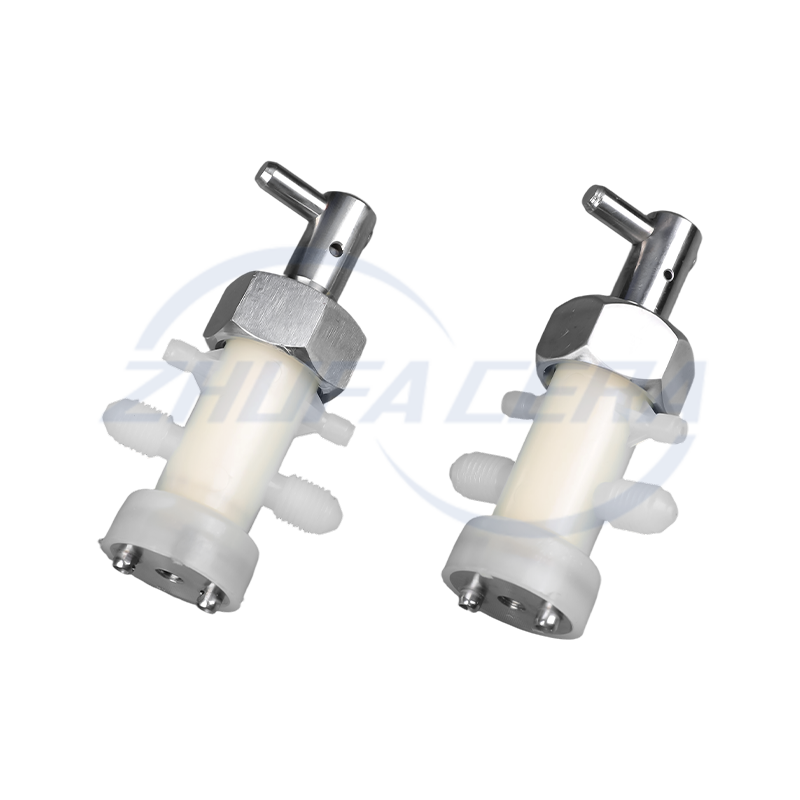
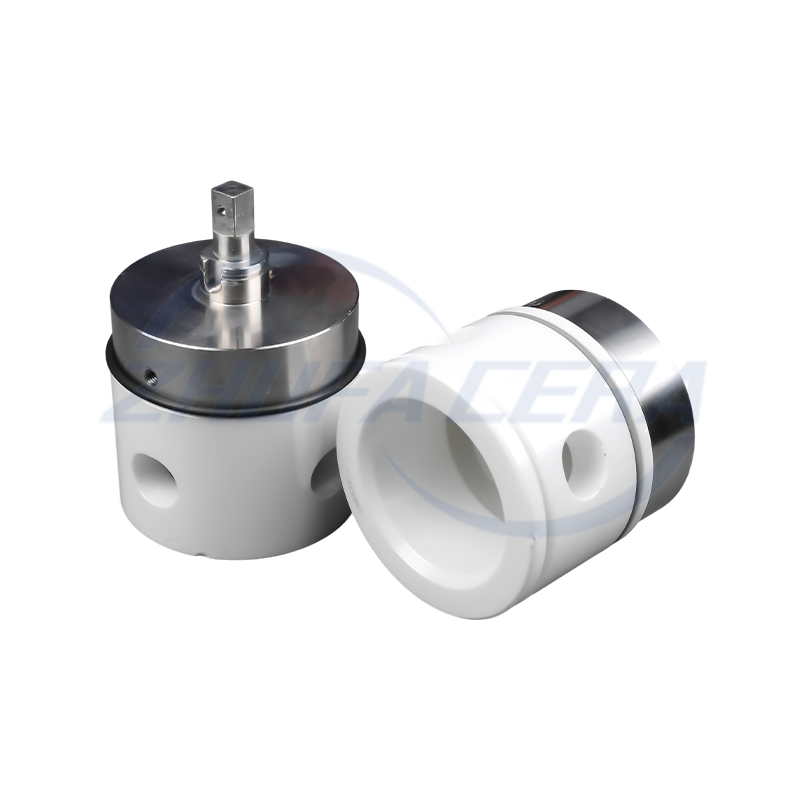
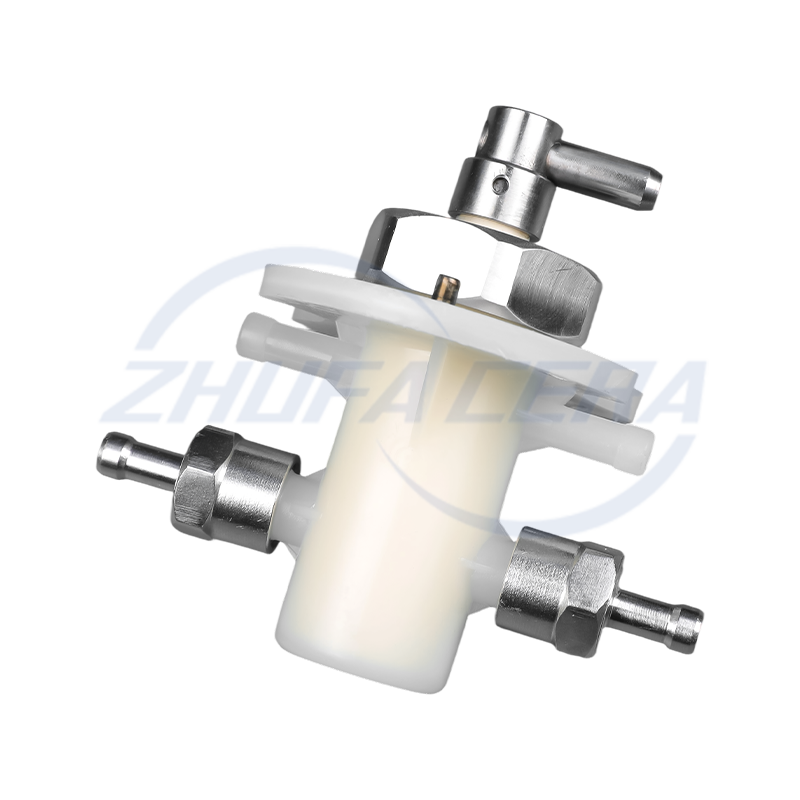
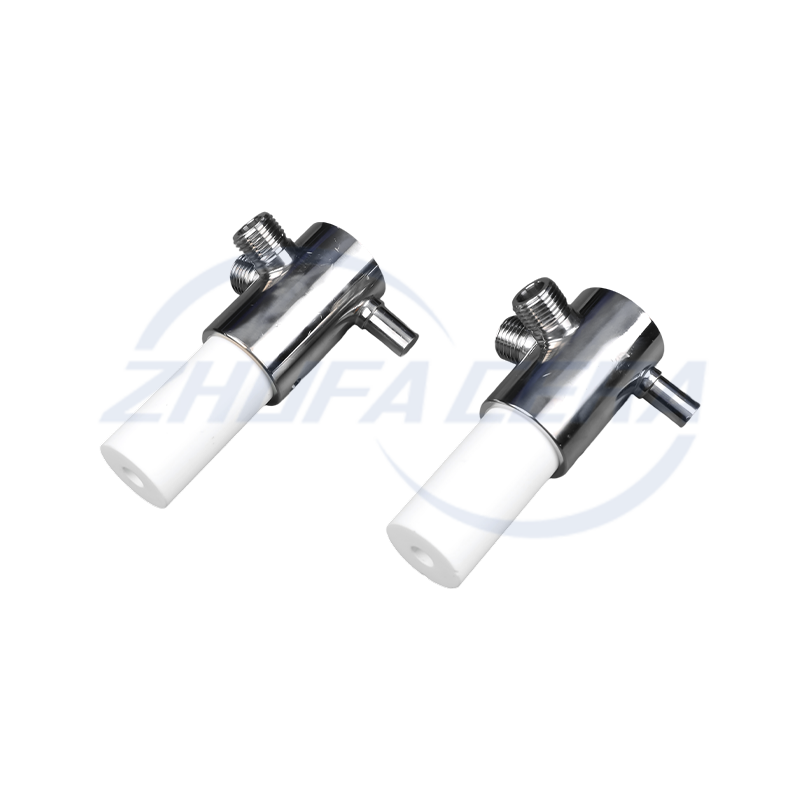
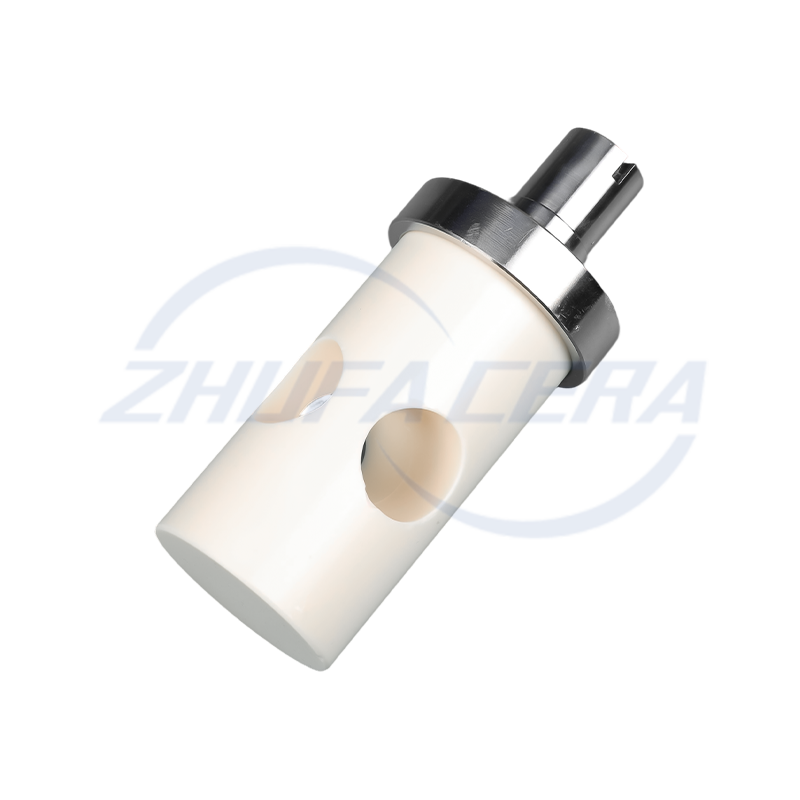
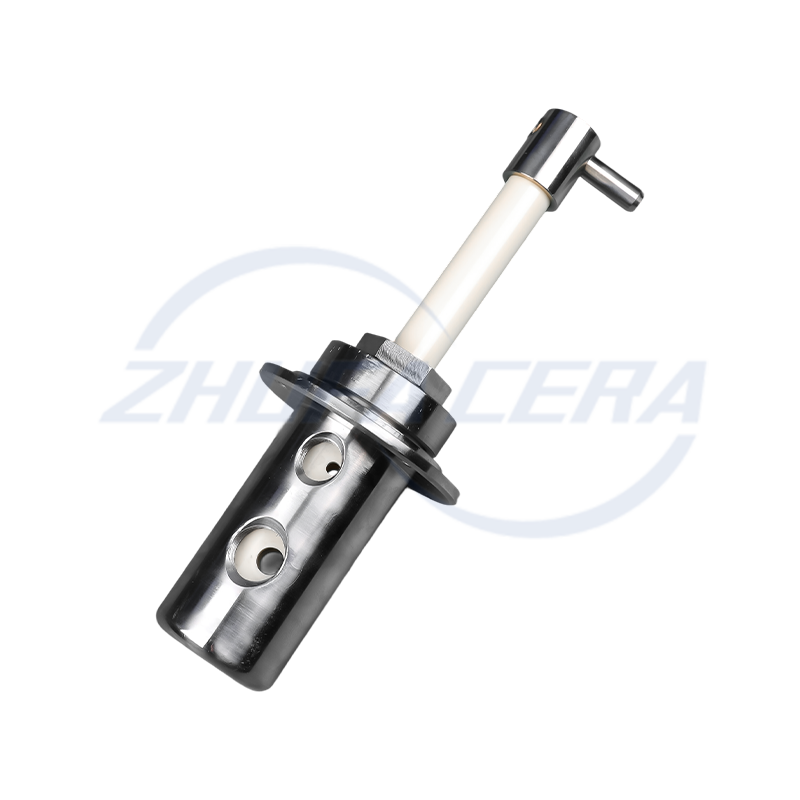
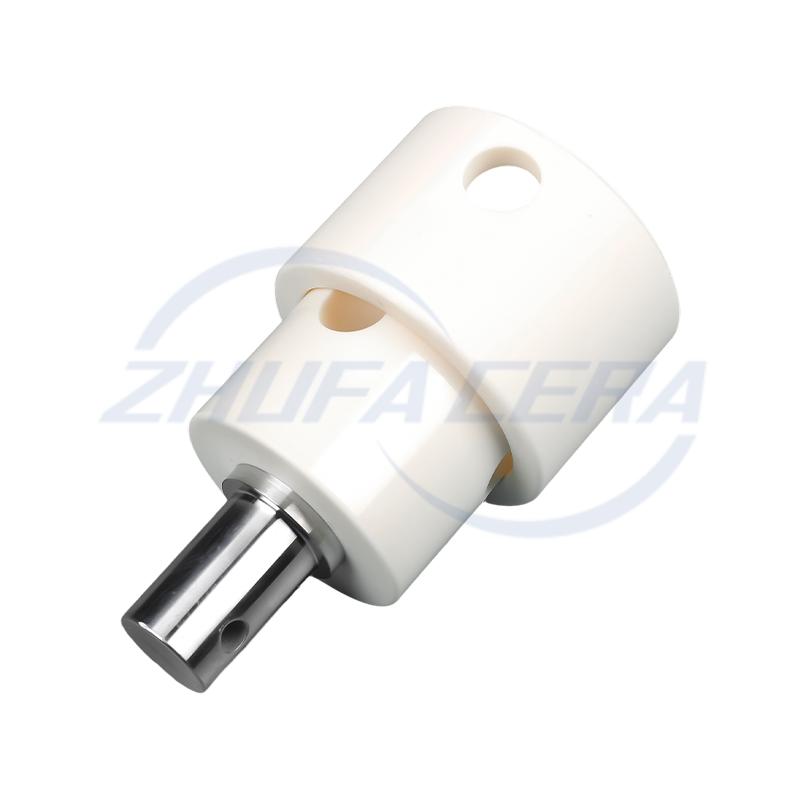
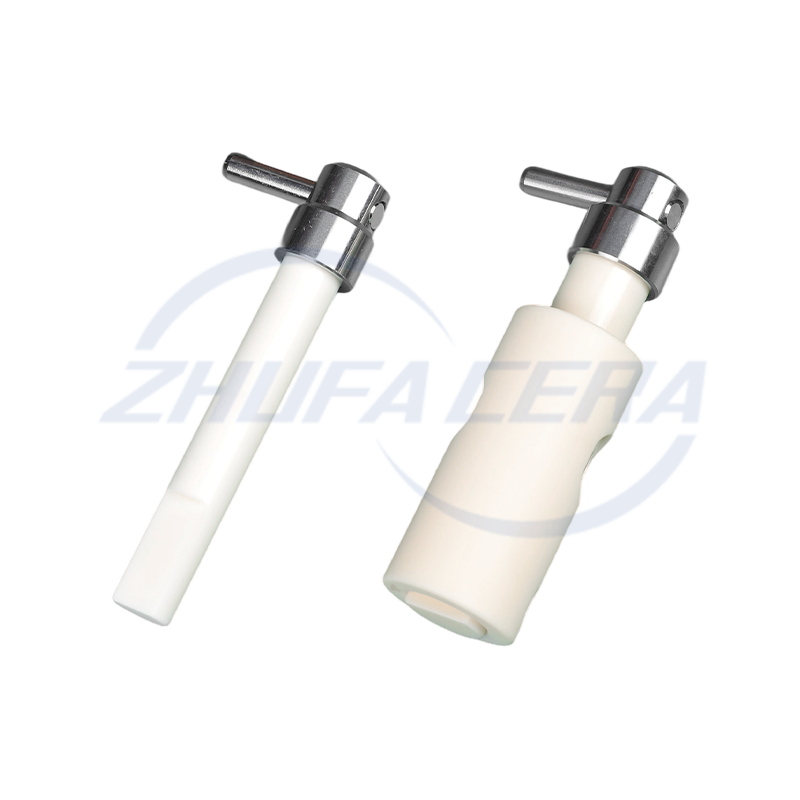
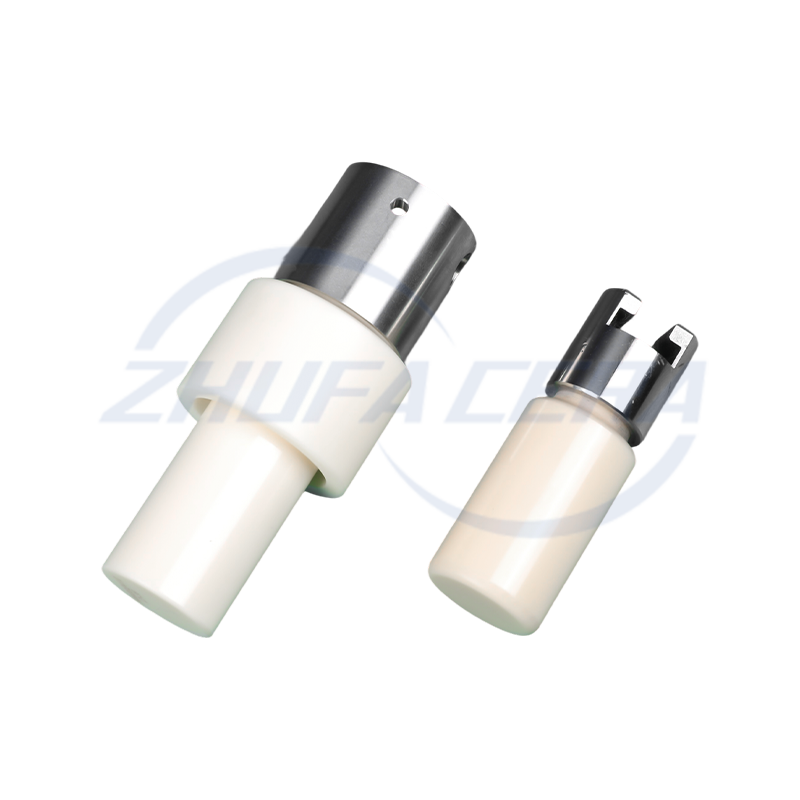
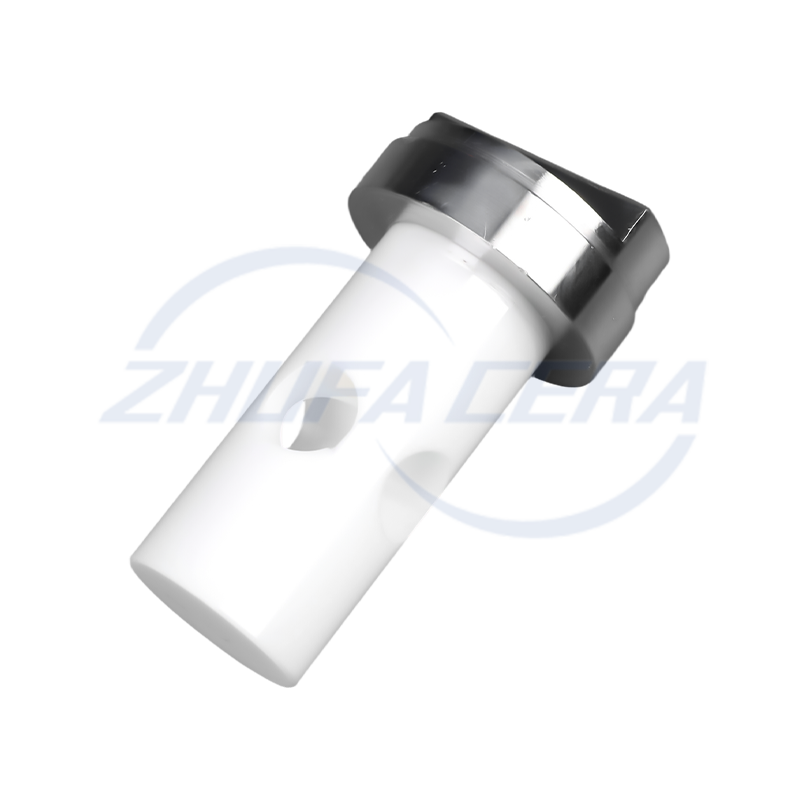
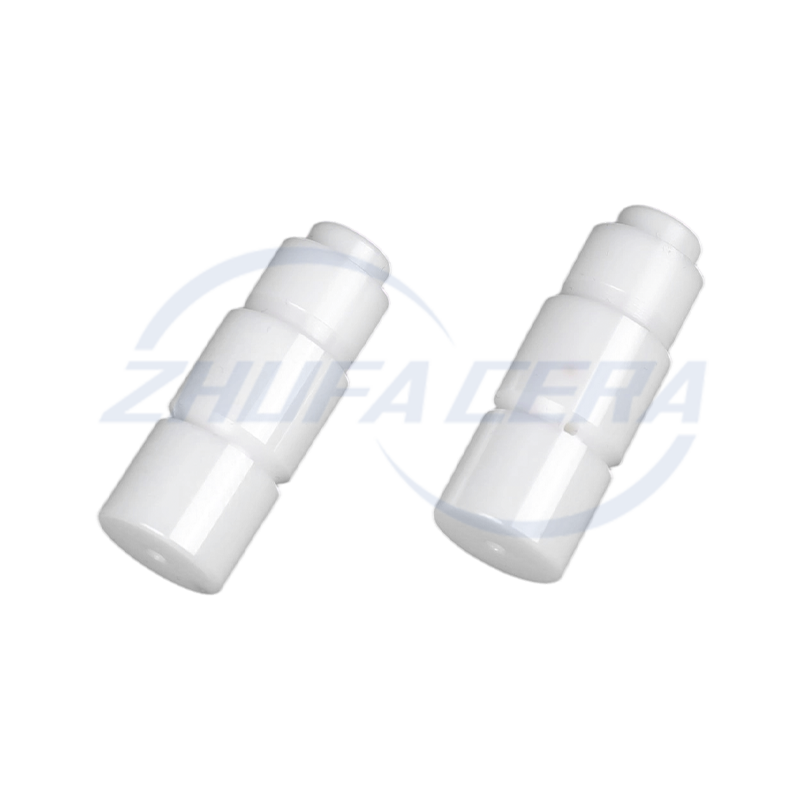
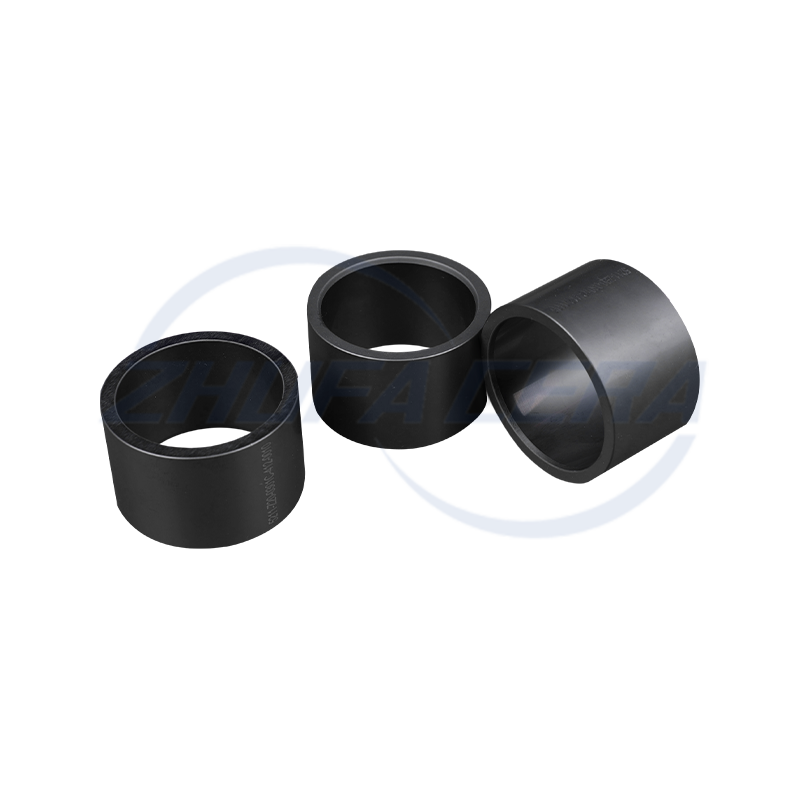
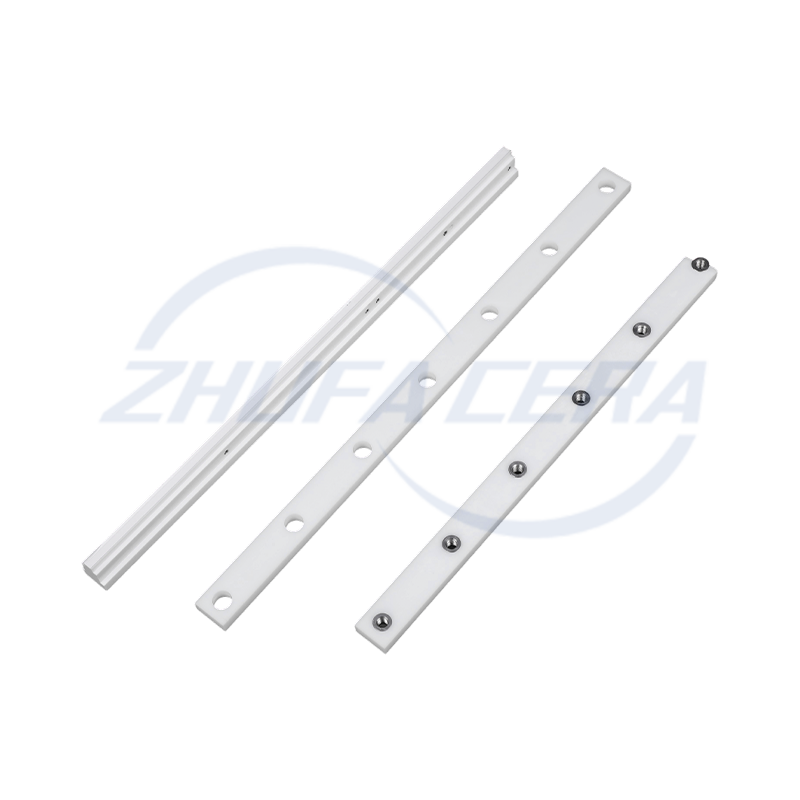
Ceramic sleeves, a key application of advanced ceramic technology, are made from high-performance ceramic materials such as zirconium oxide and silicon nitride through precision molding and sintering processes. Their physical properties far exceed those of traditional metal sleeves. They combine high hardness (HV 1200-1500), low friction coefficient (0.001-0.005), and excellent chemical resistance. They offer long-term, stable operation in extreme environments such as strong acids, strong bases, and high temperatures, while reducing wear rates by more than an order of magnitude compared to metal sleeves. They also support dry friction or minimal lubrication conditions, significantly reducing equipment energy consumption and maintenance costs. Available in various configurations, including all-ceramic, metal-ceramic composite, and functionally coated, their modular design meets diverse application requirements. They have become core components in aerospace, petrochemical, and precision manufacturing industries.
In terms of functional expansion, ceramic sleeves achieve performance upgrades through material composites and surface engineering. For example, nano-ceramic particle-reinforced metal-matrix composite bushings offer a balanced combination of strength and wear resistance, while self-lubricating ceramic coatings, by embedding solid lubricants such as molybdenum disulfide, enable thousands of hours of oil-free operation. Furthermore, their low coefficient of thermal expansion (only 1/5-1/10 that of metal) and high elastic modulus enable them to excel in applications sensitive to vibration and thermal deformation, such as semiconductor equipment and optical platforms, effectively improving equipment processing accuracy and operational stability. As industrial demand for efficient, reliable, and long-life components grows, ceramic bushings are rapidly penetrating from specialized equipment into general-purpose machinery, becoming a key component driving industrial technological upgrades.
About Us
Zhejiang Zhufa Precision Ceramics Technology Co., Ltd.
Zhejiang Zhufa Precision Ceramics Technology Co., Ltd. is China Ceramic Sleeve Supplier and Ceramic Sleeve Factory, a manufacturing enterprise focusing on customized processing of advanced ceramic materials and precision ceramic structural parts. Its headquarters is located in Shaoxing, Zhejiang, the core area of the Yangtze River Delta in China. Since its establishment in 2022, Zhufa has always adhered to the concept of "strict selection of excellent materials, intelligent manufacturing, meticulous inspection, and sincere service", and is committed to providing stable and reliable ceramic products and personalized solutions for global industrial customers. The company has 30,000 square meters of modern plant and more than 50 core equipment, including dry pressing molding machine, isostatic pressing equipment, injection molding machine, high temperature sintering furnace, CNC engraving machine, surface grinder, centerless grinder, punch machine, honing machine, etc., with full-process production capacity from raw materials to finished products, and realizes independent control of the whole process.
The company's main structural ceramic products cover a variety of materials such as zirconium oxide, aluminum oxide, silicon nitride, silicon carbide, aluminum nitride, etc. The types of parts include ceramic rods, ceramic tubes, ceramic sheets, seals and complex special-shaped parts, which are widely used in semiconductors, medical, new energy, automation equipment, laser technology, military industry and precision instruments. As a source factory integrating industry and trade, Zhufa supports customization, rapid prototyping, small batch flexible production and OEM cooperation. Since its establishment, the company has invested more than 10 million yuan in research and development, and continues to optimize material formulations and processing technology, always taking quality as the core, delivery as the guarantee, and service as the driving force to create long-term value for customers.
Message Feedback

Ceramic Sleeve Industry knowledge
Ceramic Sleeves: Practical Manufacturing Insights into New Ceramic Materials
Which New Ceramic Materials Are Suitable for Ceramic Sleeves, and How to Choose Them?
The functional reliability of ceramic sleeves directly depends on material selection, and different advanced ceramics match distinct industrial scenarios based on their performance characteristics. Aluminum oxide (alumina) ceramics, especially those with purity above 95%, are cost-effective options with hardness up to 1200HV and temperature resistance of 1700°C, making them ideal for general wear-resistant scenarios like mechanical bearing sleeves and pump shaft sleeves . Zirconium oxide (zirconia) ceramics excel in toughness and corrosion resistance, with flexural strength reaching 1100MPa, suitable for precision scenarios such as semiconductor equipment sleeves that require tight sealing and corrosion resistance to chemical reagents .
For high-temperature harsh environments, silicon nitride (Si₃N₄) ceramics stand out—they maintain 80% of room-temperature flexural strength (520–800MPa) at 1200°C and can withstand rapid temperature changes from room temperature to 1000°C without cracking, making them perfect for high-temperature furnace transmission roller sleeves and metal wire hot rolling sleeves . Silicon carbide ceramics, requiring sintering temperatures above 2000°C, offer extreme wear resistance and chemical stability, suitable for slurry pump sleeves in mining and chemical industries . Suppliers like Zhejiang Zhufa Precision Ceramics Technology Co., Ltd. provide comprehensive material solutions, helping customers match optimal ceramic types based on operating temperature, pressure, and medium conditions.
What Key Manufacturing Processes Determine Ceramic Sleeve Quality?
Ceramic sleeve manufacturing demands precise control of each process to balance precision and performance. Material preparation starts with powder treatment: high-purity silicon nitride powder, for example, needs to be mixed with Y₂O₃ and Al₂O₃ sintering aids to optimize sintering performance, while particle size distribution is strictly controlled to avoid internal pores . Molding methods are selected based on product requirements: dry pressing is suitable for simple cylindrical sleeves, with pressure, pressing speed, and holding time precisely adjusted to ensure uniform green body density ; injection molding is used for complex-shaped sleeves, mixing ceramic powder with organic binders for mold filling, then removing binders through degreasing .
Sintering is the core process: silicon nitride sleeves adopt hot pressing sintering under high temperature and pressure to improve density and strength ; silicon carbide sleeves require inert atmosphere control during sintering to prevent oxidation, with heating and cooling rates strictly regulated to avoid thermal stress cracks . Post-processing relies on high-precision equipment: ceramic engraving machines with ±0.003mm tolerance control perform grinding and polishing, ensuring surface roughness Ra ≤ 0.4μm for sleeves, which reduces friction and improves sealing performance . Zhejiang Zhufa adheres to in-house manufacturing throughout these processes, controlling details from equipment configuration to process parameters to ensure consistent product quality.
How to Implement Effective Quality Control for Ceramic Sleeves?
Quality control for ceramic sleeves must cover material, process, and finished product stages to meet industrial reliability requirements. Material inspection includes testing powder purity (e.g., 99% purity for zirconia sleeves) and particle size distribution, while green body inspection checks for cracks and uniform density . Process monitoring focuses on sintering parameters: for silicon carbide sleeves, sintering temperature deviation is controlled within ±5°C, and atmosphere composition is real-time monitored to ensure material performance stability .
Finished product testing is multi-dimensional: dimensional precision is measured with high-precision instruments, ensuring cylindrical tolerance ≤ ±0.003mm and roundness ≤ 0.001mm for precision sleeves ; performance tests include hardness (≥1200HV for zirconia), flexural strength, and corrosion resistance (immersion in acid/alkali solutions for 72 hours without damage) . For high-temperature application sleeves, additional thermal shock tests are conducted—silicon nitride sleeves, for example, are cycled 50 times between 1000°C and room temperature to verify crack resistance . Zhejiang Zhufa integrates these quality checks into the production process, from raw material inbound to final delivery, ensuring each sleeve meets performance standards.
How to Meet Custom Ceramic Sleeve Requirements Efficiently?
Custom ceramic sleeves require a combination of material expertise, process flexibility, and engineering collaboration. First, clarify application parameters: for a copper wire hot rolling sleeve, key requirements include 1100°C temperature resistance


-
Quick Links
Home Products About Us Services Technology News Contact Us -
Products
Ceramic Structural Parts Zirconia Ceramics Alumina Ceramics ZTA Ceramics Silicon Nitride Ceramics Silicon Carbide Ceramics Ceramic Injection Molded Parts -
About Us
Factory Tour Honor FAQ -
Contact info
+86-188 8878 5188zf@zfcera.comNo. 1, Xinggong Road, Anchang Industrial Park, Keqiao District, Shaoxing City, Zhejiang Province, China -
Qrcode
Copyright © Zhejiang Zhufa Precision Ceramics Technology Co., Ltd. All Rights Reserved.
China Ceramic Sleeve Supplier Ceramic Sleeve Factory
