FOLLOW US :


 Email: zf@zfcera.com
 Telephone: +86-188 8878 5188


 中文简体
中文简体 русский
 Español
 عربى
عربى Português
 日本語
日本語 한국어
한국어

Ceramic Standard Parts Supplier
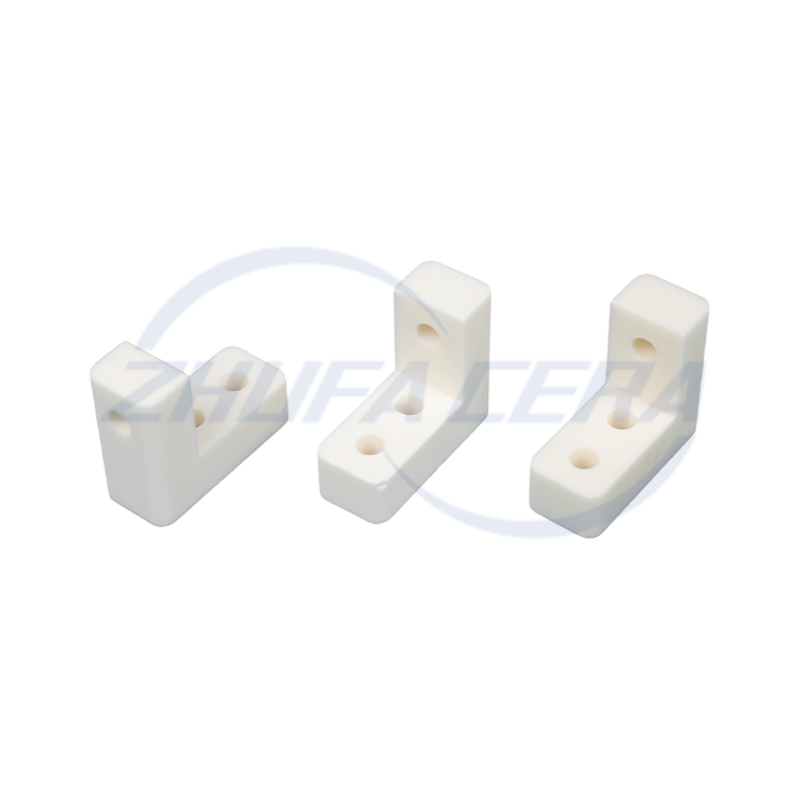
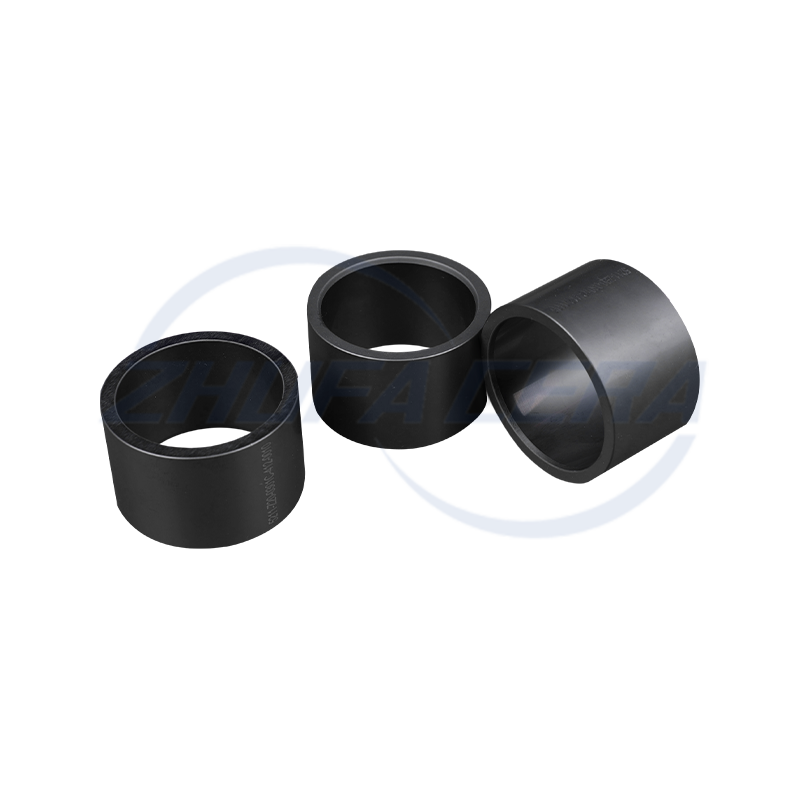
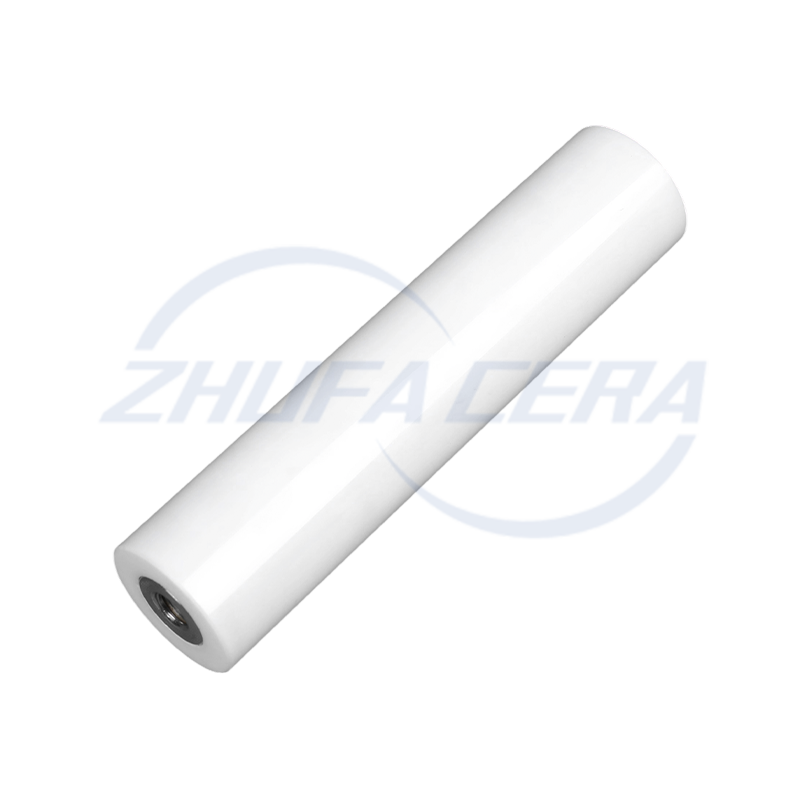
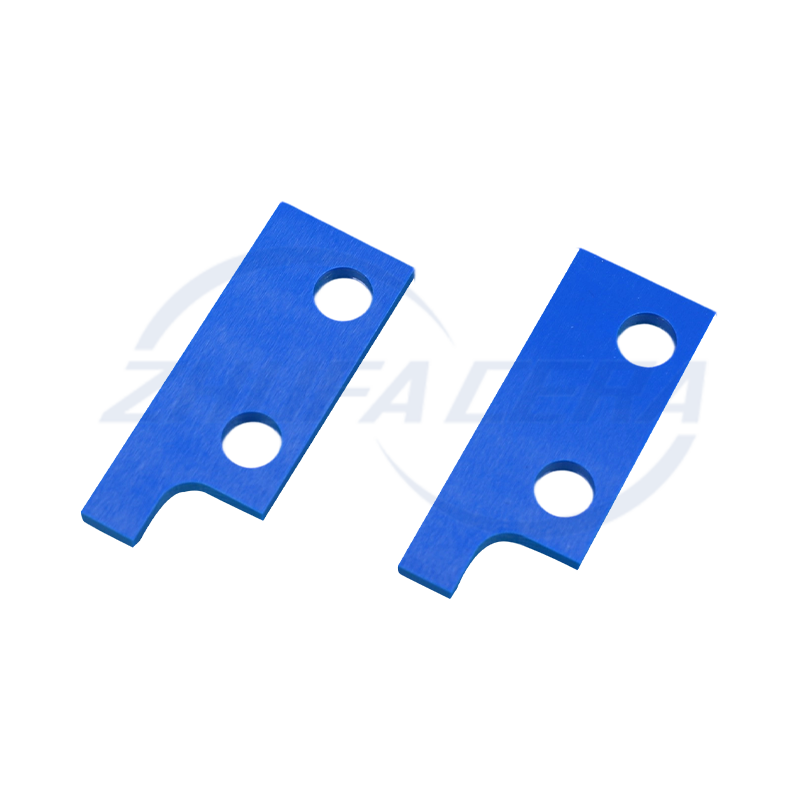
Ceramic Standard Parts are precision-manufactured ceramic components based on international, national, or industry standards. They utilize high-performance ceramic materials such as alumina, silicon nitride, and silicon carbide, achieving micron-level precision control through advanced molding and sintering processes. They combine high-temperature resistance, corrosion resistance, high insulation, low wear, and biocompatibility. They can be standardized to produce typical structures such as threads, bearings, sealing rings, and insulators. They are widely used to replace traditional metal or plastic parts in high-end applications such as electronic packaging, semiconductor equipment, chemical corrosion protection, aerospace thermal protection, and medical implants. They effectively shorten R&D cycles, reduce maintenance costs, and significantly enhance the reliability and service life of equipment under extreme operating conditions.
About Us
Zhejiang Zhufa Precision Ceramics Technology Co., Ltd.
Zhejiang Zhufa Precision Ceramics Technology Co., Ltd. is China Ceramic Standard Parts Supplier and Ceramic Standard Parts Factory, a manufacturing enterprise focusing on customized processing of advanced ceramic materials and precision ceramic structural parts. Its headquarters is located in Shaoxing, Zhejiang, the core area of the Yangtze River Delta in China. Since its establishment in 2022, Zhufa has always adhered to the concept of "strict selection of excellent materials, intelligent manufacturing, meticulous inspection, and sincere service", and is committed to providing stable and reliable ceramic products and personalized solutions for global industrial customers. The company has 30,000 square meters of modern plant and more than 50 core equipment, including dry pressing molding machine, isostatic pressing equipment, injection molding machine, high temperature sintering furnace, CNC engraving machine, surface grinder, centerless grinder, punch machine, honing machine, etc., with full-process production capacity from raw materials to finished products, and realizes independent control of the whole process.
The company's main structural ceramic products cover a variety of materials such as zirconium oxide, aluminum oxide, silicon nitride, silicon carbide, aluminum nitride, etc. The types of parts include ceramic rods, ceramic tubes, ceramic sheets, seals and complex special-shaped parts, which are widely used in semiconductors, medical, new energy, automation equipment, laser technology, military industry and precision instruments. As a source factory integrating industry and trade, Zhufa supports customization, rapid prototyping, small batch flexible production and OEM cooperation. Since its establishment, the company has invested more than 10 million yuan in research and development, and continues to optimize material formulations and processing technology, always taking quality as the core, delivery as the guarantee, and service as the driving force to create long-term value for customers.
Message Feedback


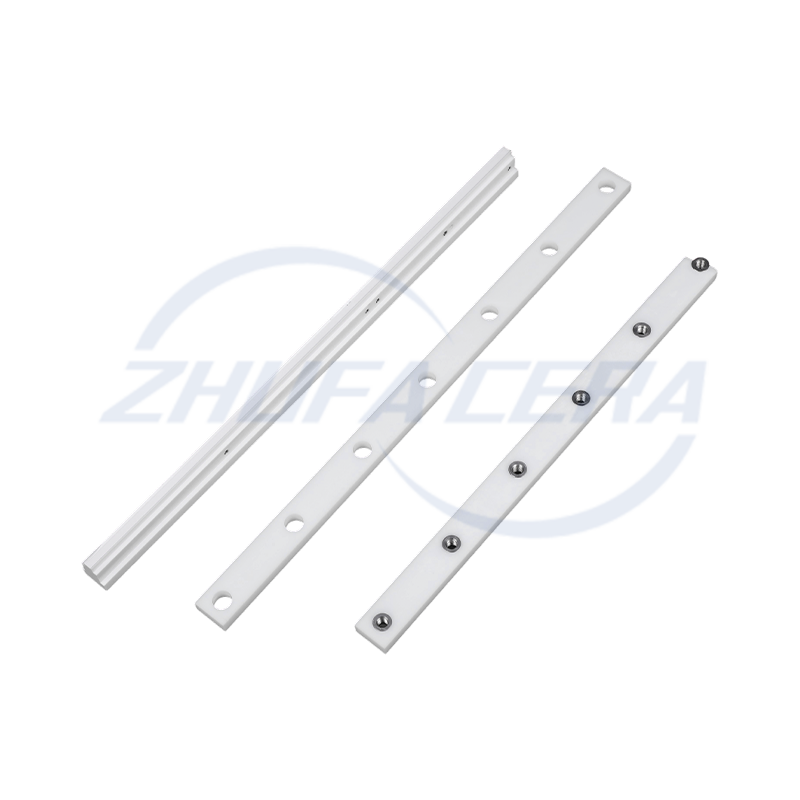
Ceramic Standard Parts Industry knowledge
1. How Does Sintering Control Ensure the Performance of New Ceramic Standard Parts?
Sintering stands as the most critical step in manufacturing new ceramic materials, directly determining the density, strength, and stability of ceramic standard parts . This process involves heating green bodies to high temperatures (below the material’s melting point) in controlled atmospheres, allowing ceramic particles to bond tightly while reducing porosity. For different materials, sintering parameters vary significantly: silicon carbide (SiC) often requires sintering aids and high temperatures above 2000°C, while zirconia (ZrO₂) needs precise control of holding time to avoid phase transformation issues .
Practical control points include atmosphere regulation (inert gas for silicon nitride to prevent oxidation) and temperature ramp rate—too rapid heating can cause cracking due to uneven thermal expansion . Manufacturers like Zhejiang Zhufa Precision Ceramics Technology Co., Ltd. rely on advanced high-temperature sintering furnaces to maintain consistent conditions, ensuring the sintered bodies meet the wear resistance and high-temperature requirements for automotive and photovoltaic applications . Additionally, pre-sintering steps to remove binders are critical to avoid defects during the final sintering process .
2. What Precision Machining Techniques Are Essential for Meeting Ceramic Standard Part Tolerances?
Ceramic materials’ high hardness and brittleness make post-sintering precision machining a challenge, yet it is vital for achieving the tight tolerances required for standard parts . Common techniques are tailored to different precision needs: surface grinders ensure flatness within micrometers, while CNC engraving machines handle complex geometries for electronic control unit components . Centerless grinders are ideal for cylindrical parts like ceramic shafts, maintaining diameter consistency critical for assembly .
The choice of machining tools is equally important—diamond grinding wheels and tools are mandatory to process materials like alumina (Al₂O₃) and silicon carbide without causing chipping . Zhejiang Zhufa Precision Ceramics Technology Co., Ltd. equips its production base with a full set of precision machining equipment, including pin grinders and honing machines, to achieve the high precision demanded by semiconductor wafer handling and petrochemical seal parts . For low-volume standard part orders, combining multiple machining processes while controlling feed rates minimizes material waste and ensures consistency .
3. How to Select the Right New Ceramic Material for Specific Standard Part Applications?
Selecting the appropriate ceramic material is foundational to meeting the performance requirements of standard parts across industries, as each material offers unique properties . Key selection criteria include the application’s operating environment and functional needs:
Wear and corrosion resistance: Silicon carbide (SiC) is preferred for petrochemical pump parts, as it withstands harsh chemical environments and reduces maintenance costs .
Thermal conductivity and insulation: Aluminum nitride (AlN) excels in semiconductor heat sinks, while alumina (Al₂O₃) is chosen for photovoltaic coating equipment due to its balanced insulation and high-temperature resistance .
Mechanical strength and toughness: Zirconia (ZrO₂) is ideal for automotive sensor components, as its toughness prevents breakage under vibration .
Manufacturers with cross-industry expertise, such as Zhejiang Zhufa Precision Ceramics Technology Co., Ltd., often guide clients in material selection based on application specifics—for example, recommending silicon nitride (Si₃N₄) for high-load engine parts due to its excellent thermal shock resistance . Testing small-batch prototypes with the selected material also helps verify performance before mass-producing standard parts .
4. What Quality Control Measures Guarantee the Reliability of New Ceramic Standard Parts?
Reliable ceramic standard parts require rigorous quality control (QC) throughout the manufacturing process, not just final inspection . Incoming QC starts with raw material testing—powder purity (e.g., semiconductor-grade alumina requiring >99.9% purity) and particle size distribution are verified to avoid sintering defects . During production, in-process checks include green body density measurements and sintering shrinkage monitoring to predict final dimensions .
Final QC involves multiple dimensions: dimensional testing with coordinate measuring machines (CMMs) ensures compliance with standard tolerances, while non-destructive testing detects internal cracks invisible to the naked eye . Zhejiang Zhufa Precision Ceramics Technology Co., Ltd. adheres to strict QC systems, inspecting each batch for properties like surface roughness and mechanical strength—critical for ensuring the reliability of parts used in fuel cells and braking systems . For high-purity applications like semiconductors, additional testing for impurity content (e.g., alkali metals <100ppm in AlN) prevents process contamination .


-
Quick Links
Home Products About Us Services Technology News Contact Us -
Products
Ceramic Structural Parts Zirconia Ceramics Alumina Ceramics ZTA Ceramics Silicon Nitride Ceramics Silicon Carbide Ceramics Ceramic Injection Molded Parts -
About Us
Factory Tour Honor FAQ -
Contact info
+86-188 8878 5188zf@zfcera.comNo. 1, Xinggong Road, Anchang Industrial Park, Keqiao District, Shaoxing City, Zhejiang Province, China -
Qrcode
Copyright © Zhejiang Zhufa Precision Ceramics Technology Co., Ltd. All Rights Reserved.
China Ceramic Standard Parts Supplier Ceramic Standard Parts Factory
