

 中文简体
中文简体 русский
 Español
 عربى
عربى Português
 日本語
日本語 한국어
한국어
Black silicon carbide ceramic ring is a high-performance engineered ceramic assembly made of high-purity silicon carbide by precision molding and high temperature sintering. Its quadrangular crystal s...
See Details
FOLLOW US :


 Email: zf@zfcera.com
 Telephone: +86-188 8878 5188

Ceramic Materials: Types, Properties, and Selection Guide
2026-08-06
Content
- What Are Ceramic Materials? A Brief Introduction
- Main Types of Ceramic Materials Used in Industry
- Key Properties of Ceramic Materials You Should Know
- How to Choose the Right Ceramic Material for Your Application
- Precision Machining and Custom Ceramic Components
- Conclusion: Partner with a Precision Ceramics Manufacturer
What Are Ceramic Materials? A Brief Introduction
Ceramic materials are inorganic, non-metallic solids formed through the application of heat. The process typically involves shaping a raw powder and then firing it in a high-temperature kiln, a technique known as sintering, which fuses the particles into a dense, rigid structure. This fundamentally different origin separates ceramics from metals, which are electrically conductive and ductile, and polymers, which are organic-based and far less temperature-resistant.
The defining characteristics of a ceramic part are a direct result of its atomic bonding. You can expect extremely high hardness, inherent brittleness, excellent resistance to high temperatures and corrosion, and strong electrical insulation. These properties make ceramics ideal for punishing industrial environments where metals would wear out, corrode, or melt. While traditional ceramics include items like brick, porcelain, and tile, this guide focuses on advanced ceramics — also known as engineering or technical ceramics — which are manufactured with high-purity, precisely controlled compositions for demanding structural and electronic applications.
Main Types of Ceramic Materials Used in Industry
Selecting the correct ceramic material begins with understanding the distinct families available. Each type offers a unique performance profile, and the optimal choice depends entirely on the specific mechanical, thermal, and chemical stresses your component will face. The following five categories represent the core of advanced industrial ceramics.
Alumina (Al₂O₃) Ceramics
Alumina, or aluminum oxide, is the most widely used advanced ceramic material, and for good reason. It provides a highly effective balance of high hardness, excellent electrical insulation, and strong resistance to wear and chemical attack at a manageable cost. The purity level, commonly ranging from 95% to 99.9%, directly influences its performance; higher purity translates to better corrosion resistance and higher possible operating temperatures, but also a higher raw material cost. You will find alumina ceramics in a broad range of applications, including wear-resistant pipe liners, high-voltage insulators, textile thread guides, pump and valve components, and vacuum suction cups for photovoltaic manufacturing.
alumina ceramic products and components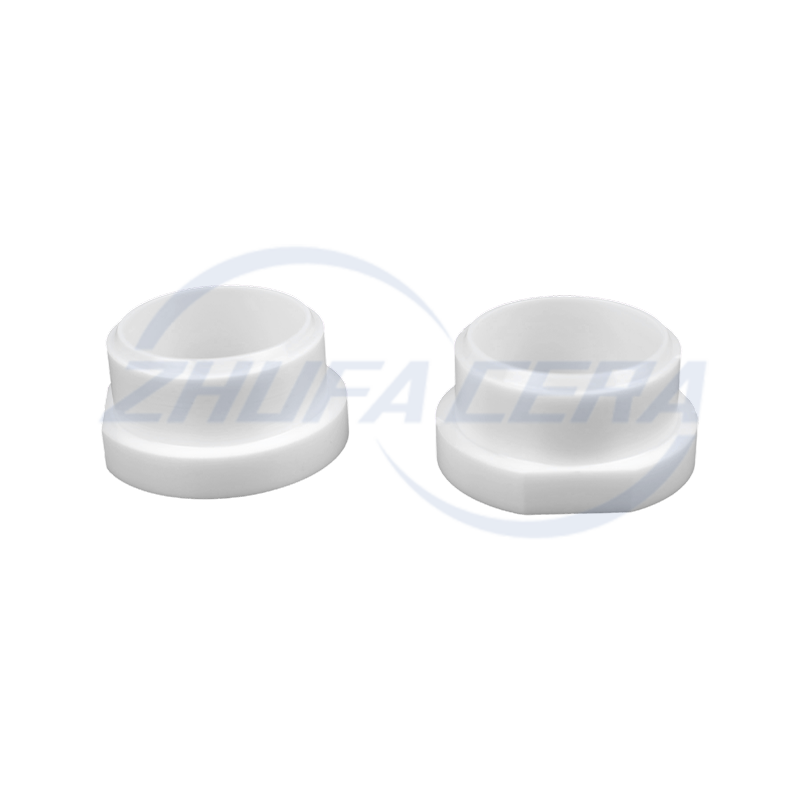 Alumina CeramicsAlumina Ceramics is ...View Product →
For a deeper exploration of this foundational material, see our detailed guide on alumina ceramics advantages and applications.
Zirconia (ZrO₂) Ceramics
Zirconia ceramics stand out from other ceramic materials because of their exceptional fracture toughness and flexural strength. Zirconia is often the first material considered for structural applications that involve impact or high tensile stress — conditions that would spell failure for more brittle ceramics. The most common variant is yttria-stabilized zirconia (Y-TZP), which uses a phase transformation mechanism to halt crack propagation, a property that makes it feel almost metallic in its resilience. These ceramics are the premier choice for high-wear, high-stress parts such as precision plungers, pump shafts, locating pins, and small gears, where dimensional stability and long service life are critical.
zirconia ceramic component options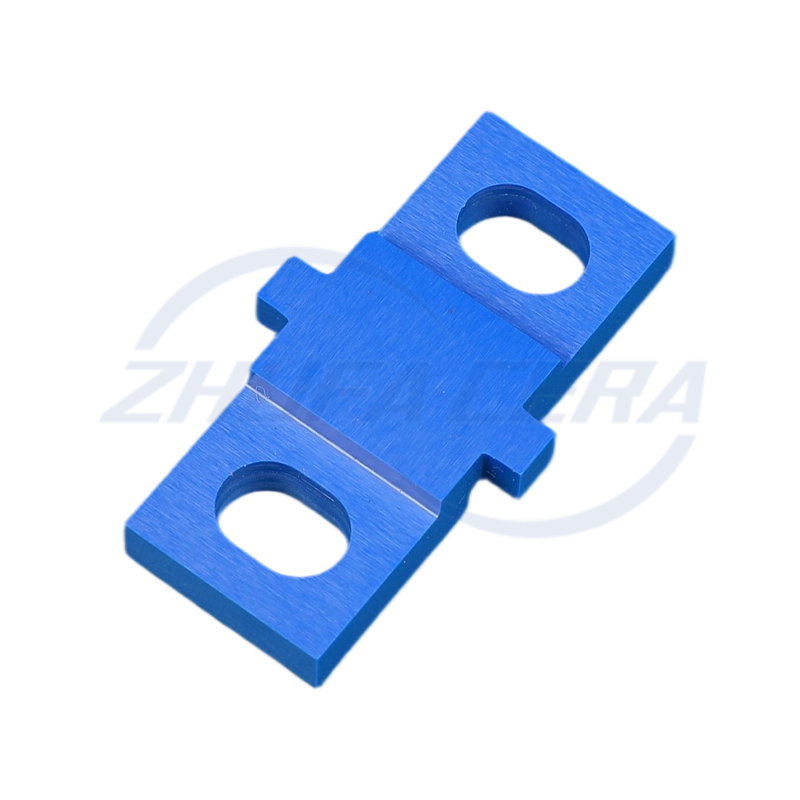 Zirconia CeramicsZirconia ceramics ar...View Product →
We have compiled a comprehensive practical guide from material selection to long-term maintenance; read zirconia ceramic selection and maintenance guide.
Silicon Nitride (Si₃N₄) Ceramics
Silicon nitride is the high-temperature workhorse of the ceramic world. Its standout advantage is superior thermal shock resistance, meaning it can withstand rapid heating and cooling cycles without fracturing. This is combined with a low thermal expansion coefficient and high strength at elevated temperatures, allowing it to perform reliably in applications where other ceramics would fail from thermal stress. If your environment involves both high mechanical loads and severe temperature fluctuations, silicon nitride is a strong candidate. Common applications include ball bearings, turbocharger rotors, and high-temperature engine components, where its lighter weight compared to metal bearings is another significant benefit.
To further investigate its performance profile in demanding environments, read silicon nitride ceramic performance and value.
Silicon Carbide (SiC) Ceramics
When the primary challenge is extreme wear or a severely corrosive agent, silicon carbide is often the ultimate solution. SiC offers one of the highest hardness levels among all engineering materials, second only to diamond and boron carbide. This is paired with well-regarded thermal conductivity and an ability to remain chemically inert in environments that would quickly degrade even high-purity alumina. Silicon carbide is the material of choice for mechanical seal faces, pump shafts in chemical processing, and sandblasting nozzles. Compared to alumina in a purely abrasive wear scenario, silicon carbide components can deliver a significantly longer operational life, offsetting their higher raw material cost.
ZTA (Zirconia Toughened Alumina) Composite Ceramics
ZTA is a composite material that combines the best features of its two constituents: the high hardness of an alumina matrix and the toughness-boosting mechanism of dispersed zirconia particles. This synergy creates a material that bridges the gap between alumina's wear resistance and zirconia's damage tolerance. A ZTA component will survive impacts and stress concentrations that would shatter pure alumina, while maintaining better stiffness and hardness than pure zirconia. This makes ZTA particularly suitable for demanding applications like wear plates, textile machinery parts, and shaft plug sleeves, where both abrasive wear and mechanical shock are daily realities.
Key Properties of Ceramic Materials You Should Know
A material's suitability for an application isn't determined by a single number; it's a complex profile of interdependent properties. Understanding these core characteristics allows you to translate a performance requirement into a material specification. The critical properties to evaluate are hardness, flexural strength, fracture toughness, maximum use temperature, thermal expansion coefficient, electrical insulation, and chemical corrosion resistance. Each tells a specific part of the story. For instance, high hardness indicates a material's resistance to surface abrasion, while flexural strength measures its ability to resist deformation under a bending load, and fracture toughness describes its ability to resist crack propagation. A crucial trade-off exists: ceramics with the highest hardness often have the lowest fracture toughness, making them more vulnerable to sudden failure. Successful material selection is about managing these trade-offs against your specific operational priorities.
How to Choose the Right Ceramic Material for Your Application
Moving from a general understanding of material classes to a final specification requires a systematic evaluation of four interconnected factors. The first is the operating environment: what are the steady-state and peak temperatures, what chemicals or media will contact the part, and will it experience mechanical shock or vibration? The second is the dominant performance demand: is the primary failure mode abrasive wear, dielectric breakdown, or fracture from overload? The third is the geometry's complexity; a simple cylinder is easier to form than a thin-walled, multi-chambered manifold, and this influences which material is practical. The fourth and final factor is the total cost constraint, which must account for raw material price, the chosen forming method, post-sintering precision machining, and the expected lifespan in service.
A simplified selection logic can serve as a starting point. For applications defined by rapid temperature changes, prioritize silicon nitride. When facing severe abrasive wear, first consider silicon carbide. If your component is a structural part subject to high tensile stress or impact, zirconia is the primary candidate. Alumina offers the best balance of good all-around performance and cost-effectiveness, making it the default choice for many general industrial applications. For a component requiring both high wear resistance and significant toughness, a ZTA composite may be the ideal solution. After making a preliminary selection, consulting directly with an engineering team becomes essential to validate the choice against your detailed specifications.
If you have a specific set of requirements, contact our engineering team for material selection support.
Precision Machining and Custom Ceramic Components
Selecting the material is only half the journey. The transformation of a ceramic powder into a finished, high-tolerance component is a manufacturing process that demands specialized expertise. Because advanced ceramics become extremely hard and brittle after sintering, they cannot be economically shaped with conventional metal-cutting tools. Instead, the net shape is largely determined during the green-body stage through methods like dry pressing, isostatic pressing, or ceramic injection molding, each suited to different geometries and production volumes. Final precision features and tight tolerances are achieved through post-sintering grinding with diamond tooling.
This reality makes it vital to partner with a manufacturer that controls the entire production line — from powder preparation and forming to sintering and final diamond grinding. A supplier's grasp of how each step affects the final microstructure, density, and dimensional accuracy is what determines whether a batch of parts meets specification. Without this level of integrated control, achieving consistent quality on complex, tight-tolerance structural components becomes a matter of chance. The ability to manufacture to precise geometric dimensions, while managing the innate challenges of ceramic processing, separates a general supplier from a true precision ceramics partner.
To review the range of parts that can be produced with this level of precision, see our catalog of custom ceramic structural components.
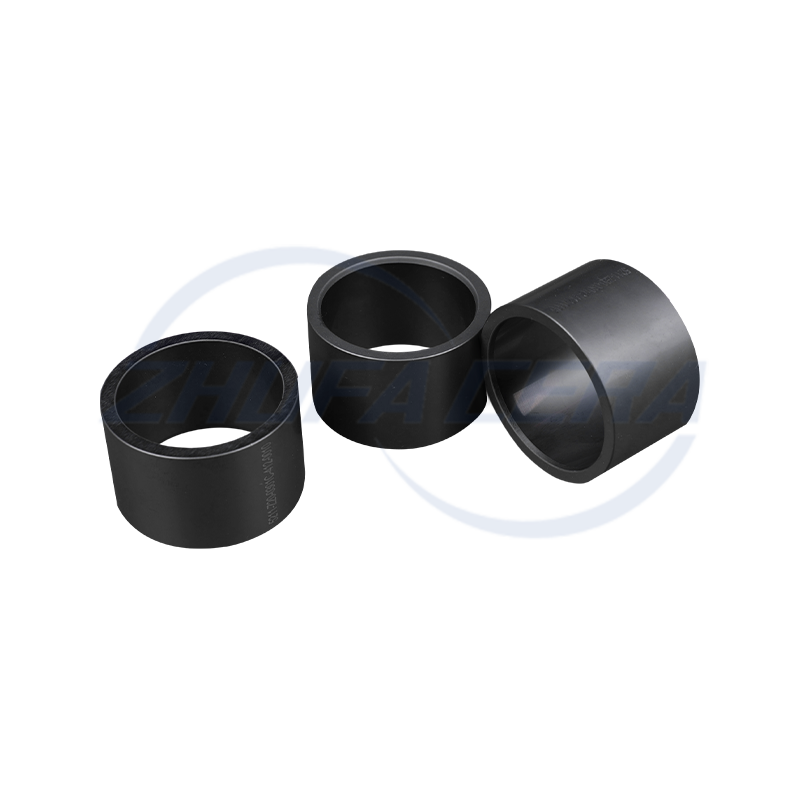 Ceramic Structural PartsZhejiang Zhufa Precision Ceramics Technology Co., Ltd. is a China Ceramic Structural Parts manufacturers and wholesale Ceramic Structural...View Product →
Conclusion: Partner with a Precision Ceramics Manufacturer
The world of advanced ceramic materials offers a powerful solution to engineering challenges that exceed the limits of metals and polymers. From the cost-effective all-around performance of alumina to the extreme thermal shock resistance of silicon nitride and the structural toughness of zirconia, the right selection is found at the intersection of a material's property profile and your specific application's demands. The selection logic we've outlined — assessing the environment, performance need, geometry, and total cost — provides a clear framework for narrowing your options. Once a material candidate is identified, the manufacturing process becomes the decisive factor in a successful outcome. With integrated control over every stage, from raw powder to finished part, precision manufacturing ensures that the material's theoretical potential is fully realized in the final component.
To begin your project, explore our full range of precision ceramic products and submit your specifications for a technical review.
Related products
-

-
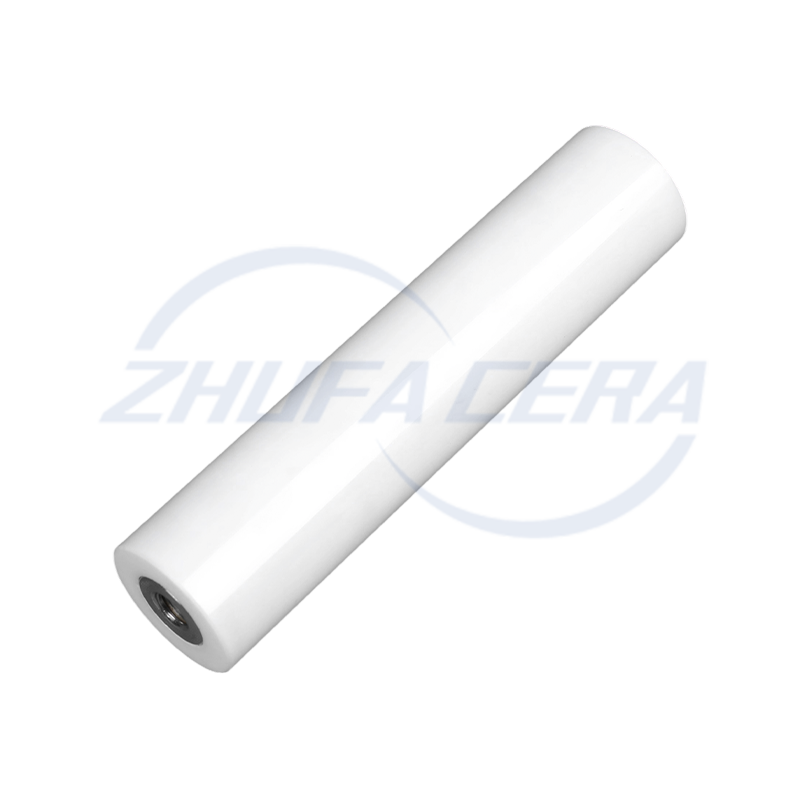
Zirconia Ceramic Rod is a high-performance ceramic material rod, mainly made of zirconium oxide, with excellent mechanical strength and chemical stability. It exhibits extremely high hardness and wear...
See Details -
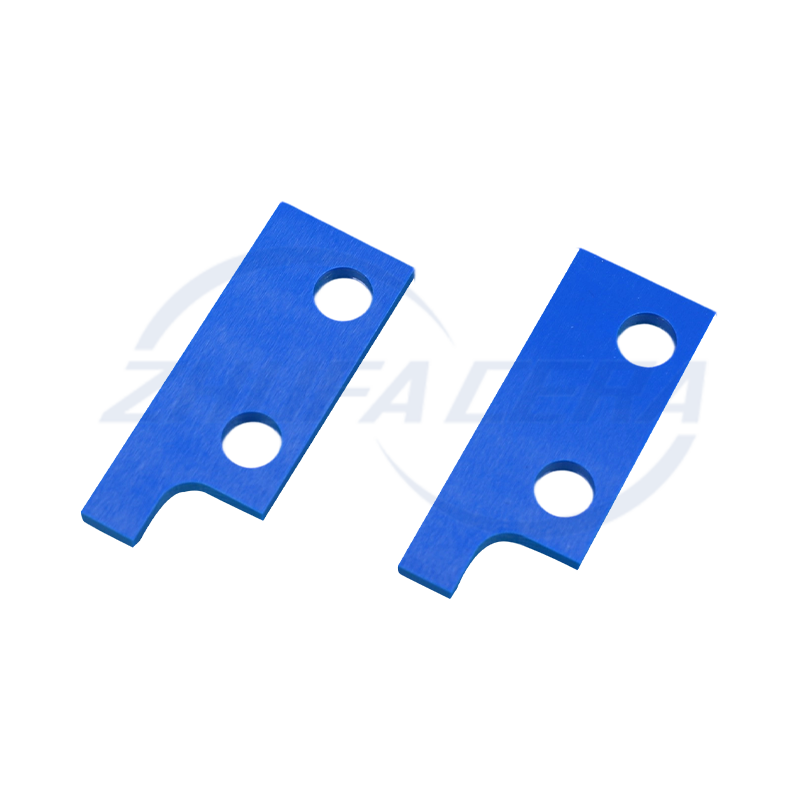
Blue zirconia ceramic sheets are precision components made of advanced zirconia ceramics. They are stained with cobalt, iron or copper to form a blue color. This color not only serves as a visual i...
See Details -

This blue zirconia ceramic pin is made of advanced zirconia ceramic material, providing excellent durability and performance. Zirconia ceramics are known for their high strength, good wear resistan...
See Details -

Zirconia Ceramic Gear is made of zirconium oxide ceramic material, which has excellent high strength and high hardness. This material property enables it to effectively resist wear during the transmis...
See Details -
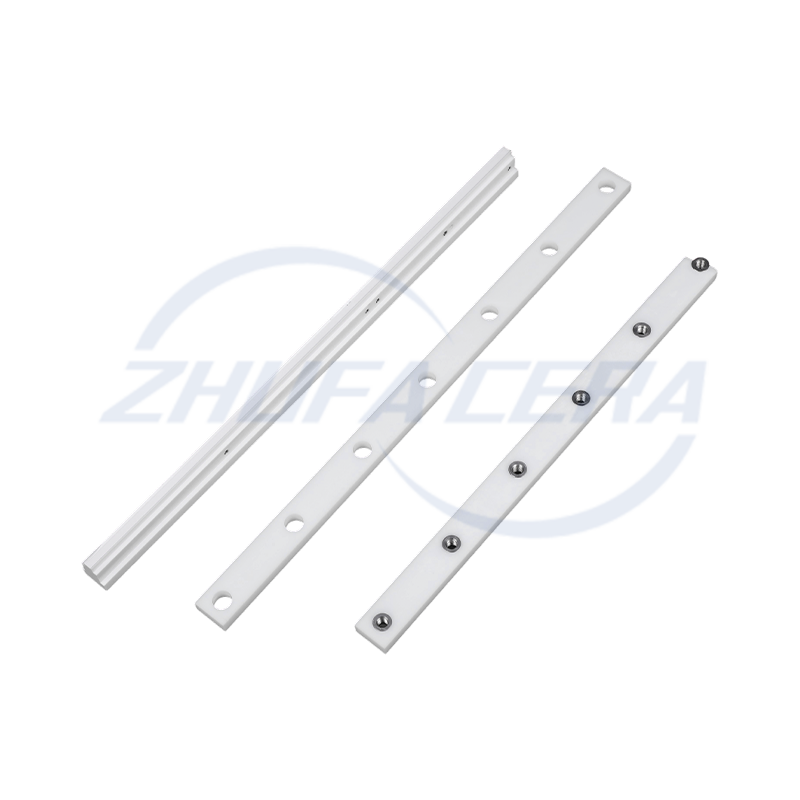
Zirconia Ceramic Guide Rail is a high-performance precision mechanical component made of zirconium oxide ceramic material. Its core characteristics are derived from the excellent physical and chemical...
See Details -
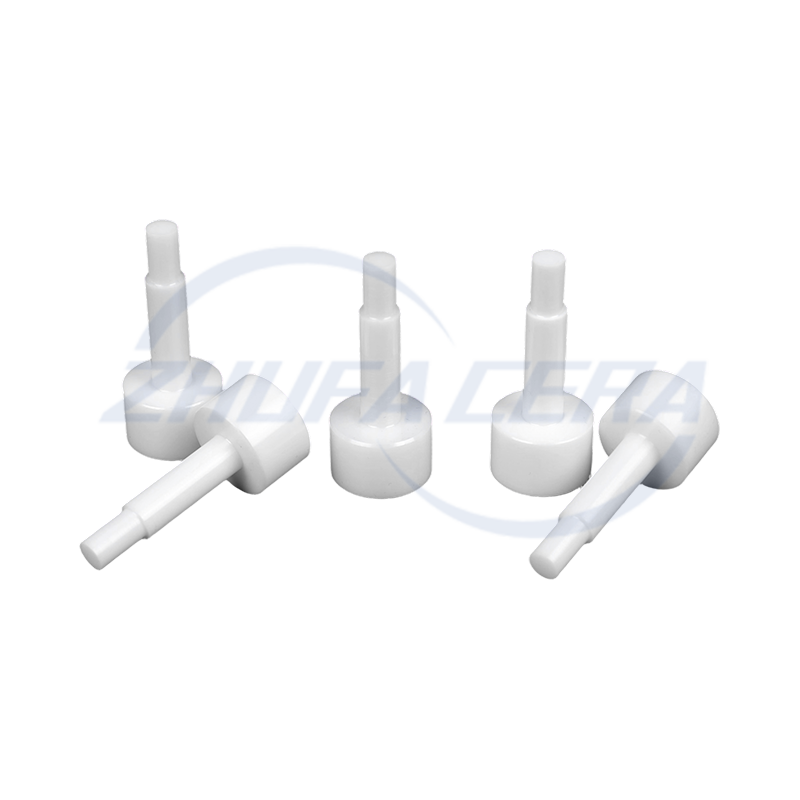
Zirconia Ceramic Locating Pin is a high-precision positioning element made of advanced zirconium oxide ceramic material with excellent physical and chemical properties. Its main characteristics includ...
See Details -
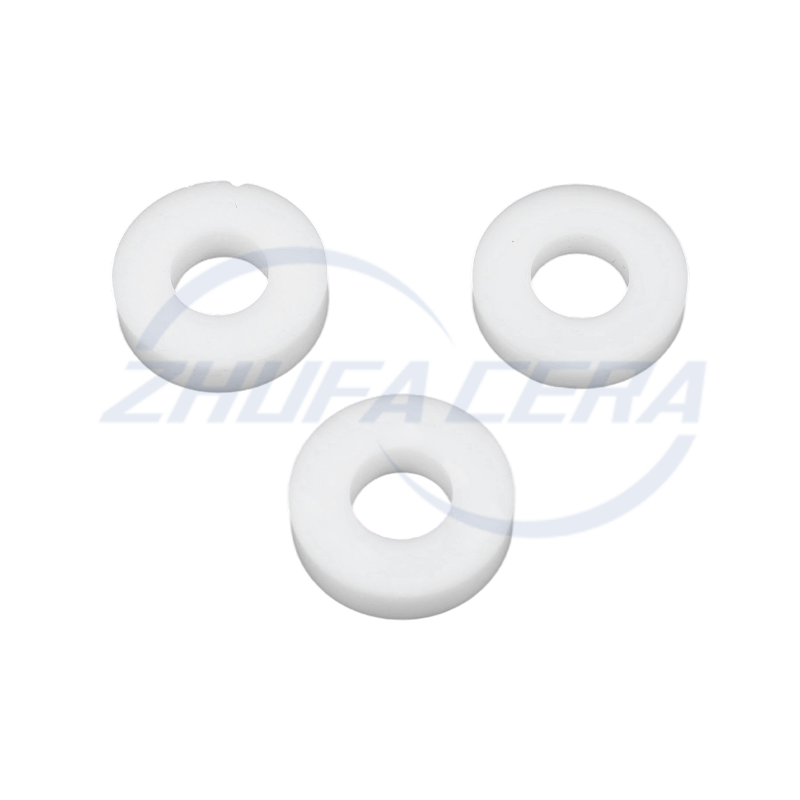
Zirconia Ceramic Ring is a high-performance ceramic product known for its excellent physical and chemical properties. It has extremely high hardness and strength, with a Mohs hardness of more than 8.5...
See Details -
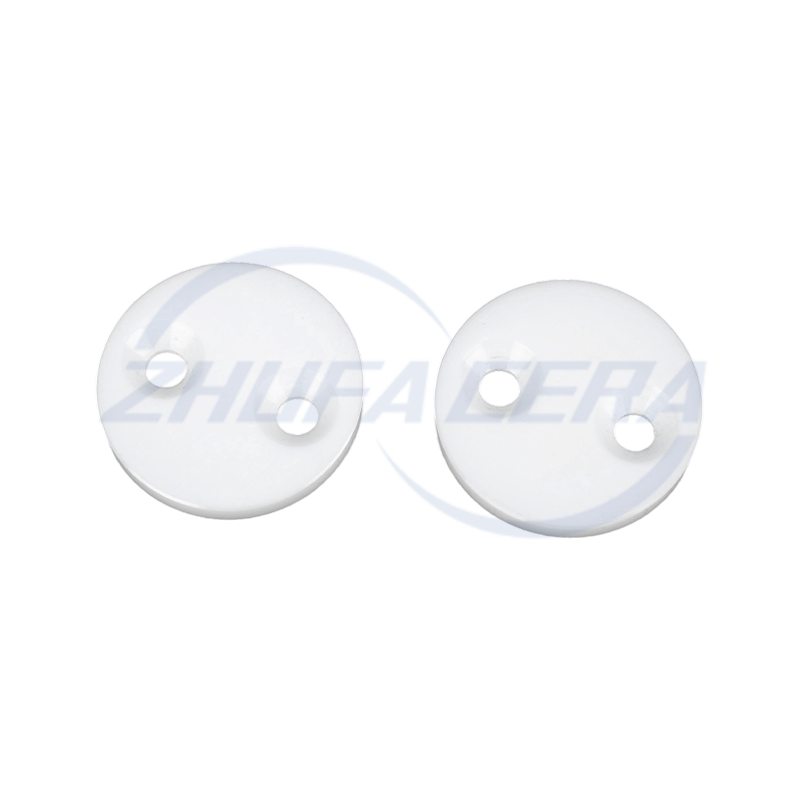
Zirconia ceramic sheets have become functional core components in various fields thanks to their unique properties. With a flexural strength of 900–1200 MPa and a fracture toughness of 6–10 MPa・m¹/², ...
See Details -

Zirconia Ceramic Strip is a strip material made of high-performance zirconium oxide ceramic with excellent physical and chemical properties. It has extremely high hardness and flexural strength, can e...
See Details -
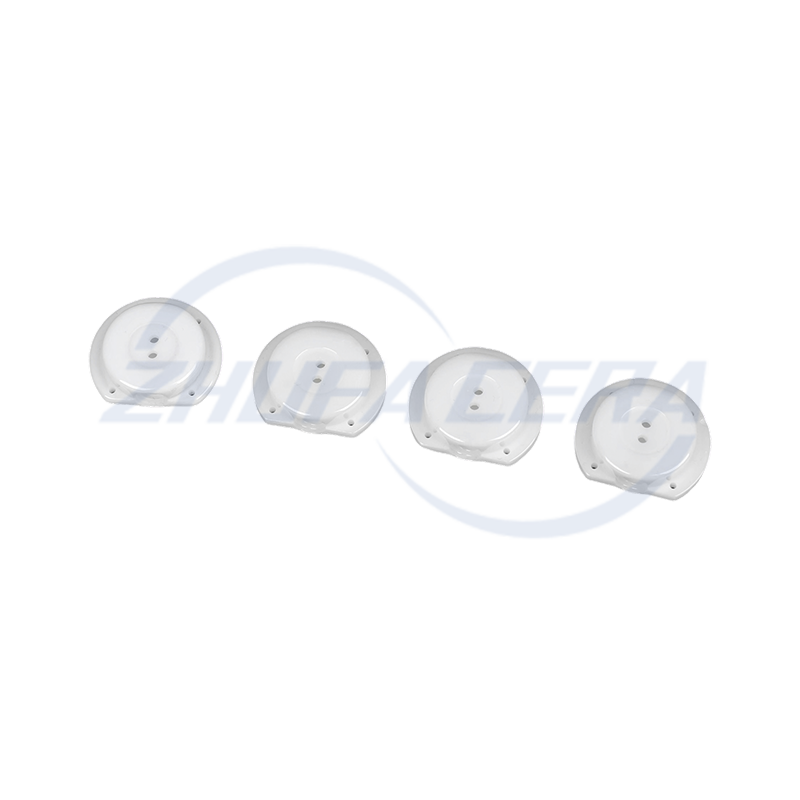
Zirconia ceramic wafers are representative products in the field of high-performance structural ceramics. Compared with traditional alumina ceramics or metal materials, its comprehensive performanc...
See Details -
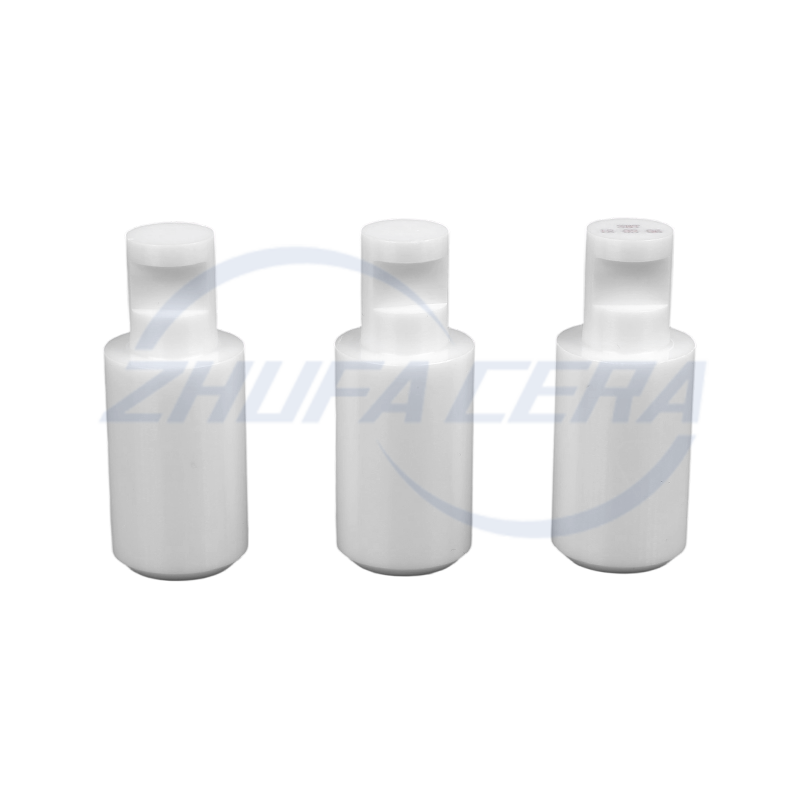
Zirconia Ceramic Plunger is a high-performance component designed for harsh industrial environments. Compared with similar ceramic or metal plunger products, it stands out with its unique material adv...
See Details


-
Quick Links
Home Products About Us Services Technology News Contact Us -
Products
Ceramic Structural Parts Zirconia Ceramics Alumina Ceramics ZTA Ceramics Silicon Nitride Ceramics Silicon Carbide Ceramics Ceramic Injection Molded Parts -
About Us
Factory Tour Honor FAQ -
Contact info
+86-188 8878 5188zf@zfcera.comNo. 1, Xinggong Road, Anchang Industrial Park, Keqiao District, Shaoxing City, Zhejiang Province, China -
WhatsApp

Copyright © Zhejiang Zhufa Precision Ceramics Technology Co., Ltd. All Rights Reserved.
China precision ceramics manufacturer
wholesale precision ceramics supplier
